
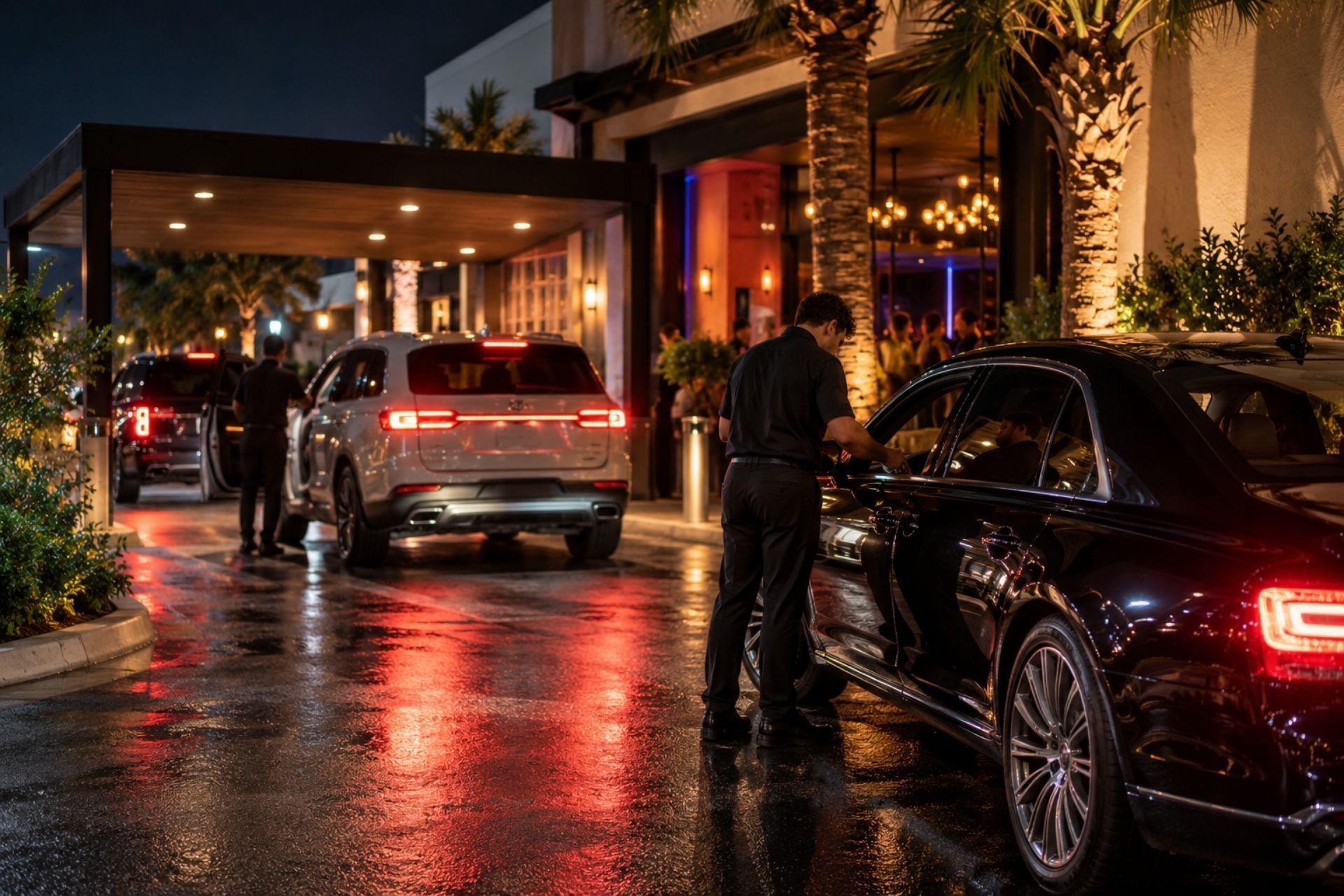
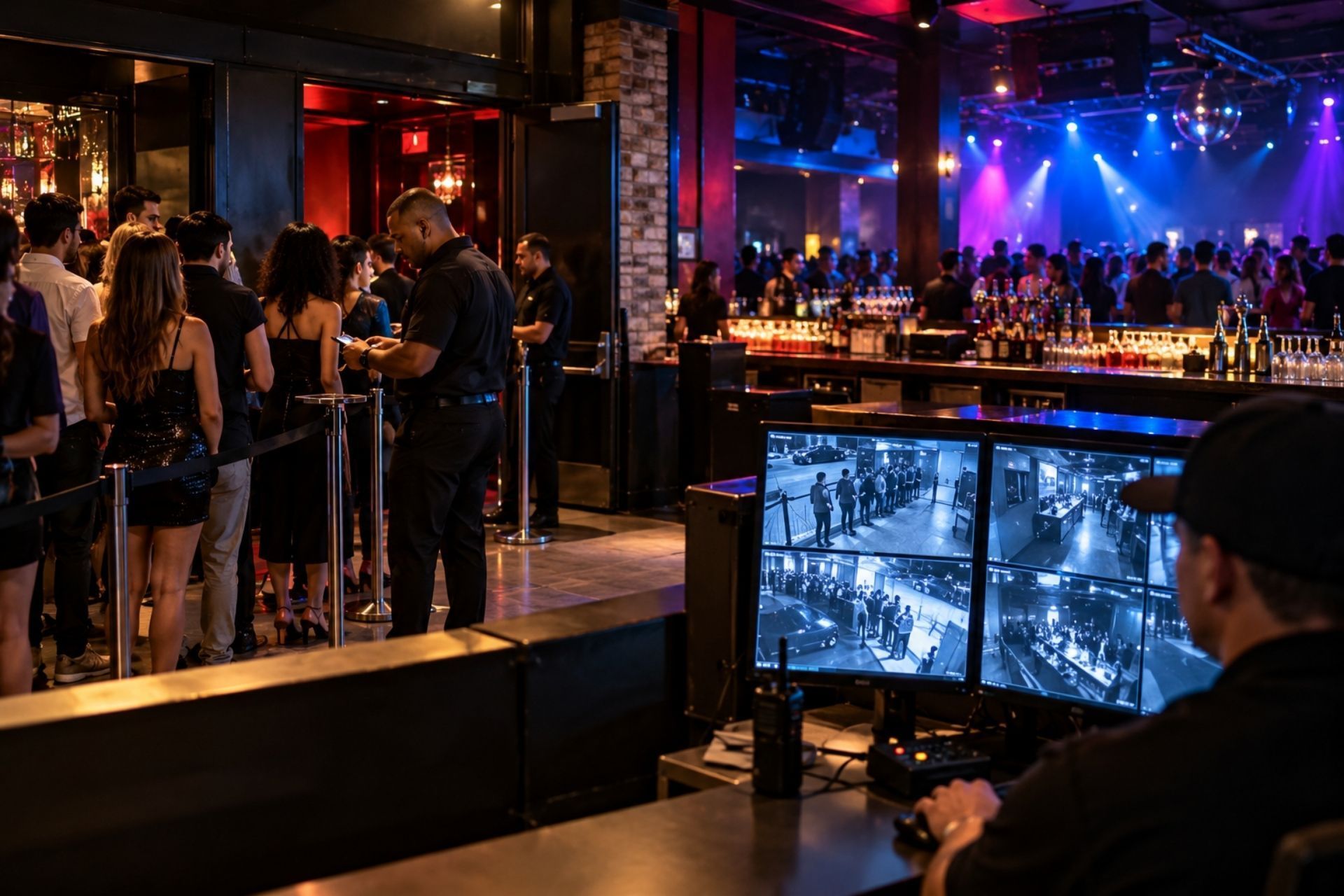
PA single uninsured assault claim can easily reach $250,000 to $500,000 when you factor in medical expenses, legal defense, lost wages, and pain-and-suffering damages. Jury awards in nightclub assault cases have exceeded seven figures with increasing frequency. Without A&B coverage, those costs come directly out of your business assets, and for most bar owners, that means closing the doors permanently.
The Role of the Customer's Personal Auto Policy
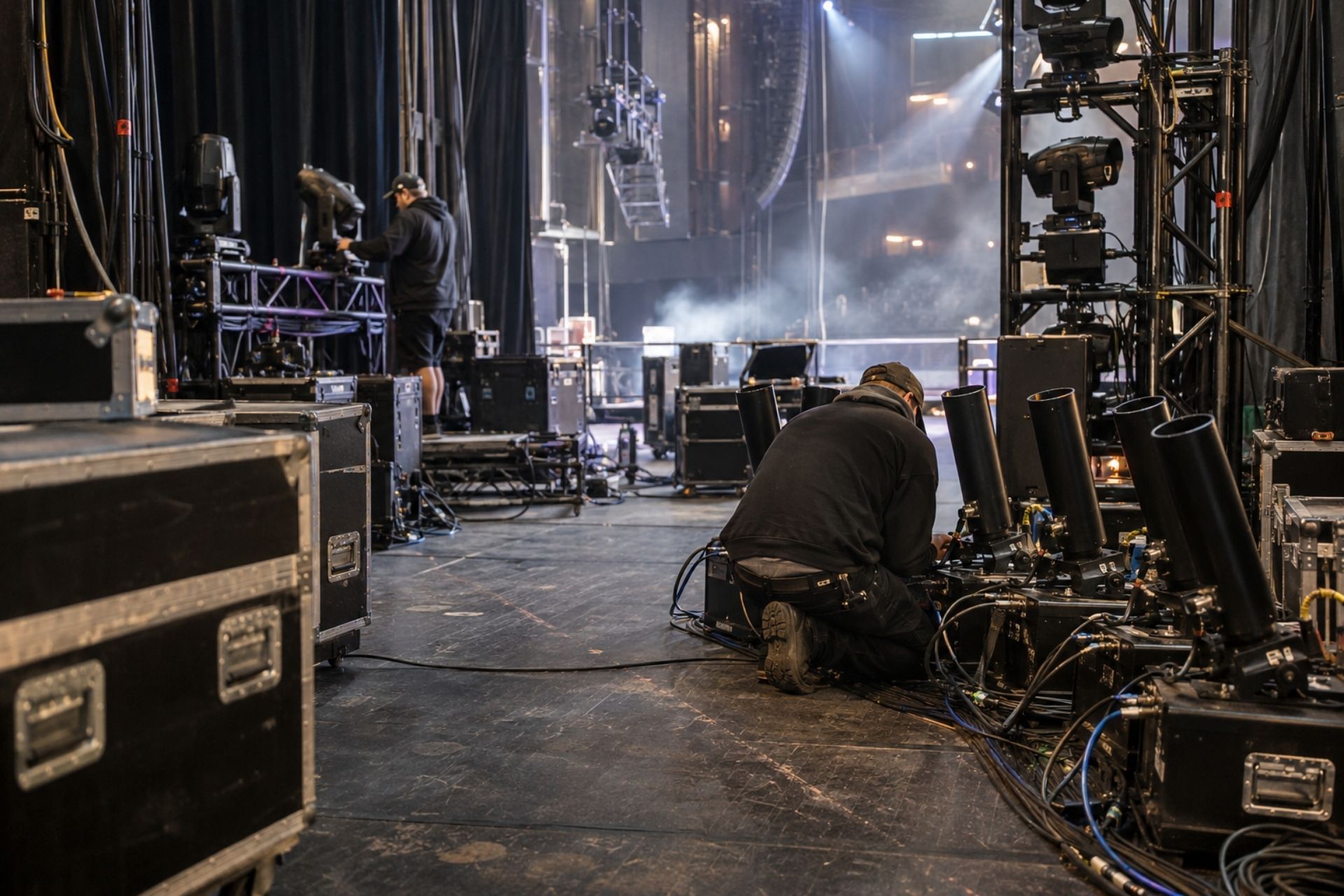
A single thunderstorm cell can turn a sold-out amphitheater show into a six-figure loss in under an hour. One moment you're watching crews rig lighting trusses; the next, you're evacuating 8,000 people while rain hammers the stage. And the financial fallout doesn't stop when the weather clears. Between non-refundable deposits, artist guarantees, and vendor contracts already paid in full, a weather-forced cancellation or a sudden power failure can wipe out months of revenue planning for venue operators and promoters alike.
The live events industry is under real pressure right now. The UK festival market alone has seen 20 festivals canceled or liquidated by June 2026, following a brutal 2024 that claimed 78. Rising insurance premiums, unpredictable weather patterns, and even artist-side cancellations driven by poor ticket sales are compounding the risk. If you own or operate a venue, promote concerts, or manage festivals, understanding how cancellations tied to weather, power failure, and artist non-appearance actually work from an insurance standpoint isn't optional anymore. It's the difference between recovering financially and closing your doors. Here's what the people writing those policies wish you knew before you needed to file a claim.
The Financial Impact of Unforeseen Event Disruptions
A canceled event doesn't just mean lost ticket revenue. The real damage is layered, and most of it hits before the doors ever open. Venue operators in the hospitality and nightlife space tend to underestimate how quickly costs stack up because so many of them are locked in weeks or months ahead of the event date.
Understanding Non-Refundable Sunk Costs
Think about everything that's already been paid by the time a storm warning drops 48 hours before your show: staging and rigging crews, sound and lighting rental, portable restroom delivery, security staffing deposits, catering prep, marketing spend, and often the artist guarantee itself. Most of these contracts include non-refundable clauses or cancellation penalties that kick in within 72 hours of load-in.
For a mid-size outdoor festival, sunk costs can easily reach significant levels before a single ticket is scanned. Smaller club and venue operators aren't immune either: even a 500-capacity indoor show can carry substantial pre-committed expenses. Without cancellation coverage, those costs land squarely on the promoter or venue owner.
Revenue Loss from Ticket Sales and Sponsorships
The revenue side is equally painful. Refunding ticket holders is the obvious hit, but sponsorship clawbacks are often worse. Many sponsorship agreements include performance clauses tied to attendance thresholds or social media impressions. A canceled event triggers refund provisions or, at minimum, renegotiation for future deals.
Bar and
concession revenue disappears entirely. Merchandise sales evaporate. And the reputational cost, while harder to quantify, shows up the next time you try to book a headliner or sell sponsorship packages. The industry trend known as
"Blue Dot Fever," where artists cancel dates due to publicly visible unsold inventory, has made promoters even more cautious about committing to events without financial backstops.
Weather-Related Cancellations and Postponements
Weather is the most common trigger for live event cancellations, but not all weather events are treated equally by insurance carriers. The distinction between what forces a cancellation and what merely makes things uncomfortable matters enormously when you're filing a claim.
Standard vs. Severe Weather Triggers
A light rain shower during an outdoor concert is an inconvenience. A tornado warning is a mandatory evacuation. Insurance policies draw hard lines between these scenarios, and the definitions vary by carrier.
Most event cancellation policies cover named storms, lightning within a specified radius, sustained winds above a set threshold, and flooding that renders the venue unusable. What they usually don't cover: general rain, excessive heat, or cold temperatures unless you've specifically added those endorsements. I've seen promoters assume their policy covered a rain-soaked festival only to discover that "adverse weather" wasn't the same as "severe weather" in their policy language.
Outdoor vs. Indoor Venue Risks
Outdoor venues carry obviously higher weather exposure, but indoor venues aren't risk-free. A severe storm can knock out power to an arena, flood access roads, or damage roofing. Venues with large glass facades or skylights face structural risk from hail, and older buildings in hurricane-prone regions can suffer wind damage that makes them unsafe for occupancy.
The key difference is that outdoor event policies typically cost more because the probability of a weather-related claim is significantly higher. If you're running a mixed-use venue with both indoor and outdoor spaces, make sure your policy addresses both configurations separately. GrayStone Insurance Group's brokers, who average 20 years in the market, frequently flag this gap during policy reviews for hospitality and entertainment clients.
Navigating Utility and Power Failures
Power failures during live events create immediate safety hazards and financial chaos. The cause of the outage, whether it originates on your property or from the utility grid, determines both your liability exposure and your insurance coverage.
On-Site Infrastructure vs. Grid Failure
If your venue's electrical panel fails or a generator dies mid-show, that's an on-site infrastructure issue. Your general liability and property policies may respond, but event cancellation coverage handles the lost revenue and sunk costs. Grid failures caused by the utility company are trickier. Many basic event policies exclude utility interruption unless it results from a covered peril like a storm.
This distinction catches a lot of venue owners off guard. A transformer blows on a clear summer night, your show goes dark, and your insurer points to the utility exclusion. The fix is adding utility interruption coverage as an endorsement, which adds to your event cancellation premium but can save you from absorbing the full loss.
Equipment Damage from Power Surges
When power cuts out and comes back, the surge can destroy sound boards, lighting controllers, LED walls, and backline equipment worth tens or hundreds of thousands of dollars. Standard property policies may cover owned equipment, but rented or borrowed gear often falls into a coverage gap.
Inland marine policies are the right tool here, covering mobile and rented technical equipment at replacement cost rather than depreciated value. If you're hosting touring artists, their rider typically requires you to carry this coverage. Don't assume the artist's own policy will cover gear damaged by your venue's electrical issues: that claim is coming back to you.
Comparing Event Cancellation Coverage Options
Not all event cancellation policies are built the same. The gap between a basic policy and a comprehensive one can mean the difference between a manageable setback and a business-ending loss.
Comparison Table: Basic vs. Comprehensive Event Insurance
| Coverage Feature | Basic Event Cancellation | Comprehensive Event Cancellation |
|---|---|---|
| Severe weather (named storms, lightning) | Covered | Covered |
| General adverse weather (rain, heat) | Excluded | Often available as endorsement |
| Artist non-appearance | Excluded | Covered (with sub-limits) |
| Utility/power failure | Excluded | Covered (grid and on-site) |
| Terrorism/civil unrest | Excluded | Available as endorsement |
| Equipment damage (power surge) | Excluded | Covered with inland marine add-on |
| Vendor no-show | Excluded | Covered |
| Communicable disease | Excluded | Varies by carrier |
| Typical premium range (mid-size event) | Varies by risk | Varies by risk |
| Claim response time | Standard | Priority |
The premium difference looks steep until you compare it to the cost of absorbing a $300,000 loss. For high-risk events, especially outdoor festivals and large-capacity concerts, comprehensive coverage is the only version that actually protects your investment. GrayStone Insurance Group uses AI-powered risk modeling to price these policies with precision, which often results in better rates than carriers using outdated actuarial tables.
Common Questions About Event Insurance
FAQ: What You Need to Know Before Signing a Policy
Does event cancellation insurance cover an artist pulling out of a show? Only if you carry a non-appearance endorsement, which is separate from standard weather and cancellation coverage. Given that high-profile artists like Post Malone and Meghan Trainor have canceled 2026 dates over ticket sales concerns, this endorsement is worth serious consideration.
How far in advance do I need to buy event cancellation coverage? Most carriers require you to bind coverage well before the event, and some require lead time for weather-related endorsements. You cannot buy coverage once a named storm is already in the forecast.
Will my policy cover a partial cancellation, like cutting a festival from three days to two? Some comprehensive policies include abandonment and curtailment provisions that cover partial losses. Basic policies typically require a full cancellation to trigger a payout.
Are premium costs rising for live event coverage? Yes. The cost of non-appearance and weather coverage has seen a multi-fold increase in recent years, driven by higher claim frequency and severity across the industry.
What documentation do I need to file a weather-related claim? You'll need official weather service records, timestamped photos or video, written communication with local authorities (evacuation orders, etc.), and financial records showing your losses. Start documenting immediately: don't wait until after the event.
Does my venue's general liability policy cover event cancellations?
No. General liability covers bodily injury and property damage claims from third parties. Event cancellation is a separate policy that covers your financial losses from the event not happening as planned.
Steps to Take When Disaster Strikes
The first 24 hours after a cancellation determine whether your insurance claim succeeds or gets bogged down in disputes. Having a response plan isn't just smart: the Event Safety Alliance is currently developing Version 2 of The Event Safety Guide specifically to address these evolving risks. Safety and financial preparedness go hand in hand.
Documenting Weather and Utility Issues for Claims
Start documenting the moment conditions deteriorate. Pull official National Weather Service alerts with timestamps. Record video of the conditions on-site. Save all communication with local emergency management, utility companies, and venue staff. Screenshot any evacuation orders or public safety advisories.
Your insurer will want to see a clear timeline: when the threat was identified, when the decision to cancel was made, and what steps you took to mitigate losses. If you waited too long to cancel and incurred additional costs (like paying a crew to stand around for six hours), the carrier may argue those costs were avoidable.
Communicating with Vendors and Attendees
Notify vendors immediately and in writing. Email is better than phone calls because it creates a paper trail. Reference the specific force majeure or cancellation clauses in your contracts. For attendees, push notifications through your ticketing platform, social media announcements, and email blasts should all go out within hours, not days.
Clear communication reduces your exposure to chargebacks and litigation. Attendees who feel informed and respected are far less likely to dispute refunds through their credit card companies, which saves you processing fees and reputational damage.
Making the Right Choice for Your Next Event
Live venue event cancellation tied to weather, artist issues, or power failure isn't a hypothetical risk: it's a near-certainty if you're running enough events over time. The question isn't whether it will happen, but whether you'll be financially prepared when it does.
The smart move is getting cancellation coverage quoted early in your event planning process, not as an afterthought two weeks before load-in. Talk to a broker who actually understands entertainment and hospitality risk. GrayStone Insurance Group's 94% client retention rate exists because they specialize in exactly these hard-to-place, high-stakes situations where generic carriers fall short.
Safety, as industry leaders have noted, is a strategic imperative that directly impacts brand reputation and business continuity. Treat your insurance the same way. Get the right policy, document everything, and make sure your next event is protected against the risks that have already taken down too many others this year. Reach out to a specialized broker before your next event goes on sale: your future self will thank you.
Search
INDEX
ABOUT THE AUTHOR:
CHAD KRAMER
I started GrayStone Insurance Group in 2018 with a simple conviction: the businesses everyone else turns away deserve a broker who won't. What began as a one-person operation has grown into a specialty commercial brokerage with offices across the country — but the mission hasn't changed. We find solutions for high-risk and hard-to-place businesses when other agencies run the other way.
I built this agency on integrity, hard work, and the tenacity to do the hard things well. Through our access to Excess & Surplus and specialty markets, my team and I place coverage standard carriers can't — and I treat every client's business like my own.
If you've been declined, non-renewed, or told your business is too complicated to insure, let's talk.