
General Liability responds to the core exposures most operations in this category face. A typical policy answers third-party claims and the defense costs that come with them, so a single incident doesn't put the business at risk.
Georgia requires workers' compensation for any business with three or more employees. That threshold is lower than many states, and it catches a lot of small venue operators off guard. Your door staff, bartenders, sound engineers, and even regular part-time stagehands count toward that number.
The penalties for non-compliance are steep: fines up to $10,000 and potential criminal misdemeanor charges. Georgia's State Board of Workers' Compensation actively investigates complaints, and injured employees who discover you lack coverage can sue you directly - without the protections that workers' comp provides to employers. Don't gamble on this one.
Workers' Compensation Laws in Georgia
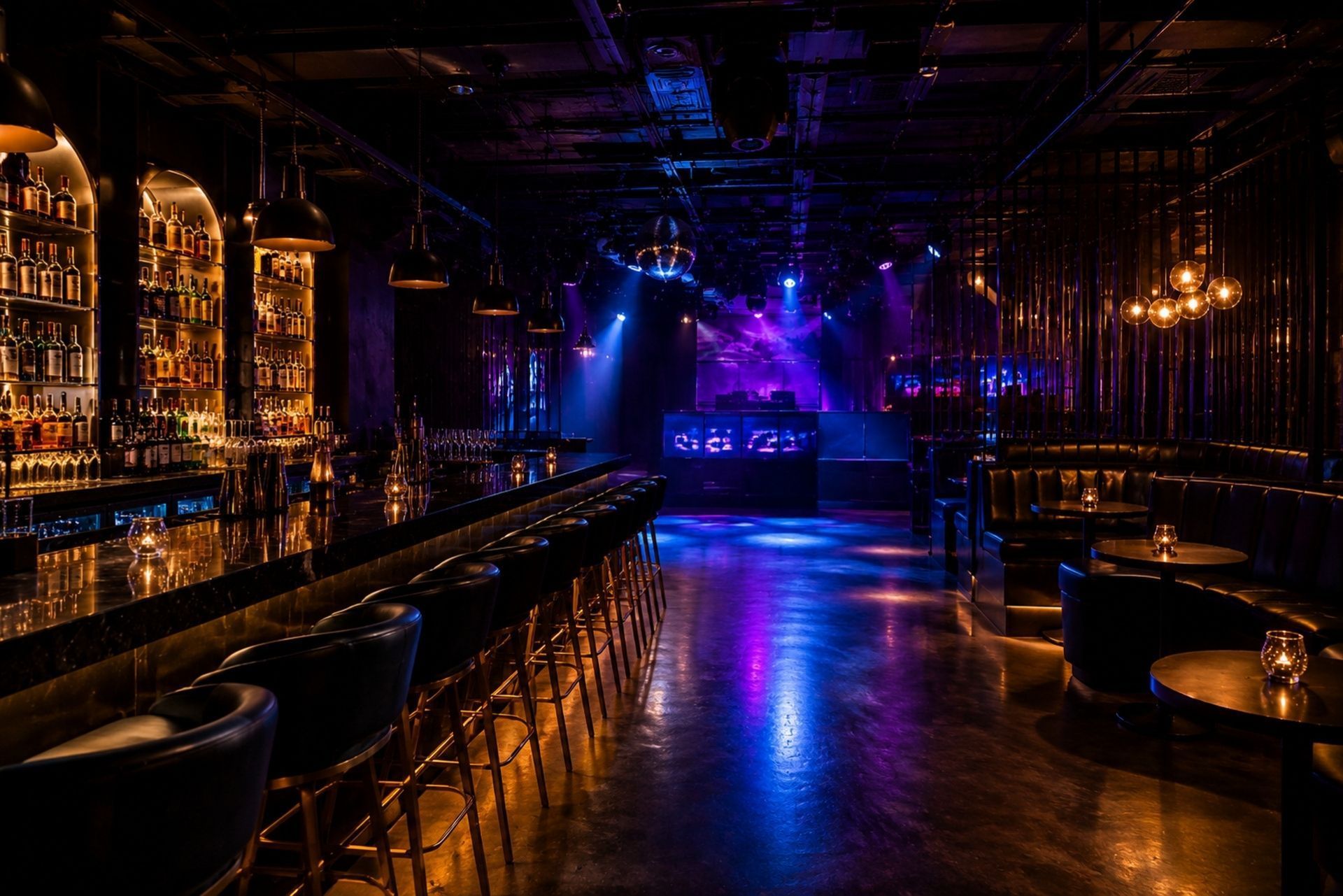
Denver's nightlife scene is booming, and with it comes a set of insurance headaches that most business owners don't anticipate until it's too late. Between the city's push to extend last call to 4 a.m. and a complete overhaul of entertainment licensing rules, the risk profile for Denver bars and nightclubs has shifted dramatically in the last two years. A venue that was adequately insured in 2023 might have glaring coverage gaps today. If you're running a bar, lounge, or nightclub in Denver, your insurance needs to reflect the city you're actually operating in, not the one your policy was originally written for. The stakes are real: a single liquor liability claim in Colorado can reach nearly half a million dollars, and that's before attorney fees even enter the picture. This guide breaks down what Denver operators actually face, what Colorado law requires, and where most venue owners get tripped up on coverage.
Navigating the Denver Nightlife Insurance Landscape
Denver's bar and nightclub insurance market looks nothing like it did five years ago. The city's new entertainment licensing framework has created entirely new categories of venues, and insurers are still catching up. A cocktail bar that hosts a weekly DJ night now faces different classification questions than a traditional restaurant bar, and that classification directly affects your premium.
The local market is also tightening. Several national carriers have pulled back from insuring nightlife venues in metro Denver, citing increased claims frequency tied to later operating hours and larger crowd capacities. That's left many operators scrambling for coverage, often settling for policies that look adequate on paper but contain exclusions that would gut a real claim.
What makes Denver's insurance environment particularly tricky is the overlap between city and state regulation. You're not just dealing with Colorado's dram shop laws; you're also working within Denver's own licensing requirements, which have drawn scrutiny from neighborhood organizations concerned about noise, safety, and accountability. Each layer of regulation creates a corresponding insurance obligation.
Unique Risks for LoDo and Capitol Hill Establishments
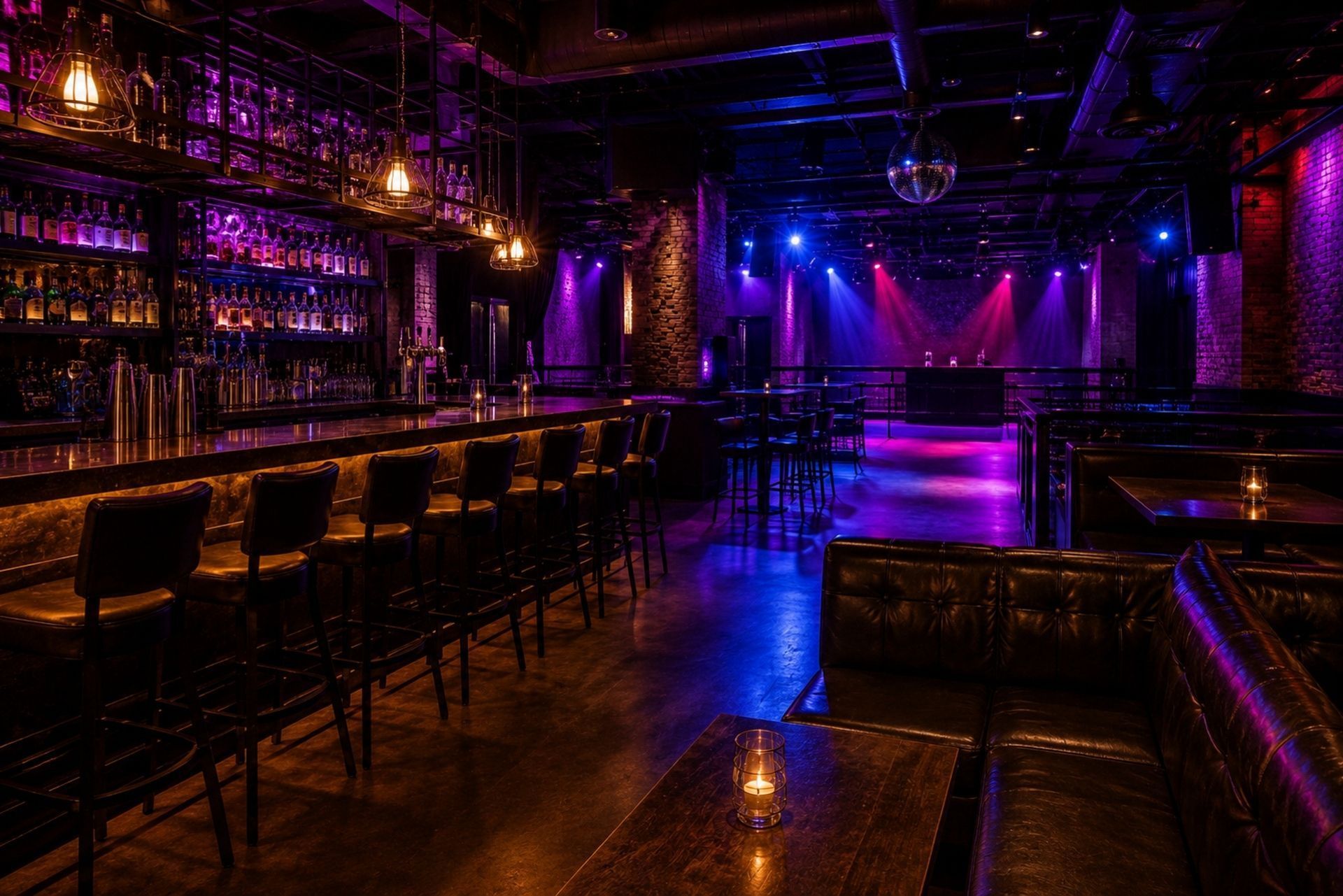
LoDo and Capitol Hill are Denver's two highest-concentration nightlife districts, and each brings its own risk profile. LoDo venues deal with massive weekend foot traffic, proximity to Coors Field event crowds, and a higher incidence of alcohol-related incidents on surrounding sidewalks. If someone stumbles out of your bar and gets hurt on the public sidewalk, your liquor liability policy is the first thing that gets tested.
Capitol Hill venues face a different mix. The neighborhood's density means your bar shares walls with residential units, which creates noise complaints, property damage concerns, and a higher likelihood of neighbor-initiated lawsuits. Older buildings on Colfax and Broadway often have outdated electrical systems that weren't designed to handle modern sound and lighting rigs, creating fire and property risks that a standard policy might not fully cover.
Both districts also see higher assault and battery claims than suburban venues. Crowded spaces, alcohol, and late hours are a predictable combination, and your insurance needs to account for that reality.
Why Standard Business Policies Fall Short for Bars
A standard Business Owner's Policy, or BOP, is designed for low-risk operations like retail shops and professional offices. It bundles general liability with property coverage at a reasonable price. The problem is that it was never built for a business that serves alcohol to hundreds of people until 2 a.m. (or potentially 4 a.m. under Denver's new rules).
Most BOPs exclude liquor liability entirely. They also cap assault and battery coverage or exclude it outright. If your bouncer restrains an unruly patron and that patron claims injury, a standard BOP will likely deny the claim. The same goes for property damage caused by patron behavior: broken fixtures, vandalism, even fire started by a cigarette in a non-smoking area.
Bars and nightclubs need policies specifically underwritten for the hospitality and nightlife sector. That means working with brokers who understand the space. GrayStone Insurance Group, for instance, specializes in placing coverage for high-risk hospitality businesses that traditional carriers decline, with brokers averaging 20 years in the market who know exactly which exclusions to watch for.
INDEX
GrayStone Insurance Group is fully licensed and permitted to provide specialty commercial insurance solutions for high-risk and hard-to-place businesses across 17 states.
We proudly serve high-risk and hard-to-place businesses from coast to coast. As an independent specialty brokerage, our team works with leading Excess & Surplus and specialty carriers to make sure restaurants, bars, contractors, trucking companies, manufacturers, and other hard-to-place operations receive coverage that fits their real risks in California, Colorado, Florida, Georgia, Illinois, Iowa, Maryland, Michigan, Missouri, Nevada, New York, North Carolina, South Carolina, Tennessee, Texas, Utah, and Washington.
Every policy has boundaries. Knowing them up front is how you avoid an uncovered claim. Common exclusions include:
Every policy has boundaries. Knowing them up front is how you avoid an uncovered claim. Common exclusions include:
Every policy has boundaries. Knowing them up front is how you avoid an uncovered claim. Common exclusions include:
General Liability responds to the core exposures most operations in this category face. A typical policy answers third-party claims and the defense costs that come with them, so a single incident doesn't put the business at risk.
If your firm provides any design, engineering, or consulting services alongside construction, you need both. A GL policy won't cover a claim alleging your design specifications caused a building envelope failure. That's a professional liability exposure, and it's one of the fastest-growing claim categories in construction.
CBobtail and Non-Trucking Liability Insurance
Bobtail insurance covers your truck when you're driving without a trailer attached, typically between loads or heading to a pickup. Non-trucking liability is similar but applies when you're using the truck for personal purposes outside of dispatch. These coverages fill gaps that your primary liability policy doesn't cover. Owner-operators leased to a carrier especially need to pay attention here, because the carrier's policy usually only covers you while you're under dispatch.
| Coverage Element | Basic Tier | Comprehensive Tier |
|---|---|---|
| General Liability | $1M per occurrence | $2M per occurrence |
| Product Liability | Often excluded or limited | Included with $1M-$2M limits |
| Crop/Inventory | Not included | Included with agreed-value endorsement |
| Product Recall | Not included | Included |
| Business Interruption | Limited | Full coverage with 12-month indemnity |
| Workers' Compensation | Add-on | Bundled |
| Approximate Annual Cost | $2,500-$5,000 | $8,000-$20,000+ |
Mandatory Colorado State and Denver City Requirements
Colorado imposes several non-negotiable insurance requirements on businesses that serve alcohol, and Denver adds its own layer on top. Missing any of these can result in license suspension, fines, or personal liability for the business owner.
Every bar and nightclub in Denver needs, at minimum, general liability insurance, liquor liability coverage, and workers' compensation (if you have employees, which you almost certainly do). Denver's licensing division may also require proof of insurance as a condition of your entertainment license, particularly under the revised licensing ordinance that went into effect this year.
Workers' Compensation and State Compliance
Colorado law requires workers' compensation coverage for virtually every employer, with very few exceptions. If you have even one employee, whether full-time, part-time, or seasonal, you need a workers' comp policy. This isn't optional, and the penalties for non-compliance are severe: fines of up to $500 per day plus potential criminal charges.
For bars and nightclubs, workers' comp claims tend to cluster around a few common scenarios. Bartenders suffer repetitive strain injuries. Kitchen staff get burns and cuts. Bouncers and security personnel sustain injuries during physical altercations. Each of these carries a different risk rating, and your premium reflects the mix of job classifications on your payroll.
One mistake I see frequently: owners who classify security staff as "general employees" to save on premiums. If a bouncer gets injured during an altercation and your workers' comp policy has them classified incorrectly, the insurer can deny the claim and you're personally on the hook.
Liquor Liability: Colorado's Dram Shop Laws
Colorado's dram shop statute holds bars and restaurants liable when they serve a visibly intoxicated person who then causes injury to a third party. The statutory cap for these claims has been raised to $437,880, which is nearly double what it was a decade ago. That number represents just the statutory cap; actual legal defense costs can push total exposure well beyond that figure.
What catches many Denver operators off guard is how broadly "visibly intoxicated" gets interpreted in court. A bartender who serves someone their sixth drink without noticing signs of impairment can trigger liability. Colorado courts have consistently sided with plaintiffs in these cases, making liquor liability coverage not just a legal requirement but a financial survival tool. Your policy limits should reflect the real exposure under Colorado law, not just the minimum your insurer suggests.
| Coverage Type | Basic Package | Comprehensive Package |
|---|---|---|
| General Liability | $1M per occurrence | $2M+ per occurrence |
| Property Coverage | Building contents only | Contents + equipment floaters |
| Liquor Liability | $500K limit | $1M-$2M limit |
| Workers' Comp | State minimum | State minimum + employer's liability |
| Event Cancellation | Not included | Per-event or annual policy |
| Cyber Liability | Not included | Covers ticketing data breaches |
| Umbrella/Excess | Not included | $1M-$5M excess layer |
| Hired/Non-Owned Auto | $8,000-$15,000 | $25,000-$60,000+ |
| Feature | General Liability | Professional Liability |
|---|---|---|
| Covers | Bodily injury, property damage, advertising injury | Errors, omissions, negligent advice |
| Typical Limit | $1M per occurrence / $2M aggregate | $500K to $2M per claim |
| Claims Trigger | Physical harm or damage occurs | Financial loss from professional error |
| Required By | Most GCs, project owners, municipalities | Design-build contracts, engineering projects |
| Average Annual Cost (Solo) | $430 - $780 | $800 - $2,500 |
| Deductible Range | $500 - $2,500 | $2,500 - $10,000 |
Essential vs. Optional Coverage Comparison
Here's a practical breakdown of what Denver bar and nightclub operators should carry:
| Coverage Type | Required? | Typical Limits | Why It Matters |
|---|---|---|---|
| General Liability | Yes | $1M per occurrence / $2M aggregate | Covers slip-and-fall, property damage to others |
| Liquor Liability | Yes (if serving alcohol) | $500K - $1M+ | Dram shop claims, over-service lawsuits |
| Workers' Compensation | Yes (with employees) | State-mandated | Employee injuries on the job |
| Assault & Battery | Optional but critical | $100K - $500K | Bouncer incidents, patron fights |
| Commercial Property | Strongly recommended | Replacement cost | Equipment, buildout, inventory |
| Umbrella/Excess Liability | Optional | $1M - $5M | Extra protection above primary limits |
| Cyber Liability | Optional | $250K - $1M | POS system breaches, customer data |
| Business Interruption | Optional | Based on revenue | Lost income during forced closure |
Most Denver venues should treat assault and battery coverage and commercial property as essential, even though they're technically optional. An umbrella policy provides crucial excess coverage when a single claim exceeds your primary limits, which happens more often than you'd think in nightlife.
Every policy has boundaries. Knowing them up front is how you avoid an uncovered claim. Common exclusions include:
Every policy has boundaries. Knowing them up front is how you avoid an uncovered claim. Common exclusions include:
Every policy has boundaries. Knowing them up front is how you avoid an uncovered claim. Common exclusions include:
General Liability responds to the core exposures most operations in this category face. A typical policy answers third-party claims and the defense costs that come with them, so a single incident doesn't put the business at risk.
Hired and Non-Owned Auto Insurance for Delivery Services
The explosion of delivery services has created an insurance blind spot for many restaurants. If your employee uses their personal vehicle to make a delivery and causes an accident, your business can be named in the lawsuit. Their personal auto policy likely excludes commercial use, and your commercial policy doesn't automatically cover vehicles you don't own.
Hired and non-owned auto coverage fills this gap. It's relatively inexpensive, usually $200 to $500 annually, and it protects you when employees use personal vehicles for business purposes or when you rent a vehicle for catering deliveries.
Even if you rely entirely on third-party delivery platforms, you're not completely insulated from liability. The contractual agreements with these platforms have limitations, and a determined plaintiff's attorney will name every possible defendant. Having your own coverage is the safest approach.
Protecting Against Denver-Specific Operational Risks
Denver's evolving nightlife regulations have created operational risks that didn't exist even three years ago. Extended hours mean more exposure time. Larger entertainment licenses mean bigger crowds. Both translate directly into higher claim frequency and severity.
The city's altitude also plays a subtle but real role: alcohol hits harder at 5,280 feet. Patrons who would be fine after three drinks at sea level can become visibly intoxicated faster in Denver, increasing your dram shop exposure. Smart operators train their staff on altitude-adjusted service, and smart insurers want to see that training documented.
Assault and Battery Endorsements for Security Teams
This is the coverage gap that burns Denver nightclub owners most often. Standard general liability policies almost always exclude assault and battery, yet these claims are among the most common in nightlife. A patron gets roughed up by a bouncer, or two patrons fight and one blames your security team for not intervening quickly enough. Either way, you're looking at a lawsuit.
An assault and battery endorsement fills this gap. It covers defense costs and settlements arising from physical altercations on your premises, whether your staff was involved or not. Premiums vary widely based on venue size, hours of operation, and whether you employ in-house security or contract with a third-party firm. GrayStone Insurance Group works with carriers experienced in underwriting these endorsements for Denver nightclubs, using data-driven risk modeling to find pricing that reflects your actual operations rather than worst-case assumptions.
Property Coverage for High-Value Sound and Lighting
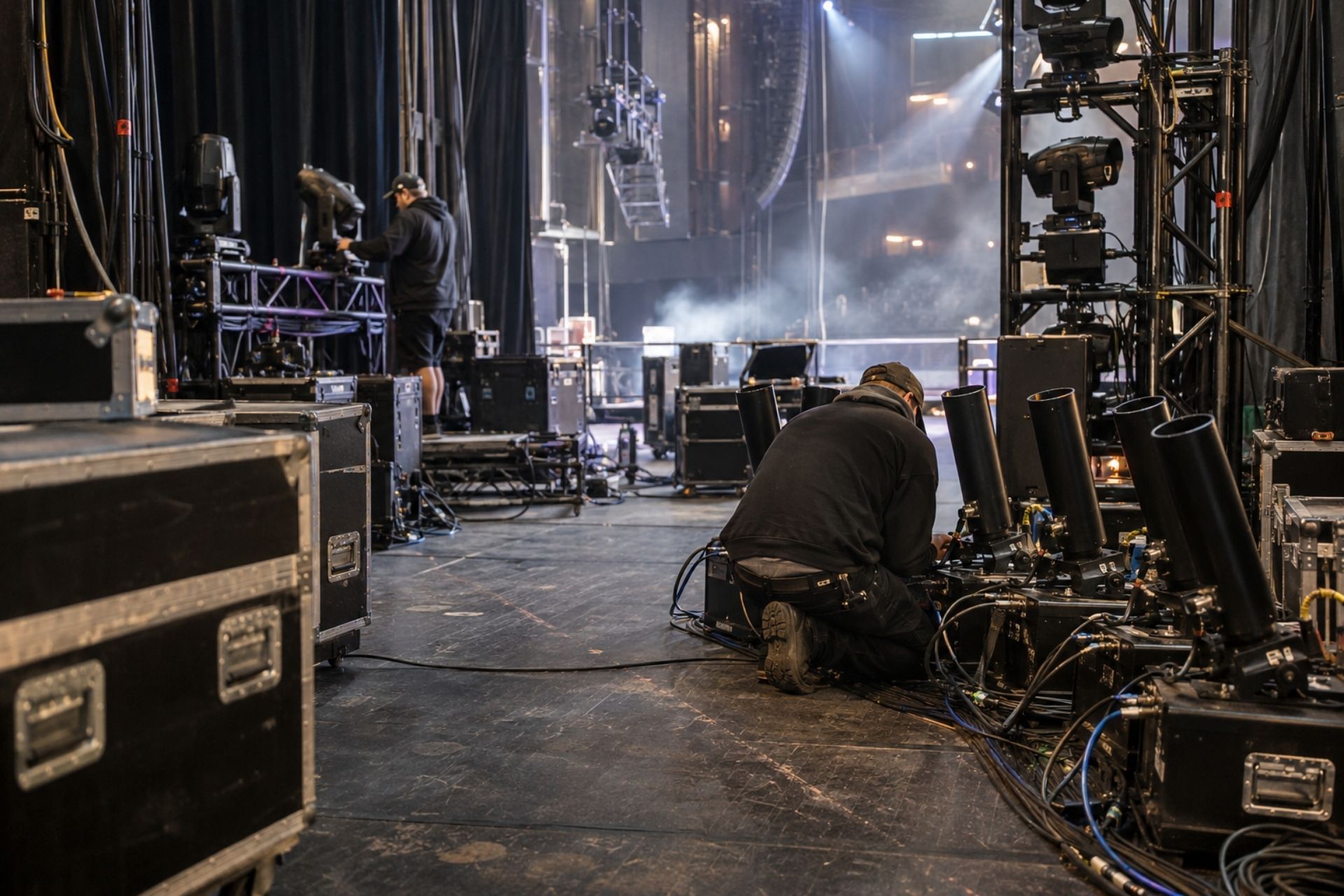
A quality sound system in a Denver nightclub can easily represent $50,000 to $200,000 in equipment. LED lighting rigs, DJ booths, video walls: these aren't standard commercial property. A basic property policy might cover your building and basic contents but cap equipment coverage at levels far below replacement cost.
You need an inland marine or equipment floater policy that specifically covers your sound, lighting, and AV gear at full replacement value. Make sure the policy covers theft, electrical surge, water damage (Denver's summer hailstorms are no joke), and transit if you move equipment between venues. Get your equipment appraised and keep that documentation current; insurers will use it to set your coverage limits and process claims faster.
A small club (under 300 capacity) in Georgia typically pays between $8,000 and $15,000 annually for a package including general liability, liquor liability, and property coverage. Workers' comp adds another $2,000-$6,000 depending on payroll size. Per-event coverage for one-off shows runs $188-$280 per day.
How much does insurance usually cost for a small club?
Most startups can expect to pay between $2,500 and $6,000 annually for a basic general liability policy. Adding product liability typically pushes the total to $5,000 to $10,000, depending on your product type and projected revenue.
FAQ: How much does a basic policy cost for a startup?
FAQ: Can I get coverage if my hemp tests over 0.3% THC?
A hot test creates serious problems. The crop must be destroyed under federal and state law, and your insurer may not cover the loss unless you have a specific endorsement for THC compliance failure. Some specialty carriers offer this coverage, but it's not standard.
FAQ: Will my homeowners insurance cover my small hemp farm?
Almost certainly not. Homeowners policies exclude commercial agricultural operations, and hemp's association with cannabis makes this even less likely. You need a standalone commercial policy, even for a small grow operation.
How Trade Specialty Affects Your Premium
Your NCCI classification code is the single biggest factor in workers' comp pricing. Roofing contractors (code 5551) pay rates several times higher than interior finish carpenters. Electricians fall somewhere in the middle. The rate differences between trade classifications can be dramatic: a roofer might pay $15 to $25 per $100 of payroll, while a plumber pays $4 to $8.
General liability premiums follow a similar pattern. Excavation and demolition contractors pay significantly more than painters or flooring installers because the potential for property damage and bodily injury is higher.
Austin is the Live Music Capital of the World, and if your venue hosts performers, you need entertainment liability coverage. This covers injuries to performers, damage to their equipment, and incidents related to stage setups, sound equipment, and crowd behavior during shows. A standard general liability policy won't cover a speaker stack falling on a patron or a musician tripping over unsecured cables. If you host ticketed events, you may also need event-specific permits and insurance depending on capacity and format.
Live Music and Entertainment Endorsements
Common Questions for Denver Bar Owners
How much does bar insurance cost in Denver? Expect to pay between $5,000 and $15,000 annually for a comprehensive package, depending on your venue size, hours, revenue, and claims history. Late-night venues with entertainment licenses typically land on the higher end.
Do I need separate liquor liability if I already have general liability? Yes. General liability policies exclude alcohol-related claims. Liquor liability is a standalone coverage that you must carry if you serve alcohol in Colorado.
What happens if my insurance lapses while I hold a Denver liquor license? Denver can suspend or revoke your liquor license. The city requires continuous proof of coverage, and lapses trigger automatic notification to the licensing division.
Does my policy cover me if a patron is injured outside my venue? It depends on the circumstances. If the patron was over-served at your establishment, Colorado's dram shop law can hold you liable for injuries that occur off-premises, including car accidents.
Should I get coverage for live events and special performances? Absolutely. Denver's new licensing rules for entertainment venues create additional liability exposure. Special event coverage or an endorsement to your existing policy is worth the investment.
Every policy has boundaries. Knowing them up front is how you avoid an uncovered claim. Common exclusions include:
Every policy has boundaries. Knowing them up front is how you avoid an uncovered claim. Common exclusions include:
Every policy has boundaries. Knowing them up front is how you avoid an uncovered claim. Common exclusions include:
General Liability responds to the core exposures most operations in this category face. A typical policy answers third-party claims and the defense costs that come with them, so a single incident doesn't put the business at risk.
Making the Right Choice for Your Venue
Getting bar and nightclub insurance right in Denver isn't about finding the cheapest policy. It's about building a coverage package that matches your actual risk profile: your location, your hours, your crowd, your entertainment format. A craft cocktail lounge in RiNo has different needs than a high-volume nightclub on Market Street, and your insurance should reflect that.
Start by auditing your current policy against the table above. If you're missing liquor liability, assault and battery coverage, or adequate property limits for your equipment, you have gaps that could cost you everything. Work with a broker who specializes in nightlife and hospitality, not a generalist who writes the same BOP for every small business. GrayStone Insurance Group maintains a 94% client retention rate precisely because their team understands these distinctions and builds coverage around them.
The Denver nightlife market is changing fast. Your insurance should be keeping pace.
ABOUT THE AUTHOR:
CHAD KRAMER
I started GrayStone Insurance Group in 2018 with a simple conviction: the businesses everyone else turns away deserve a broker who won't. What began as a one-person operation has grown into a specialty commercial brokerage with offices across the country — but the mission hasn't changed. We find solutions for high-risk and hard-to-place businesses when other agencies run the other way.
I built this agency on integrity, hard work, and the tenacity to do the hard things well. Through our access to Excess & Surplus and specialty markets, my team and I place coverage standard carriers can't — and I treat every client's business like my own.
If you've been declined, non-renewed, or told your business is too complicated to insure, let's talk.
Coverages & policies
Plain-language coverage, expertly placed.
We lead with commercial lines and round out personal coverage where you need it. Every policy comes with an explanation — not jargon.

Contractors
Third-party bodily injury & property damage — the foundation for any operation.

Liquor Liability
Critical for bars, restaurants and venues serving alcohol — including A&B.

Commercial Property
Buildings, contents and equipment — including distressed and vacant risk.

Workers' Compensation
Statutory coverage for your crew — including high-mod and high-hazard classes.

Commercial Umbrella
Extra liability limits over your primary policies — essential for high-exposure risk.
Products Liability
Manufacturers, CBD and consumer-product exposure — including imports.
What clients say
Brokers who actually place it.
FAQ
Answers for the risks others won't cover
Getting declined, non-renewed, or told your business is "too high-risk" is frustrating — but it doesn't mean you're out of options. Here are answers to the questions we hear most from business owners who need coverage the standard market won't provide.
What kind of insurance does GrayStone specialize in?
We're a specialty commercial brokerage built for high-risk and hard-to-place businesses — the risks standard carriers often turn away. Through our access to Excess & Surplus (E&S) and specialty markets, we place coverage that everyday agencies can't. Hospitality and construction are among our deepest areas of expertise.
My business was declined or non-renewed elsewhere. Can you still help?
That's exactly what we do. A decline, a non-renewal, or a tough claims history doesn't mean you're out of options — it means your risk needs a broker with the right market access. Tell us your situation and we'll get to work finding a fit.
What is Excess & Surplus (E&S) insurance?
E&S is specialty coverage for risks that standard "admitted" carriers won't write — often because a business is higher-risk, unusual, or has a complex history. As an independent broker, we tap into these specialty markets to place coverage where a typical agency hits a dead end.
What industries do you work with?
We cover a wide range of commercial industries — from restaurants, bars, and hospitality to contractors, trucking, manufacturing, cannabis, and more. If your industry is considered high-risk or hard-to-place, there's a good chance we've handled it.
Will you work with businesses that have prior claims or losses?
Yes. Prior claims and losses are part of many of the risks we place every day. Every business is evaluated on its own merits — and a rocky history is often exactly why a specialty broker can help where others won't.
Are you an independent broker?
Yes. We're not tied to a single carrier, so we shop your risk across multiple specialty and E&S markets to find coverage that actually fits — instead of forcing you into a one-size-fits-all policy.
Insights & resources
Know your risk before you buy.