
General Liability responds to the core exposures most operations in this category face. A typical policy answers third-party claims and the defense costs that come with them, so a single incident doesn't put the business at risk.
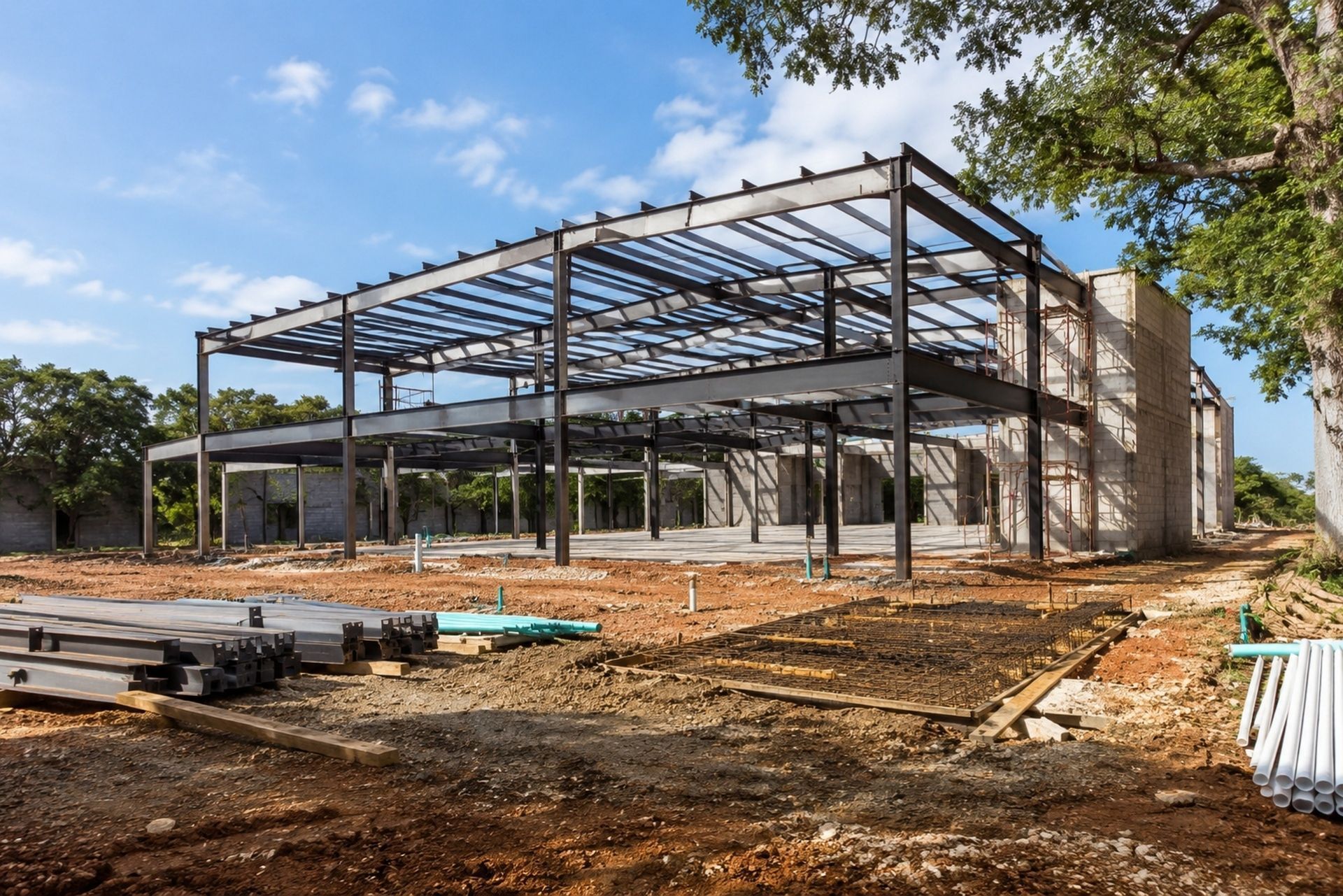
Austin's construction sector added thousands of jobs in 2025, and the region's employment growth continues to outpace national averages. That boom means more contractors bidding on projects, more crews on job sites, and more exposure to costly claims. Whether you're a general contractor building mixed-use developments near the Domain or a specialty sub running electrical through downtown high-rises, the insurance you carry shapes whether a single bad day wipes you out or just slows you down. Getting contractor insurance right in Austin requires understanding Texas-specific rules, local risk factors, and the coverage combinations that actually protect your business rather than just checking a box for a permit application.
Texas State Requirements for Austin Contractors
Texas takes a relatively hands-off approach compared to states like California or New York, but that doesn't mean you can skip coverage and hope for the best. The state sets clear expectations around liability, workers' comp, and vehicle insurance that every Austin contractor should understand before signing a contract.
General Liability and Licensing Standards
Texas doesn't have a statewide general contractor license, which surprises a lot of people. Instead, licensing happens at the city and county level. Austin requires contractors to register with the city's Development Services Department, and most project owners and general contractors demand proof of general liability insurance before you set foot on a site. The city's own guidance on selecting a contractor emphasizes verifying insurance and registration.
Standard general liability coverage in Austin typically runs between $150 and $400 per month for a $1M/$2M policy. High-risk trades like roofing, demolition, or excavation can push premiums well above that range. If your work involves structural modifications or hazardous materials, expect underwriters to scrutinize your loss history closely. This is one area where working with a brokerage experienced in hard-to-place risks, like GrayStone Insurance Group, can mean the difference between getting a competitive quote and getting declined outright.
Workers' Compensation Laws in Texas
Texas is one of the few states where workers' compensation insurance isn't mandatory for private employers. That sounds like a cost-saving opportunity until you realize what opting out actually means. Non-subscribers lose several legal protections: injured employees can sue you directly, and you can't use common defenses like contributory negligence.
Most serious general contractors in Austin carry workers' comp anyway because project owners require it. If you're bidding on commercial or government work, you'll almost certainly need a certificate of insurance showing active coverage. The Texas Department of Insurance has been issuing updated bulletins throughout 2026 clarifying reporting requirements and penalty structures for non-compliant employers.
For small crews of two or three workers, the premiums might feel steep. But a single back injury on a job site can generate six-figure medical bills. That math is pretty straightforward.
Commercial Auto Insurance for Fleet Safety
If your crew drives company vehicles, vans loaded with tools, or trucks hauling materials, Texas requires commercial auto insurance. The state minimums are $30,000 per person and $60,000 per accident for bodily injury, plus $25,000 for property damage. Those minimums are dangerously low for a contractor whose F-350 rear-ends someone on I-35 during rush hour.
Most insurance professionals recommend carrying at least $500,000 in combined single-limit coverage, with a commercial umbrella policy layered on top. Austin's traffic congestion and construction-zone driving make auto claims more frequent than you might expect, and the 2026 construction insurance market outlook points to rising auto liability costs across Texas metro areas.
INDEX
GrayStone Insurance Group is fully licensed and permitted to provide specialty commercial insurance solutions for high-risk and hard-to-place businesses across 17 states.
We proudly serve high-risk and hard-to-place businesses from coast to coast. As an independent specialty brokerage, our team works with leading Excess & Surplus and specialty carriers to make sure restaurants, bars, contractors, trucking companies, manufacturers, and other hard-to-place operations receive coverage that fits their real risks in California, Colorado, Florida, Georgia, Illinois, Iowa, Maryland, Michigan, Missouri, Nevada, New York, North Carolina, South Carolina, Tennessee, Texas, Utah, and Washington.
Every policy has boundaries. Knowing them up front is how you avoid an uncovered claim. Common exclusions include:
Every policy has boundaries. Knowing them up front is how you avoid an uncovered claim. Common exclusions include:
Every policy has boundaries. Knowing them up front is how you avoid an uncovered claim. Common exclusions include:
General Liability responds to the core exposures most operations in this category face. A typical policy answers third-party claims and the defense costs that come with them, so a single incident doesn't put the business at risk.
If your firm provides any design, engineering, or consulting services alongside construction, you need both. A GL policy won't cover a claim alleging your design specifications caused a building envelope failure. That's a professional liability exposure, and it's one of the fastest-growing claim categories in construction.
Unique Risks for Austin-Based Operators
Austin isn't just another Texas city. Its geography, weather patterns, and explosive growth create a risk profile that contractors in other markets don't face to the same degree.
Weather-Related Hazards: Flash Floods and Hail
Central Texas sits in the heart of Flash Flood Alley, and Austin's terrain of limestone hills and narrow creek beds makes flooding fast and destructive. A contractor with materials staged in a low-lying area can lose tens of thousands of dollars in inventory during a single storm event. Hailstorms are another constant threat: the region regularly sees hail large enough to damage vehicles, equipment, and partially completed structures.
Standard general liability policies don't cover your own property or equipment losses from weather. You need inland marine coverage and potentially a builder's risk policy to fill those gaps. Ignoring weather risk in Austin is like ignoring earthquake risk in San Francisco.
Rapid Urban Development and High Property Values
Austin's median home price still hovers well above $500,000, and commercial property values in areas like East Austin and the South Congress corridor have climbed sharply. That matters for contractors because the cost of damaging adjacent property during construction goes up with property values. A crane mishap near a $2 million condo building creates a very different liability exposure than the same accident in a rural area.
The pace of development also means tighter job sites, more subcontractors working simultaneously, and compressed timelines. All of these factors increase the likelihood of property damage claims and bodily injury incidents. Your coverage limits need to reflect what you're actually building next to, not just what you're building.
Comparing Essential Coverage Types
Not all policies protect you from the same things, and confusing general liability with professional liability is one of the most common mistakes contractors make.
Comparison Chart: General Liability vs. Professional Liability
| Feature | General Liability | Professional Liability |
|---|---|---|
| Covers | Bodily injury, property damage, personal injury to third parties | Errors, omissions, design flaws, faulty professional advice |
| Who Needs It | Every contractor | Design-build firms, engineers, architects, consultants |
| Typical Austin Cost | $150-$400/month for $1M/$2M | $100-$300/month depending on revenue and scope |
| Trigger | Physical harm or damage on/off job site | Financial loss from professional mistake |
| Common Claim Example | Client trips over debris at your work site | Your design spec causes a structural deficiency |
| Required By | Most project owners, city permits | Many commercial contracts, especially public projects |
A roofing contractor probably doesn't need professional liability. A design-build firm absolutely does. The key is matching your coverage to your actual scope of work rather than buying a generic package.
Inland Marine: Protecting Tools and Equipment On-Site
Inland marine insurance covers tools, equipment, and materials in transit or stored at job sites. This is separate from your commercial property policy, which typically only covers items at your permanent business location. For contractors who move expensive equipment between sites daily, this coverage is essential.
A typical inland marine policy in Austin might cost $500 to $2,000 annually depending on the total value of covered equipment. Consider what it would cost to replace a $15,000 laser grading system or a trailer full of copper pipe after a theft. Job site theft in Austin has been rising alongside the construction boom, and replacing stolen equipment out of pocket can cripple a small operation's cash flow for months.
Every policy has boundaries. Knowing them up front is how you avoid an uncovered claim. Common exclusions include:
Every policy has boundaries. Knowing them up front is how you avoid an uncovered claim. Common exclusions include:
Every policy has boundaries. Knowing them up front is how you avoid an uncovered claim. Common exclusions include:
General Liability responds to the core exposures most operations in this category face. A typical policy answers third-party claims and the defense costs that come with them, so a single incident doesn't put the business at risk.
How to Lower Your Premiums in the Austin Market
Insurance costs are a real line item, especially for smaller contractors operating on tight margins. There are practical ways to bring those numbers down without sacrificing the coverage you actually need.
Implementing Safety Programs and Risk Management
Carriers reward contractors who demonstrate a commitment to reducing claims. A documented safety program that includes regular toolbox talks, fall protection protocols, and incident reporting procedures can earn premium discounts of 5% to 15% with many insurers. Some carriers also offer credits for OSHA 10 or OSHA 30 certifications held by crew members.
GrayStone Insurance Group's brokers, who average 20 years of industry experience, often help clients structure these programs specifically to satisfy underwriter requirements. The 2026 insurance outlook for construction and transportation emphasizes that carriers are increasingly using loss control data to differentiate pricing. Contractors with clean loss runs and active safety cultures are getting meaningfully better rates than those without.
The Impact of Deductibles on Monthly Costs
Raising your deductible is one of the fastest ways to lower your premium. Moving from a $1,000 to a $2,500 deductible on your general liability policy might reduce your monthly cost by 10% to 20%. The tradeoff is obvious: you pay more out of pocket when a claim hits.
The right deductible depends on your cash reserves and claim frequency. If you haven't filed a claim in three years and keep $10,000 in reserve, a higher deductible makes financial sense. If you're running thin and working in a high-claim trade, a lower deductible provides more predictable costs. There's no universal answer here, just a calculation based on your specific situation.
What happens if a show gets canceled last minute?
Standard policies don't cover event cancellation. If a headliner cancels, severe weather shuts you down, or a power outage kills the show, you're absorbing the full financial loss unless you have a dedicated event cancellation policy. These policies typically cover lost ticket revenue, non-refundable deposits, and marketing expenses. For venues that rely on ticket sales as a primary revenue stream, this coverage pays for itself the first time you need it.
Common Questions About Contractor Insurance
FAQ: Coverage Basics and Local Filing
Do I need insurance to get a contractor permit in Austin? Yes. Austin's Development Services Department requires proof of insurance for most contractor registrations and building permits. The specific limits depend on your trade and project type.
Can I use personal auto insurance for my work truck? No. If a vehicle is used for business purposes, personal auto policies typically exclude coverage. You need a commercial auto policy to avoid a denied claim.
What happens if I'm a subcontractor and the GC already has insurance? The GC's policy protects the GC, not you. If a claim traces back to your work, you need your own general liability coverage. Most GCs require subs to carry their own policies and name the GC as an additional insured.
Is builder's risk the same as general liability? They cover different things entirely. Builder's risk protects the structure under construction from damage like fire, wind, or vandalism. General liability covers third-party injuries and property damage caused by your operations.
How often should I review my coverage? At least annually, or whenever you add employees, take on larger projects, or expand into new trades. Coverage that fit your business two years ago might leave dangerous gaps today.
Every policy has boundaries. Knowing them up front is how you avoid an uncovered claim. Common exclusions include:
Every policy has boundaries. Knowing them up front is how you avoid an uncovered claim. Common exclusions include:
Every policy has boundaries. Knowing them up front is how you avoid an uncovered claim. Common exclusions include:
General Liability responds to the core exposures most operations in this category face. A typical policy answers third-party claims and the defense costs that come with them, so a single incident doesn't put the business at risk.
Making the Right Choice for Your Crew
Austin's contractor insurance requirements aren't just bureaucratic hurdles: they're the financial backbone that keeps your business standing after a claim. Texas gives you some flexibility, particularly around workers' comp, but that flexibility comes with real consequences if you choose wrong.
Start by matching your coverage types to your actual risk exposures. A framing crew needs different protection than a plumbing outfit, and both need different limits than a general contractor managing million-dollar builds. Get quotes from brokers who understand hard-to-place construction risks rather than generalist agents who treat every contractor the same. GrayStone Insurance Group maintains a 94% client retention rate precisely because their approach is built around understanding what each contractor actually faces on the ground.
Review your policies every year, invest in safety programs that earn premium credits, and don't let the cheapest quote be your only decision factor. The best contractor insurance in Austin is the policy that pays when you need it, not the one that looked good on paper.
ABOUT THE AUTHOR:
CHAD KRAMER
I started GrayStone Insurance Group in 2018 with a simple conviction: the businesses everyone else turns away deserve a broker who won't. What began as a one-person operation has grown into a specialty commercial brokerage with offices across the country — but the mission hasn't changed. We find solutions for high-risk and hard-to-place businesses when other agencies run the other way.
I built this agency on integrity, hard work, and the tenacity to do the hard things well. Through our access to Excess & Surplus and specialty markets, my team and I place coverage standard carriers can't — and I treat every client's business like my own.
If you've been declined, non-renewed, or told your business is too complicated to insure, let's talk.
Coverages & policies
Plain-language coverage, expertly placed.
We lead with commercial lines and round out personal coverage where you need it. Every policy comes with an explanation — not jargon.

Contractors
Third-party bodily injury & property damage — the foundation for any operation.

Liquor Liability
Critical for bars, restaurants and venues serving alcohol — including A&B.

Commercial Property
Buildings, contents and equipment — including distressed and vacant risk.

Workers' Compensation
Statutory coverage for your crew — including high-mod and high-hazard classes.

Commercial Umbrella
Extra liability limits over your primary policies — essential for high-exposure risk.
Products Liability
Manufacturers, CBD and consumer-product exposure — including imports.
What clients say
Brokers who actually place it.
FAQ
Answers for the risks others won't cover
Getting declined, non-renewed, or told your business is "too high-risk" is frustrating — but it doesn't mean you're out of options. Here are answers to the questions we hear most from business owners who need coverage the standard market won't provide.
What kind of insurance does GrayStone specialize in?
We're a specialty commercial brokerage built for high-risk and hard-to-place businesses — the risks standard carriers often turn away. Through our access to Excess & Surplus (E&S) and specialty markets, we place coverage that everyday agencies can't. Hospitality and construction are among our deepest areas of expertise.
My business was declined or non-renewed elsewhere. Can you still help?
That's exactly what we do. A decline, a non-renewal, or a tough claims history doesn't mean you're out of options — it means your risk needs a broker with the right market access. Tell us your situation and we'll get to work finding a fit.
What is Excess & Surplus (E&S) insurance?
E&S is specialty coverage for risks that standard "admitted" carriers won't write — often because a business is higher-risk, unusual, or has a complex history. As an independent broker, we tap into these specialty markets to place coverage where a typical agency hits a dead end.
What industries do you work with?
We cover a wide range of commercial industries — from restaurants, bars, and hospitality to contractors, trucking, manufacturing, cannabis, and more. If your industry is considered high-risk or hard-to-place, there's a good chance we've handled it.
Will you work with businesses that have prior claims or losses?
Yes. Prior claims and losses are part of many of the risks we place every day. Every business is evaluated on its own merits — and a rocky history is often exactly why a specialty broker can help where others won't.
Are you an independent broker?
Yes. We're not tied to a single carrier, so we shop your risk across multiple specialty and E&S markets to find coverage that actually fits — instead of forcing you into a one-size-fits-all policy.
Insights & resources
Know your risk before you buy.