General Liability responds to the core exposures most operations in this category face. A typical policy answers third-party claims and the defense costs that come with them, so a single incident doesn't put the business at risk.
An electrician with 15 years of clean work can still get declined by three carriers in a row. It happens more often than most people outside the industry realize, and it's getting worse. The insurance market for electrical contractors has tightened considerably over the past two years, with carriers pulling back from the class entirely or jacking up premiums to levels that make bidding on jobs nearly impossible. Umbrella and excess liability rates alone are surging by 7% to 40% in 2026 due to severe capacity constraints, and electrical contractors are feeling that squeeze harder than most trades. If you're an electrician struggling to find coverage, or if your renewal just came back with a number that made your stomach drop, you're not alone. Understanding why electricians insurance is hard to place and how specialized brokers like GrayStone Insurance Group handle these risks can save you thousands of dollars and a lot of frustration.
The Risk Profile: Why Insurers Are Wary of Electrical Contractors
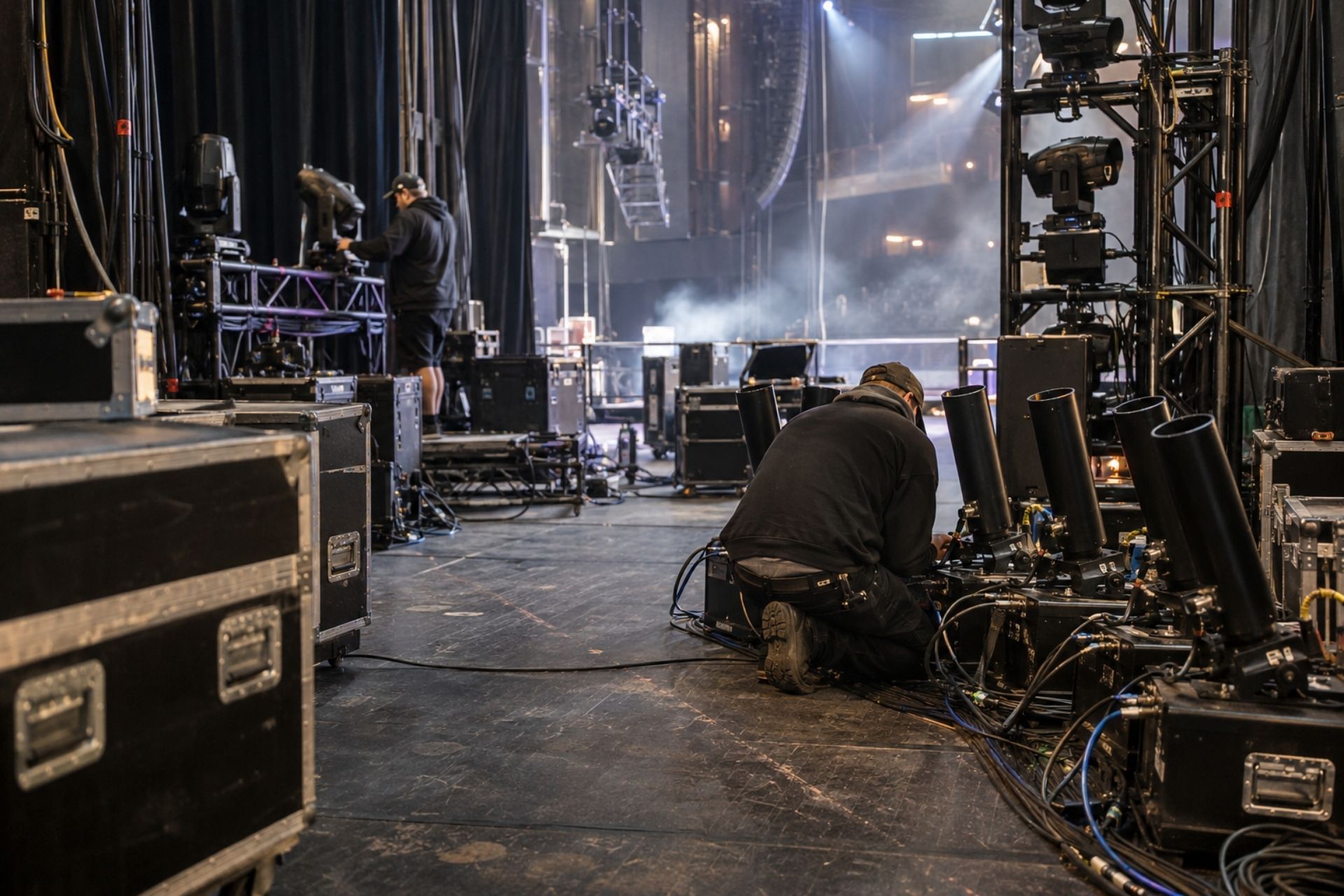
Insurers don't decline electricians because they dislike the trade. They decline them because the math scares them. Electrical work sits at the intersection of several risk factors that make underwriters nervous: fire, property damage, bodily injury, and long-tail liability that can surface years after a job is finished. A single residential wiring defect can cause a house fire that results in a seven-figure claim. Scale that up to commercial or industrial projects, and the exposure multiplies fast.
The loss ratios for electrical contractor classes have been climbing, which means carriers are paying out more in claims than they're collecting in premiums. That's unsustainable, and the response from the standard market has been predictable: tighter underwriting guidelines, higher minimum premiums, and outright declinations for contractors who don't fit a narrow risk profile.
High Stakes of Fire and Property Damage
Fire is the headline risk. The National Fire Protection Association has consistently ranked electrical failures among the top causes of structure fires in the U.S. A faulty panel installation, an improperly rated wire, or a missed code violation can smolder for weeks before igniting. When it does, the damage isn't limited to the work area: it can consume an entire structure and spread to neighboring properties.
What makes this particularly painful from an insurance standpoint is that the resulting claims often dwarf the original contract value. An electrician who completed a $3,000 panel upgrade could face a $500,000 property damage claim. That kind of disproportionate exposure makes underwriters cautious, especially with smaller contractors who may lack formal quality control processes.
Complexity of Industrial vs. Residential Work
Not all electrical work carries the same risk, and carriers know it. A contractor who exclusively does residential service calls presents a very different profile than one wiring data centers or manufacturing facilities. The workforce behind AI data center construction is drawing intense scrutiny from insurers right now because of the scale, complexity, and tight timelines involved.
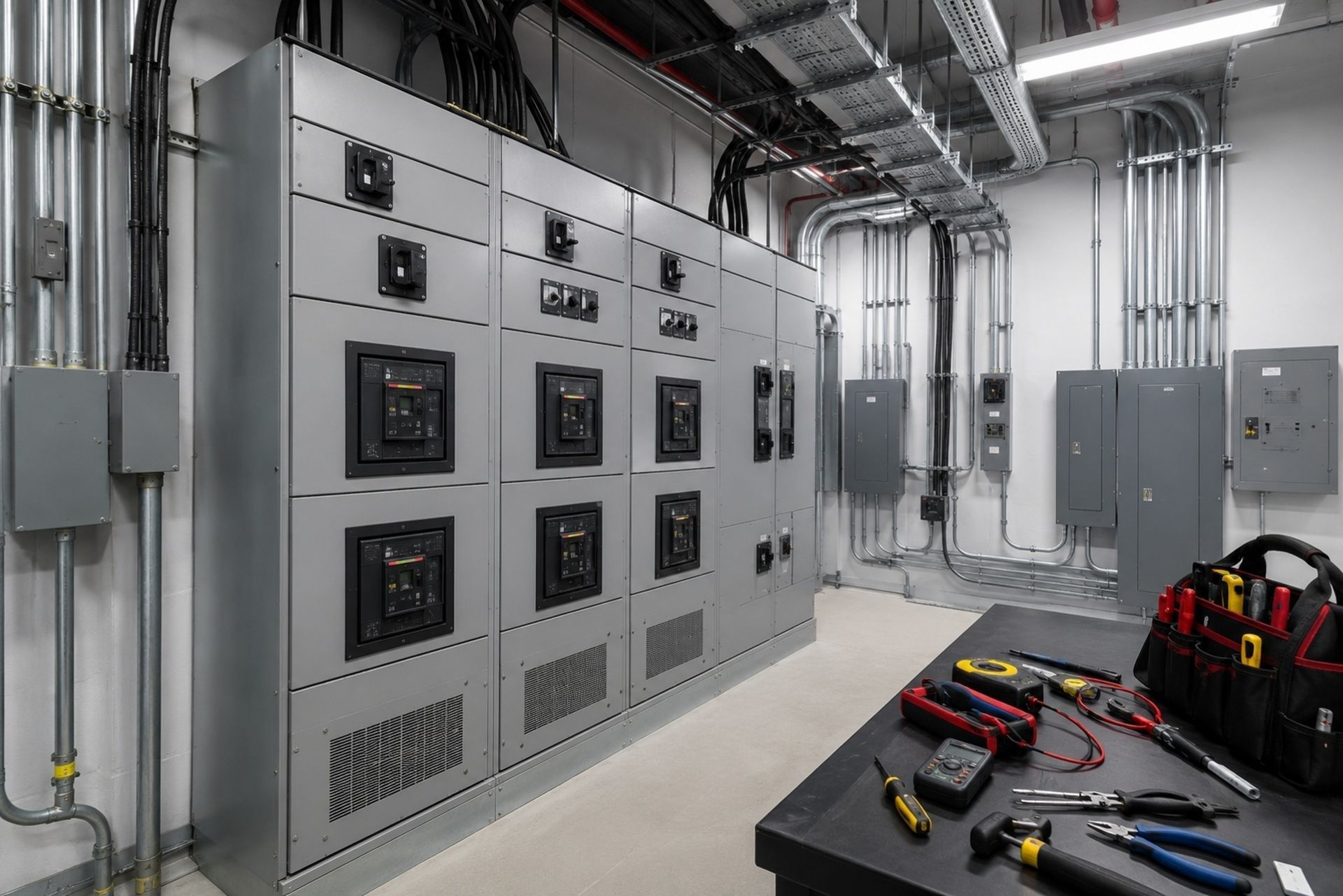
Industrial and commercial electricians often work with higher voltages, more complex systems, and in environments where a mistake can shut down operations worth millions per day. Carriers want to see detailed job classifications, and they'll often exclude certain work types entirely. A contractor who does 80% residential but takes on the occasional commercial job may find that 20% is enough to get them declined in the standard market.
Long-Tail Liability and Latent Defects
Here's the risk that keeps insurance actuaries up at night: completed operations liability. An electrician finishes a job, gets paid, moves on, and two years later a defect in the work causes a fire or electrocution. The claim hits the policy that was in force when the work was performed, not when the loss occurred.
This long-tail exposure means carriers are essentially betting on work quality years into the future. Latent defects in electrical systems can remain hidden behind walls for a decade before causing problems. Florida's construction insurance market has been adjusting to new regulatory changes in 2026 that directly impact how completed operations claims are handled, adding another layer of complexity for contractors working in high-litigation states.
INDEX
The Risk Profile: Why Insurers Are Wary of Electrical Contractors
Core Coverages Every Electrician Needs
Comparison: General Liability vs. Professional Liability
The GrayStone Advantage: Specialized Solutions for Hard-to-Place Risks
Common Policy Exclusions to Watch For
GrayStone Insurance Group is fully licensed and permitted to provide specialty commercial insurance solutions for high-risk and hard-to-place businesses across 17 states.
We proudly serve high-risk and hard-to-place businesses from coast to coast. As an independent specialty brokerage, our team works with leading Excess & Surplus and specialty carriers to make sure restaurants, bars, contractors, trucking companies, manufacturers, and other hard-to-place operations receive coverage that fits their real risks in California, Colorado, Florida, Georgia, Illinois, Iowa, Maryland, Michigan, Missouri, Nevada, New York, North Carolina, South Carolina, Tennessee, Texas, Utah, and Washington.
Every policy has boundaries. Knowing them up front is how you avoid an uncovered claim. Common exclusions include:
Every policy has boundaries. Knowing them up front is how you avoid an uncovered claim. Common exclusions include:
Every policy has boundaries. Knowing them up front is how you avoid an uncovered claim. Common exclusions include:
General Liability responds to the core exposures most operations in this category face. A typical policy answers third-party claims and the defense costs that come with them, so a single incident doesn't put the business at risk.
If your firm provides any design, engineering, or consulting services alongside construction, you need both. A GL policy won't cover a claim alleging your design specifications caused a building envelope failure. That's a professional liability exposure, and it's one of the fastest-growing claim categories in construction.
Core Coverages Every Electrician Needs
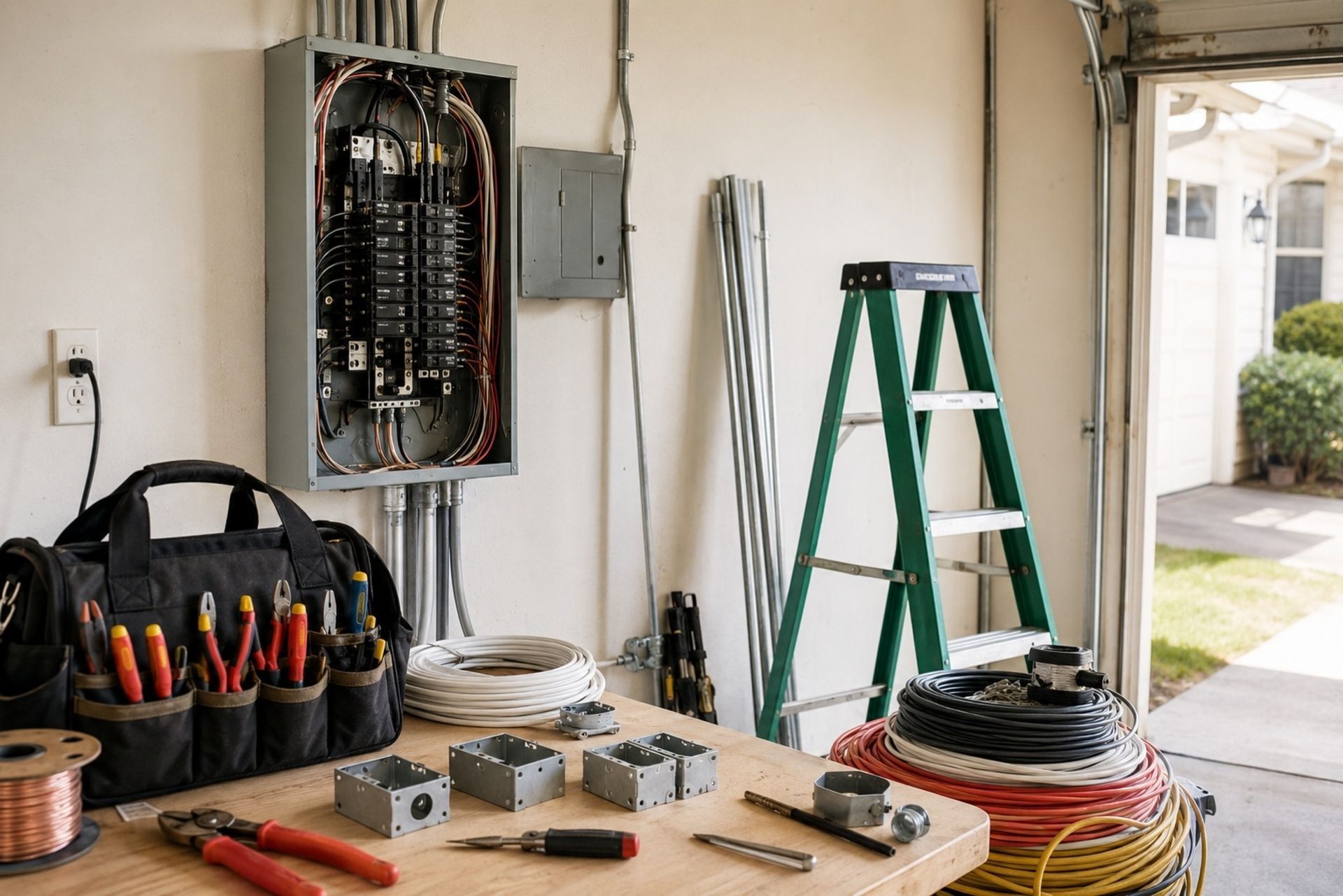
Getting the right coverage structure matters more than getting the cheapest premium. A bare-bones policy that leaves critical gaps will cost you far more in the long run. Here are the essential coverages every electrical contractor should carry:
- General liability: covers third-party bodily injury and property damage, including completed operations
- Professional liability (errors and omissions): covers claims arising from faulty design, incorrect specifications, or negligent advice
- Workers' compensation: required in nearly every state if you have employees, and some states require it even for sole proprietors in construction
- Commercial auto: covers vehicles used for business, including tool theft from locked vehicles in some policies
- Inland marine: protects tools, equipment, and materials in transit or stored at job sites
- Umbrella/excess liability: provides additional limits above your primary policies
The cost for a basic general liability policy for a solo electrician typically ranges from $800 to $2,500 annually, depending on your state, work type, and claims history. That said, the real cost depends on your specific risk profile, and a cookie-cutter quote often misses important details.
| Coverage Element | Basic Package | Comprehensive Package |
|---|---|---|
| Garage Liability | Included with standard limits | Higher limits, broader endorsements |
| Garagekeepers | Legal liability only | Direct primary coverage |
| Open Lot / Dealer Physical Damage | Named perils (fire, theft) | All-risk including hail and flood |
| Customer Property (tools, personal items) | Typically excluded | Optional endorsement available |
| Loaner/Rental Vehicle Coverage | Not included | Included |
| Cyber Liability | Not included | Often bundled (critical for FTC compliance) |
| Employment Practices | Not included | Optional add-on |
Comparison: General Liability vs. Professional Liability
One of the most common mistakes electricians make is assuming their general liability policy covers everything. It doesn't. There's a critical distinction between what GL and professional liability (PL) policies cover, and misunderstanding it can leave you exposed.
Table: Understanding Coverage Differences
| Feature | General Liability (GL) | Professional Liability (PL) |
|---|---|---|
| What it covers | Bodily injury, property damage from your operations | Errors, omissions, or negligent professional advice |
| Example claim | A customer trips over your tools at a job site | You spec the wrong breaker panel, causing an overload |
| Trigger | Physical harm or damage | Financial loss from professional mistakes |
| Completed operations | Yes, typically included | Depends on policy form |
| Defense costs | Usually outside the limit | Often inside the limit (erodes coverage) |
| Typical cost | $800-$2,500/year for solo operators | $500-$1,500/year depending on revenue |
Most general contractors and project owners require both GL and PL before they'll let you on a job site. If you're doing any design-build work or specifying equipment, PL coverage isn't optional: it's essential.
Standard carriers follow rigid underwriting boxes. If you don't fit, you're out. That's where working with a specialized brokerage changes the equation. GrayStone Insurance Group focuses specifically on hard-to-place commercial risks, and electrical contractors are one of the classes where that expertise matters most.
With brokers averaging 20 years of experience and a 94% client retention rate, GrayStone doesn't just submit your application to the first carrier that comes up. They build a risk narrative around your business, highlighting safety programs, training certifications, and loss control measures that standard carriers often ignore during their automated underwriting process.
Every policy has boundaries. Knowing them up front is how you avoid an uncovered claim. Common exclusions include:
Every policy has boundaries. Knowing them up front is how you avoid an uncovered claim. Common exclusions include:
Every policy has boundaries. Knowing them up front is how you avoid an uncovered claim. Common exclusions include:
General Liability responds to the core exposures most operations in this category face. A typical policy answers third-party claims and the defense costs that come with them, so a single incident doesn't put the business at risk.
The GrayStone Advantage: Specialized Solutions for Hard-to-Place Risks
Standard carriers follow rigid underwriting boxes. If you don't fit, you're out. That's where working with a specialized brokerage changes the equation. GrayStone Insurance Group focuses specifically on hard-to-place commercial risks, and electrical contractors are one of the classes where that expertise matters most.
With brokers averaging 20 years of experience and a 94% client retention rate, GrayStone doesn't just submit your application to the first carrier that comes up. They build a risk narrative around your business, highlighting safety programs, training certifications, and loss control measures that standard carriers often ignore during their automated underwriting process.
Access to Surplus Lines and Niche Markets
When the standard market says no, surplus lines carriers often say yes, but at a price that reflects the risk. GrayStone maintains relationships with surplus lines markets and specialty carriers that specifically write electrical contractor risks. These aren't fly-by-night operations: they're established carriers with strong financial ratings who specialize in classes that mainstream insurers avoid.
The surplus lines market operates with more flexibility in pricing and policy terms, which means coverage can be tailored to your actual operations rather than forced into a one-size-fits-all form. That flexibility is especially valuable for electricians who do mixed work across residential, commercial, and industrial sectors.
Customized Risk Assessments for Better Rates
A generic application form can't capture what makes your business different from the contractor down the street. GrayStone uses data-driven underwriting intelligence to build detailed risk profiles that go beyond basic revenue and payroll numbers. This includes analyzing your specific job types, safety record, employee training programs, and subcontractor management practices.
The result is often better pricing than you'd get through a standard submission, because the underwriter actually understands what they're insuring. A contractor with OSHA 30 certifications, documented safety meetings, and a clean five-year loss run tells a very different story than a bare application with just a revenue number on it.
Yes. The E&S market exists specifically for situations like this. You'll likely pay more, and your policy may include higher deductibles or specific exclusions related to past claim types. Demonstrating corrective action since those claims occurred helps significantly at renewal.
FProtecting Your Business for the Long Term
FAQ: How long does it take to get a hard-to-place policy?
Anywhere from a few days to several weeks. Simple E&S placements for well-documented risks can move quickly. Complex accounts requiring multiple carrier submissions, manuscript endorsements, or layered programs take longer. Starting the process 60-90 days before your renewal date is a smart move.
Common Policy Exclusions to Watch For
Even after you secure coverage, the policy language matters enormously. Here are exclusions that catch electricians off guard:
- Pollution exclusion: may exclude claims from toxic fumes, chemical releases, or environmental contamination at job sites
- EIFS/exterior insulation exclusion: some policies exclude work on or near exterior insulation systems
- Residential new construction exclusion: certain carriers won't cover ground-up residential work
- Subcontractor exclusion: if your subs aren't properly insured, your policy may not respond to their claims
- Faulty workmanship exclusion: your GL policy covers damage caused by your faulty work, but not the cost to redo the work itself
Reading exclusions is tedious but necessary. One missed exclusion can turn a covered claim into a six-figure out-of-pocket expense. The insurance industry's evolving approach to construction risk means these exclusions shift regularly, so review your policy at every renewal.
Every policy has boundaries. Knowing them up front is how you avoid an uncovered claim. Common exclusions include:
Every policy has boundaries. Knowing them up front is how you avoid an uncovered claim. Common exclusions include:
Every policy has boundaries. Knowing them up front is how you avoid an uncovered claim. Common exclusions include:
General Liability responds to the core exposures most operations in this category face. A typical policy answers third-party claims and the defense costs that come with them, so a single incident doesn't put the business at risk.
The right insurance package for a three-bay independent repair shop looks nothing like what a 200-vehicle used car lot needs. Your coverage should reflect your actual operations: the number of vehicles you handle, the type of work you perform, your lot security, and your claims history.
If you're operating in the standard market with clean history, you have options and should shop competitively. If you've been declined, non-renewed, or you're launching a new venture, don't settle for the first quote you find. Specialty brokers exist for exactly this reason. GrayStone Insurance Group maintains a 94% client retention rate because they build coverage around the operator's real risk profile rather than forcing a one-size-fits-all solution.
Start by auditing your current coverage against the categories outlined above. Identify gaps, especially around garagekeepers limits, completed operations, and open lot valuation. Then talk to a broker who understands automotive risks and can place coverage even when the standard market says no.
Frequently Asked Questions About Electrician Insurance
How much does a basic policy cost for a solo electrician?
Expect to pay between $800 and $2,500 per year for general liability, with the exact cost depending on your state, the type of electrical work you perform, and your claims history. Adding professional liability and inland marine coverage will increase that total.
Do I need insurance if I only do small residential repairs?
Yes. Even a minor repair gone wrong can cause a fire or electrical injury. Most states require general liability for licensed contractors, and many homeowners won't hire you without proof of insurance.
Does my policy cover my tools if they get stolen from my truck?
Standard commercial auto policies typically don't cover tools and equipment. You'll need an inland marine or tools and equipment floater, which usually costs $200 to $500 per year depending on the total value you need to insure.
What is a 'completed operations' clause and why does it matter?
Completed operations coverage protects you against claims arising from work you've already finished. If wiring you installed six months ago causes a fire, this is the coverage that responds. Without it, you'd be personally liable for damages.
Can I get insurance if I have a history of claims?
Yes, though your options narrow and premiums increase. Specialty brokers like GrayStone can often place coverage through surplus lines carriers who are willing to write accounts with prior claims, especially if you can demonstrate corrective actions taken since those losses.
Yes. The E&S market exists specifically for situations like this. You'll likely pay more, and your policy may include higher deductibles or specific exclusions related to past claim types. Demonstrating corrective action since those claims occurred helps significantly at renewal.
FProtecting Your Business for the Long Term
FAQ: How long does it take to get a hard-to-place policy?
Anywhere from a few days to several weeks. Simple E&S placements for well-documented risks can move quickly. Complex accounts requiring multiple carrier submissions, manuscript endorsements, or layered programs take longer. Starting the process 60-90 days before your renewal date is a smart move.
Making the Right Choice for Your Electrical Business
Finding the right insurance for an electrical contracting business isn't about shopping for the lowest number. It's about matching your specific risk profile to a carrier and policy form that actually protects you when something goes wrong. The cheapest policy with the wrong exclusions is worse than no policy at all, because it gives you a false sense of security.
If you've been declined, non-renewed, or hit with a premium increase that doesn't reflect your actual risk, it's worth talking to a brokerage that specializes in hard-to-place contractor risks. GrayStone Insurance Group works with electricians across the country who've been turned away by standard carriers, and their team can often find coverage options you didn't know existed. Reach out for a consultation and get a risk assessment built around your actual business, not a generic underwriting checkbox.
ABOUT THE AUTHOR:
CHAD KRAMER
I started GrayStone Insurance Group in 2018 with a simple conviction: the businesses everyone else turns away deserve a broker who won't. What began as a one-person operation has grown into a specialty commercial brokerage with offices across the country — but the mission hasn't changed. We find solutions for high-risk and hard-to-place businesses when other agencies run the other way.
I built this agency on integrity, hard work, and the tenacity to do the hard things well. Through our access to Excess & Surplus and specialty markets, my team and I place coverage standard carriers can't — and I treat every client's business like my own.
If you've been declined, non-renewed, or told your business is too complicated to insure, let's talk.
Coverages & policies
Plain-language coverage, expertly placed.
We lead with commercial lines and round out personal coverage where you need it. Every policy comes with an explanation — not jargon.

Contractors
Third-party bodily injury & property damage — the foundation for any operation.

Liquor Liability
Critical for bars, restaurants and venues serving alcohol — including A&B.

Commercial Property
Buildings, contents and equipment — including distressed and vacant risk.

Workers' Compensation
Statutory coverage for your crew — including high-mod and high-hazard classes.

Commercial Umbrella
Extra liability limits over your primary policies — essential for high-exposure risk.
Products Liability
Manufacturers, CBD and consumer-product exposure — including imports.
What clients say
Brokers who actually place it.
FAQ
Answers for the risks others won't cover
Getting declined, non-renewed, or told your business is "too high-risk" is frustrating — but it doesn't mean you're out of options. Here are answers to the questions we hear most from business owners who need coverage the standard market won't provide.
What kind of insurance does GrayStone specialize in?
We're a specialty commercial brokerage built for high-risk and hard-to-place businesses — the risks standard carriers often turn away. Through our access to Excess & Surplus (E&S) and specialty markets, we place coverage that everyday agencies can't. Hospitality and construction are among our deepest areas of expertise.
My business was declined or non-renewed elsewhere. Can you still help?
That's exactly what we do. A decline, a non-renewal, or a tough claims history doesn't mean you're out of options — it means your risk needs a broker with the right market access. Tell us your situation and we'll get to work finding a fit.
What is Excess & Surplus (E&S) insurance?
E&S is specialty coverage for risks that standard "admitted" carriers won't write — often because a business is higher-risk, unusual, or has a complex history. As an independent broker, we tap into these specialty markets to place coverage where a typical agency hits a dead end.
What industries do you work with?
We cover a wide range of commercial industries — from restaurants, bars, and hospitality to contractors, trucking, manufacturing, cannabis, and more. If your industry is considered high-risk or hard-to-place, there's a good chance we've handled it.
Will you work with businesses that have prior claims or losses?
Yes. Prior claims and losses are part of many of the risks we place every day. Every business is evaluated on its own merits — and a rocky history is often exactly why a specialty broker can help where others won't.
Are you an independent broker?
Yes. We're not tied to a single carrier, so we shop your risk across multiple specialty and E&S markets to find coverage that actually fits — instead of forcing you into a one-size-fits-all policy.
Insights & resources
Know your risk before you buy.