General Liability responds to the core exposures most operations in this category face. A typical policy answers third-party claims and the defense costs that come with them, so a single incident doesn't put the business at risk.
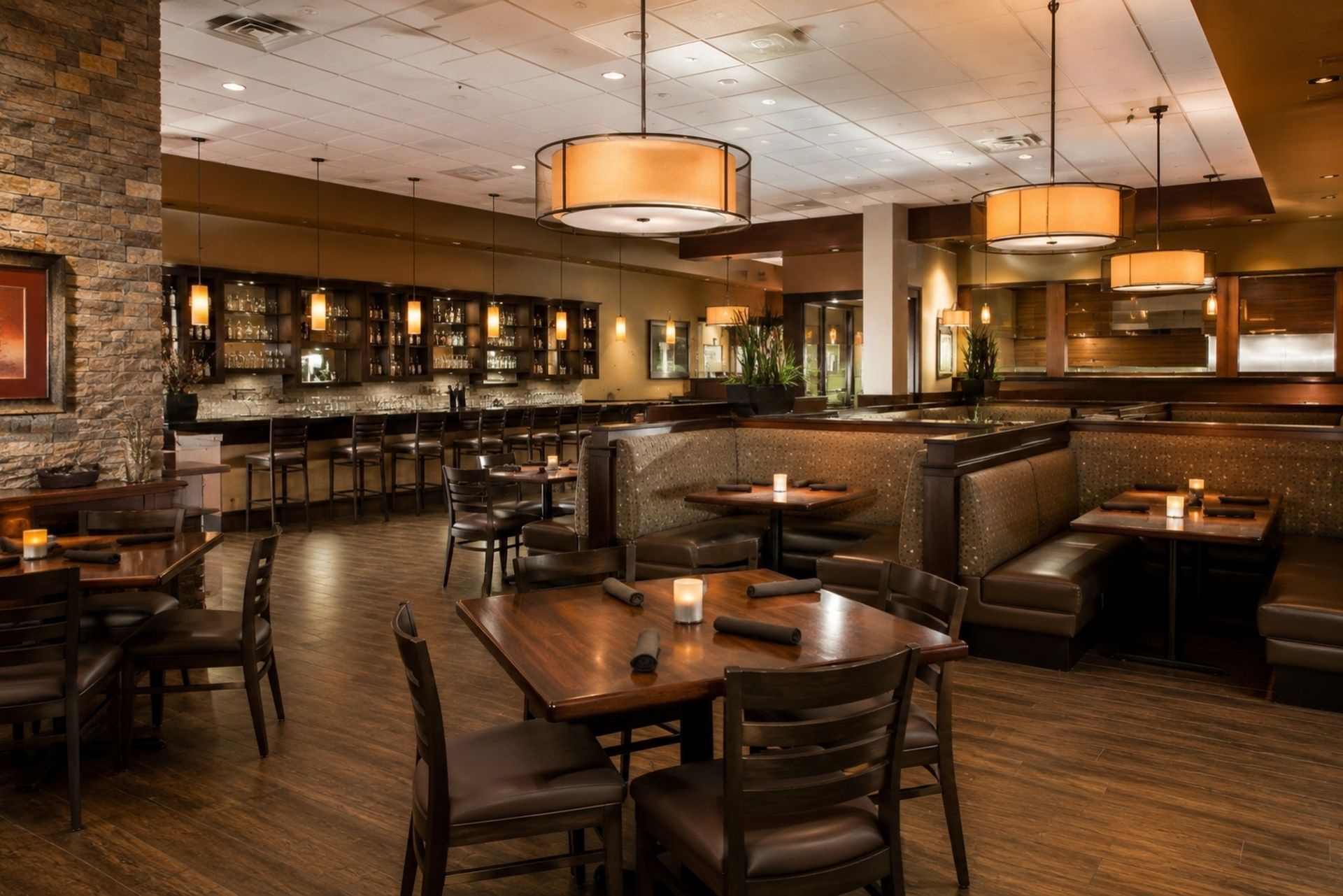
A full-service restaurant is one of the hardest businesses to insure in 2026. Between liquor liability exposure, high employee turnover, complex kitchen operations, and an increasingly litigious public, many traditional carriers simply don't want the risk anymore. If you've been declined or received a jaw-dropping premium quote, you're not alone. Thousands of restaurant owners across the country are discovering that the insurance market has shifted underneath them, and the old playbook no longer works. This article breaks down exactly why full-service restaurant insurance is so difficult to place right now, where standard policies fall short, and how specialized brokers like GrayStone Insurance Group are stepping in to fill the gap with coverage that actually fits the risk.
The Evolving Risk Profile of Modern Full-Service Restaurants
The full-service restaurant of 2026 barely resembles the one from a decade ago. Menus now include allergen-heavy ingredients, open-flame cooking stations, and raw preparations like sushi and tartare that introduce food safety risks most standard policies weren't designed to handle. Third-party delivery partnerships have added vehicle liability questions. On top of that, the rise of social media means a single food poisoning allegation can go viral before you've even reviewed the incident report.
These compounding risks have made restaurants a class of business that underwriters study carefully. The days of getting a quick quote from your local agent are fading fast for sit-down establishments that serve alcohol, employ large staffs, and operate late hours.
Why Traditional Carriers Are Exiting the Hospitality Market
Standard carriers prefer predictable risk. A restaurant with a full bar, a 200-seat dining room, and a kitchen running until midnight doesn't fit that profile. Loss ratios in the hospitality segment have climbed steadily since 2022, driven by rising claim costs and more frequent lawsuits. Several major carriers have either restricted their restaurant programs or stopped writing them entirely in states like Texas, Florida, and California.
The result is a shrinking pool of options. Restaurant owners who had the same policy for years are suddenly getting non-renewal notices, often with only 30 to 60 days to find replacement coverage. That's barely enough time to shop the market, let alone negotiate favorable terms.
The Impact of Liquor Liability and Social Inflation
Liquor liability has always been a concern for restaurants that serve alcohol, but the financial stakes have escalated dramatically. U.S. juries awarded more than $14.5 billion in nuclear verdicts (awards exceeding $10 million), and restaurants are increasingly finding themselves on the receiving end of these massive awards. A single over-service incident that leads to a DUI fatality can generate a claim that dwarfs a restaurant's annual revenue.
Social inflation, the trend of juries awarding larger and larger sums driven by public sentiment rather than strict damages, is compounding the problem. Plaintiff attorneys have refined their strategies, and litigation trends in 2026 show no signs of slowing. For underwriters, this makes every full-service restaurant with a liquor license a potential seven-figure liability.
INDEX
GrayStone Insurance Group is fully licensed and permitted to provide specialty commercial insurance solutions for high-risk and hard-to-place businesses across 17 states.
We proudly serve high-risk and hard-to-place businesses from coast to coast. As an independent specialty brokerage, our team works with leading Excess & Surplus and specialty carriers to make sure restaurants, bars, contractors, trucking companies, manufacturers, and other hard-to-place operations receive coverage that fits their real risks in California, Colorado, Florida, Georgia, Illinois, Iowa, Maryland, Michigan, Missouri, Nevada, New York, North Carolina, South Carolina, Tennessee, Texas, Utah, and Washington.
Every policy has boundaries. Knowing them up front is how you avoid an uncovered claim. Common exclusions include:
Every policy has boundaries. Knowing them up front is how you avoid an uncovered claim. Common exclusions include:
Every policy has boundaries. Knowing them up front is how you avoid an uncovered claim. Common exclusions include:
General Liability responds to the core exposures most operations in this category face. A typical policy answers third-party claims and the defense costs that come with them, so a single incident doesn't put the business at risk.
If your firm provides any design, engineering, or consulting services alongside construction, you need both. A GL policy won't cover a claim alleging your design specifications caused a building envelope failure. That's a professional liability exposure, and it's one of the fastest-growing claim categories in construction.
Critical Coverage Gaps in Standard Policies
Most off-the-shelf restaurant policies were built for quick-service or fast-casual operations. They cover the basics: general liability, property, maybe a business income endorsement. But they miss the specific exposures that full-service establishments face every night they open their doors.
The biggest gaps tend to show up in liquor liability limits, employment practices coverage, and spoilage protection. A restaurant owner might not discover these holes until a claim hits, and by then, the financial damage is already done.
General Liability vs. Liquor Liability: Understanding the Difference
General liability covers third-party bodily injury and property damage that occur on your premises. If a guest slips on a wet floor or gets burned by a hot plate, your GL policy responds. Liquor liability is a separate animal entirely. It covers claims arising from the sale, service, or furnishing of alcohol, and rising liquor liability costs are threatening the viability of bars and restaurants that don't carry adequate limits.
Here's the critical distinction: many GL policies specifically exclude alcohol-related incidents. If your bartender over-serves a patron who then causes an accident, your general liability policy may deny the claim entirely. You need a standalone liquor liability policy or a properly endorsed GL policy, and the limits need to reflect the reality of nuclear verdict exposure.
Comparison: Basic Restaurant Coverage vs. GrayStone Comprehensive Protection
| Coverage Area | Basic Restaurant Policy | GrayStone Comprehensive Plan |
|---|---|---|
| General Liability | $1M per occurrence | $1M-$2M per occurrence, tailored |
| Liquor Liability | Often excluded or sublimited | Standalone policy, $1M+ limits |
| EPLI | Not included | Included with defense costs |
| Equipment Breakdown | Limited to fire/theft | Full mechanical and electrical |
| Food Spoilage | $5,000-$10,000 sublimit | $25,000-$50,000+ available |
| Assault & Battery | Excluded | Available via endorsement |
| Third-Party Delivery | Not addressed | Hired/non-owned auto included |
The difference between these two approaches can mean the difference between surviving a major claim and closing your doors.
| Feature | General Liability (GL) | Professional Liability (PL) |
|---|---|---|
| What it covers | Bodily injury, property damage from your operations | Errors, omissions, or negligent professional advice |
| Example claim | A customer trips over your tools at a job site | You spec the wrong breaker panel, causing an overload |
| Trigger | Physical harm or damage | Financial loss from professional mistakes |
| Completed operations | Yes, typically included | Depends on policy form |
| Defense costs | Usually outside the limit | Often inside the limit (erodes coverage) |
| Typical cost | $800-$2,500/year for solo operators | $500-$1,500/year depending on revenue |
One mistake I see constantly: deck builders carrying only general liability and assuming it covers design-related claims. It doesn't. If a homeowner claims you recommended the wrong decking material or designed a structure that couldn't handle snow load, that's a professional liability claim, and your CGL policy will deny it. Both coverages are essential, and they serve completely different purposes.
How GrayStone Navigates High-Risk Placements
Placing insurance for a full-service restaurant requires more than filling out an application and hoping for the best. It demands an understanding of the excess and surplus lines market, relationships with specialty carriers, and the ability to present a risk in the most favorable light possible.
GrayStone Insurance Group has built its reputation on exactly this kind of work. With brokers averaging 20 years of experience and a 94% client retention rate, the firm specializes in businesses that other agencies turn away. Their approach combines deep knowledge of commercial property risks with AI-powered risk modeling that helps underwriters see beyond surface-level data.
Leveraging Specialized Underwriting for Complex Menus
A sushi bar with raw fish preparation carries different risks than a steakhouse with open-flame grills. A farm-to-table concept sourcing from 30 local vendors has supply chain exposures that a chain restaurant doesn't. Specialized underwriting accounts for these nuances rather than lumping every restaurant into the same risk category.
GrayStone's team works with underwriters who understand the difference between a wood-fired pizza oven and a deep fryer, and how each affects the risk profile. This granular approach often results in better pricing because the underwriter isn't padding the premium to account for unknowns. When you can tell an underwriter exactly what your kitchen looks like, what your training protocols are, and how your bar program operates, you get a more accurate quote.
Risk Mitigation Strategies That Lower Your Premiums
Underwriters reward restaurants that actively manage their risks. Some practical steps that can meaningfully reduce your premium:
- Install a commercial-grade fire suppression system and keep inspection records current
- Implement a documented alcohol service training program like TIPS or ServSafe Alcohol
- Use a POS system that tracks drink counts per table
- Maintain security cameras covering the bar, dining room, and parking lot
- Create a written incident response protocol for slip-and-fall events and intoxicated patrons
- Conduct quarterly safety audits and keep records on file
These aren't just good business practices. They're the kind of documentation that specialty hospitality insurers look for when deciding whether to write a policy and at what price.
Standard carriers follow rigid underwriting boxes. If you don't fit, you're out. That's where working with a specialized brokerage changes the equation. GrayStone Insurance Group focuses specifically on hard-to-place commercial risks, and electrical contractors are one of the classes where that expertise matters most.
With brokers averaging 20 years of experience and a 94% client retention rate, GrayStone doesn't just submit your application to the first carrier that comes up. They build a risk narrative around your business, highlighting safety programs, training certifications, and loss control measures that standard carriers often ignore during their automated underwriting process.
Every policy has boundaries. Knowing them up front is how you avoid an uncovered claim. Common exclusions include:
Every policy has boundaries. Knowing them up front is how you avoid an uncovered claim. Common exclusions include:
Every policy has boundaries. Knowing them up front is how you avoid an uncovered claim. Common exclusions include:
General Liability responds to the core exposures most operations in this category face. A typical policy answers third-party claims and the defense costs that come with them, so a single incident doesn't put the business at risk.
Essential Insurance Components for Full-Service Establishments
Beyond general and liquor liability, a full-service restaurant needs a layered insurance program that addresses the specific ways the business can lose money. Two areas that frequently catch owners off guard are equipment breakdown and employment-related claims.
Protecting Physical Assets: Kitchen Equipment and Spoilage
A commercial kitchen is packed with expensive, specialized equipment. A walk-in cooler failure on a Friday afternoon can destroy thousands of dollars in perishable inventory. A convection oven breakdown during dinner service can shut down operations for days. Standard property policies often cover fire and theft but exclude mechanical or electrical failure.
Equipment breakdown coverage fills this gap, and food spoilage endorsements protect against loss of perishable goods due to power outages, refrigeration failure, or contamination. For a restaurant carrying $15,000 to $40,000 in food inventory at any given time, a $5,000 spoilage sublimit is woefully inadequate. Make sure your policy reflects what's actually in your coolers, not what a generic template assumes.
Employment Practices Liability (EPLI) in a High-Turnover Industry
Restaurants have some of the highest employee turnover rates of any industry, often exceeding 70% annually. Every termination, every scheduling dispute, and every harassment complaint is a potential EPLI claim. These lawsuits are expensive to defend even when the restaurant did nothing wrong, and the frequency of employment-related claims continues to climb across the hospitality sector.
EPLI coverage pays for legal defense and settlements related to wrongful termination, discrimination, harassment, and retaliation claims. Most basic restaurant policies don't include it. If you employ more than 10 people, this coverage should be non-negotiable.
Yes. The E&S market exists specifically for situations like this. You'll likely pay more, and your policy may include higher deductibles or specific exclusions related to past claim types. Demonstrating corrective action since those claims occurred helps significantly at renewal.
FProtecting Your Business for the Long Term
FAQ: How long does it take to get a hard-to-place policy?
Anywhere from a few days to several weeks. Simple E&S placements for well-documented risks can move quickly. Complex accounts requiring multiple carrier submissions, manuscript endorsements, or layered programs take longer. Starting the process 60-90 days before your renewal date is a smart move.
Your general liability policy does not cover your own property. You need an inland marine policy, sometimes called a tools and equipment floater, to cover theft of your tools from a vehicle, job site, or storage location. These policies typically cost $300 to $1,500 per year and are worth every penny.
FAQ: Does my policy cover my tools if they are stolen from my truck?
Common Questions About Insuring Your Restaurant
What does restaurant insurance usually cost?
Premiums for a full-service restaurant typically range from $5,000 to $15,000 per year for a basic package, but establishments with full bars, late-night hours, or prior claims can see premiums of $20,000 to $40,000 or more. The variables that matter most are your annual revenue, liquor sales percentage, location, claims history, and seating capacity.
Do I need separate insurance for delivery drivers?
If your employees deliver food using their own vehicles, you need hired and non-owned auto coverage. Their personal auto policies won't cover accidents that happen during work. If you use third-party delivery services, review your contract carefully: you may still carry some liability exposure depending on how the arrangement is structured.
Does my policy cover food poisoning claims?
Most general liability policies cover food poisoning claims under the "products-completed operations" section. That said, the
coverage specifics vary widely between insurers,
and some policies cap foodborne illness claims at lower sublimits. Ask your broker to confirm your limits and whether your policy covers defense costs in addition to settlements.
How can I get coverage if I've been denied elsewhere?
Denials usually happen because the standard market can't price your risk accurately, not because your restaurant is uninsurable. Specialty brokers like GrayStone work with excess and surplus lines carriers that specifically write hard-to-place risks. The process takes longer than a standard placement, but coverage is almost always available at some price point when presented correctly.
Standard carriers follow rigid underwriting boxes. If you don't fit, you're out. That's where working with a specialized brokerage changes the equation. GrayStone Insurance Group focuses specifically on hard-to-place commercial risks, and electrical contractors are one of the classes where that expertise matters most.
With brokers averaging 20 years of experience and a 94% client retention rate, GrayStone doesn't just submit your application to the first carrier that comes up. They build a risk narrative around your business, highlighting safety programs, training certifications, and loss control measures that standard carriers often ignore during their automated underwriting process.
Every policy has boundaries. Knowing them up front is how you avoid an uncovered claim. Common exclusions include:
Every policy has boundaries. Knowing them up front is how you avoid an uncovered claim. Common exclusions include:
Every policy has boundaries. Knowing them up front is how you avoid an uncovered claim. Common exclusions include:
General Liability responds to the core exposures most operations in this category face. A typical policy answers third-party claims and the defense costs that come with them, so a single incident doesn't put the business at risk.
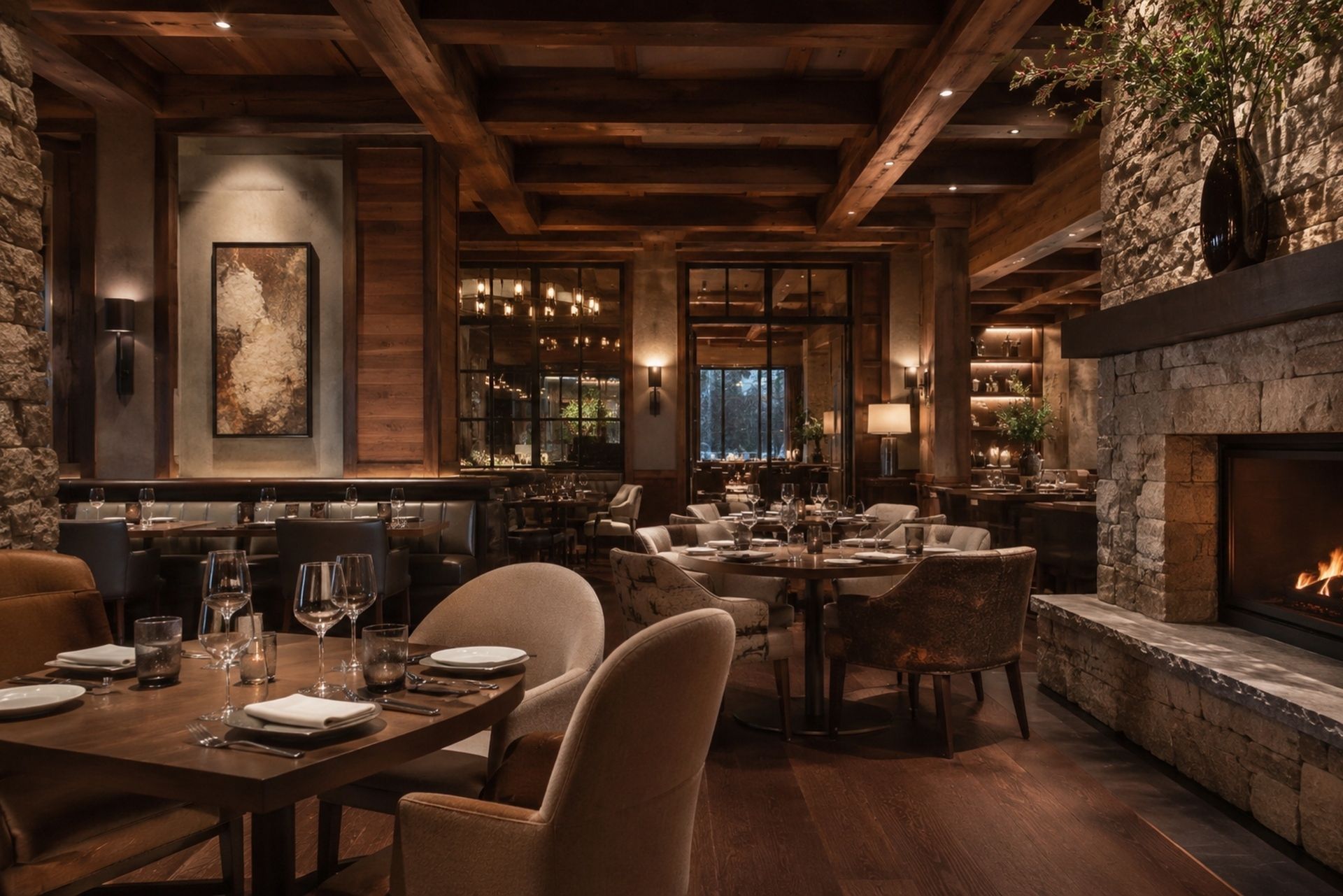
Securing the Future of Your Dining Room
Running a full-service restaurant is already one of the toughest jobs in business. Getting the right insurance shouldn't make it harder. The market has shifted, and owners who rely on generic policies or agents without hospitality expertise are leaving themselves exposed to risks that can end a business overnight.
The smart move is working with a broker who understands why your restaurant is hard to place and knows how to present your risk to the right carriers. GrayStone Insurance Group does this daily for restaurant owners across the country. If you've been declined, non-renewed, or quoted a premium that made your eyes water, reach out to GrayStone's team for a consultation. The right coverage is out there: you just need someone who knows where to find it.
ABOUT THE AUTHOR:
CHAD KRAMER
I started GrayStone Insurance Group in 2018 with a simple conviction: the businesses everyone else turns away deserve a broker who won't. What began as a one-person operation has grown into a specialty commercial brokerage with offices across the country — but the mission hasn't changed. We find solutions for high-risk and hard-to-place businesses when other agencies run the other way.
I built this agency on integrity, hard work, and the tenacity to do the hard things well. Through our access to Excess & Surplus and specialty markets, my team and I place coverage standard carriers can't — and I treat every client's business like my own.
If you've been declined, non-renewed, or told your business is too complicated to insure, let's talk.
Coverages & policies
Plain-language coverage, expertly placed.
We lead with commercial lines and round out personal coverage where you need it. Every policy comes with an explanation — not jargon.

Contractors
Third-party bodily injury & property damage — the foundation for any operation.

Liquor Liability
Critical for bars, restaurants and venues serving alcohol — including A&B.

Commercial Property
Buildings, contents and equipment — including distressed and vacant risk.

Workers' Compensation
Statutory coverage for your crew — including high-mod and high-hazard classes.

Commercial Umbrella
Extra liability limits over your primary policies — essential for high-exposure risk.
Products Liability
Manufacturers, CBD and consumer-product exposure — including imports.
What clients say
Brokers who actually place it.
FAQ
Answers for the risks others won't cover
Getting declined, non-renewed, or told your business is "too high-risk" is frustrating — but it doesn't mean you're out of options. Here are answers to the questions we hear most from business owners who need coverage the standard market won't provide.
What kind of insurance does GrayStone specialize in?
We're a specialty commercial brokerage built for high-risk and hard-to-place businesses — the risks standard carriers often turn away. Through our access to Excess & Surplus (E&S) and specialty markets, we place coverage that everyday agencies can't. Hospitality and construction are among our deepest areas of expertise.
My business was declined or non-renewed elsewhere. Can you still help?
That's exactly what we do. A decline, a non-renewal, or a tough claims history doesn't mean you're out of options — it means your risk needs a broker with the right market access. Tell us your situation and we'll get to work finding a fit.
What is Excess & Surplus (E&S) insurance?
E&S is specialty coverage for risks that standard "admitted" carriers won't write — often because a business is higher-risk, unusual, or has a complex history. As an independent broker, we tap into these specialty markets to place coverage where a typical agency hits a dead end.
What industries do you work with?
We cover a wide range of commercial industries — from restaurants, bars, and hospitality to contractors, trucking, manufacturing, cannabis, and more. If your industry is considered high-risk or hard-to-place, there's a good chance we've handled it.
Will you work with businesses that have prior claims or losses?
Yes. Prior claims and losses are part of many of the risks we place every day. Every business is evaluated on its own merits — and a rocky history is often exactly why a specialty broker can help where others won't.
Are you an independent broker?
Yes. We're not tied to a single carrier, so we shop your risk across multiple specialty and E&S markets to find coverage that actually fits — instead of forcing you into a one-size-fits-all policy.
Insights & resources
Know your risk before you buy.