
General Liability responds to the core exposures most operations in this category face. A typical policy answers third-party claims and the defense costs that come with them, so a single incident doesn't put the business at risk.
Georgia requires workers' compensation for any business with three or more employees. That threshold is lower than many states, and it catches a lot of small venue operators off guard. Your door staff, bartenders, sound engineers, and even regular part-time stagehands count toward that number.
The penalties for non-compliance are steep: fines up to $10,000 and potential criminal misdemeanor charges. Georgia's State Board of Workers' Compensation actively investigates complaints, and injured employees who discover you lack coverage can sue you directly - without the protections that workers' comp provides to employers. Don't gamble on this one.
Workers' Compensation Laws in Georgia
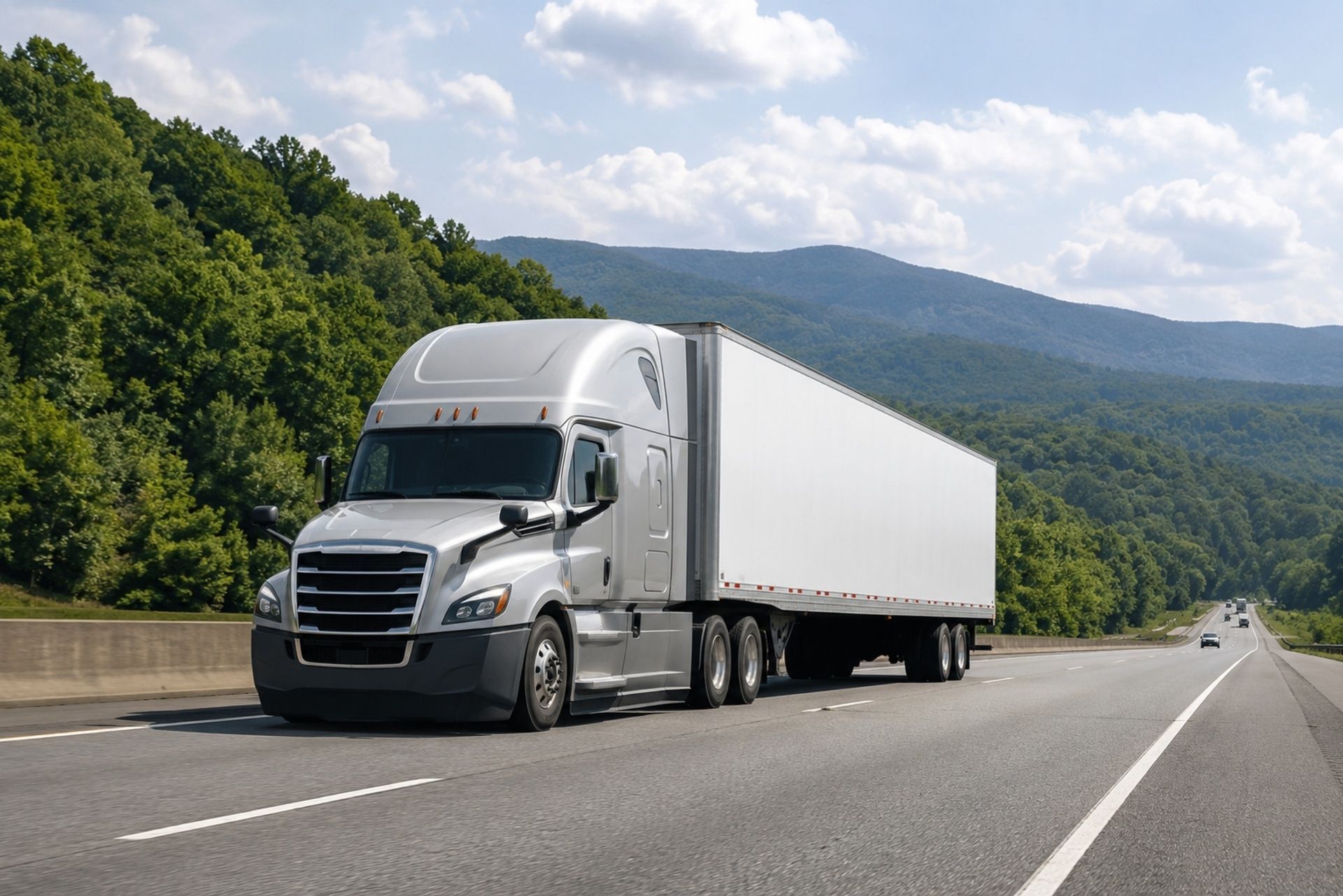
Tennessee's trucking industry moves an enormous volume of freight through the state every year, and the insurance requirements attached to those operations trip up more operators than you'd expect. Between state-level mandates from the Tennessee Department of Safety (TDOS) and federal oversight from the FMCSA, there's a real web of compliance obligations that can result in fines, authority revocations, or worse if you get them wrong. The cost side isn't any simpler: premiums for Tennessee-based trucking operations vary wildly depending on cargo type, driving history, fleet size, and how far your trucks travel. What makes this especially tricky is that Tennessee sits at a crossroads of major freight corridors, meaning many operators straddle the line between intrastate and interstate requirements without fully understanding which rules apply to them. If you're running a trucking operation in the Volunteer State, whether it's a single owner-operator rig or a mid-size fleet, this breakdown of trucking insurance requirements, costs, and compliance essentials for TN operators should save you from some expensive surprises. The wrong coverage gap can cost you your authority, your truck, or your business. Getting this right from the start is the only real strategy.
Tennessee Commercial Trucking Insurance Basics
Tennessee law requires all commercial motor vehicles to carry liability insurance, but the specific minimums depend on whether you're operating within the state or crossing state lines. The distinction matters more than most new operators realize, because the penalties for carrying insufficient coverage aren't just fines: they can include suspension of your operating authority. Tennessee's regulatory framework aligns closely with federal standards for interstate carriers, but intrastate operators face a separate set of rules under TDOS. Understanding which bucket you fall into is the first step toward getting properly covered.
State-Mandated Liability Minimums
For intrastate carriers operating solely within Tennessee, the state requires a minimum of $300,000 in liability coverage for most non-hazmat commercial vehicles. Carriers transporting hazardous materials face higher thresholds, often $1 million or more depending on the material classification. These minimums are enforced by TDOS, and proof of insurance must be filed before you receive your intrastate authority. Tennessee commercial trucks are required to carry substantial insurance that reflects the serious risk these vehicles pose on public roads.
Federal FMCSA Requirements for Interstate Operators
If your trucks cross state lines, federal rules take over. For-hire interstate carriers in Tennessee must maintain a minimum of $750,000 in primary liability coverage, though operations involving hazardous materials push that requirement to $1 million or even $5 million. The FMCSA doesn't care what Tennessee's minimums are: if you're interstate, the federal floor applies. Many experienced brokers, including the team at GrayStone Insurance Group, recommend carrying well above the federal minimum because jury verdicts in trucking accidents have been climbing sharply. The rising cost of commercial auto insurance has become a significant concern across the industry, driven partly by nuclear verdicts that far exceed policy limits.
INDEX
GrayStone Insurance Group is fully licensed and permitted to provide specialty commercial insurance solutions for high-risk and hard-to-place businesses across 17 states.
We proudly serve high-risk and hard-to-place businesses from coast to coast. As an independent specialty brokerage, our team works with leading Excess & Surplus and specialty carriers to make sure restaurants, bars, contractors, trucking companies, manufacturers, and other hard-to-place operations receive coverage that fits their real risks in California, Colorado, Florida, Georgia, Illinois, Iowa, Maryland, Michigan, Missouri, Nevada, New York, North Carolina, South Carolina, Tennessee, Texas, Utah, and Washington.
Every policy has boundaries. Knowing them up front is how you avoid an uncovered claim. Common exclusions include:
Every policy has boundaries. Knowing them up front is how you avoid an uncovered claim. Common exclusions include:
Every policy has boundaries. Knowing them up front is how you avoid an uncovered claim. Common exclusions include:
General Liability responds to the core exposures most operations in this category face. A typical policy answers third-party claims and the defense costs that come with them, so a single incident doesn't put the business at risk.
If your firm provides any design, engineering, or consulting services alongside construction, you need both. A GL policy won't cover a claim alleging your design specifications caused a building envelope failure. That's a professional liability exposure, and it's one of the fastest-growing claim categories in construction.
| Coverage Element | Basic Tier | Comprehensive Tier |
|---|---|---|
| General Liability | $1M per occurrence | $2M per occurrence |
| Product Liability | Often excluded or limited | Included with $1M-$2M limits |
| Crop/Inventory | Not included | Included with agreed-value endorsement |
| Product Recall | Not included | Included |
| Business Interruption | Limited | Full coverage with 12-month indemnity |
| Workers' Compensation | Add-on | Bundled |
| Approximate Annual Cost | $2,500-$5,000 | $8,000-$20,000+ |
Essential Coverage Types for TN Truckers
Liability insurance is just the starting point. A properly insured trucking operation in Tennessee needs multiple coverage types working together to protect against the full range of risks on the road and at the loading dock.
Primary Liability vs. General Liability
Primary liability covers bodily injury and property damage you cause while operating your truck. This is the coverage the FMCSA and TDOS require you to carry. General liability, on the other hand, covers your business operations off the road: think slip-and-fall incidents at your terminal, advertising claims, or damage at a customer's facility. Most trucking companies need both, but they're separate policies with separate premiums. Don't assume your primary auto liability covers anything that happens once the wheels stop turning.
Physical Damage and Motor Truck Cargo
Physical damage insurance covers your own truck and trailer against collision, fire, theft, and weather events. If you're financing or leasing your equipment, the lender will require this coverage. Motor truck cargo insurance protects the freight you're hauling. Cargo coverage minimums vary by contract, but $100,000 is a common floor for general freight. Specialized or high-value loads often require $250,000 or more. Losing a load without cargo coverage can bankrupt a small operator overnight.
Bobtail and Non-Trucking Liability Insurance
Bobtail insurance covers your truck when you're driving without a trailer attached, typically between loads or heading to a pickup. Non-trucking liability is similar but applies when you're using the truck for personal purposes outside of dispatch. These coverages fill gaps that your primary liability policy doesn't cover. Owner-operators leased to a carrier especially need to pay attention here, because the carrier's policy usually only covers you while you're under dispatch.
| Coverage Type | Basic Package | Comprehensive Package |
|---|---|---|
| General Liability | $1M per occurrence | $2M+ per occurrence |
| Property Coverage | Building contents only | Contents + equipment floaters |
| Liquor Liability | $500K limit | $1M-$2M limit |
| Workers' Comp | State minimum | State minimum + employer's liability |
| Event Cancellation | Not included | Per-event or annual policy |
| Cyber Liability | Not included | Covers ticketing data breaches |
| Umbrella/Excess | Not included | $1M-$5M excess layer |
| Hired/Non-Owned Auto | $8,000-$15,000 | $25,000-$60,000+ |
Comparison of Standard Coverage Limits
| Coverage Type | Minimum Required | Recommended for TN Operators | Typical Annual Cost Range |
|---|---|---|---|
| Primary Liability | $750,000 (interstate) | $1,000,000+ | $8,000 - $14,000 |
| Physical Damage | Lender-dependent | Full replacement value | $1,500 - $4,000 |
| Motor Truck Cargo | $100,000 (general freight) | $250,000+ | $400 - $1,800 |
| Bobtail/Non-Trucking | Not legally required | $1,000,000 | $300 - $800 |
| General Liability | Not legally required | $1,000,000/$2,000,000 | $500 - $2,500 |
These figures reflect 2026 Tennessee market averages. Your actual premiums will depend on the factors outlined below. Tennessee's trucking insurance costs tend to fall in the mid-range nationally, but individual quotes can swing dramatically based on risk profile.
Every policy has boundaries. Knowing them up front is how you avoid an uncovered claim. Common exclusions include:
Every policy has boundaries. Knowing them up front is how you avoid an uncovered claim. Common exclusions include:
Every policy has boundaries. Knowing them up front is how you avoid an uncovered claim. Common exclusions include:
General Liability responds to the core exposures most operations in this category face. A typical policy answers third-party claims and the defense costs that come with them, so a single incident doesn't put the business at risk.
Factors Influencing Insurance Costs in Tennessee
Insurance pricing for commercial trucks isn't a mystery: underwriters look at a specific set of variables, and understanding them gives you some control over what you pay.
Impact of Driving Records and CDL Experience
Your MVR (motor vehicle report) is the single biggest factor in your premium. A clean record with three or more years of CDL experience can save you thousands annually compared to a driver with recent violations or accidents. New CDL holders face significantly higher premiums, sometimes double what an experienced driver pays. Insurers also look at CSA scores and any out-of-service violations. One serious moving violation can follow you for three to five years in terms of premium impact.
Vehicle Type and Radius of Operation
A flatbed hauling construction materials within a 200-mile radius of Nashville will cost less to insure than a tanker carrying chemicals across 15 states. Radius of operation is a major pricing lever: local and regional operators generally pay less than long-haul carriers. The age and condition of your equipment matters too. Newer trucks with advanced safety systems like collision mitigation and lane departure warnings can qualify for discounts. The type of cargo you haul also shifts your risk profile considerably, with hazmat and oversized loads commanding the highest premiums.
A small club (under 300 capacity) in Georgia typically pays between $8,000 and $15,000 annually for a package including general liability, liquor liability, and property coverage. Workers' comp adds another $2,000-$6,000 depending on payroll size. Per-event coverage for one-off shows runs $188-$280 per day.
How much does insurance usually cost for a small club?
Most startups can expect to pay between $2,500 and $6,000 annually for a basic general liability policy. Adding product liability typically pushes the total to $5,000 to $10,000, depending on your product type and projected revenue.
FAQ: How much does a basic policy cost for a startup?
FAQ: Can I get coverage if my hemp tests over 0.3% THC?
A hot test creates serious problems. The crop must be destroyed under federal and state law, and your insurer may not cover the loss unless you have a specific endorsement for THC compliance failure. Some specialty carriers offer this coverage, but it's not standard.
FAQ: Will my homeowners insurance cover my small hemp farm?
Almost certainly not. Homeowners policies exclude commercial agricultural operations, and hemp's association with cannabis makes this even less likely. You need a standalone commercial policy, even for a small grow operation.
Maintaining Compliance with TDOS and FMCSA
Getting insured is one thing. Staying compliant is an ongoing obligation that trips up operators who treat insurance as a set-it-and-forget-it task.
The Role of Form E and Form H Filings
Your insurance provider must file proof of coverage directly with the FMCSA on your behalf. Form E (BMC-91) certifies your liability coverage, while Form H (BMC-82) certifies your cargo coverage. If your policy lapses or gets cancelled, your insurer is required to file a notice of cancellation, and the FMCSA will revoke your operating authority after a grace period. This is where working with an experienced agency like GrayStone Insurance Group pays off: their brokers, who average 20 years in the market, know the filing timelines and can prevent gaps that could shut down your operation. Tennessee legislators have also been active in shaping the regulatory environment for small businesses, including trucking operators.
Understanding the Unified Carrier Registration (UCR)
The UCR program requires interstate carriers to register annually and pay fees based on fleet size. For a single-truck operation, the annual UCR fee is modest, typically under $100. But failing to register can result in fines during roadside inspections and complications with your authority. UCR registration is separate from your MCS-150 biennial update, and both must stay current. Many operators confuse the two or forget one, creating compliance gaps that surface at the worst possible time: during an audit or after an accident.
Every policy has boundaries. Knowing them up front is how you avoid an uncovered claim. Common exclusions include:
Every policy has boundaries. Knowing them up front is how you avoid an uncovered claim. Common exclusions include:
Every policy has boundaries. Knowing them up front is how you avoid an uncovered claim. Common exclusions include:
General Liability responds to the core exposures most operations in this category face. A typical policy answers third-party claims and the defense costs that come with them, so a single incident doesn't put the business at risk.
Common Questions About TN Trucking Insurance
How much does trucking insurance cost per month in Tennessee? Most owner-operators pay between $800 and $1,500 per month for a full coverage package. Fleets with clean records and experienced drivers often negotiate lower per-truck rates.
Do I need cargo insurance if I'm an owner-operator leased to a carrier? Usually, the carrier's cargo policy covers the freight. But check your lease agreement carefully, because some carriers require you to carry your own cargo coverage.
Can I get insured with a new CDL and no experience? Yes, but expect to pay significantly more. Some carriers won't insure drivers with less than two years of CDL experience, so working with a specialist broker helps. The challenges facing new trucking operators are well documented across the industry.
What happens if my insurance lapses? The FMCSA will issue a notice and eventually revoke your operating authority. Reinstatement requires new filings and can take weeks, during which you cannot legally operate.
Does Tennessee require uninsured motorist coverage for commercial trucks? Tennessee doesn't mandate uninsured/underinsured motorist coverage for commercial vehicles, but carrying it is strongly recommended given the number of uninsured drivers on Tennessee roads.
How often should I shop for new trucking insurance quotes? At least annually, and definitely after any major change: new trucks, new drivers, expanded routes, or a change in cargo type. Market conditions shift, and loyalty doesn't always equal the best rate.
Every policy has boundaries. Knowing them up front is how you avoid an uncovered claim. Common exclusions include:
Every policy has boundaries. Knowing them up front is how you avoid an uncovered claim. Common exclusions include:
Every policy has boundaries. Knowing them up front is how you avoid an uncovered claim. Common exclusions include:
General Liability responds to the core exposures most operations in this category face. A typical policy answers third-party claims and the defense costs that come with them, so a single incident doesn't put the business at risk.
Making the Right Choice for Your Fleet
Picking the right commercial trucking insurance in Tennessee isn't just about meeting minimum requirements and moving on. The operators who avoid costly surprises are the ones who understand their specific risk profile, carry appropriate limits above the legal floor, and keep their compliance filings current year-round. Tennessee's position as a freight corridor state means your exposure is real, and the cost of being underinsured can dwarf the premium savings you thought you were getting.
If your operation involves anything that traditional insurers consider high-risk, whether that's a new authority, a mixed fleet, or specialized cargo, GrayStone Insurance Group's data-driven approach to underwriting and 94% client retention rate speak to their ability to place coverage where others won't. Get your quotes, compare your options, and make sure every filing is in order before your wheels hit the road. The best time to fix a coverage gap is before someone finds it for you.
ABOUT THE AUTHOR:
CHAD KRAMER
I started GrayStone Insurance Group in 2018 with a simple conviction: the businesses everyone else turns away deserve a broker who won't. What began as a one-person operation has grown into a specialty commercial brokerage with offices across the country — but the mission hasn't changed. We find solutions for high-risk and hard-to-place businesses when other agencies run the other way.
I built this agency on integrity, hard work, and the tenacity to do the hard things well. Through our access to Excess & Surplus and specialty markets, my team and I place coverage standard carriers can't — and I treat every client's business like my own.
If you've been declined, non-renewed, or told your business is too complicated to insure, let's talk.
Coverages & policies
Plain-language coverage, expertly placed.
We lead with commercial lines and round out personal coverage where you need it. Every policy comes with an explanation — not jargon.

Contractors
Third-party bodily injury & property damage — the foundation for any operation.

Liquor Liability
Critical for bars, restaurants and venues serving alcohol — including A&B.

Commercial Property
Buildings, contents and equipment — including distressed and vacant risk.

Workers' Compensation
Statutory coverage for your crew — including high-mod and high-hazard classes.

Commercial Umbrella
Extra liability limits over your primary policies — essential for high-exposure risk.
Products Liability
Manufacturers, CBD and consumer-product exposure — including imports.
What clients say
Brokers who actually place it.
FAQ
Answers for the risks others won't cover
Getting declined, non-renewed, or told your business is "too high-risk" is frustrating — but it doesn't mean you're out of options. Here are answers to the questions we hear most from business owners who need coverage the standard market won't provide.
What kind of insurance does GrayStone specialize in?
We're a specialty commercial brokerage built for high-risk and hard-to-place businesses — the risks standard carriers often turn away. Through our access to Excess & Surplus (E&S) and specialty markets, we place coverage that everyday agencies can't. Hospitality and construction are among our deepest areas of expertise.
My business was declined or non-renewed elsewhere. Can you still help?
That's exactly what we do. A decline, a non-renewal, or a tough claims history doesn't mean you're out of options — it means your risk needs a broker with the right market access. Tell us your situation and we'll get to work finding a fit.
What is Excess & Surplus (E&S) insurance?
E&S is specialty coverage for risks that standard "admitted" carriers won't write — often because a business is higher-risk, unusual, or has a complex history. As an independent broker, we tap into these specialty markets to place coverage where a typical agency hits a dead end.
What industries do you work with?
We cover a wide range of commercial industries — from restaurants, bars, and hospitality to contractors, trucking, manufacturing, cannabis, and more. If your industry is considered high-risk or hard-to-place, there's a good chance we've handled it.
Will you work with businesses that have prior claims or losses?
Yes. Prior claims and losses are part of many of the risks we place every day. Every business is evaluated on its own merits — and a rocky history is often exactly why a specialty broker can help where others won't.
Are you an independent broker?
Yes. We're not tied to a single carrier, so we shop your risk across multiple specialty and E&S markets to find coverage that actually fits — instead of forcing you into a one-size-fits-all policy.
Insights & resources
Know your risk before you buy.