
General Liability responds to the core exposures most operations in this category face. A typical policy answers third-party claims and the defense costs that come with them, so a single incident doesn't put the business at risk.
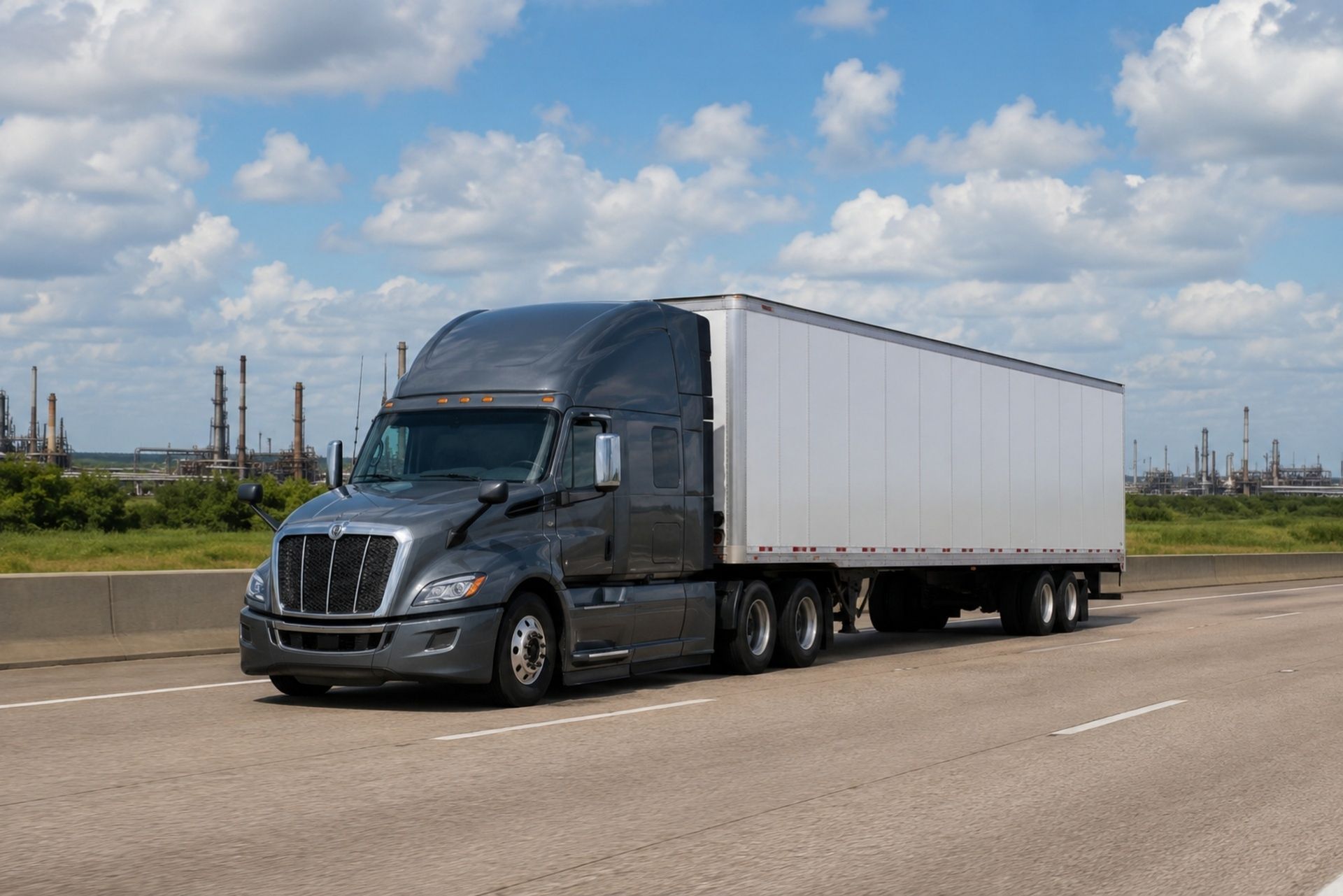
Houston sits at the intersection of some of the busiest freight corridors in the country, and every truck rolling through this city carries risk that most insurers don't fully appreciate. Between the port, the petrochemical refineries lining the Ship Channel, and the sheer volume of traffic on its highways, operating a commercial truck here is a different animal than running routes through rural West Texas. Trucks garaged in the "Texas Triangle" - the corridor connecting Houston, Dallas, and San Antonio - face insurance premiums 20% to 30% higher than rural counterparts, and Houston sits right at the heart of that triangle. If you're an owner-operator or fleet manager trying to figure out what coverage you actually need, what Texas law demands, and why your premiums feel so steep, this is the breakdown you've been looking for. The challenges Houston operators face aren't going away, but understanding them puts you in a better position to manage costs without leaving your business exposed.
Navigating the Houston Trucking Landscape
Houston isn't just another Texas city for trucking operators. It's a convergence point where international shipping, energy sector logistics, and regional freight all compete for the same road space. That combination creates a risk profile unlike anywhere else in the state, and insurers price accordingly.
The city's unique geography plays a role too. Flood-prone areas, dense urban corridors, and industrial zones all contribute to higher accident rates and more expensive claims. Understanding these local dynamics is the first step toward getting insurance that actually fits your operation rather than overpaying for a generic policy.
The Impact of Port Houston and the Energy Corridor
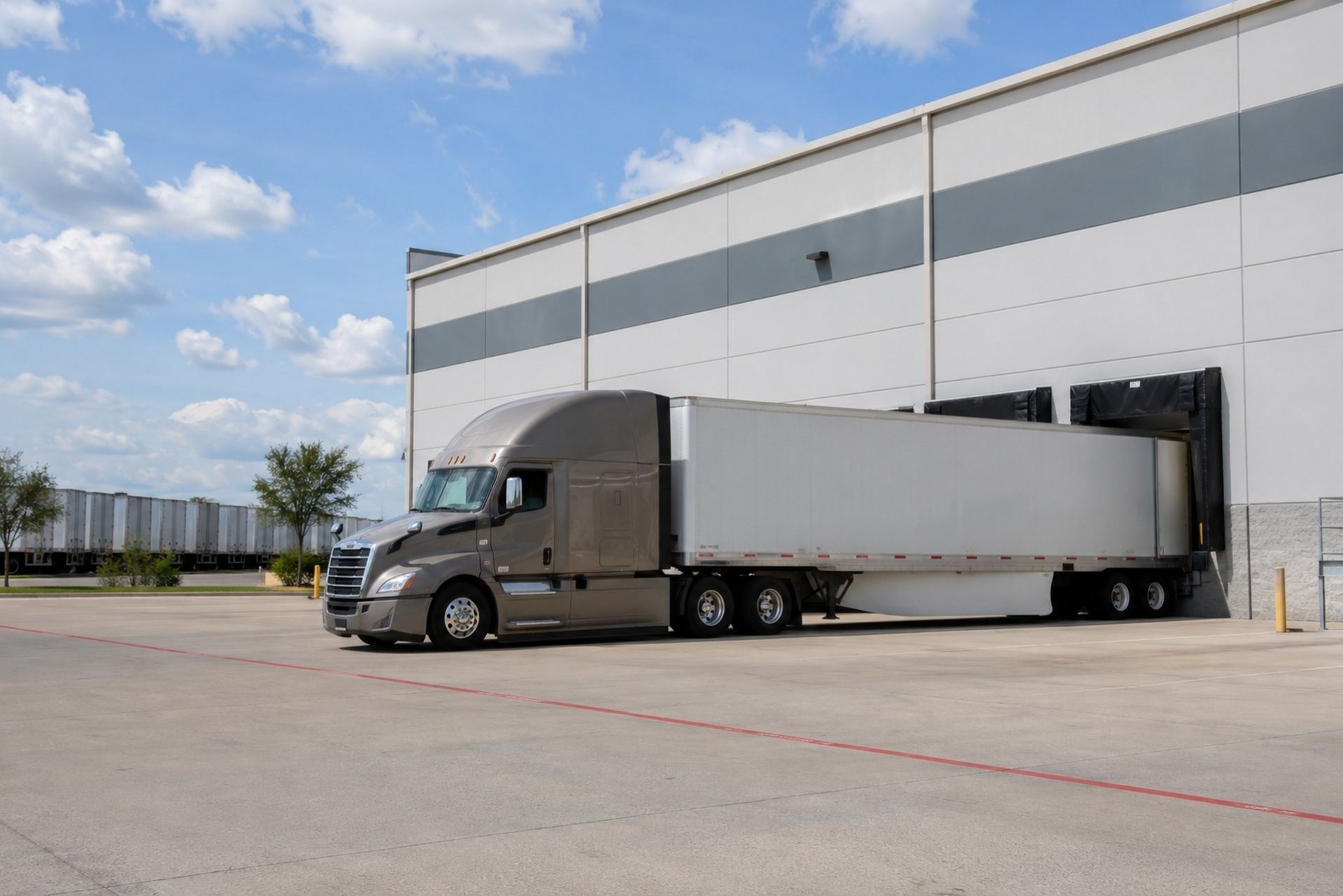
Port Houston is the largest port in the U.S. by foreign waterborne tonnage, and it generates a staggering amount of truck traffic. Owner-operators hauling containers from the port terminals face specific insurance requirements just to access port facilities, including minimum liability limits that often exceed standard state requirements.
The Energy Corridor adds another layer. Trucks servicing refineries, chemical plants, and drilling operations along the Ship Channel frequently haul hazardous materials, which triggers entirely different insurance requirements. A standard liability policy won't cover a chemical spill on Highway 225, and carriers that don't carry proper pollution liability endorsements are playing a dangerous game.
Congestion and Risk Factors on I-10 and I-45
Anyone who has driven I-10 through the Katy Freeway stretch or merged onto I-45 during rush hour knows the reality: Houston's highways are among the most dangerous in the country for commercial vehicles. The I-610 loop, I-10, and I-45 corridors see a disproportionate number of truck-involved accidents, and those accidents translate directly into claims.
Texas has also become ground zero for so-called "nuclear verdicts" against trucking companies. A nearly $50 million jury award against a Texas trucking company sent shockwaves through the industry, and Houston's plaintiff-friendly courts make this a particularly expensive jurisdiction for liability claims. This is a major reason premiums in Houston run so much higher than in less litigious parts of the state.
INDEX
GrayStone Insurance Group is fully licensed and permitted to provide specialty commercial insurance solutions for high-risk and hard-to-place businesses across 17 states.
We proudly serve high-risk and hard-to-place businesses from coast to coast. As an independent specialty brokerage, our team works with leading Excess & Surplus and specialty carriers to make sure restaurants, bars, contractors, trucking companies, manufacturers, and other hard-to-place operations receive coverage that fits their real risks in California, Colorado, Florida, Georgia, Illinois, Iowa, Maryland, Michigan, Missouri, Nevada, New York, North Carolina, South Carolina, Tennessee, Texas, Utah, and Washington.
Every policy has boundaries. Knowing them up front is how you avoid an uncovered claim. Common exclusions include:
Every policy has boundaries. Knowing them up front is how you avoid an uncovered claim. Common exclusions include:
Every policy has boundaries. Knowing them up front is how you avoid an uncovered claim. Common exclusions include:
General Liability responds to the core exposures most operations in this category face. A typical policy answers third-party claims and the defense costs that come with them, so a single incident doesn't put the business at risk.
If your firm provides any design, engineering, or consulting services alongside construction, you need both. A GL policy won't cover a claim alleging your design specifications caused a building envelope failure. That's a professional liability exposure, and it's one of the fastest-growing claim categories in construction.
Texas State Requirements for Commercial Vehicles
Texas doesn't mess around with commercial vehicle insurance requirements. The state mandates specific minimum coverages, and falling short can result in fines, vehicle impoundment, or loss of your operating authority.
Minimum Liability Limits and TXDMV Filings
For intrastate carriers, Texas requires a minimum of $500,000 in liability coverage for vehicles weighing over 26,001 pounds. Carriers hauling hazardous materials need $1 million to $5 million depending on the material type. You'll also need to file proof of insurance with the TXDMV, typically through a Form E or Form H filing.
One mistake I see operators make constantly: they assume meeting the state minimum is enough. It's not, especially in Houston. A single serious accident can blow through a $500,000 policy in legal fees alone before you even get to the actual damages. Most experienced brokers, including the team at GrayStone Insurance Group, recommend carrying at least $1 million in liability coverage regardless of your cargo type.
FMCSA vs. Texas State-Level Regulations
If you cross state lines, federal FMCSA regulations apply on top of Texas requirements. FMCSA minimums are $750,000 for general freight and up to $5 million for certain hazardous materials. The federal requirements generally exceed Texas state minimums, so interstate carriers typically don't need to worry about falling short on the state side.
The confusion usually hits operators who run both intrastate and interstate routes. Your policy needs to satisfy whichever standard is higher, and your filings need to be current with both the TXDMV and FMCSA. Lapsed filings can trigger an automatic suspension of your operating authority, sometimes without warning. A comprehensive guide to Texas trucking insurance requirements can help you understand the specifics for your operation type.
Essential Coverage Types for Houston Operators
Commercial trucking insurance in Houston requires more than a basic liability policy. The right coverage package depends on your cargo, your routes, and whether you're an owner-operator leased to a carrier or running your own authority.
Primary Liability and Physical Damage
Primary liability covers bodily injury and property damage you cause to others. This is the non-negotiable foundation of every trucking policy. Physical damage coverage protects your own truck and trailer from collision, theft, fire, and weather events. Given Houston's flood risk, make sure your physical damage policy doesn't exclude water damage - some do, and operators don't find out until it's too late.
Motor Truck Cargo and Trailer Interchange
Cargo insurance protects the freight you're hauling if it's damaged, destroyed, or stolen during transit. Standard cargo policies typically cover $100,000 per occurrence, but high-value loads may need higher limits. If you're pulling trailers owned by someone else, trailer interchange coverage fills the gap that your physical damage policy won't cover. Port Houston operators swapping chassis and containers need this coverage, period.
Non-Trucking Liability for Owner-Operators
If you're an owner-operator leased to a motor carrier, the carrier's policy covers you while you're on dispatch. But what about when you're driving to the grocery store or heading home for the weekend? Non-trucking liability, sometimes called "bobtail insurance," covers those gaps. It's relatively inexpensive and prevents a personal errand from becoming a financial catastrophe.
Every policy has boundaries. Knowing them up front is how you avoid an uncovered claim. Common exclusions include:
Every policy has boundaries. Knowing them up front is how you avoid an uncovered claim. Common exclusions include:
Every policy has boundaries. Knowing them up front is how you avoid an uncovered claim. Common exclusions include:
General Liability responds to the core exposures most operations in this category face. A typical policy answers third-party claims and the defense costs that come with them, so a single incident doesn't put the business at risk.
Comparison: Basic vs. Comprehensive Coverage Packages
Here's a side-by-side look at what basic and comprehensive packages typically include for Houston-area operators:
| Coverage Type | Basic Package | Comprehensive Package |
|---|---|---|
| Primary Liability | $750,000 (FMCSA minimum) | $1M - $2M |
| Physical Damage | Actual cash value | Agreed value / replacement cost |
| Cargo Insurance | $100,000 per occurrence | $250,000+ with reefer breakdown |
| Non-Trucking Liability | Not covered | $1M per occurrence |
| Trailer Interchange | Not included | Included |
| Pollution Liability | Not included | Included (for hazmat haulers) |
| Uninsured Motorist | State minimum | $1M |
| Workers' Compensation | Separate policy required | Bundled option available |
The basic package gets you legal. The comprehensive package gets you protected. Given the rising costs of trucking litigation in Texas, the gap between those two options represents real financial exposure.
What is bobtail insurance and do I need it?
Bobtail coverage protects you when driving your truck without a trailer attached, typically after dropping a load. It's often required by motor carriers for independent contractors operating under their authority. If you're an owner-operator leased to a carrier, check your lease agreement: most require it.
Factors Influencing Houston Trucking Premiums
HYour premium isn't just a number pulled from thin air. Insurers use specific variables to calculate your rate, and understanding them gives you some control over the outcome.
Radius of Operation and Route Risks
A truck that stays within a 50-mile radius of Houston will generally pay less than one running long-haul routes to the East Coast, but Houston's local risk factors can offset that advantage. Insurers look at which highways you frequent, how many miles you run annually, and whether your routes pass through high-accident corridors. Running I-10 between Houston and Beaumont through the chemical plant corridor, for example, carries a different risk profile than hauling agricultural products on rural highways.
Cargo Type and Hazardous Materials
What you haul matters enormously. General freight is the baseline. Refrigerated goods cost more because reefer breakdown claims are common. Hazardous materials can double or triple your premium because the potential liability from a spill or explosion is catastrophic. Operators hauling oilfield equipment along the Gulf Coast face their own set of risk factors, including oversized load requirements and the inherent dangers of heavy equipment transport.
GrayStone Insurance Group works with operators across these cargo categories, including those hauling materials that most standard carriers won't touch. Their brokers average 20 years of experience and use data-driven risk modeling to find competitive rates even for hard-to-place risks.
Every policy has boundaries. Knowing them up front is how you avoid an uncovered claim. Common exclusions include:
Every policy has boundaries. Knowing them up front is how you avoid an uncovered claim. Common exclusions include:
Every policy has boundaries. Knowing them up front is how you avoid an uncovered claim. Common exclusions include:
General Liability responds to the core exposures most operations in this category face. A typical policy answers third-party claims and the defense costs that come with them, so a single incident doesn't put the business at risk.
Common Questions About Houston Truck Insurance
How much does commercial truck insurance cost in Houston? Expect to pay between $12,000 and $20,000 annually for a single truck with standard freight, though hazmat haulers and new operators can see premiums above $25,000.
Do I need workers' compensation insurance for my trucking company in Texas? Texas doesn't require workers' comp for most private employers, but motor carriers with FMCSA authority effectively need it. Going without exposes you to significant financial liability if a driver is injured.
Can I get insurance with a new MC number? Yes, but it'll cost more. Most insurers consider new authorities high-risk for the first two years. Working with a specialized broker can help you find carriers willing to write new ventures.
Why is my Houston premium so much higher than my friend's in Lubbock? Urban density, higher accident frequency, more expensive claims, and plaintiff-friendly courts all drive Houston premiums up. That 20-30% premium gap between urban and rural Texas is real and well-documented.
Does my policy cover flood damage to my truck? Not automatically. Check whether your physical damage policy includes comprehensive coverage with flood protection. Houston's flood history makes this a must-have endorsement.
What happens if my insurance lapses? Your TXDMV and FMCSA filings get flagged, your operating authority can be suspended, and you may face fines. Reinstatement after a lapse also typically comes with higher premiums.
What is bobtail insurance and do I need it?
Bobtail coverage protects you when driving your truck without a trailer attached, typically after dropping a load. It's often required by motor carriers for independent contractors operating under their authority. If you're an owner-operator leased to a carrier, check your lease agreement: most require it.
Making the Right Choice for Your Fleet
Getting commercial trucking insurance right in Houston means understanding that this city demands more from your policy than most places in Texas. The port traffic, the hazmat exposure, the congested highways, and the litigation environment all push your risk profile higher, and cutting corners on coverage is a bet that rarely pays off.
Start by honestly assessing your operation: what you haul, where you drive, and how many trucks you run. Match those realities against the coverage types outlined above, and don't settle for state minimums if your exposure exceeds them. A broker like GrayStone Insurance Group, with its 94% client retention rate and deep experience placing hard-to-insure trucking operations, can help you build a policy that actually reflects your risk without overpaying for coverage you don't need.
The smartest operators treat insurance as a strategic decision, not just an expense line. Get it right, and you protect the business you've built. Get it wrong, and one bad accident on I-10 can take everything.
ABOUT THE AUTHOR:
CHAD KRAMER
I started GrayStone Insurance Group in 2018 with a simple conviction: the businesses everyone else turns away deserve a broker who won't. What began as a one-person operation has grown into a specialty commercial brokerage with offices across the country — but the mission hasn't changed. We find solutions for high-risk and hard-to-place businesses when other agencies run the other way.
I built this agency on integrity, hard work, and the tenacity to do the hard things well. Through our access to Excess & Surplus and specialty markets, my team and I place coverage standard carriers can't — and I treat every client's business like my own.
If you've been declined, non-renewed, or told your business is too complicated to insure, let's talk.
Coverages & policies
Plain-language coverage, expertly placed.
We lead with commercial lines and round out personal coverage where you need it. Every policy comes with an explanation — not jargon.

Contractors
Third-party bodily injury & property damage — the foundation for any operation.

Liquor Liability
Critical for bars, restaurants and venues serving alcohol — including A&B.

Commercial Property
Buildings, contents and equipment — including distressed and vacant risk.

Workers' Compensation
Statutory coverage for your crew — including high-mod and high-hazard classes.

Commercial Umbrella
Extra liability limits over your primary policies — essential for high-exposure risk.
Products Liability
Manufacturers, CBD and consumer-product exposure — including imports.
What clients say
Brokers who actually place it.
FAQ
Answers for the risks others won't cover
Getting declined, non-renewed, or told your business is "too high-risk" is frustrating — but it doesn't mean you're out of options. Here are answers to the questions we hear most from business owners who need coverage the standard market won't provide.
What kind of insurance does GrayStone specialize in?
We're a specialty commercial brokerage built for high-risk and hard-to-place businesses — the risks standard carriers often turn away. Through our access to Excess & Surplus (E&S) and specialty markets, we place coverage that everyday agencies can't. Hospitality and construction are among our deepest areas of expertise.
My business was declined or non-renewed elsewhere. Can you still help?
That's exactly what we do. A decline, a non-renewal, or a tough claims history doesn't mean you're out of options — it means your risk needs a broker with the right market access. Tell us your situation and we'll get to work finding a fit.
What is Excess & Surplus (E&S) insurance?
E&S is specialty coverage for risks that standard "admitted" carriers won't write — often because a business is higher-risk, unusual, or has a complex history. As an independent broker, we tap into these specialty markets to place coverage where a typical agency hits a dead end.
What industries do you work with?
We cover a wide range of commercial industries — from restaurants, bars, and hospitality to contractors, trucking, manufacturing, cannabis, and more. If your industry is considered high-risk or hard-to-place, there's a good chance we've handled it.
Will you work with businesses that have prior claims or losses?
Yes. Prior claims and losses are part of many of the risks we place every day. Every business is evaluated on its own merits — and a rocky history is often exactly why a specialty broker can help where others won't.
Are you an independent broker?
Yes. We're not tied to a single carrier, so we shop your risk across multiple specialty and E&S markets to find coverage that actually fits — instead of forcing you into a one-size-fits-all policy.
Insights & resources
Know your risk before you buy.