
General Liability responds to the core exposures most operations in this category face. A typical policy answers third-party claims and the defense costs that come with them, so a single incident doesn't put the business at risk.
A landscaping company can do everything right: maintain equipment, train crews, carry all the proper licenses. And still, when they call their insurance agent for a quote, they hear the same frustrating response: "Sorry, we can't place this." The U.S. landscaping services industry is projected to generate nearly $200 billion in annual revenue in 2026, yet finding reliable coverage remains one of the biggest headaches business owners face. The problem isn't that landscapers are reckless. It's that the nature of the work creates risk profiles that make standard carriers uncomfortable. Between heavy machinery, chemical applications, seasonal labor fluctuations, and constant work on other people's property, the exposure points stack up fast. If you've been declined or quoted absurd premiums, you're not alone, and you're not out of options. Understanding why landscapers insurance is hard to place, and how specialized brokerages like GrayStone Insurance Group solve this problem, is the first step toward protecting your business without overpaying.
The Unique Risk Profile of the Landscaping Industry
Landscaping sits in an unusual spot in the insurance world. It combines elements of construction, agriculture, chemical handling, and property services, all rolled into one operation. A single crew might operate a skid steer in the morning, apply pre-emergent herbicide after lunch, and install a retaining wall before quitting time. Each of those activities carries its own distinct liability profile, and underwriters have to account for all of them when pricing a policy.
The result is that landscaping businesses often get lumped into high-hazard classifications even when their actual loss history is clean. Carriers see the potential for loss, not just the track record. That's what makes this industry so tricky to insure compared to, say, a general contractor who only does framing.
High Frequency of Property Damage Claims
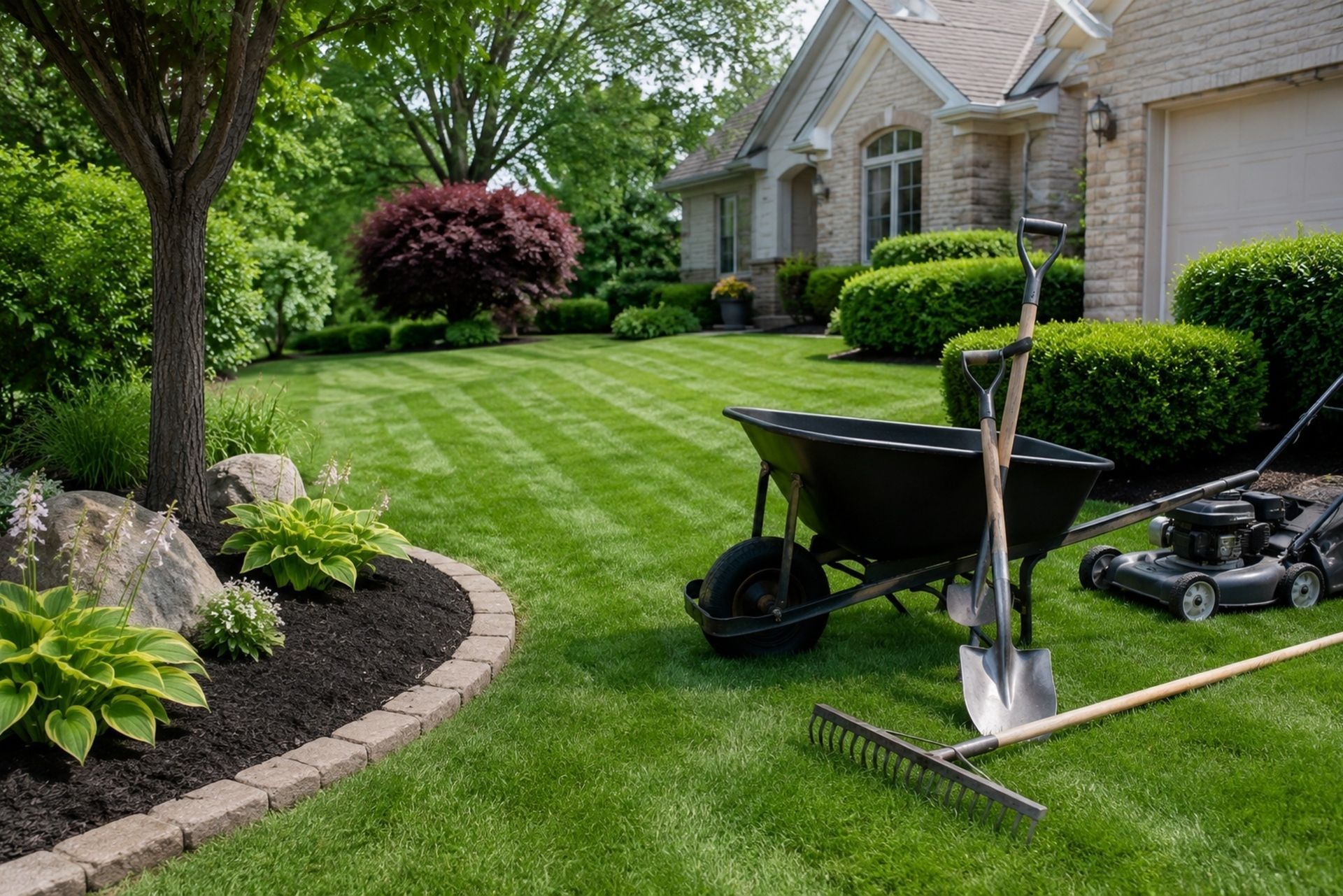
Landscapers work on someone else's property every single day. That alone creates constant exposure. A mower throws a rock through a window. A tree crew drops a limb on a fence. An irrigation install hits a gas line. These aren't rare events; they're common triggers for landscaping lawsuits that happen across the industry with regularity.
Property damage claims tend to be frequent but moderate in size, which is actually worse from an underwriting perspective than occasional large claims. Carriers hate frequency because it signals systemic risk rather than bad luck. A company that files three $5,000 claims in a year will often have a harder time finding coverage than one that filed a single $50,000 claim.
Complexity of Specialized Equipment and Machinery
A mid-size landscaping operation might own $200,000 or more in equipment: mowers, trailers, skid steers, chippers, trenchers, and specialized attachments. This equipment moves between job sites daily, sits on open trailers overnight, and operates in conditions that accelerate wear and breakdowns.
Standard commercial auto and property policies don't cover most of this equipment adequately. Inland marine coverage fills the gap, but many general agents don't understand how to structure it properly for landscapers. Equipment that's underinsured or excluded from coverage entirely is one of the most common gaps I see when reviewing existing policies.
Seasonal Workforce and Subcontractor Risks
Most landscaping companies scale their workforce dramatically between seasons. A company might run 8 employees in January and 30 by May. That fluctuation creates real problems with workers' compensation audits, and it means crews often include newer, less experienced workers during the busiest (and most dangerous) months.
Subcontractor usage adds another layer. Many landscapers bring in subs for hardscaping, tree removal, or irrigation work. If those subs don't carry their own insurance, or if their certificates lapse, the primary contractor inherits the liability. Carriers know this, and they price accordingly, or they simply decline the risk.
INDEX
GrayStone Insurance Group is fully licensed and permitted to provide specialty commercial insurance solutions for high-risk and hard-to-place businesses across 17 states.
We proudly serve high-risk and hard-to-place businesses from coast to coast. As an independent specialty brokerage, our team works with leading Excess & Surplus and specialty carriers to make sure restaurants, bars, contractors, trucking companies, manufacturers, and other hard-to-place operations receive coverage that fits their real risks in California, Colorado, Florida, Georgia, Illinois, Iowa, Maryland, Michigan, Missouri, Nevada, New York, North Carolina, South Carolina, Tennessee, Texas, Utah, and Washington.
Every policy has boundaries. Knowing them up front is how you avoid an uncovered claim. Common exclusions include:
Every policy has boundaries. Knowing them up front is how you avoid an uncovered claim. Common exclusions include:
Every policy has boundaries. Knowing them up front is how you avoid an uncovered claim. Common exclusions include:
General Liability responds to the core exposures most operations in this category face. A typical policy answers third-party claims and the defense costs that come with them, so a single incident doesn't put the business at risk.
If your firm provides any design, engineering, or consulting services alongside construction, you need both. A GL policy won't cover a claim alleging your design specifications caused a building envelope failure. That's a professional liability exposure, and it's one of the fastest-growing claim categories in construction.
Why Standard Carriers Often Reject Landscapers
Standard admitted carriers operate within strict guidelines set by state regulators. They prefer predictable, low-frequency risks. Landscaping doesn't fit that mold, and the underwriting environment in 2026 remains tight across property and casualty lines. Many carriers have pulled back from classes they consider marginal, and landscaping frequently lands on the "no-write" list.
Strict Underwriting for High-Hazard Services
Tree removal is the big one. If your company does any tree work, especially removals near structures or power lines, expect most standard carriers to decline immediately. The same goes for land clearing, stump grinding near utilities, and any work involving heights above 15 feet.
Even services that seem routine can trigger rejections. Retaining wall construction, grading work, and anything involving excavation often push a landscaping account into contractor territory, where the underwriting standards are significantly stricter. Carriers want clean, simple risks: mow-and-blow operations with no extras. The moment your scope expands, your options shrink.
The Impact of Pesticide and Herbicide Exposure
Chemical application is a particular sore spot. Any landscaper who applies pesticides, herbicides, or fertilizers faces pollution liability exposure that standard general liability policies explicitly exclude. The general liability trends affecting nursery owners and landscapers include increasing scrutiny around chemical runoff, drift damage to neighboring properties, and long-tail health claims from workers or residents.
A single herbicide drift incident can result in claims from multiple neighboring property owners. Standard GL policies contain absolute pollution exclusions, meaning they won't pay a dime for these losses. Without a separate pollution liability endorsement or standalone policy, a landscaper is essentially self-insuring one of their biggest exposures.
| Feature | General Liability (GL) | Professional Liability (PL) |
|---|---|---|
| What it covers | Bodily injury, property damage from your operations | Errors, omissions, or negligent professional advice |
| Example claim | A customer trips over your tools at a job site | You spec the wrong breaker panel, causing an overload |
| Trigger | Physical harm or damage | Financial loss from professional mistakes |
| Completed operations | Yes, typically included | Depends on policy form |
| Defense costs | Usually outside the limit | Often inside the limit (erodes coverage) |
| Typical cost | $800-$2,500/year for solo operators | $500-$1,500/year depending on revenue |
Comparing Standard vs. Specialized Landscaping Coverage
Here's a side-by-side look at what you typically get from a standard carrier versus a specialized program:
| Coverage Area | Standard Carrier | Specialized Program |
|---|---|---|
| General Liability | Basic GL, often with heavy exclusions | Broader GL with fewer activity exclusions |
| Tree Work | Excluded or heavily sublimited | Covered with proper safety documentation |
| Pollution/Chemical | Absolute pollution exclusion | Pollution liability endorsement available |
| Inland Marine | Generic equipment schedule | Tailored to landscaping equipment types |
| Workers' Comp | Available but audit-heavy | Flexible pay-as-you-go options for seasonal crews |
| Subcontractor Coverage | Strict certificate requirements, gaps common | Wrap-up or blanket sub coverage options |
The difference isn't just about getting approved. It's about getting coverage that actually responds when something goes wrong. A cheap policy with broad exclusions is worse than no policy at all because it creates a false sense of security.
Standard carriers follow rigid underwriting boxes. If you don't fit, you're out. That's where working with a specialized brokerage changes the equation. GrayStone Insurance Group focuses specifically on hard-to-place commercial risks, and electrical contractors are one of the classes where that expertise matters most.
With brokers averaging 20 years of experience and a 94% client retention rate, GrayStone doesn't just submit your application to the first carrier that comes up. They build a risk narrative around your business, highlighting safety programs, training certifications, and loss control measures that standard carriers often ignore during their automated underwriting process.
Every policy has boundaries. Knowing them up front is how you avoid an uncovered claim. Common exclusions include:
Every policy has boundaries. Knowing them up front is how you avoid an uncovered claim. Common exclusions include:
Every policy has boundaries. Knowing them up front is how you avoid an uncovered claim. Common exclusions include:
General Liability responds to the core exposures most operations in this category face. A typical policy answers third-party claims and the defense costs that come with them, so a single incident doesn't put the business at risk.
How GrayStone Solves the Placement Challenge
GrayStone Insurance Group has built its reputation on placing the accounts that other agencies can't. With brokers averaging 20 years of experience and a 94% client retention rate, they understand that landscapers need more than a generic quote from a carrier that doesn't understand the industry.
Access to Surplus Lines and Niche Markets
When admitted carriers say no, surplus lines markets often say yes. GrayStone maintains relationships with surplus lines carriers and niche programs that specifically appetite landscaping risks, including operations with tree work, chemical application, and heavy equipment.
Surplus lines carriers aren't bound by the same rate restrictions as admitted carriers, which means they can price risk more accurately rather than simply declining it. The tradeoff is typically a slightly higher premium, but the coverage is real and responsive. GrayStone's AI-powered risk modeling helps identify which markets offer the best fit for each specific operation, cutting down on the back-and-forth that usually delays placement.
Tailored Bundles: GL, Inland Marine, and Workers Comp
Rather than piecing together coverage from three or four different carriers, GrayStone builds bundled programs that address the full spectrum of landscaping risk. A typical package includes general liability with appropriate activity endorsements, inland marine coverage scheduled to your actual equipment list, and workers' compensation structured for seasonal workforce fluctuations.
This bundled approach matters because gaps between policies are where claims fall through. When one carrier handles your GL and another handles your equipment, disputes about which policy responds to a given loss are common and expensive. A coordinated program eliminates most of those gray areas.
Yes. The E&S market exists specifically for situations like this. You'll likely pay more, and your policy may include higher deductibles or specific exclusions related to past claim types. Demonstrating corrective action since those claims occurred helps significantly at renewal.
FProtecting Your Business for the Long Term
FAQ: How long does it take to get a hard-to-place policy?
Anywhere from a few days to several weeks. Simple E&S placements for well-documented risks can move quickly. Complex accounts requiring multiple carrier submissions, manuscript endorsements, or layered programs take longer. Starting the process 60-90 days before your renewal date is a smart move.
Your general liability policy does not cover your own property. You need an inland marine policy, sometimes called a tools and equipment floater, to cover theft of your tools from a vehicle, job site, or storage location. These policies typically cost $300 to $1,500 per year and are worth every penny.
FAQ: Does my policy cover my tools if they are stolen from my truck?
Essential Policy Add-Ons You Shouldn't Skip
Errors and Omissions for Design-Build Projects
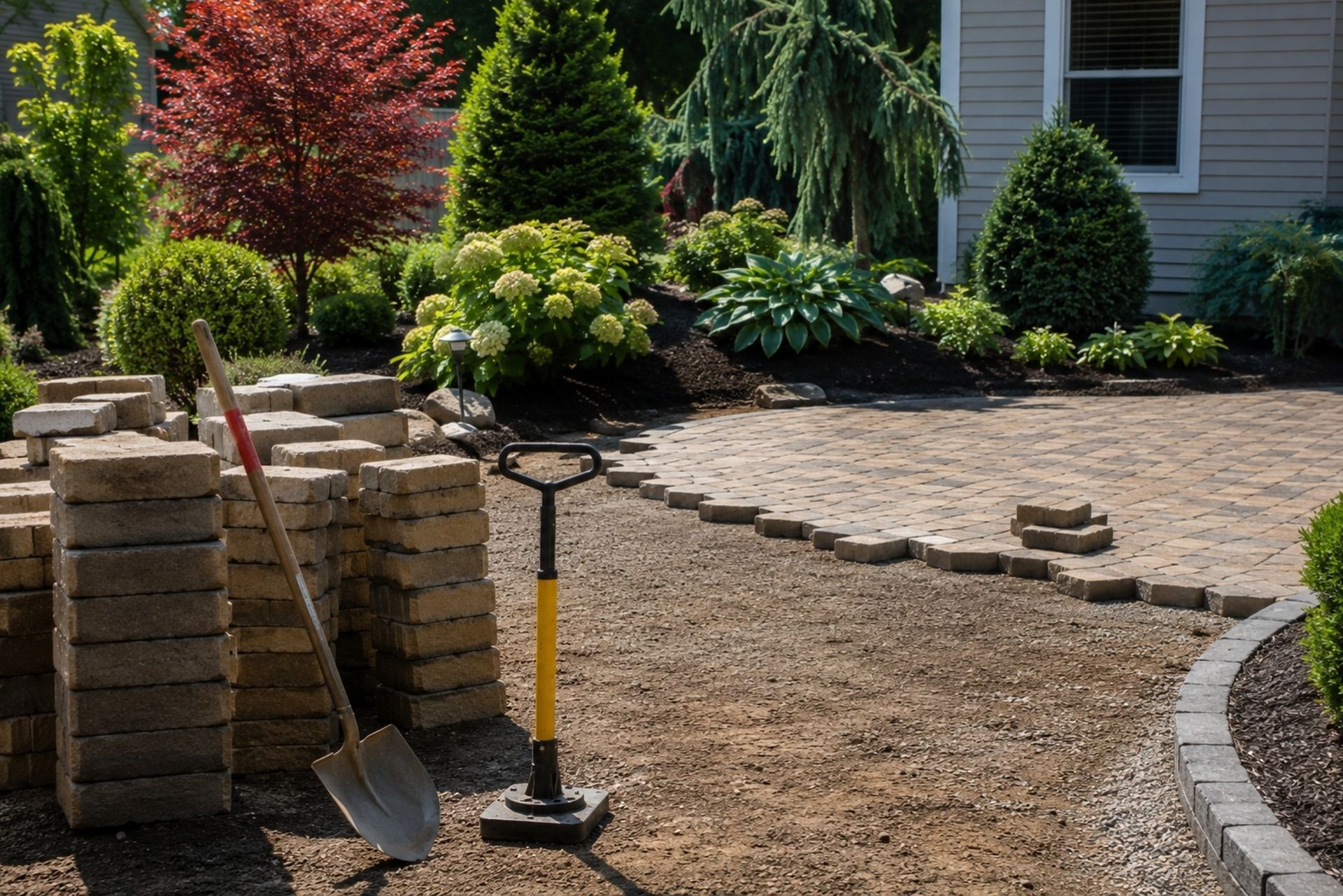
If your company does any landscape design work, whether it's a full master plan or just sketching out a patio layout for a client, you have professional liability exposure. A design error that leads to drainage problems, plant failures, or structural issues with hardscaping can result in claims that GL won't cover.
E&O coverage for design-build landscapers is relatively inexpensive, usually a few hundred dollars annually for smaller operations. Skipping it to save money is a gamble that doesn't make sense given the potential exposure.
Pollution Liability and Chemical Application Care
This one isn't optional if you apply any chemicals. Period. A pollution liability policy or endorsement covers third-party bodily injury and property damage arising from the application, storage, or transport of pesticides, herbicides, and fertilizers. Premiums vary based on your revenue, application volume, and the specific chemicals used, but expect to pay between $500 and $2,500 annually for most operations.
The cost of not having it? A single drift claim can easily run $50,000 to $100,000 when you factor in property remediation, crop damage, and legal defense costs.
Every policy has boundaries. Knowing them up front is how you avoid an uncovered claim. Common exclusions include:
Every policy has boundaries. Knowing them up front is how you avoid an uncovered claim. Common exclusions include:
Every policy has boundaries. Knowing them up front is how you avoid an uncovered claim. Common exclusions include:
General Liability responds to the core exposures most operations in this category face. A typical policy answers third-party claims and the defense costs that come with them, so a single incident doesn't put the business at risk.
The right insurance package for a three-bay independent repair shop looks nothing like what a 200-vehicle used car lot needs. Your coverage should reflect your actual operations: the number of vehicles you handle, the type of work you perform, your lot security, and your claims history.
If you're operating in the standard market with clean history, you have options and should shop competitively. If you've been declined, non-renewed, or you're launching a new venture, don't settle for the first quote you find. Specialty brokers exist for exactly this reason. GrayStone Insurance Group maintains a 94% client retention rate because they build coverage around the operator's real risk profile rather than forcing a one-size-fits-all solution.
Start by auditing your current coverage against the categories outlined above. Identify gaps, especially around garagekeepers limits, completed operations, and open lot valuation. Then talk to a broker who understands automotive risks and can place coverage even when the standard market says no.
Do I need insurance if I only do small residential repairs?
Yes. Even a minor repair gone wrong can cause a fire or electrical injury. Most states require general liability for licensed contractors, and many homeowners won't hire you without proof of insurance.
What is a 'completed operations' clause and why does it matter?
Completed operations coverage protects you against claims arising from work you've already finished. If wiring you installed six months ago causes a fire, this is the coverage that responds. Without it, you'd be personally liable for damages.
Frequently Asked Questions About Landscapers Insurance
How much does landscaping insurance cost per year? Most landscaping companies pay between $3,000 and $12,000 annually for a full coverage package. The exact cost depends on revenue, number of employees, services offered, and claims history.
Do I need separate insurance for tree removal? Yes, in most cases. Standard GL policies exclude tree work or sublimit it heavily. You'll need either a specific endorsement or a carrier that underwrites tree care as part of their landscaping program.
Can I get coverage if I've been declined by other carriers? Absolutely. Being declined by a standard carrier doesn't mean you're uninsurable. Surplus lines markets exist specifically for risks that don't fit standard guidelines. A specialized broker can typically find options within a few days.
Is workers' comp required for landscaping businesses? In most states, yes, once you have one or more employees. Requirements vary by state, but operating without it exposes you to significant legal and financial liability.
What's the difference between inland marine and commercial auto for my equipment? Commercial auto covers vehicles. Inland marine covers the equipment those vehicles transport: mowers, blowers, trailers, attachments. You need both.
Yes. The E&S market exists specifically for situations like this. You'll likely pay more, and your policy may include higher deductibles or specific exclusions related to past claim types. Demonstrating corrective action since those claims occurred helps significantly at renewal.
FProtecting Your Business for the Long Term
FAQ: How long does it take to get a hard-to-place policy?
Anywhere from a few days to several weeks. Simple E&S placements for well-documented risks can move quickly. Complex accounts requiring multiple carrier submissions, manuscript endorsements, or layered programs take longer. Starting the process 60-90 days before your renewal date is a smart move.
Your general liability policy does not cover your own property. You need an inland marine policy, sometimes called a tools and equipment floater, to cover theft of your tools from a vehicle, job site, or storage location. These policies typically cost $300 to $1,500 per year and are worth every penny.
FAQ: Does my policy cover my tools if they are stolen from my truck?
Protecting Your Business Assets Long-Term
Landscaping insurance is hard to place because the industry combines multiple risk categories into a single operation. Standard carriers aren't built for that complexity, and they'd rather decline the account than figure out how to price it. That's not a reflection of your business quality; it's a reflection of how insurance markets work.
The smart move is working with a brokerage that understands these dynamics and has the market access to match. GrayStone Insurance Group's team in Austin and beyond specializes in exactly these kinds of hard-to-place accounts, combining deep industry knowledge with the carrier relationships needed to get you covered properly.
Don't settle for a stripped-down policy full of exclusions just because it was the only quote you could get. Reach out to GrayStone, get a coverage review, and make sure your policy actually protects the business you've spent years building.
ABOUT THE AUTHOR:
CHAD KRAMER
I started GrayStone Insurance Group in 2018 with a simple conviction: the businesses everyone else turns away deserve a broker who won't. What began as a one-person operation has grown into a specialty commercial brokerage with offices across the country — but the mission hasn't changed. We find solutions for high-risk and hard-to-place businesses when other agencies run the other way.
I built this agency on integrity, hard work, and the tenacity to do the hard things well. Through our access to Excess & Surplus and specialty markets, my team and I place coverage standard carriers can't — and I treat every client's business like my own.
If you've been declined, non-renewed, or told your business is too complicated to insure, let's talk.
Coverages & policies
Plain-language coverage, expertly placed.
We lead with commercial lines and round out personal coverage where you need it. Every policy comes with an explanation — not jargon.

Contractors
Third-party bodily injury & property damage — the foundation for any operation.

Liquor Liability
Critical for bars, restaurants and venues serving alcohol — including A&B.

Commercial Property
Buildings, contents and equipment — including distressed and vacant risk.

Workers' Compensation
Statutory coverage for your crew — including high-mod and high-hazard classes.

Commercial Umbrella
Extra liability limits over your primary policies — essential for high-exposure risk.
Products Liability
Manufacturers, CBD and consumer-product exposure — including imports.
What clients say
Brokers who actually place it.
FAQ
Answers for the risks others won't cover
Getting declined, non-renewed, or told your business is "too high-risk" is frustrating — but it doesn't mean you're out of options. Here are answers to the questions we hear most from business owners who need coverage the standard market won't provide.
What kind of insurance does GrayStone specialize in?
We're a specialty commercial brokerage built for high-risk and hard-to-place businesses — the risks standard carriers often turn away. Through our access to Excess & Surplus (E&S) and specialty markets, we place coverage that everyday agencies can't. Hospitality and construction are among our deepest areas of expertise.
My business was declined or non-renewed elsewhere. Can you still help?
That's exactly what we do. A decline, a non-renewal, or a tough claims history doesn't mean you're out of options — it means your risk needs a broker with the right market access. Tell us your situation and we'll get to work finding a fit.
What is Excess & Surplus (E&S) insurance?
E&S is specialty coverage for risks that standard "admitted" carriers won't write — often because a business is higher-risk, unusual, or has a complex history. As an independent broker, we tap into these specialty markets to place coverage where a typical agency hits a dead end.
What industries do you work with?
We cover a wide range of commercial industries — from restaurants, bars, and hospitality to contractors, trucking, manufacturing, cannabis, and more. If your industry is considered high-risk or hard-to-place, there's a good chance we've handled it.
Will you work with businesses that have prior claims or losses?
Yes. Prior claims and losses are part of many of the risks we place every day. Every business is evaluated on its own merits — and a rocky history is often exactly why a specialty broker can help where others won't.
Are you an independent broker?
Yes. We're not tied to a single carrier, so we shop your risk across multiple specialty and E&S markets to find coverage that actually fits — instead of forcing you into a one-size-fits-all policy.
Insights & resources
Know your risk before you buy.