
General Liability responds to the core exposures most operations in this category face. A typical policy answers third-party claims and the defense costs that come with them, so a single incident doesn't put the business at risk.
Commercial Property and Equipment Breakdown
Your building, furniture, sound systems, lighting rigs, POS equipment, and bar inventory all need protection. Commercial property insurance covers damage from fire, storms, vandalism, and other covered perils. Equipment breakdown coverage, which is often a separate endorsement, handles mechanical and electrical failures in refrigeration units, HVAC systems, and commercial kitchen equipment.
Iowa's weather creates specific property risks. Hail damage, windstorms, and the occasional tornado make adequate property limits essential. If you lease your space, your landlord's policy covers the building shell, but everything inside is your responsibility. Don't forget business interruption coverage either: if a kitchen fire shuts you down for three months, this pays your ongoing expenses while you rebuild.
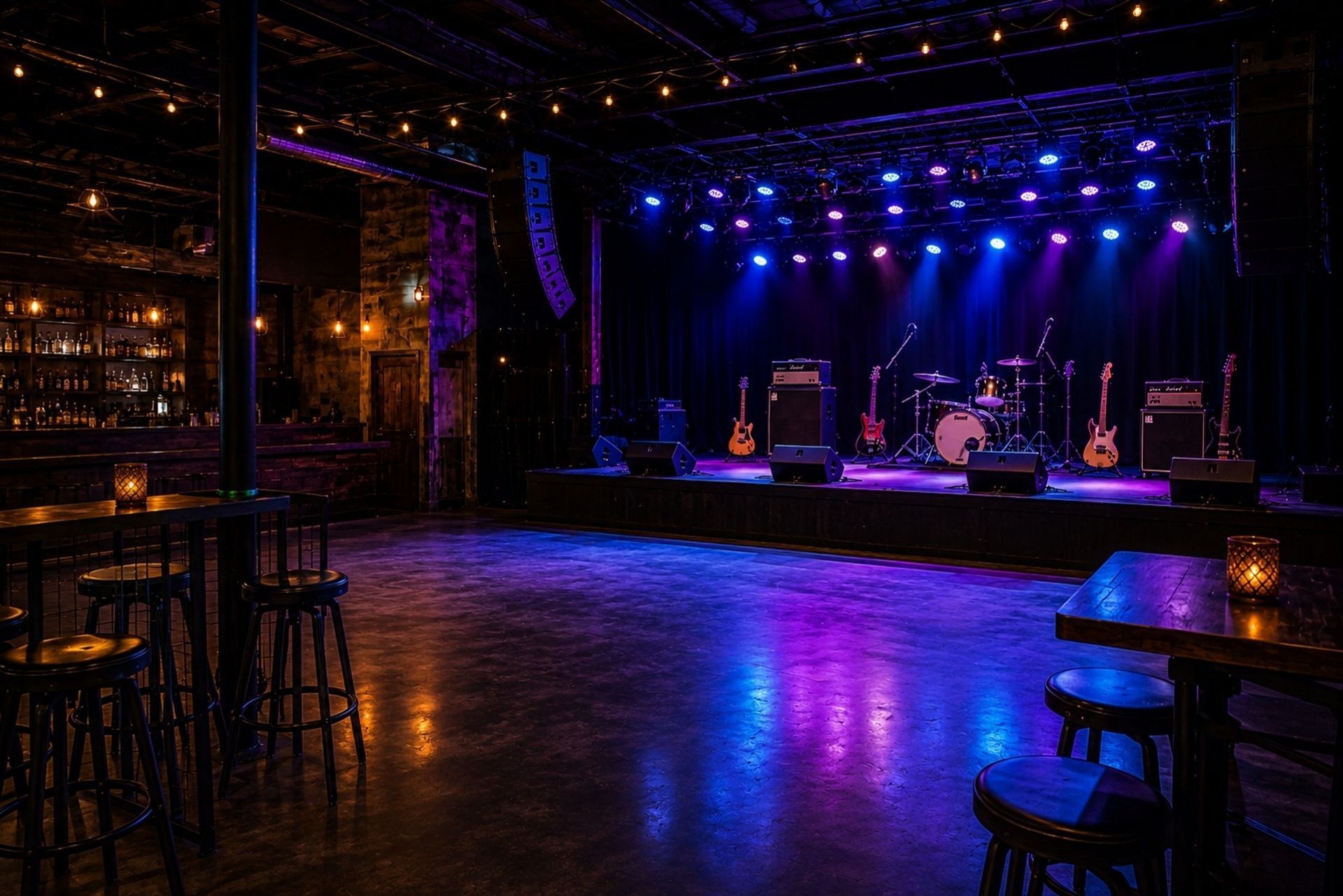
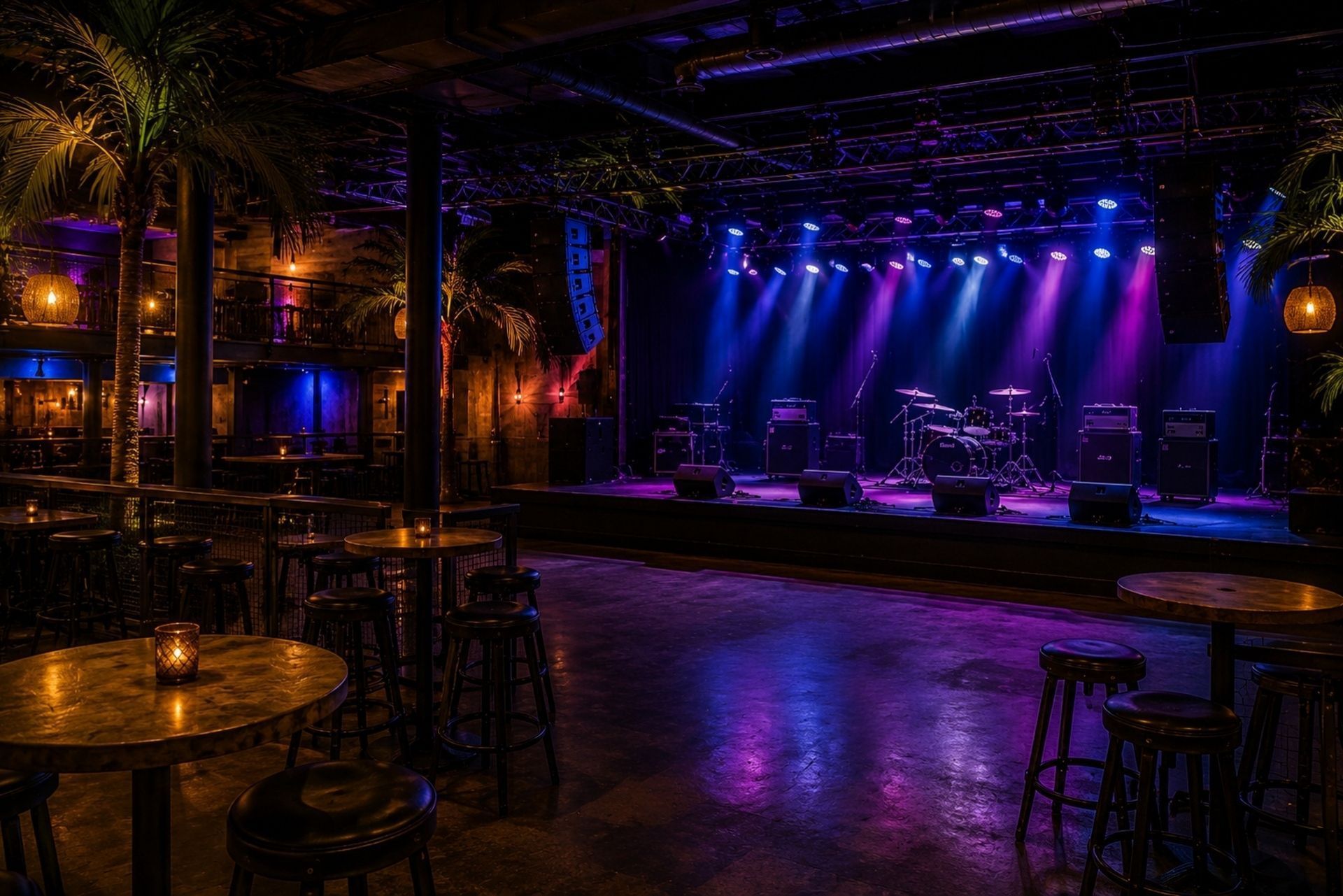
Running a live music venue in Florida means juggling sound checks, booking acts, managing staff, and keeping a crowd happy on any given night. What most operators underestimate is the insurance side of the equation. Florida's unique combination of hurricane exposure, high foot traffic, alcohol service, and evolving tort law creates a risk profile that generic commercial policies simply don't cover well. A single crowd injury, a storm that rips off your roof, or a liquor-related incident can generate six-figure claims overnight. The state's insurance market has shifted significantly since tort reform legislation took full effect, and that shift cuts both ways: some premiums have dropped, but coverage gaps have widened for operators who aren't paying attention. This guide breaks down what Florida venue operators actually need to know about insurance requirements, realistic cost expectations, and staying compliant with state and local regulations. Whether you run a 200-capacity jazz lounge in St. Petersburg or a 3,000-seat amphitheater in Fort Lauderdale, the stakes are real and the details matter. Getting this wrong doesn't just cost money; it can shut your doors permanently.
Core Insurance Requirements for Florida Music Venues
Every Florida live music venue needs a foundational insurance stack before booking a single act. The state doesn't have one single "venue license insurance" mandate, but a combination of state law, municipal codes, landlord requirements, and liquor licensing rules creates a de facto list of must-haves. Miss one piece and you risk losing your lease, your liquor license, or your ability to operate legally.
The three non-negotiable pillars are general liability, liquor liability (if you serve alcohol, and most venues do), and workers' compensation. Beyond those, Florida's geography demands property coverage that accounts for wind and flood, neither of which is included in standard commercial property policies. Smart operators also carry commercial auto, cyber liability for ticketing systems, and event cancellation coverage, but those are secondary to the big three.
Mandatory General Liability and Florida State Mandates
General liability (GL) is the backbone of any venue's insurance program. It covers bodily injury and property damage claims from third parties: think a patron who trips on a loose cable, gets hit by a falling speaker, or slips on a wet floor near the bar. Most landlords and municipalities require a minimum of $1 million per occurrence and $2 million aggregate before they'll even sign a lease or issue an occupancy permit.
Florida's 2023 tort reform has now reached full maturity in 2026, producing roughly a 30% reduction in certain liability premiums statewide. That's real savings for venue operators. The reform shortened the statute of limitations for negligence claims and modified the comparative fault standard, which means insurers face less exposure and can price policies more competitively.
That said, a lower premium doesn't mean less coverage is needed. Florida venues still see frequent slip-and-fall claims, crowd crush incidents, and noise-related complaints that can escalate into lawsuits. Your GL policy should specifically name live entertainment operations as a covered activity, not just "restaurant" or "bar" use.
Liquor Liability: Navigating Florida's Dram Shop Nuances
Florida's dram shop law is narrower than most states. Under Florida Statute 768.125, a venue generally isn't liable for damages caused by an intoxicated patron unless you knowingly served someone who was habitually addicted to alcohol or served a minor. That sounds like good news, but it doesn't make liquor liability coverage optional.
Lawsuits still get filed regardless of the statute's protections, and defending them costs money even when you win. Most
Florida bar and nightclub insurance programs require liquor liability limits of at least $1 million. If your venue generates more than 40-50% of revenue from alcohol sales, expect underwriters to scrutinize your operations closely. They'll want to see documented server training (like ServSafe Alcohol certification), incident logs, and a clear policy for cutting off intoxicated guests.
Workers' Compensation Rules for FL Venue Staff
Florida requires workers' compensation for any business with four or more employees, and construction-related businesses need it with just one employee. If you're using stagehands, sound engineers, or doing any build-out work, that construction threshold may apply to you.
Here's a common mistake: treating your sound techs, lighting crew, or door staff as independent contractors to avoid workers' comp obligations. Florida's Division of Workers' Compensation actively investigates misclassification, and penalties include $1,000 per day of non-compliance plus a stop-work order. That means your Friday night headliner plays to an empty, locked building. Classify your workers correctly and carry the coverage.
INDEX
GrayStone Insurance Group is fully licensed and permitted to provide specialty commercial insurance solutions for high-risk and hard-to-place businesses across 17 states.
We proudly serve high-risk and hard-to-place businesses from coast to coast. As an independent specialty brokerage, our team works with leading Excess & Surplus and specialty carriers to make sure restaurants, bars, contractors, trucking companies, manufacturers, and other hard-to-place operations receive coverage that fits their real risks in California, Colorado, Florida, Georgia, Illinois, Iowa, Maryland, Michigan, Missouri, Nevada, New York, North Carolina, South Carolina, Tennessee, Texas, Utah, and Washington.
Every policy has boundaries. Knowing them up front is how you avoid an uncovered claim. Common exclusions include:
Every policy has boundaries. Knowing them up front is how you avoid an uncovered claim. Common exclusions include:
Every policy has boundaries. Knowing them up front is how you avoid an uncovered claim. Common exclusions include:
General Liability responds to the core exposures most operations in this category face. A typical policy answers third-party claims and the defense costs that come with them, so a single incident doesn't put the business at risk.
If your firm provides any design, engineering, or consulting services alongside construction, you need both. A GL policy won't cover a claim alleging your design specifications caused a building envelope failure. That's a professional liability exposure, and it's one of the fastest-growing claim categories in construction.
General liability covers the basics: a patron slips on a wet floor, a ceiling tile falls, someone trips over a cord. Liquor liability is a separate, specialized coverage that responds when alcohol service is the proximate cause of an injury or property damage. Most general liability policies explicitly exclude alcohol-related claims, which means relying on GL alone leaves your biggest risk completely uncovered.
Liquor liability premiums for NC bars typically range from $2,500 to $12,000 annually, depending on revenue, venue type, and claims history. High-volume nightclubs with entertainment and dance floors sit at the top of that range. GrayStone Insurance Group works with carriers that specialize in these placements, which matters because many standard agencies simply can't get competitive quotes for venues with significant liquor exposure.
Liquor Liability vs. General Liability
This is the coverage gap that sinks nightclub owners. Standard general liability policies almost always exclude assault and battery claims, and nightclubs are where these claims happen most frequently. A patron gets punched by another patron, or a bouncer uses excessive force: without an assault and battery endorsement, you're paying for the defense and any settlement out of pocket.
These endorsements typically add $1,500 to $5,000 to your annual premium, but the alternative is absorbing a claim that can easily exceed $100,000. Some carriers offer sub-limits (say, $100,000 per occurrence within a $1 million policy), while others provide full-limit coverage. Read the fine print carefully, because sub-limited assault and battery coverage can still leave you significantly exposed.
Assault and Battery Endorsements
Comparing Essential vs. Specialized Coverage Levels
Not every venue needs the same depth of coverage. A small acoustic lounge with 100 seats has a different risk profile than an outdoor amphitheater hosting pyrotechnic-heavy EDM shows. The table below illustrates the practical difference between a basic and comprehensive insurance package.
Comparison Table: Basic vs. Comprehensive Venue Protection
| Coverage Type | Basic Package | Comprehensive Package |
|---|---|---|
| General Liability | $1M per occurrence / $2M aggregate | $2M per occurrence / $5M aggregate |
| Liquor Liability | $1M combined single limit | $2M with assault & battery endorsement |
| Property (Building & Contents) | Named-peril, ACV basis | All-risk, replacement cost basis |
| Wind/Hurricane | Excluded or high deductible | Included with 2-5% deductible |
| Workers' Compensation | Statutory minimum | Statutory + employer's liability $1M |
| Umbrella/Excess | None | $5M umbrella |
| Event Cancellation | None | Per-event coverage up to $250K |
| Cyber Liability | None | $1M (ticketing/POS breach) |
| Estimated Annual Premium | $8,000 - $18,000 | $25,000 - $65,000+ |
The jump in cost between basic and comprehensive is significant, but so is the gap in protection. One hurricane or one serious crowd injury can exceed basic limits within hours. Agencies like GrayStone Insurance Group, which specializes in hard-to-place entertainment risks, can often structure layered programs that keep costs manageable while closing the most dangerous gaps.
Factors Influencing Insurance Costs in the Sunshine State
Florida venue insurance premiums vary wildly. Two venues in the same city can see quotes differ by 300% based on a handful of variables. Understanding what drives your premium helps you control it.
Impact of Coastal Location and Hurricane Risk on Premiums
Geography is the single biggest cost driver. A venue in downtown Miami or on the Gulf Coast in Panama City Beach will pay substantially more for property and wind coverage than a venue in Orlando or Gainesville. Commercial property insurance premiums across Florida have been trending upward through 2026, though tort reform has softened the liability side somewhat.
Wind deductibles for coastal properties typically run 2-5% of the insured value, not a flat dollar amount. On a building insured for $2 million, that's a $40,000 to $100,000 out-of-pocket hit before insurance pays a dime. Flood insurance is separate and purchased through FEMA's National Flood Insurance Program or private carriers. If your venue sits in a flood zone, budget $3,000 to $12,000 annually for flood coverage alone
Venue Capacity and Crowd Management Safety Protocols
Capacity directly correlates with liability exposure. Underwriters look at maximum occupancy, average attendance, the type of events you host, and whether you have mosh pits or standing-room-only areas. A seated 500-person venue hosting jazz and blues acts is a very different risk than a 500-person standing venue hosting punk and metal shows.
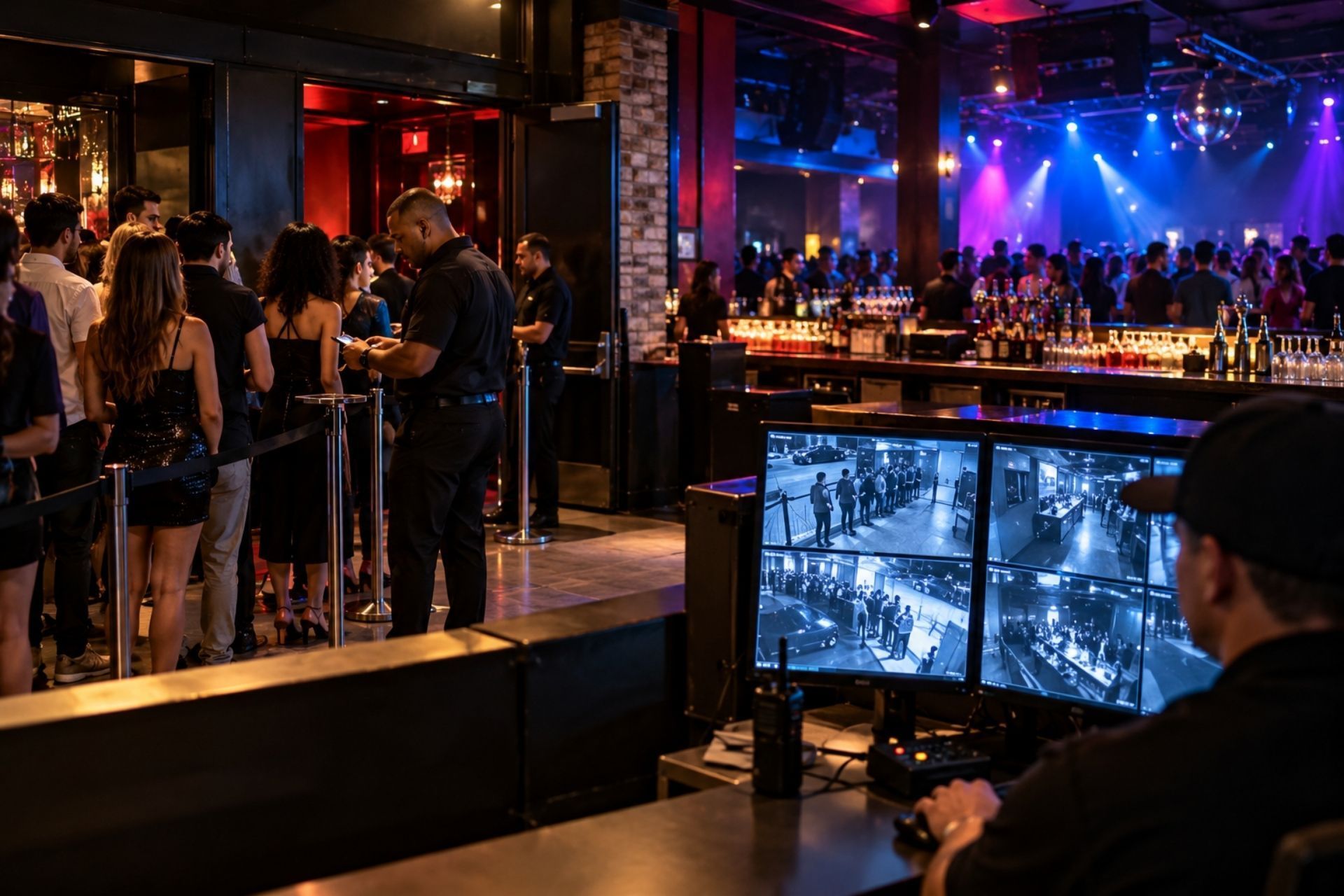
Documented crowd management protocols can meaningfully reduce your premiums. Insurers want to see written emergency action plans, trained security ratios (typically 1 guard per 75-100 attendees), barrier and exit strategies, and medical response plans.
Live event insurance underwriting in 2026 increasingly relies on data from past events, so keeping detailed incident logs from every show works in your favor at renewal time.
Every policy has boundaries. Knowing them up front is how you avoid an uncovered claim. Common exclusions include:
Every policy has boundaries. Knowing them up front is how you avoid an uncovered claim. Common exclusions include:
Every policy has boundaries. Knowing them up front is how you avoid an uncovered claim. Common exclusions include:
General Liability responds to the core exposures most operations in this category face. A typical policy answers third-party claims and the defense costs that come with them, so a single incident doesn't put the business at risk.
Managing Compliance and Risk Mitigation
Insurance is only half the equation. Staying compliant with Florida fire codes, local ordinances, and security requirements keeps your policies valid and your claims payable. A policy can be voided if you're found non-compliant at the time of a loss.
Fire Code Compliance and Pyrotechnic Safety Standards
Florida follows the NFPA 1 Fire Code, and local fire marshals conduct inspections that directly affect your insurability. Common violations at music venues include blocked exits, inadequate emergency lighting, overcrowding beyond posted capacity, and improper storage of flammable materials.
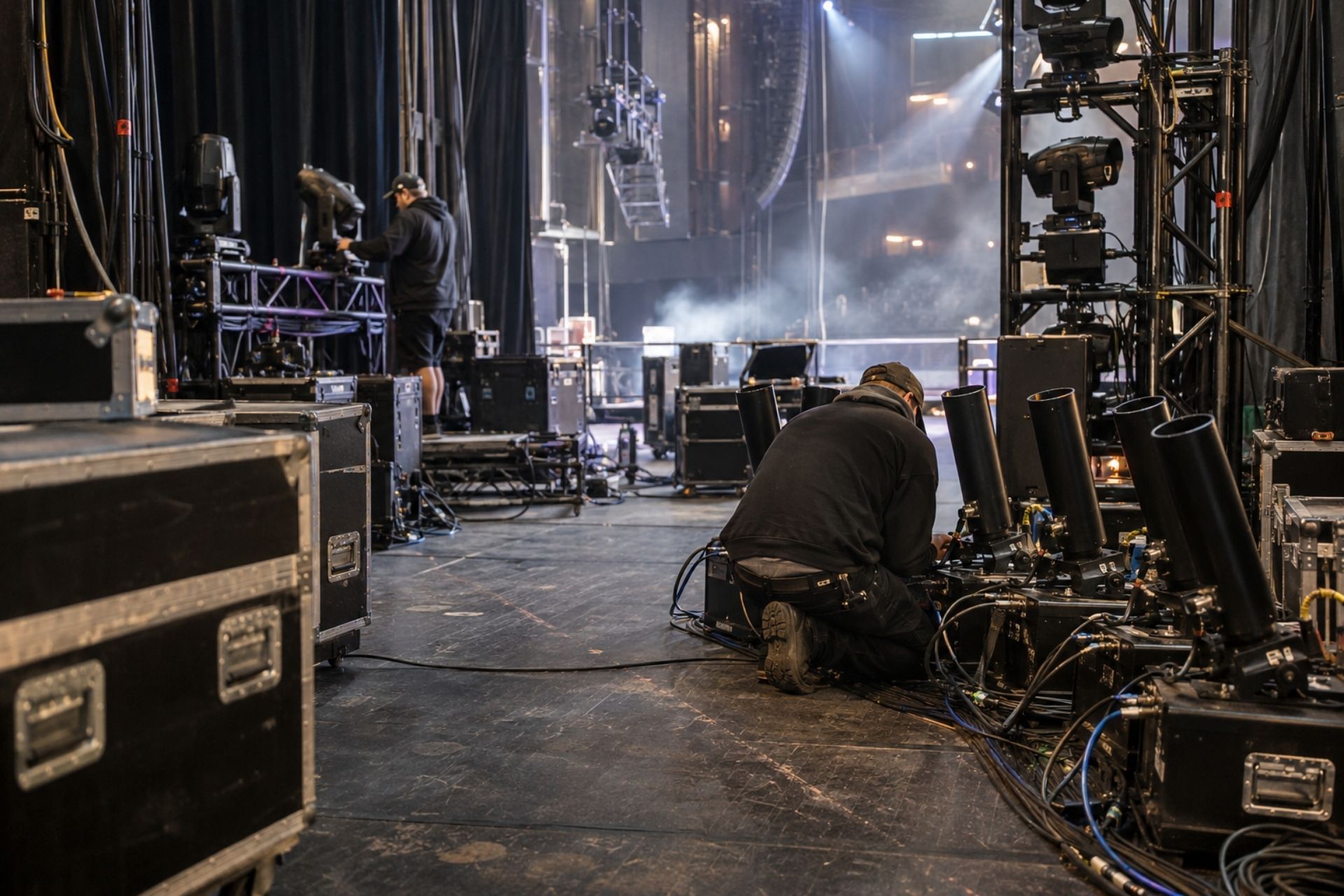
If your acts use pyrotechnics, CO2 cannons, or open flame effects, you need a separate pyrotechnic permit from the local fire authority and a dedicated special effects rider on your insurance policy. Standard GL policies exclude pyrotechnic-related claims. Florida concert venue insurance specialists can help you structure coverage that accounts for these higher-risk production elements without leaving gaps.
Security Staffing Requirements and Liability Waivers
Florida doesn't have a single statewide security staffing mandate for venues, but most municipalities tie occupancy permits to minimum security ratios. Miami-Dade, for instance, requires licensed security for any venue exceeding 200 capacity that serves alcohol.
Your security staff should be licensed through the Florida Department of Agriculture and Consumer Services (FDACS) Division of Licensing. Using unlicensed bouncers is a compliance violation that can void your liability coverage. Liability waivers on the back of tickets or at entry points offer some protection, but Florida courts have historically been skeptical of blanket waivers, especially for negligence. They're worth having but shouldn't be your primary risk management strategy.
Common Questions About FL Venue Insurance
FAQ: What do I need to know before getting a quote?
Do I need insurance for one-off events or just annual policies? Both options exist. Single-event policies typically cost between $150 and $600 for basic liability. If you host more than 8-10 events per year, an annual policy is almost always cheaper per event.
Will my landlord's insurance cover my venue? No. A landlord's policy covers the building structure, not your business operations, equipment, or liability. You need your own commercial policy, and your landlord will likely require being named as an additional insured on it.
Can I get coverage if I've had prior claims or been denied before? Yes, but you'll need a specialist. Firms like GrayStone Insurance Group focus specifically on hard-to-place risks and work with surplus lines carriers who write policies that standard agencies won't touch. Their brokers average 20 years in the market and understand how to present a tough risk favorably.
Does event cancellation insurance cover weather-related cancellations? Most policies do, but read the fine print. Named-storm exclusions are common in Florida. If a hurricane is already named before you purchase the policy, that storm won't be covered.
What happens if I'm underinsured and a major claim hits? You're personally responsible for the gap. Florida doesn't cap negligence damages in most cases, so a $2 million judgment against a venue carrying $1 million in coverage means $1 million comes out of your pocket or your business assets.
Every policy has boundaries. Knowing them up front is how you avoid an uncovered claim. Common exclusions include:
Every policy has boundaries. Knowing them up front is how you avoid an uncovered claim. Common exclusions include:
Every policy has boundaries. Knowing them up front is how you avoid an uncovered claim. Common exclusions include:
General Liability responds to the core exposures most operations in this category face. A typical policy answers third-party claims and the defense costs that come with them, so a single incident doesn't put the business at risk.
Next Steps for Securing Your Venue
Getting the right insurance for a Florida live music venue isn't something you do once and forget. Market conditions shift, your operations evolve, and Florida's regulatory environment continues to change post-tort reform. Review your coverage annually, ideally 90 days before renewal so you have time to shop the market.
Start by documenting everything: your capacity, event frequency, alcohol revenue percentage, security protocols, and any building improvements you've made. This information directly affects your quotes and gives underwriters confidence in your operation. Venues that present organized, data-backed submissions consistently get better pricing.
If you've been declined by standard carriers or feel like your current coverage has gaps, reach out to GrayStone Insurance Group for a risk assessment. Their team handles complex entertainment risks daily, using data-driven underwriting models that match your specific exposure to the right carriers. With a 94% client retention rate, they've built a reputation on getting results for operators that other agencies turn away.
Don't wait for a claim to find out your policy falls short. Get your documentation together, talk to a specialist, and lock in coverage that actually matches the risks you face every time the house lights go down.
ABOUT THE AUTHOR:
CHAD KRAMER
I started GrayStone Insurance Group in 2018 with a simple conviction: the businesses everyone else turns away deserve a broker who won't. What began as a one-person operation has grown into a specialty commercial brokerage with offices across the country — but the mission hasn't changed. We find solutions for high-risk and hard-to-place businesses when other agencies run the other way.
I built this agency on integrity, hard work, and the tenacity to do the hard things well. Through our access to Excess & Surplus and specialty markets, my team and I place coverage standard carriers can't — and I treat every client's business like my own.
If you've been declined, non-renewed, or told your business is too complicated to insure, let's talk.
Coverages & policies
Plain-language coverage, expertly placed.
We lead with commercial lines and round out personal coverage where you need it. Every policy comes with an explanation — not jargon.

Contractors
Third-party bodily injury & property damage — the foundation for any operation.

Liquor Liability
Critical for bars, restaurants and venues serving alcohol — including A&B.

Commercial Property
Buildings, contents and equipment — including distressed and vacant risk.

Workers' Compensation
Statutory coverage for your crew — including high-mod and high-hazard classes.

Commercial Umbrella
Extra liability limits over your primary policies — essential for high-exposure risk.
Products Liability
Manufacturers, CBD and consumer-product exposure — including imports.
What clients say
Brokers who actually place it.
FAQ
Answers for the risks others won't cover
Getting declined, non-renewed, or told your business is "too high-risk" is frustrating — but it doesn't mean you're out of options. Here are answers to the questions we hear most from business owners who need coverage the standard market won't provide.
What kind of insurance does GrayStone specialize in?
We're a specialty commercial brokerage built for high-risk and hard-to-place businesses — the risks standard carriers often turn away. Through our access to Excess & Surplus (E&S) and specialty markets, we place coverage that everyday agencies can't. Hospitality and construction are among our deepest areas of expertise.
My business was declined or non-renewed elsewhere. Can you still help?
That's exactly what we do. A decline, a non-renewal, or a tough claims history doesn't mean you're out of options — it means your risk needs a broker with the right market access. Tell us your situation and we'll get to work finding a fit.
What is Excess & Surplus (E&S) insurance?
E&S is specialty coverage for risks that standard "admitted" carriers won't write — often because a business is higher-risk, unusual, or has a complex history. As an independent broker, we tap into these specialty markets to place coverage where a typical agency hits a dead end.
What industries do you work with?
We cover a wide range of commercial industries — from restaurants, bars, and hospitality to contractors, trucking, manufacturing, cannabis, and more. If your industry is considered high-risk or hard-to-place, there's a good chance we've handled it.
Will you work with businesses that have prior claims or losses?
Yes. Prior claims and losses are part of many of the risks we place every day. Every business is evaluated on its own merits — and a rocky history is often exactly why a specialty broker can help where others won't.
Are you an independent broker?
Yes. We're not tied to a single carrier, so we shop your risk across multiple specialty and E&S markets to find coverage that actually fits — instead of forcing you into a one-size-fits-all policy.
Insights & resources
Know your risk before you buy.