
General Liability responds to the core exposures most operations in this category face. A typical policy answers third-party claims and the defense costs that come with them, so a single incident doesn't put the business at risk.
A single at-fault accident can cost a trucking operation six figures before the lawsuit even lands. And if you're running older equipment, hauling hazmat, or starting a new venture with limited history, finding affordable coverage feels like trying to park a 53-footer in a compact space. Commercial trucking insurance sits at the intersection of federal regulation, volatile claims history, and a shrinking pool of willing carriers, and the operators who understand how their policies actually work are the ones who survive rate increases and coverage disputes. Whether you're an owner-operator with a clean record or a fleet manager dealing with drivers who have a few marks on their MVRs, the specifics of your coverage matter more than most people realize. Premiums have climbed to a record 10.2 cents per mile in early 2026, a 38% jump that's squeezing margins across the industry. This guide breaks down the coverage types, claim patterns, and strategies that hard-to-place operators need to understand before signing their next policy.
Core Coverage Types for Commercial Trucking
The trucking insurance world isn't one-size-fits-all. Your policy structure depends on what you haul, where you haul it, whether you're leased to a carrier or operating under your own authority, and a dozen other variables. Getting these distinctions wrong can leave you exposed to six-figure gaps when a claim hits.
Primary Liability and Physical Damage
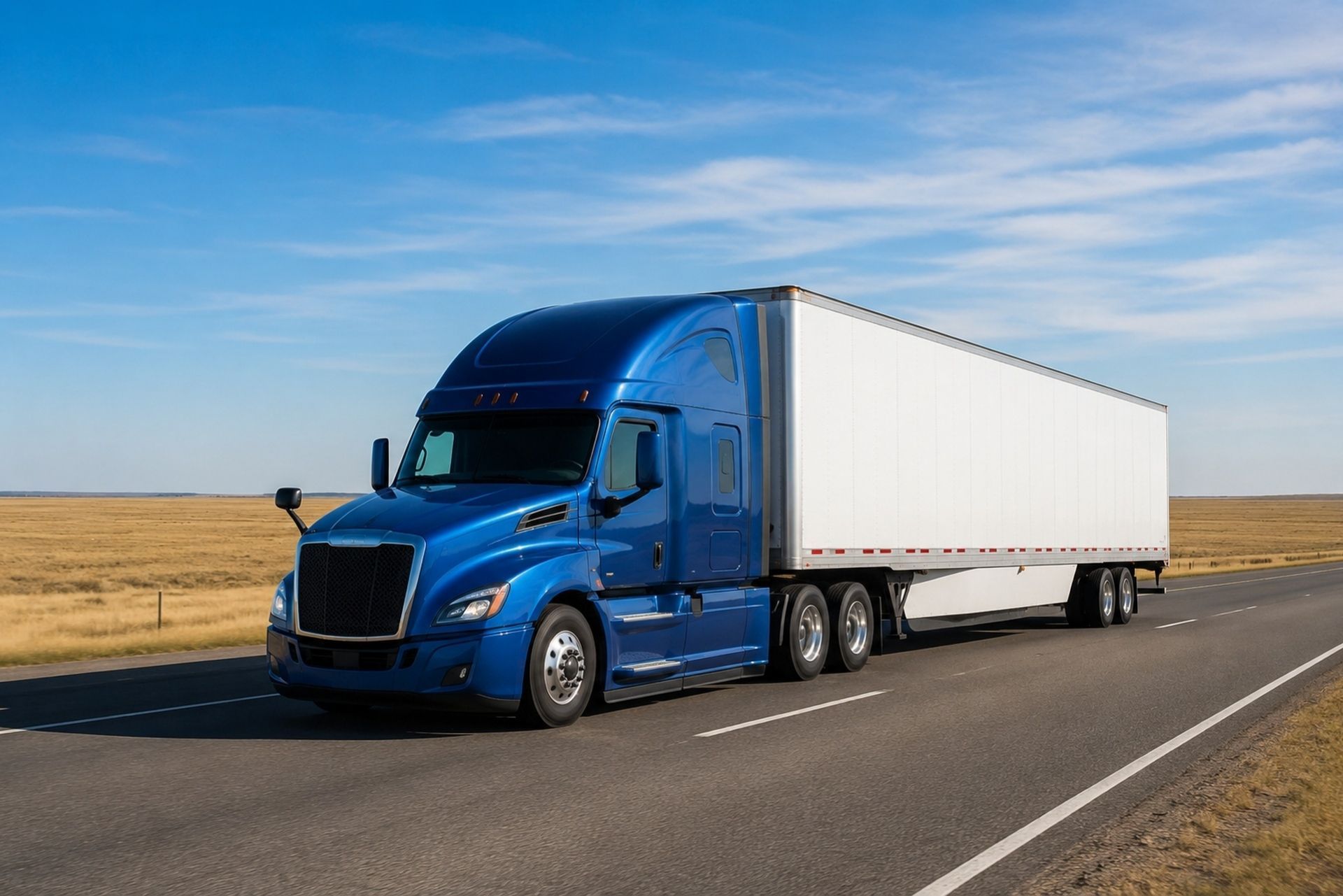
Primary liability is the foundation of every trucking policy. The FMCSA requires most interstate carriers to carry at least $750,000 in primary liability coverage, though the practical minimum is often $1 million because most freight brokers won't book loads with anything less. This covers bodily injury and property damage you cause to others in an accident.
Physical damage coverage protects your own truck and trailer. It splits into two parts: collision (covers damage from hitting another vehicle or object) and comprehensive (covers theft, fire, vandalism, weather). If you're financing your equipment, your lender will require physical damage coverage. Owner-operators who own their rigs outright sometimes drop comprehensive to save money, but a single hailstorm or fire can wipe out a $150,000 asset overnight.
Motor Truck Cargo and Inland Marine
Cargo insurance covers the freight you're hauling if it's damaged, destroyed, or stolen during transit. Standard policies typically cover $100,000 per occurrence, but specialized loads like pharmaceuticals, electronics, or temperature-sensitive goods may need higher limits or endorsements.
Inland marine coverage extends protection to goods in transit that don't fit neatly into a standard cargo policy. Think specialized equipment being transported between job sites, or high-value items that require scheduled coverage. The distinction matters because a standard cargo claim for spoiled produce looks very different from a claim for damaged construction machinery, and the wrong policy type can leave you arguing with adjusters instead of getting paid.
Non-Trucking Liability vs. Bobtail Insurance
These two get confused constantly, and the difference matters. Non-trucking liability (NTL) covers you when you're using your truck for personal reasons while leased to a motor carrier. Driving to the grocery store on a Saturday? That's NTL territory. The carrier's policy covers you during dispatch, but NTL fills the gap when you're off-duty.
Bobtail insurance covers you when you're operating without a trailer, typically driving back to a terminal or home after dropping a load. Some policies overlap, but many don't. If you're leased to a carrier, read both your lease agreement and your NTL policy carefully. The gap between "dispatch" ending and "personal use" beginning is where claims get denied.
INDEX
GrayStone Insurance Group is fully licensed and permitted to provide specialty commercial insurance solutions for high-risk and hard-to-place businesses across 17 states.
We proudly serve high-risk and hard-to-place businesses from coast to coast. As an independent specialty brokerage, our team works with leading Excess & Surplus and specialty carriers to make sure restaurants, bars, contractors, trucking companies, manufacturers, and other hard-to-place operations receive coverage that fits their real risks in California, Colorado, Florida, Georgia, Illinois, Iowa, Maryland, Michigan, Missouri, Nevada, New York, North Carolina, South Carolina, Tennessee, Texas, Utah, and Washington.
Every policy has boundaries. Knowing them up front is how you avoid an uncovered claim. Common exclusions include:
Every policy has boundaries. Knowing them up front is how you avoid an uncovered claim. Common exclusions include:
Every policy has boundaries. Knowing them up front is how you avoid an uncovered claim. Common exclusions include:
General Liability responds to the core exposures most operations in this category face. A typical policy answers third-party claims and the defense costs that come with them, so a single incident doesn't put the business at risk.
Comparison: Basic vs. Comprehensive Trucking Protection
| Coverage Element | Basic Policy | Comprehensive Policy |
|---|---|---|
| Primary Liability | $750,000 (FMCSA minimum) | $1M+ with umbrella options |
| Physical Damage | Collision only | Collision + comprehensive |
| Cargo Coverage | $100,000 per occurrence | $250,000+ with reefer breakdown |
| Non-Trucking Liability | Not included | Included |
| Uninsured Motorist | State minimum only | Higher limits available |
| Trailer Interchange | Not included | Included for non-owned trailers |
| Downtime Coverage | Not included | $200-$500/day while truck is repaired |
A basic policy keeps you legal. A comprehensive policy keeps you in business. The gap between the two often costs $3,000 to $6,000 per truck annually, but one serious claim can make that look like pocket change.
Why Trucking Insurance Costs Keep Climbing
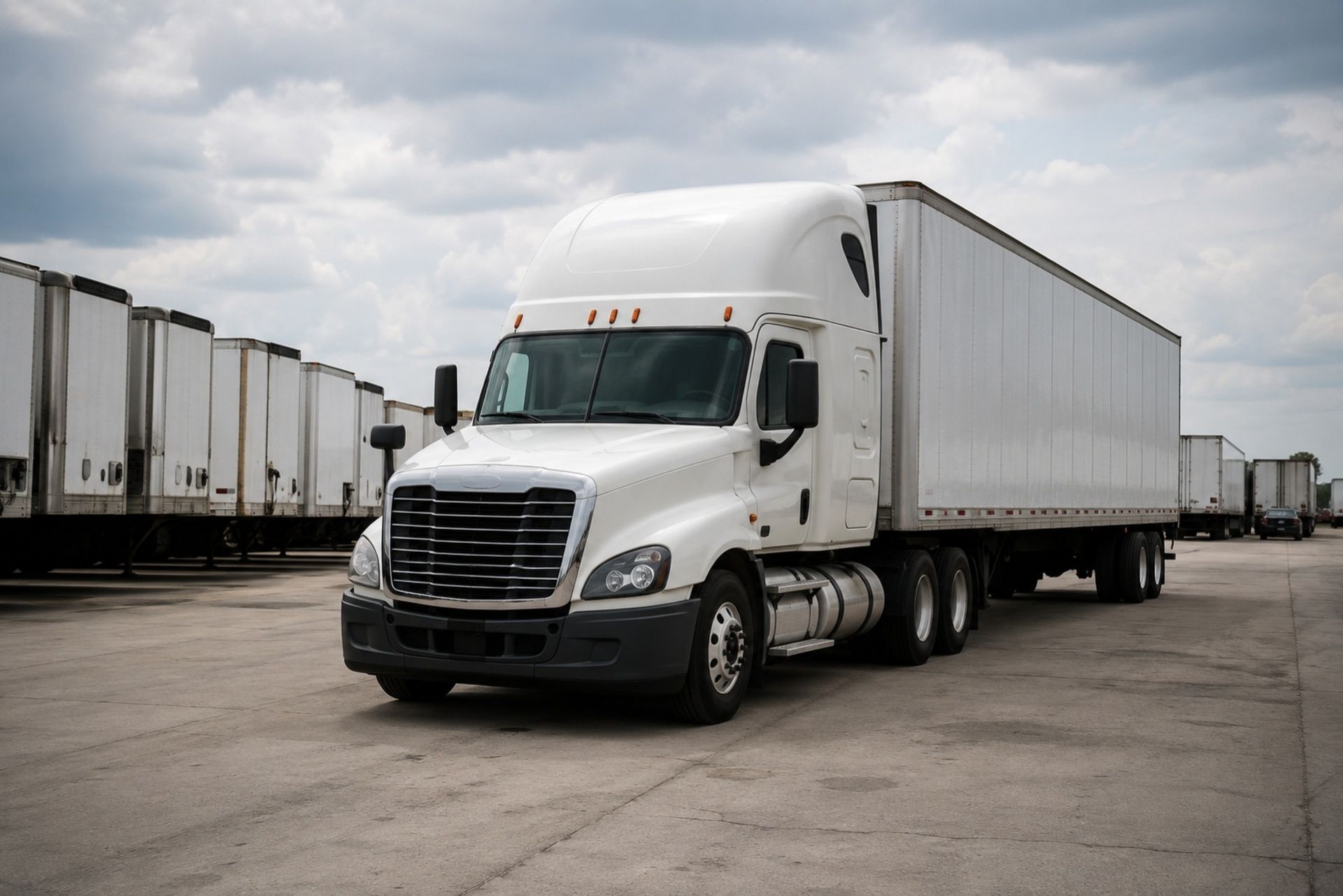
The numbers tell a clear story. Research from the American Transportation Research Institute shows that motor carriers are restructuring operations in response to rising insurance costs, with some smaller fleets exiting the market entirely. Nuclear verdicts, those jury awards exceeding $10 million, have become more common in trucking litigation, and insurers are pricing that risk into every policy they write.
Legislative pressure adds another layer. Some industry observers point out that a combination of legislative changes and insurer behavior has created systemic challenges for small and mid-size carriers. The result is a market where carriers with clean records still face annual increases of 8-12%, while anyone with claims history or new-venture status can see jumps of 25% or more.
Agencies like GrayStone Insurance Group that specialize in hard-to-place commercial risks use data-driven underwriting models to find capacity in this tight market. That matters when standard carriers are declining applications based on surface-level risk factors without digging into the details of your operation.
Every policy has boundaries. Knowing them up front is how you avoid an uncovered claim. Common exclusions include:
Every policy has boundaries. Knowing them up front is how you avoid an uncovered claim. Common exclusions include:
Every policy has boundaries. Knowing them up front is how you avoid an uncovered claim. Common exclusions include:
General Liability responds to the core exposures most operations in this category face. A typical policy answers third-party claims and the defense costs that come with them, so a single incident doesn't put the business at risk.
Common Claims and How to Mitigate Risk
Understanding what goes wrong helps you prevent it, and it also helps you buy the right coverage before something happens.
Collision and Roadside Incidents
Rear-end collisions in congested areas and jackknife incidents on wet roads account for the bulk of trucking claims by dollar volume. A single fatality claim can exceed $5 million, and multi-vehicle pileups on interstates regularly generate claims in the tens of millions.
Practical mitigation starts with driver training and technology. Forward-facing dashcams with AI event detection have become standard for fleets serious about controlling costs. Telematics systems that track hard braking, following distance, and hours-of-service compliance give you data to coach drivers before incidents happen. Some insurers offer 5-15% premium discounts for fleets running verified telematics programs.
Theft and Cargo Spoilage
Cargo theft patterns are shifting. While overall theft incidents declined in Q1 2026, organized crime rings have gotten more sophisticated. Identity fraud and fictitious pickups now account for a growing share of losses, with criminals impersonating legitimate carriers to steal entire loads.
Reefer breakdown is another persistent source of cargo claims. A trailer full of frozen seafood worth $200,000 becomes worthless if the refrigeration unit fails and nobody catches it for six hours. GPS-enabled temperature monitoring with real-time alerts has dropped spoilage claims significantly for fleets that invest in it. Make sure your cargo policy specifically covers mechanical breakdown of refrigeration units, because many standard policies exclude it.
Impact of Claims History on Future Premiums
Your loss history follows you. A single large claim can increase premiums for three to five years, and multiple claims within a short window can make you virtually uninsurable in the standard market. Your experience modification rate (EMR) in workers comp directly reflects your claims history relative to peers in your classification.
The good news: you can improve your EMR over time by reducing claim frequency and severity. Implement return-to-work programs, contest questionable claims, and invest in loss control. Brokers with deep industry knowledge, like those averaging 20+ years of experience at firms such as GrayStone, can help you build a narrative around your risk improvement efforts that resonates with underwriters.
Navigating Challenges for Hard-to-Place Operators
Not every trucking operation fits neatly into a standard carrier's appetite. If you've been declined or non-renewed, you're not alone, and you're not out of options.
Factors That Lead to High-Risk Classification
Insurers flag operations as high-risk based on several factors: new-venture status with less than two years of operating authority, drivers with serious violations (DUI, reckless driving, multiple speeding tickets), prior claims history exceeding industry benchmarks, hauling hazardous materials, and operating in high-litigation states like Florida, Texas, or Georgia.
Age of equipment matters too. Fleets running trucks older than 10 years face higher physical damage rates and more frequent breakdowns that lead to roadside incidents. Some carriers simply won't write policies for trucks beyond a certain model year.
Strategies for New Ventures and Drivers with Violations
If you're a new venture, start building your safety profile before you apply for insurance. Get your DOT number, complete a safety audit, install dashcams and ELDs, and document everything. A well-prepared application with a written safety program can mean the difference between a $14,000 annual premium and a $20,000 one.
For drivers with violations, time and clean miles are your best friends. Most serious violations fall off your record for insurance purposes after three to five years. In the meantime, work with a broker who has access to surplus lines and non-standard markets. GrayStone's team, with brokers averaging 20 years of market experience, regularly places operators that other agencies have turned away, often finding coverage at rates 15-20% below what clients expected to pay in the high-risk market.
Every policy has boundaries. Knowing them up front is how you avoid an uncovered claim. Common exclusions include:
Every policy has boundaries. Knowing them up front is how you avoid an uncovered claim. Common exclusions include:
Every policy has boundaries. Knowing them up front is how you avoid an uncovered claim. Common exclusions include:
General Liability responds to the core exposures most operations in this category face. A typical policy answers third-party claims and the defense costs that come with them, so a single incident doesn't put the business at risk.
Common Questions About Trucking Insurance
How much does a standard policy cost for a new driver?
Costs vary by state, equipment type, and cargo. New ventures typically pay between $12,000 and $20,000 per truck annually. Operators hauling general freight in low-litigation states land on the lower end, while hazmat or oversized load haulers pay more.
Can I get insurance if I have a DUI or multiple speeding tickets?
Yes, but you'll need a non-standard or high-risk carrier. Expect premiums 30-60% higher than clean-record rates until your violations age off, which usually takes three to five years depending on the state and severity.
What is the minimum amount of coverage required by the FMCSA?
Most interstate haulers must carry at least $750,000 in primary liability. Hazmat carriers need $1 million or $5 million depending on the materials. Many brokers and shippers require $1 million regardless of what the FMCSA mandates.
Does my personal auto policy cover my semi-truck?
No. Personal auto policies explicitly exclude commercial vehicles and commercial use. You need a dedicated commercial trucking policy to have any protection while operating for business purposes. Driving your CMV without proper commercial coverage can result in FMCSA penalties and personal liability for the full amount of any damages.
When admitted carriers decline your application, the surplus lines market becomes your path to coverage. Surplus lines insurers aren't bound by the same rate and form regulations as admitted carriers, giving them flexibility to write policies for unusual or high-hazard risks. The U.S. surplus lines market has grown substantially as more businesses find themselves unable to secure standard market coverage.
Working with a broker who has established surplus lines relationships is critical. GrayStone Insurance Group, for example, specializes in placing coverage for hard-to-place contractors through its surplus lines partnerships, using data-driven risk modeling to match operators with the right carrier. Not every surplus lines broker understands construction, so look for one with specific trade experience.
Navigating the Surplus Lines Market
The Bottom Line for Your Fleet
Trucking insurance isn't just a cost of doing business: it's the thing that determines whether your business survives its worst day. The operators who thrive in this market are the ones who understand their coverage structure, invest in loss prevention, and work with brokers who know how to place complex risks.
If you're running a clean operation, push for telematics discounts and higher deductibles to control costs. If you're hard-to-place, don't settle for the first quote from a generalist agent who treats trucking like any other commercial auto line. The 2026 transportation insurance outlook points to continued rate pressure, which means the time to review your coverage and shop strategically is now, not at renewal.
GrayStone Insurance Group works with operators across the risk spectrum, from clean fleets looking to tighten their programs to new ventures and high-risk drivers who need a broker willing to fight for placement. Reach out for a coverage review before your next renewal hits.
ABOUT THE AUTHOR:
CHAD KRAMER
I started GrayStone Insurance Group in 2018 with a simple conviction: the businesses everyone else turns away deserve a broker who won't. What began as a one-person operation has grown into a specialty commercial brokerage with offices across the country — but the mission hasn't changed. We find solutions for high-risk and hard-to-place businesses when other agencies run the other way.
I built this agency on integrity, hard work, and the tenacity to do the hard things well. Through our access to Excess & Surplus and specialty markets, my team and I place coverage standard carriers can't — and I treat every client's business like my own.
If you've been declined, non-renewed, or told your business is too complicated to insure, let's talk.
Coverages & policies
Plain-language coverage, expertly placed.
We lead with commercial lines and round out personal coverage where you need it. Every policy comes with an explanation — not jargon.

Contractors
Third-party bodily injury & property damage — the foundation for any operation.

Liquor Liability
Critical for bars, restaurants and venues serving alcohol — including A&B.

Commercial Property
Buildings, contents and equipment — including distressed and vacant risk.

Workers' Compensation
Statutory coverage for your crew — including high-mod and high-hazard classes.

Commercial Umbrella
Extra liability limits over your primary policies — essential for high-exposure risk.
Products Liability
Manufacturers, CBD and consumer-product exposure — including imports.

What clients say
Brokers who actually place it.
FAQ
Answers for the risks others won't cover
Getting declined, non-renewed, or told your business is "too high-risk" is frustrating — but it doesn't mean you're out of options. Here are answers to the questions we hear most from business owners who need coverage the standard market won't provide.
What kind of insurance does GrayStone specialize in?
We're a specialty commercial brokerage built for high-risk and hard-to-place businesses — the risks standard carriers often turn away. Through our access to Excess & Surplus (E&S) and specialty markets, we place coverage that everyday agencies can't. Hospitality and construction are among our deepest areas of expertise.
My business was declined or non-renewed elsewhere. Can you still help?
That's exactly what we do. A decline, a non-renewal, or a tough claims history doesn't mean you're out of options — it means your risk needs a broker with the right market access. Tell us your situation and we'll get to work finding a fit.
What is Excess & Surplus (E&S) insurance?
E&S is specialty coverage for risks that standard "admitted" carriers won't write — often because a business is higher-risk, unusual, or has a complex history. As an independent broker, we tap into these specialty markets to place coverage where a typical agency hits a dead end.
What industries do you work with?
We cover a wide range of commercial industries — from restaurants, bars, and hospitality to contractors, trucking, manufacturing, cannabis, and more. If your industry is considered high-risk or hard-to-place, there's a good chance we've handled it.
Will you work with businesses that have prior claims or losses?
Yes. Prior claims and losses are part of many of the risks we place every day. Every business is evaluated on its own merits — and a rocky history is often exactly why a specialty broker can help where others won't.
Are you an independent broker?
Yes. We're not tied to a single carrier, so we shop your risk across multiple specialty and E&S markets to find coverage that actually fits — instead of forcing you into a one-size-fits-all policy.
Insights & resources
Know your risk before you buy.