
General Liability responds to the core exposures most operations in this category face. A typical policy answers third-party claims and the defense costs that come with them, so a single incident doesn't put the business at risk.
Dallas contractors know the drill: a new project means permits, crews, materials, and a dozen things that can go sideways before lunch. What most operators don't think about until it's too late is whether their insurance actually covers what happens on a Dallas job site, not just a generic Texas one. The city's building boom shows no signs of slowing, and with that growth comes a unique mix of regulatory requirements, weather risks, and liability exposures that demand more than a boilerplate policy. If you're running a contracting business here, your coverage needs to reflect the specific pressures of operating in one of the fastest-growing metros in the country. This article breaks down what Texas law requires, what Dallas adds on top, the types of coverage that actually matter, and how to keep your premiums from eating into your margins. Whether you're a one-truck electrician or a mid-size GC running commercial builds, the stakes are real, and the wrong policy can cost you a contract or a business.
Navigating the Dallas Contracting Landscape
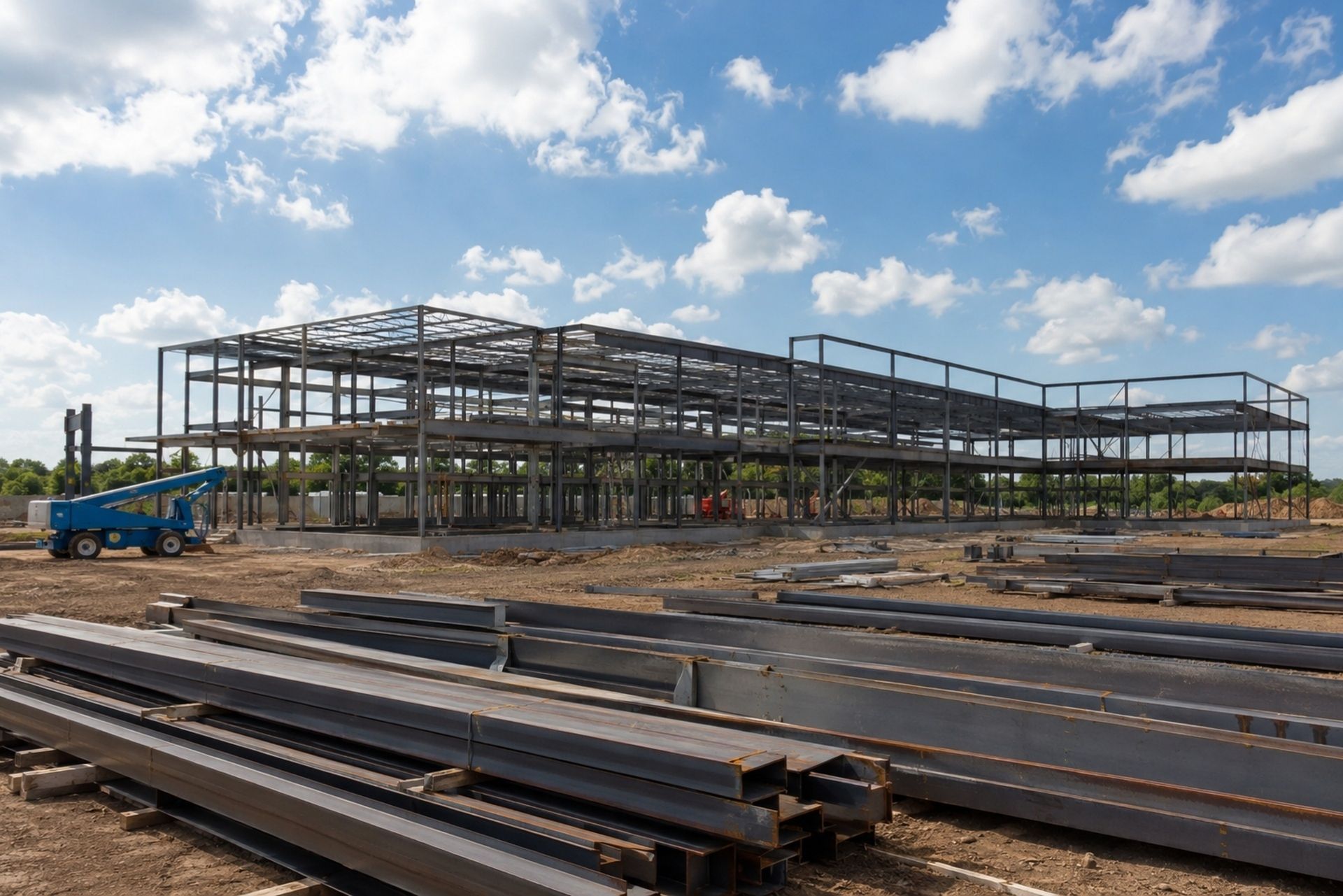
Dallas isn't just big; it's complicated. The city sits at the intersection of rapid commercial development, aggressive infrastructure spending, and a regulatory environment that moves faster than most contractors expect. In 2025 alone, the DFW metroplex issued thousands of new commercial building permits, and the pace has only accelerated into 2026.
That growth means more competition for projects, tighter timelines, and higher expectations from general contractors and property owners who increasingly require proof of specific insurance coverage before you set foot on a job site. If your policy doesn't match what the project owner or the city demands, you're out before you start.
The insurance market here reflects those pressures. Texas insurers are adjusting to shifting market conditions that include rising material costs, labor shortages, and an uptick in weather-related claims. For Dallas operators, understanding the local context isn't optional; it's the difference between winning bids and watching from the sidelines.
Why Local Dallas Regulations Matter
Dallas enforces its own layer of contractor licensing and insurance requirements beyond what the state mandates. The city requires specific permits for electrical, plumbing, HVAC, and general construction work, and each permit category may carry its own insurance minimums. Miss one, and you're looking at stop-work orders and fines.
The city's code enforcement division has gotten more aggressive about verifying coverage. Subcontractors who assumed their GC's policy covered them have been caught flat-footed when inspectors asked for individual certificates of insurance. Dallas also requires certain contractors to carry surety bonds tied to their permit class, which adds another cost layer most operators outside the metro don't deal with.
Addressing Common Dallas Job Site Risks
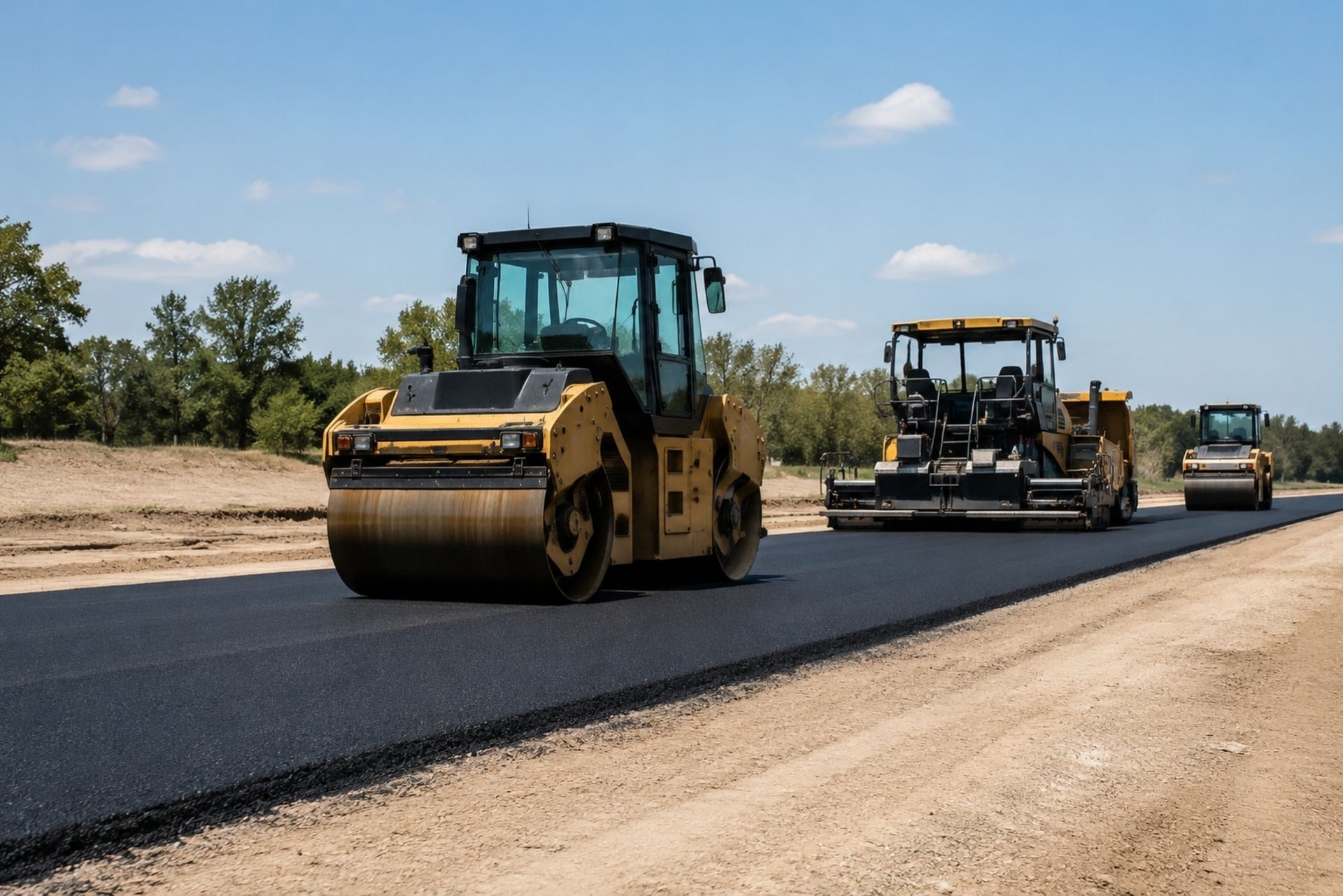
Hailstorms, flash flooding, and extreme heat aren't hypothetical here; they're seasonal certainties. A roofing crew can lose an entire day's work to a sudden storm, and the property damage that follows often triggers claims that a basic policy won't fully cover.
Then there's the human element. Dallas job sites are busy, often with multiple trades working in tight proximity. Slip-and-fall injuries, equipment damage, and third-party property claims are among the most common issues contractors face. One claim I've seen repeatedly: a subcontractor's equipment damages an adjacent property, and the sub's policy excludes off-premises damage. That gap can run into six figures fast.
INDEX
GrayStone Insurance Group is fully licensed and permitted to provide specialty commercial insurance solutions for high-risk and hard-to-place businesses across 17 states.
We proudly serve high-risk and hard-to-place businesses from coast to coast. As an independent specialty brokerage, our team works with leading Excess & Surplus and specialty carriers to make sure restaurants, bars, contractors, trucking companies, manufacturers, and other hard-to-place operations receive coverage that fits their real risks in California, Colorado, Florida, Georgia, Illinois, Iowa, Maryland, Michigan, Missouri, Nevada, New York, North Carolina, South Carolina, Tennessee, Texas, Utah, and Washington.
Every policy has boundaries. Knowing them up front is how you avoid an uncovered claim. Common exclusions include:
Every policy has boundaries. Knowing them up front is how you avoid an uncovered claim. Common exclusions include:
Every policy has boundaries. Knowing them up front is how you avoid an uncovered claim. Common exclusions include:
General Liability responds to the core exposures most operations in this category face. A typical policy answers third-party claims and the defense costs that come with them, so a single incident doesn't put the business at risk.
If your firm provides any design, engineering, or consulting services alongside construction, you need both. A GL policy won't cover a claim alleging your design specifications caused a building envelope failure. That's a professional liability exposure, and it's one of the fastest-growing claim categories in construction.
Texas State Requirements vs. Dallas City Standards
Texas takes a famously hands-off approach to some areas of contractor regulation, but that doesn't mean there aren't teeth in the rules that do exist. The gap between state minimums and what Dallas actually expects catches a lot of operators off guard.
Texas Workers' Compensation Laws
Texas is the only state where workers' compensation insurance is technically optional for private employers. That sounds like freedom until you realize what it means in practice: if you don't carry workers' comp and an employee gets hurt, you lose most of your legal defenses. The injured worker can sue you directly, and Texas courts have not been kind to uninsured employers in those cases.
Recent legislative efforts have focused on curbing lawsuit abuses in commercial liability cases, but the exposure for uninsured contractors remains significant. Most GCs in Dallas won't let you on their job site without proof of workers' comp regardless of the state's opt-out provision. Practically speaking, it's mandatory if you want to work on any meaningful project.
Municipal Bond and Permit Requirements
Dallas requires surety bonds for several contractor classifications. Electrical contractors, for example, need a bond ranging from $5,000 to $25,000 depending on the license tier. Plumbing and mechanical contractors face similar requirements.
Permit fees themselves have increased in 2026, and the city now requires contractors to submit insurance documentation digitally through its online permitting portal. New transparency rules in Texas insurance law mean insurers must now provide automatic explanations of coverage changes, which actually helps contractors stay on top of their policy status. If your coverage lapses, the city can revoke your permit mid-project.
Essential Coverage Types for Dallas Operators
Not every policy is built for the kind of work Dallas contractors do. Here's what actually matters and why.
General Liability and Professional Liability
General liability (GL) is the foundation. It covers third-party bodily injury, property damage, and personal injury claims. For a Dallas contractor, minimum GL limits of $1 million per occurrence and $2 million aggregate are standard, though many project owners now require $5 million umbrella policies on top.
Professional liability is different and often overlooked. If you provide any design input, project management, or consulting services, errors and omissions coverage protects you from claims that your professional advice caused financial harm. Design-build contractors absolutely need this, and even traditional GCs can face professional liability claims when they sign off on specifications.
Commercial Auto and Inland Marine
Commercial auto liability premiums in the DFW metroplex have increased by 5.6% to 8.9% year-over-year, driven by rising accident frequency on North Texas highways and nuclear verdicts in commercial vehicle lawsuits. If your crews drive company trucks, vans, or haul trailers, personal auto policies won't cover commercial use. Period.
Inland marine insurance covers tools, equipment, and materials in transit or stored at job sites. A $40,000 skid steer stolen from an unsecured site isn't covered by your GL policy. Inland marine fills that gap, and for contractors with significant equipment investments, it's not optional.
Every policy has boundaries. Knowing them up front is how you avoid an uncovered claim. Common exclusions include:
Every policy has boundaries. Knowing them up front is how you avoid an uncovered claim. Common exclusions include:
Every policy has boundaries. Knowing them up front is how you avoid an uncovered claim. Common exclusions include:
General Liability responds to the core exposures most operations in this category face. A typical policy answers third-party claims and the defense costs that come with them, so a single incident doesn't put the business at risk.
Comparing Coverage: Basic vs. Comprehensive
Here's a quick comparison of what basic and comprehensive coverage looks like for a mid-size Dallas contractor:
| Coverage Element | Basic Package | Comprehensive Package |
|---|---|---|
| General Liability | $1M/$2M limits | $2M/$4M with umbrella |
| Workers' Comp | State minimum | Enhanced with employer's liability |
| Commercial Auto | Liability only | Liability + physical damage + hired/non-owned |
| Inland Marine | Not included | Up to $500K equipment coverage |
| Professional Liability | Not included | $1M E&O coverage |
| Builder's Risk | Not included | Project-specific coverage available |
| Surety Bonds | Single bond only | Bonding program with capacity growth |
The basic package might cost less upfront, but it leaves significant gaps. One stolen equipment trailer or one professional negligence claim can wipe out a year's profit. Firms like GrayStone Insurance Group specialize in building coverage programs for contractors who need more than a checkbox policy, especially those in higher-risk trades where standard carriers often decline to write coverage.
What happens if a show gets canceled last minute?
Standard policies don't cover event cancellation. If a headliner cancels, severe weather shuts you down, or a power outage kills the show, you're absorbing the full financial loss unless you have a dedicated event cancellation policy. These policies typically cover lost ticket revenue, non-refundable deposits, and marketing expenses. For venues that rely on ticket sales as a primary revenue stream, this coverage pays for itself the first time you need it.
Cost Factors for North Texas Contractors
Premiums aren't random. Several specific factors determine what you'll pay, and understanding them gives you some control over the number.
How Trade Specialization Affects Premiums
A painting contractor and a demolition contractor don't pay the same rates, and the spread is dramatic. Trades classified as higher risk, such as roofing, excavation, and structural steel work, can pay three to five times more per $100 of payroll for workers' comp alone.
Your NAICS code and the specific classification your insurer assigns matter enormously. I've seen contractors misclassified into higher-risk categories simply because their policy application wasn't specific enough about their actual scope of work. Getting this right at the application stage can save thousands annually.
Impact of Claims History in the DFW Area
Your experience modification rate (EMR) is the single biggest lever on your workers' comp premium. An EMR above 1.0 means you're paying more than the industry average; below 1.0 means you're getting a discount. One serious claim can push your EMR up for three years.
In the DFW area specifically, insurers are scrutinizing auto claims more closely due to the region's high accident rates. A contractor with two at-fault commercial vehicle accidents in the past three years may find their commercial auto premiums jumping 20% or more at renewal. GrayStone's brokers, who average 20 years in the market, often help contractors with tough claims histories find coverage that other agencies can't place, using data-driven risk modeling to present a clearer picture to underwriters.
What is bobtail insurance and do I need it?
Bobtail coverage protects you when driving your truck without a trailer attached, typically after dropping a load. It's often required by motor carriers for independent contractors operating under their authority. If you're an owner-operator leased to a carrier, check your lease agreement: most require it.
Common Questions About Dallas Contractor Insurance
Do I need insurance to pull a permit in Dallas? Yes. Dallas requires proof of general liability insurance and, for certain trades, surety bonds before issuing permits. The specific requirements depend on your contractor classification.
Can I work as a sub without my own policy? Technically, some GCs will add subs to their policy, but most now require independent certificates of insurance. Relying on a GC's coverage leaves you exposed if there's a coverage dispute.
Is workers' comp really optional in Texas? Legally, yes for private employers. Practically, no. Most project owners and GCs require it, and going without removes your legal protections if an employee sues after an injury.
How much does general liability cost for a small Dallas contractor? Expect $1,200 to $4,500 annually for a small operation, depending on your trade, revenue, and claims history. Higher-risk trades like roofing will be at the top of that range or above.
What's the difference between builder's risk and inland marine? Builder's risk covers the structure under construction. Inland marine covers your tools, equipment, and materials, whether they're on-site, in transit, or in storage.
Does my homeowner's policy cover my contracting tools? Almost never for commercial use. Homeowner's policies typically exclude business property and have strict sublimits on tools even for personal use.
What happens if a show gets canceled last minute?
Standard policies don't cover event cancellation. If a headliner cancels, severe weather shuts you down, or a power outage kills the show, you're absorbing the full financial loss unless you have a dedicated event cancellation policy. These policies typically cover lost ticket revenue, non-refundable deposits, and marketing expenses. For venues that rely on ticket sales as a primary revenue stream, this coverage pays for itself the first time you need it.
Impact of Claims History in the DFW Area
Your experience modification rate (EMR) is the single biggest lever on your workers' comp premium. An EMR above 1.0 means you're paying more than the industry average; below 1.0 means you're getting a discount. One serious claim can push your EMR up for three years.
In the DFW area specifically, insurers are scrutinizing auto claims more closely due to the region's high accident rates. A contractor with two at-fault commercial vehicle accidents in the past three years may find their commercial auto premiums jumping 20% or more at renewal. GrayStone's brokers, who average 20 years in the market, often help contractors with tough claims histories find coverage that other agencies can't place, using data-driven risk modeling to present a clearer picture to underwriters.
Your Next Steps for Secure Operations
Dallas contractors face a unique combination of city-level regulations, state law quirks, and environmental risks that generic insurance programs simply don't address well. The contractors who win the best projects are the ones who show up with coverage that matches what owners and GCs demand, not just what the state minimally requires.
Start by auditing your current policy against the coverage table above. If you're missing inland marine, professional liability, or adequate auto coverage, those are your immediate priorities. Get your contractor classification reviewed to make sure you're not overpaying due to a coding error.
If your business has been declined by standard carriers or you're dealing with a tough claims history, GrayStone Insurance Group works specifically with hard-to-place contractors who need real coverage, not a runaround. Their team can be reached for a coverage review tailored to your trade and your Dallas operations. Don't wait for a claim to find out what your policy doesn't cover.
ABOUT THE AUTHOR:
CHAD KRAMER
I started GrayStone Insurance Group in 2018 with a simple conviction: the businesses everyone else turns away deserve a broker who won't. What began as a one-person operation has grown into a specialty commercial brokerage with offices across the country — but the mission hasn't changed. We find solutions for high-risk and hard-to-place businesses when other agencies run the other way.
I built this agency on integrity, hard work, and the tenacity to do the hard things well. Through our access to Excess & Surplus and specialty markets, my team and I place coverage standard carriers can't — and I treat every client's business like my own.
If you've been declined, non-renewed, or told your business is too complicated to insure, let's talk.
Coverages & policies
Plain-language coverage, expertly placed.
We lead with commercial lines and round out personal coverage where you need it. Every policy comes with an explanation — not jargon.

Contractors
Third-party bodily injury & property damage — the foundation for any operation.

Liquor Liability
Critical for bars, restaurants and venues serving alcohol — including A&B.

Commercial Property
Buildings, contents and equipment — including distressed and vacant risk.

Workers' Compensation
Statutory coverage for your crew — including high-mod and high-hazard classes.

Commercial Umbrella
Extra liability limits over your primary policies — essential for high-exposure risk.
Products Liability
Manufacturers, CBD and consumer-product exposure — including imports.
What clients say
Brokers who actually place it.
FAQ
Answers for the risks others won't cover
Getting declined, non-renewed, or told your business is "too high-risk" is frustrating — but it doesn't mean you're out of options. Here are answers to the questions we hear most from business owners who need coverage the standard market won't provide.
What kind of insurance does GrayStone specialize in?
We're a specialty commercial brokerage built for high-risk and hard-to-place businesses — the risks standard carriers often turn away. Through our access to Excess & Surplus (E&S) and specialty markets, we place coverage that everyday agencies can't. Hospitality and construction are among our deepest areas of expertise.
My business was declined or non-renewed elsewhere. Can you still help?
That's exactly what we do. A decline, a non-renewal, or a tough claims history doesn't mean you're out of options — it means your risk needs a broker with the right market access. Tell us your situation and we'll get to work finding a fit.
What is Excess & Surplus (E&S) insurance?
E&S is specialty coverage for risks that standard "admitted" carriers won't write — often because a business is higher-risk, unusual, or has a complex history. As an independent broker, we tap into these specialty markets to place coverage where a typical agency hits a dead end.
What industries do you work with?
We cover a wide range of commercial industries — from restaurants, bars, and hospitality to contractors, trucking, manufacturing, cannabis, and more. If your industry is considered high-risk or hard-to-place, there's a good chance we've handled it.
Will you work with businesses that have prior claims or losses?
Yes. Prior claims and losses are part of many of the risks we place every day. Every business is evaluated on its own merits — and a rocky history is often exactly why a specialty broker can help where others won't.
Are you an independent broker?
Yes. We're not tied to a single carrier, so we shop your risk across multiple specialty and E&S markets to find coverage that actually fits — instead of forcing you into a one-size-fits-all policy.
Insights & resources
Know your risk before you buy.