
General Liability responds to the core exposures most operations in this category face. A typical policy answers third-party claims and the defense costs that come with them, so a single incident doesn't put the business at risk.
Running a bar or nightclub in Texas means accepting a level of risk that most business owners never have to think about. Between alcohol-fueled incidents, slip-and-fall claims, property damage, and the state's notoriously plaintiff-friendly legal environment, a single uninsured event can shut your doors permanently. Texas has been consistently ranked among the worst judicial environments for defendants, which means lawsuits hit harder here than in most states. Getting the right insurance coverage isn't optional: it's the foundation that keeps your liquor license active, your staff protected, and your business solvent. Whether you run a quiet wine bar in Austin or a high-energy nightclub in Dallas, understanding insurance requirements, costs, and compliance obligations specific to Texas operators is the difference between thriving and closing after your first major claim. This guide breaks down exactly what you need to know, from mandatory coverages and TABC rules to the factors that drive your premiums up or down. The goal is to help you make informed decisions rather than discover coverage gaps after something goes wrong.
Essential Insurance Coverages for Texas Bar Owners
Texas bar and nightclub operators face a unique combination of risks that standard business insurance policies simply don't address. The typical business owner's policy (BOP) wasn't designed for venues where alcohol consumption, late hours, and large crowds create a perfect storm of liability exposure.
Your insurance program needs to be built in layers, with each coverage addressing a specific category of risk. The core coverages include liquor liability, general liability, assault and battery, commercial property, and workers' compensation. Skipping any one of these leaves a gap that could cost you six figures or more in a single incident.
Liquor Liability and Texas Dram Shop Laws
Texas dram shop laws hold bars and nightclubs directly responsible for serving alcohol to visibly intoxicated patrons who then cause harm. If your bartender overserves someone who later causes a car accident, your business can be sued for the resulting injuries and damages. These claims regularly reach into the hundreds of thousands of dollars.
Liquor liability insurance is separate from your general liability policy. Standard GL policies typically exclude alcohol-related claims entirely. You need a dedicated liquor liability policy with limits of at least $1 million per occurrence, though many Texas operators carry $2 million or more given the state's litigation climate. The Insurance Council of Texas has documented the state's ongoing lawsuit abuse problem, which directly affects how insurers price these policies.
General Liability vs. Assault and Battery Coverage
Here's a mistake I see constantly: bar owners assume their general liability policy covers fights and altercations on their premises. It almost never does. Most GL policies contain specific exclusions for assault and battery claims, which happen to be one of the most common and expensive claim types for nightlife venues.
You need both coverages. General liability handles slip-and-fall incidents, food-related injuries, and advertising claims. Assault and battery coverage picks up where GL stops: patron fights, bouncer-related incidents, and violent altercations. Some insurers offer A&B as an endorsement to your GL policy, while others write it as a standalone policy. Either way, going without it is a gamble you can't afford.
Commercial Property and Equipment Breakdown
Your physical space and equipment represent a massive investment. Sound systems, lighting rigs, POS terminals, refrigeration units, and bar fixtures can easily total $200,000 or more for a mid-sized venue. Commercial property insurance covers damage from fire, storms, vandalism, and theft.
Equipment breakdown coverage is a separate but critical add-on. When your walk-in cooler dies on a Friday night and you lose $5,000 in inventory, this coverage pays for both the repair and the spoiled product. Texas weather: think hailstorms, flooding, and extreme heat: makes equipment breakdown coverage especially relevant for operators across the state.
INDEX
Essential Insurance Coverages for Texas Bar Owners
Texas State Requirements and Compliance
Comparing Coverage: Standard vs. Specialized Policies
Factors Influencing Insurance Costs in Texas
Common Questions About Texas Bar Insurance
How Recent Texas Legislation Affects Bar Operators
Understanding Surplus Lines and Hard-to-Place Coverage
The True Cost of Being Underinsured
Tort Reform and Its Impact on Texas Bar Insurance
GrayStone Insurance Group is fully licensed and permitted to provide specialty commercial insurance solutions for high-risk and hard-to-place businesses across 17 states.
We proudly serve high-risk and hard-to-place businesses from coast to coast. As an independent specialty brokerage, our team works with leading Excess & Surplus and specialty carriers to make sure restaurants, bars, contractors, trucking companies, manufacturers, and other hard-to-place operations receive coverage that fits their real risks in California, Colorado, Florida, Georgia, Illinois, Iowa, Maryland, Michigan, Missouri, Nevada, New York, North Carolina, South Carolina, Tennessee, Texas, Utah, and Washington.
Every policy has boundaries. Knowing them up front is how you avoid an uncovered claim. Common exclusions include:
Every policy has boundaries. Knowing them up front is how you avoid an uncovered claim. Common exclusions include:
Every policy has boundaries. Knowing them up front is how you avoid an uncovered claim. Common exclusions include:
General Liability responds to the core exposures most operations in this category face. A typical policy answers third-party claims and the defense costs that come with them, so a single incident doesn't put the business at risk.
If your firm provides any design, engineering, or consulting services alongside construction, you need both. A GL policy won't cover a claim alleging your design specifications caused a building envelope failure. That's a professional liability exposure, and it's one of the fastest-growing claim categories in construction.
Texas State Requirements and Compliance
Texas doesn't mandate every type of insurance for bars and nightclubs, but the requirements that do exist carry serious consequences if you ignore them. Understanding what's legally required versus what's practically necessary will keep you compliant and protected.
TABC Licensing and Insurance Certification
The Texas Alcoholic Beverage Commission controls your ability to operate. While TABC doesn't explicitly require liquor liability insurance as a condition of licensing, operating without it is reckless given the state's dram shop exposure. Many landlords and lenders require proof of insurance before they'll finalize a lease or loan.
TABC does require compliance with all applicable state laws, and recent legislative sessions have introduced nearly 20 new laws affecting Texas restaurant and bar operations, including changes to permitting processes and operational requirements. Staying current on these changes is part of maintaining your compliance posture. The Texas Restaurant Association has been highlighting new laws and opportunities for foodservice operators, and many of these directly affect your insurance obligations.
Workers' Compensation Standards in Texas
Texas is one of the few states where workers' compensation insurance isn't mandatory for private employers. That said, going without it is a terrible idea for bar and nightclub operators. Your staff works in an environment with wet floors, heavy lifting, broken glass, and the occasional hostile patron.
Without workers' comp, you lose the protection of the exclusive remedy doctrine, meaning injured employees can sue you directly for negligence. Those lawsuits are far more expensive than workers' comp premiums. Most Texas bar operators with five or more employees carry workers' comp, and many insurers won't write your other policies without it.
Comparing Core Restaurant Policy Options
| Coverage Feature | Standard BOP | Specialized Bar/Nightclub Policy |
|---|---|---|
| Liquor Liability | Excluded | Included or available |
| Assault & Battery | Excluded | Included or endorsement |
| Late-Night Operations | Often restricted | Fully covered |
| Live Entertainment | Limited or excluded | Covered with proper disclosure |
| Bouncer/Security Claims | Excluded | Covered |
| Property (Bar Equipment) | Basic limits | Higher limits, spoilage included |
| Dram Shop Defense | Not covered | Included |
The difference is stark. A standard business owner's policy was designed for retail shops and offices, not venues that serve alcohol past midnight. Specialized policies from agencies like GrayStone Insurance Group, which focuses specifically on hard-to-place hospitality risks, are built around the actual exposures your business faces.
Every policy has boundaries. Knowing them up front is how you avoid an uncovered claim. Common exclusions include:
Every policy has boundaries. Knowing them up front is how you avoid an uncovered claim. Common exclusions include:
Every policy has boundaries. Knowing them up front is how you avoid an uncovered claim. Common exclusions include:
General Liability responds to the core exposures most operations in this category face. A typical policy answers third-party claims and the defense costs that come with them, so a single incident doesn't put the business at risk.
Factors Influencing Insurance Costs in Texas
Texas bar insurance premiums vary wildly based on a handful of key factors. Understanding what drives your costs gives you the ability to control them.
Venue Size and Alcohol Sales Volume
A 1,500-square-foot cocktail lounge with $400,000 in annual revenue will pay significantly less than a 10,000-square-foot nightclub generating $2 million. Insurers look at your occupancy capacity, total alcohol sales as a percentage of revenue, and hours of operation.
Venues where alcohol accounts for more than 75% of total sales face higher premiums than those with substantial food revenue. A bar that closes at midnight pays less than one open until 2 AM. These aren't arbitrary distinctions: they directly correlate with claim frequency and severity data.
Risk Mitigation and Safety Protocols
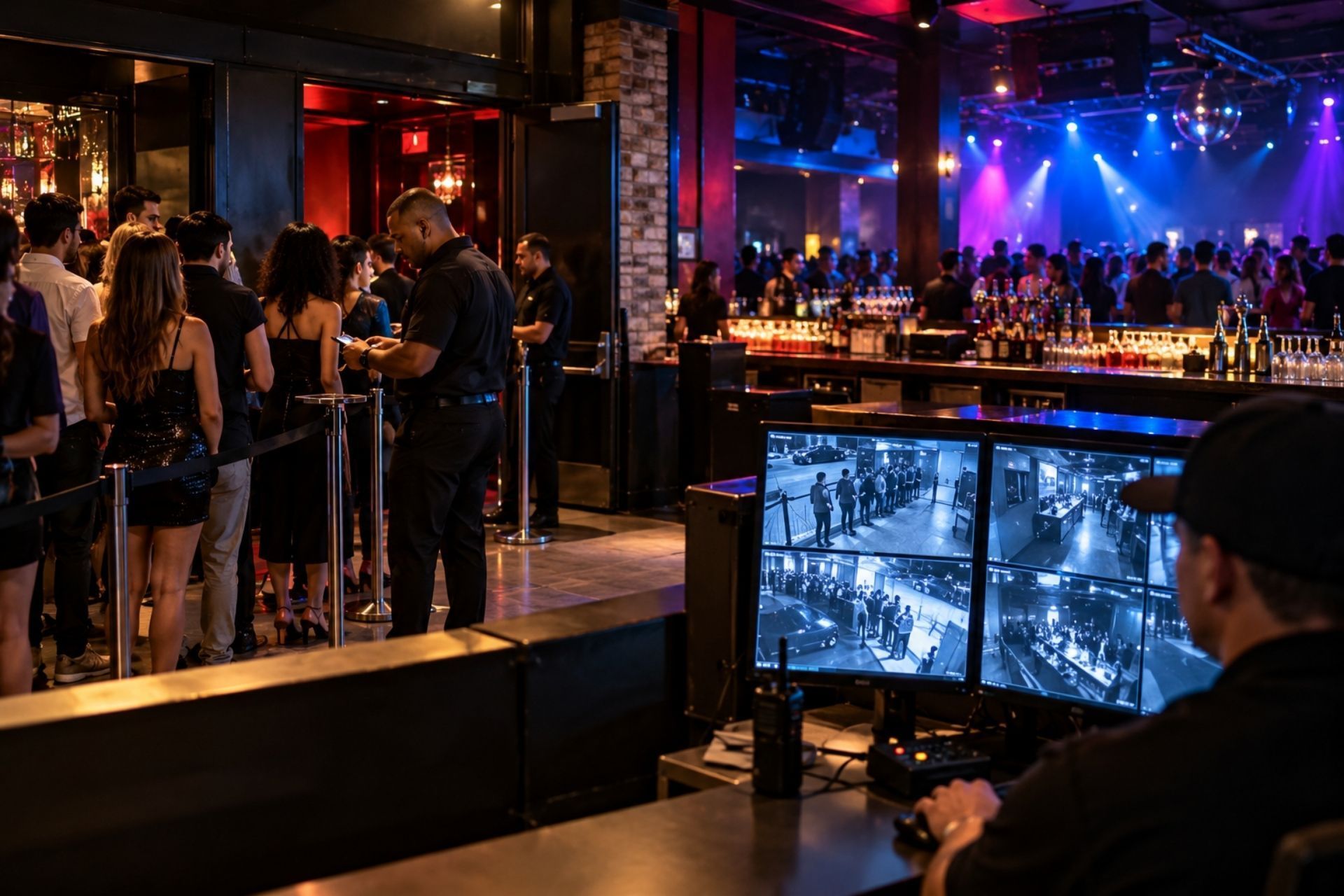
Insurers reward venues that actively reduce risk. Installing security cameras, hiring trained security staff, implementing responsible beverage service programs, and maintaining incident logs can reduce your premiums by 10-20%.
TABC-approved seller/server training for all staff is one of the most cost-effective risk reduction steps you can take. Some carriers also offer discounts for venues with ID-scanning technology and written safety protocols. GrayStone Insurance Group uses data-driven risk modeling to identify exactly which mitigation steps will have the biggest impact on your specific premium.
Common Questions About Texas Bar Insurance
How much does bar insurance cost in Texas? Most Texas bars pay between $5,000 and $15,000 annually for a comprehensive package. Nightclubs with late hours, high alcohol sales, and large capacities can pay $20,000 to $40,000 or more.
Is liquor liability insurance required by Texas law? Not technically, but operating without it exposes you to unlimited personal liability under Texas dram shop laws. Practically speaking, it's essential.
Does my general liability policy cover fights at my bar? Almost certainly not. Most GL policies exclude assault and battery claims. You need separate A&B coverage.
Can I get insurance if I've had claims or been denied coverage? Yes. Specialized agencies work with surplus lines carriers that write policies for high-risk venues. Your premiums will be higher, but coverage is available.
What happens if my insurance lapses? You risk TABC violations, lease defaults, and complete personal exposure to lawsuits. Even a one-day lapse can create problems.
Do I need cyber liability insurance for my bar? If you process credit cards (and you do), yes. A data breach can trigger notification requirements and fines under Texas law.
Every policy has boundaries. Knowing them up front is how you avoid an uncovered claim. Common exclusions include:
Every policy has boundaries. Knowing them up front is how you avoid an uncovered claim. Common exclusions include:
Every policy has boundaries. Knowing them up front is how you avoid an uncovered claim. Common exclusions include:
General Liability responds to the core exposures most operations in this category face. A typical policy answers third-party claims and the defense costs that come with them, so a single incident doesn't put the business at risk.
How Recent Texas Legislation Affects Bar Operators
The 89th Texas Legislative Session brought meaningful changes for hospitality businesses. The Texas Restaurant Association delivered significant policy wins for the foodservice industry that directly impact how bars and nightclubs operate and insure themselves.
New insurance transparency laws now require carriers to provide automatic explanations when claims are denied or policies are modified, giving operators better visibility into their coverage decisions. This is a significant shift that helps bar owners understand exactly what they're paying for and why.
Understanding Surplus Lines and Hard-to-Place Coverage
Many Texas nightclub operators discover that standard insurance markets won't touch their business. High alcohol sales, late hours, entertainment, and claims history can make you "hard to place" in insurance terminology.
Surplus lines carriers specialize in these risks. They're not bound by the same rate regulations as admitted carriers, which means they can price policies based on your specific risk profile rather than broad categories. The trade-off is typically higher premiums, but the alternative: going uninsured or underinsured: is far worse.
Every policy has boundaries. Knowing them up front is how you avoid an uncovered claim. Common exclusions include:
Every policy has boundaries. Knowing them up front is how you avoid an uncovered claim. Common exclusions include:
Every policy has boundaries. Knowing them up front is how you avoid an uncovered claim. Common exclusions include:
General Liability responds to the core exposures most operations in this category face. A typical policy answers third-party claims and the defense costs that come with them, so a single incident doesn't put the business at risk.
The True Cost of Being Underinsured
A single liquor liability claim in Texas averages between $50,000 and $150,000 in defense costs alone, before any settlement or judgment. Assault and battery claims at nightclubs regularly settle for $75,000 to $300,000. A catastrophic dram shop claim involving a fatality can exceed $1 million.
Compare those numbers to annual premiums of $10,000 to $30,000 for comprehensive coverage. The math isn't complicated. One uninsured claim can consume decades of profits.
Tort Reform and Its Impact on Texas Bar Insurance
Texas has seen ongoing tort reform efforts aimed at reducing lawsuit abuse, but the state remains one of the most litigious in the country for hospitality businesses. Recent reforms have helped stabilize some insurance markets, but premiums for nightlife venues remain elevated due to the inherent risk profile.
These reform efforts matter because they directly affect how insurers price your policy. As tort reform gains traction, premiums should gradually stabilize, but don't expect dramatic drops anytime soon.
Every policy has boundaries. Knowing them up front is how you avoid an uncovered claim. Common exclusions include:
Every policy has boundaries. Knowing them up front is how you avoid an uncovered claim. Common exclusions include:
Every policy has boundaries. Knowing them up front is how you avoid an uncovered claim. Common exclusions include:
General Liability responds to the core exposures most operations in this category face. A typical policy answers third-party claims and the defense costs that come with them, so a single incident doesn't put the business at risk.
Choosing the Right Insurance Partner
Not every insurance agency understands nightlife risk. Working with a generalist who primarily insures offices and retail shops means you're likely to end up with coverage gaps that only surface when you file a claim. Agencies with deep experience in hospitality and high-risk placements, like GrayStone Insurance Group with its team averaging 20 years of industry experience, understand the specific exposures that Texas bar and nightclub operators face daily.
Ask potential agents pointed questions: How many bar and nightclub clients do they currently insure? Can they explain your assault and battery coverage limits without checking the policy? Do they understand TABC compliance requirements? The answers will tell you everything you need to know.
Making the Right Choice for Your Venue
Texas bar and nightclub insurance isn't a one-size-fits-all product. Your coverage needs to reflect your specific venue type, hours of operation, entertainment offerings, alcohol sales volume, and claims history. The right policy protects you from dram shop claims, assault and battery lawsuits, property damage, and employee injuries: all while keeping you compliant with TABC and state requirements.
Start by getting quotes from agencies that specialize in hospitality and nightlife risk. Compare not just premiums but coverage terms, exclusions, and deductibles. Read the assault and battery exclusions in any general liability policy before you sign. And build a relationship with your agent: the best time to discover a coverage gap is before something happens, not after.
Your bar is your livelihood. Protect it with insurance that actually covers the risks you face every night you open those doors.
ABOUT THE AUTHOR:
CHAD KRAMER
I started GrayStone Insurance Group in 2018 with a simple conviction: the businesses everyone else turns away deserve a broker who won't. What began as a one-person operation has grown into a specialty commercial brokerage with offices across the country — but the mission hasn't changed. We find solutions for high-risk and hard-to-place businesses when other agencies run the other way.
I built this agency on integrity, hard work, and the tenacity to do the hard things well. Through our access to Excess & Surplus and specialty markets, my team and I place coverage standard carriers can't — and I treat every client's business like my own.
If you've been declined, non-renewed, or told your business is too complicated to insure, let's talk.
Coverages & policies
Plain-language coverage, expertly placed.
We lead with commercial lines and round out personal coverage where you need it. Every policy comes with an explanation — not jargon.

Contractors
Third-party bodily injury & property damage — the foundation for any operation.

Liquor Liability
Critical for bars, restaurants and venues serving alcohol — including A&B.

Commercial Property
Buildings, contents and equipment — including distressed and vacant risk.

Workers' Compensation
Statutory coverage for your crew — including high-mod and high-hazard classes.

Commercial Umbrella
Extra liability limits over your primary policies — essential for high-exposure risk.
Products Liability
Manufacturers, CBD and consumer-product exposure — including imports.
What clients say
Brokers who actually place it.
FAQ
Answers for the risks others won't cover
Getting declined, non-renewed, or told your business is "too high-risk" is frustrating — but it doesn't mean you're out of options. Here are answers to the questions we hear most from business owners who need coverage the standard market won't provide.
What kind of insurance does GrayStone specialize in?
We're a specialty commercial brokerage built for high-risk and hard-to-place businesses — the risks standard carriers often turn away. Through our access to Excess & Surplus (E&S) and specialty markets, we place coverage that everyday agencies can't. Hospitality and construction are among our deepest areas of expertise.
My business was declined or non-renewed elsewhere. Can you still help?
That's exactly what we do. A decline, a non-renewal, or a tough claims history doesn't mean you're out of options — it means your risk needs a broker with the right market access. Tell us your situation and we'll get to work finding a fit.
What is Excess & Surplus (E&S) insurance?
E&S is specialty coverage for risks that standard "admitted" carriers won't write — often because a business is higher-risk, unusual, or has a complex history. As an independent broker, we tap into these specialty markets to place coverage where a typical agency hits a dead end.
What industries do you work with?
We cover a wide range of commercial industries — from restaurants, bars, and hospitality to contractors, trucking, manufacturing, cannabis, and more. If your industry is considered high-risk or hard-to-place, there's a good chance we've handled it.
Will you work with businesses that have prior claims or losses?
Yes. Prior claims and losses are part of many of the risks we place every day. Every business is evaluated on its own merits — and a rocky history is often exactly why a specialty broker can help where others won't.
Are you an independent broker?
Yes. We're not tied to a single carrier, so we shop your risk across multiple specialty and E&S markets to find coverage that actually fits — instead of forcing you into a one-size-fits-all policy.
Insights & resources
Know your risk before you buy.