

General Liability responds to the core exposures most operations in this category face. A typical policy answers third-party claims and the defense costs that come with them, so a single incident doesn't put the business at risk.
Heavy Equipment and Transport Risks
Debris removal requires serious machinery: excavators, front-end loaders, grapple trucks, roll-off containers, and flatbed trailers. Each piece of equipment represents a significant asset that needs inland marine or equipment floater coverage. The transport component adds commercial auto liability, often with vehicles exceeding 26,000 pounds GVW, which triggers its own set of underwriting requirements.
Equipment breakdowns during emergency response work compound the problem. When a hydraulic line fails on an excavator at a disaster site, the contractor faces not just repair costs but potential delay penalties and the expense of bringing in replacement equipment on short notice.
Spray Foam Insulation (SPF) Complications
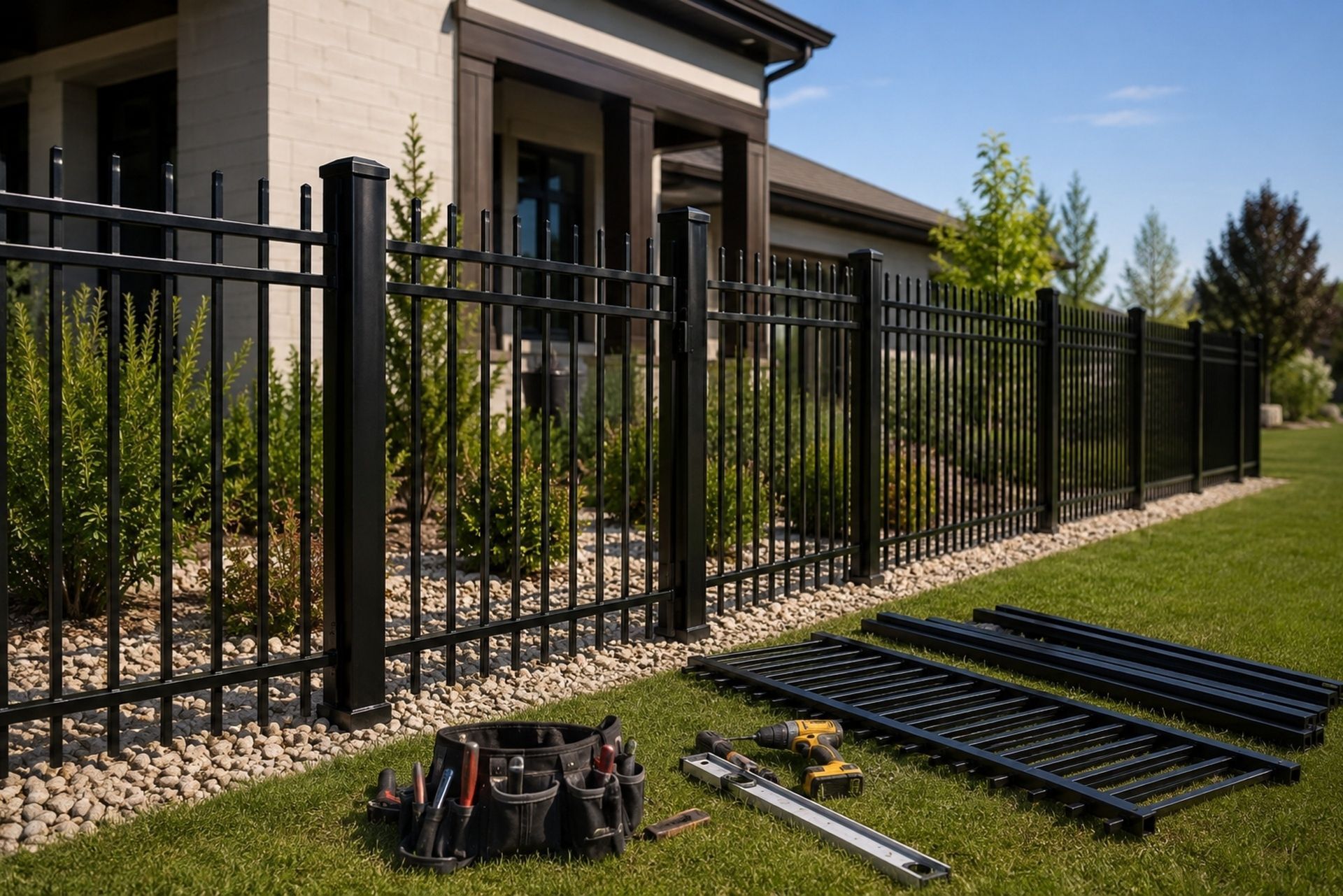
Fence contractors have one of the toughest times getting insured in the entire construction sector. It sounds strange: you're building fences, not skyscrapers. But the combination of underground hazards, property damage exposure, and a workforce that often includes subcontractors creates a risk profile that makes most standard carriers walk away. If you've been declined or quoted a premium that made your jaw drop, you're not alone. Roughly half of all fence contractors we talk to have been turned down by at least one carrier before they reach out. The problem isn't that your business is inherently reckless. The problem is that most insurance companies don't have the appetite or the expertise to price your risk accurately. They see the claims data, the digging, the proximity to neighboring structures, and they pass. That leaves fence contractors stuck in a frustrating cycle of applications, declinations, and wasted time. Understanding why coverage is so difficult to place, and what alternatives exist, puts you in a much stronger position to protect your business without overpaying. Here's what you need to know about getting the right insurance for your fencing operation in 2026.
The Risk Profile of Modern Fence Contracting
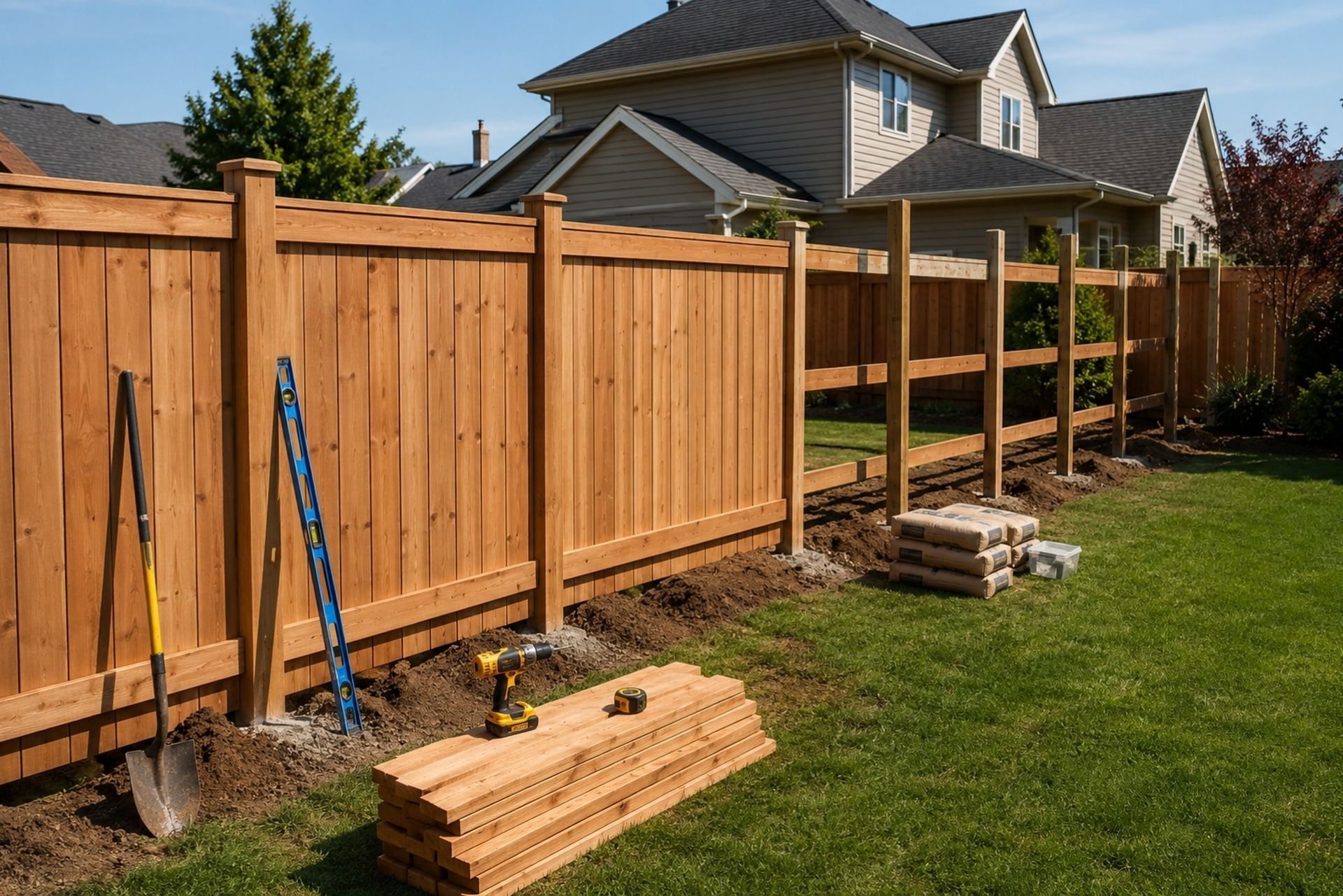
Fence installation might look straightforward from the outside, but insurers see it differently. Every job involves penetrating the ground, working near property lines, and operating heavy equipment in tight residential or commercial spaces. That's a recipe for claims.
The industry has also evolved. Contractors today install everything from simple wood privacy fences to complex aluminum and wrought iron systems requiring concrete footings, automated gates, and electrical components. Each of these specializations adds a layer of risk that underwriters have to account for, and many simply don't want to bother.
Underground Utility Hazards and Liability
This is the single biggest reason fence contractors struggle to find coverage. Every post hole you dig is a potential utility strike. Gas lines, fiber optic cables, water mains, electrical conduits: they're all underground, and they're not always where the maps say they are.
The numbers are staggering. Utility strikes occur approximately 540 times per day across the United States. A single gas line hit can result in explosions, evacuations, and liability claims that reach into the hundreds of thousands of dollars. Even a severed fiber optic line can generate a five-figure repair bill and a lawsuit from the telecom provider.
Calling 811 before you dig is legally required in every state, but it doesn't eliminate the risk. Locate marks can be off by 18 to 24 inches, and private utilities (like irrigation lines or septic systems) aren't covered by the one-call system at all. Insurers know this, and it makes them nervous.
Property Damage Risks in Residential and Commercial Settings
Fence contractors work directly on property boundaries, which means you're always inches away from someone else's land, landscaping, or structures. A misread survey can put your fence on a neighbor's property, triggering boundary and easement disputes that end up in court.
Residential jobs carry their own headaches. Bobcats and mini excavators can tear up driveways, crack patios, and damage irrigation systems. Commercial sites introduce additional exposures: hitting underground parking structures, damaging fire suppression lines, or disrupting business operations during installation.
These aren't hypothetical scenarios. They're the kinds of claims that fence contractors file regularly, and they're exactly why carriers charge high premiums or decline coverage altogether.
INDEX
GrayStone Insurance Group is fully licensed and permitted to provide specialty commercial insurance solutions for high-risk and hard-to-place businesses across 17 states.
We proudly serve high-risk and hard-to-place businesses from coast to coast. As an independent specialty brokerage, our team works with leading Excess & Surplus and specialty carriers to make sure restaurants, bars, contractors, trucking companies, manufacturers, and other hard-to-place operations receive coverage that fits their real risks in California, Colorado, Florida, Georgia, Illinois, Iowa, Maryland, Michigan, Missouri, Nevada, New York, North Carolina, South Carolina, Tennessee, Texas, Utah, and Washington.
Every policy has boundaries. Knowing them up front is how you avoid an uncovered claim. Common exclusions include:
Every policy has boundaries. Knowing them up front is how you avoid an uncovered claim. Common exclusions include:
Every policy has boundaries. Knowing them up front is how you avoid an uncovered claim. Common exclusions include:
General Liability responds to the core exposures most operations in this category face. A typical policy answers third-party claims and the defense costs that come with them, so a single incident doesn't put the business at risk.
If your firm provides any design, engineering, or consulting services alongside construction, you need both. A GL policy won't cover a claim alleging your design specifications caused a building envelope failure. That's a professional liability exposure, and it's one of the fastest-growing claim categories in construction.
Why Standard Carriers Are Declining Fence Contractors
Standard insurance carriers prefer predictable, low-frequency risks. Fence contracting doesn't fit that mold. The combination of high claims frequency, variable job conditions, and subcontractor exposure puts it squarely in the "hard-to-place" category for most admitted markets.
The Impact of High Claims Frequency on Premiums
Claims frequency matters more to underwriters than individual claim severity. A fence contractor who files three $8,000 property damage claims in two years is a worse risk, from an insurer's perspective, than a roofer who files one $50,000 claim. The pattern suggests ongoing operational risk rather than a one-time incident.
Fence contractors tend to have higher claims frequency because of the nature of the work. You're on a different property every few days, each with its own set of underground hazards and boundary complications. That volume of exposure generates more opportunities for things to go wrong.
The result? Standard carriers either price the policy so high that it's unaffordable, or they decline the risk entirely. Many contractors find themselves paying $5,000 to $12,000 annually for general liability alone, and those with claims history can see quotes north of $15,000.
Strict Underwriting Guidelines for Subcontracted Labor
If you use subcontractors on your jobs, your insurance placement gets even harder. Standard carriers want to see certificates of insurance from every sub, with your company listed as an additional insured. In practice, many fence installation subs are small operations that carry minimal coverage or none at all.
When a sub doesn't have adequate insurance, that liability rolls uphill to you. Carriers know this, and many have strict exclusions or outright declinations for contractors who regularly use uninsured or underinsured subcontractors. Some won't write the policy at all if more than 20% of your labor is subcontracted.
This creates a real bind for growing fence companies. You need subs to handle volume, but using them makes you harder to insure. It's a catch-22 that the standard market isn't built to solve.
The 2026 market has seen property catastrophe rates drop 14.7% in early renewals, which is good news for builders risk. But excess liability premiums have moved sharply in the other direction, with hikes ranging from 7% to well above that depending on the risk profile. Getting the right stack of coverage at the right price requires more than just calling your local agent.
Comparing Essential Coverage: General Liability vs. Inland Marine
Most fence contractors understand they need general liability insurance. Fewer understand why inland marine coverage is equally critical. These two policies protect different aspects of your business, and gaps in either one can be financially devastating.
General liability covers third-party bodily injury and property damage arising from your operations. If your crew damages a client's driveway or a passerby trips over your materials, GL responds. Inland marine covers your tools, equipment, and materials while they're in transit or on a job site, situations where standard property insurance typically won't apply.
Coverage Comparison Table: Protecting Assets vs. Protecting Operations
| Feature | General Liability | Inland Marine |
|---|---|---|
| What it protects | Third-party injury and property damage claims | Your tools, equipment, and materials |
| Where it applies | On the job site and your business premises | In transit, on job sites, in storage |
| Common claims | Utility strikes, property damage, bodily injury | Stolen tools, damaged equipment, lost materials |
| Typical limits | $1M per occurrence / $2M aggregate | Varies by schedule, often $50K-$500K |
| Required by clients? | Almost always | Sometimes, especially on commercial jobs |
| Cost range (annual) | $3,000 - $15,000+ | $500 - $3,000 |
Many fence contractors skip inland marine to save money, then lose $20,000 in tools to a single truck theft. Both coverages work together: GL protects your operations from liability, while inland marine protects the assets that keep you working.
Every policy has boundaries. Knowing them up front is how you avoid an uncovered claim. Common exclusions include:
Every policy has boundaries. Knowing them up front is how you avoid an uncovered claim. Common exclusions include:
Every policy has boundaries. Knowing them up front is how you avoid an uncovered claim. Common exclusions include:
General Liability responds to the core exposures most operations in this category face. A typical policy answers third-party claims and the defense costs that come with them, so a single incident doesn't put the business at risk.
The GrayStone Advantage: Specialized Markets and Tailored Policies
When standard carriers say no, specialized brokers become essential. GrayStone Insurance Group has built its reputation on placing coverage for exactly the kinds of businesses that get declined elsewhere: high-risk contractors, including fence installation companies with complex risk profiles.
The difference comes down to market access and underwriting expertise. GrayStone's brokers average 20 years of experience and maintain relationships with surplus lines carriers that most retail agents simply don't have access to. That means more options, better pricing, and policies that actually match how your business operates.
Accessing Surplus Lines for Hard-to-Place Risks
Surplus lines carriers exist specifically for risks that the standard market won't touch. They operate under different regulatory frameworks that give them flexibility to write policies with customized terms, broader coverage, and pricing that reflects your actual risk rather than a generic class code.
For fence contractors, surplus lines placement often means the difference between getting coverage and going without. These carriers understand the specialized nature of fencing contractor insurance and can evaluate your safety practices, claims history, and operational controls rather than just checking a box and declining.
GrayStone uses AI-powered risk modeling to match your specific risk profile with the carriers most likely to write your policy at a competitive price. That data-driven approach speeds up the placement process and often delivers better results than traditional brokerage methods.
Custom Endorsements for Digging and Excavation
Off-the-shelf policies rarely account for the specific hazards of fence installation. Custom endorsements can fill critical gaps, like coverage for underground utility damage, completed operations extending beyond the standard period, or blanket additional insured status for your commercial clients.
One endorsement worth discussing with your broker is excavation liability, which specifically covers damage caused by digging operations. Many GL policies have sublimits or exclusions for this type of work, and without a specific endorsement, you could be exposed to exactly the claims most likely to hit your business.
GrayStone's team builds policies with these endorsements baked in, so you're not discovering coverage gaps after a claim. That proactive approach is a big part of why they maintain a 94% client retention rate.
Why does my insurance keep going up even though I haven't had any claims? Claims in the broader construction industry drive rate increases across the board. Even with a clean loss history, you're affected by market-wide trends like nuclear verdicts and increased material costs that inflate claim values.
Can I save money by classifying workers as subcontractors instead of employees? This is one of the most common and dangerous mistakes contractors make. Misclassification can result in audit penalties, uncovered workers' comp claims, and state fines. If a worker is functionally an employee, treat them as one.
What limits should I carry for general liability? Most commercial contracts require $1M per occurrence and $2M aggregate at minimum, with an umbrella policy bringing total limits to $5M or more. Your specific needs depend on project size and contract requirements.
Do I need a separate policy for each project? Not usually. A practice policy covers all your operations, though large projects may require project-specific coverage or wrap-ups. Your broker should review each contract to determine what's needed.
What happens if my subcontractor's insurance lapses mid-project? You're exposed. Your policy may respond, but you'll likely face a deductible and potential premium increase. Continuous certificate tracking is essential, and many contractors now use automated verification platforms.
How long does completed operations coverage last? Typically tied to your policy period, but statutes of repose vary by state: some allow construction defect claims up to 10 years after completion. Make sure your coverage extends long enough to match your state's statute.
When admitted carriers decline your application, the surplus lines market becomes your path to coverage. Surplus lines insurers aren't bound by the same rate and form regulations as admitted carriers, giving them flexibility to write policies for unusual or high-hazard risks. The U.S. surplus lines market has grown substantially as more businesses find themselves unable to secure standard market coverage.
Working with a broker who has established surplus lines relationships is critical. GrayStone Insurance Group, for example, specializes in placing coverage for hard-to-place contractors through its surplus lines partnerships, using data-driven risk modeling to match operators with the right carrier. Not every surplus lines broker understands construction, so look for one with specific trade experience.
Navigating the Surplus Lines Market
Impact of Claims History on Future Premiums
Your loss history follows you. A single large claim can increase premiums for three to five years, and multiple claims within a short window can make you virtually uninsurable in the standard market. Your experience modification rate (EMR) in workers comp directly reflects your claims history relative to peers in your classification.
The good news: you can improve your EMR over time by reducing claim frequency and severity. Implement return-to-work programs, contest questionable claims, and invest in loss control. Brokers with deep industry knowledge, like those averaging 20+ years of experience at firms such as GrayStone, can help you build a narrative around your risk improvement efforts that resonates with underwriters.
Start with your safety program. Documented training, proper PPE protocols, and a clean claims history are the fastest path to lower premiums. Beyond that, working with a broker who understands risk assessment for specialty construction trades can help you avoid overpaying for coverage you don't need while making sure you're not exposed on the coverages you do.
Bundling your GL, inland marine, and commercial auto with a single carrier or program often yields better pricing than buying each separately. Raising your deductible from $1,000 to $2,500 can also reduce premiums by 10-15% on general liability.
FAQ: How can I lower my insurance costs without losing coverage?
What This Means for Your Business
Concrete finishing is a skilled trade that deserves insurance coverage designed for its actual risks, not a generic contractor policy with half the important coverages stripped out. The difficulty in placing this insurance isn't a reflection of your business: it's a reflection of a market that doesn't understand your trade well enough to price it fairly.
If you're paying too much, carrying policies with critical exclusions, or getting declined altogether, the problem is almost certainly your current broker's market access, not your operation. GrayStone Insurance Group specializes in exactly these hard-to-place risks, connecting concrete contractors with carriers who actually want to write this business.
The right policy protects your equipment, your completed work, your crew, and your reputation. Don't settle for less just because a few carriers said no. Reach out to GrayStone and get a quote built around what your concrete business actually does.
Common Questions About Fencing Insurance
FAQ: Cost, Requirements, and Claims Support
How much does insurance for a fence contractor typically cost? General liability alone runs $3,000 to $15,000 per year depending on your revenue, claims history, and state. Add workers' comp, commercial auto, and inland marine, and total annual premiums usually land between $8,000 and $30,000.
Is general liability insurance required to operate a fencing business? Most states don't legally require GL for fence contractors, but virtually every commercial client and general contractor will require proof of coverage before you step on their site. Going without it is a fast way to lose jobs.
What happens if I hit an underground utility line? Your general liability policy should respond, but check for sublimits or exclusions related to excavation. If you don't have proper coverage, you're personally liable for repair costs, third-party injuries, and potential regulatory fines.
Can I get coverage if I've been declined by other carriers? Yes. Surplus lines markets exist for this exact situation. A broker with access to non-admitted carriers, like GrayStone Insurance Group, can often find coverage even after multiple declinations.
Do I need separate coverage for my equipment? Your commercial property policy probably won't cover tools and equipment off-premises. Inland marine insurance fills that gap and is worth every dollar if your crew travels between job sites.
Does my insurance cover subcontractors I hire? Generally, no. Your subs need their own policies, and you should collect certificates of insurance before they start work. If they're uninsured and cause damage, the claim could fall back on your policy.
Every policy has boundaries. Knowing them up front is how you avoid an uncovered claim. Common exclusions include:
Every policy has boundaries. Knowing them up front is how you avoid an uncovered claim. Common exclusions include:
Every policy has boundaries. Knowing them up front is how you avoid an uncovered claim. Common exclusions include:
General Liability responds to the core exposures most operations in this category face. A typical policy answers third-party claims and the defense costs that come with them, so a single incident doesn't put the business at risk.
Making the Right Choice for Your Fencing Business
Finding insurance for a fence contracting business requires more than filling out an online quote form and hoping for the best. The risks are real, the standard market is shrinking for this class of business, and the wrong policy can leave you exposed to the exact claims you're most likely to face.
The smart move is working with a broker who understands the fencing industry's specific hazards and has access to carriers willing to write the coverage. Look for a partner who can explain your policy's exclusions, recommend the right endorsements, and advocate for you when claims happen.
If you've been declined, quoted an unreasonable premium, or just aren't sure your current policy actually covers what you think it does, reach out to GrayStone Insurance Group. Their team specializes in hard-to-place contractor risks and can typically deliver quotes within days, not weeks. Your fencing business is too valuable to leave unprotected by the wrong policy or no policy at all.
ABOUT THE AUTHOR:
CHAD KRAMER
I started GrayStone Insurance Group in 2018 with a simple conviction: the businesses everyone else turns away deserve a broker who won't. What began as a one-person operation has grown into a specialty commercial brokerage with offices across the country — but the mission hasn't changed. We find solutions for high-risk and hard-to-place businesses when other agencies run the other way.
I built this agency on integrity, hard work, and the tenacity to do the hard things well. Through our access to Excess & Surplus and specialty markets, my team and I place coverage standard carriers can't — and I treat every client's business like my own.
If you've been declined, non-renewed, or told your business is too complicated to insure, let's talk.
Coverages & policies
Plain-language coverage, expertly placed.
We lead with commercial lines and round out personal coverage where you need it. Every policy comes with an explanation — not jargon.

Contractors
Third-party bodily injury & property damage — the foundation for any operation.

Liquor Liability
Critical for bars, restaurants and venues serving alcohol — including A&B.

Commercial Property
Buildings, contents and equipment — including distressed and vacant risk.

Workers' Compensation
Statutory coverage for your crew — including high-mod and high-hazard classes.

Commercial Umbrella
Extra liability limits over your primary policies — essential for high-exposure risk.
Products Liability
Manufacturers, CBD and consumer-product exposure — including imports.
What clients say
Brokers who actually place it.
FAQ
Answers for the risks others won't cover
Getting declined, non-renewed, or told your business is "too high-risk" is frustrating — but it doesn't mean you're out of options. Here are answers to the questions we hear most from business owners who need coverage the standard market won't provide.
What kind of insurance does GrayStone specialize in?
We're a specialty commercial brokerage built for high-risk and hard-to-place businesses — the risks standard carriers often turn away. Through our access to Excess & Surplus (E&S) and specialty markets, we place coverage that everyday agencies can't. Hospitality and construction are among our deepest areas of expertise.
My business was declined or non-renewed elsewhere. Can you still help?
That's exactly what we do. A decline, a non-renewal, or a tough claims history doesn't mean you're out of options — it means your risk needs a broker with the right market access. Tell us your situation and we'll get to work finding a fit.
What is Excess & Surplus (E&S) insurance?
E&S is specialty coverage for risks that standard "admitted" carriers won't write — often because a business is higher-risk, unusual, or has a complex history. As an independent broker, we tap into these specialty markets to place coverage where a typical agency hits a dead end.
What industries do you work with?
We cover a wide range of commercial industries — from restaurants, bars, and hospitality to contractors, trucking, manufacturing, cannabis, and more. If your industry is considered high-risk or hard-to-place, there's a good chance we've handled it.
Will you work with businesses that have prior claims or losses?
Yes. Prior claims and losses are part of many of the risks we place every day. Every business is evaluated on its own merits — and a rocky history is often exactly why a specialty broker can help where others won't.
Are you an independent broker?
Yes. We're not tied to a single carrier, so we shop your risk across multiple specialty and E&S markets to find coverage that actually fits — instead of forcing you into a one-size-fits-all policy.
Insights & resources
Know your risk before you buy.