
General Liability responds to the core exposures most operations in this category face. A typical policy answers third-party claims and the defense costs that come with them, so a single incident doesn't put the business at risk.
Running a restaurant in Plano means juggling razor-thin margins, a competitive dining scene, and risks that most generic insurance policies weren't designed to handle. Whether you're operating a fast-casual concept near Legacy West or a family-owned spot in the historic downtown district, the coverage you carry can mean the difference between surviving a bad month and closing your doors permanently. Texas has its own set of insurance rules that trip up restaurant owners constantly, and Plano's specific geography and growth patterns add another layer of complexity. This guide breaks down what Plano restaurant operators actually face: the local risks, the state mandates, and the coverage decisions that matter most for protecting your business in 2026.
Navigating the Plano Restaurant Landscape
Plano's restaurant market has exploded over the past decade, and with that growth comes a unique set of insurance challenges most operators don't think about until something goes wrong. The city's population density, mixed-use developments, and proximity to major corporate campuses create a dining ecosystem unlike anywhere else in North Texas. Restaurants here serve everyone from Toyota headquarters employees grabbing lunch to families celebrating milestones at upscale steakhouses.
That diversity means risk profiles vary wildly from one block to the next. A high-volume brunch spot on Preston Road faces different exposure than a late-night ramen bar in the Shops at Legacy. Texas restaurants have been feeling significant financial strain as costs continue to rise, with 77% of operators reporting increased costs of goods and 66% facing new fuel surcharges from suppliers. Those pressures make it even more critical to carry the right insurance without overpaying for coverage you don't need.
Unique Risks for Legacy West and Downtown Plano Operators
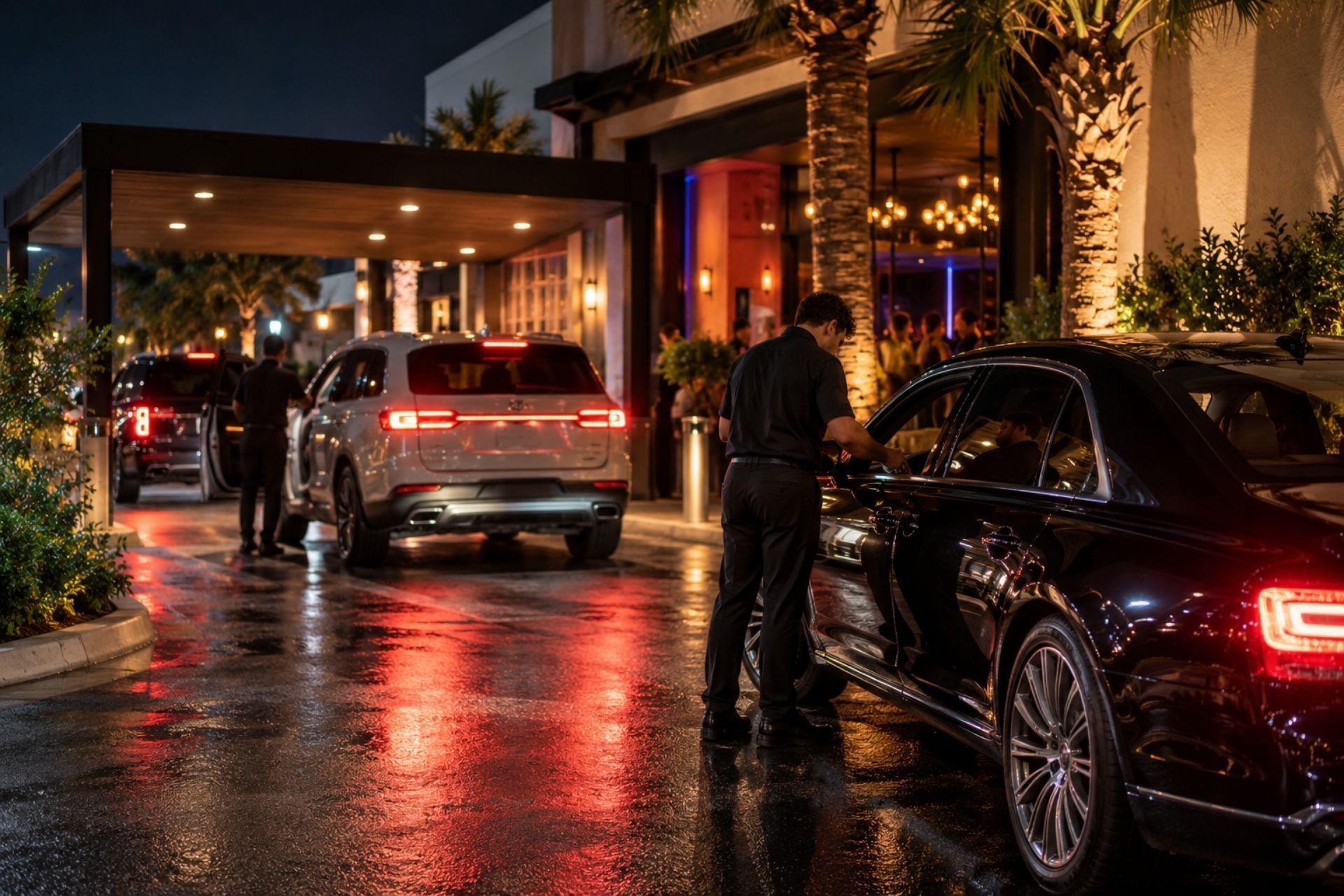
Legacy West and the surrounding Legacy business corridor attract a higher-income clientele, which sounds great until you realize it also attracts higher-value liability claims. Slip-and-fall lawsuits in upscale mixed-use developments tend to result in larger settlements than those at standalone strip-mall locations. Shared parking structures, valet services, and outdoor patio dining all introduce liability exposures that a standard policy might not fully cover.
Downtown Plano operators face a different set of issues. Many of these buildings are older, with aging electrical systems and plumbing that increase fire and water damage risk. Some are in designated historic areas where renovation and repair costs run significantly higher than standard construction. If you're leasing space in a building built before 1980, your landlord's insurance almost certainly doesn't cover your equipment, inventory, or lost income during repairs.
Weather Risks: Hail and Wind Damage in North Texas
North Texas earns its reputation for severe weather every spring, and Plano sits right in the crosshairs. Hailstorms in 2025 alone caused hundreds of millions in property damage across Collin County, and 2026 has already seen multiple severe weather events. Restaurant owners with rooftop HVAC units, outdoor signage, and patio furniture face replacement costs that add up fast after a single storm.
Wind damage is equally concerning. A strong storm can shatter plate glass windows, rip awnings, and send debris into your building's exterior. Standard commercial property policies cover wind and hail, but the deductibles in North Texas are often set as a percentage of the insured value rather than a flat dollar amount. That means a $500,000 property with a 2% wind/hail deductible leaves you paying the first $10,000 out of pocket. Make sure you understand your deductible structure before storm season hits.
INDEX
GrayStone Insurance Group is fully licensed and permitted to provide specialty commercial insurance solutions for high-risk and hard-to-place businesses across 17 states.
We proudly serve high-risk and hard-to-place businesses from coast to coast. As an independent specialty brokerage, our team works with leading Excess & Surplus and specialty carriers to make sure restaurants, bars, contractors, trucking companies, manufacturers, and other hard-to-place operations receive coverage that fits their real risks in California, Colorado, Florida, Georgia, Illinois, Iowa, Maryland, Michigan, Missouri, Nevada, New York, North Carolina, South Carolina, Tennessee, Texas, Utah, and Washington.
Every policy has boundaries. Knowing them up front is how you avoid an uncovered claim. Common exclusions include:
Every policy has boundaries. Knowing them up front is how you avoid an uncovered claim. Common exclusions include:
Every policy has boundaries. Knowing them up front is how you avoid an uncovered claim. Common exclusions include:
General Liability responds to the core exposures most operations in this category face. A typical policy answers third-party claims and the defense costs that come with them, so a single incident doesn't put the business at risk.
If your firm provides any design, engineering, or consulting services alongside construction, you need both. A GL policy won't cover a claim alleging your design specifications caused a building envelope failure. That's a professional liability exposure, and it's one of the fastest-growing claim categories in construction.
Texas State Requirements and Essential Coverages
Texas doesn't mandate every type of business insurance, but the coverages it does require are non-negotiable. Every restaurant with employees needs to carry unemployment insurance and comply with OSHA requirements. The state also requires commercial auto insurance if you operate any business vehicles. Beyond the legal minimums, most landlords in Plano require tenants to carry general liability with limits of at least $1 million per occurrence and $2 million aggregate.
The Texas Restaurant Association has highlighted new laws and regulatory changes that affect how restaurants operate and what coverage they need. Staying current on these changes isn't optional: it's part of running a compliant business.
General Liability vs. Liquor Liability: A Comparison
General liability covers the basics: customer injuries on your property, property damage you cause to others, and advertising injury claims. It's the foundation of any restaurant insurance program. But if you serve alcohol, general liability alone leaves a massive gap.
Texas follows dram shop laws, which means your restaurant can be held liable under the Texas Dram Shop Act if you serve alcohol to a visibly intoxicated person who then causes harm. These lawsuits can result in six- and seven-figure judgments. Liquor liability insurance is a separate policy or endorsement that covers these claims specifically. If you hold a TABC permit, you need liquor liability: period. The annual premium for most Plano restaurants with moderate alcohol sales runs between $2,500 and $8,000 depending on revenue and claims history.
Texas Workers' Comp: Why Non-Subscriber Status is Risky
Texas is one of the few states where workers' compensation insurance isn't legally required for most private employers. That sounds like a cost-saving opportunity, but the reality is more complicated. Non-subscriber employers lose important legal protections. If an employee gets hurt on the job and you don't carry workers' comp, they can sue you directly, and you can't use common-law defenses like contributory negligence.
Recent Texas employment law updates for 2026 have tightened reporting requirements for workplace injuries, making non-subscriber status even riskier. Kitchen injuries are common: burns, cuts, slips on greasy floors. A single serious injury lawsuit without workers' comp coverage can easily exceed $200,000 in legal costs and settlements. GrayStone Insurance Group works with restaurant clients who've been declined by standard carriers due to claims history, helping them find workers' comp solutions that keep them protected without breaking the budget.
Coverage Comparison Table: Standard vs. Enhanced Protection
| Coverage Type | Standard Policy | Enhanced Protection |
|---|---|---|
| General Liability | $1M per occurrence / $2M aggregate | $2M per occurrence / $4M aggregate |
| Property Coverage | Basic named perils | All-risk with lower deductibles |
| Liquor Liability | Not included | $1M+ per occurrence |
| Equipment Breakdown | Not included | Full mechanical/electrical coverage |
| Food Spoilage | $5,000 sublimit | $25,000-$50,000 sublimit |
| Business Interruption | 30-day waiting period | 24-72 hour waiting period |
| Cyber Liability | Not included | $500K-$1M coverage |
| Employment Practices | Not included | $500K-$1M coverage |
| Commercial Auto | State minimums only | $1M combined single limit |
| Umbrella Policy | Not included | $1M-$5M excess liability |
Most Plano restaurants that only carry a standard BOP (Business Owner's Policy) discover the gaps after a claim. The enhanced column represents what a well-protected operation should carry, and the cost difference is often only 30-40% more in annual premium.
Every policy has boundaries. Knowing them up front is how you avoid an uncovered claim. Common exclusions include:
Every policy has boundaries. Knowing them up front is how you avoid an uncovered claim. Common exclusions include:
Every policy has boundaries. Knowing them up front is how you avoid an uncovered claim. Common exclusions include:
General Liability responds to the core exposures most operations in this category face. A typical policy answers third-party claims and the defense costs that come with them, so a single incident doesn't put the business at risk.
Protecting Your Assets from Local Challenges
Plano restaurants face operational risks that go beyond the obvious. The city's rapid growth means construction zones near your location can disrupt traffic patterns and reduce foot traffic for months. Power outages from summer grid strain can spoil thousands of dollars in perishable inventory overnight. And with the continued expansion of delivery services, your exposure extends well beyond your four walls.
Food Spoilage and Equipment Breakdown Coverage
A walk-in cooler failure on a Friday night can destroy $5,000 to $15,000 worth of inventory in hours. Standard property policies typically include a food spoilage sublimit so low it barely covers the loss. Equipment breakdown coverage fills this gap by covering mechanical and electrical failure of refrigeration units, ovens, HVAC systems, and other essential equipment.
This coverage also pays for the cost of temporary equipment rental while yours is being repaired. For restaurants doing $1 million or more in annual revenue, the spoilage sublimit should be at least $25,000. GrayStone's brokers, who average 20 years of industry experience, often catch these sublimit gaps during policy reviews: something a generic online quote tool will never flag for you.
Commercial Auto for Delivery and Catering Services
If your restaurant operates delivery vehicles or sends staff to catering events, personal auto policies won't cover accidents that happen during business use. Texas requires commercial auto insurance for any vehicle used in business operations, and the minimum liability limits of 30/60/25 are dangerously low for a restaurant that could face a serious injury claim.
A delivery driver who causes an accident while transporting food creates direct liability for your business. Even if you use third-party delivery apps, you may still have exposure if your own employees occasionally make deliveries. The smarter move is a commercial auto policy with a $1 million combined single limit and hired/non-owned auto coverage for employees using their personal vehicles on company business.
What is bobtail insurance and do I need it?
Bobtail coverage protects you when driving your truck without a trailer attached, typically after dropping a load. It's often required by motor carriers for independent contractors operating under their authority. If you're an owner-operator leased to a carrier, check your lease agreement: most require it.
Common Questions from Plano Restaurant Owners
Do I need cyber liability insurance for my restaurant? Yes. If you process credit card payments, store customer data, or use a POS system, you're a target. Restaurant POS systems are frequent targets for data breaches, and a single breach can cost $50,000 or more in notification, legal, and remediation expenses.
How much does restaurant insurance cost in Plano? Most Plano restaurants pay between $4,000 and $15,000 annually for a comprehensive package. The exact cost depends on your square footage, revenue, number of employees, alcohol sales, and claims history.
Will my insurance cover me if a customer gets food poisoning? General liability typically covers food-borne illness claims, including legal defense costs and settlements. However, repeated claims can trigger policy cancellation or non-renewal.
What happens if my landlord's insurance covers the building? Your landlord's policy covers the structure itself. Your business personal property, equipment, inventory, signage, and lost income are your responsibility to insure separately.
Do I need insurance for outdoor dining areas? Absolutely. Patio seating increases your liability exposure. Make sure your general liability policy covers the full square footage you occupy, including outdoor areas.
Is flood insurance required in Plano? Most Plano restaurants aren't in a designated flood zone, but localized flooding from heavy rains happens regularly. Standard property policies exclude flood damage entirely, so a separate flood policy is worth considering.
Every policy has boundaries. Knowing them up front is how you avoid an uncovered claim. Common exclusions include:
Every policy has boundaries. Knowing them up front is how you avoid an uncovered claim. Common exclusions include:
Every policy has boundaries. Knowing them up front is how you avoid an uncovered claim. Common exclusions include:
General Liability responds to the core exposures most operations in this category face. A typical policy answers third-party claims and the defense costs that come with them, so a single incident doesn't put the business at risk.
Making the Right Choice for Your Establishment
Restaurant insurance in Plano isn't a one-size-fits-all decision. The coverage a high-volume bar on Legacy Drive needs looks nothing like what a family bakery on 15th Street requires. What matters is understanding your specific exposures: your lease requirements, your alcohol sales volume, your delivery operations, your equipment value, and your tolerance for risk.
Texas insurance law changes in 2026 now require automatic explanations of coverage decisions, giving you more transparency than ever before. Use that to your advantage. Ask questions, read your policy declarations, and don't accept a quote without understanding what's excluded.
If your restaurant has been turned down by standard carriers due to claims history, high alcohol revenue, or other risk factors, GrayStone Insurance Group specializes in placing exactly those types of accounts. Their 94% client retention rate speaks to the kind of service that keeps restaurant owners coming back year after year. Get a policy review before your next renewal: it's the single best move you can make to protect what you've built.
ABOUT THE AUTHOR:
CHAD KRAMER
I started GrayStone Insurance Group in 2018 with a simple conviction: the businesses everyone else turns away deserve a broker who won't. What began as a one-person operation has grown into a specialty commercial brokerage with offices across the country — but the mission hasn't changed. We find solutions for high-risk and hard-to-place businesses when other agencies run the other way.
I built this agency on integrity, hard work, and the tenacity to do the hard things well. Through our access to Excess & Surplus and specialty markets, my team and I place coverage standard carriers can't — and I treat every client's business like my own.
If you've been declined, non-renewed, or told your business is too complicated to insure, let's talk.
Coverages & policies
Plain-language coverage, expertly placed.
We lead with commercial lines and round out personal coverage where you need it. Every policy comes with an explanation — not jargon.

Contractors
Third-party bodily injury & property damage — the foundation for any operation.

Liquor Liability
Critical for bars, restaurants and venues serving alcohol — including A&B.

Commercial Property
Buildings, contents and equipment — including distressed and vacant risk.

Workers' Compensation
Statutory coverage for your crew — including high-mod and high-hazard classes.

Commercial Umbrella
Extra liability limits over your primary policies — essential for high-exposure risk.
Products Liability
Manufacturers, CBD and consumer-product exposure — including imports.
What clients say
Brokers who actually place it.
FAQ
Answers for the risks others won't cover
Getting declined, non-renewed, or told your business is "too high-risk" is frustrating — but it doesn't mean you're out of options. Here are answers to the questions we hear most from business owners who need coverage the standard market won't provide.
What kind of insurance does GrayStone specialize in?
We're a specialty commercial brokerage built for high-risk and hard-to-place businesses — the risks standard carriers often turn away. Through our access to Excess & Surplus (E&S) and specialty markets, we place coverage that everyday agencies can't. Hospitality and construction are among our deepest areas of expertise.
My business was declined or non-renewed elsewhere. Can you still help?
That's exactly what we do. A decline, a non-renewal, or a tough claims history doesn't mean you're out of options — it means your risk needs a broker with the right market access. Tell us your situation and we'll get to work finding a fit.
What is Excess & Surplus (E&S) insurance?
E&S is specialty coverage for risks that standard "admitted" carriers won't write — often because a business is higher-risk, unusual, or has a complex history. As an independent broker, we tap into these specialty markets to place coverage where a typical agency hits a dead end.
What industries do you work with?
We cover a wide range of commercial industries — from restaurants, bars, and hospitality to contractors, trucking, manufacturing, cannabis, and more. If your industry is considered high-risk or hard-to-place, there's a good chance we've handled it.
Will you work with businesses that have prior claims or losses?
Yes. Prior claims and losses are part of many of the risks we place every day. Every business is evaluated on its own merits — and a rocky history is often exactly why a specialty broker can help where others won't.
Are you an independent broker?
Yes. We're not tied to a single carrier, so we shop your risk across multiple specialty and E&S markets to find coverage that actually fits — instead of forcing you into a one-size-fits-all policy.
Insights & resources
Know your risk before you buy.