
North Carolina Live Music Venue Insurance

Most contractors don't realize their general liability policy excludes coverage for their own tools, equipment, and materials in transit or stored at job sites. That's where inland marine insurance fills the gap. It covers items like generators, scaffolding, laser levels, and specialty tools whether they're on a truck, at a staging area, or locked in a job-site trailer.


Theft from construction sites remains a persistent problem. A single theft event involving a skid steer or a set of commercial-grade power tools can easily exceed $50,000. Inland marine policies are relatively affordable compared to the replacement cost of losing uninsured equipment mid-project. If you're hauling anything of value between locations, this coverage is non-negotiable.

General Liability responds to the core exposures most operations in this category face. A typical policy answers third-party claims and the defense costs that come with them, so a single incident doesn't put the business at risk.

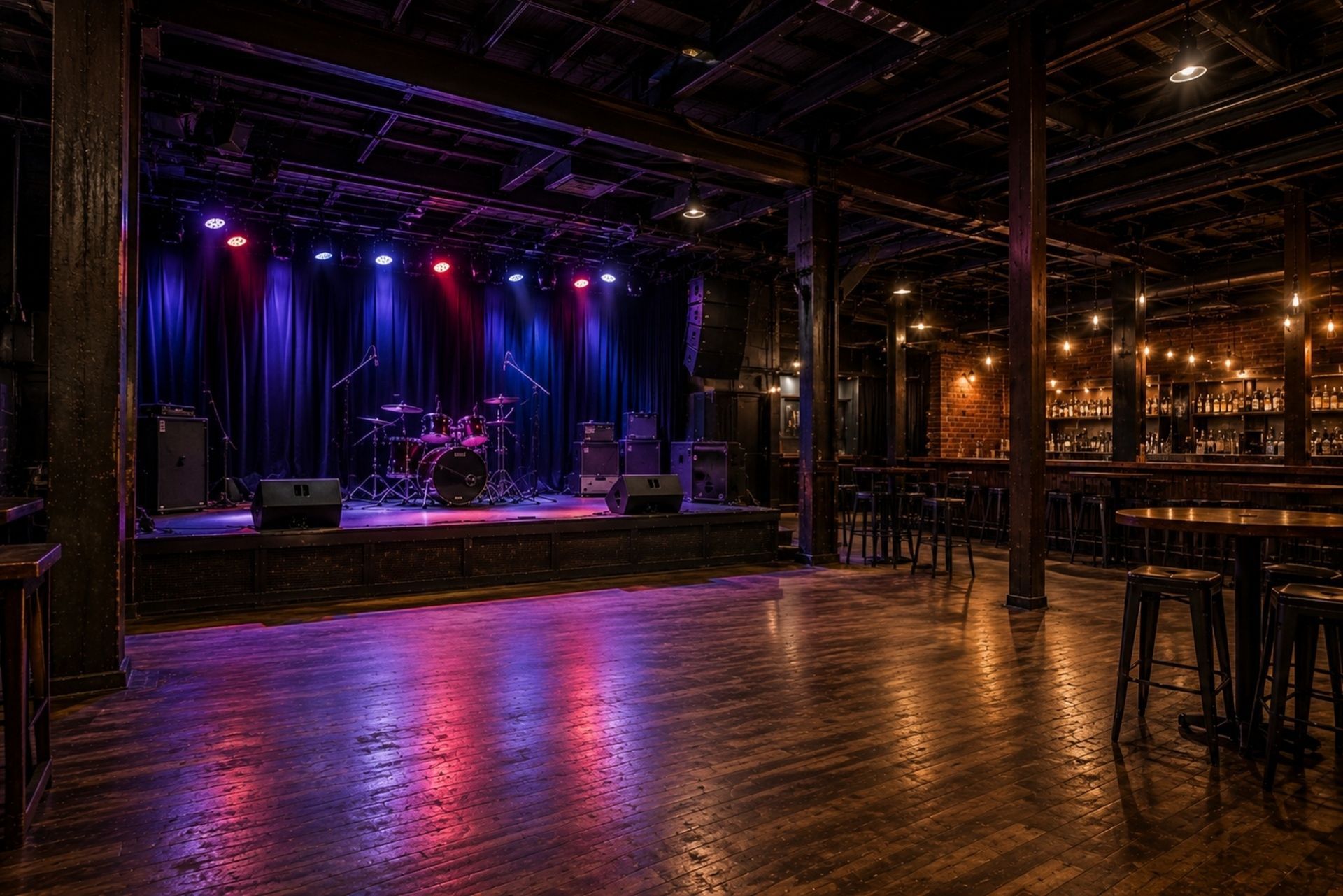
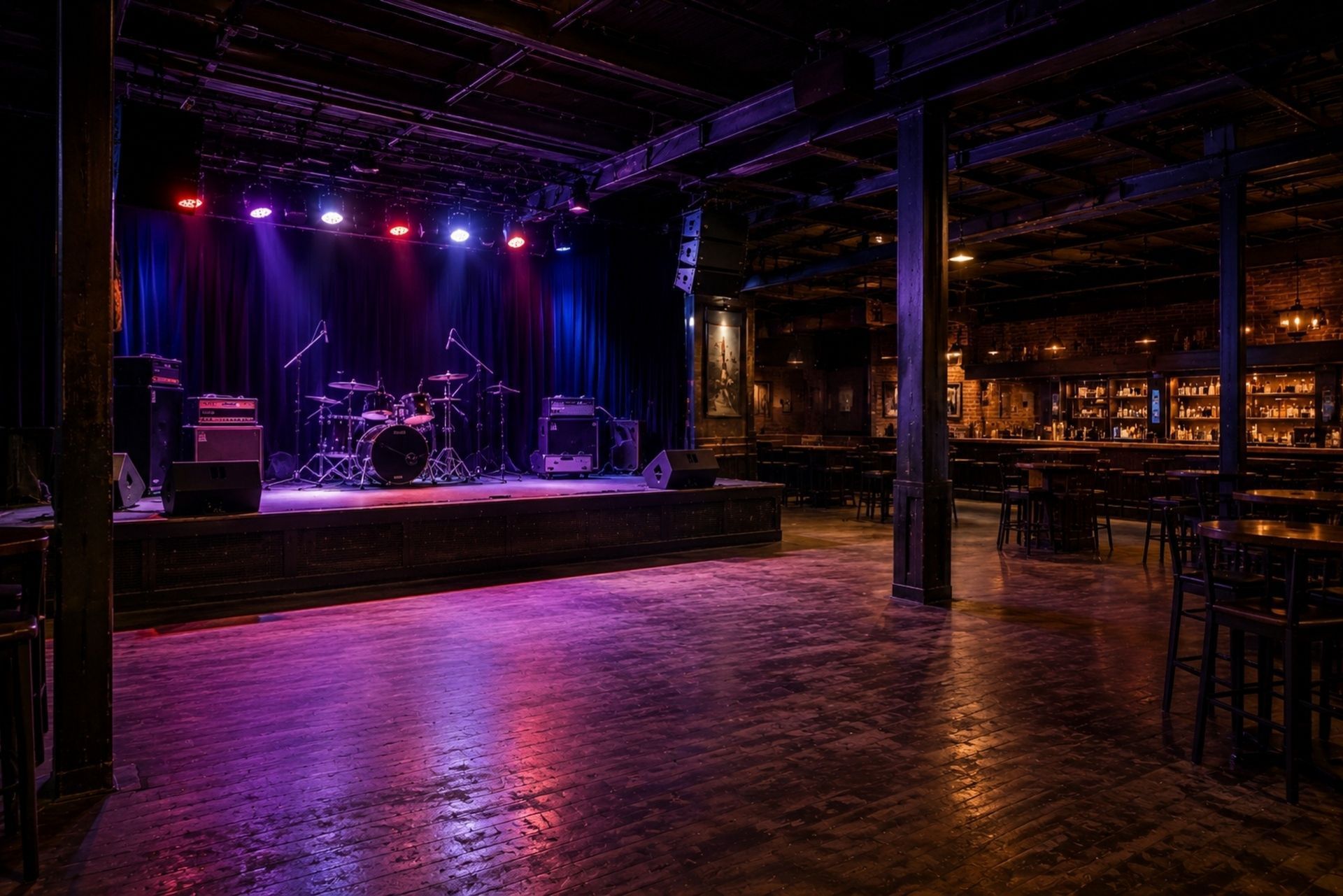
Running a live music venue in North Carolina means juggling sound checks, booking acts, managing crowds, and keeping the bar stocked. What most operators don't think about until it's too late is what happens when a speaker stack falls on a patron, a bartender over-serves someone who causes a wreck, or a fire breaks out during a sold-out show. Insurance for NC music venues isn't just a box to check: it's the difference between surviving a bad night and losing everything you've built. The state has specific requirements that catch operators off guard, especially around liquor liability and workers' compensation. Premiums have been climbing steadily, and the wrong policy leaves gaps big enough to bankrupt a small venue. Whether you're running a 200-cap listening room in Asheville or a 2,000-seat amphitheater in Charlotte, the coverage decisions you make now will define your financial resilience for years. This guide breaks down what NC venue operators actually need, what it costs in 2026, and how to stay on the right side of state regulators. Getting this right isn't optional: it's the cost of doing business in an industry where risk walks through the door every single night.

Essential Insurance Coverages for North Carolina Venues

North Carolina doesn't have a single "venue license" that bundles insurance together. Instead, operators need to piece together multiple policies that address different risk categories. The core coverages fall into three buckets: liability, property, and employer obligations. Missing any one of these creates exposure that could shut your doors permanently. The trick is understanding which coverages are legally mandated versus strongly recommended, because the line between the two isn't always obvious in NC.

General Liability and Liquor Liability Essentials

General liability (GL) is your baseline. It covers bodily injury, property damage, and personal injury claims from third parties: think a patron slipping on a wet floor or getting hit by a crowd-surfer. Most landlords and booking agents require a minimum of $1 million per occurrence and $2 million aggregate before they'll even sign a contract with you.


Liquor liability is where things get expensive and complicated. North Carolina follows a modified dram shop law, meaning your venue can be held liable if you serve alcohol to a visibly intoxicated person who then injures someone. Premiums for liquor liability have been climbing 15% to 25% year-over-year for venues with high alcohol-to-food sales ratios. A venue pulling 70% of revenue from bar sales will pay dramatically more than one with a balanced food-and-drink split. Training staff through responsible beverage service programs can help reduce premiums, but it won't eliminate the surcharge entirely.

Property and Equipment Protection for Sound Systems

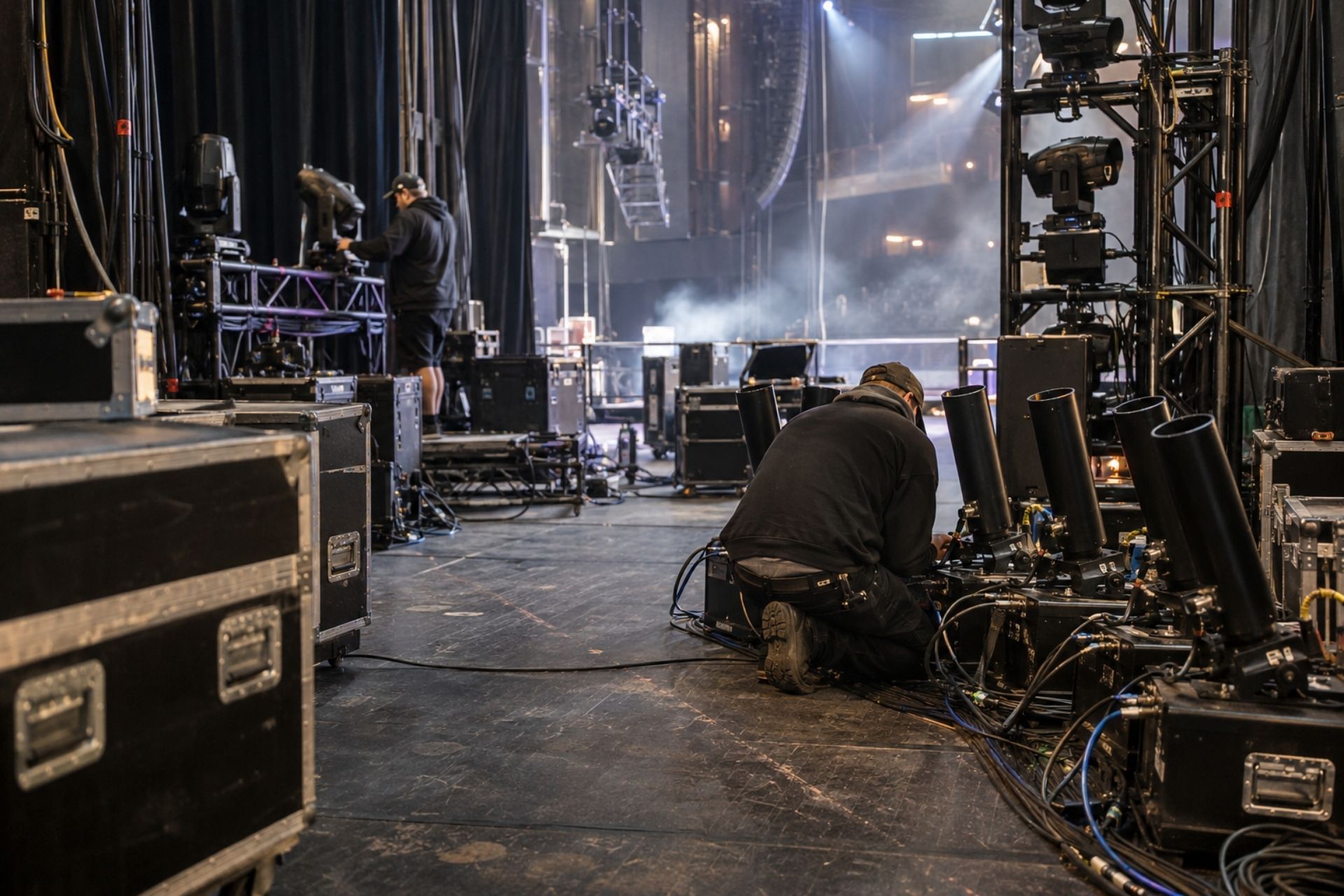
A quality PA system, lighting rig, and backline setup can easily represent $100,000 to $500,000 in equipment value. Standard commercial property insurance covers the building itself, but many operators don't realize their sound and lighting gear needs a separate inland marine or equipment floater policy. This matters because standard property policies often cap electronics coverage or exclude equipment that travels between locations.


If you host touring acts who bring their own gear, your policy likely won't cover their equipment. Require touring artists to carry their own insurance and name your venue as an additional insured. This is standard practice in the industry, and any professional act will already have it.

Workers' Compensation Mandates in NC

North Carolina requires workers' compensation insurance for any business with three or more employees. This isn't negotiable: the NC Industrial Commission enforces it, and penalties for non-compliance include fines and potential criminal charges. For venues, this covers sound engineers, bartenders, security staff, door personnel, and anyone else on payroll.


Here's where venue operators get tripped up: independent contractors. If your "contract" sound engineer works exclusively for you, shows up on a set schedule, and uses your equipment, the state may reclassify them as an employee. That reclassification triggers back-premium obligations and penalties. GrayStone Insurance Group has seen this exact scenario play out with multiple NC venue clients, and the back-owed premiums alone can run into five figures.

Chad Kramer
CEO · Licensed Author

GrayStone Insurance Group is fully licensed and permitted to provide specialty commercial insurance solutions for high-risk and hard-to-place businesses across 17 states.

We proudly serve high-risk and hard-to-place businesses from coast to coast. As an independent specialty brokerage, our team works with leading Excess & Surplus and specialty carriers to make sure restaurants, bars, contractors, trucking companies, manufacturers, and other hard-to-place operations receive coverage that fits their real risks in California, Colorado, Florida, Georgia, Illinois, Iowa, Maryland, Michigan, Missouri, Nevada, New York, North Carolina, South Carolina, Tennessee, Texas, Utah, and Washington.

Every policy has boundaries. Knowing them up front is how you avoid an uncovered claim. Common exclusions include:

Every policy has boundaries. Knowing them up front is how you avoid an uncovered claim. Common exclusions include:

Every policy has boundaries. Knowing them up front is how you avoid an uncovered claim. Common exclusions include:

General Liability responds to the core exposures most operations in this category face. A typical policy answers third-party claims and the defense costs that come with them, so a single incident doesn't put the business at risk.

Here's the uncomfortable truth: most commercial general liability (CGL) policies contain explicit assault and battery exclusions. Insurers added these exclusions because assault-related claims tend to be expensive and unpredictable. A single incident at a nightclub can generate $200,000 or more in legal defense and settlement costs.


CGL policies are built around the concept of "accidental" or "unintentional" harm. A fistfight is, by definition, intentional. Even if your business didn't cause the fight, the underlying act was deliberate, and that's enough for most standard carriers to deny the claim. This is exactly why a separate assault and battery policy or endorsement exists: to cover the gap your CGL policy was never designed to fill.

Why General Liability Often Excludes These Claims

Physical damage is only half the financial hit. If a windstorm forces your restaurant, hotel, or manufacturing facility to close for repairs, lost revenue can exceed the property damage itself. Business interruption coverage replaces lost income during the restoration period, while extra expense coverage pays for temporary relocation costs or expedited repairs.


Not every commercial property policy includes business interruption for wind events automatically. Some policies apply a waiting period (often 72 hours) before business interruption kicks in. Others sublimit wind-related interruption claims. If your business can't afford to close for even a few days, verify these terms explicitly with your broker.

Business Interruption and Extra Expense Coverage

Comparing Basic vs. Comprehensive Venue Coverage

Not every venue needs the same level of protection, but skimping on coverage is a false economy that catches up with you fast. Here's how basic and comprehensive packages typically compare for NC music venues:

Coverage Element Basic Package Comprehensive Package
General Liability $1M per occurrence $2M+ per occurrence
Liquor Liability Included with sublimit Standalone policy, higher limits
Property Coverage Building only Building + equipment + signage
Equipment Floater Not included Included for owned gear
Business Interruption Not included Covers lost income during closure
Assault & Battery Excluded Included or available as endorsement
Event Cancellation Not included Available as add-on
Estimated Annual Cost $4,000 - $8,000 $12,000 - $35,000+

The assault and battery exclusion in basic policies is a real problem for live music venues. Fights happen. If your GL policy excludes assault and battery, you're exposed to one of the most common claim types in nightlife. Always check for this exclusion before signing.

Feature General Liability (GL) Professional Liability (PL
What it covers Bodily injury, property damage, advertising injury Errors, omissions, negligent advice
Who needs it Nearly every business Service-based and consulting firms
Common claims Slip-and-fall at your location, damage to client property Missed deadline causing financial loss, design error
Typical annual cost (UT) $400 - $1,500 for low-risk $600 - $3,000+ depending on revenue
Required by law? Not mandated, but often required by contracts/landlords Not mandated, but required by some licensing boards
Coverage trigger Occurrence-based (usually) Claims-made (usually)
Feature General Liability (GL) Professional Liability (PL
What it covers Bodily injury, property damage, advertising injury Errors, omissions, negligent advice
Who needs it Nearly every business Service-based and consulting firms
Common claims Slip-and-fall at your location, damage to client property Missed deadline causing financial loss, design error
Typical annual cost (UT) $400 - $1,500 for low-risk $600 - $3,000+ depending on revenue
Required by law? Not mandated, but often required by contracts/landlords Not mandated, but required by some licensing boards
Coverage trigger Occurrence-based (usually) Claims-made (usually)

One thing to keep in mind: a general liability policy will not cover you if a client sues because your work product was defective or your advice caused them financial harm. That's squarely in professional liability territory. Many businesses need both, and bundling them into a Business Owner's Policy (BOP) can save 15-20% compared to purchasing them separately.

How Location and Venue Type Shape Your Premium

Where your venue sits in North Carolina matters more than you might expect. A downtown Raleigh venue faces different risk profiles than a rural amphitheater outside Boone. Urban locations typically carry higher premiums due to increased foot traffic, higher property values, and greater claim frequency. North Carolina's broader insurance market has been experiencing affordability pressures across multiple lines, and commercial policies for entertainment venues haven't been immune.


Outdoor venues face weather-related risks that indoor spaces don't. Event cancellation coverage, which can range from a few hundred dollars for single events to several thousand annually, becomes essential if you're running an outdoor stage season from April through October.

Every policy has boundaries. Knowing them up front is how you avoid an uncovered claim. Common exclusions include:

Every policy has boundaries. Knowing them up front is how you avoid an uncovered claim. Common exclusions include:

Every policy has boundaries. Knowing them up front is how you avoid an uncovered claim. Common exclusions include:

General Liability responds to the core exposures most operations in this category face. A typical policy answers third-party claims and the defense costs that come with them, so a single incident doesn't put the business at risk.

Here's the uncomfortable truth: most commercial general liability (CGL) policies contain explicit assault and battery exclusions. Insurers added these exclusions because assault-related claims tend to be expensive and unpredictable. A single incident at a nightclub can generate $200,000 or more in legal defense and settlement costs.


CGL policies are built around the concept of "accidental" or "unintentional" harm. A fistfight is, by definition, intentional. Even if your business didn't cause the fight, the underlying act was deliberate, and that's enough for most standard carriers to deny the claim. This is exactly why a separate assault and battery policy or endorsement exists: to cover the gap your CGL policy was never designed to fill.

Why General Liability Often Excludes These Claims

Physical damage is only half the financial hit. If a windstorm forces your restaurant, hotel, or manufacturing facility to close for repairs, lost revenue can exceed the property damage itself. Business interruption coverage replaces lost income during the restoration period, while extra expense coverage pays for temporary relocation costs or expedited repairs.


Not every commercial property policy includes business interruption for wind events automatically. Some policies apply a waiting period (often 72 hours) before business interruption kicks in. Others sublimit wind-related interruption claims. If your business can't afford to close for even a few days, verify these terms explicitly with your broker.

Business Interruption and Extra Expense Coverage

Factors Influencing Insurance Costs in the Tar Heel State

Insurance pricing for NC music venues isn't random. Underwriters look at a specific set of variables, and understanding them gives you some control over what you pay.

Venue Capacity and Nightly Attendance Impact

Capacity is the single biggest cost driver. A 150-person club pays a fraction of what a 3,000-seat venue pays because the exposure scales with every body in the room. Underwriters don't just look at maximum capacity: they want to know your average nightly attendance, peak attendance during special events, and whether you regularly sell out.


If you host festivals or special events that temporarily increase your capacity beyond normal levels, you'll likely need supplemental event insurance for those dates. Single-event policies typically cost between $100 and $1,000 depending on attendance and activities. That's a small price compared to the exposure of running an uninsured event with 5,000 people on site.

Safety Protocols and Security Measures

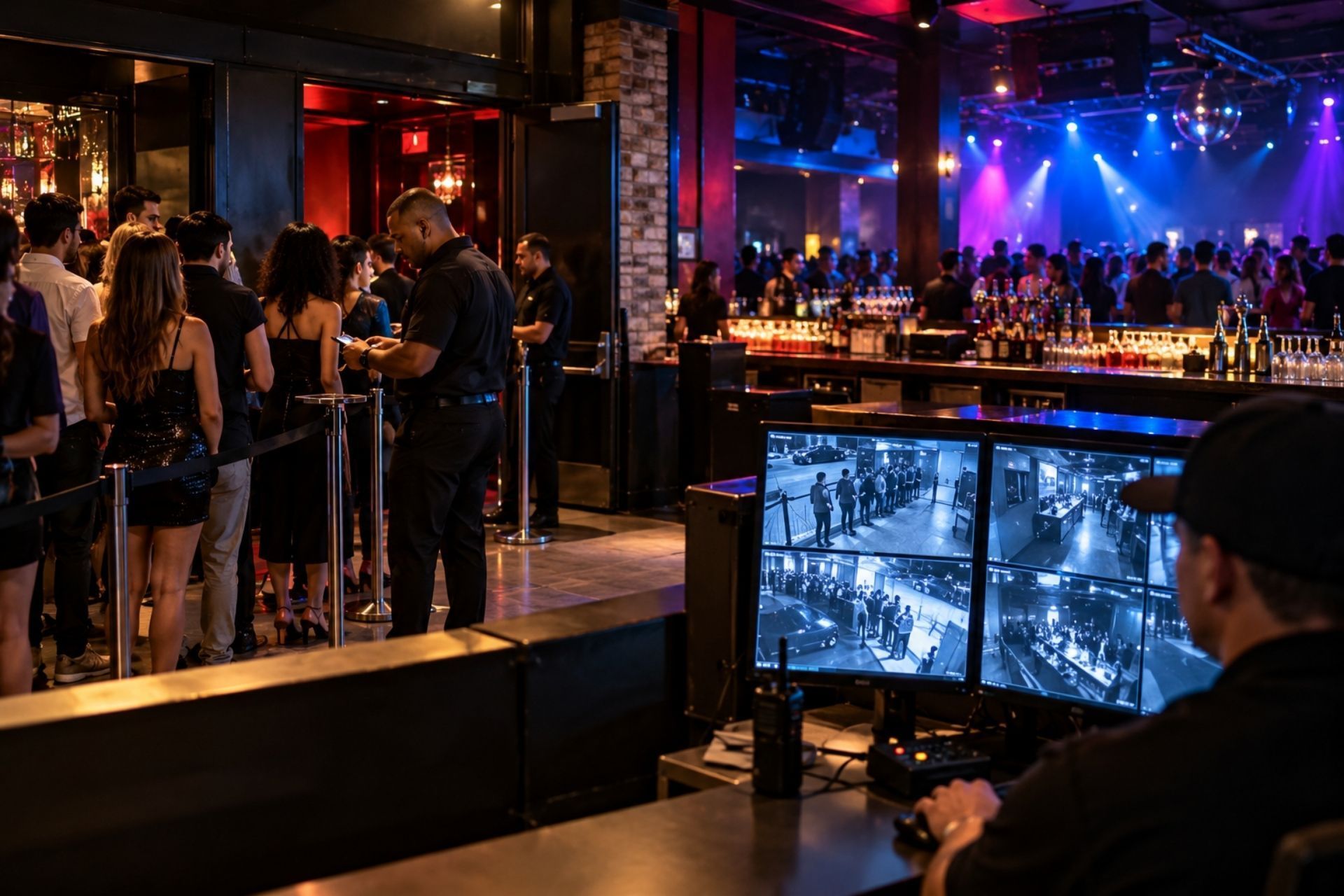
Underwriters reward venues that take safety seriously. Having documented security protocols, trained staff, visible security presence, and functioning surveillance systems can reduce your premiums by 10% to 20%. Specific measures that carriers look for include:


  • Licensed security personnel at a ratio of at least 1 per 100 attendees
  • Working camera systems covering entrances, exits, bar areas, and the stage
  • Written incident response procedures for medical emergencies, fights, and evacuations
  • Responsible beverage service training for all bar staff
  • Regular safety audits documented and filed


GrayStone Insurance Group's brokers, who average 20 years of experience in specialty markets, often help venue clients build these safety frameworks specifically to qualify for better rates. The upfront investment in security infrastructure pays for itself through premium reductions within the first year or two.

Can I add this to my existing policy as a rider?

Often, yes. Many carriers offer assault and battery as an endorsement to an existing general liability policy. This is usually cheaper than buying a standalone policy. That said, standalone policies sometimes offer higher limits and broader coverage terms. GrayStone's brokers can help determine which structure makes more sense based on your specific risk profile and claims history.

Security Personnel and Training Protocols

Carriers reward venues that invest in risk mitigation. Documented security protocols, trained and licensed door staff, functioning camera systems, and incident reporting procedures all contribute to lower premiums. Some carriers require a minimum security-to-patron ratio for late-night venues before they'll offer coverage.


Staff training in de-escalation techniques and responsible service practices creates measurable loss reduction. Venues that implement certified training programs and can document completion records often qualify for 5% to 15% premium credits. On the flip side, venues with prior assault claims or liquor violation histories face surcharges or outright declinations from standard carriers - which is exactly where specialty brokers with access to surplus lines markets become essential.

Factors Influencing Insurance Costs for Nightclubs

NC has a layered regulatory environment for venues serving alcohol and hosting public events. Insurance requirements come from multiple agencies, and missing one can result in license suspension.

ALE and Liquor License Insurance Requirements

The North Carolina Alcohol Law Enforcement (ALE) division oversees liquor permits, and your ABC permit requires proof of liability insurance. The specific coverage amounts depend on your permit type, but most on-premises consumption permits require at minimum $300,000 in liability coverage. Many venues carry far more than the minimum because the minimum won't actually protect you in a serious claim.


Your ABC permit can be revoked if your insurance lapses, even briefly. Set up automatic payments and keep your certificate of insurance current with ALE. A lapse of even a few days can trigger an investigation.

Fire Marshal Codes and Occupancy Limits

NC fire marshals enforce occupancy limits based on square footage, exits, and fire suppression systems. Your insurance policy's coverage limits should align with your permitted occupancy. If you're insured for a 200-person venue but your fire marshal permits 400, you're underinsured. If you regularly exceed your permitted occupancy (don't), your insurance carrier can deny claims based on code violations.


Fire suppression systems, clearly marked exits, and ADA-compliant pathways aren't just regulatory requirements: they're underwriting factors. Venues with modern fire suppression systems pay less for property coverage.

Every policy has boundaries. Knowing them up front is how you avoid an uncovered claim. Common exclusions include:

Every policy has boundaries. Knowing them up front is how you avoid an uncovered claim. Common exclusions include:

Every policy has boundaries. Knowing them up front is how you avoid an uncovered claim. Common exclusions include:

General Liability responds to the core exposures most operations in this category face. A typical policy answers third-party claims and the defense costs that come with them, so a single incident doesn't put the business at risk.

Here's the uncomfortable truth: most commercial general liability (CGL) policies contain explicit assault and battery exclusions. Insurers added these exclusions because assault-related claims tend to be expensive and unpredictable. A single incident at a nightclub can generate $200,000 or more in legal defense and settlement costs.


CGL policies are built around the concept of "accidental" or "unintentional" harm. A fistfight is, by definition, intentional. Even if your business didn't cause the fight, the underlying act was deliberate, and that's enough for most standard carriers to deny the claim. This is exactly why a separate assault and battery policy or endorsement exists: to cover the gap your CGL policy was never designed to fill.

Why General Liability Often Excludes These Claims

Carriers reward venues that invest in risk mitigation. Documented security protocols, trained and licensed door staff, functioning camera systems, and incident reporting procedures all contribute to lower premiums. Some carriers require a minimum security-to-patron ratio for late-night venues before they'll offer coverage.


Staff training in de-escalation techniques and responsible service practices creates measurable loss reduction. Venues that implement certified training programs and can document completion records often qualify for 5% to 15% premium credits. On the flip side, venues with prior assault claims or liquor violation histories face surcharges or outright declinations from standard carriers - which is exactly where specialty brokers with access to surplus lines markets become essential.

LSecurity Personnel and Training Protocols

Physical damage is only half the financial hit. If a windstorm forces your restaurant, hotel, or manufacturing facility to close for repairs, lost revenue can exceed the property damage itself. Business interruption coverage replaces lost income during the restoration period, while extra expense coverage pays for temporary relocation costs or expedited repairs.


Not every commercial property policy includes business interruption for wind events automatically. Some policies apply a waiting period (often 72 hours) before business interruption kicks in. Others sublimit wind-related interruption claims. If your business can't afford to close for even a few days, verify these terms explicitly with your broker.

Business Interruption and Extra Expense Coverage

Common Questions About NC Venue Insurance

Do I need separate insurance for each event, or does my annual policy cover everything? Your annual GL and liquor liability policies cover regular operations. Special events that exceed your normal capacity or involve unusual activities (pyrotechnics, for example) typically require supplemental event-specific coverage.


Can I be held liable if a touring band's equipment injures someone? Yes. As the venue operator, you share liability for anything that happens on your premises. Require touring acts to carry their own insurance and name your venue as an additional insured on their policy.


What happens if my insurance lapses while I hold an ABC permit? ALE can suspend or revoke your permit. Reinstatement involves paperwork, fees, and potential hearings. Don't let it lapse.


How quickly can I get coverage for a new venue? Standard policies take 1 to 3 weeks. Specialty placements for higher-risk venues can take 4 to 6 weeks. Start the process well before your opening date.


Does my homeowner's policy cover a small house venue? No. Homeowner's policies exclude commercial activity. Operating a venue out of a residential property without commercial coverage is a recipe for a denied claim and potential policy cancellation.

Can I add this to my existing policy as a rider?

Often, yes. Many carriers offer assault and battery as an endorsement to an existing general liability policy. This is usually cheaper than buying a standalone policy. That said, standalone policies sometimes offer higher limits and broader coverage terms. GrayStone's brokers can help determine which structure makes more sense based on your specific risk profile and claims history.

Security Personnel and Training Protocols

Carriers reward venues that invest in risk mitigation. Documented security protocols, trained and licensed door staff, functioning camera systems, and incident reporting procedures all contribute to lower premiums. Some carriers require a minimum security-to-patron ratio for late-night venues before they'll offer coverage.


Staff training in de-escalation techniques and responsible service practices creates measurable loss reduction. Venues that implement certified training programs and can document completion records often qualify for 5% to 15% premium credits. On the flip side, venues with prior assault claims or liquor violation histories face surcharges or outright declinations from standard carriers - which is exactly where specialty brokers with access to surplus lines markets become essential.

Factors Influencing Insurance Costs for Nightclubs

Why Standard Carriers Often Decline Music Venues

Most mainstream insurance carriers view live music venues as high-risk accounts. The combination of alcohol service, large crowds, loud environments, late-night hours, and potential for property damage puts venues in a category that standard underwriters prefer to avoid. This is why many NC venue operators get declined two or three times before finding coverage.


Specialty brokers who work with surplus lines carriers are usually the path forward. These carriers price risk more precisely rather than simply declining it. GrayStone Insurance Group specializes in exactly these hard-to-place accounts, using data-driven risk modeling to match venues with carriers willing to write the coverage at competitive rates.

Every policy has boundaries. Knowing them up front is how you avoid an uncovered claim. Common exclusions include:

Every policy has boundaries. Knowing them up front is how you avoid an uncovered claim. Common exclusions include:

Every policy has boundaries. Knowing them up front is how you avoid an uncovered claim. Common exclusions include:

General Liability responds to the core exposures most operations in this category face. A typical policy answers third-party claims and the defense costs that come with them, so a single incident doesn't put the business at risk.

Here's the uncomfortable truth: most commercial general liability (CGL) policies contain explicit assault and battery exclusions. Insurers added these exclusions because assault-related claims tend to be expensive and unpredictable. A single incident at a nightclub can generate $200,000 or more in legal defense and settlement costs.


CGL policies are built around the concept of "accidental" or "unintentional" harm. A fistfight is, by definition, intentional. Even if your business didn't cause the fight, the underlying act was deliberate, and that's enough for most standard carriers to deny the claim. This is exactly why a separate assault and battery policy or endorsement exists: to cover the gap your CGL policy was never designed to fill.

Why General Liability Often Excludes These Claims

Carriers reward venues that invest in risk mitigation. Documented security protocols, trained and licensed door staff, functioning camera systems, and incident reporting procedures all contribute to lower premiums. Some carriers require a minimum security-to-patron ratio for late-night venues before they'll offer coverage.


Staff training in de-escalation techniques and responsible service practices creates measurable loss reduction. Venues that implement certified training programs and can document completion records often qualify for 5% to 15% premium credits. On the flip side, venues with prior assault claims or liquor violation histories face surcharges or outright declinations from standard carriers - which is exactly where specialty brokers with access to surplus lines markets become essential.

LSecurity Personnel and Training Protocols

Physical damage is only half the financial hit. If a windstorm forces your restaurant, hotel, or manufacturing facility to close for repairs, lost revenue can exceed the property damage itself. Business interruption coverage replaces lost income during the restoration period, while extra expense coverage pays for temporary relocation costs or expedited repairs.


Not every commercial property policy includes business interruption for wind events automatically. Some policies apply a waiting period (often 72 hours) before business interruption kicks in. Others sublimit wind-related interruption claims. If your business can't afford to close for even a few days, verify these terms explicitly with your broker.

Business Interruption and Extra Expense Coverage

North Carolina's legal landscape directly impacts what you pay for coverage. The state has been taking steps to address litigation funding practices that have driven up claim costs nationally, which could eventually stabilize premiums for NC businesses. That said, the state's dram shop liability framework still creates significant exposure for any venue serving alcohol.


Venues operating near college towns: Chapel Hill, Greenville, Boone: face statistically higher claim rates related to alcohol service. Underwriters know this and price accordingly. If your venue is in one of these markets, expect to pay a premium above the state average.

Can I add this to my existing policy as a rider?

Often, yes. Many carriers offer assault and battery as an endorsement to an existing general liability policy. This is usually cheaper than buying a standalone policy. That said, standalone policies sometimes offer higher limits and broader coverage terms. GrayStone's brokers can help determine which structure makes more sense based on your specific risk profile and claims history.

Security Personnel and Training Protocols

Carriers reward venues that invest in risk mitigation. Documented security protocols, trained and licensed door staff, functioning camera systems, and incident reporting procedures all contribute to lower premiums. Some carriers require a minimum security-to-patron ratio for late-night venues before they'll offer coverage.


Staff training in de-escalation techniques and responsible service practices creates measurable loss reduction. Venues that implement certified training programs and can document completion records often qualify for 5% to 15% premium credits. On the flip side, venues with prior assault claims or liquor violation histories face surcharges or outright declinations from standard carriers - which is exactly where specialty brokers with access to surplus lines markets become essential.

Factors Influencing Insurance Costs for Nightclubs

Protecting Against Event Cancellation and Weather Risks

NC's hurricane season runs June through November, and severe thunderstorms can pop up with little warning during summer months. If you run outdoor shows or have an outdoor component to your venue, event cancellation insurance isn't a luxury: it's a necessity.


These policies cover lost revenue, non-refundable deposits, and sometimes marketing costs when an event gets canceled due to weather, performer illness, or other covered causes. Policies vary widely in what triggers a payout, so read the fine print carefully. Some only cover named storms, while others cover any weather event that makes the venue unsafe.

Every policy has boundaries. Knowing them up front is how you avoid an uncovered claim. Common exclusions include:

Every policy has boundaries. Knowing them up front is how you avoid an uncovered claim. Common exclusions include:

Every policy has boundaries. Knowing them up front is how you avoid an uncovered claim. Common exclusions include:

General Liability responds to the core exposures most operations in this category face. A typical policy answers third-party claims and the defense costs that come with them, so a single incident doesn't put the business at risk.

Here's the uncomfortable truth: most commercial general liability (CGL) policies contain explicit assault and battery exclusions. Insurers added these exclusions because assault-related claims tend to be expensive and unpredictable. A single incident at a nightclub can generate $200,000 or more in legal defense and settlement costs.


CGL policies are built around the concept of "accidental" or "unintentional" harm. A fistfight is, by definition, intentional. Even if your business didn't cause the fight, the underlying act was deliberate, and that's enough for most standard carriers to deny the claim. This is exactly why a separate assault and battery policy or endorsement exists: to cover the gap your CGL policy was never designed to fill.

Why General Liability Often Excludes These Claims

Carriers reward venues that invest in risk mitigation. Documented security protocols, trained and licensed door staff, functioning camera systems, and incident reporting procedures all contribute to lower premiums. Some carriers require a minimum security-to-patron ratio for late-night venues before they'll offer coverage.


Staff training in de-escalation techniques and responsible service practices creates measurable loss reduction. Venues that implement certified training programs and can document completion records often qualify for 5% to 15% premium credits. On the flip side, venues with prior assault claims or liquor violation histories face surcharges or outright declinations from standard carriers - which is exactly where specialty brokers with access to surplus lines markets become essential.

LSecurity Personnel and Training Protocols

Physical damage is only half the financial hit. If a windstorm forces your restaurant, hotel, or manufacturing facility to close for repairs, lost revenue can exceed the property damage itself. Business interruption coverage replaces lost income during the restoration period, while extra expense coverage pays for temporary relocation costs or expedited repairs.


Not every commercial property policy includes business interruption for wind events automatically. Some policies apply a waiting period (often 72 hours) before business interruption kicks in. Others sublimit wind-related interruption claims. If your business can't afford to close for even a few days, verify these terms explicitly with your broker.

Business Interruption and Extra Expense Coverage

Annual Policy Review: What to Reassess Each Year

Your venue changes year to year. Maybe you added a patio stage, increased your capacity, started hosting festivals, or changed your alcohol service model. Each of these changes affects your risk profile and should trigger a policy review.


Schedule an annual sit-down with your broker at least 60 days before renewal. Bring updated attendance figures, revenue breakdowns (especially alcohol vs. food percentages), any claims from the past year, and a list of planned changes for the coming year. This conversation is where you catch coverage gaps before they become claim denials.

Can I add this to my existing policy as a rider?

Often, yes. Many carriers offer assault and battery as an endorsement to an existing general liability policy. This is usually cheaper than buying a standalone policy. That said, standalone policies sometimes offer higher limits and broader coverage terms. GrayStone's brokers can help determine which structure makes more sense based on your specific risk profile and claims history.

Security Personnel and Training Protocols

Carriers reward venues that invest in risk mitigation. Documented security protocols, trained and licensed door staff, functioning camera systems, and incident reporting procedures all contribute to lower premiums. Some carriers require a minimum security-to-patron ratio for late-night venues before they'll offer coverage.


Staff training in de-escalation techniques and responsible service practices creates measurable loss reduction. Venues that implement certified training programs and can document completion records often qualify for 5% to 15% premium credits. On the flip side, venues with prior assault claims or liquor violation histories face surcharges or outright declinations from standard carriers - which is exactly where specialty brokers with access to surplus lines markets become essential.

Factors Influencing Insurance Costs for Nightclubs

Next Steps for Securing Your Venue

Getting the right insurance for your NC music venue comes down to three things: understanding your actual risk exposure, working with a broker who knows the entertainment space, and reviewing your coverage annually as your business evolves. Don't settle for the cheapest policy you can find: settle for the one that will actually pay out when something goes wrong.


Start by documenting your venue's capacity, revenue mix, equipment inventory, and safety protocols. Take that information to a specialty broker with experience in high-risk entertainment accounts. Ask hard questions about exclusions, particularly around assault and battery, liquor liability sublimits, and equipment coverage gaps.


If you're struggling to find a carrier willing to write your venue, reach out to GrayStone Insurance Group. Their team has placed coverage for venues that other agencies turned away, and their 94% client retention rate tells you something about how they treat the relationship after the policy is signed. The right coverage exists: you just need someone who knows where to find it.

ABOUT THE AUTHOR:

CHAD KRAMER

I started GrayStone Insurance Group in 2018 with a simple conviction: the businesses everyone else turns away deserve a broker who won't. What began as a one-person operation has grown into a specialty commercial brokerage with offices across the country — but the mission hasn't changed. We find solutions for high-risk and hard-to-place businesses when other agencies run the other way.


I built this agency on integrity, hard work, and the tenacity to do the hard things well. Through our access to Excess & Surplus and specialty markets, my team and I place coverage standard carriers can't — and I treat every client's business like my own.

If you've been declined, non-renewed, or told your business is too complicated to insure, let's talk.

 Coverages & policies

Plain-language coverage, expertly placed.

We lead with commercial lines and round out personal coverage where you need it. Every policy comes with an explanation — not jargon.

Contractors

Third-party bodily injury & property damage — the foundation for any operation.

Liquor Liability

Critical for bars, restaurants and venues serving alcohol — including A&B.

Commercial Property

Buildings, contents and equipment — including distressed and vacant risk.

Workers' Compensation

Statutory coverage for your crew — including high-mod and high-hazard classes.

Commercial Umbrella

Extra liability limits over your primary policies — essential for high-exposure risk.

Products Liability

Manufacturers, CBD and consumer-product exposure — including imports.

 What clients say

Brokers who actually place it.

 FAQ

Answers for the risks others won't cover

Getting declined, non-renewed, or told your business is "too high-risk" is frustrating — but it doesn't mean you're out of options. Here are answers to the questions we hear most from business owners who need coverage the standard market won't provide.

  • What kind of insurance does GrayStone specialize in?

    We're a specialty commercial brokerage built for high-risk and hard-to-place businesses — the risks standard carriers often turn away. Through our access to Excess & Surplus (E&S) and specialty markets, we place coverage that everyday agencies can't. Hospitality and construction are among our deepest areas of expertise.

  • My business was declined or non-renewed elsewhere. Can you still help?

    That's exactly what we do. A decline, a non-renewal, or a tough claims history doesn't mean you're out of options — it means your risk needs a broker with the right market access. Tell us your situation and we'll get to work finding a fit.

  • What is Excess & Surplus (E&S) insurance?

    E&S is specialty coverage for risks that standard "admitted" carriers won't write — often because a business is higher-risk, unusual, or has a complex history. As an independent broker, we tap into these specialty markets to place coverage where a typical agency hits a dead end.

  • What industries do you work with?

    We cover a wide range of commercial industries — from restaurants, bars, and hospitality to contractors, trucking, manufacturing, cannabis, and more. If your industry is considered high-risk or hard-to-place, there's a good chance we've handled it.


    Explore our industries →

  • Will you work with businesses that have prior claims or losses?

    Yes. Prior claims and losses are part of many of the risks we place every day. Every business is evaluated on its own merits — and a rocky history is often exactly why a specialty broker can help where others won't.

  • Are you an independent broker?

    Yes. We're not tied to a single carrier, so we shop your risk across multiple specialty and E&S markets to find coverage that actually fits — instead of forcing you into a one-size-fits-all policy.

 Insights & resources

Know your risk before you buy.

Switching Agents Mid-Term and the Broker of Record Letter
19 July 2026
Switch insurance agents mid-term with a Broker of Record letter. Learn the BOR process, timelines, benefits, and how to change brokers without losing coverage.
What to Do After a Large Commercial Claim
19 July 2026
Learn what to do after a large commercial insurance claim, from documenting damage and filing claims to maximizing recovery and rebuilding your business.
Umbrella Limits: How Much Excess Liability Is Enough
19 July 2026
Learn how much umbrella insurance you need to protect your assets. Compare coverage limits, costs, and excess liability options for businesses.

Coverage that fits

Let's place the risk others won't.