
General Liability responds to the core exposures most operations in this category face. A typical policy answers third-party claims and the defense costs that come with them, so a single incident doesn't put the business at risk.
Running a live music venue in Nevada means dealing with risks most businesses never face: crowd surges, equipment worth six figures, performers who cancel hours before doors open, and liquor flowing until 4 a.m. A single incident - a speaker stack falling, a patron slipping on a wet floor, a fight in the parking lot - can generate a lawsuit that dwarfs your annual revenue. Insurance for live music venues in Nevada isn't just a box to check; it's the thing standing between your business and financial ruin. The state has specific requirements that differ from neighboring California or Arizona, and the regulatory differences between counties add another layer of complexity. Whether you run a 200-cap dive bar with weekend bands or a 5,000-seat amphitheater on the Strip, understanding what coverage you actually need, what it costs, and how to stay compliant will save you from expensive surprises. This guide breaks down the insurance requirements, costs, and compliance obligations that NV venue operators need to get right in 2026.
Core Insurance Requirements for Nevada Venue Owners
Nevada doesn't have a single statute that says "live music venues must carry X insurance." Instead, the requirements come from multiple directions: state law, county licensing, landlord lease agreements, and performer contracts. Most venue operators need at least three to four distinct policies before they can legally open their doors and book their first act.
The baseline is a commercial general liability (CGL) policy, workers' compensation coverage if you have employees, and liquor liability if you serve alcohol. Miss any one of these, and you're either operating illegally or exposing yourself to uncapped personal liability. County business licenses in Clark and Washoe counties both require proof of insurance before issuing entertainment permits.
General Liability and Property Protection
Your CGL policy is the foundation. It covers bodily injury and property damage claims from third parties - think a concertgoer who trips over a cable run or gets hit by a crowd surfer. Most Nevada counties require a minimum of $1 million per occurrence and $2 million aggregate for entertainment venues.
Property coverage is separate and protects the physical building, fixtures, and owned equipment. If you lease your space, your landlord's insurance covers the structure, but your business personal property (sound systems, lighting rigs, bar equipment) is your responsibility. A standard business owner's policy (BOP) bundles these together, but many live music venues get declined by standard carriers because the risk profile is too high. Firms like GrayStone Insurance Group specialize in placing coverage for exactly these kinds of hard-to-insure entertainment businesses, working with surplus lines carriers that standard agencies won't touch.
Nevada Workers' Compensation Mandates
Nevada requires workers' compensation for every employer with one or more employees - no exceptions, no minimum threshold. This includes part-time sound engineers, bartenders, door staff, and stagehands. Independent contractor classifications get scrutinized heavily by Nevada's Division of Industrial Relations, so don't assume your 1099 workers are exempt.
Here's a cost factor to watch: effective October 1, 2026, the annual payroll cap per employee for workers' compensation premiums will increase, meaning your per-employee premium costs are going up. For venues with large seasonal staffs - festival season, holiday shows - this change could add thousands to your annual insurance spend. Budget for it now rather than getting surprised in Q4.
Liquor Liability Laws in the Silver State
Nevada is a "dram shop" state, meaning your venue can be held liable if you serve alcohol to a visibly intoxicated person who then causes injury to someone else. Liquor liability coverage is technically separate from your CGL policy, and most carriers write it as an endorsement or standalone policy.
Expect to carry at least $1 million in liquor liability coverage. Venues with higher alcohol revenue as a percentage of total sales pay more for this coverage. Training staff through programs like TIPS or ServSafe can reduce your premiums by 5-15%, and some carriers require it. One claim in this area - say a DUI fatality traced back to your bar - can easily exceed $2 million in legal costs and settlements.
INDEX
GrayStone Insurance Group is fully licensed and permitted to provide specialty commercial insurance solutions for high-risk and hard-to-place businesses across 17 states.
We proudly serve high-risk and hard-to-place businesses from coast to coast. As an independent specialty brokerage, our team works with leading Excess & Surplus and specialty carriers to make sure restaurants, bars, contractors, trucking companies, manufacturers, and other hard-to-place operations receive coverage that fits their real risks in California, Colorado, Florida, Georgia, Illinois, Iowa, Maryland, Michigan, Missouri, Nevada, New York, North Carolina, South Carolina, Tennessee, Texas, Utah, and Washington.
Every policy has boundaries. Knowing them up front is how you avoid an uncovered claim. Common exclusions include:
Every policy has boundaries. Knowing them up front is how you avoid an uncovered claim. Common exclusions include:
Every policy has boundaries. Knowing them up front is how you avoid an uncovered claim. Common exclusions include:
General Liability responds to the core exposures most operations in this category face. A typical policy answers third-party claims and the defense costs that come with them, so a single incident doesn't put the business at risk.
If your firm provides any design, engineering, or consulting services alongside construction, you need both. A GL policy won't cover a claim alleging your design specifications caused a building envelope failure. That's a professional liability exposure, and it's one of the fastest-growing claim categories in construction.
Specialized Coverage for Live Performances
Standard commercial policies leave massive gaps for venues hosting live entertainment. The unique risks of performances, from artist no-shows to damaged touring gear, require specialized endorsements or standalone policies.
Artist Non-Appearance and Event Cancellation
Event cancellation insurance covers your financial losses when a show gets canceled for covered reasons: artist illness, severe weather, venue damage, or government-ordered shutdowns. A sold-out show with a $50,000 guarantee to the headliner plus $20,000 in production costs means you're out $70,000-plus if the artist doesn't show. Policies typically range from $150 to over $1,000 per event depending on the scale and specific risks covered.
Artist non-appearance riders are a subset of this coverage. They specifically protect against a performer failing to appear due to illness, injury, or travel disruption. Most policies exclude "change of mind" or contract disputes, so read the exclusions carefully.
Audio Equipment and Instrument Floaters
Inland marine policies, often called equipment floaters, cover audio gear, lighting systems, and instruments whether they're at your venue, in transit, or at an off-site event. Standard property policies only cover equipment at the listed location. If your sound company moves gear between your venue and outdoor festival stages, you need a floater.
Coverage should reflect replacement cost, not depreciated value. A five-year-old mixing console might be worth $8,000 on paper but costs $22,000 to replace. Make sure your policy reflects the higher number.
Comparing Coverage: Basic vs. Comprehensive Protection
Coverage Comparison Table
| Coverage Type | Basic Package | Comprehensive Package |
|---|---|---|
| General Liability | $1M per occurrence | $2M+ per occurrence |
| Property Coverage | Building contents only | Contents + equipment floaters |
| Liquor Liability | $500K limit | $1M-$2M limit |
| Workers' Comp | State minimum | State minimum + employer's liability |
| Event Cancellation | Not included | Per-event or annual policy |
| Cyber Liability | Not included | Covers ticketing data breaches |
| Umbrella/Excess | Not included | $1M-$5M excess layer |
| Hired/Non-Owned Auto | $8,000-$15,000 | $25,000-$60,000+ |
The gap between basic and comprehensive coverage is where most claims problems occur. A venue carrying only basic coverage might survive a slip-and-fall claim but get wiped out by a liquor liability suit or a major equipment loss.
Every policy has boundaries. Knowing them up front is how you avoid an uncovered claim. Common exclusions include:
Every policy has boundaries. Knowing them up front is how you avoid an uncovered claim. Common exclusions include:
Every policy has boundaries. Knowing them up front is how you avoid an uncovered claim. Common exclusions include:
General Liability responds to the core exposures most operations in this category face. A typical policy answers third-party claims and the defense costs that come with them, so a single incident doesn't put the business at risk.
Factors Influencing Insurance Costs in NV
Premiums for Nevada music venues vary wildly. A small lounge in Reno paying $9,000 a year and a large Las Vegas venue paying $55,000 a year might both feel like they're overpaying, but the risk profiles are completely different.
Venue Capacity and Daily Attendance
Capacity is the single biggest cost driver. Insurers price risk based on the maximum number of people who can be in your space at any given time. A 150-person club pays dramatically less than a 3,000-seat theater. Daily attendance patterns matter too: a venue hosting shows five nights a week has more exposure than one booking weekend-only events.
Standing-room venues cost more to insure than seated venues because crowd density increases injury risk. Mosh pits, general admission floors, and outdoor standing areas all push premiums higher.
Safety Protocols and Pyrotechnic Use
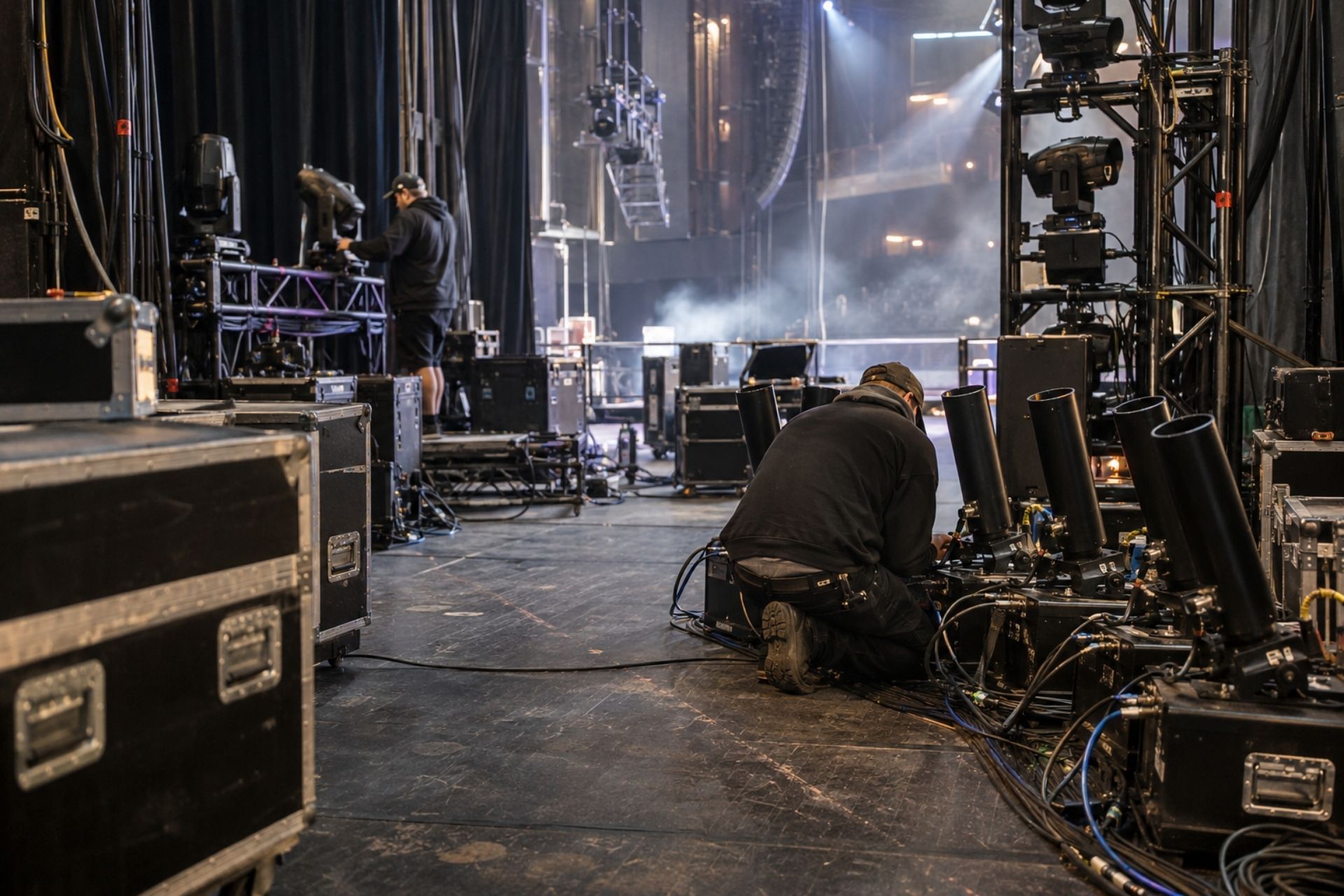
If your venue uses pyrotechnics, CO2 cannons, or open flame effects, expect your premiums to jump 20-40%. Carriers want to see permits from the local fire marshal, certified pyrotechnic operators, and documented safety protocols.
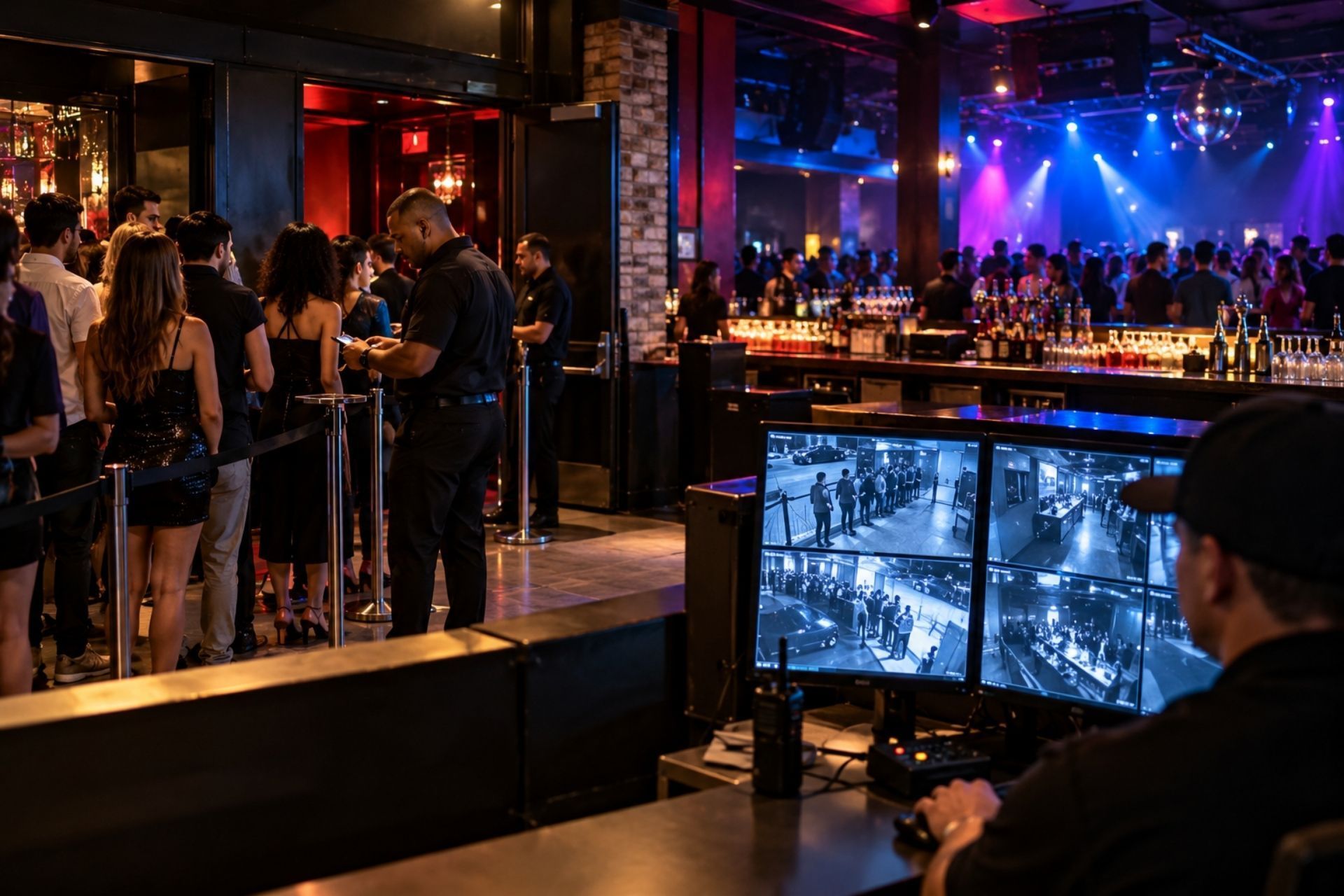
On the flip side, venues that invest in safety infrastructure get rewarded. Security camera systems, trained crowd management staff, ADA-compliant emergency exits, and regular fire suppression inspections can all reduce your rates. GrayStone Insurance Group's brokers, who average 20 years of industry experience, often help venue operators identify these risk reduction strategies before going to market, which can make the difference between an affordable quote and an unworkable one.
Maintaining Compliance with Local Regulations
Nevada's insurance compliance isn't just about state law. County and city regulations add requirements that vary significantly depending on where your venue operates.
A major 2026 regulatory change affects all Nevada venue operators: AB 398 now prohibits defense-within-limits provisions in liability policies. This means your insurer can no longer count legal defense costs against your policy limits. That's actually good news for venues - your full policy limits remain available for settlements and judgments. But it also means carriers are adjusting their pricing, so expect some premium increases as the market absorbs this change.
Clark County vs. Washoe County Differences
Clark County (Las Vegas) requires entertainment venues to obtain a special use permit that includes proof of insurance with the county named as an additional insured. The minimum liability limits are typically $1 million/$2 million, though venues on or near the Strip may face higher requirements from their landlords.
Washoe County (Reno/Sparks) has similar insurance requirements but a different permitting process. Entertainment business licenses through the Washoe County Business License Division require proof of both general liability and liquor liability before approval. Reno's fire code requirements for venues over 300 capacity are also stricter than Clark County's, which can affect your property insurance costs. Nevada event insurance requirements also apply to any special events or festivals your venue hosts outside its normal operations, adding another layer of coverage to consider.
Every policy has boundaries. Knowing them up front is how you avoid an uncovered claim. Common exclusions include:
Every policy has boundaries. Knowing them up front is how you avoid an uncovered claim. Common exclusions include:
Every policy has boundaries. Knowing them up front is how you avoid an uncovered claim. Common exclusions include:
General Liability responds to the core exposures most operations in this category face. A typical policy answers third-party claims and the defense costs that come with them, so a single incident doesn't put the business at risk.
Common Questions About Venue Insurance
Frequently Asked Questions
Do I need separate insurance for each event I host? Not if you carry an annual event cancellation policy. Per-event policies make sense for venues that only host occasional special events, but if you're running shows weekly, an annual policy is more cost-effective.
Can I be held liable if a touring band's equipment gets stolen from my venue? Yes. Your venue's general liability and property policies may not cover a third party's equipment. Most promoter and artist contracts require you to carry bailee's coverage or name the artist's gear on your inland marine policy.
What happens if I let my workers' comp lapse? Nevada treats this seriously. The Division of Industrial Relations can fine you up to $1,000 per day and shut down your operations until coverage is reinstated.
Does my insurance cover outdoor events on my property? It depends on your policy. Many CGL policies limit coverage to the premises described in the policy. If you host outdoor concerts in a parking lot or patio, you need that area specifically listed or endorsed.
How do I lower my premiums without reducing coverage? Invest in documented safety protocols, install security cameras, train staff in responsible alcohol service, and maintain a clean claims history. Bundling policies with a single carrier or working with a specialized broker can also help.
Every policy has boundaries. Knowing them up front is how you avoid an uncovered claim. Common exclusions include:
Every policy has boundaries. Knowing them up front is how you avoid an uncovered claim. Common exclusions include:
Every policy has boundaries. Knowing them up front is how you avoid an uncovered claim. Common exclusions include:
General Liability responds to the core exposures most operations in this category face. A typical policy answers third-party claims and the defense costs that come with them, so a single incident doesn't put the business at risk.
Your Next Steps for Securing Coverage
Getting the right insurance for a Nevada live music venue isn't something you figure out by filling in an online quote form. The risk profile is too specific, the regulatory requirements too layered, and the potential coverage gaps too costly to leave to a generalist agent.
Start by auditing your current exposure: capacity, alcohol revenue percentage, number of employees (including part-timers), equipment values, and the types of performances you host. Bring that information to a broker who understands entertainment risk. GrayStone Insurance Group works specifically with high-risk hospitality and entertainment businesses, using data-driven risk modeling to find carriers willing to write these policies at competitive rates.
Don't wait for a claim to find out your coverage has gaps. Review your policies annually, update equipment valuations, and stay current on Nevada's evolving regulations. The venues that survive long-term are the ones that treat insurance as a core operating expense, not an afterthought.
ABOUT THE AUTHOR:
CHAD KRAMER
I started GrayStone Insurance Group in 2018 with a simple conviction: the businesses everyone else turns away deserve a broker who won't. What began as a one-person operation has grown into a specialty commercial brokerage with offices across the country — but the mission hasn't changed. We find solutions for high-risk and hard-to-place businesses when other agencies run the other way.
I built this agency on integrity, hard work, and the tenacity to do the hard things well. Through our access to Excess & Surplus and specialty markets, my team and I place coverage standard carriers can't — and I treat every client's business like my own.
If you've been declined, non-renewed, or told your business is too complicated to insure, let's talk.
Coverages & policies
Plain-language coverage, expertly placed.
We lead with commercial lines and round out personal coverage where you need it. Every policy comes with an explanation — not jargon.

Contractors
Third-party bodily injury & property damage — the foundation for any operation.

Liquor Liability
Critical for bars, restaurants and venues serving alcohol — including A&B.

Commercial Property
Buildings, contents and equipment — including distressed and vacant risk.

Workers' Compensation
Statutory coverage for your crew — including high-mod and high-hazard classes.

Commercial Umbrella
Extra liability limits over your primary policies — essential for high-exposure risk.
Products Liability
Manufacturers, CBD and consumer-product exposure — including imports.
What clients say
Brokers who actually place it.
FAQ
Answers for the risks others won't cover
Getting declined, non-renewed, or told your business is "too high-risk" is frustrating — but it doesn't mean you're out of options. Here are answers to the questions we hear most from business owners who need coverage the standard market won't provide.
What kind of insurance does GrayStone specialize in?
We're a specialty commercial brokerage built for high-risk and hard-to-place businesses — the risks standard carriers often turn away. Through our access to Excess & Surplus (E&S) and specialty markets, we place coverage that everyday agencies can't. Hospitality and construction are among our deepest areas of expertise.
My business was declined or non-renewed elsewhere. Can you still help?
That's exactly what we do. A decline, a non-renewal, or a tough claims history doesn't mean you're out of options — it means your risk needs a broker with the right market access. Tell us your situation and we'll get to work finding a fit.
What is Excess & Surplus (E&S) insurance?
E&S is specialty coverage for risks that standard "admitted" carriers won't write — often because a business is higher-risk, unusual, or has a complex history. As an independent broker, we tap into these specialty markets to place coverage where a typical agency hits a dead end.
What industries do you work with?
We cover a wide range of commercial industries — from restaurants, bars, and hospitality to contractors, trucking, manufacturing, cannabis, and more. If your industry is considered high-risk or hard-to-place, there's a good chance we've handled it.
Will you work with businesses that have prior claims or losses?
Yes. Prior claims and losses are part of many of the risks we place every day. Every business is evaluated on its own merits — and a rocky history is often exactly why a specialty broker can help where others won't.
Are you an independent broker?
Yes. We're not tied to a single carrier, so we shop your risk across multiple specialty and E&S markets to find coverage that actually fits — instead of forcing you into a one-size-fits-all policy.
Insights & resources
Know your risk before you buy.