
Most contractors don't realize their general liability policy excludes coverage for their own tools, equipment, and materials in transit or stored at job sites. That's where inland marine insurance fills the gap. It covers items like generators, scaffolding, laser levels, and specialty tools whether they're on a truck, at a staging area, or locked in a job-site trailer.
Theft from construction sites remains a persistent problem. A single theft event involving a skid steer or a set of commercial-grade power tools can easily exceed $50,000. Inland marine policies are relatively affordable compared to the replacement cost of losing uninsured equipment mid-project. If you're hauling anything of value between locations, this coverage is non-negotiable.
General Liability responds to the core exposures most operations in this category face. A typical policy answers third-party claims and the defense costs that come with them, so a single incident doesn't put the business at risk.
A bar fight breaks out on a Saturday night. A bouncer restrains a patron too aggressively. A patient in a behavioral health facility injures a staff member. These scenarios happen more often than most business owners expect, and they carry real financial consequences: lawsuits, medical bills, and legal defense costs that can easily reach six figures. If your business operates in an environment where physical altercations are even remotely possible, understanding how assault and battery insurance works, what it covers, what it excludes, and whether you actually need it could be the difference between surviving a claim and shutting your doors.
Premiums for standalone assault and battery coverage have increased by an average of 12% to 18% in the first half of 2026, which tells you something about how frequently these claims are being filed. The market is tightening, and carriers are getting pickier about who they'll insure. That makes it even more important to understand exactly what you're buying.
Understanding Assault and Battery Insurance
Assault and battery insurance is a specialized form of liability coverage designed to protect businesses against claims arising from physical altercations on their premises. This isn't your standard slip-and-fall policy. It specifically addresses situations where one person causes bodily harm to another, whether that person is a customer, an employee, or a third party like a security contractor.
Most business owners assume their general liability policy handles this. It usually doesn't, at least not in the way you'd hope. Assault and battery coverage fills a specific gap that standard commercial policies intentionally leave open.
What Qualifies as an Incident?
A covered incident typically involves any physical confrontation that results in bodily injury on your business premises or at a business-related event. This includes fights between patrons, altercations involving your staff, and situations where a security guard uses excessive force.
The definition stretches beyond just punches thrown. Shoving someone into a wall, restraining a person in a way that causes injury, or even verbal threats that escalate into physical contact can all trigger a claim. Some policies also cover incidents that happen in parking lots or adjacent areas your business controls. The key factor is whether the incident has a connection to your business operations.
Why General Liability Often Excludes These Claims
Here's the uncomfortable truth: most commercial general liability (CGL) policies contain explicit assault and battery exclusions. Insurers added these exclusions because assault-related claims tend to be expensive and unpredictable. A single incident at a nightclub can generate $200,000 or more in legal defense and settlement costs.
CGL policies are built around the concept of "accidental" or "unintentional" harm. A fistfight is, by definition, intentional. Even if your business didn't cause the fight, the underlying act was deliberate, and that's enough for most standard carriers to deny the claim. This is exactly why a separate assault and battery policy or endorsement exists: to cover the gap your CGL policy was never designed to fill.
INDEX
GrayStone Insurance Group is fully licensed and permitted to provide specialty commercial insurance solutions for high-risk and hard-to-place businesses across 17 states.
We proudly serve high-risk and hard-to-place businesses from coast to coast. As an independent specialty brokerage, our team works with leading Excess & Surplus and specialty carriers to make sure restaurants, bars, contractors, trucking companies, manufacturers, and other hard-to-place operations receive coverage that fits their real risks in California, Colorado, Florida, Georgia, Illinois, Iowa, Maryland, Michigan, Missouri, Nevada, New York, North Carolina, South Carolina, Tennessee, Texas, Utah, and Washington.
Every policy has boundaries. Knowing them up front is how you avoid an uncovered claim. Common exclusions include:
Every policy has boundaries. Knowing them up front is how you avoid an uncovered claim. Common exclusions include:
Every policy has boundaries. Knowing them up front is how you avoid an uncovered claim. Common exclusions include:
General Liability responds to the core exposures most operations in this category face. A typical policy answers third-party claims and the defense costs that come with them, so a single incident doesn't put the business at risk.
Here's the uncomfortable truth: most commercial general liability (CGL) policies contain explicit assault and battery exclusions. Insurers added these exclusions because assault-related claims tend to be expensive and unpredictable. A single incident at a nightclub can generate $200,000 or more in legal defense and settlement costs.
CGL policies are built around the concept of "accidental" or "unintentional" harm. A fistfight is, by definition, intentional. Even if your business didn't cause the fight, the underlying act was deliberate, and that's enough for most standard carriers to deny the claim. This is exactly why a separate assault and battery policy or endorsement exists: to cover the gap your CGL policy was never designed to fill.
Why General Liability Often Excludes These Claims
Core Coverage and Common Exclusions
Understanding what's actually covered under an assault and battery policy is critical before you sign anything. These policies aren't all built the same, and the details matter.
Legal Defense and Medical Expenses
The two biggest components of any assault and battery policy are legal defense costs and medical expense coverage. If a patron sues your bar after getting punched by another customer, your policy should cover attorney fees, court costs, and any settlement or judgment up to your policy limits.
Medical expense coverage pays for the injured party's treatment, regardless of who was at fault. This is often the fastest way to resolve smaller claims before they escalate into full lawsuits. Some policies also cover lost wages for the injured person, which can reduce the likelihood of litigation. At GrayStone Insurance Group, brokers with decades of experience in high-risk placements often recommend minimum coverage limits of $500,000 per occurrence for businesses in nightlife or hospitality, though $1 million is increasingly common.
The 'Expected or Intended' Injury Exclusion
This is where policies get tricky. Most assault and battery policies exclude injuries that the insured business "expected or intended." If a bar owner instructs a bouncer to rough up a customer, that's not going to be covered. The policy protects against incidents the business didn't orchestrate or encourage.
The gray area shows up in negligence cases. Did the business know a bouncer had a history of violence and hire them anyway? Did management see a fight brewing and do nothing? These situations blur the line between negligent and intentional, and they're exactly where coverage disputes happen most often.
Negligent Hiring and Supervision Claims
One of the most valuable parts of a good assault and battery policy is coverage for negligent hiring and supervision claims. A plaintiff's attorney will almost always argue that the business failed to properly screen, train, or supervise the employee involved in an incident.
These claims can stick even when the business owner had no direct involvement in the altercation. If you hired a bouncer without running a background check, or if you failed to train staff on de-escalation techniques, you could be held liable. Strong policies cover defense costs and damages related to these allegations, which often represent the most expensive part of a claim.
Comparing General Liability and Assault and Battery Riders
The distinction between standard general liability and a specialized assault and battery endorsement is something every high-risk business owner needs to understand clearly.
Comparison Chart: Standard GL vs. Specialized Coverage
| Feature | Standard General Liability | Assault & Battery Coverage |
|---|---|---|
| Slip-and-fall injuries | Covered | Not typically covered |
| Patron-on-patron fights | Usually excluded | Covered |
| Bouncer/employee use of force | Usually excluded | Covered |
| Legal defense costs | Only for covered claims | Included for A&B claims |
| Negligent hiring claims | Rarely covered | Often included |
| Property damage from altercation | May be covered | Sometimes included |
| Typical annual premium | $500-$3,000 | $2,000-$15,000+ |
| Available as standalone | Yes | Yes, or as rider/endorsement |
The cost difference is significant, but so is the risk. A single uninsured assault claim can cost more than a decade of premiums. Businesses that GrayStone works with, particularly in nightlife and hospitality, often find that bundling assault and battery coverage with their GL policy through a specialized carrier offers better pricing than purchasing standalone coverage.
Every policy has boundaries. Knowing them up front is how you avoid an uncovered claim. Common exclusions include:
Every policy has boundaries. Knowing them up front is how you avoid an uncovered claim. Common exclusions include:
Every policy has boundaries. Knowing them up front is how you avoid an uncovered claim. Common exclusions include:
General Liability responds to the core exposures most operations in this category face. A typical policy answers third-party claims and the defense costs that come with them, so a single incident doesn't put the business at risk.
High-Risk Industries That Need Protection
Not every business needs assault and battery coverage. But if you operate in any of these sectors, skipping it is a gamble you probably can't afford.
Hospitality: Bars, Nightclubs, and Restaurants
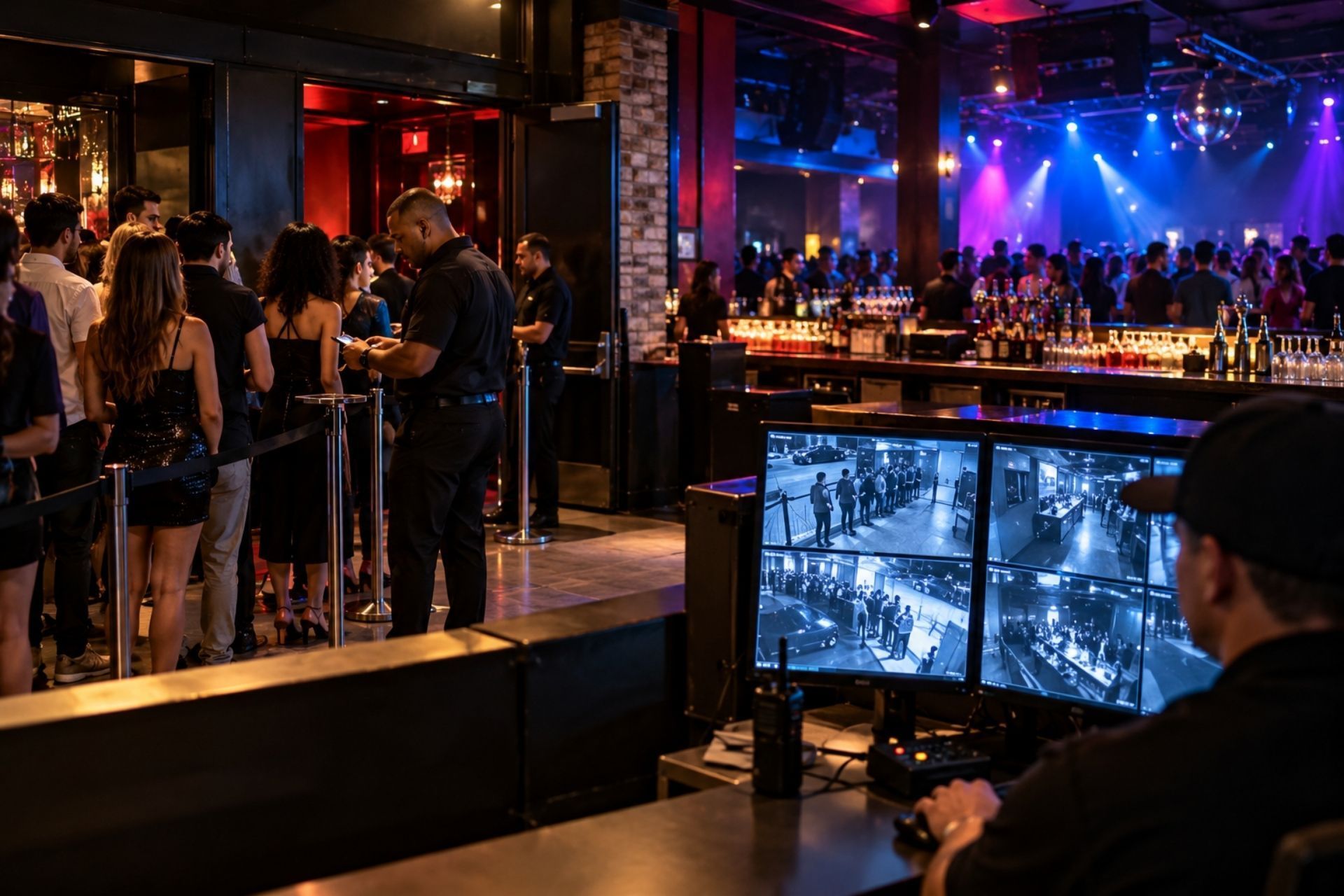
This is the obvious one. Any establishment that serves alcohol faces elevated risk for physical altercations. Nightclubs and late-night bars sit at the top of the risk spectrum, but even casual dining restaurants see incidents, especially those with bar areas or outdoor patios where crowds gather.
Liquor liability and assault and battery coverage are often purchased together for these businesses. The combination provides broader protection because alcohol-related incidents frequently involve both over-service claims and physical confrontation claims simultaneously.
Security Firms and Bouncer Services
Security companies face a unique double exposure. Their employees are the ones most likely to be involved in physical confrontations, and they're often the ones accused of using excessive force. A security firm without assault and battery coverage is essentially operating without a net.
Contract security providers should pay close attention to policy language around "use of force" definitions. Some policies limit coverage to "reasonable force," which creates room for the insurer to deny claims if a court later determines the force used was excessive. Look for policies that cover the defense costs regardless of the outcome.
Healthcare Facilities and Social Services
Behavioral health centers, psychiatric facilities, group homes, and emergency rooms all deal with patients or clients who may become physically aggressive. Staff injuries and patient-on-patient incidents are common in these settings.
The challenge here is that many healthcare liability policies treat assault-related injuries differently than standard patient care claims. A dedicated assault and battery endorsement fills this gap and protects the facility against lawsuits from both staff and patients. Social service agencies working with at-risk populations face similar exposure.
Common Questions About Assault and Battery Coverage
Does this cover my employees if they get hurt?
Not directly. Assault and battery insurance is a liability policy: it protects your business against claims made by others. If an employee is injured during an altercation, their medical costs would typically fall under your workers' compensation policy. The assault and battery policy kicks in if that employee (or their family) sues the business for negligence.
What is the difference between assault and battery in a policy?
Assault generally refers to the threat of physical harm, while battery involves actual physical contact. Most policies bundle both under a single coverage form and don't distinguish between them for claims purposes. The legal definitions vary by state, but your policy should cover both.
Can I add this to my existing policy as a rider?
Often, yes. Many carriers offer assault and battery as an endorsement to an existing general liability policy. This is usually cheaper than buying a standalone policy. That said, standalone policies sometimes offer higher limits and broader coverage terms. GrayStone's brokers can help determine which structure makes more sense based on your specific risk profile and claims history.
Will this cover incidents involving weapons?
This depends heavily on the policy. Some policies exclude incidents involving firearms or deadly weapons entirely. Others cover them but may impose sub-limits. If your business operates in an environment where weapons could be a factor, read the exclusions carefully and ask your broker to walk you through the specific language.
Does it cover me if a customer attacks another customer?
Yes, in most cases. If a patron is injured by another patron on your premises, the injured party can sue your business for failing to maintain a safe environment. Your assault and battery policy would cover your defense costs and any resulting damages up to your policy limits.
Every policy has boundaries. Knowing them up front is how you avoid an uncovered claim. Common exclusions include:
Every policy has boundaries. Knowing them up front is how you avoid an uncovered claim. Common exclusions include:
Every policy has boundaries. Knowing them up front is how you avoid an uncovered claim. Common exclusions include:
General Liability responds to the core exposures most operations in this category face. A typical policy answers third-party claims and the defense costs that come with them, so a single incident doesn't put the business at risk.
Security companies face a unique double exposure. Their employees are the ones most likely to be involved in physical confrontations, and they're often the ones accused of using excessive force. A security firm without assault and battery coverage is essentially operating without a net.
Contract security providers should pay close attention to policy language around "use of force" definitions. Some policies limit coverage to "reasonable force," which creates room for the insurer to deny claims if a court later determines the force used was excessive. Look for policies that cover the defense costs regardless of the outcome.
Security Firms and Bouncer Services
Behavioral health centers, psychiatric facilities, group homes, and emergency rooms all deal with patients or clients who may become physically aggressive. Staff injuries and patient-on-patient incidents are common in these settings.
The challenge here is that many healthcare liability policies treat assault-related injuries differently than standard patient care claims. A dedicated assault and battery endorsement fills this gap and protects the facility against lawsuits from both staff and patients. Social service agencies working with at-risk populations face similar exposure.
Healthcare Facilities and Social Services
Making the Right Choice for Your Risk Profile
The decision to purchase assault and battery coverage comes down to a simple question: could a physical altercation realistically happen at your business? If the answer is anything other than a firm "no," you need this coverage.
Start by evaluating your exposure honestly. Do you serve alcohol? Do you employ security staff? Do your employees interact with agitated or unpredictable individuals? Any "yes" answer puts you in the category of businesses that should carry this protection.
Don't wait for a claim to find out your general liability policy has an assault and battery exclusion buried on page 47. Review your current policy language now, identify the gaps, and talk to a broker who specializes in high-risk placements. The cost of coverage is predictable. The cost of an uninsured claim is not, and it's almost always worse than you'd expect.
ABOUT THE AUTHOR:
CHAD KRAMER
I started GrayStone Insurance Group in 2018 with a simple conviction: the businesses everyone else turns away deserve a broker who won't. What began as a one-person operation has grown into a specialty commercial brokerage with offices across the country — but the mission hasn't changed. We find solutions for high-risk and hard-to-place businesses when other agencies run the other way.
I built this agency on integrity, hard work, and the tenacity to do the hard things well. Through our access to Excess & Surplus and specialty markets, my team and I place coverage standard carriers can't — and I treat every client's business like my own.
If you've been declined, non-renewed, or told your business is too complicated to insure, let's talk.
Coverages & policies
Plain-language coverage, expertly placed.
We lead with commercial lines and round out personal coverage where you need it. Every policy comes with an explanation — not jargon.

Contractors
Third-party bodily injury & property damage — the foundation for any operation.

Liquor Liability
Critical for bars, restaurants and venues serving alcohol — including A&B.

Commercial Property
Buildings, contents and equipment — including distressed and vacant risk.

Workers' Compensation
Statutory coverage for your crew — including high-mod and high-hazard classes.

Commercial Umbrella
Extra liability limits over your primary policies — essential for high-exposure risk.
Products Liability
Manufacturers, CBD and consumer-product exposure — including imports.
What clients say
Brokers who actually place it.
FAQ
Answers for the risks others won't cover
Getting declined, non-renewed, or told your business is "too high-risk" is frustrating — but it doesn't mean you're out of options. Here are answers to the questions we hear most from business owners who need coverage the standard market won't provide.
What kind of insurance does GrayStone specialize in?
We're a specialty commercial brokerage built for high-risk and hard-to-place businesses — the risks standard carriers often turn away. Through our access to Excess & Surplus (E&S) and specialty markets, we place coverage that everyday agencies can't. Hospitality and construction are among our deepest areas of expertise.
My business was declined or non-renewed elsewhere. Can you still help?
That's exactly what we do. A decline, a non-renewal, or a tough claims history doesn't mean you're out of options — it means your risk needs a broker with the right market access. Tell us your situation and we'll get to work finding a fit.
What is Excess & Surplus (E&S) insurance?
E&S is specialty coverage for risks that standard "admitted" carriers won't write — often because a business is higher-risk, unusual, or has a complex history. As an independent broker, we tap into these specialty markets to place coverage where a typical agency hits a dead end.
What industries do you work with?
We cover a wide range of commercial industries — from restaurants, bars, and hospitality to contractors, trucking, manufacturing, cannabis, and more. If your industry is considered high-risk or hard-to-place, there's a good chance we've handled it.
Will you work with businesses that have prior claims or losses?
Yes. Prior claims and losses are part of many of the risks we place every day. Every business is evaluated on its own merits — and a rocky history is often exactly why a specialty broker can help where others won't.
Are you an independent broker?
Yes. We're not tied to a single carrier, so we shop your risk across multiple specialty and E&S markets to find coverage that actually fits — instead of forcing you into a one-size-fits-all policy.
Insights & resources
Know your risk before you buy.