
General Liability responds to the core exposures most operations in this category face. A typical policy answers third-party claims and the defense costs that come with them, so a single incident doesn't put the business at risk.
Georgia requires workers' compensation for any business with three or more employees. That threshold is lower than many states, and it catches a lot of small venue operators off guard. Your door staff, bartenders, sound engineers, and even regular part-time stagehands count toward that number.
The penalties for non-compliance are steep: fines up to $10,000 and potential criminal misdemeanor charges. Georgia's State Board of Workers' Compensation actively investigates complaints, and injured employees who discover you lack coverage can sue you directly - without the protections that workers' comp provides to employers. Don't gamble on this one.
Workers' Compensation Laws in Georgia
A chemical plant doesn't have to blow up to cost you millions. A single vapor release, a mislabeled drum shipped to the wrong customer, or a slow groundwater contamination discovered years after the fact: any of these can trigger claims that stretch into seven or eight figures. And here's what makes insurance for chemical manufacturers so frustrating: the standard commercial market doesn't want to touch most of these risks. Carriers that happily write policies for office buildings and retail shops will decline a specialty chemical blender without a second thought.
That reality leaves operators scrambling for coverage, often paying steep premiums or accepting policies riddled with exclusions they don't fully understand. The gap between what a chemical facility actually needs and what a standard policy delivers is where real financial exposure lives. Whether you're producing industrial solvents, blending agricultural inputs, or running a small-batch specialty operation, understanding the insurance landscape specific to your sector isn't optional: it's survival-critical. This guide breaks down the essential coverages, the most common claims, and what hard-to-place chemical operators should know before their next renewal.
Essential Insurance Coverages for Chemical Manufacturers
Chemical manufacturing insurance isn't a single policy: it's a layered program built from multiple coverage lines. Each layer addresses a different category of risk, and gaps between those layers are where companies get burned. The right program accounts for your specific chemical processes, storage volumes, transportation exposure, and downstream liability.
Most facilities need at minimum six to eight distinct coverage types working in concert. Getting the structure right requires brokers who understand chemical operations at a granular level, not generalists reading from a checklist.
General Liability and Pollution Legal Liability
General liability (GL) covers third-party bodily injury and property damage arising from your operations. For a chemical manufacturer, that might mean a delivery driver slipping on a wet loading dock or fumes drifting to a neighboring property. Standard GL policies typically carry $1M per occurrence and $2M aggregate limits, but here's the catch: most standard GL policies contain absolute pollution exclusions.
That exclusion is enormous for chemical operators. If a tank leak contaminates a neighbor's soil, your GL policy likely won't pay a dime. You need a standalone Pollution Legal Liability (PLL) policy to cover gradual and sudden pollution events, cleanup costs, and third-party claims from contamination. PLL premiums for mid-size chemical facilities commonly run between $15,000 and $75,000 annually, depending on chemicals handled, proximity to waterways, and your compliance history.
Product Liability and Recall Coverage
Once your product leaves the facility, product liability takes over. If a batch of industrial cleaner causes chemical burns to an end user, or a contaminated agricultural chemical damages a crop, the claims land on your desk. Product liability for chemical manufacturers is priced aggressively because the potential severity is high: a single contaminated batch can affect thousands of downstream users.
Recall coverage deserves separate attention. Standard product liability won't cover the cost of pulling product from distribution channels, notifying customers, or disposing of defective goods. A voluntary or mandatory recall for a chemical product can easily exceed $500,000 in logistics costs alone, before any injury claims materialize. This coverage is frequently overlooked until it's needed.
Equipment Breakdown and Business Interruption
Reactors, distillation columns, heat exchangers, and control systems represent millions in capital equipment. Equipment breakdown coverage pays for repair or replacement when mechanical or electrical failure occurs: think a pump seal failure that damages a reactor vessel, or an electrical surge that fries your SCADA system. Fire and explosion remain top concerns for chemical and manufacturing facilities, making this coverage non-negotiable.
Business interruption (BI) coverage is the companion piece. When equipment failure or a covered event shuts down production, BI pays for lost income and continuing expenses during the downtime. For chemical manufacturers running continuous processes, even a two-week shutdown can mean $200,000 to $1M in lost revenue. Make sure your BI policy includes "contingent" business interruption, which covers losses when a key supplier or customer experiences their own disruption.
INDEX
Essential Insurance Coverages for Chemical Manufacturers
Common Claims and Risk Factors in the Chemical Industry
Comparison of Standard vs. Specialized Chemical Coverage
Challenges for Hard-to-Place Chemical Operators
Strategies to Improve Your Risk Profile
GrayStone Insurance Group is fully licensed and permitted to provide specialty commercial insurance solutions for high-risk and hard-to-place businesses across 17 states.
We proudly serve high-risk and hard-to-place businesses from coast to coast. As an independent specialty brokerage, our team works with leading Excess & Surplus and specialty carriers to make sure restaurants, bars, contractors, trucking companies, manufacturers, and other hard-to-place operations receive coverage that fits their real risks in California, Colorado, Florida, Georgia, Illinois, Iowa, Maryland, Michigan, Missouri, Nevada, New York, North Carolina, South Carolina, Tennessee, Texas, Utah, and Washington.
Every policy has boundaries. Knowing them up front is how you avoid an uncovered claim. Common exclusions include:
Every policy has boundaries. Knowing them up front is how you avoid an uncovered claim. Common exclusions include:
Every policy has boundaries. Knowing them up front is how you avoid an uncovered claim. Common exclusions include:
General Liability responds to the core exposures most operations in this category face. A typical policy answers third-party claims and the defense costs that come with them, so a single incident doesn't put the business at risk.
If your firm provides any design, engineering, or consulting services alongside construction, you need both. A GL policy won't cover a claim alleging your design specifications caused a building envelope failure. That's a professional liability exposure, and it's one of the fastest-growing claim categories in construction.
TEvery Austin retailer selling consumable hemp products must hold a valid license from the Texas DSHS. The annual registration fee is $258 per location, and most insurers require proof of active registration before they'll bind a policy. If you're operating multiple storefronts, each one needs its own registration.
The DSHS also requires that all consumable hemp products be manufactured in a facility that holds a DSHS license. This means if you're white-labeling products from an out-of-state manufacturer, you need to verify their compliance status too. Insurers will ask about your supply chain, and gaps here create gaps in your coverage.
CBobtail and Non-Trucking Liability Insurance
Bobtail insurance covers your truck when you're driving without a trailer attached, typically between loads or heading to a pickup. Non-trucking liability is similar but applies when you're using the truck for personal purposes outside of dispatch. These coverages fill gaps that your primary liability policy doesn't cover. Owner-operators leased to a carrier especially need to pay attention here, because the carrier's policy usually only covers you while you're under dispatch.
| Coverage Element | Basic Tier | Comprehensive Tier |
|---|---|---|
| General Liability | $1M per occurrence | $2M per occurrence |
| Product Liability | Often excluded or limited | Included with $1M-$2M limits |
| Crop/Inventory | Not included | Included with agreed-value endorsement |
| Product Recall | Not included | Included |
| Business Interruption | Limited | Full coverage with 12-month indemnity |
| Workers' Compensation | Add-on | Bundled |
| Approximate Annual Cost | $2,500-$5,000 | $8,000-$20,000+ |
Common Claims and Risk Factors in the Chemical Industry
Claims in the chemical sector tend to be less frequent but far more severe than in most manufacturing segments. A single environmental event can generate cleanup costs that dwarf the annual premium. Understanding where claims actually originate helps you allocate your risk management budget more effectively.
Environmental Contamination and Cleanup Costs
Environmental claims are the 800-pound gorilla. Soil and groundwater contamination from historical operations, spills, or improper waste disposal can trigger cleanup obligations that stretch over decades. EPA Superfund sites average $12M to $30M in total remediation costs, and even smaller state-level cleanups routinely hit $1M to $5M.
PFAS contamination has become a massive litigation driver, with manufacturers of fluorinated compounds facing class-action lawsuits and regulatory orders simultaneously. Even if you don't produce PFAS directly, using them in your processes can create liability. The regulatory environment around these "forever chemicals" continues to shift, and recent EPA deregulation efforts haven't eliminated the underlying exposure: they've just made the compliance picture murkier.
Chemical Exposure and Workplace Injuries
Workers' compensation claims from chemical exposure represent a persistent and expensive risk. Acute exposures like chemical burns or inhalation injuries are straightforward, but latent exposure claims: think respiratory disease developing over years of low-level solvent exposure: are harder to predict and defend. The frequency of U.S. chemical accidents underscores just how common these incidents remain, even at well-managed facilities.
Workers' comp premiums for chemical manufacturers reflect this reality. Experience modification rates (EMR) above 1.0 can push annual premiums well past $100,000 for mid-size operations. Every recordable injury drives that modifier higher, creating a compounding cost problem that takes three years to unwind.
| Coverage Type | Basic Package | Comprehensive Package |
|---|---|---|
| General Liability | $1M per occurrence | $2M+ per occurrence |
| Property Coverage | Building contents only | Contents + equipment floaters |
| Liquor Liability | $500K limit | $1M-$2M limit |
| Workers' Comp | State minimum | State minimum + employer's liability |
| Event Cancellation | Not included | Per-event or annual policy |
| Cyber Liability | Not included | Covers ticketing data breaches |
| Umbrella/Excess | Not included | $1M-$5M excess layer |
| Hired/Non-Owned Auto | $8,000-$15,000 | $25,000-$60,000+ |
| Feature | General Liability | Professional Liability |
|---|---|---|
| Covers | Bodily injury, property damage, advertising injury | Errors, omissions, negligent advice |
| Typical Limit | $1M per occurrence / $2M aggregate | $500K to $2M per claim |
| Claims Trigger | Physical harm or damage occurs | Financial loss from professional error |
| Required By | Most GCs, project owners, municipalities | Design-build contracts, engineering projects |
| Average Annual Cost (Solo) | $430 - $780 | $800 - $2,500 |
| Deductible Range | $500 - $2,500 | $2,500 - $10,000 |
| Coverage Feature | Basic Policy | Comprehensive Policy |
|---|---|---|
| General Liability | $1M per occurrence | $2M per occurrence |
| Product Liability | Often excluded or minimal | $1M-$2M with hemp-specific terms |
| Property/Inventory | Building only | Building + stock + equipment |
| Business Interruption | Not included | 6-12 months lost income |
| Product Recall | Not included | Included with sub-limits |
| Third-Party Lab Errors | Not covered | Errors & omissions extension |
| Typical Annual Premium | $2,000-$4,500 | $5,000-$12,000+ |
The price difference between basic and comprehensive coverage looks significant until you consider that a single product liability lawsuit can cost six figures. GrayStone Insurance Group uses data-driven risk modeling to match Austin operators with carriers that actually understand hemp, which often results in better coverage at more competitive pricing than what you'd find shopping blind.
Comparison: Basic vs. Comprehensive CBD Coverage
| Coverage Type | What It Covers | Common NYC Claims | Typical Cost Factors |
|---|---|---|---|
| General Liability | Third-party injury, property damage, advertising injury | Slip-and-fall in retail stores, signage disputes with neighboring businesses | Location foot traffic, square footage, annual revenue |
| Product Liability | Claims from products sold or distributed | Allergic reactions, mislabeled CBD concentrations, contamination | Product type, sales volume, testing/QA protocols |
| Property Insurance | Physical assets: inventory, equipment, fixtures | Water damage, fire, theft of inventory | Building age, neighborhood crime rates, inventory value |
Comparison of Standard vs. Specialized Chemical Coverage
The difference between a standard commercial package and a program designed for chemical operations is stark. Here's how they compare:
| Coverage Feature | Standard Commercial Policy | Specialized Chemical Program |
|---|---|---|
| Pollution Coverage | Excluded or minimal | Dedicated PLL with gradual + sudden coverage |
| Product Recall | Not included | Available as endorsement or standalone |
| Transit of Hazardous Materials | Excluded or sublimited | Full MCS-90 and hazmat transit coverage |
| Business Interruption | Basic: 30-60 day waiting period | Extended: includes contingent BI, shorter waiting periods |
| Equipment Breakdown | Generic sublimits | Tailored to process equipment values |
| Regulatory Defense Costs | Rarely covered | Included in pollution and environmental policies |
| Typical Annual Premium (Mid-Size) | $30,000 - $60,000 | $80,000 - $250,000+ |
The premium difference is significant, but so is the coverage gap. A standard policy might save $50,000 annually while leaving you exposed to a $5M contamination claim. That's not savings: that's a bet.
Banking and Payment Processing Hurdles
Every policy has boundaries. Knowing them up front is how you avoid an uncovered claim. Common exclusions include:
Every policy has boundaries. Knowing them up front is how you avoid an uncovered claim. Common exclusions include:
Every policy has boundaries. Knowing them up front is how you avoid an uncovered claim. Common exclusions include:
General Liability responds to the core exposures most operations in this category face. A typical policy answers third-party claims and the defense costs that come with them, so a single incident doesn't put the business at risk.
Hired and Non-Owned Auto Insurance for Delivery Services
The explosion of delivery services has created an insurance blind spot for many restaurants. If your employee uses their personal vehicle to make a delivery and causes an accident, your business can be named in the lawsuit. Their personal auto policy likely excludes commercial use, and your commercial policy doesn't automatically cover vehicles you don't own.
Hired and non-owned auto coverage fills this gap. It's relatively inexpensive, usually $200 to $500 annually, and it protects you when employees use personal vehicles for business purposes or when you rent a vehicle for catering deliveries.
Even if you rely entirely on third-party delivery platforms, you're not completely insulated from liability. The contractual agreements with these platforms have limitations, and a determined plaintiff's attorney will name every possible defendant. Having your own coverage is the safest approach.
Challenges for Hard-to-Place Chemical Operators
Not all chemical manufacturers face the same underwriting scrutiny. Commodity chemical producers with long track records and strong safety programs can often find coverage in the standard admitted market. But a significant portion of the industry falls into the "hard-to-place" category, where standard carriers simply won't write the risk.
Why Certain Chemicals Trigger High Premiums
Underwriters evaluate chemical operations based on the specific substances handled, and some chemicals are automatic red flags. Anything involving reactive chemistry (peroxides, oxidizers, unstable intermediates), flammable liquids with low flash points, or toxic inhalation hazards will narrow your carrier options dramatically.
Manufacturers working with energetic materials, certain pesticide formulations, or processes involving exothermic reactions face the tightest market conditions. While
global commercial insurance rates fell by 5% in Q1 2026, high-hazard chemical operations remain an outlier with renewal increases still reaching 10% to 20% in many cases. Your specific chemical inventory matters more than your industry classification code.
The Role of Excess and Surplus (E&S) Markets
When admitted carriers decline your risk, the excess and surplus lines market becomes your primary option. E&S carriers operate with more flexibility in pricing and policy terms because they aren't bound by state rate filings. This flexibility cuts both ways: you can get coverage that admitted carriers won't write, but you'll pay more and the policy language requires careful review.
GrayStone Insurance Group places a significant volume of chemical manufacturing accounts through E&S markets, and the difference between a good E&S placement and a bad one often comes down to how the submission is prepared. Brokers with 20+ years of experience in hard-to-place risks know which E&S carriers have appetite for specific chemical classes and how to present your operation in the most favorable light. A poorly prepared submission gets declined; a well-crafted one gets competitive quotes.
A small club (under 300 capacity) in Georgia typically pays between $8,000 and $15,000 annually for a package including general liability, liquor liability, and property coverage. Workers' comp adds another $2,000-$6,000 depending on payroll size. Per-event coverage for one-off shows runs $188-$280 per day.
How much does insurance usually cost for a small club?
Most startups can expect to pay between $2,500 and $6,000 annually for a basic general liability policy. Adding product liability typically pushes the total to $5,000 to $10,000, depending on your product type and projected revenue.
FAQ: How much does a basic policy cost for a startup?
FAQ: Can I get coverage if my hemp tests over 0.3% THC?
A hot test creates serious problems. The crop must be destroyed under federal and state law, and your insurer may not cover the loss unless you have a specific endorsement for THC compliance failure. Some specialty carriers offer this coverage, but it's not standard.
FAQ: Will my homeowners insurance cover my small hemp farm?
Almost certainly not. Homeowners policies exclude commercial agricultural operations, and hemp's association with cannabis makes this even less likely. You need a standalone commercial policy, even for a small grow operation.
How Trade Specialty Affects Your Premium
Your NCCI classification code is the single biggest factor in workers' comp pricing. Roofing contractors (code 5551) pay rates several times higher than interior finish carpenters. Electricians fall somewhere in the middle. The rate differences between trade classifications can be dramatic: a roofer might pay $15 to $25 per $100 of payroll, while a plumber pays $4 to $8.
General liability premiums follow a similar pattern. Excavation and demolition contractors pay significantly more than painters or flooring installers because the potential for property damage and bodily injury is higher.
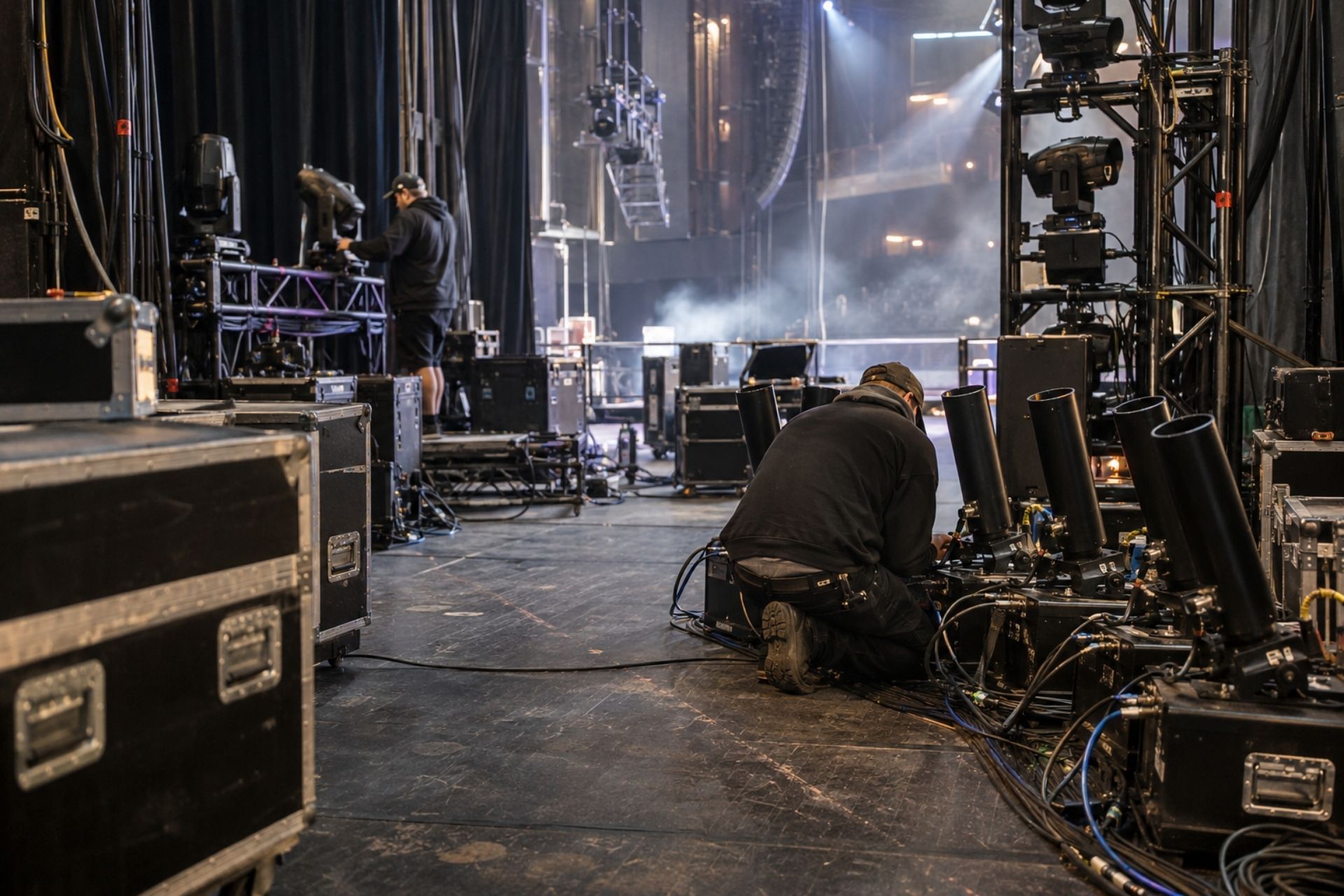
Austin is the Live Music Capital of the World, and if your venue hosts performers, you need entertainment liability coverage. This covers injuries to performers, damage to their equipment, and incidents related to stage setups, sound equipment, and crowd behavior during shows. A standard general liability policy won't cover a speaker stack falling on a patron or a musician tripping over unsecured cables. If you host ticketed events, you may also need event-specific permits and insurance depending on capacity and format.
Live Music and Entertainment Endorsements
Yes, most insurers require proof of your NY State OCM registration or license before issuing a policy. This ensures your business is operating legally under current state hemp regulations. Without this documentation, you'll be hard-pressed to find any carrier willing to quote you.
FAQ: Do I need a special license to get insurance in New York?
Strategies to Improve Your Risk Profile
Lowering your premiums starts with lowering your actual risk, not shopping for the cheapest quote. Carriers reward facilities that demonstrate proactive risk management with measurable results.
- Invest in Process Safety Management (PSM) programs that go beyond OSHA minimums. Document your management of change procedures, pre-startup safety reviews, and mechanical integrity programs.
- Install secondary containment for all chemical storage areas and maintain documented inspection schedules. Underwriters want to see photos and maintenance logs, not just policy statements.
- Reduce your EMR by implementing near-miss reporting programs. Facilities that track and address near-misses see 40% to 60% fewer recordable injuries over three-year periods.
- Conduct annual environmental site assessments, even when not required. A clean Phase II report gives underwriters confidence and can reduce PLL premiums by 15% to 25%.
- Work with a broker that uses data-driven risk modeling to match your specific exposure profile with the right carriers. GrayStone's AI-powered underwriting approach, for example, identifies pricing inefficiencies that traditional quoting methods miss, often finding coverage where other agencies have hit dead ends.
The manufacturing risks that catch operators off guard-29868) are usually the ones nobody planned for. Building a culture of continuous risk assessment is the single best premium reduction strategy available.
Every policy has boundaries. Knowing them up front is how you avoid an uncovered claim. Common exclusions include:
Every policy has boundaries. Knowing them up front is how you avoid an uncovered claim. Common exclusions include:
Every policy has boundaries. Knowing them up front is how you avoid an uncovered claim. Common exclusions include:
General Liability responds to the core exposures most operations in this category face. A typical policy answers third-party claims and the defense costs that come with them, so a single incident doesn't put the business at risk.
Common Questions About Chemical Manufacturing Insurance
How much does insurance for a chemical manufacturing facility typically cost? Annual premiums for a comprehensive program range from $80,000 to $250,000+ for mid-size operations. Facilities handling highly hazardous materials or those with poor loss histories can see premiums exceed $500,000.
Does my general liability policy cover chemical spills? Almost certainly not. Standard GL policies contain absolute pollution exclusions. You need a separate Pollution Legal Liability policy to cover spill-related claims and cleanup costs.
What happens if my current carrier non-renews my policy? Non-renewals are common in the chemical space, especially after claims. An experienced broker can access E&S markets and specialty carriers that specifically underwrite risks standard carriers won't touch. The key is starting the process 90 to 120 days before expiration.
Are PFAS-related claims covered under existing policies? Coverage varies widely. Some older policies may provide defense coverage, but many newer policies contain specific PFAS exclusions. Review your policy language carefully and consider dedicated environmental liability coverage.
Do I need separate coverage for transporting chemicals? Yes. Motor truck cargo coverage and MCS-90 endorsements are required for hazmat transport. Your facility's general liability and property policies typically exclude transit exposures entirely.
Can improving my safety record actually lower premiums? Absolutely. A three-year trend of declining injury rates and no environmental incidents can reduce premiums by 20% to 35% at renewal. Carriers weight your loss history heavily in their pricing models.
A small club (under 300 capacity) in Georgia typically pays between $8,000 and $15,000 annually for a package including general liability, liquor liability, and property coverage. Workers' comp adds another $2,000-$6,000 depending on payroll size. Per-event coverage for one-off shows runs $188-$280 per day.
How much does insurance usually cost for a small club?
Most startups can expect to pay between $2,500 and $6,000 annually for a basic general liability policy. Adding product liability typically pushes the total to $5,000 to $10,000, depending on your product type and projected revenue.
FAQ: How much does a basic policy cost for a startup?
FAQ: Can I get coverage if my hemp tests over 0.3% THC?
A hot test creates serious problems. The crop must be destroyed under federal and state law, and your insurer may not cover the loss unless you have a specific endorsement for THC compliance failure. Some specialty carriers offer this coverage, but it's not standard.
FAQ: Will my homeowners insurance cover my small hemp farm?
Almost certainly not. Homeowners policies exclude commercial agricultural operations, and hemp's association with cannabis makes this even less likely. You need a standalone commercial policy, even for a small grow operation.
How Trade Specialty Affects Your Premium
Your NCCI classification code is the single biggest factor in workers' comp pricing. Roofing contractors (code 5551) pay rates several times higher than interior finish carpenters. Electricians fall somewhere in the middle. The rate differences between trade classifications can be dramatic: a roofer might pay $15 to $25 per $100 of payroll, while a plumber pays $4 to $8.
General liability premiums follow a similar pattern. Excavation and demolition contractors pay significantly more than painters or flooring installers because the potential for property damage and bodily injury is higher.
Austin is the Live Music Capital of the World, and if your venue hosts performers, you need entertainment liability coverage. This covers injuries to performers, damage to their equipment, and incidents related to stage setups, sound equipment, and crowd behavior during shows. A standard general liability policy won't cover a speaker stack falling on a patron or a musician tripping over unsecured cables. If you host ticketed events, you may also need event-specific permits and insurance depending on capacity and format.
Live Music and Entertainment Endorsements
Yes, most insurers require proof of your NY State OCM registration or license before issuing a policy. This ensures your business is operating legally under current state hemp regulations. Without this documentation, you'll be hard-pressed to find any carrier willing to quote you.
FAQ: Do I need a special license to get insurance in New York?
The Bottom Line for Your Facility
Chemical manufacturing insurance is complex because the risks are complex. A vapor release, a contaminated product batch, or a slow groundwater plume can each generate claims that threaten the viability of your business. The standard commercial insurance market isn't built for these exposures, and trying to force-fit a generic policy onto a chemical operation leaves dangerous gaps.
The operators who fare best are the ones who treat insurance as part of their overall risk management strategy, not an afterthought they deal with once a year at renewal. That means investing in safety programs that produce measurable results, working with brokers who genuinely understand chemical processes, and building relationships with carriers who have real appetite for your specific risk class.
If you're struggling with non-renewals, facing steep premium increases, or simply unsure whether your current program actually covers what you think it covers, reach out to GrayStone Insurance Group. With a 94% client retention rate and deep expertise in hard-to-place risks, they can evaluate your current program and identify both coverage gaps and potential savings. Don't wait for a claim to find out your policy falls short.
ABOUT THE AUTHOR:
CHAD KRAMER
I started GrayStone Insurance Group in 2018 with a simple conviction: the businesses everyone else turns away deserve a broker who won't. What began as a one-person operation has grown into a specialty commercial brokerage with offices across the country — but the mission hasn't changed. We find solutions for high-risk and hard-to-place businesses when other agencies run the other way.
I built this agency on integrity, hard work, and the tenacity to do the hard things well. Through our access to Excess & Surplus and specialty markets, my team and I place coverage standard carriers can't — and I treat every client's business like my own.
If you've been declined, non-renewed, or told your business is too complicated to insure, let's talk.
Coverages & policies
Plain-language coverage, expertly placed.
We lead with commercial lines and round out personal coverage where you need it. Every policy comes with an explanation — not jargon.

Contractors
Third-party bodily injury & property damage — the foundation for any operation.

Liquor Liability
Critical for bars, restaurants and venues serving alcohol — including A&B.

Commercial Property
Buildings, contents and equipment — including distressed and vacant risk.

Workers' Compensation
Statutory coverage for your crew — including high-mod and high-hazard classes.

Commercial Umbrella
Extra liability limits over your primary policies — essential for high-exposure risk.
Products Liability
Manufacturers, CBD and consumer-product exposure — including imports.
What clients say
Brokers who actually place it.
FAQ
Answers for the risks others won't cover
Getting declined, non-renewed, or told your business is "too high-risk" is frustrating — but it doesn't mean you're out of options. Here are answers to the questions we hear most from business owners who need coverage the standard market won't provide.
What kind of insurance does GrayStone specialize in?
We're a specialty commercial brokerage built for high-risk and hard-to-place businesses — the risks standard carriers often turn away. Through our access to Excess & Surplus (E&S) and specialty markets, we place coverage that everyday agencies can't. Hospitality and construction are among our deepest areas of expertise.
My business was declined or non-renewed elsewhere. Can you still help?
That's exactly what we do. A decline, a non-renewal, or a tough claims history doesn't mean you're out of options — it means your risk needs a broker with the right market access. Tell us your situation and we'll get to work finding a fit.
What is Excess & Surplus (E&S) insurance?
E&S is specialty coverage for risks that standard "admitted" carriers won't write — often because a business is higher-risk, unusual, or has a complex history. As an independent broker, we tap into these specialty markets to place coverage where a typical agency hits a dead end.
What industries do you work with?
We cover a wide range of commercial industries — from restaurants, bars, and hospitality to contractors, trucking, manufacturing, cannabis, and more. If your industry is considered high-risk or hard-to-place, there's a good chance we've handled it.
Will you work with businesses that have prior claims or losses?
Yes. Prior claims and losses are part of many of the risks we place every day. Every business is evaluated on its own merits — and a rocky history is often exactly why a specialty broker can help where others won't.
Are you an independent broker?
Yes. We're not tied to a single carrier, so we shop your risk across multiple specialty and E&S markets to find coverage that actually fits — instead of forcing you into a one-size-fits-all policy.
Insights & resources
Know your risk before you buy.