
General Liability responds to the core exposures most operations in this category face. A typical policy answers third-party claims and the defense costs that come with them, so a single incident doesn't put the business at risk.
Georgia requires workers' compensation for any business with three or more employees. That threshold is lower than many states, and it catches a lot of small venue operators off guard. Your door staff, bartenders, sound engineers, and even regular part-time stagehands count toward that number.
The penalties for non-compliance are steep: fines up to $10,000 and potential criminal misdemeanor charges. Georgia's State Board of Workers' Compensation actively investigates complaints, and injured employees who discover you lack coverage can sue you directly - without the protections that workers' comp provides to employers. Don't gamble on this one.
Workers' Compensation Laws in Georgia
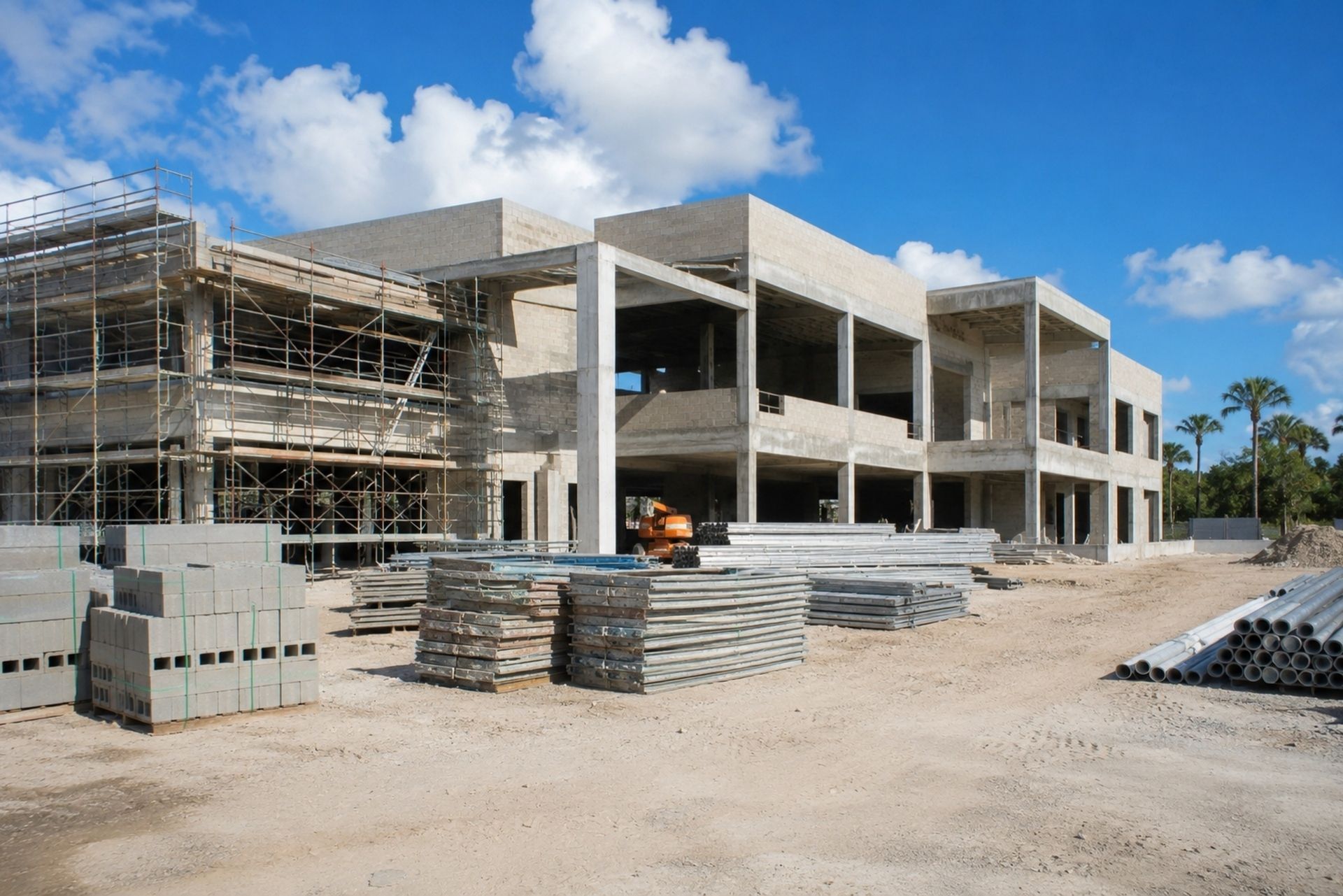
Florida's construction industry runs year-round, and so do the risks. Between hurricane season repairs, new commercial builds, and the constant churn of residential remodeling, FL contractors face exposure that most states simply don't match. A single slip-and-fall on a job site or a busted water main during excavation can wipe out years of profit if you're not properly covered. Understanding contractor insurance requirements, costs, and compliance obligations in Florida isn't optional: it's the difference between building a sustainable business and gambling with your livelihood. Whether you're a one-person tile installer or running a crew of forty roofers, the state has specific rules about what coverage you need, and the consequences for ignoring them are steep.
Essential Insurance Requirements for Florida Contractors
Florida ties insurance directly to licensing. You can't get a contractor's license through the Department of Business and Professional Regulation (DBPR) without proving you carry the right coverage first. The state doesn't care how small your operation is: if you need a license, you need insurance.
The requirements vary by license type, but the baseline is clear. General contractors, building contractors, and most specialty trades must carry general liability insurance and, in many cases, workers' compensation. Surety bonds add another layer depending on your classification. Skipping any of these isn't just risky: it's illegal and will cost you your license.
General Liability for DBPR Licensing
General and building contractors in Florida must maintain minimum liability limits of $300,000 for bodily injury and $50,000 for property damage to hold an active license. These aren't suggestions. The DBPR verifies your coverage before issuing or renewing your license, and your insurer must file proof directly with the state.
Most contractors carry higher limits than the minimum. A $1 million per-occurrence policy with a $2 million aggregate is standard across the industry because many general contractors and property owners require it before they'll let you on site. If you're bidding commercial jobs, expect to see $2 million or even $5 million requirements in your contracts.
One mistake I see constantly: contractors buying the bare minimum $300,000/$50,000 policy to get licensed, then landing a contract that requires $1 million. Upgrading mid-term is possible but costs more than getting the right limits from the start.
Florida Workers' Compensation Exemptions and Mandates
Florida's workers' comp rules trip up a lot of contractors. The state requires workers' compensation insurance for construction businesses with one or more employees, including part-time and seasonal workers. That threshold is much lower than most other industries, where the cutoff is typically four employees.
Sole proprietors and certain corporate officers can apply for a workers' compensation exemption through the Division of Workers' Compensation. The exemption is free and valid for two years, but it only covers the individual listed: not any employees. If you hire even one helper, you need a policy.
Here's the catch: subcontractors without their own workers' comp coverage get counted as your employees under Florida law. So if you hire an uninsured sub, you're on the hook for their injuries. This is one of the most expensive surprises in Florida contracting.
Surety Bonds vs. Insurance Policies
Surety bonds and insurance serve different purposes, and Florida requires both for many license types. A surety bond protects the public if you fail to complete work or violate your contract. Insurance protects you (and third parties) from physical damage and injuries.
Certified and registered contractors typically need a surety bond or a cash equivalent. Bond amounts vary by license category, but $5,000 is common for many specialty trades. The bond doesn't replace your general liability policy: they work in parallel.
Bonds are priced based on your credit score and financial history. Most contractors pay 1% to 3% of the bond amount annually. A $5,000 bond might cost you $50 to $150 per year, making it one of the cheaper compliance requirements you'll face.
INDEX
GrayStone Insurance Group is fully licensed and permitted to provide specialty commercial insurance solutions for high-risk and hard-to-place businesses across 17 states.
We proudly serve high-risk and hard-to-place businesses from coast to coast. As an independent specialty brokerage, our team works with leading Excess & Surplus and specialty carriers to make sure restaurants, bars, contractors, trucking companies, manufacturers, and other hard-to-place operations receive coverage that fits their real risks in California, Colorado, Florida, Georgia, Illinois, Iowa, Maryland, Michigan, Missouri, Nevada, New York, North Carolina, South Carolina, Tennessee, Texas, Utah, and Washington.
Every policy has boundaries. Knowing them up front is how you avoid an uncovered claim. Common exclusions include:
Every policy has boundaries. Knowing them up front is how you avoid an uncovered claim. Common exclusions include:
Every policy has boundaries. Knowing them up front is how you avoid an uncovered claim. Common exclusions include:
General Liability responds to the core exposures most operations in this category face. A typical policy answers third-party claims and the defense costs that come with them, so a single incident doesn't put the business at risk.
If your firm provides any design, engineering, or consulting services alongside construction, you need both. A GL policy won't cover a claim alleging your design specifications caused a building envelope failure. That's a professional liability exposure, and it's one of the fastest-growing claim categories in construction.
| Coverage Element | Basic Tier | Comprehensive Tier |
|---|---|---|
| General Liability | $1M per occurrence | $2M per occurrence |
| Product Liability | Often excluded or limited | Included with $1M-$2M limits |
| Crop/Inventory | Not included | Included with agreed-value endorsement |
| Product Recall | Not included | Included |
| Business Interruption | Limited | Full coverage with 12-month indemnity |
| Workers' Compensation | Add-on | Bundled |
| Approximate Annual Cost | $2,500-$5,000 | $8,000-$20,000+ |
Comparison of Mandatory vs. Recommended Coverages
Not every policy Florida contractors carry is legally required. Some are mandated by the state, others are required by contracts, and a few are just smart business decisions. Knowing which is which helps you budget accurately.
Coverage Comparison Table: GL, WC, and Inland Marine
| Coverage Type | Required by Florida? | Required by Most Contracts? | What It Covers | Typical Annual Cost |
|---|---|---|---|---|
| General Liability | Yes, for licensed contractors | Yes | Third-party injuries, property damage | $1,200 - $5,000+ |
| Workers' Compensation | Yes, with 1+ employees | Yes | Employee injuries on the job | $2,500 - $15,000+ |
| Inland Marine | No | Sometimes | Tools, equipment, materials in transit | $500 - $2,000 |
| Commercial Auto | Yes, for business vehicles | Yes | Vehicle accidents during work | $1,800 - $6,000+ |
| Umbrella/Excess | No | Often for large projects | Additional limits above primary policies | $500 - $3,000 |
Inland marine insurance is technically optional, but any contractor who's had $20,000 in tools stolen from a job site trailer will tell you it's essential. Your general liability policy won't cover stolen or damaged equipment: that's a common and costly misconception.
| Coverage Type | Basic Package | Comprehensive Package |
|---|---|---|
| General Liability | $1M per occurrence | $2M+ per occurrence |
| Property Coverage | Building contents only | Contents + equipment floaters |
| Liquor Liability | $500K limit | $1M-$2M limit |
| Workers' Comp | State minimum | State minimum + employer's liability |
| Event Cancellation | Not included | Per-event or annual policy |
| Cyber Liability | Not included | Covers ticketing data breaches |
| Umbrella/Excess | Not included | $1M-$5M excess layer |
| Hired/Non-Owned Auto | $8,000-$15,000 | $25,000-$60,000+ |
Estimating Your Insurance Costs in the Sunshine State
Insurance costs for Florida contractors vary wildly based on trade, payroll, claims history, and location. A handyman in Tallahassee and a roofing company in Miami will see completely different premiums, even with identical coverage limits.
Factors Influencing Florida Premiums
Your workers' comp rate is driven primarily by your classification code and payroll. Roofing carries one of the highest rates in the country, often exceeding $15 per $100 of payroll. Electrical and plumbing work falls in the mid-range, while finish carpentry and painting sit lower.
Florida's hurricane exposure also pushes commercial property and liability rates higher than national averages. Contractors working in coastal counties: think Miami-Dade, Broward, Palm Beach, and the Tampa Bay area: pay noticeably more than those in inland regions. Your experience modification rate (mod rate) matters too. A mod rate above 1.0 means you've had more claims than average, and your premiums will reflect that.
Agencies like GrayStone Insurance Group that specialize in harder-to-place risks can sometimes find better rates for contractors with imperfect claims histories, using data-driven risk modeling to match you with carriers willing to write the coverage.
Average Cost Ranges by Trade
- Roofing contractors: $8,000 to $25,000+ annually for a full package (GL, WC, commercial auto)
- Electrical contractors: $4,000 to $12,000 annually
- Plumbing contractors: $3,500 to $10,000 annually
- General contractors (residential): $5,000 to $15,000 annually
- Painting and drywall: $2,500 to $7,000 annually
These ranges assume a small to mid-size operation with three to ten employees. Solo operators will pay less, and larger crews will pay significantly more. Your specific numbers depend on payroll, limits, and deductibles.
Every policy has boundaries. Knowing them up front is how you avoid an uncovered claim. Common exclusions include:
Every policy has boundaries. Knowing them up front is how you avoid an uncovered claim. Common exclusions include:
Every policy has boundaries. Knowing them up front is how you avoid an uncovered claim. Common exclusions include:
General Liability responds to the core exposures most operations in this category face. A typical policy answers third-party claims and the defense costs that come with them, so a single incident doesn't put the business at risk.
Maintaining Compliance and Avoiding Penalties
Getting insured is step one. Staying insured without gaps is where many Florida contractors stumble, and the state watches closely.
Certificate of Insurance (COI) Management
Every time you bid a job, a general contractor or property owner will ask for a Certificate of Insurance. This one-page document proves your coverage is active and lists your policy limits, effective dates, and any additional insureds.
Managing COIs gets complicated fast. Large operations might issue dozens per month, each with different additional insured requirements. A missed renewal or an expired certificate can pull you off a job site overnight. Some contractors use COI tracking software, while others rely on their insurance agent to handle requests. GrayStone Insurance Group, for example, handles COI distribution as part of their service model, which removes a real administrative headache for busy contractors.
Consequences of Lapsed Coverage
Letting your insurance lapse in Florida triggers a cascade of problems. The DBPR receives electronic notice when your policy cancels, and they can suspend or revoke your license within days. Reinstating a suspended license involves fees, paperwork, and proof of new coverage.
If you're caught working without workers' comp, the penalties are brutal. Florida can issue stop-work orders that shut down your entire operation, plus impose fines of $1,000 per day or double the premium you should have been paying: whichever is greater. These fines add up fast and have bankrupted small contractors.
Even a one-day gap in coverage creates problems. Future insurers will see the lapse and may charge higher premiums or decline to write you altogether.
A small club (under 300 capacity) in Georgia typically pays between $8,000 and $15,000 annually for a package including general liability, liquor liability, and property coverage. Workers' comp adds another $2,000-$6,000 depending on payroll size. Per-event coverage for one-off shows runs $188-$280 per day.
How much does insurance usually cost for a small club?
Most startups can expect to pay between $2,500 and $6,000 annually for a basic general liability policy. Adding product liability typically pushes the total to $5,000 to $10,000, depending on your product type and projected revenue.
FAQ: How much does a basic policy cost for a startup?
FAQ: Can I get coverage if my hemp tests over 0.3% THC?
A hot test creates serious problems. The crop must be destroyed under federal and state law, and your insurer may not cover the loss unless you have a specific endorsement for THC compliance failure. Some specialty carriers offer this coverage, but it's not standard.
FAQ: Will my homeowners insurance cover my small hemp farm?
Almost certainly not. Homeowners policies exclude commercial agricultural operations, and hemp's association with cannabis makes this even less likely. You need a standalone commercial policy, even for a small grow operation.
Common Questions About Florida Contractor Insurance
Do I need insurance if I'm just a one-person handyman?
If your work requires a state or local contractor's license, yes. Florida exempts unlicensed handyman work (minor repairs under $1,000), but anything beyond that requires proper licensing and the insurance that comes with it.
How do I get a workers' comp exemption in Florida?
Apply through the Florida Division of Workers' Compensation online portal. It's free, takes about 15 minutes, and covers you for two years. You must be a sole proprietor, partner, or corporate officer with no employees.
What is the minimum general liability limit for a FL license?
The DBPR requires $300,000 for bodily injury and $50,000 for property damage. Most contractors carry $1 million per occurrence because contract requirements almost always exceed the state minimum.
Will my personal auto policy cover my work truck?
Almost certainly not. Personal auto policies exclude vehicles used for business purposes. If you're hauling tools or materials to job sites, you need a commercial auto policy to be properly covered.
Does general liability cover my stolen tools?
No. General liability covers third-party injuries and property damage you cause to others. Your own tools and equipment need an inland marine or contractor's equipment policy.
Every policy has boundaries. Knowing them up front is how you avoid an uncovered claim. Common exclusions include:
Every policy has boundaries. Knowing them up front is how you avoid an uncovered claim. Common exclusions include:
Every policy has boundaries. Knowing them up front is how you avoid an uncovered claim. Common exclusions include:
General Liability responds to the core exposures most operations in this category face. A typical policy answers third-party claims and the defense costs that come with them, so a single incident doesn't put the business at risk.
How can I lower my premiums without losing coverage?
Maintain a clean driving record, install telematics or dashcams, increase your deductibles, and bundle coverages with a single carrier. Working with a specialized broker who understands trucking risk can also help you find better rates than a generalist agent.
Making the Right Choice for Your Business
Florida contractor insurance isn't a one-size-fits-all purchase. The right coverage depends on your trade, crew size, project types, and risk tolerance. What works for a solo electrician doing residential service calls won't work for a GC running multi-million-dollar commercial builds.
Start with the legal minimums to get and keep your license, then build up based on what your contracts actually require. Don't buy coverage you don't need, but don't skimp on limits that could leave you exposed. A $300,000 liability policy might satisfy the DBPR, but it won't satisfy the GC who wants $2 million before you step on their site.
If your operation has been declined by standard carriers due to claims history, trade classification, or size, working with a specialized agency like GrayStone Insurance Group can open doors that direct-to-carrier shopping won't. Their brokers average 20 years in the market and maintain a 94% client retention rate for a reason: they find coverage that fits, even for the toughest placements. Get your policies reviewed annually, keep your COIs current, and never let coverage lapse. Your license, your contracts, and your financial future depend on it.
ABOUT THE AUTHOR:
CHAD KRAMER
I started GrayStone Insurance Group in 2018 with a simple conviction: the businesses everyone else turns away deserve a broker who won't. What began as a one-person operation has grown into a specialty commercial brokerage with offices across the country — but the mission hasn't changed. We find solutions for high-risk and hard-to-place businesses when other agencies run the other way.
I built this agency on integrity, hard work, and the tenacity to do the hard things well. Through our access to Excess & Surplus and specialty markets, my team and I place coverage standard carriers can't — and I treat every client's business like my own.
If you've been declined, non-renewed, or told your business is too complicated to insure, let's talk.
Coverages & policies
Plain-language coverage, expertly placed.
We lead with commercial lines and round out personal coverage where you need it. Every policy comes with an explanation — not jargon.

Contractors
Third-party bodily injury & property damage — the foundation for any operation.

Liquor Liability
Critical for bars, restaurants and venues serving alcohol — including A&B.

Commercial Property
Buildings, contents and equipment — including distressed and vacant risk.

Workers' Compensation
Statutory coverage for your crew — including high-mod and high-hazard classes.

Commercial Umbrella
Extra liability limits over your primary policies — essential for high-exposure risk.
Products Liability
Manufacturers, CBD and consumer-product exposure — including imports.
What clients say
Brokers who actually place it.
FAQ
Answers for the risks others won't cover
Getting declined, non-renewed, or told your business is "too high-risk" is frustrating — but it doesn't mean you're out of options. Here are answers to the questions we hear most from business owners who need coverage the standard market won't provide.
What kind of insurance does GrayStone specialize in?
We're a specialty commercial brokerage built for high-risk and hard-to-place businesses — the risks standard carriers often turn away. Through our access to Excess & Surplus (E&S) and specialty markets, we place coverage that everyday agencies can't. Hospitality and construction are among our deepest areas of expertise.
My business was declined or non-renewed elsewhere. Can you still help?
That's exactly what we do. A decline, a non-renewal, or a tough claims history doesn't mean you're out of options — it means your risk needs a broker with the right market access. Tell us your situation and we'll get to work finding a fit.
What is Excess & Surplus (E&S) insurance?
E&S is specialty coverage for risks that standard "admitted" carriers won't write — often because a business is higher-risk, unusual, or has a complex history. As an independent broker, we tap into these specialty markets to place coverage where a typical agency hits a dead end.
What industries do you work with?
We cover a wide range of commercial industries — from restaurants, bars, and hospitality to contractors, trucking, manufacturing, cannabis, and more. If your industry is considered high-risk or hard-to-place, there's a good chance we've handled it.
Will you work with businesses that have prior claims or losses?
Yes. Prior claims and losses are part of many of the risks we place every day. Every business is evaluated on its own merits — and a rocky history is often exactly why a specialty broker can help where others won't.
Are you an independent broker?
Yes. We're not tied to a single carrier, so we shop your risk across multiple specialty and E&S markets to find coverage that actually fits — instead of forcing you into a one-size-fits-all policy.
Insights & resources
Know your risk before you buy.