
General Liability responds to the core exposures most operations in this category face. A typical policy answers third-party claims and the defense costs that come with them, so a single incident doesn't put the business at risk.
Running a live music venue on the Texas coast means juggling a unique set of risks that most insurance agents never deal with. Between hurricane season, TABC enforcement, and the sheer unpredictability of a packed Saturday night show, Corpus Christi venue operators face challenges that generic commercial policies simply don't address. The local music scene here is thriving: spots along the waterfront and in the downtown entertainment district pull crowds year-round. But that foot traffic, combined with coastal weather exposure and liquor service, creates a risk profile that makes many traditional carriers walk away from the application entirely. If you own or operate a venue in Corpus Christi, understanding the specific insurance requirements and coverage options available to you isn't optional. It's the difference between surviving a bad night and losing everything you've built. This guide breaks down what Texas law demands, what Corpus Christi's geography adds to the equation, and where most operators leave gaps in their coverage.
Navigating the Corpus Christi Live Music Scene
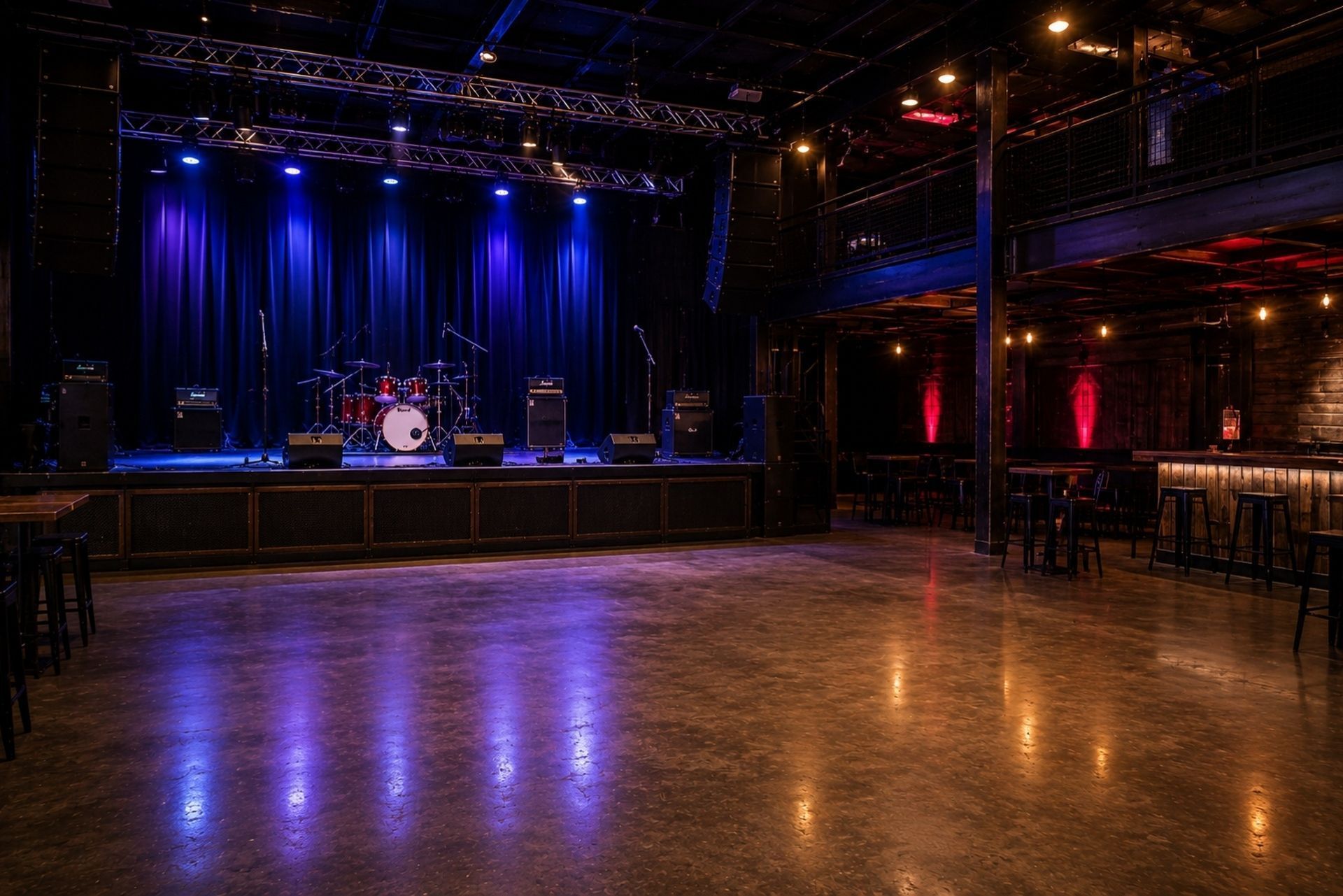
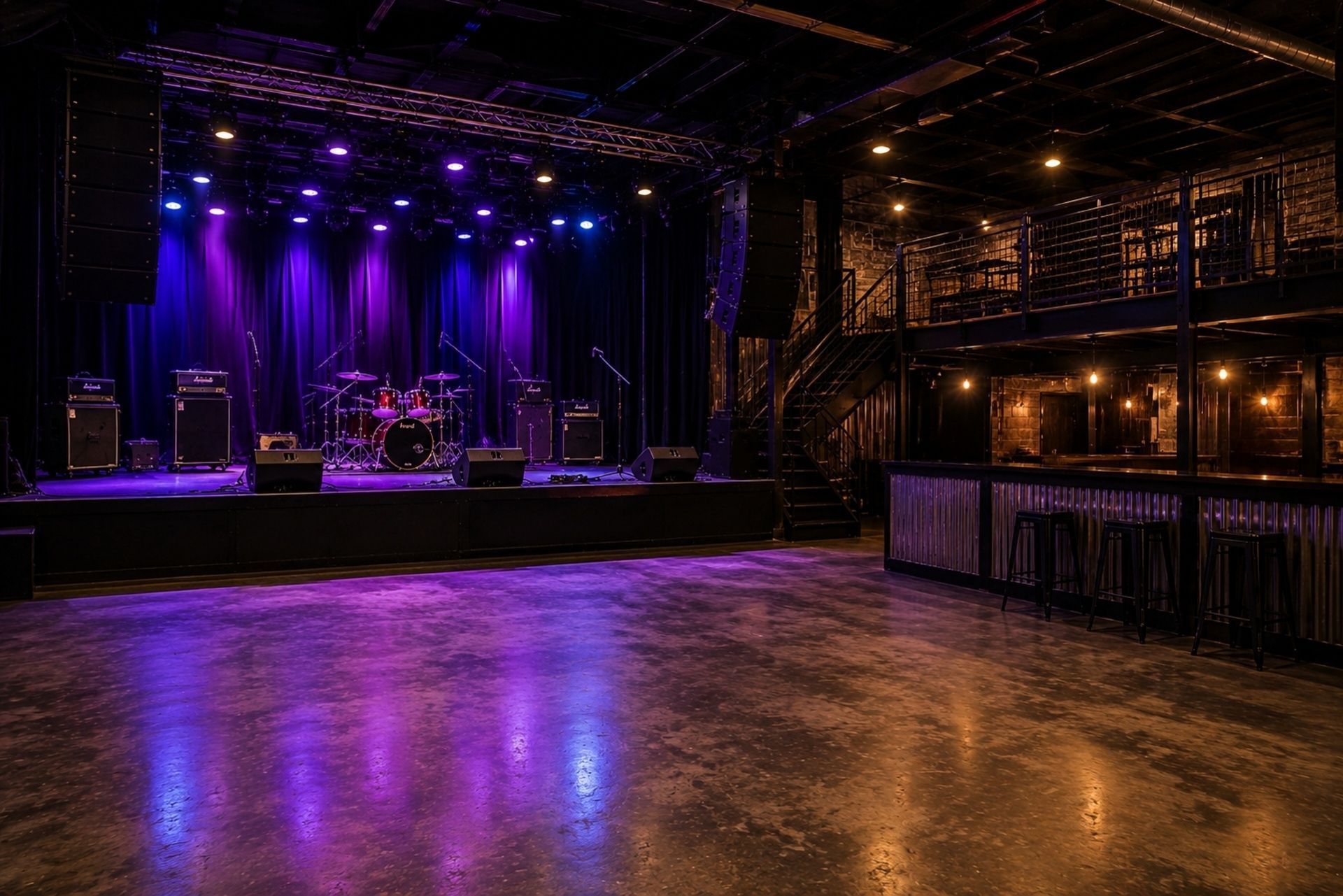
Corpus Christi's live music industry has grown steadily over the past several years, driven by tourism, a young military population from Naval Air Station Corpus Christi, and a local culture that genuinely loves live entertainment. Venues range from intimate 100-capacity rooms to open-air stages that hold a few thousand. Each size and format brings its own insurance headaches.
What makes this market different from Austin or Dallas is the intersection of coastal exposure and entertainment risk. A venue in North Texas worries about hail. A venue in Corpus Christi worries about a Category 2 hurricane ripping off its roof during peak season. That distinction shapes every insurance conversation you'll have, from the deductible structure to the carriers willing to write the policy.
Coastal Risks: Protecting Your Venue from Gulf Storms
Nueces County sits squarely in the Texas Windstorm Insurance Association (TWIA) territory, which means standard commercial property policies typically exclude wind and hail damage. You'll need a separate windstorm policy through TWIA or a surplus lines carrier, and coastal windstorm premiums in Nueces County have increased by 10% to 12% in 2026 for commercial properties. That's a meaningful jump, especially for smaller operators already running on thin margins.
Flood insurance is another layer. Most venue owners assume their commercial property policy covers flooding, and most are wrong. If your venue sits in a FEMA-designated flood zone, and many properties near the bayfront do, you'll need a separate National Flood Insurance Program policy or a private flood alternative. The 2025 hurricane season reminded everyone along the Gulf Coast that these aren't theoretical risks.
One thing to keep in mind: TWIA requires your building to meet specific windstorm construction standards before they'll issue coverage. If your venue is in an older building, you may need a WPI-8 certificate confirming it meets code requirements, which can involve inspections and potentially expensive upgrades.
Local Ordinances and Entertainment District Standards
Corpus Christi has specific noise ordinances and occupancy regulations that directly affect your insurance needs. The city's entertainment district downtown has somewhat relaxed noise rules compared to residential zones, but exceeding posted limits can result in fines and, more importantly, liability claims from neighboring businesses or residents.
Your occupancy permit dictates your maximum capacity, and exceeding it even once can void certain coverage provisions in your general liability policy. Fire marshal inspections are routine for venues, and documented violations create a paper trail that insurers will use against you during a claim. Keeping your permits current and your venue compliant isn't just about avoiding city fines: it's about making sure your insurance actually pays when you need it.
INDEX
GrayStone Insurance Group is fully licensed and permitted to provide specialty commercial insurance solutions for high-risk and hard-to-place businesses across 17 states.
We proudly serve high-risk and hard-to-place businesses from coast to coast. As an independent specialty brokerage, our team works with leading Excess & Surplus and specialty carriers to make sure restaurants, bars, contractors, trucking companies, manufacturers, and other hard-to-place operations receive coverage that fits their real risks in California, Colorado, Florida, Georgia, Illinois, Iowa, Maryland, Michigan, Missouri, Nevada, New York, North Carolina, South Carolina, Tennessee, Texas, Utah, and Washington.
Every policy has boundaries. Knowing them up front is how you avoid an uncovered claim. Common exclusions include:
Every policy has boundaries. Knowing them up front is how you avoid an uncovered claim. Common exclusions include:
Every policy has boundaries. Knowing them up front is how you avoid an uncovered claim. Common exclusions include:
General Liability responds to the core exposures most operations in this category face. A typical policy answers third-party claims and the defense costs that come with them, so a single incident doesn't put the business at risk.
If your firm provides any design, engineering, or consulting services alongside construction, you need both. A GL policy won't cover a claim alleging your design specifications caused a building envelope failure. That's a professional liability exposure, and it's one of the fastest-growing claim categories in construction.
Texas-Specific Insurance Requirements for Venue Operators
Texas doesn't mandate most commercial insurance lines, but the state does impose specific requirements that affect how live music venues operate. Understanding what's legally required versus what's practically essential will save you from expensive surprises.
Liquor Liability and TABC Compliance
If your venue serves alcohol, and most do, you need liquor liability coverage. Texas is a dram shop liability state, meaning your venue can be held financially responsible if you serve an intoxicated patron who then causes injury or death. A single dram shop claim can easily exceed $1 million.
The Texas Alcoholic Beverage Commission (TABC) requires permit holders to maintain certain standards, and violations can trigger both regulatory penalties and insurance complications. If TABC suspends your permit due to serving minors or over-serving, your liquor liability carrier may non-renew your policy. That creates a cascading problem: no liquor liability coverage means no liquor permit, which means no revenue from bar sales. Agencies like GrayStone Insurance Group, which specialize in hard-to-place hospitality risks, often work with venue owners who've been dropped by standard carriers after a TABC incident.
Texas Workers' Compensation Options for Small Venues
Texas is the only state that doesn't require private employers to carry workers' compensation insurance. That sounds like a cost savings, but going without it exposes you to direct lawsuits from injured employees with no cap on damages. Most venue operators with even a handful of staff find that workers' compensation coverage is worth the premium.
For small venues with part-time staff, a pay-as-you-go workers' comp policy can keep costs manageable. Your premium is based on actual payroll rather than estimates, which helps during slow months. Sound techs, bartenders, and door staff all face real injury risks: hearing damage from prolonged exposure, slip-and-fall incidents during load-in, and altercations at the door.
Essential Coverage Comparison for Music Venues
Not all venue insurance policies are created equal. The gap between a basic general liability policy and a comprehensive entertainment package is significant, and most venue owners don't realize what they're missing until they file a claim.
Table: Basic Liability vs. Comprehensive Entertainment Coverage
| Coverage Area | Basic General Liability | Comprehensive Entertainment Policy |
|---|---|---|
| Slip-and-fall claims | Covered | Covered |
| Property damage to venue | Limited or excluded | Included with broader limits |
| Liquor liability | Must add separately | Often bundled |
| Hired performer injuries | Not covered | Covered under event liability |
| Sound/lighting equipment | Not included | Inland marine coverage included |
| Windstorm damage | Excluded in coastal zones | Separate but coordinated |
| Assault & battery | Often excluded | Available as endorsement |
| Event cancellation | Not covered | Available as add-on |
The assault and battery exclusion is one that catches venue owners off guard. Standard general liability policies frequently exclude claims arising from physical altercations, which are not exactly rare at late-night music events. You need a specific endorsement or a policy designed for entertainment venues to cover this exposure.
Every policy has boundaries. Knowing them up front is how you avoid an uncovered claim. Common exclusions include:
Every policy has boundaries. Knowing them up front is how you avoid an uncovered claim. Common exclusions include:
Every policy has boundaries. Knowing them up front is how you avoid an uncovered claim. Common exclusions include:
General Liability responds to the core exposures most operations in this category face. A typical policy answers third-party claims and the defense costs that come with them, so a single incident doesn't put the business at risk.
Managing Unique Risks for Local Promoters and Owners
Running a venue means managing risks that don't fit neatly into standard insurance categories. Two areas consistently cause problems for Corpus Christi operators: equipment protection and crowd-related liability.
Equipment Coverage: From Sound Boards to Lighting Rigs
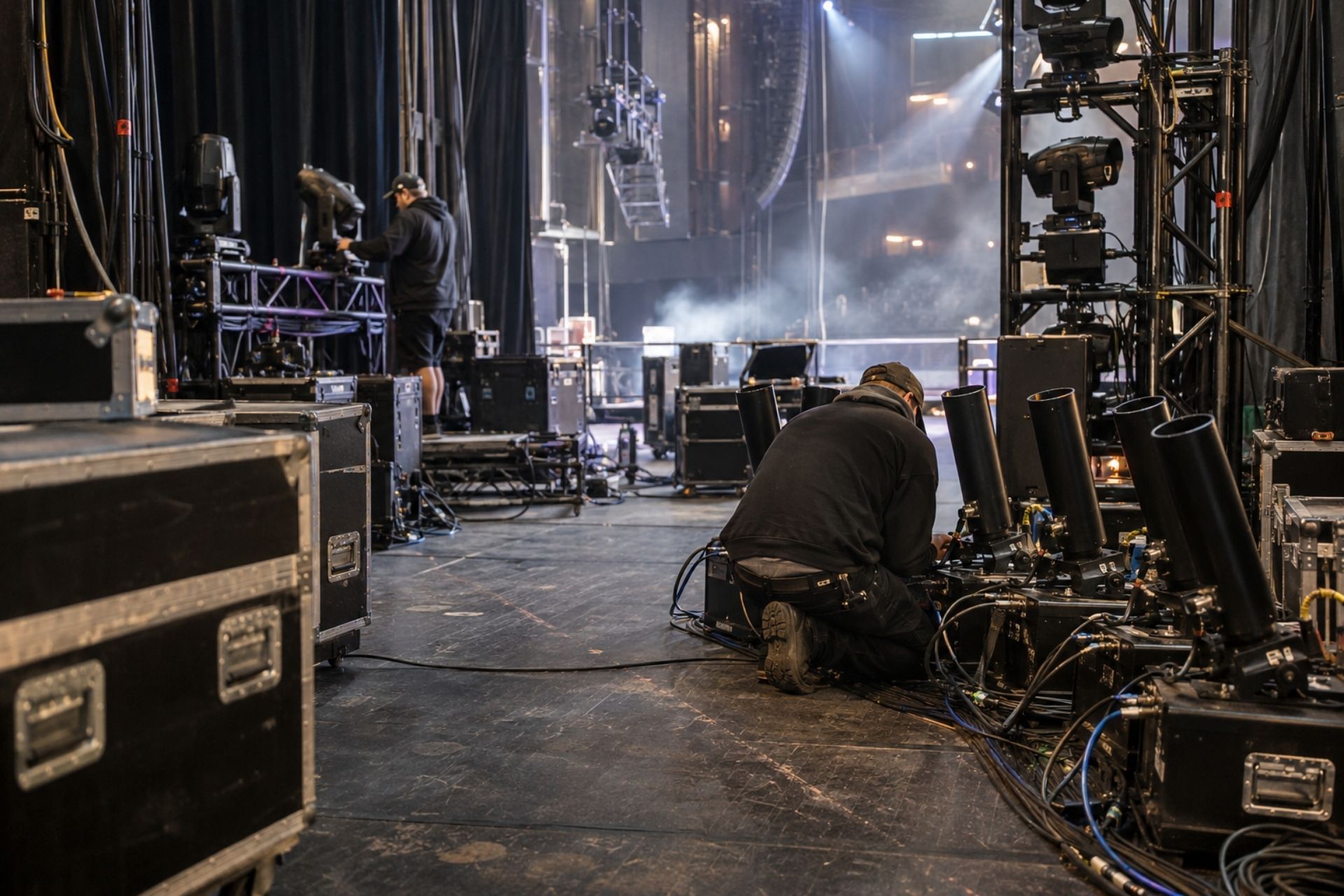
A quality PA system, mixing board, and lighting rig can represent $50,000 to $150,000 in equipment for a mid-sized venue. Standard commercial property policies often undervalue or exclude this type of specialized gear. Inland marine insurance, sometimes called equipment floater coverage, protects your sound and lighting equipment whether it's installed in your venue, stored offsite, or transported to an outdoor event.
Make sure your policy covers equipment at replacement cost rather than actual cash value. A five-year-old mixing console might depreciate to $2,000 on paper, but replacing it with a comparable current model costs $8,000. That gap comes out of your pocket under an actual cash value policy.
Assessing Crowd Control and Security Liability
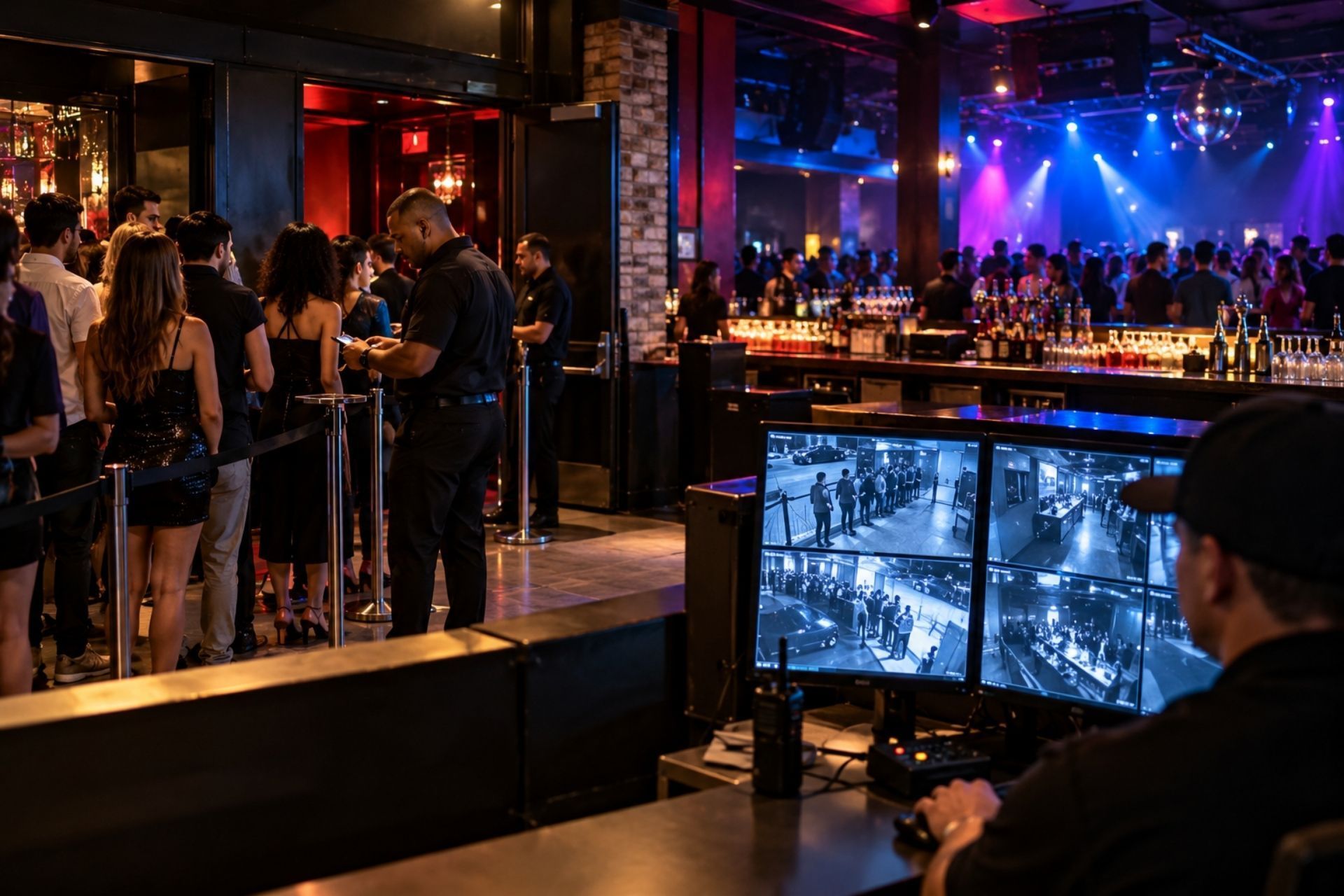
If a patron gets hurt in a crowd surge or a fight breaks out and your security team's response causes injury, you're exposed to significant liability. Texas courts have held venue operators responsible for inadequate security measures when incidents were foreseeable based on the type of event.
Documenting your security protocols matters. Insurers want to see written crowd management plans, trained security staff (ideally with Level III or IV Texas security licenses), and incident reporting procedures. GrayStone Insurance Group's brokers, who average 20 years in the insurance market, often advise venue clients to implement specific security documentation practices that strengthen both their coverage position and their defense in potential claims.
What is bobtail insurance and do I need it?
Bobtail coverage protects you when driving your truck without a trailer attached, typically after dropping a load. It's often required by motor carriers for independent contractors operating under their authority. If you're an owner-operator leased to a carrier, check your lease agreement: most require it.
Common Questions About Venue Insurance
FAQ: Do I need separate insurance for outdoor concerts?
Yes, in most cases. If you host events outside your permanent venue, whether at a parking lot stage or a waterfront park, your standard venue policy likely won't cover it. You'll need a special event policy or an endorsement extending your coverage to temporary locations.
FAQ: What does liquor liability actually cover?
Liquor liability covers claims against your venue when an intoxicated patron you served causes bodily injury or property damage to a third party. It also covers your legal defense costs. It does not cover damage the intoxicated person does to themselves or to your property.
FAQ: How does a windstorm deductible work in Corpus Christi?
Windstorm deductibles in coastal Texas are typically percentage-based rather than flat dollar amounts. A 2% deductible on a building insured for $500,000 means you pay the first $10,000 out of pocket. These deductibles apply per occurrence, so multiple storms in one season each trigger a separate deductible.
FAQ: Are visiting bands covered under my venue policy?
Generally, no. Visiting performers are independent contractors, and your general liability policy covers claims they make against you, not their own injuries or equipment. Most professional touring acts carry their own liability and equipment policies. You should require proof of insurance from every act that plays your venue.
Every policy has boundaries. Knowing them up front is how you avoid an uncovered claim. Common exclusions include:
Every policy has boundaries. Knowing them up front is how you avoid an uncovered claim. Common exclusions include:
Every policy has boundaries. Knowing them up front is how you avoid an uncovered claim. Common exclusions include:
General Liability responds to the core exposures most operations in this category face. A typical policy answers third-party claims and the defense costs that come with them, so a single incident doesn't put the business at risk.
Making the Right Choice for Your Venue
Live music venue insurance in Corpus Christi requires more than a generic commercial policy pulled off a shelf. The combination of coastal weather exposure, Texas liquor laws, and entertainment-specific risks means you need coverage built around your actual operations, not a template.
Start by auditing your current gaps. Do you have windstorm coverage with a deductible you can actually afford? Is your equipment insured at replacement cost? Does your general liability policy exclude assault and battery? These are the questions that separate venues that survive a bad claim from those that don't.
Working with a brokerage experienced in high-risk entertainment accounts, like GrayStone Insurance Group, gives you access to carriers and policy structures that generalist agents simply don't know exist. The 94% client retention rate they maintain reflects what happens when brokers actually understand the risks their clients face. Get your coverage reviewed before hurricane season, not after the first named storm enters the Gulf.
ABOUT THE AUTHOR:
CHAD KRAMER
I started GrayStone Insurance Group in 2018 with a simple conviction: the businesses everyone else turns away deserve a broker who won't. What began as a one-person operation has grown into a specialty commercial brokerage with offices across the country — but the mission hasn't changed. We find solutions for high-risk and hard-to-place businesses when other agencies run the other way.
I built this agency on integrity, hard work, and the tenacity to do the hard things well. Through our access to Excess & Surplus and specialty markets, my team and I place coverage standard carriers can't — and I treat every client's business like my own.
If you've been declined, non-renewed, or told your business is too complicated to insure, let's talk.
Coverages & policies
Plain-language coverage, expertly placed.
We lead with commercial lines and round out personal coverage where you need it. Every policy comes with an explanation — not jargon.

Contractors
Third-party bodily injury & property damage — the foundation for any operation.

Liquor Liability
Critical for bars, restaurants and venues serving alcohol — including A&B.

Commercial Property
Buildings, contents and equipment — including distressed and vacant risk.

Workers' Compensation
Statutory coverage for your crew — including high-mod and high-hazard classes.

Commercial Umbrella
Extra liability limits over your primary policies — essential for high-exposure risk.
Products Liability
Manufacturers, CBD and consumer-product exposure — including imports.
What clients say
Brokers who actually place it.
FAQ
Answers for the risks others won't cover
Getting declined, non-renewed, or told your business is "too high-risk" is frustrating — but it doesn't mean you're out of options. Here are answers to the questions we hear most from business owners who need coverage the standard market won't provide.
What kind of insurance does GrayStone specialize in?
We're a specialty commercial brokerage built for high-risk and hard-to-place businesses — the risks standard carriers often turn away. Through our access to Excess & Surplus (E&S) and specialty markets, we place coverage that everyday agencies can't. Hospitality and construction are among our deepest areas of expertise.
My business was declined or non-renewed elsewhere. Can you still help?
That's exactly what we do. A decline, a non-renewal, or a tough claims history doesn't mean you're out of options — it means your risk needs a broker with the right market access. Tell us your situation and we'll get to work finding a fit.
What is Excess & Surplus (E&S) insurance?
E&S is specialty coverage for risks that standard "admitted" carriers won't write — often because a business is higher-risk, unusual, or has a complex history. As an independent broker, we tap into these specialty markets to place coverage where a typical agency hits a dead end.
What industries do you work with?
We cover a wide range of commercial industries — from restaurants, bars, and hospitality to contractors, trucking, manufacturing, cannabis, and more. If your industry is considered high-risk or hard-to-place, there's a good chance we've handled it.
Will you work with businesses that have prior claims or losses?
Yes. Prior claims and losses are part of many of the risks we place every day. Every business is evaluated on its own merits — and a rocky history is often exactly why a specialty broker can help where others won't.
Are you an independent broker?
Yes. We're not tied to a single carrier, so we shop your risk across multiple specialty and E&S markets to find coverage that actually fits — instead of forcing you into a one-size-fits-all policy.
Insights & resources
Know your risk before you buy.