
General Liability responds to the core exposures most operations in this category face. A typical policy answers third-party claims and the defense costs that come with them, so a single incident doesn't put the business at risk.
Texas trucking operators face a unique set of pressures that most other commercial vehicle owners don't deal with. Between sky-high jury verdicts, shifting federal requirements, and a state regulatory apparatus that moves fast, getting insurance right isn't optional: it's survival. A Texas trucking company recently faced a nuclear verdict of nearly $50 million after a serious accident, a stark reminder that inadequate coverage can destroy a business overnight. Whether you're running a single owner-operator rig between Houston and Dallas or managing a 50-truck fleet hauling across state lines, understanding the requirements, costs, and compliance obligations for commercial trucking insurance in Texas is non-negotiable. The stakes are too high and the penalties too severe to guess your way through it. This guide breaks down what TX operators actually need to know: not the generic overview you'll find elsewhere, but the specific filings, coverage thresholds, and cost drivers that determine whether your trucks stay on the road or get sidelined.
Texas State and Federal Insurance Requirements
Texas regulates commercial trucking insurance through both the Texas Department of Motor Vehicles (TXDMV) and, for interstate carriers, the Federal Motor Carrier Safety Administration (FMCSA). These two layers create a compliance puzzle that trips up a lot of operators, especially newer ones. Missing a filing deadline or carrying the wrong coverage type can result in suspended authority, fines, or both.
The state's commercial auto insurance market has also been volatile. TAIPA commercial auto insurance rates in Texas are set to increase by an overall 4.9% effective November 1, 2026, which hits operators in the assigned risk pool particularly hard. If you've been struggling to find standard market coverage, expect your premiums to climb even further.
Minimum Liability Limits for TXDMV and FMCSA
For intrastate operations within Texas, the TXDMV requires a minimum of $500,000 in liability coverage for most commercial vehicles. Trucks hauling hazardous materials face higher thresholds, often $1 million or $5 million depending on the material classification.
Interstate carriers fall under FMCSA jurisdiction, which sets a federal floor of $750,000 for general freight carriers and $5 million for certain hazmat loads. There's been a proposed bill that would increase the minimum insurance requirement from $750,000 to $5 million for all motor carriers, a change that would reshape the entire industry if enacted. Even without that legislation, many shippers and brokers already require $1 million or more in liability before they'll contract with you.
Intrastate vs. Interstate Operating Authority
The distinction matters more than most operators realize. Intrastate authority means you operate exclusively within Texas borders and register with the TXDMV. Interstate authority requires FMCSA registration, a USDOT number, and MC authority if you're hauling for hire.
Your insurance requirements shift based on which authority you hold. An intrastate-only carrier might get away with $500,000 in liability, but the moment you cross into Louisiana or Oklahoma, federal minimums kick in. Plenty of small operators get caught in this gap: they pick up a load that crosses state lines without updating their insurance, and suddenly they're operating illegally.
The Role of Form E and MCS-90 Filings
Form E (or BMC-91X for surety bonds) is the proof of insurance filing that your insurer submits to the FMCSA on your behalf. Without an active Form E on file, your operating authority can be revoked. The MCS-90 endorsement is a separate federal requirement that guarantees your policy will pay for environmental restoration and bodily injury claims, even if the specific incident wouldn't normally be covered under your policy terms.
These filings aren't just paperwork. The FMCSA has also tightened rules on freight brokers and their financial responsibility, which indirectly affects carriers who depend on broker-tendered loads. If your broker's surety bond lapses, you could be left holding the bag on unpaid freight.
INDEX
GrayStone Insurance Group is fully licensed and permitted to provide specialty commercial insurance solutions for high-risk and hard-to-place businesses across 17 states.
We proudly serve high-risk and hard-to-place businesses from coast to coast. As an independent specialty brokerage, our team works with leading Excess & Surplus and specialty carriers to make sure restaurants, bars, contractors, trucking companies, manufacturers, and other hard-to-place operations receive coverage that fits their real risks in California, Colorado, Florida, Georgia, Illinois, Iowa, Maryland, Michigan, Missouri, Nevada, New York, North Carolina, South Carolina, Tennessee, Texas, Utah, and Washington.
Every policy has boundaries. Knowing them up front is how you avoid an uncovered claim. Common exclusions include:
Every policy has boundaries. Knowing them up front is how you avoid an uncovered claim. Common exclusions include:
Every policy has boundaries. Knowing them up front is how you avoid an uncovered claim. Common exclusions include:
General Liability responds to the core exposures most operations in this category face. A typical policy answers third-party claims and the defense costs that come with them, so a single incident doesn't put the business at risk.
If your firm provides any design, engineering, or consulting services alongside construction, you need both. A GL policy won't cover a claim alleging your design specifications caused a building envelope failure. That's a professional liability exposure, and it's one of the fastest-growing claim categories in construction.
Core Coverage Options for Texas Truckers
Getting the right mix of coverage is where most operators either protect themselves properly or leave dangerous gaps. The minimum state and federal requirements are just the floor: real-world risk demands more.
Primary Liability and Physical Damage
Primary liability covers damage and injuries you cause to others. This is the coverage that satisfies your TXDMV and FMCSA minimums. Physical damage insurance covers your own truck and trailer, split into comprehensive (theft, fire, weather) and collision components.
Here's what a lot of new operators miss: lenders and lessors almost always require physical damage coverage, but if you own your equipment outright, it's technically optional. That said, skipping it on a $150,000 truck is a gamble most can't afford. One rollover on I-35 and you're out of business.
Motor Truck Cargo and Bobtail Insurance
Cargo insurance protects the freight you're hauling. Most shippers require $100,000 in cargo coverage at minimum, though many demand $250,000 or more. The policy covers loss or damage to goods from accidents, theft, or other covered events.
Bobtail insurance (also called non-trucking liability) covers your truck when you're driving without a trailer, like heading home after dropping a load. If you're leased to a motor carrier, their primary liability typically only covers you while you're dispatched. The moment you go off-duty and drive to a truck stop, you need bobtail coverage or you're uninsured. This is one of the most common coverage gaps GrayStone Insurance Group sees among owner-operators who lease onto carriers.
Comparison Table: Mandatory vs. Optional Coverages
| Coverage Type | Required? | Typical Limits | Who Needs It |
|---|---|---|---|
| Primary Liability | Yes (state & federal) | $750K - $5M | All for-hire carriers |
| Physical Damage | Conditional (lender required) | Actual cash value | Financed/leased equipment |
| Motor Truck Cargo | Required by most shippers | $100K - $250K | For-hire carriers hauling goods |
| Bobtail/Non-Trucking | No, but strongly recommended | $1M | Owner-operators leased to carriers |
| General Liability | No, but often required | $1M per occurrence | Carriers with terminal/yard operations |
| Occupational Accident | No | Varies | Owner-operators (non-W2) |
Factors Influencing Trucking Insurance Premiums in TX
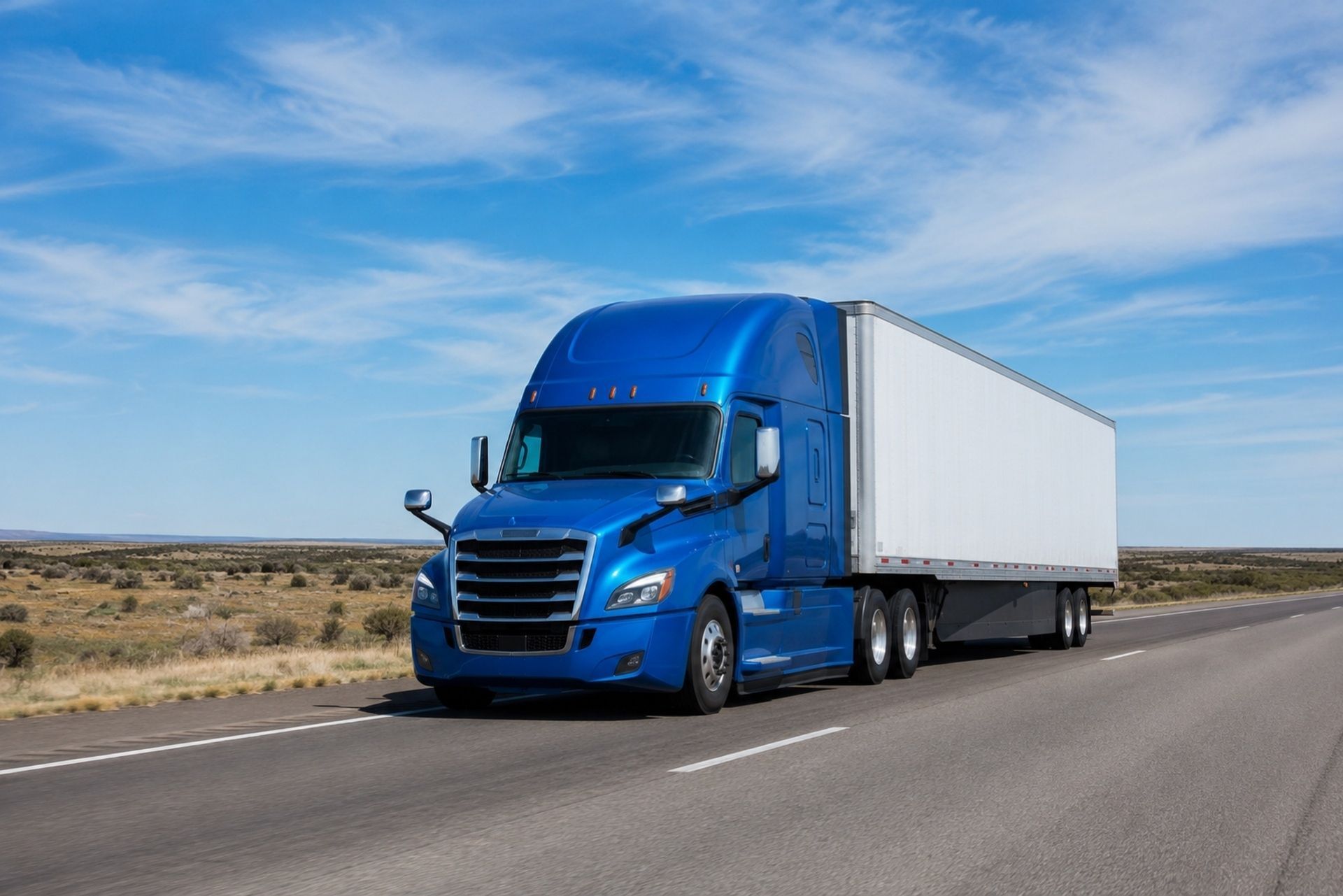
Insurance pricing for Texas trucking operations isn't random, but it can feel that way if you don't understand the variables. Premiums vary wildly: a clean owner-operator might pay $8,000 to $12,000 annually, while a new-venture fleet with inexperienced drivers could face $18,000 to $25,000 per truck or more.
The Impact of CDL Experience and Driving Records
Underwriters care about two things above all else: how long you've been driving commercially and what your record looks like. A driver with two or more years of CDL-A experience and a clean MVR will get dramatically better rates than someone fresh out of trucking school.
Accidents, moving violations, and especially DUIs can make you nearly uninsurable in the standard market. That's where agencies like GrayStone Insurance Group specialize: placing high-risk operators who've been declined by traditional carriers. Their brokers, averaging 20 years of market experience, know which underwriters will write a policy for a driver with a less-than-perfect history and at what price.
Equipment Type and Typical Hauling Radius
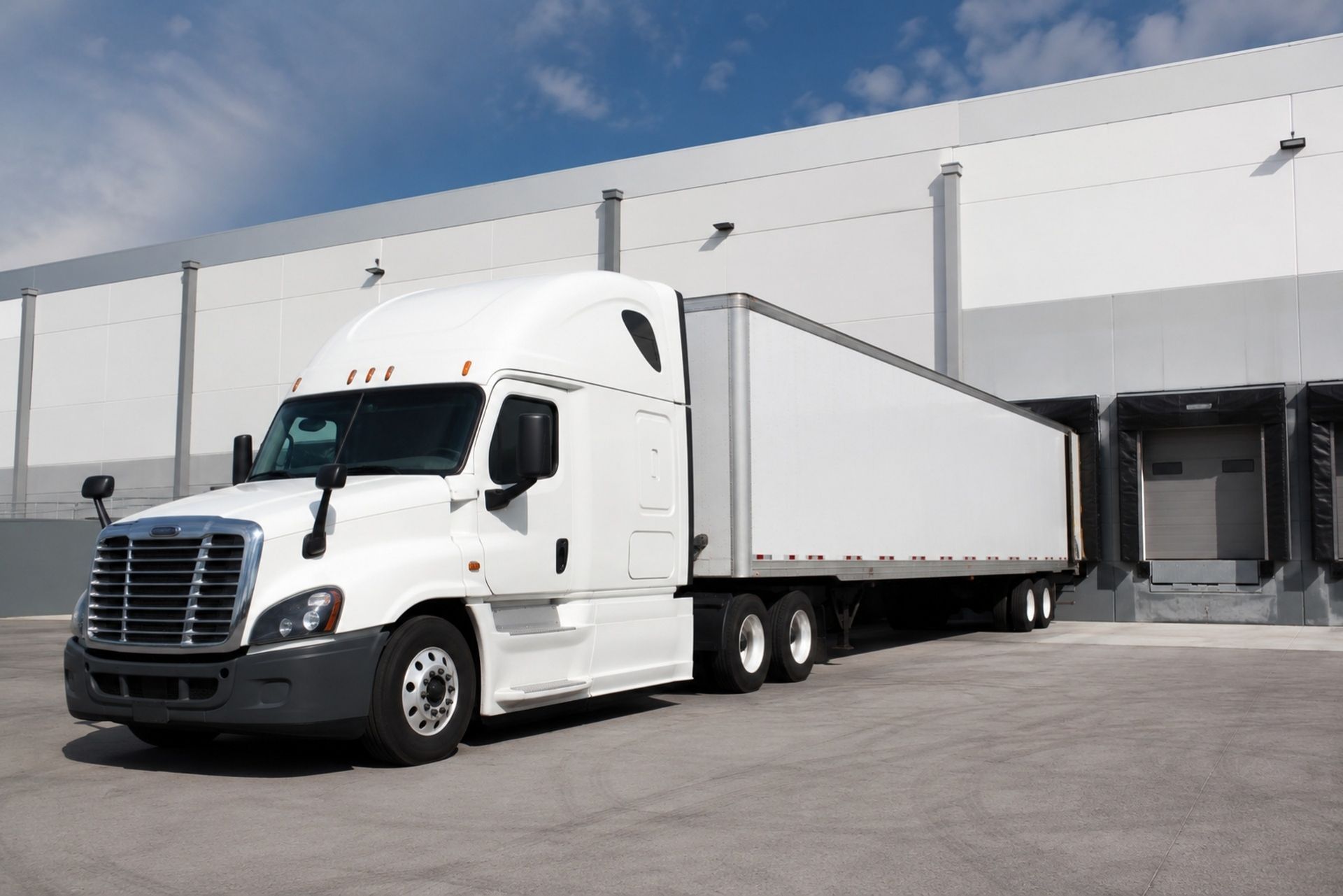
A flatbed hauling steel within a 200-mile radius carries different risk than a tanker running fuel cross-country. Underwriters price accordingly. Local and regional operations generally cost less to insure than long-haul, because exposure to highway miles and unfamiliar roads is lower.
Vehicle age and condition also factor in. A 2024 Freightliner Cascadia costs more to insure for physical damage than a 2018 model, simply because replacement cost is higher. The type of trailer matters too: refrigerated units, tankers, and auto haulers all carry distinct risk profiles that affect your premium.
Every policy has boundaries. Knowing them up front is how you avoid an uncovered claim. Common exclusions include:
Every policy has boundaries. Knowing them up front is how you avoid an uncovered claim. Common exclusions include:
Every policy has boundaries. Knowing them up front is how you avoid an uncovered claim. Common exclusions include:
General Liability responds to the core exposures most operations in this category face. A typical policy answers third-party claims and the defense costs that come with them, so a single incident doesn't put the business at risk.
Maintaining Compliance and Avoiding Penalties
Staying compliant isn't a one-time task. It's an ongoing responsibility that requires attention to filing deadlines, policy renewals, and regulatory updates.
TXDMV Insurance Filing Procedures
Texas requires your insurer to file proof of coverage directly with the TXDMV. If your policy lapses or your insurer files a cancellation notice, the TXDMV can suspend your operating authority within 30 days. Reinstatement isn't automatic: you'll need to secure new coverage, have your new insurer file the appropriate forms, and potentially pay reinstatement fees.
The TDI's commercial auto biennial report highlights the growing loss ratios in Texas commercial auto, which explains why insurers have been tightening their appetite and raising rates. Keeping your filings current and your loss history clean gives you the best shot at retaining affordable coverage.
Understanding the Texas ELD Mandate Connection
Electronic Logging Devices aren't an insurance product, but they affect your insurance costs. ELD data gives underwriters visibility into hours-of-service compliance, and carriers with consistent HOS violations pay more for coverage. Some insurers now request telematics data as part of the underwriting process.
Texas follows the federal ELD mandate, meaning nearly all CMV operators must use certified devices. If you're caught operating without one, the violation shows up on your CSA score, which directly impacts your insurability and premium rates.
What happens if a show gets canceled last minute?
Standard policies don't cover event cancellation. If a headliner cancels, severe weather shuts you down, or a power outage kills the show, you're absorbing the full financial loss unless you have a dedicated event cancellation policy. These policies typically cover lost ticket revenue, non-refundable deposits, and marketing expenses. For venues that rely on ticket sales as a primary revenue stream, this coverage pays for itself the first time you need it.
Common Questions About Texas Trucking Insurance
FAQ: Cost, Claims, and Coverage Basics
How much does trucking insurance cost per truck in Texas? Expect $8,000 to $25,000 per truck annually for a standard liability and physical damage package. New ventures and drivers with violations pay toward the higher end.
What happens if my insurance lapses? The TXDMV and FMCSA both receive notification. Your operating authority can be suspended, and you'll face fines if caught driving without coverage.
Do I need cargo insurance if I only haul my own goods? No. Cargo insurance is for for-hire carriers transporting other people's freight. Private carriers typically cover their own goods through commercial property policies.
Can I get coverage with a new CDL and no experience? Yes, but options are limited and expensive. Agencies specializing in hard-to-place risks, like GrayStone Insurance Group, can often find markets willing to write new-venture policies.
Does my personal auto policy cover my commercial truck? Absolutely not. Personal auto policies exclude commercial vehicles. You need a commercial auto or trucking-specific policy.
How do I lower my trucking insurance premium? Maintain a clean driving record, install dash cams and telematics, increase your deductibles, and work with a broker who understands the trucking market well enough to shop multiple carriers.
Every policy has boundaries. Knowing them up front is how you avoid an uncovered claim. Common exclusions include:
Every policy has boundaries. Knowing them up front is how you avoid an uncovered claim. Common exclusions include:
Every policy has boundaries. Knowing them up front is how you avoid an uncovered claim. Common exclusions include:
General Liability responds to the core exposures most operations in this category face. A typical policy answers third-party claims and the defense costs that come with them, so a single incident doesn't put the business at risk.
The Bottom Line for Your Fleet
Running a trucking operation in Texas means accepting that insurance is one of your largest fixed costs, and one of the most consequential decisions you'll make. The difference between the right policy and the wrong one isn't just price: it's whether your business survives a major claim.
Texas operators should focus on three priorities: meeting or exceeding minimum liability requirements for their operating authority, eliminating common coverage gaps like bobtail and cargo, and keeping filings current with both the TXDMV and FMCSA. The regulatory environment is tightening, premiums are rising, and new financial responsibility rules for brokers are reshaping how carriers interact with the freight ecosystem.
Don't wait for a lapse notice or a denied claim to get serious about your coverage. Talk to a broker who knows trucking, understands the Texas market, and can place coverage even when the standard market says no. Your trucks, your drivers, and your livelihood depend on it.
ABOUT THE AUTHOR:
CHAD KRAMER
I started GrayStone Insurance Group in 2018 with a simple conviction: the businesses everyone else turns away deserve a broker who won't. What began as a one-person operation has grown into a specialty commercial brokerage with offices across the country — but the mission hasn't changed. We find solutions for high-risk and hard-to-place businesses when other agencies run the other way.
I built this agency on integrity, hard work, and the tenacity to do the hard things well. Through our access to Excess & Surplus and specialty markets, my team and I place coverage standard carriers can't — and I treat every client's business like my own.
If you've been declined, non-renewed, or told your business is too complicated to insure, let's talk.
Coverages & policies
Plain-language coverage, expertly placed.
We lead with commercial lines and round out personal coverage where you need it. Every policy comes with an explanation — not jargon.

Contractors
Third-party bodily injury & property damage — the foundation for any operation.

Liquor Liability
Critical for bars, restaurants and venues serving alcohol — including A&B.

Commercial Property
Buildings, contents and equipment — including distressed and vacant risk.

Workers' Compensation
Statutory coverage for your crew — including high-mod and high-hazard classes.

Commercial Umbrella
Extra liability limits over your primary policies — essential for high-exposure risk.
Products Liability
Manufacturers, CBD and consumer-product exposure — including imports.
What clients say
Brokers who actually place it.
FAQ
Answers for the risks others won't cover
Getting declined, non-renewed, or told your business is "too high-risk" is frustrating — but it doesn't mean you're out of options. Here are answers to the questions we hear most from business owners who need coverage the standard market won't provide.
What kind of insurance does GrayStone specialize in?
We're a specialty commercial brokerage built for high-risk and hard-to-place businesses — the risks standard carriers often turn away. Through our access to Excess & Surplus (E&S) and specialty markets, we place coverage that everyday agencies can't. Hospitality and construction are among our deepest areas of expertise.
My business was declined or non-renewed elsewhere. Can you still help?
That's exactly what we do. A decline, a non-renewal, or a tough claims history doesn't mean you're out of options — it means your risk needs a broker with the right market access. Tell us your situation and we'll get to work finding a fit.
What is Excess & Surplus (E&S) insurance?
E&S is specialty coverage for risks that standard "admitted" carriers won't write — often because a business is higher-risk, unusual, or has a complex history. As an independent broker, we tap into these specialty markets to place coverage where a typical agency hits a dead end.
What industries do you work with?
We cover a wide range of commercial industries — from restaurants, bars, and hospitality to contractors, trucking, manufacturing, cannabis, and more. If your industry is considered high-risk or hard-to-place, there's a good chance we've handled it.
Will you work with businesses that have prior claims or losses?
Yes. Prior claims and losses are part of many of the risks we place every day. Every business is evaluated on its own merits — and a rocky history is often exactly why a specialty broker can help where others won't.
Are you an independent broker?
Yes. We're not tied to a single carrier, so we shop your risk across multiple specialty and E&S markets to find coverage that actually fits — instead of forcing you into a one-size-fits-all policy.
Insights & resources
Know your risk before you buy.