
General Liability responds to the core exposures most operations in this category face. A typical policy answers third-party claims and the defense costs that come with them, so a single incident doesn't put the business at risk.
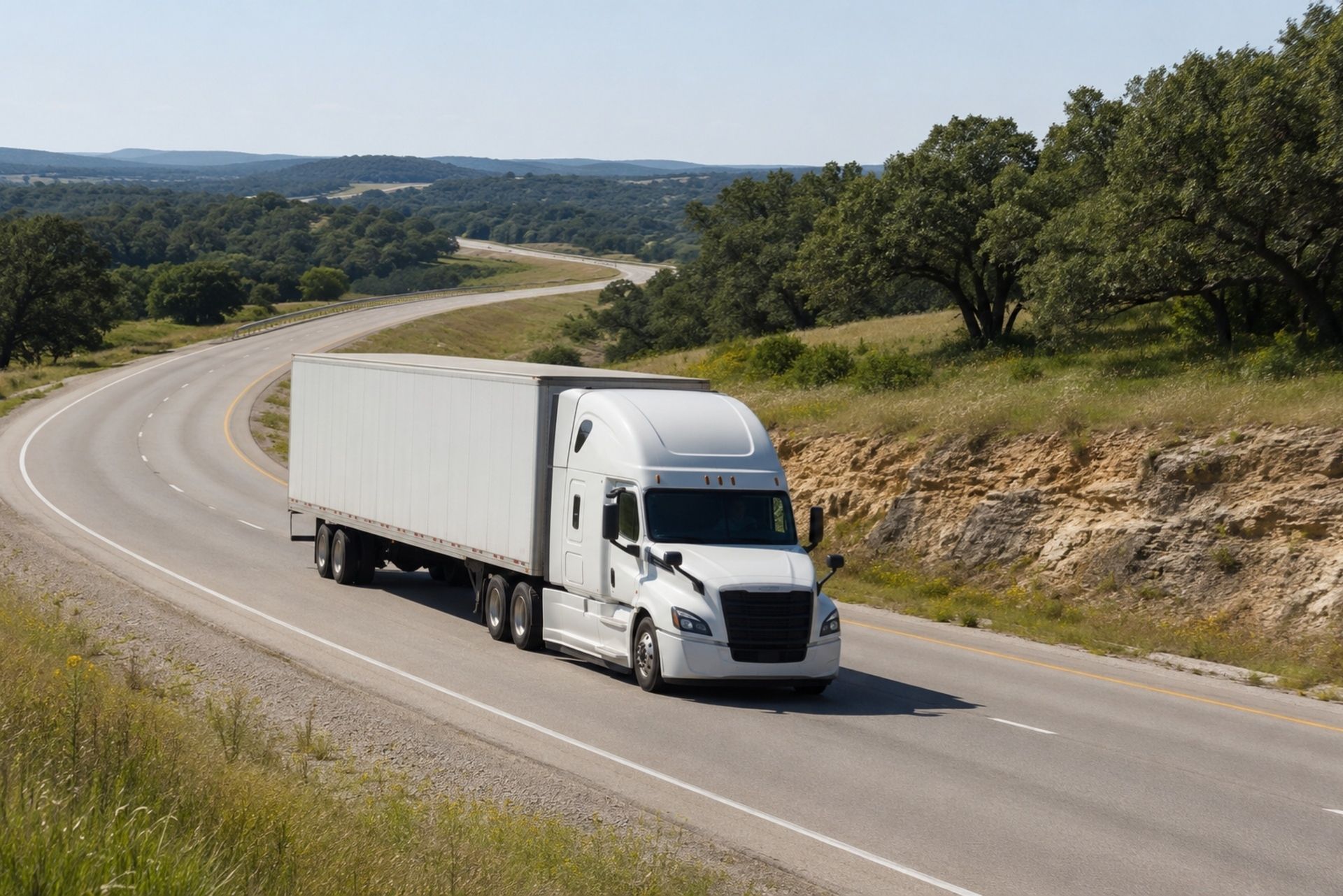
Austin's trucking corridor is one of the busiest in the South. Between the explosive population growth, a construction boom that shows no signs of slowing, and the fact that I-35 funnels a staggering amount of freight through the city center, operating a commercial truck here comes with risks that policies written for quieter markets simply don't account for. If you're running a fleet or driving as an owner-operator in the Austin area, your insurance needs to reflect the specific pressures of this market: not just check a compliance box. That means understanding Texas state minimums, knowing which coverage types actually protect your business versus which ones just look good on paper, and recognizing the local hazards that drive up claims. The trucking insurance market in Texas has been tightening since 2024, with rate increases tied to approved TAIPA auto rate changes and a surge in nuclear verdicts against carriers. Getting this right matters more than ever. Here's what Austin operators actually need to know heading into the rest of 2026.
Navigating Commercial Trucking Insurance in Austin
Commercial trucking insurance in Austin isn't a one-size-fits-all product. The city sits at the intersection of intrastate Texas hauling and interstate freight corridors, which means operators here often need to satisfy both state and federal insurance requirements simultaneously. A local hotshot carrier running construction materials between Austin and San Antonio faces different exposure than a long-haul outfit passing through on I-35.
The challenge is that many general insurance agencies treat trucking as an afterthought. They'll quote you a policy that meets minimum requirements and move on. But trucking is a specialty line, and Austin's market conditions - from litigation trends to weather patterns - demand an agent who understands the nuances.
Why Local Austin Knowledge Matters for Fleet Owners
An agent in Dallas or Houston might know Texas trucking regulations, but they won't necessarily understand that Austin's rapid urban sprawl has created dozens of new construction zones along major freight routes, each one a claims risk. They might not know that Travis County juries have been trending toward larger verdicts in truck accident litigation, making liability limits that seemed adequate two years ago feel dangerously thin today.
Local knowledge also matters for understanding seasonal patterns. Austin's festival season, SXSW through ACL, brings massive traffic congestion that increases fender-bender frequency for commercial vehicles. A broker who knows this can help you structure deductibles and coverage periods intelligently. GrayStone Insurance Group, for instance, pairs brokers averaging 20 years of experience with data-driven risk modeling to price policies that reflect these local realities rather than relying on generic state averages.
INDEX
GrayStone Insurance Group is fully licensed and permitted to provide specialty commercial insurance solutions for high-risk and hard-to-place businesses across 17 states.
We proudly serve high-risk and hard-to-place businesses from coast to coast. As an independent specialty brokerage, our team works with leading Excess & Surplus and specialty carriers to make sure restaurants, bars, contractors, trucking companies, manufacturers, and other hard-to-place operations receive coverage that fits their real risks in California, Colorado, Florida, Georgia, Illinois, Iowa, Maryland, Michigan, Missouri, Nevada, New York, North Carolina, South Carolina, Tennessee, Texas, Utah, and Washington.
Every policy has boundaries. Knowing them up front is how you avoid an uncovered claim. Common exclusions include:
Every policy has boundaries. Knowing them up front is how you avoid an uncovered claim. Common exclusions include:
Every policy has boundaries. Knowing them up front is how you avoid an uncovered claim. Common exclusions include:
General Liability responds to the core exposures most operations in this category face. A typical policy answers third-party claims and the defense costs that come with them, so a single incident doesn't put the business at risk.
If your firm provides any design, engineering, or consulting services alongside construction, you need both. A GL policy won't cover a claim alleging your design specifications caused a building envelope failure. That's a professional liability exposure, and it's one of the fastest-growing claim categories in construction.
Texas State Requirements and Minimum Liability
Texas sets its own insurance minimums for intrastate trucking, and they're not identical to federal requirements. Getting confused between the two is one of the most common mistakes new operators make.
Texas intrastate operators with vehicles over 26,000 lbs are required to carry a minimum of $500,000 in liability coverage. That number jumps significantly if you're hauling hazardous materials. For general freight carriers operating interstate, FMCSA sets the floor at $750,000, and hazmat carriers need $1 million to $5 million depending on the cargo classification.
TXDMV and FMCSA Filing Requirements
If you operate solely within Texas, you'll file with the Texas Department of Motor Vehicles. Your insurer must file a Form E (proof of financial responsibility) on your behalf. Losing this filing, even briefly, can result in your operating authority being suspended.
Interstate carriers need a BMC-91 or BMC-82 filing with FMCSA. The BMC-91 is filed by your insurance company; the BMC-82 is a surety bond alternative. Most Austin operators running interstate routes use the BMC-91 because it's more straightforward. The TDI's 2026 regulatory bulletins outline updated compliance expectations, so staying current on these filings is critical.
Texas-Specific Limits vs. Federal Regulations
Here's where it gets tricky: even if you only operate within Texas, you might still need to meet federal minimums if you cross state lines even once. A single load from Austin to Shreveport triggers FMCSA jurisdiction. Many operators don't realize this until they're facing a compliance audit.
The practical advice? If there's any chance you'll take an interstate load, structure your policy to meet federal minimums from the start. The cost difference between $500,000 and $750,000 in liability coverage is often smaller than operators expect, and it saves you from a costly policy restructuring mid-year.
Every policy has boundaries. Knowing them up front is how you avoid an uncovered claim. Common exclusions include:
Every policy has boundaries. Knowing them up front is how you avoid an uncovered claim. Common exclusions include:
Every policy has boundaries. Knowing them up front is how you avoid an uncovered claim. Common exclusions include:
General Liability responds to the core exposures most operations in this category face. A typical policy answers third-party claims and the defense costs that come with them, so a single incident doesn't put the business at risk.
Essential Coverage Types for Austin Operators
Liability alone won't protect your business. A complete trucking insurance program includes several coverage types, each addressing a different risk.
Primary Liability and Physical Damage
Primary liability covers bodily injury and property damage you cause to others. This is the coverage Texas and FMCSA require. Physical damage coverage protects your own truck and trailer from collision, theft, fire, and vandalism. If you're financing or leasing your equipment, your lender will require physical damage coverage.
One thing to keep in mind: physical damage policies vary widely in how they handle total losses. Some pay actual cash value, which depreciates quickly on a truck with 400,000 miles. Others offer stated value or agreed value options. For a 2024 Freightliner Cascadia, the difference between ACV and agreed value could be $30,000 or more after a total loss.
Motor Truck Cargo and Inland Marine Coverage
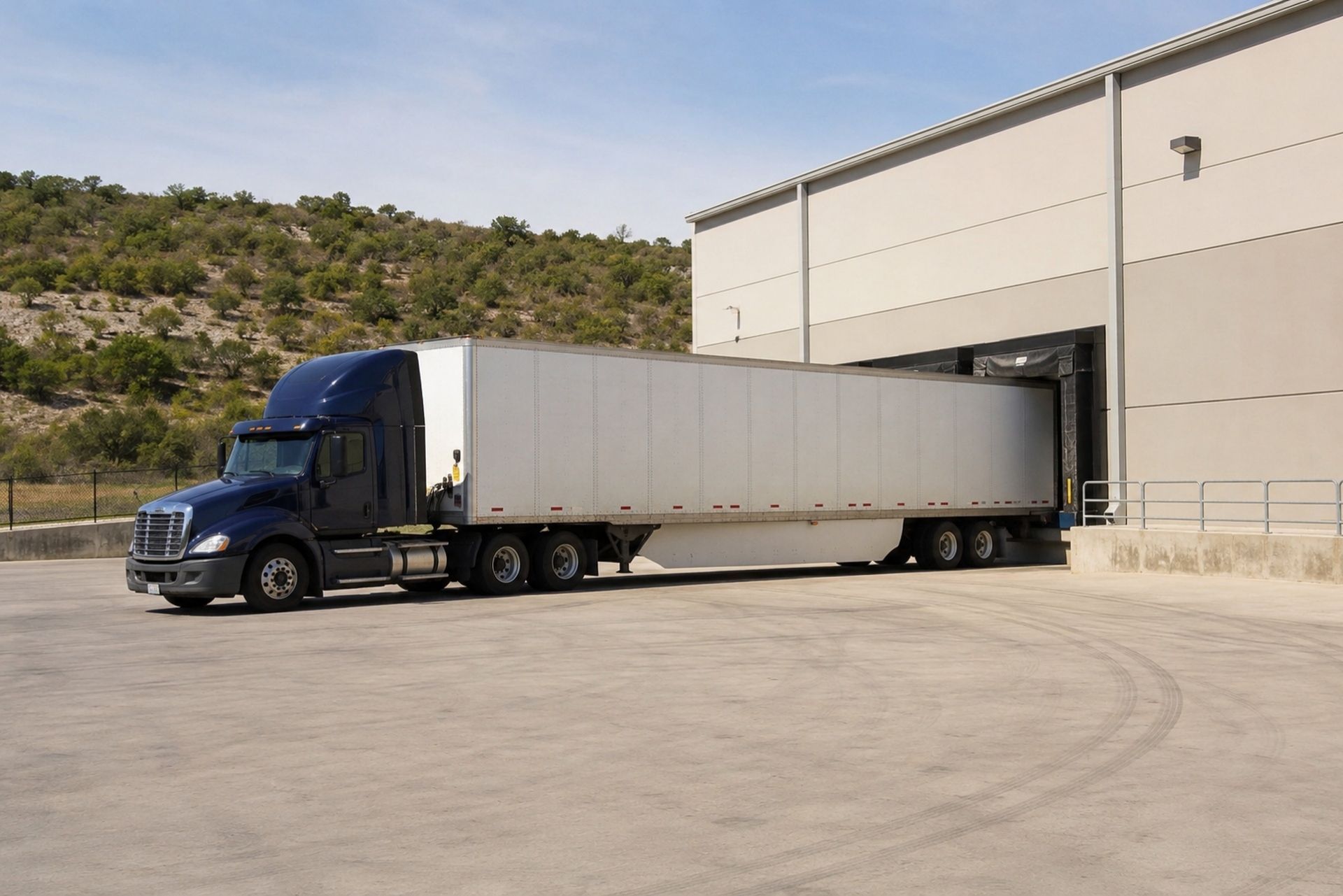
Cargo insurance protects the freight you're hauling. Standard policies cover common commodities, but if you're running specialized loads, like heavy equipment for Austin's construction sites or temperature-sensitive goods, you'll need endorsements or a separate inland marine policy.
Cargo claims are surprisingly common. Shifting loads, water damage from unexpected storms, and theft at truck stops all generate claims regularly. The Texas Trucking Association has supported comprehensive plans to address cargo theft trends statewide, but individual operators still need their own coverage.
Non-Trucking Liability for Owner-Operators
If you're an owner-operator leased to a motor carrier, the carrier's policy covers you while you're under dispatch. But what about when you're driving to the grocery store or heading home after dropping a trailer? That's where non-trucking liability (also called bobtail coverage) fills the gap.
This coverage is inexpensive relative to primary liability, usually running $300 to $800 annually. Skipping it is a false economy that leaves you exposed during every off-duty mile.
Every policy has boundaries. Knowing them up front is how you avoid an uncovered claim. Common exclusions include:
Every policy has boundaries. Knowing them up front is how you avoid an uncovered claim. Common exclusions include:
Every policy has boundaries. Knowing them up front is how you avoid an uncovered claim. Common exclusions include:
General Liability responds to the core exposures most operations in this category face. A typical policy answers third-party claims and the defense costs that come with them, so a single incident doesn't put the business at risk.
Comparison: Basic vs. Comprehensive Trucking Policies
Table: Comparing Coverage Tiers and Protection Levels
| Coverage Feature | Basic Policy | Comprehensive Policy |
|---|---|---|
| Primary Liability | State/federal minimum ($500K-$750K) | $1M+ with umbrella options |
| Physical Damage | Actual cash value | Agreed value or replacement cost |
| Cargo Coverage | Standard commodities only | Broad form with specialized endorsements |
| Non-Trucking Liability | Often excluded | Included |
| Uninsured/Underinsured Motorist | State minimum or excluded | Higher limits recommended |
| Trailer Interchange | Not included | Available |
| Downtime Coverage | Not included | Rental reimbursement or lost income |
| Deductible Options | Higher deductibles, lower premium | Flexible deductible structures |
The gap between basic and comprehensive coverage becomes painfully obvious after a major claim. A single nuclear verdict, and Texas has seen nearly $50 million awarded against a trucking company in recent years, can wipe out an undercovered operator entirely.
Every policy has boundaries. Knowing them up front is how you avoid an uncovered claim. Common exclusions include:
Every policy has boundaries. Knowing them up front is how you avoid an uncovered claim. Common exclusions include:
Every policy has boundaries. Knowing them up front is how you avoid an uncovered claim. Common exclusions include:
General Liability responds to the core exposures most operations in this category face. A typical policy answers third-party claims and the defense costs that come with them, so a single incident doesn't put the business at risk.
Unique Hazards for Truckers on Austin Roadways
Austin's road network creates specific risks that directly affect your insurance costs and claims history..
Managing Risk on I-35 and the Mopac Expressway
I-35 through Austin is consistently ranked among the most congested freight corridors in Texas. The ongoing expansion project has created years of shifting lanes, narrow shoulders, and confused passenger vehicle drivers, all of which increase accident frequency for commercial trucks. Mopac (Loop 1) adds its own challenges with tight curves and limited merge areas that weren't designed for 80,000-pound vehicles.
Operators who track telematics data and invest in driver training for these specific corridors see measurably fewer claims. GrayStone Insurance Group works with clients to incorporate this kind of risk mitigation data into underwriting, which can translate into better rates over time.
Weather Risks: Flash Floods and Hail Damage in Central Texas
Central Texas weather is no joke for trucking operations. Flash flooding can make low-water crossings impassable within minutes, and Austin has dozens of them. Hail events in spring and early summer routinely cause thousands of dollars in physical damage to trucks parked without cover.
A comprehensive trucking insurance guide for Texas will emphasize the importance of comprehensive physical damage coverage (as opposed to collision-only) for exactly these weather-related risks. If your policy only covers collision, a hailstorm that dents every panel on your cab isn't covered. That's a costly surprise.
Every policy has boundaries. Knowing them up front is how you avoid an uncovered claim. Common exclusions include:
Every policy has boundaries. Knowing them up front is how you avoid an uncovered claim. Common exclusions include:
Every policy has boundaries. Knowing them up front is how you avoid an uncovered claim. Common exclusions include:
General Liability responds to the core exposures most operations in this category face. A typical policy answers third-party claims and the defense costs that come with them, so a single incident doesn't put the business at risk.
Common Questions About Austin Trucking Insurance
FAQ: Cost Factors, Claims, and Local Compliance
How much does commercial trucking insurance cost in Austin? Annual premiums for a single power unit typically range from $9,000 to $16,000 for owner-operators, depending on driving history, cargo type, and coverage limits. Fleets with clean safety records and telematics can often negotiate below that range.
What's the biggest factor that drives up my premium? Your CSA score and loss history. A single at-fault accident can increase your premium by 20-40% at renewal. Violations like speeding or hours-of-service infractions compound the problem.
Do I need separate coverage for each trailer? If you own your trailers, yes, each needs physical damage coverage. If you're pulling trailers owned by others, you need trailer interchange coverage instead.
Can I get insured with a new authority? Yes, but expect to pay more. Most carriers consider new authorities high-risk for the first two years. Working with a specialty agency that handles hard-to-place risks, like GrayStone, can help you find coverage that a standard agency might not be able to place.
Does my personal auto policy cover my truck if I use it for personal errands? No. Personal auto policies exclude commercial vehicles. You need non-trucking liability for personal use of your commercial truck.
What happens if my FMCSA filing lapses? Your operating authority can be revoked. Reinstatement requires new filings and potentially a new insurance policy, which is expensive and time-consuming.
Every policy has boundaries. Knowing them up front is how you avoid an uncovered claim. Common exclusions include:
Every policy has boundaries. Knowing them up front is how you avoid an uncovered claim. Common exclusions include:
Every policy has boundaries. Knowing them up front is how you avoid an uncovered claim. Common exclusions include:
General Liability responds to the core exposures most operations in this category face. A typical policy answers third-party claims and the defense costs that come with them, so a single incident doesn't put the business at risk.
Making the Right Choice for Your Fleet
Austin's trucking insurance market rewards operators who treat coverage as a strategic decision rather than a line-item expense. The difference between a policy that merely satisfies state minimums and one that actually protects your business can be the difference between surviving a major claim and closing your doors.
Start by understanding your exposure: what routes you run, what cargo you haul, and what your worst-case scenario looks like financially. Then work with a broker who specializes in trucking and knows the Austin market. Ask about agreed value options, umbrella policies, and how your safety data can earn you better rates.
If you're running trucks through Austin in 2026, the risks are real but manageable with the right coverage in place. Don't wait for a claim to find out what your policy actually covers. Get a quote review, ask hard questions, and make sure your insurance is built for the roads you actually drive.
ABOUT THE AUTHOR:
CHAD KRAMER
I started GrayStone Insurance Group in 2018 with a simple conviction: the businesses everyone else turns away deserve a broker who won't. What began as a one-person operation has grown into a specialty commercial brokerage with offices across the country — but the mission hasn't changed. We find solutions for high-risk and hard-to-place businesses when other agencies run the other way.
I built this agency on integrity, hard work, and the tenacity to do the hard things well. Through our access to Excess & Surplus and specialty markets, my team and I place coverage standard carriers can't — and I treat every client's business like my own.
If you've been declined, non-renewed, or told your business is too complicated to insure, let's talk.
Coverages & policies
Plain-language coverage, expertly placed.
We lead with commercial lines and round out personal coverage where you need it. Every policy comes with an explanation — not jargon.

Contractors
Third-party bodily injury & property damage — the foundation for any operation.

Liquor Liability
Critical for bars, restaurants and venues serving alcohol — including A&B.

Commercial Property
Buildings, contents and equipment — including distressed and vacant risk.

Workers' Compensation
Statutory coverage for your crew — including high-mod and high-hazard classes.

Commercial Umbrella
Extra liability limits over your primary policies — essential for high-exposure risk.
Products Liability
Manufacturers, CBD and consumer-product exposure — including imports.
What clients say
Brokers who actually place it.
FAQ
Answers for the risks others won't cover
Getting declined, non-renewed, or told your business is "too high-risk" is frustrating — but it doesn't mean you're out of options. Here are answers to the questions we hear most from business owners who need coverage the standard market won't provide.
What kind of insurance does GrayStone specialize in?
We're a specialty commercial brokerage built for high-risk and hard-to-place businesses — the risks standard carriers often turn away. Through our access to Excess & Surplus (E&S) and specialty markets, we place coverage that everyday agencies can't. Hospitality and construction are among our deepest areas of expertise.
My business was declined or non-renewed elsewhere. Can you still help?
That's exactly what we do. A decline, a non-renewal, or a tough claims history doesn't mean you're out of options — it means your risk needs a broker with the right market access. Tell us your situation and we'll get to work finding a fit.
What is Excess & Surplus (E&S) insurance?
E&S is specialty coverage for risks that standard "admitted" carriers won't write — often because a business is higher-risk, unusual, or has a complex history. As an independent broker, we tap into these specialty markets to place coverage where a typical agency hits a dead end.
What industries do you work with?
We cover a wide range of commercial industries — from restaurants, bars, and hospitality to contractors, trucking, manufacturing, cannabis, and more. If your industry is considered high-risk or hard-to-place, there's a good chance we've handled it.
Will you work with businesses that have prior claims or losses?
Yes. Prior claims and losses are part of many of the risks we place every day. Every business is evaluated on its own merits — and a rocky history is often exactly why a specialty broker can help where others won't.
Are you an independent broker?
Yes. We're not tied to a single carrier, so we shop your risk across multiple specialty and E&S markets to find coverage that actually fits — instead of forcing you into a one-size-fits-all policy.
Insights & resources
Know your risk before you buy.