
General Liability responds to the core exposures most operations in this category face. A typical policy answers third-party claims and the defense costs that come with them, so a single incident doesn't put the business at risk.
Running a charter boat operation without the right insurance is like heading offshore without checking the weather: you might get away with it a few times, but when things go wrong, they go wrong fast. The marine insurance market has tightened considerably, and an estimated 65% of boats currently on the water are uninsured as operators get priced out by rising premiums and strict maintenance mandates. For charter and commercial boat operators, going without coverage isn't just risky: it can end your business overnight.
Marine and charter boat business insurance isn't a single policy. It's a collection of coverages tailored to the specific risks of carrying passengers, operating in open water, and employing crew. The challenge? Many standard carriers won't touch charter operations, especially those with older vessels, loss history, or routes through hurricane-prone waters. That leaves a significant number of operators scrambling for coverage in the surplus lines market, often unsure what they actually need. This guide breaks down the essential coverages, the claims that sink operators financially, and practical solutions for businesses that traditional insurers have turned away.
Understanding Marine and Charter Boat Insurance Essentials
A commercial marine policy looks nothing like personal boat insurance. The exposures are fundamentally different: you're carrying paying passengers, employing crew, operating on a schedule regardless of conditions, and facing regulatory requirements that recreational boaters never encounter. Three core coverages form the backbone of any charter boat insurance program, and skipping any one of them can leave a devastating gap.
Hull and Machinery Coverage
Hull and machinery insurance protects the physical vessel itself: the hull, engines, navigation equipment, and onboard systems. Think of it as the marine equivalent of comprehensive auto coverage, but with significantly more complexity. Policies can be written on an "agreed value" basis, where you and the insurer settle on a fixed amount upfront, or on an "actual cash value" basis, which factors in depreciation.
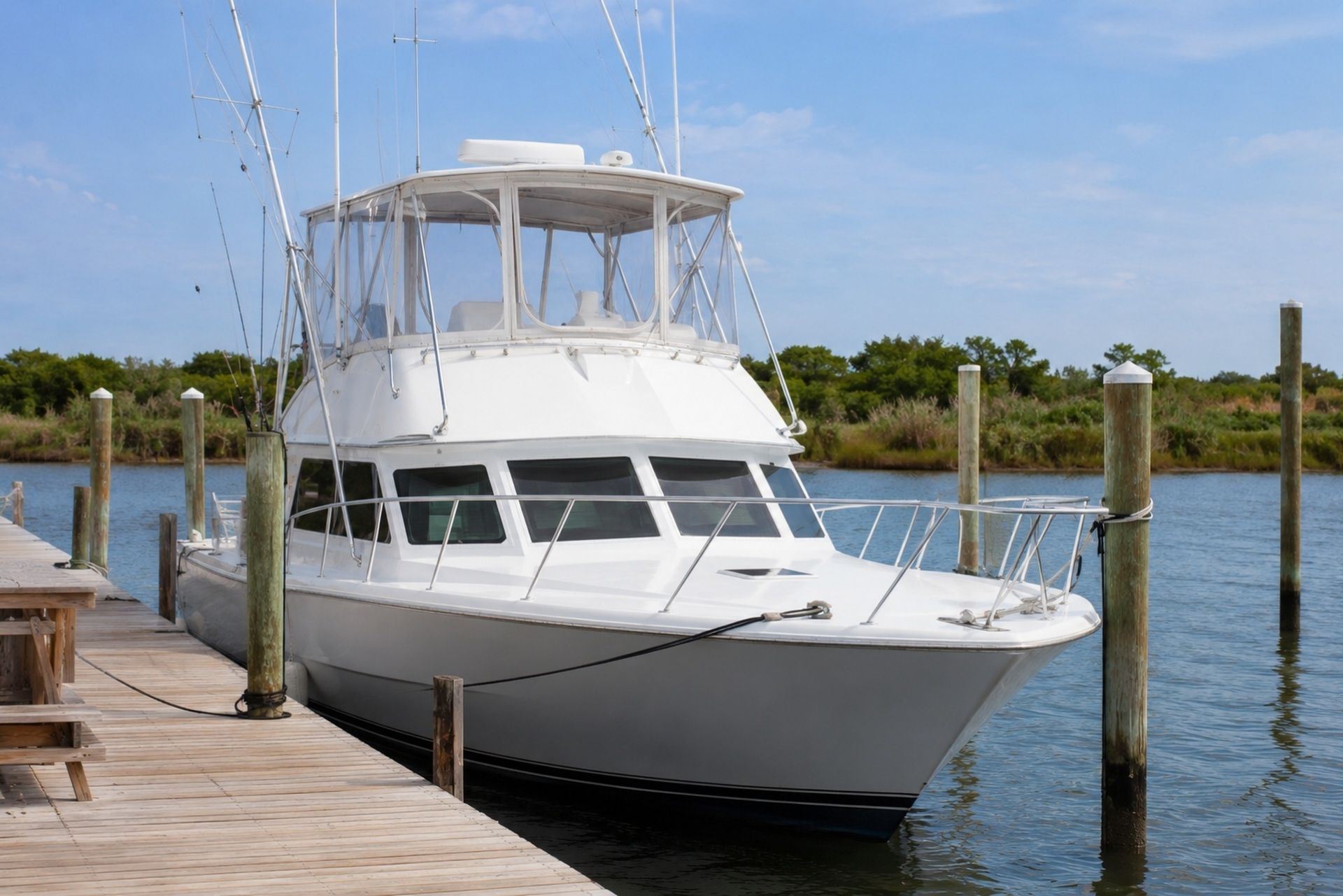
For charter operators, agreed value policies are almost always the better choice. If your vessel is totaled in a storm or collision, you don't want to argue about depreciation on a 15-year-old sportfisher that's been meticulously maintained. Hull policies also typically cover salvage costs, which can easily run $50,000 to $200,000 depending on the vessel size and location.
Protection and Indemnity (P&I) Liability
P&I coverage is where things get serious for charter operators. This is your liability protection for bodily injury to passengers and third parties, damage to other vessels or property, and related legal defense costs. A single passenger injury lawsuit can generate six- or seven-figure claims, and social inflation is driving fleet insurance costs higher across all commercial marine segments.
Most charter operations need a minimum of $1 million in P&I coverage, though $5 million is increasingly common for larger vessels or operations carrying more than six passengers. The U.S. Coast Guard sets minimum financial responsibility requirements, but those minimums rarely reflect real-world exposure.
Jones Act and Crew Coverage
If you employ crew members, even part-time mates or deckhands, you need Jones Act coverage. The Jones Act gives maritime workers broader rights than standard workers' compensation, allowing injured crew to sue for negligence and collect maintenance and cure (essentially room, board, and medical expenses) until they reach maximum medical improvement. This coverage is non-negotiable and frequently overlooked by smaller operators who treat crew as independent contractors. Misclassifying crew doesn't eliminate your Jones Act exposure: it just means you'll face the claim without insurance backing you up.
INDEX
Understanding Marine and Charter Boat Insurance Essentials
Comparing Standard vs. Specialized Marine Coverage
Why Marine Risks Are Outpacing Traditional Models
Common Claims in the Charter Boat Industry
Solutions for Hard-to-Place Marine Operators
Frequently Asked Questions About Boat Business Insurance
How Federal Regulations Shape Your Coverage Needs
The Real Cost of Being Underinsured
What Sets Surplus Lines Apart from Standard Markets
Key Factors That Affect Your Premium
GrayStone Insurance Group is fully licensed and permitted to provide specialty commercial insurance solutions for high-risk and hard-to-place businesses across 17 states.
We proudly serve high-risk and hard-to-place businesses from coast to coast. As an independent specialty brokerage, our team works with leading Excess & Surplus and specialty carriers to make sure restaurants, bars, contractors, trucking companies, manufacturers, and other hard-to-place operations receive coverage that fits their real risks in California, Colorado, Florida, Georgia, Illinois, Iowa, Maryland, Michigan, Missouri, Nevada, New York, North Carolina, South Carolina, Tennessee, Texas, Utah, and Washington.
Every policy has boundaries. Knowing them up front is how you avoid an uncovered claim. Common exclusions include:
Every policy has boundaries. Knowing them up front is how you avoid an uncovered claim. Common exclusions include:
Every policy has boundaries. Knowing them up front is how you avoid an uncovered claim. Common exclusions include:
General Liability responds to the core exposures most operations in this category face. A typical policy answers third-party claims and the defense costs that come with them, so a single incident doesn't put the business at risk.
If your firm provides any design, engineering, or consulting services alongside construction, you need both. A GL policy won't cover a claim alleging your design specifications caused a building envelope failure. That's a professional liability exposure, and it's one of the fastest-growing claim categories in construction.
Comparing Standard vs. Specialized Marine Coverage
Not all marine policies are created equal. A standard recreational boat policy and a commercial marine program differ in almost every meaningful way. Here's a side-by-side comparison:
| Feature | Standard Recreational Policy | Commercial Charter Policy |
|---|---|---|
| Passenger Coverage | Family/friends only | Paying passengers included |
| P&I Limits | $300K-$500K typical | $1M-$5M+ available |
| Jones Act/Crew | Not included | Required for employed crew |
| Navigation Limits | Coastal/inland only | Extended offshore available |
| Pollution Liability | Minimal or excluded | Included or available |
| Charter Use | Excluded | Primary purpose |
| USCG Compliance | Not included | Built into policy structure |
The gap between these two types of coverage is enormous. Operating a charter vessel on a recreational policy is grounds for claim denial, and it happens more often than you'd think.
| Coverage Area | Basic BOP | Comprehensive Program |
|---|---|---|
| General Liability | $1M per occurrence | $1M-$2M with umbrella option |
| Property | Building and contents, ACV | Replacement cost, including signs |
| Liquor Liability | Excluded or limited | Full coverage, higher limits |
| Business Interruption | 30-60 days | Up to 12 months |
| Equipment Breakdown | Not included | Included with spoilage |
| EPLI | Not included | Included or available |
| Cyber Liability | Not included | Included (POS system breaches) |
| Hired/Non-Owned Auto | Not included | Included (delivery drivers) |
Why Marine Risks Are Outpacing Traditional Models
Traditional underwriting models struggle with the marine sector in 2026. Climate patterns are shifting, storm seasons are intensifying, and vessel values have increased sharply since 2020 due to supply chain disruptions. Marine risks are outpacing the models insurers have relied on for decades, which is one reason why so many charter operators find themselves classified as "hard to place."
This is where agencies like GrayStone Insurance Group earn their keep. Their brokers, averaging 20 years of market experience, understand how to present risk to surplus lines carriers in a way that gets competitive quotes rather than declinations. When standard markets say no, the right broker knows which specialty carriers will say yes, and at what price.
Every policy has boundaries. Knowing them up front is how you avoid an uncovered claim. Common exclusions include:
Every policy has boundaries. Knowing them up front is how you avoid an uncovered claim. Common exclusions include:
Every policy has boundaries. Knowing them up front is how you avoid an uncovered claim. Common exclusions include:
General Liability responds to the core exposures most operations in this category face. A typical policy answers third-party claims and the defense costs that come with them, so a single incident doesn't put the business at risk.
Common Claims in the Charter Boat Industry
Understanding what goes wrong helps you prepare for it. These three claim categories account for the majority of losses in the charter boat space.
Passenger Slip and Fall Incidents
Wet decks, rolling seas, and passengers who've had a few drinks create a predictable recipe for slip-and-fall injuries. These claims are the most frequent in the charter industry, and they're getting more expensive. The Small Passenger Vessel Safety Act has increased scrutiny on vessel safety standards, which means operators face both regulatory penalties and civil liability when injuries occur.
Documented safety briefings, non-skid surfaces, proper handrails, and incident logs are your first line of defense. They won't prevent every claim, but they dramatically improve your position when one is filed.
Striking Submerged Objects or Grounding
Groundings and allisions with submerged objects rank as the second most common hull claims. Shifting sandbars, unmarked debris after storms, and unfamiliar waters all contribute. A hard grounding can damage props, shafts, rudders, and hull integrity in seconds. Repair costs for a single grounding event on a 40-foot vessel commonly range from $15,000 to $75,000, and that's before you factor in lost revenue during repairs.
Pollution and Fuel Discharge Liability
Even a small fuel spill triggers federal reporting requirements and can result in cleanup costs that dwarf the value of the vessel. The Oil Pollution Act holds vessel operators strictly liable for cleanup, meaning fault doesn't matter. A ruptured fuel line or overfilled tank can generate $100,000+ in cleanup and penalty costs. Pollution liability coverage is sometimes included in P&I policies but often needs to be added separately, so check your policy carefully.
Solutions for Hard-to-Place Marine Operators
Being declined by one or two carriers doesn't mean you're uninsurable. It means you need a different approach.
Insuring Older Vessels and Wood Hulls
Vessels over 25 years old and wooden-hulled boats are among the hardest to insure. Most standard marine carriers have strict age cutoffs. The key is working with surplus lines markets that specialize in older vessels and understand that a well-maintained 1990s sportfisher can be a better risk than a neglected 2020 model. Comprehensive guides on older boat insurance confirm that recent surveys, maintenance records, and documented upgrades significantly improve your chances of getting coverage at reasonable rates.
High-Risk Waters and Extended Navigational Limits
Operating in the Gulf of Mexico during hurricane season, running charters in the Bahamas, or fishing offshore beyond standard coastal limits all trigger higher premiums or outright declinations. Carriers worry about catastrophic storm exposure and the cost of search and rescue in remote waters. Getting coverage for extended navigational areas typically requires named-storm deductibles (often 5-10% of hull value) and may exclude certain months entirely.
Operators with Prior Loss History
A history of claims doesn't automatically make you uninsurable, but it does narrow your options. Carriers want to see what you've changed since the losses occurred. Documented safety improvements, crew training certifications, upgraded equipment, and a clear narrative about corrective actions all help. GrayStone's data-driven underwriting approach helps present loss history in context, showing carriers the full risk picture rather than just a claims spreadsheet.
Every policy has boundaries. Knowing them up front is how you avoid an uncovered claim. Common exclusions include:
Every policy has boundaries. Knowing them up front is how you avoid an uncovered claim. Common exclusions include:
Every policy has boundaries. Knowing them up front is how you avoid an uncovered claim. Common exclusions include:
General Liability responds to the core exposures most operations in this category face. A typical policy answers third-party claims and the defense costs that come with them, so a single incident doesn't put the business at risk.
Frequently Asked Questions About Boat Business Insurance
Do I need insurance if I only run a few charters per year? Yes. Even one paid trip converts your vessel from recreational to commercial use. A single passenger injury claim could exceed $500,000, and your personal boat policy will deny coverage for commercial activity.
What does a charter boat insurance policy typically cost? Annual premiums for a six-pack charter operation generally run $3,000 to $12,000, depending on vessel value, waters navigated, and loss history. Larger vessels carrying more passengers pay significantly more.
Can I get coverage for a vessel over 30 years old? You can, but you'll likely need to work through surplus lines markets. A current marine survey, documented maintenance history, and recent engine service records are usually required.
Does my policy cover me if a hurricane damages my boat at the dock? Most hull policies cover named storms, but many include separate named-storm deductibles ranging from 2% to 10% of the insured value. Read your policy's windstorm provisions carefully.
What happens if my captain causes an accident? Your P&I policy should cover liability from crew negligence, but only if the captain is properly licensed and operating within the policy's navigational limits. Unlicensed operators are a common exclusion.
When admitted carriers decline your application, the surplus lines market becomes your path to coverage. Surplus lines insurers aren't bound by the same rate and form regulations as admitted carriers, giving them flexibility to write policies for unusual or high-hazard risks. The U.S. surplus lines market has grown substantially as more businesses find themselves unable to secure standard market coverage.
Working with a broker who has established surplus lines relationships is critical. GrayStone Insurance Group, for example, specializes in placing coverage for hard-to-place contractors through its surplus lines partnerships, using data-driven risk modeling to match operators with the right carrier. Not every surplus lines broker understands construction, so look for one with specific trade experience.
Navigating the Surplus Lines Market
How Federal Regulations Shape Your Coverage Needs
USCG requirements directly influence what insurance you need. Six-pack charters (six or fewer passengers) require a Captain's license and Certificate of Financial Responsibility. Larger operations need Certificates of Inspection. These regulatory requirements often dictate minimum coverage levels, and understanding vessel safety standards is essential before purchasing a policy.
Every policy has boundaries. Knowing them up front is how you avoid an uncovered claim. Common exclusions include:
Every policy has boundaries. Knowing them up front is how you avoid an uncovered claim. Common exclusions include:
Every policy has boundaries. Knowing them up front is how you avoid an uncovered claim. Common exclusions include:
General Liability responds to the core exposures most operations in this category face. A typical policy answers third-party claims and the defense costs that come with them, so a single incident doesn't put the business at risk.
The Real Cost of Being Underinsured
Carrying minimum coverage might save $2,000 a year in premiums. A single uncovered claim can cost $200,000 or more. The math isn't complicated. Underinsurance is the most expensive form of savings in the marine industry, and it catches operators off guard every storm season.
When admitted carriers decline your application, the surplus lines market becomes your path to coverage. Surplus lines insurers aren't bound by the same rate and form regulations as admitted carriers, giving them flexibility to write policies for unusual or high-hazard risks. The U.S. surplus lines market has grown substantially as more businesses find themselves unable to secure standard market coverage.
Working with a broker who has established surplus lines relationships is critical. GrayStone Insurance Group, for example, specializes in placing coverage for hard-to-place contractors through its surplus lines partnerships, using data-driven risk modeling to match operators with the right carrier. Not every surplus lines broker understands construction, so look for one with specific trade experience.
Navigating the Surplus Lines Market
What Sets Surplus Lines Apart from Standard Markets
Surplus lines carriers exist specifically for risks that admitted carriers won't write. They have more flexibility in pricing, policy terms, and coverage structure. The trade-off is that surplus lines policies aren't backed by state guaranty funds, so the financial strength of the carrier matters enormously. Work with a broker who vets carrier ratings carefully.
Every policy has boundaries. Knowing them up front is how you avoid an uncovered claim. Common exclusions include:
Every policy has boundaries. Knowing them up front is how you avoid an uncovered claim. Common exclusions include:
Every policy has boundaries. Knowing them up front is how you avoid an uncovered claim. Common exclusions include:
General Liability responds to the core exposures most operations in this category face. A typical policy answers third-party claims and the defense costs that come with them, so a single incident doesn't put the business at risk.
Key Factors That Affect Your Premium
Your premium is driven by vessel age, hull material, horsepower, navigational area, passenger capacity, claims history, captain experience, and safety equipment. Investing in EPIRB devices, AIS transponders, fire suppression systems, and documented crew training can reduce premiums by 10-20% with many carriers.
When admitted carriers decline your application, the surplus lines market becomes your path to coverage. Surplus lines insurers aren't bound by the same rate and form regulations as admitted carriers, giving them flexibility to write policies for unusual or high-hazard risks. The U.S. surplus lines market has grown substantially as more businesses find themselves unable to secure standard market coverage.
Working with a broker who has established surplus lines relationships is critical. GrayStone Insurance Group, for example, specializes in placing coverage for hard-to-place contractors through its surplus lines partnerships, using data-driven risk modeling to match operators with the right carrier. Not every surplus lines broker understands construction, so look for one with specific trade experience.
Navigating the Surplus Lines Market
Why Broker Experience Matters in Marine Insurance
Marine insurance is a specialty market where relationships between brokers and underwriters directly affect the quotes you receive. A broker who places 200 marine accounts annually has credibility that a generalist agent placing two or three simply doesn't. GrayStone's 94% client retention rate reflects this kind of deep market knowledge: their brokers know which carriers are competitive for specific vessel types, routes, and risk profiles.
When admitted carriers decline your application, the surplus lines market becomes your path to coverage. Surplus lines insurers aren't bound by the same rate and form regulations as admitted carriers, giving them flexibility to write policies for unusual or high-hazard risks. The U.S. surplus lines market has grown substantially as more businesses find themselves unable to secure standard market coverage.
Working with a broker who has established surplus lines relationships is critical. GrayStone Insurance Group, for example, specializes in placing coverage for hard-to-place contractors through its surplus lines partnerships, using data-driven risk modeling to match operators with the right carrier. Not every surplus lines broker understands construction, so look for one with specific trade experience.
Navigating the Surplus Lines Market
Making the Right Choice for Your Fleet
Choosing the right insurance for a charter boat operation isn't about finding the cheapest premium. It's about matching your specific risk profile to a policy that will actually respond when you need it. Start with an honest assessment of your exposures: vessel condition, waters navigated, crew qualifications, and passenger capacity. Get a current marine survey. Document everything.
The charter boat insurance market is challenging right now, but coverage is available for operators willing to work with specialized brokers who understand the space. If you've been declined or are paying more than you think you should, reach out to GrayStone Insurance Group for a risk assessment. The right coverage protects more than your vessel: it protects your livelihood.
ABOUT THE AUTHOR:
CHAD KRAMER
I started GrayStone Insurance Group in 2018 with a simple conviction: the businesses everyone else turns away deserve a broker who won't. What began as a one-person operation has grown into a specialty commercial brokerage with offices across the country — but the mission hasn't changed. We find solutions for high-risk and hard-to-place businesses when other agencies run the other way.
I built this agency on integrity, hard work, and the tenacity to do the hard things well. Through our access to Excess & Surplus and specialty markets, my team and I place coverage standard carriers can't — and I treat every client's business like my own.
If you've been declined, non-renewed, or told your business is too complicated to insure, let's talk.
Coverages & policies
Plain-language coverage, expertly placed.
We lead with commercial lines and round out personal coverage where you need it. Every policy comes with an explanation — not jargon.

Contractors
Third-party bodily injury & property damage — the foundation for any operation.

Liquor Liability
Critical for bars, restaurants and venues serving alcohol — including A&B.

Commercial Property
Buildings, contents and equipment — including distressed and vacant risk.

Workers' Compensation
Statutory coverage for your crew — including high-mod and high-hazard classes.

Commercial Umbrella
Extra liability limits over your primary policies — essential for high-exposure risk.
Products Liability
Manufacturers, CBD and consumer-product exposure — including imports.
What clients say
Brokers who actually place it.
FAQ
Answers for the risks others won't cover
Getting declined, non-renewed, or told your business is "too high-risk" is frustrating — but it doesn't mean you're out of options. Here are answers to the questions we hear most from business owners who need coverage the standard market won't provide.
What kind of insurance does GrayStone specialize in?
We're a specialty commercial brokerage built for high-risk and hard-to-place businesses — the risks standard carriers often turn away. Through our access to Excess & Surplus (E&S) and specialty markets, we place coverage that everyday agencies can't. Hospitality and construction are among our deepest areas of expertise.
My business was declined or non-renewed elsewhere. Can you still help?
That's exactly what we do. A decline, a non-renewal, or a tough claims history doesn't mean you're out of options — it means your risk needs a broker with the right market access. Tell us your situation and we'll get to work finding a fit.
What is Excess & Surplus (E&S) insurance?
E&S is specialty coverage for risks that standard "admitted" carriers won't write — often because a business is higher-risk, unusual, or has a complex history. As an independent broker, we tap into these specialty markets to place coverage where a typical agency hits a dead end.
What industries do you work with?
We cover a wide range of commercial industries — from restaurants, bars, and hospitality to contractors, trucking, manufacturing, cannabis, and more. If your industry is considered high-risk or hard-to-place, there's a good chance we've handled it.
Will you work with businesses that have prior claims or losses?
Yes. Prior claims and losses are part of many of the risks we place every day. Every business is evaluated on its own merits — and a rocky history is often exactly why a specialty broker can help where others won't.
Are you an independent broker?
Yes. We're not tied to a single carrier, so we shop your risk across multiple specialty and E&S markets to find coverage that actually fits — instead of forcing you into a one-size-fits-all policy.
Insights & resources
Know your risk before you buy.