
General Liability responds to the core exposures most operations in this category face. A typical policy answers third-party claims and the defense costs that come with them, so a single incident doesn't put the business at risk.
Running a bar or nightclub in Iowa means operating in a space where one bad night can generate a six-figure lawsuit. A patron slips on a wet floor, a bouncer uses excessive force, or an overserved customer causes a fatal car accident: any of these scenarios can threaten your liquor license, your personal assets, and your livelihood. The insurance requirements for Iowa bar and nightclub operators are specific, and the penalties for non-compliance are severe. Yet most owners I've worked with either carry too little coverage or pay too much for policies that don't actually fit their risk profile. Iowa's Dram Shop Act creates liability exposure that doesn't exist in every state, and the combination of alcohol service, late-night hours, and crowd density puts nightlife venues in a risk category that most standard commercial carriers won't touch. Getting the right coverage in place isn't just about checking a box for your licensing renewal. It's about building a safety net that actually holds when something goes wrong. Here's what Iowa operators need to know about their insurance requirements, realistic cost expectations, and the compliance details that trip up even experienced owners.
Essential Insurance Coverages for Iowa Bar Owners
Iowa bar owners face a layered set of risks that require multiple coverage types working together. No single policy handles everything, and gaps between policies are where most claims fall through. The core coverages break down into three categories: liability for what happens to people, liability for what you serve them, and protection for your physical assets. Each has specific considerations for Iowa operators that differ from general retail or restaurant coverage.
General Liability and Slip-and-Fall Protection
General liability insurance is the foundation of any commercial policy for a bar or nightclub. It covers bodily injury and property damage claims from third parties, including the slip-and-fall lawsuits that represent the single most common claim type for nightlife venues. Wet floors near bar areas, poorly lit stairwells, broken barstools, and icy parking lots generate claims year-round in Iowa.
A standard general liability policy for an Iowa bar typically carries limits of $1 million per occurrence and $2 million aggregate. That said, many landlords and event contracts require higher limits, which means you may need an umbrella policy layered on top. One thing to keep in mind: general liability specifically excludes liquor-related claims in most forms, which is why you need a separate liquor liability policy
Liquor Liability: Iowa Dram Shop Act Requirements
This is where Iowa gets specific. The state's Dram Shop Act holds licensees liable when they serve alcohol to a visibly intoxicated person who then causes injury or death. Iowa law mandates minimum dramshop coverage of $50,000 per individual and $100,000 cumulative for bodily injury claims. These minimums haven't kept pace with actual verdict amounts, though. A single wrongful death lawsuit tied to overservice can easily exceed $500,000.
Smart operators carry liquor liability limits of at least $500,000 to $1 million. The Iowa legislature has also been active on this front:
recent legislative sessions have introduced bills that could modify dramshop liability thresholds and procedural requirements. Staying current on these changes matters because your policy needs to reflect whatever the law requires at renewal time, not just when you first opened.
Commercial Property and Equipment Breakdown
Your building, furniture, sound systems, lighting rigs, POS equipment, and bar inventory all need protection. Commercial property insurance covers damage from fire, storms, vandalism, and other covered perils. Equipment breakdown coverage, which is often a separate endorsement, handles mechanical and electrical failures in refrigeration units, HVAC systems, and commercial kitchen equipment.
Iowa's weather creates specific property risks. Hail damage, windstorms, and the occasional tornado make adequate property limits essential. If you lease your space, your landlord's policy covers the building shell, but everything inside is your responsibility. Don't forget business interruption coverage either: if a kitchen fire shuts you down for three months, this pays your ongoing expenses while you rebuild.
INDEX
GrayStone Insurance Group is fully licensed and permitted to provide specialty commercial insurance solutions for high-risk and hard-to-place businesses across 17 states.
We proudly serve high-risk and hard-to-place businesses from coast to coast. As an independent specialty brokerage, our team works with leading Excess & Surplus and specialty carriers to make sure restaurants, bars, contractors, trucking companies, manufacturers, and other hard-to-place operations receive coverage that fits their real risks in California, Colorado, Florida, Georgia, Illinois, Iowa, Maryland, Michigan, Missouri, Nevada, New York, North Carolina, South Carolina, Tennessee, Texas, Utah, and Washington.
Every policy has boundaries. Knowing them up front is how you avoid an uncovered claim. Common exclusions include:
Every policy has boundaries. Knowing them up front is how you avoid an uncovered claim. Common exclusions include:
Every policy has boundaries. Knowing them up front is how you avoid an uncovered claim. Common exclusions include:
General Liability responds to the core exposures most operations in this category face. A typical policy answers third-party claims and the defense costs that come with them, so a single incident doesn't put the business at risk.
If your firm provides any design, engineering, or consulting services alongside construction, you need both. A GL policy won't cover a claim alleging your design specifications caused a building envelope failure. That's a professional liability exposure, and it's one of the fastest-growing claim categories in construction.
General liability covers the basics: a patron slips on a wet floor, a ceiling tile falls, someone trips over a cord. Liquor liability is a separate, specialized coverage that responds when alcohol service is the proximate cause of an injury or property damage. Most general liability policies explicitly exclude alcohol-related claims, which means relying on GL alone leaves your biggest risk completely uncovered.
Liquor liability premiums for NC bars typically range from $2,500 to $12,000 annually, depending on revenue, venue type, and claims history. High-volume nightclubs with entertainment and dance floors sit at the top of that range. GrayStone Insurance Group works with carriers that specialize in these placements, which matters because many standard agencies simply can't get competitive quotes for venues with significant liquor exposure.
Liquor Liability vs. General Liability
This is the coverage gap that sinks nightclub owners. Standard general liability policies almost always exclude assault and battery claims, and nightclubs are where these claims happen most frequently. A patron gets punched by another patron, or a bouncer uses excessive force: without an assault and battery endorsement, you're paying for the defense and any settlement out of pocket.
These endorsements typically add $1,500 to $5,000 to your annual premium, but the alternative is absorbing a claim that can easily exceed $100,000. Some carriers offer sub-limits (say, $100,000 per occurrence within a $1 million policy), while others provide full-limit coverage. Read the fine print carefully, because sub-limited assault and battery coverage can still leave you significantly exposed.
Assault and Battery Endorsements
Comparing Mandatory vs. Recommended Coverage
Not every coverage type is legally required, but skipping the optional ones is a gamble most Iowa bar owners can't afford. Here's how mandatory and recommended coverages compare:
| Coverage Type | Required by Iowa Law? | Recommended Minimum | Why It Matters |
|---|---|---|---|
| Dramshop/Liquor Liability | Yes | $500K-$1M | Dram Shop Act exposure |
| General Liability | No (but landlords require it) | $1M/$2M | Slip-and-fall, property damage |
| Workers' Compensation | Yes (2+ employees) | State minimums | Employee injuries on the job |
| Commercial Property | No (but lenders require it) | Replacement cost | Fire, storm, vandalism |
| Assault & Battery | No | $100K-$500K | Bouncer incidents, patron fights |
| Umbrella/Excess | No | $1M-$5M | Catastrophic claims |
The gap between what's legally required and what's practically necessary is wide. Iowa's mandatory dramshop minimums are among the lowest in the Midwest, and relying on those minimums alone is a recipe for personal financial exposure.
Iowa State Compliance and Licensing Mandates
Iowa ties your liquor license directly to your insurance status. If your dramshop coverage lapses, your license can be suspended. The Iowa Alcoholic Beverages Division requires proof of dramshop liability insurance as a condition of holding a liquor license, and your carrier must notify the state if your policy is cancelled or non-renewed. This creates a situation where losing your insurance effectively shuts your doors.
License renewals happen annually, and the state cross-references your insurance certificates during the renewal process. Operators who switch carriers mid-term need to file updated certificates promptly to avoid gaps in their compliance record.
Workers' Compensation for IA Nightclub Staff
Iowa requires workers' compensation insurance for any business with two or more employees, and virtually every bar and nightclub meets that threshold. Bartenders, servers, bouncers, DJs, cleaning staff: they all count. The rates for nightclub workers' comp are higher than typical retail because the injury frequency is elevated. Back injuries from lifting kegs, cuts from broken glass, and repetitive strain injuries from bartending are all common claims.
Independent contractors like guest DJs or promotional staff create a gray area. Iowa applies an economic reality test to determine whether someone is truly independent or functionally an employee. Misclassifying employees as contractors to avoid workers' comp premiums is one of the fastest ways to draw a state audit and penalty.
Assault and Battery Endorsements
Here's a coverage gap that catches many nightclub owners off guard: most general liability and liquor liability policies exclude assault and battery claims. If a bouncer injures a patron during a removal, or two customers get into a fight and one sues your establishment, your standard policies likely won't respond.
An assault and battery endorsement fills this gap. Costs vary based on your venue's history and security setup, but expect to pay between $2,000 and $8,000 annually for this endorsement. GrayStone Insurance Group has placed these endorsements for dozens of Iowa nightlife venues, including operators who were previously declined by standard carriers. Having brokers who average 20 years of experience in high-risk placements makes a real difference when you're shopping for coverage that most agencies can't even quote.
Every policy has boundaries. Knowing them up front is how you avoid an uncovered claim. Common exclusions include:
Every policy has boundaries. Knowing them up front is how you avoid an uncovered claim. Common exclusions include:
Every policy has boundaries. Knowing them up front is how you avoid an uncovered claim. Common exclusions include:
General Liability responds to the core exposures most operations in this category face. A typical policy answers third-party claims and the defense costs that come with them, so a single incident doesn't put the business at risk.
Factors Influencing Insurance Costs in Iowa
Insurance pricing for Iowa bars and nightclubs isn't random. Carriers use specific variables to calculate your premium, and understanding these factors gives you some control over what you pay.
Revenue Volume and Alcohol Sales Ratios
Your total annual revenue is the primary rating basis for both general liability and liquor liability premiums. But the ratio of alcohol sales to food sales matters just as much. A venue that generates 85% of revenue from alcohol pays significantly more than a gastropub where food represents 50% of sales. Carriers view higher alcohol ratios as indicators of greater intoxication risk.
Recent hospitality market analyses show that Iowa venues with diversified revenue streams, including food service, private event rentals, and non-alcoholic offerings, consistently receive more favorable rates. If you can shift even 10-15% of your revenue mix toward food, you'll likely see a meaningful premium reduction at renewal.
Venue Safety Features and Security Protocols
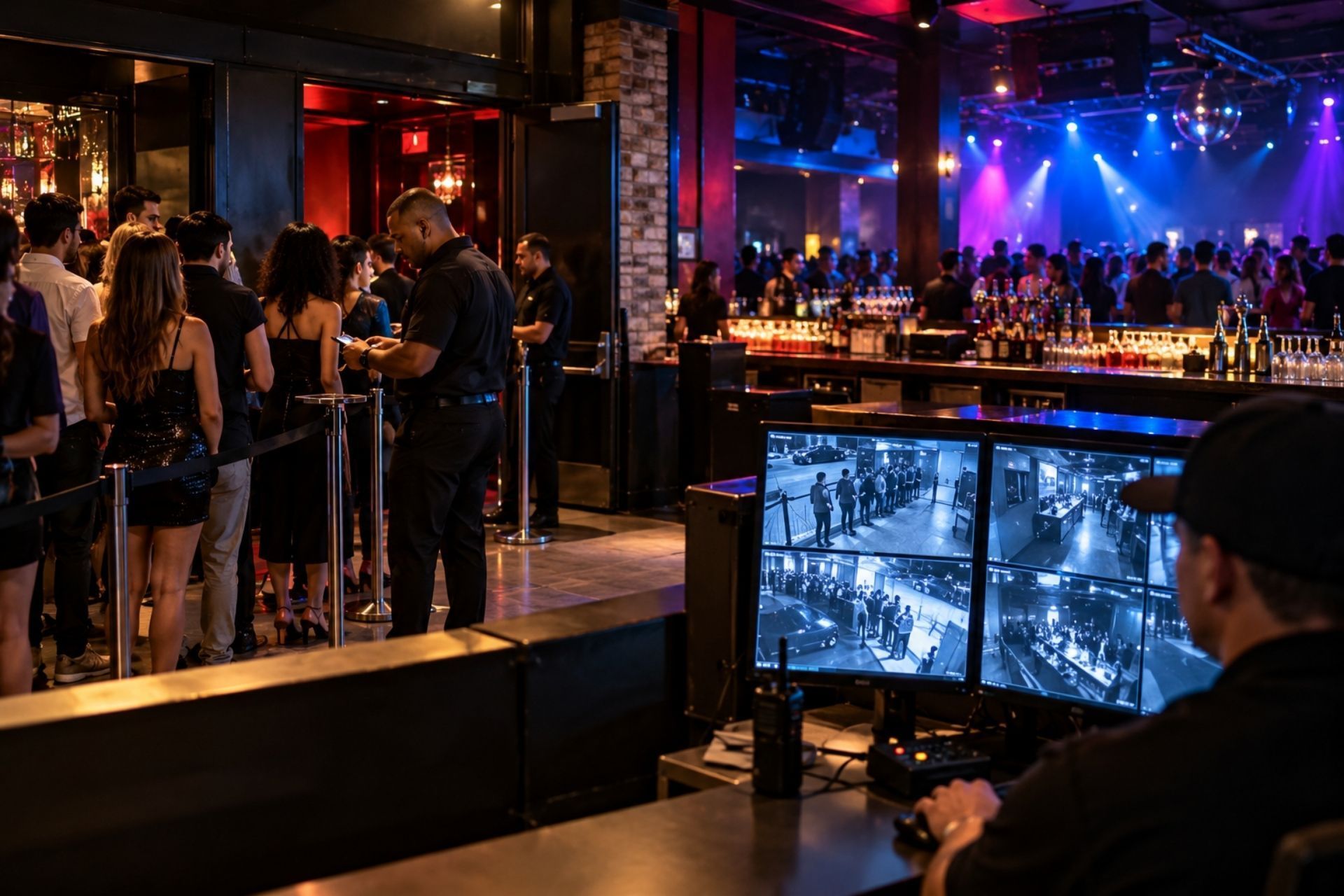
Carriers reward risk mitigation. Specific features that can lower your premiums include surveillance camera systems with 30-day retention, trained security staff with documented protocols, TIPS-certified bartenders, ID scanning technology, and controlled entry points. Some carriers offer 5-15% discounts for venues that implement formal responsible service training programs.
Your claims history over the past three to five years is the single biggest factor after revenue. A clean loss run gives you negotiating power. One or two large claims can push you into surplus lines markets where premiums double. GrayStone's data-driven underwriting approach helps Iowa operators identify which risk improvements will generate the largest premium savings, so you're not guessing about where to invest your safety budget.
Common Questions from Iowa Operators
How much does bar insurance cost in Iowa per year? Most Iowa bars pay between $8,000 and $25,000 annually for a full coverage package. Nightclubs with late-night hours and high alcohol ratios can pay $30,000 to $50,000 or more. Your specific cost depends on revenue, claims history, and coverage limits.
Can I operate with just the state minimum dramshop coverage? Legally, yes. Practically, it's dangerous. The $50,000/$100,000 minimums won't cover a serious injury or wrongful death claim. Most attorneys won't settle a dramshop case for under $200,000.
What happens if my insurance lapses? Iowa's Alcoholic Beverages Division will be notified by your carrier, and your liquor license can be suspended. Operating without valid dramshop coverage is a violation of Iowa Code Chapter 123.
Do I need separate coverage for live entertainment or DJ nights? Usually, yes. Special events with higher attendance create additional liability exposure. Your general liability policy may have crowd-size exclusions that kick in above a certain capacity.
Are food trucks or pop-ups on my property covered under my policy? No. Third-party vendors operating on your premises need their own insurance, and you should require certificates of insurance naming you as an additional insured before they set up.
Does my policy cover employee theft? Standard property and liability policies don't cover employee dishonesty. You need a separate crime or employee dishonesty bond, which typically costs $300 to $800 per year.
Every policy has boundaries. Knowing them up front is how you avoid an uncovered claim. Common exclusions include:
Every policy has boundaries. Knowing them up front is how you avoid an uncovered claim. Common exclusions include:
Every policy has boundaries. Knowing them up front is how you avoid an uncovered claim. Common exclusions include:
General Liability responds to the core exposures most operations in this category face. A typical policy answers third-party claims and the defense costs that come with them, so a single incident doesn't put the business at risk.
Your Next Steps for Securing Coverage
Getting the right insurance for your Iowa bar or nightclub isn't something you figure out once and forget about. Your risk profile changes as your business evolves: new entertainment formats, expanded hours, patio additions, and staffing changes all affect what you need.
Start by pulling your current loss runs and reviewing your existing policy declarations page. Identify gaps between what you carry and what the table above recommends. Pay special attention to assault and battery exclusions and your liquor liability limits relative to your actual exposure.
If you're finding that standard carriers won't quote your venue, or if your renewal came back with a steep increase, that's exactly the situation where working with a specialist matters. GrayStone Insurance Group maintains a 94% client retention rate specifically because they handle the hard-to-place risks that generalist agencies pass on. Reach out for a coverage review before your next renewal, not after you've already received a non-renewal notice. The best time to shop your coverage is 90 days before expiration, giving you enough runway to find the right fit without rushing into a bad policy.
ABOUT THE AUTHOR:
CHAD KRAMER
I started GrayStone Insurance Group in 2018 with a simple conviction: the businesses everyone else turns away deserve a broker who won't. What began as a one-person operation has grown into a specialty commercial brokerage with offices across the country — but the mission hasn't changed. We find solutions for high-risk and hard-to-place businesses when other agencies run the other way.
I built this agency on integrity, hard work, and the tenacity to do the hard things well. Through our access to Excess & Surplus and specialty markets, my team and I place coverage standard carriers can't — and I treat every client's business like my own.
If you've been declined, non-renewed, or told your business is too complicated to insure, let's talk.
Coverages & policies
Plain-language coverage, expertly placed.
We lead with commercial lines and round out personal coverage where you need it. Every policy comes with an explanation — not jargon.

Contractors
Third-party bodily injury & property damage — the foundation for any operation.

Liquor Liability
Critical for bars, restaurants and venues serving alcohol — including A&B.

Commercial Property
Buildings, contents and equipment — including distressed and vacant risk.

Workers' Compensation
Statutory coverage for your crew — including high-mod and high-hazard classes.

Commercial Umbrella
Extra liability limits over your primary policies — essential for high-exposure risk.
Products Liability
Manufacturers, CBD and consumer-product exposure — including imports.
What clients say
Brokers who actually place it.
FAQ
Answers for the risks others won't cover
Getting declined, non-renewed, or told your business is "too high-risk" is frustrating — but it doesn't mean you're out of options. Here are answers to the questions we hear most from business owners who need coverage the standard market won't provide.
What kind of insurance does GrayStone specialize in?
We're a specialty commercial brokerage built for high-risk and hard-to-place businesses — the risks standard carriers often turn away. Through our access to Excess & Surplus (E&S) and specialty markets, we place coverage that everyday agencies can't. Hospitality and construction are among our deepest areas of expertise.
My business was declined or non-renewed elsewhere. Can you still help?
That's exactly what we do. A decline, a non-renewal, or a tough claims history doesn't mean you're out of options — it means your risk needs a broker with the right market access. Tell us your situation and we'll get to work finding a fit.
What is Excess & Surplus (E&S) insurance?
E&S is specialty coverage for risks that standard "admitted" carriers won't write — often because a business is higher-risk, unusual, or has a complex history. As an independent broker, we tap into these specialty markets to place coverage where a typical agency hits a dead end.
What industries do you work with?
We cover a wide range of commercial industries — from restaurants, bars, and hospitality to contractors, trucking, manufacturing, cannabis, and more. If your industry is considered high-risk or hard-to-place, there's a good chance we've handled it.
Will you work with businesses that have prior claims or losses?
Yes. Prior claims and losses are part of many of the risks we place every day. Every business is evaluated on its own merits — and a rocky history is often exactly why a specialty broker can help where others won't.
Are you an independent broker?
Yes. We're not tied to a single carrier, so we shop your risk across multiple specialty and E&S markets to find coverage that actually fits — instead of forcing you into a one-size-fits-all policy.
Insights & resources
Know your risk before you buy.