
General Liability responds to the core exposures most operations in this category face. A typical policy answers third-party claims and the defense costs that come with them, so a single incident doesn't put the business at risk.
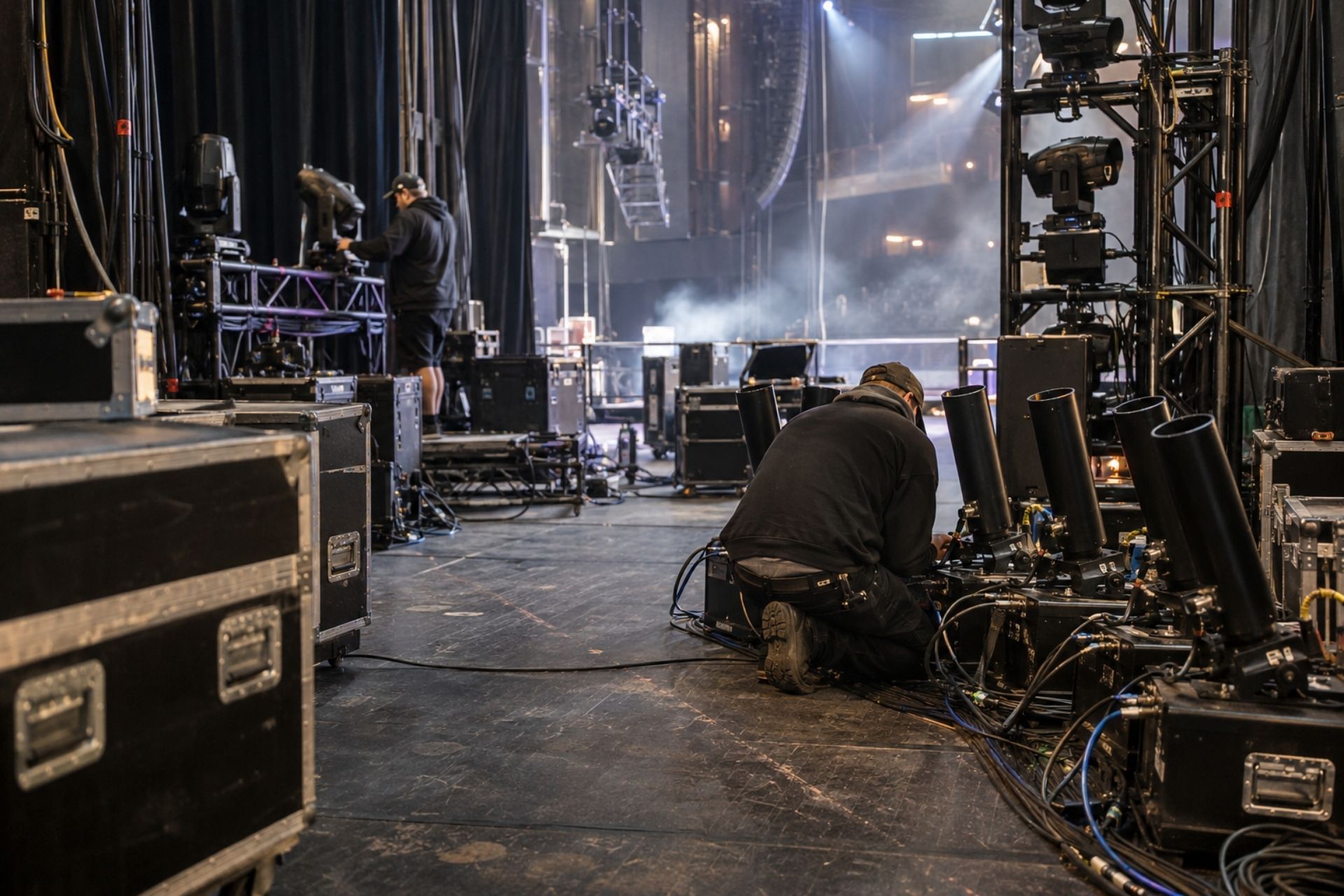
Georgia requires workers' compensation for any business with three or more employees. That threshold is lower than many states, and it catches a lot of small venue operators off guard. Your door staff, bartenders, sound engineers, and even regular part-time stagehands count toward that number.
The penalties for non-compliance are steep: fines up to $10,000 and potential criminal misdemeanor charges. Georgia's State Board of Workers' Compensation actively investigates complaints, and injured employees who discover you lack coverage can sue you directly - without the protections that workers' comp provides to employers. Don't gamble on this one.
Workers' Compensation Laws in Georgia
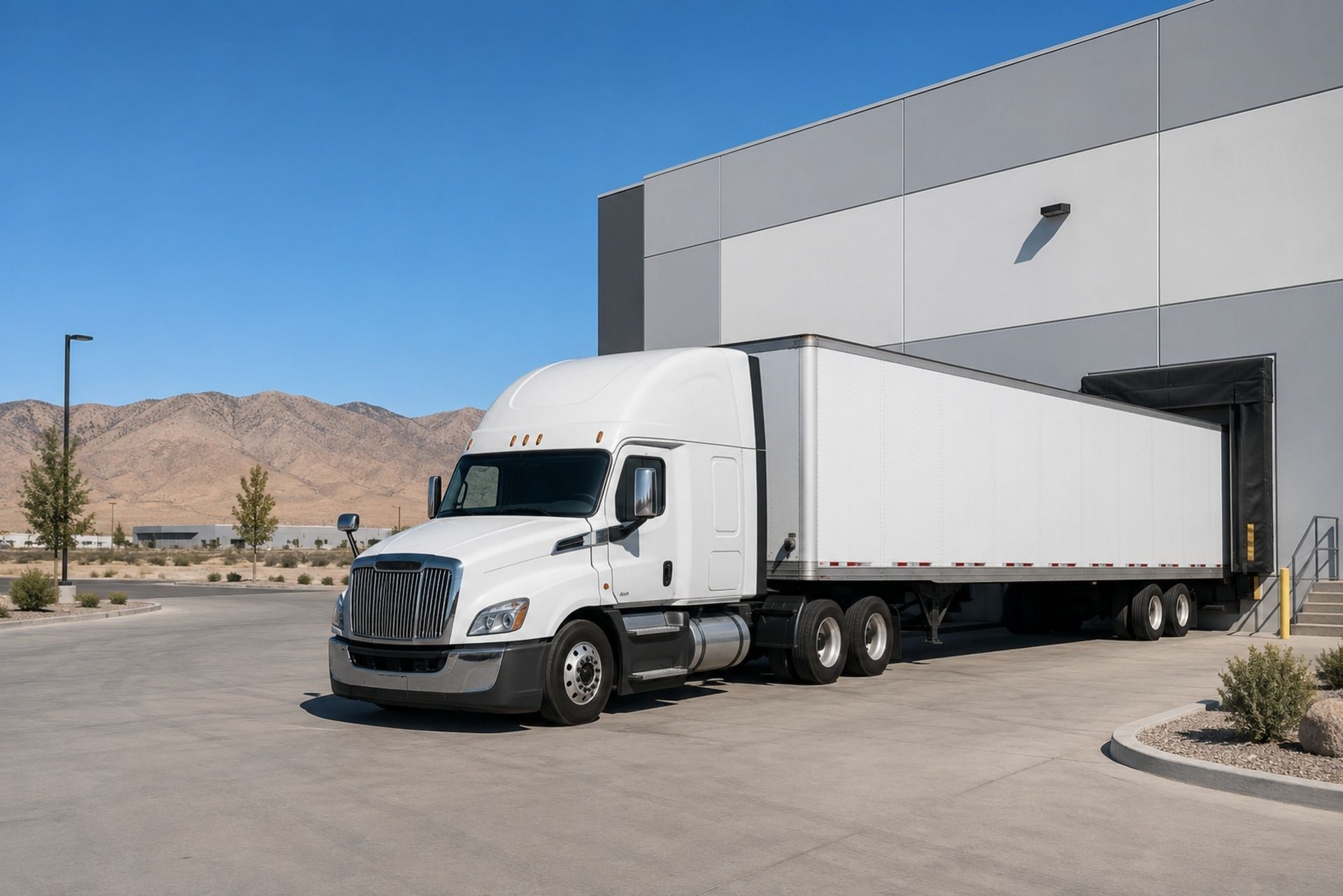
Running a trucking operation in Nevada means dealing with some of the most significant insurance changes the state has seen in years. The liability landscape shifted dramatically when SB 180 passed, and plenty of operators are still catching up. Whether you're hauling freight between Reno and Las Vegas or running routes across state lines, the insurance requirements you face in 2026 look very different from what they were even 18 months ago. Getting this wrong doesn't just mean a fine: it can shut down your authority entirely. This guide breaks down what Nevada trucking operators actually need to know about coverage requirements, real-world costs, and staying compliant under the new rules. If you've been putting off reviewing your policy, now's the time to stop procrastinating.
Understanding Nevada Commercial Trucking Regulations
Nevada has always been a state that takes commercial vehicle regulation seriously, but 2026 brought a major shift. The passage of SB 180 fundamentally changed the financial burden on intrastate carriers, and the ripple effects are still being felt across the industry. Understanding where state rules overlap with - and diverge from - federal mandates is critical for any operator trying to stay legal and financially protected.
State vs. Federal Liability Minimums
As of January 1, 2026, Nevada has doubled the minimum liability insurance requirement for intrastate commercial motor carriers operating vehicles over 26,000 pounds. The new state minimum sits at $1.5 million, up from $750,000. That's a massive jump, and it puts Nevada well above the federal minimum of $750,000 that still applies to most interstate carriers under FMCSA rules.
The Nevada Senate approved this bill after heated debate, with proponents arguing that the old minimums hadn't kept pace with the actual cost of catastrophic truck accidents. Organizations like OOIDA pushed back hard, calling it a bad bill that would disproportionately hurt small operators and owner-operators. Regardless of where you stand on the politics, the law is now in effect, and non-compliance isn't an option.
Intrastate vs. Interstate Operating Authority
If your trucks never leave Nevada, you're subject to that new $1.5 million state minimum. Interstate carriers, on the other hand, follow FMCSA requirements, which currently sit at $750,000 for general freight and $5 million for hazmat haulers. The distinction matters enormously for your insurance costs.
Many Nevada operators run a mix of intrastate and interstate loads. If that's you, your policy needs to satisfy whichever requirement is higher. In practice, this means most NV-based carriers now need at least $1.5 million in liability coverage regardless of their route mix, since the state minimum exceeds the federal one for general freight.
INDEX
GrayStone Insurance Group is fully licensed and permitted to provide specialty commercial insurance solutions for high-risk and hard-to-place businesses across 17 states.
We proudly serve high-risk and hard-to-place businesses from coast to coast. As an independent specialty brokerage, our team works with leading Excess & Surplus and specialty carriers to make sure restaurants, bars, contractors, trucking companies, manufacturers, and other hard-to-place operations receive coverage that fits their real risks in California, Colorado, Florida, Georgia, Illinois, Iowa, Maryland, Michigan, Missouri, Nevada, New York, North Carolina, South Carolina, Tennessee, Texas, Utah, and Washington.
Every policy has boundaries. Knowing them up front is how you avoid an uncovered claim. Common exclusions include:
Every policy has boundaries. Knowing them up front is how you avoid an uncovered claim. Common exclusions include:
Every policy has boundaries. Knowing them up front is how you avoid an uncovered claim. Common exclusions include:
General Liability responds to the core exposures most operations in this category face. A typical policy answers third-party claims and the defense costs that come with them, so a single incident doesn't put the business at risk.
If your firm provides any design, engineering, or consulting services alongside construction, you need both. A GL policy won't cover a claim alleging your design specifications caused a building envelope failure. That's a professional liability exposure, and it's one of the fastest-growing claim categories in construction.
| Coverage Element | Basic Tier | Comprehensive Tier |
|---|---|---|
| General Liability | $1M per occurrence | $2M per occurrence |
| Product Liability | Often excluded or limited | Included with $1M-$2M limits |
| Crop/Inventory | Not included | Included with agreed-value endorsement |
| Product Recall | Not included | Included |
| Business Interruption | Limited | Full coverage with 12-month indemnity |
| Workers' Compensation | Add-on | Bundled |
| Approximate Annual Cost | $2,500-$5,000 | $8,000-$20,000+ |
Mandatory and Optional Coverage Types
Getting the right coverage mix is where most operators either protect themselves or leave dangerous gaps. Nevada law mandates certain coverages, but the smart move is understanding what optional policies can save your business when things go sideways.
Primary Auto Liability and Cargo Insurance
Primary auto liability is non-negotiable. This covers bodily injury and property damage you cause to others in an accident. With Nevada's new $1.5 million minimum for intrastate carriers, your policy needs to reflect that floor at a bare minimum. Many brokers recommend carrying $2 million or more, since jury verdicts in trucking accidents routinely exceed minimums.
Cargo insurance protects the freight you're hauling. Most shippers and brokers require it before they'll tender a load, typically between $100,000 and $250,000 in coverage. If you're hauling high-value goods, you'll need higher limits. This is one area where skimping can cost you a customer relationship fast.
Non-Trucking Liability and Bobtail Insurance
These two get confused constantly, but they serve different purposes. Non-trucking liability covers you when you're using your truck for personal reasons, not under dispatch. Bobtail insurance covers you when you're driving without a trailer, typically heading to pick up a load or returning after dropping one off.
If you're an owner-operator leased to a motor carrier, the carrier's policy covers you while you're under dispatch. The gap exists when you're off-duty or between loads. A serious accident during one of those windows without the right coverage can wipe out everything you own.
Comparison of Standard vs. Specialized Coverages
Standard policies cover the basics: liability, cargo, and physical damage. Specialized coverages fill the gaps that standard policies leave open. Refrigeration breakdown coverage, for example, is essential if you're running reefer loads. Environmental liability matters if you haul any hazardous materials.
Firms like GrayStone Insurance Group work specifically with operators who need these specialized placements, particularly those whose risk profiles make traditional carriers nervous. Their brokers average 20 years of experience and understand the nuances of trucking-specific policies that generalist agents often miss.
| Coverage Type | Basic Package | Comprehensive Package |
|---|---|---|
| General Liability | $1M per occurrence | $2M+ per occurrence |
| Property Coverage | Building contents only | Contents + equipment floaters |
| Liquor Liability | $500K limit | $1M-$2M limit |
| Workers' Comp | State minimum | State minimum + employer's liability |
| Event Cancellation | Not included | Per-event or annual policy |
| Cyber Liability | Not included | Covers ticketing data breaches |
| Umbrella/Excess | Not included | $1M-$5M excess layer |
| Hired/Non-Owned Auto | $8,000-$15,000 | $25,000-$60,000+ |
Table: Nevada Trucking Insurance Coverage Limits
| Coverage Type | Minimum Required | Recommended | Notes |
|---|---|---|---|
| Primary Auto Liability (Intrastate) | $1,500,000 | $2,000,000+ | New SB 180 minimum effective Jan 2026 |
| Primary Auto Liability (Interstate) | $750,000 | $1,000,000+ | FMCSA federal minimum |
| Hazmat Liability | $5,000,000 | $5,000,000+ | Federal requirement for hazmat carriers |
| Cargo Insurance | Varies by contract | $100,000 - $250,000 | Shipper/broker often dictates minimum |
| Non-Trucking Liability | Not required by law | $1,000,000 | Essential for leased owner-operators |
| Bobtail Insurance | Not required by law | $1,000,000 | Covers driving without trailer |
| Physical Damage | Not required by law | Actual cash value | Lender may require if truck is financed |
| Workers' Compensation | Required with employees | State minimums | Owner-operators may be exempt |
Every policy has boundaries. Knowing them up front is how you avoid an uncovered claim. Common exclusions include:
Every policy has boundaries. Knowing them up front is how you avoid an uncovered claim. Common exclusions include:
Every policy has boundaries. Knowing them up front is how you avoid an uncovered claim. Common exclusions include:
General Liability responds to the core exposures most operations in this category face. A typical policy answers third-party claims and the defense costs that come with them, so a single incident doesn't put the business at risk.
Factors Influencing Insurance Costs in Nevada
Your premium isn't just a number pulled from thin air. Insurers use dozens of variables to price your policy, and understanding the big ones gives you real power to manage costs.
Impact of Driving Records and CDL Experience
This is the single biggest factor most carriers can actually control. A clean CSA score and violation-free MVR will save you thousands annually. Insurers want to see at least two years of CDL experience before they'll offer competitive rates, and drivers with less than a year behind the wheel can push your premiums up by 30% or more.
Every preventable accident on your record stays visible to underwriters for three to five years. One serious violation can move you from a standard market into surplus lines, where premiums are dramatically higher. If you're a fleet operator, your weakest driver's record affects everyone's rates.
Vehicle Type and Radius of Operation
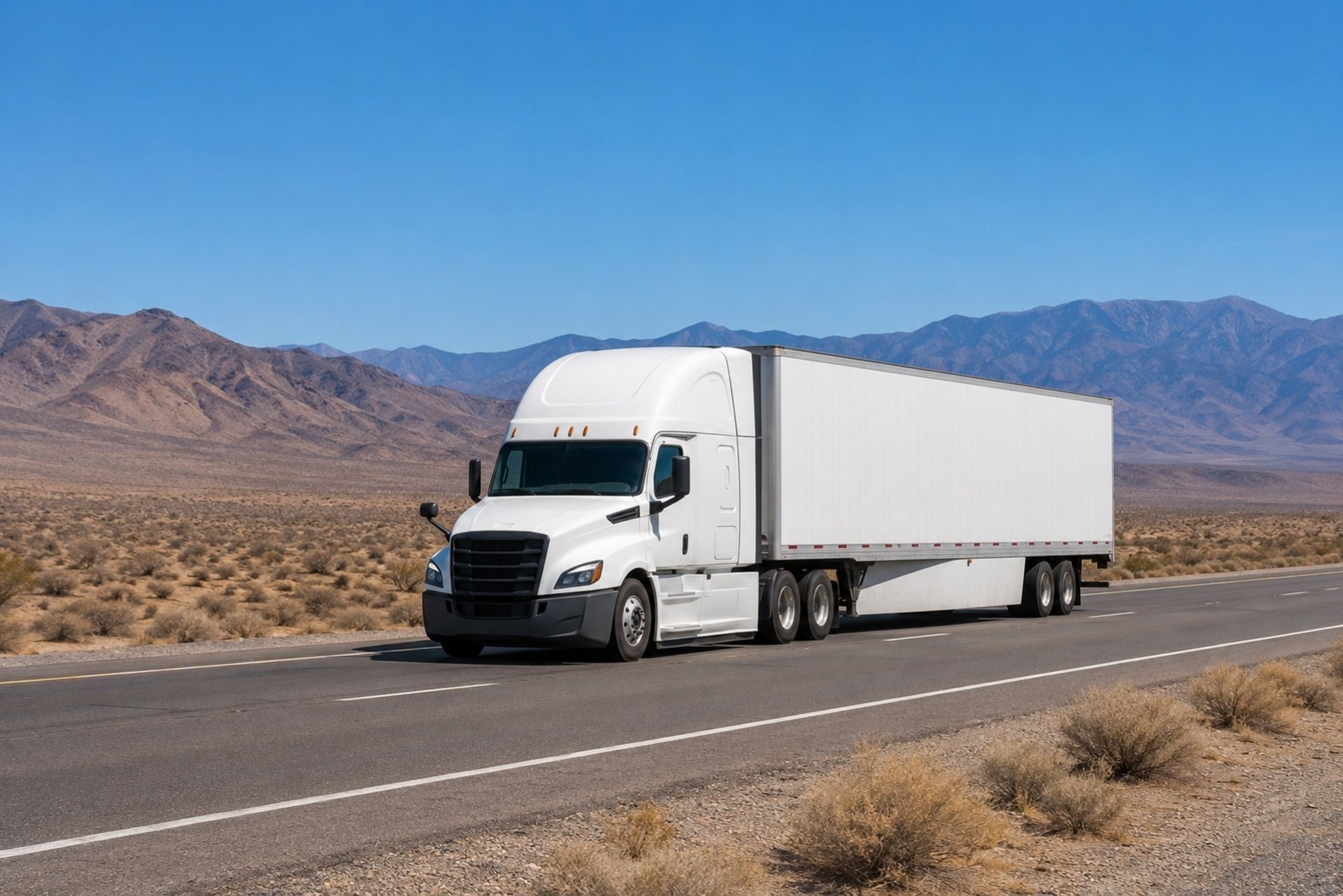
A 2024 Freightliner Cascadia running long-haul routes across the western U.S. costs significantly more to insure than a day cab doing local deliveries in the Las Vegas metro area. Insurers look at the age and value of your equipment, your typical operating radius, and the types of roads you frequent.
Commercial truck insurance costs in Nevada typically range from $8,000 to $15,000 per year for a single truck, though that number can climb well above $20,000 for new operators or those with challenging risk profiles. Long-haul operators covering multiple states generally pay more than regional carriers due to increased exposure.
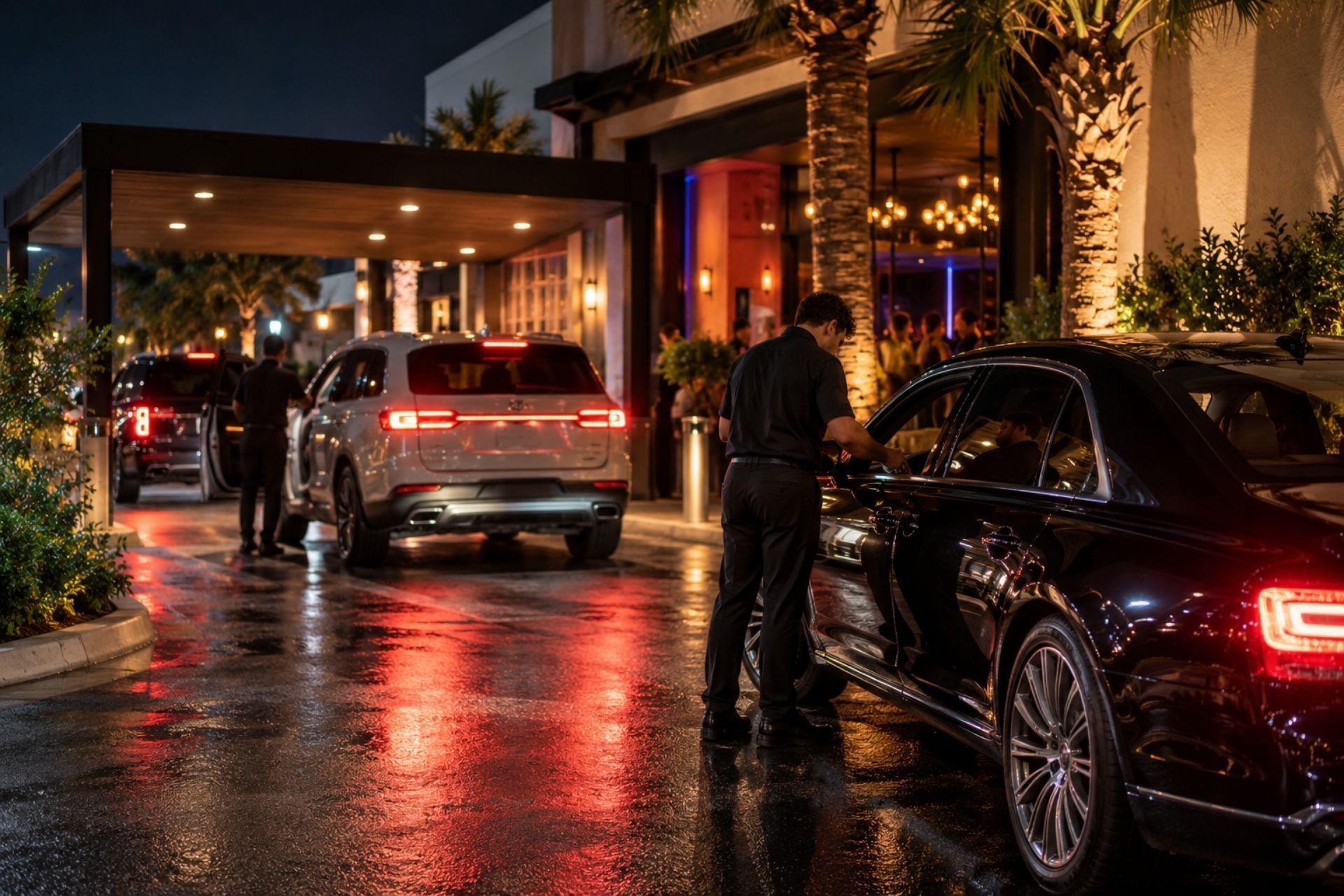
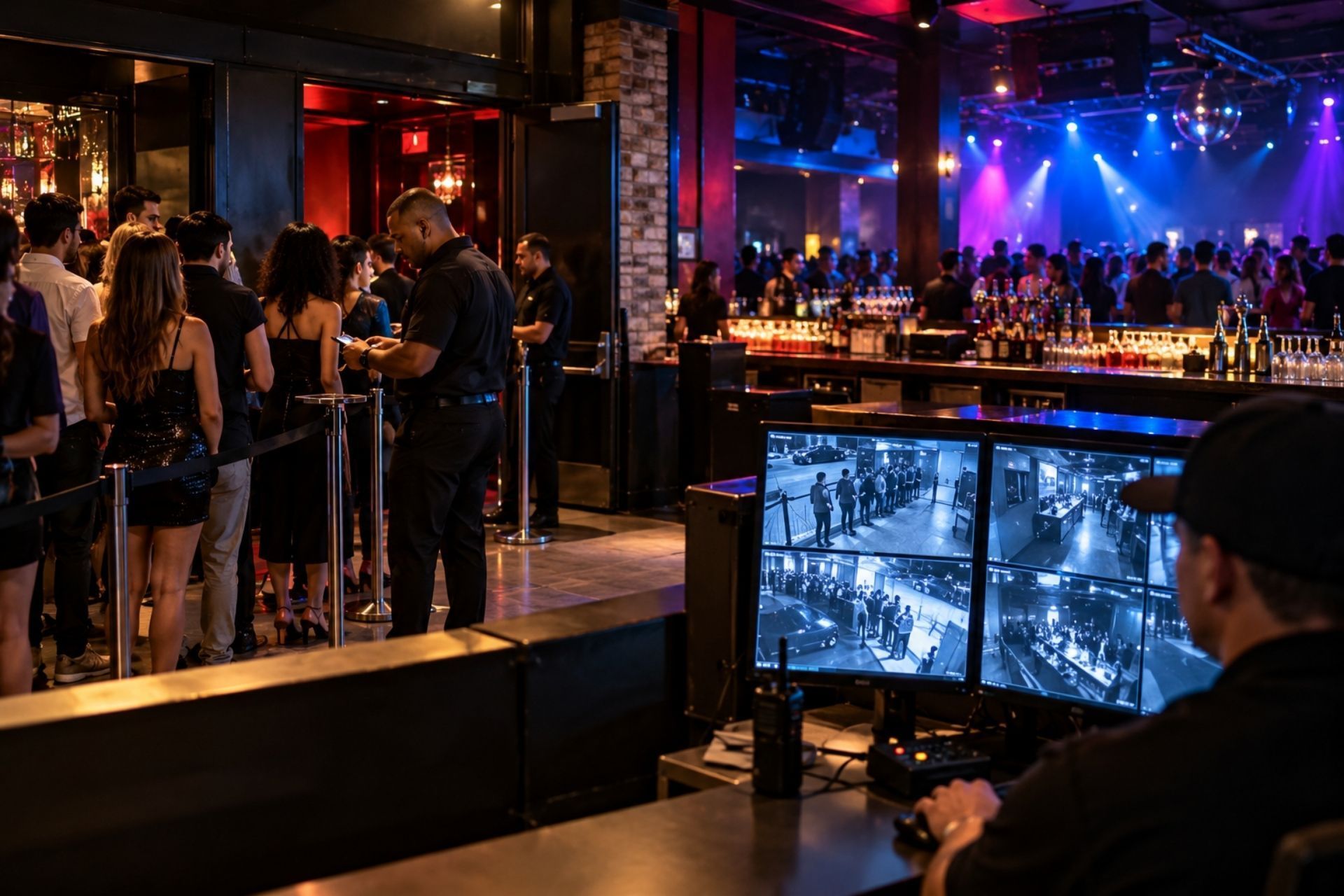
A small club (under 300 capacity) in Georgia typically pays between $8,000 and $15,000 annually for a package including general liability, liquor liability, and property coverage. Workers' comp adds another $2,000-$6,000 depending on payroll size. Per-event coverage for one-off shows runs $188-$280 per day.
How much does insurance usually cost for a small club?
Most startups can expect to pay between $2,500 and $6,000 annually for a basic general liability policy. Adding product liability typically pushes the total to $5,000 to $10,000, depending on your product type and projected revenue.
FAQ: How much does a basic policy cost for a startup?
FAQ: Can I get coverage if my hemp tests over 0.3% THC?
A hot test creates serious problems. The crop must be destroyed under federal and state law, and your insurer may not cover the loss unless you have a specific endorsement for THC compliance failure. Some specialty carriers offer this coverage, but it's not standard.
FAQ: Will my homeowners insurance cover my small hemp farm?
Almost certainly not. Homeowners policies exclude commercial agricultural operations, and hemp's association with cannabis makes this even less likely. You need a standalone commercial policy, even for a small grow operation.
Maintaining Compliance and Safety Standards
Staying compliant isn't a one-time task. It's an ongoing responsibility that requires attention to filings, renewals, and safety records. A lapse in any of these areas can result in your authority being suspended.
Nevada DMV and DOT Filing Requirements
Nevada requires proof of insurance to be filed with both the state DMV and, for interstate carriers, the FMCSA. The Nevada DMV maintains specific requirements for insurance filings, and your insurer typically handles the filing of Form E (proof of insurance) and Form K (cancellation notice) on your behalf.
If your policy lapses or is cancelled, the insurer files a Form K, and your operating authority can be revoked within days. Reinstatement isn't automatic: it requires new filings, potential penalties, and often a higher premium when you re-enter the market. GrayStone Insurance Group's data-driven underwriting approach helps operators avoid these gaps by flagging renewal deadlines and compliance issues before they become problems.
Every policy has boundaries. Knowing them up front is how you avoid an uncovered claim. Common exclusions include:
Every policy has boundaries. Knowing them up front is how you avoid an uncovered claim. Common exclusions include:
Every policy has boundaries. Knowing them up front is how you avoid an uncovered claim. Common exclusions include:
General Liability responds to the core exposures most operations in this category face. A typical policy answers third-party claims and the defense costs that come with them, so a single incident doesn't put the business at risk.
Common Questions About Nevada Trucking Policies
How much does commercial truck insurance cost in Nevada?
Most single-truck operators pay between $9,000 and $15,000 annually, though new entrants and high-risk operators can see premiums exceeding $20,000. The SB 180 liability increase has pushed costs higher across the board for intrastate carriers.
Do I need a separate policy for crossing state lines?
Not necessarily a separate policy, but your coverage must meet FMCSA interstate requirements. Most commercial policies can be written to cover both intrastate and interstate operations. Make sure your declarations page reflects the correct filing.
What is the difference between bobtail and non-trucking liability?
Bobtail covers you while driving your truck without a trailer attached. Non-trucking liability covers personal use of your commercial vehicle when you're not under dispatch. They're not interchangeable, and some operators need both.
How can I lower my premiums without losing coverage?
Maintain a clean driving record, install telematics or dashcams, increase your deductibles, and bundle coverages with a single carrier. Working with a specialized broker who understands trucking risk can also help you find better rates than a generalist agent.
Is workers' compensation required for Nevada owner-operators?
Solo owner-operators with no employees can typically opt out of workers' compensation in Nevada. The moment you hire even one driver or helper, you're required to carry it. Check with the Nevada Division of Industrial Relations for current thresholds.
Every policy has boundaries. Knowing them up front is how you avoid an uncovered claim. Common exclusions include:
Every policy has boundaries. Knowing them up front is how you avoid an uncovered claim. Common exclusions include:
Every policy has boundaries. Knowing them up front is how you avoid an uncovered claim. Common exclusions include:
General Liability responds to the core exposures most operations in this category face. A typical policy answers third-party claims and the defense costs that come with them, so a single incident doesn't put the business at risk.
Protecting Your Assets for the Long Haul
Nevada's trucking insurance requirements have changed significantly, and the financial stakes for NV operators are higher than they've ever been. The doubling of intrastate liability minimums under SB 180 isn't just a regulatory footnote: it directly affects your bottom line and your ability to keep rolling.
The smartest operators treat insurance as a strategic decision, not just a compliance checkbox. That means reviewing your coverage annually, working with brokers who specialize in commercial trucking, and staying ahead of regulatory changes rather than reacting to them after the fact.
If your current policy hasn't been updated to reflect the 2026 requirements, or if you're struggling to find affordable coverage because of your risk profile, reach out to a specialized agency like GrayStone Insurance Group. Their team handles exactly the kind of complex, hard-to-place trucking risks that generic agencies turn away. A 94% client retention rate tells you something about how they treat the operators who trust them with their business.
ABOUT THE AUTHOR:
CHAD KRAMER
I started GrayStone Insurance Group in 2018 with a simple conviction: the businesses everyone else turns away deserve a broker who won't. What began as a one-person operation has grown into a specialty commercial brokerage with offices across the country — but the mission hasn't changed. We find solutions for high-risk and hard-to-place businesses when other agencies run the other way.
I built this agency on integrity, hard work, and the tenacity to do the hard things well. Through our access to Excess & Surplus and specialty markets, my team and I place coverage standard carriers can't — and I treat every client's business like my own.
If you've been declined, non-renewed, or told your business is too complicated to insure, let's talk.
Coverages & policies
Plain-language coverage, expertly placed.
We lead with commercial lines and round out personal coverage where you need it. Every policy comes with an explanation — not jargon.

Contractors
Third-party bodily injury & property damage — the foundation for any operation.

Liquor Liability
Critical for bars, restaurants and venues serving alcohol — including A&B.

Commercial Property
Buildings, contents and equipment — including distressed and vacant risk.

Workers' Compensation
Statutory coverage for your crew — including high-mod and high-hazard classes.

Commercial Umbrella
Extra liability limits over your primary policies — essential for high-exposure risk.
Products Liability
Manufacturers, CBD and consumer-product exposure — including imports.
What clients say
Brokers who actually place it.
FAQ
Answers for the risks others won't cover
Getting declined, non-renewed, or told your business is "too high-risk" is frustrating — but it doesn't mean you're out of options. Here are answers to the questions we hear most from business owners who need coverage the standard market won't provide.
What kind of insurance does GrayStone specialize in?
We're a specialty commercial brokerage built for high-risk and hard-to-place businesses — the risks standard carriers often turn away. Through our access to Excess & Surplus (E&S) and specialty markets, we place coverage that everyday agencies can't. Hospitality and construction are among our deepest areas of expertise.
My business was declined or non-renewed elsewhere. Can you still help?
That's exactly what we do. A decline, a non-renewal, or a tough claims history doesn't mean you're out of options — it means your risk needs a broker with the right market access. Tell us your situation and we'll get to work finding a fit.
What is Excess & Surplus (E&S) insurance?
E&S is specialty coverage for risks that standard "admitted" carriers won't write — often because a business is higher-risk, unusual, or has a complex history. As an independent broker, we tap into these specialty markets to place coverage where a typical agency hits a dead end.
What industries do you work with?
We cover a wide range of commercial industries — from restaurants, bars, and hospitality to contractors, trucking, manufacturing, cannabis, and more. If your industry is considered high-risk or hard-to-place, there's a good chance we've handled it.
Will you work with businesses that have prior claims or losses?
Yes. Prior claims and losses are part of many of the risks we place every day. Every business is evaluated on its own merits — and a rocky history is often exactly why a specialty broker can help where others won't.
Are you an independent broker?
Yes. We're not tied to a single carrier, so we shop your risk across multiple specialty and E&S markets to find coverage that actually fits — instead of forcing you into a one-size-fits-all policy.
Insights & resources
Know your risk before you buy.