
General Liability responds to the core exposures most operations in this category face. A typical policy answers third-party claims and the defense costs that come with them, so a single incident doesn't put the business at risk.
Running a CBD or hemp business in Texas has never been simple, but 2026 has made it genuinely complicated. Between the smokable hemp ban that took effect March 31 and manufacturer license fees that jumped to $10,000, operators are facing a regulatory environment that shifts under their feet. And here's the thing most business owners don't realize until it's too late: your insurance needs to keep pace with those changes, or you're exposed in ways that could shut you down overnight. Whether you're growing hemp outside Lubbock, processing extracts in Houston, or running a CBD retail shop in Austin, the insurance requirements for Texas hemp operators are specific, often misunderstood, and absolutely non-negotiable if you want to stay in business. This guide breaks down what you actually need to know about coverage types, compliance rules, costs, and the gaps that catch most operators off guard.
Navigating the Texas Hemp and CBD Insurance Landscape
The Texas hemp industry sits in a strange middle ground. It's legal under state and federal law, but it's treated with suspicion by most mainstream insurance carriers. That tension creates real problems for business owners who need coverage but keep getting declined or quoted absurd premiums.
The regulatory picture shifted dramatically in early 2026. Texas banned smokable hemp products effective March 31, which forced hundreds of retailers and manufacturers to pivot their product lines or shut down entirely. Ongoing legal challenges to the ban have created even more uncertainty. For insurance purposes, this instability means carriers see Texas hemp businesses as higher risk than they did even a year ago.
Understanding Texas House Bill 1325 and Insurance Eligibility
House Bill 1325, signed in 2019, legalized hemp cultivation and CBD product sales in Texas, aligning state law with the 2018 federal Farm Bill. The bill defined legal hemp as cannabis containing no more than 0.3% Delta-9 THC. That definition is your insurance eligibility threshold.
If your products test above 0.3% THC, even accidentally, most policies won't cover resulting losses. Carriers writing hemp policies typically require certificates of analysis (COAs) from third-party labs as a condition of coverage. Some require COAs for every batch. If you can't produce them during a claim, expect a denial.
The bill also established licensing through the Texas Department of Agriculture (TDA) for growers and the Department of State Health Services (DSHS) for manufacturers and retailers. Active licenses from these agencies are prerequisites for most insurance applications.
Why Standard Business Policies Often Exclude Hemp Operations
Most commercial insurance policies contain cannabis exclusions, and many carriers don't distinguish between hemp and marijuana. Your general liability policy from a mainstream carrier almost certainly has language excluding "cannabis-related" operations, even if your products are fully legal under HB 1325.
I've seen operators discover this the hard way: they file a slip-and-fall claim at their retail location, and the carrier denies it because the business sells CBD products. The exclusion doesn't just apply to product claims. It can void your entire policy. This is why working with a brokerage experienced in hard-to-place risks matters. Firms like GrayStone Insurance Group, whose brokers average 20 years in the market, understand which carriers actually write hemp policies versus which ones will find a reason to deny your claim.
INDEX
GrayStone Insurance Group is fully licensed and permitted to provide specialty commercial insurance solutions for high-risk and hard-to-place businesses across 17 states.
We proudly serve high-risk and hard-to-place businesses from coast to coast. As an independent specialty brokerage, our team works with leading Excess & Surplus and specialty carriers to make sure restaurants, bars, contractors, trucking companies, manufacturers, and other hard-to-place operations receive coverage that fits their real risks in California, Colorado, Florida, Georgia, Illinois, Iowa, Maryland, Michigan, Missouri, Nevada, New York, North Carolina, South Carolina, Tennessee, Texas, Utah, and Washington.
Every policy has boundaries. Knowing them up front is how you avoid an uncovered claim. Common exclusions include:
Every policy has boundaries. Knowing them up front is how you avoid an uncovered claim. Common exclusions include:
Every policy has boundaries. Knowing them up front is how you avoid an uncovered claim. Common exclusions include:
General Liability responds to the core exposures most operations in this category face. A typical policy answers third-party claims and the defense costs that come with them, so a single incident doesn't put the business at risk.
If your firm provides any design, engineering, or consulting services alongside construction, you need both. A GL policy won't cover a claim alleging your design specifications caused a building envelope failure. That's a professional liability exposure, and it's one of the fastest-growing claim categories in construction.
Essential Coverage Types for Texas Operators
Getting insured isn't just about checking a box. Different coverage types protect against different threats, and most hemp businesses need a layered approach.
General Liability vs. Product Liability: A Comparison
These two coverages sound similar but protect against very different scenarios.
| Feature | General Liability | Product Liability |
|---|---|---|
| What it covers | Third-party bodily injury, property damage at your premises | Harm caused by your products after sale |
| Example claim | Customer slips on wet floor in your shop | Consumer has allergic reaction to your CBD tincture |
| Who needs it | Every business with a physical location or customer interaction | Any business that manufactures, distributes, or sells products |
| Typical annual cost | $1,200 - $4,500 | $2,500 - $15,000+ |
| Key exclusion risk | Cannabis exclusion in standard policies | Mislabeled THC content, contamination |
Most Texas CBD retailers need both. If you're only selling pre-packaged products from established brands, your product liability premiums will be lower than if you're manufacturing your own formulations. But you still need it: retailers have been named in product liability suits even when they didn't make the product.
Crop and Inventory Insurance for Texas Growers
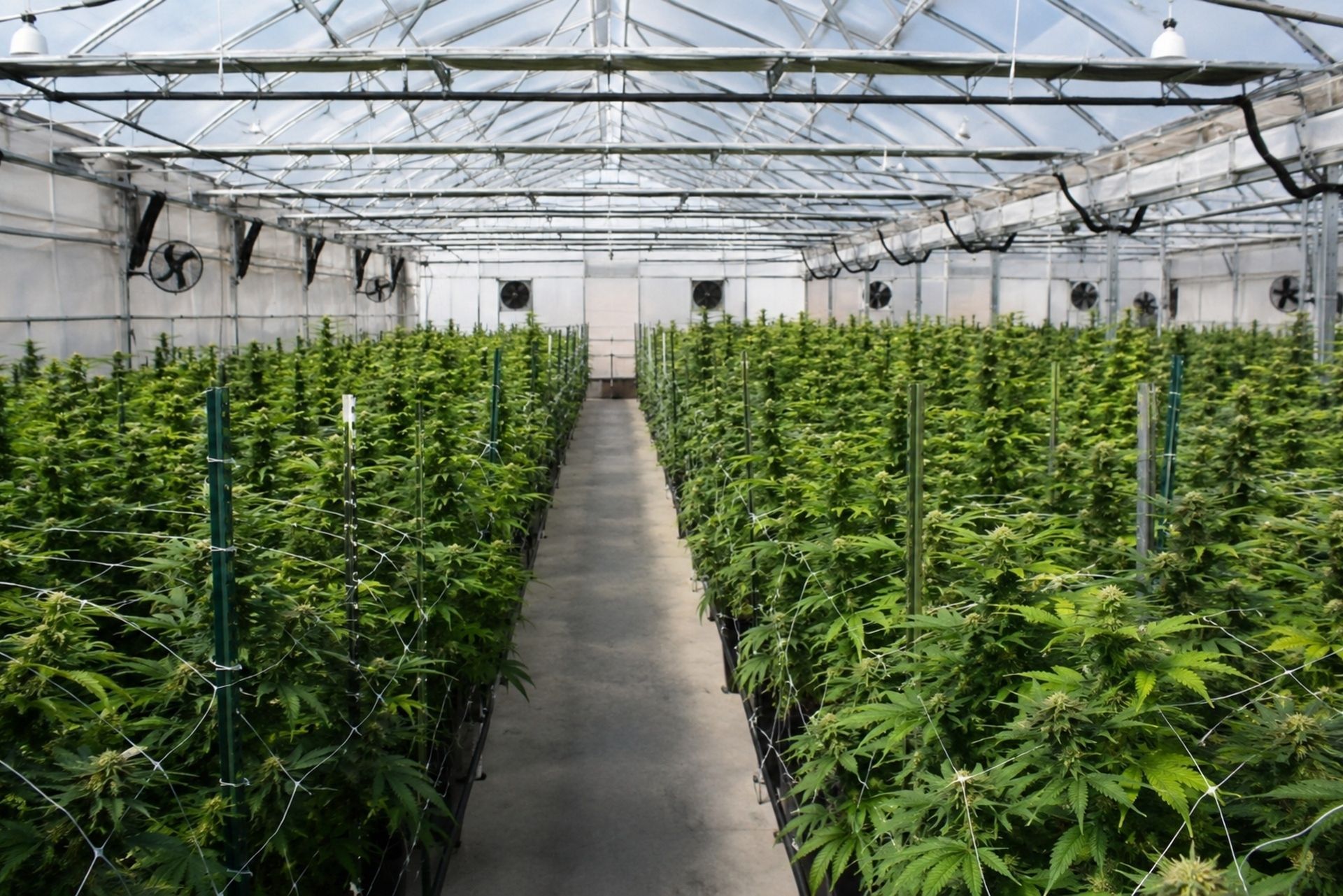
Texas hemp growers face risks that standard crop insurance doesn't always cover. The USDA's federal crop insurance program now includes hemp, but coverage is limited and doesn't protect against regulatory losses.
Here's a scenario that plays out more often than you'd think: a grower's crop tests above 0.3% THC at harvest. Under Texas law, that crop must be destroyed. Standard crop insurance won't cover this loss because the crop wasn't destroyed by weather, pests, or disease. It was destroyed by regulation. Some specialty carriers offer "hot crop" coverage for exactly this situation, but it's expensive and comes with strict testing requirements throughout the growing season.
Inventory insurance is equally critical for processors and retailers. If a fire destroys $200,000 worth of CBD isolate in your warehouse, you need a policy that recognizes hemp inventory as legitimate insurable property.
Workers' Compensation and Texas Non-Subscriber Options
Texas is one of the few states where workers' compensation insurance isn't mandatory for most private employers. That said, going without it is risky. Texas workers' comp rates vary by industry classification, and hemp operations often fall into agricultural or manufacturing categories that carry moderate to high premiums.
If you choose to be a non-subscriber, you lose certain legal protections. Injured employees can sue you directly, and you can't use common-law defenses like contributory negligence. For hemp operations with field workers handling equipment or processing staff working with extraction solvents, the liability exposure without workers' comp is significant. Most insurance advisors recommend carrying it regardless of the state's opt-out provision.
Comparing Coverage Needs by Business Type
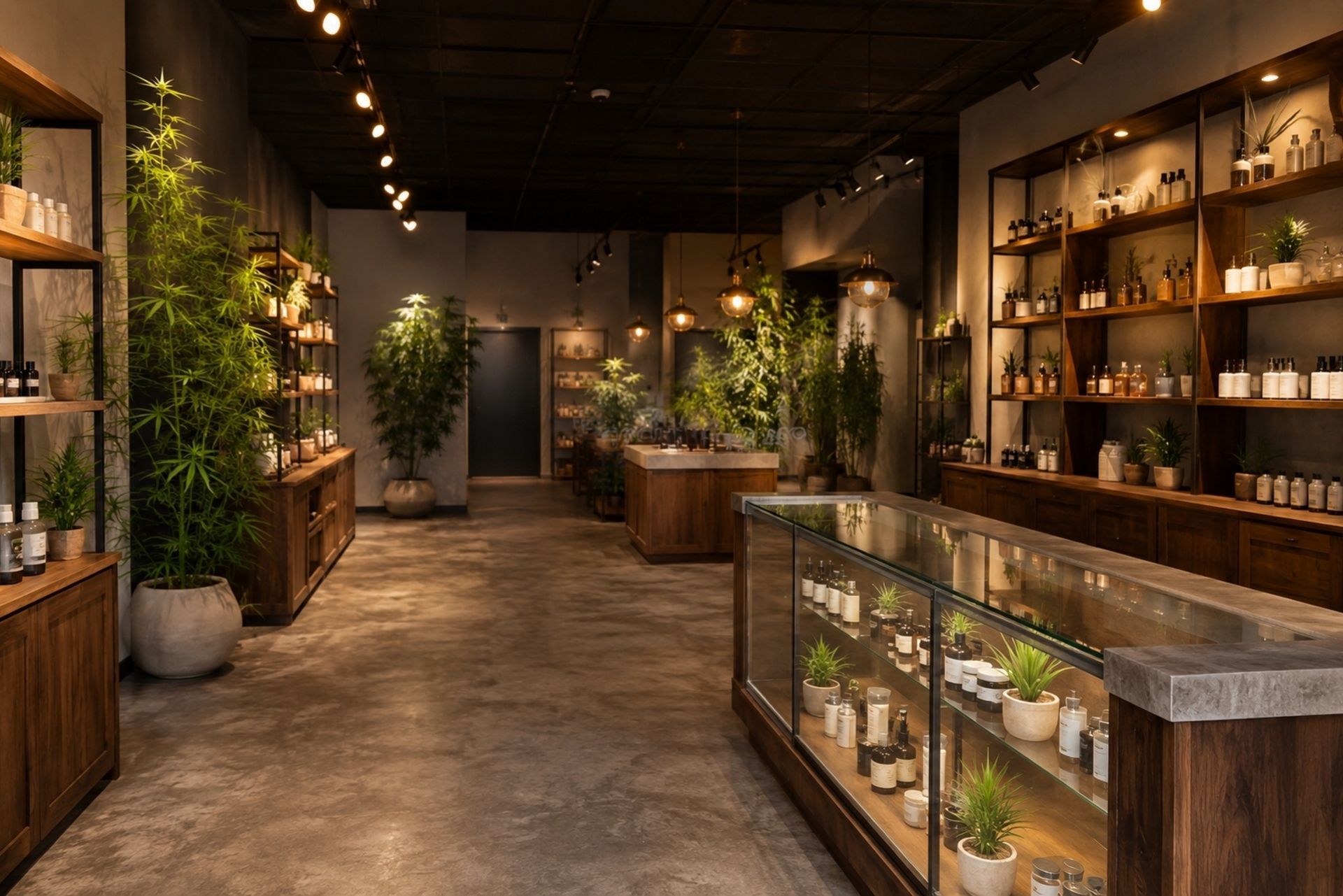
Not every hemp business needs the same insurance stack. A CBD retailer in Dallas has different exposures than a hemp cultivator in the Rio Grande Valley.
Comparison Table: Retailers vs. Processors vs. Cultivators
| Coverage Type | Retailers | Processors/Manufacturers | Cultivators |
|---|---|---|---|
| General Liability | Required | Required | Required |
| Product Liability | Required | Required (higher limits) | Recommended |
| Crop Insurance | Not needed | Not needed | Required |
| Equipment Breakdown | Optional | Required | Required |
| Workers' Comp | Recommended | Strongly recommended | Strongly recommended |
| Commercial Auto | Optional | Often needed | Often needed |
| Pollution Liability | Not needed | Recommended (extraction) | Optional |
| Estimated Annual Premium | $3,000 - $8,000 | $10,000 - $35,000 | $8,000 - $25,000 |
Processors face the highest premiums because they handle chemical extraction processes, store volatile materials, and produce finished goods that carry product liability risk. Cultivators come next due to crop risk and equipment values. Retailers typically pay the least, though premiums climb if you carry large inventory or operate multiple locations.
Every policy has boundaries. Knowing them up front is how you avoid an uncovered claim. Common exclusions include:
Every policy has boundaries. Knowing them up front is how you avoid an uncovered claim. Common exclusions include:
Every policy has boundaries. Knowing them up front is how you avoid an uncovered claim. Common exclusions include:
General Liability responds to the core exposures most operations in this category face. A typical policy answers third-party claims and the defense costs that come with them, so a single incident doesn't put the business at risk.
Factors Influencing Insurance Costs in the Lone Star State
Your premium isn't arbitrary. Carriers use specific data points to price your policy, and understanding them gives you some control over what you pay.
Revenue Projections and Product Risk Categories
Carriers price CBD business insurance partly based on your projected annual revenue. A retailer doing $500,000 in annual sales will pay less than one doing $2 million, all else being equal. But revenue alone doesn't tell the whole story.
Product type matters enormously. Topicals like lotions and balms are considered lower risk than ingestibles like tinctures, gummies, or capsules. Ingestibles carry higher product liability premiums because the potential for adverse reactions, dosing errors, and contamination claims is greater. If you sell both, expect your premium to reflect the higher-risk category. Some cannabis-specific insurance programs break products into tiered risk categories that directly affect your rate.
Safety Testing Protocols and Premium Discounts
Carriers reward businesses that reduce risk. If you maintain rigorous third-party testing protocols, document your supply chain, and keep detailed batch records, you may qualify for premium discounts of 5% to 15%.
GrayStone Insurance Group uses data-driven underwriting models that can identify where your risk profile is strong and where it needs work. That kind of precision pricing means you're not overpaying for risks you've already mitigated. Specific steps that help: maintaining ISO-certified lab testing for every batch, implementing documented quality control procedures, and keeping incident logs even when no claim results.
What happens if a show gets canceled last minute?
Standard policies don't cover event cancellation. If a headliner cancels, severe weather shuts you down, or a power outage kills the show, you're absorbing the full financial loss unless you have a dedicated event cancellation policy. These policies typically cover lost ticket revenue, non-refundable deposits, and marketing expenses. For venues that rely on ticket sales as a primary revenue stream, this coverage pays for itself the first time you need it.
Compliance Requirements for DSHS and TDA Licenses
Texas requires separate licenses depending on your role in the hemp supply chain. The TDA oversees cultivation licenses, while DSHS handles manufacturers and retailers. Both agencies require proof of insurance as part of the licensing process.
Manufacturer license fees rose dramatically in 2026, hitting $10,000, which has pushed smaller operators to reconsider their business models. Your insurance must be active before you apply or renew, and lapses in coverage can trigger license suspension. DSHS typically requires minimum general liability coverage of $1 million per occurrence.
Keep your certificates of insurance (COIs) current and readily accessible. Both agencies can request proof at any time, and during inspections, an expired COI creates immediate compliance problems. Set calendar reminders 60 days before renewal to avoid gaps.
Every policy has boundaries. Knowing them up front is how you avoid an uncovered claim. Common exclusions include:
Every policy has boundaries. Knowing them up front is how you avoid an uncovered claim. Common exclusions include:
Every policy has boundaries. Knowing them up front is how you avoid an uncovered claim. Common exclusions include:
General Liability responds to the core exposures most operations in this category face. A typical policy answers third-party claims and the defense costs that come with them, so a single incident doesn't put the business at risk.
Common Questions About Texas CBD Insurance
FAQ: Do I need insurance if I only sell CBD topicals?
Yes. Even though topicals are lower risk than ingestibles, you still need general liability and product liability coverage. Allergic reactions, skin irritation claims, and mislabeling disputes can all generate lawsuits. Your DSHS license also requires active coverage.
FAQ: Is Delta-8 coverage available in Texas?
This is a gray area. The legal status of Delta-8 in Texas remains contested, and most carriers either exclude it entirely or charge substantial surcharges. If Delta-8 is a significant part of your product line, disclose it fully on your application. Non-disclosure can void your entire policy.
FAQ: How much does a basic liability policy cost?
A general liability policy for a small CBD retail operation typically runs $1,200 to $4,500 annually. Adding product liability brings the total to $3,000 to $8,000 for retailers. Manufacturers and growers should budget $10,000 or more.
FAQ: Does my homeowners insurance cover my small hemp farm?
Almost certainly not. Homeowners policies exclude commercial farming operations, and even if they didn't, the cannabis exclusion would apply. You need a separate commercial farm policy written by a carrier that covers hemp.
FAQ: Will insurance pay for seized crops if THC levels are too high?
Standard crop insurance won't cover this. You need a specialty "hot crop" endorsement, which covers the value of crops destroyed due to THC levels exceeding the 0.3% legal limit. These endorsements are available but add 15% to 30% to your crop insurance premium.
What happens if a show gets canceled last minute?
Standard policies don't cover event cancellation. If a headliner cancels, severe weather shuts you down, or a power outage kills the show, you're absorbing the full financial loss unless you have a dedicated event cancellation policy. These policies typically cover lost ticket revenue, non-refundable deposits, and marketing expenses. For venues that rely on ticket sales as a primary revenue stream, this coverage pays for itself the first time you need it.
Making the Right Choice for Your Texas Operation
Texas hemp and CBD insurance requirements aren't going to get simpler anytime soon. The smokable hemp ban, ongoing litigation, and rising license fees have created an environment where the wrong insurance decision can be just as damaging as no insurance at all. The operators who thrive will be the ones who treat insurance as a strategic business tool rather than an afterthought.
Get specific quotes from brokers who actually understand this industry. Ask about cannabis exclusions in writing. Verify that your policy covers your specific product types. And if you're getting declined by mainstream carriers, reach out to a specialty brokerage like GrayStone Insurance Group that works with hard-to-place commercial risks every day. Their 94% client retention rate exists because they solve exactly these kinds of problems.
Your Texas hemp business is legal. Your insurance should reflect that, and it should actually pay when you need it.
ABOUT THE AUTHOR:
CHAD KRAMER
I started GrayStone Insurance Group in 2018 with a simple conviction: the businesses everyone else turns away deserve a broker who won't. What began as a one-person operation has grown into a specialty commercial brokerage with offices across the country — but the mission hasn't changed. We find solutions for high-risk and hard-to-place businesses when other agencies run the other way.
I built this agency on integrity, hard work, and the tenacity to do the hard things well. Through our access to Excess & Surplus and specialty markets, my team and I place coverage standard carriers can't — and I treat every client's business like my own.
If you've been declined, non-renewed, or told your business is too complicated to insure, let's talk.
Coverages & policies
Plain-language coverage, expertly placed.
We lead with commercial lines and round out personal coverage where you need it. Every policy comes with an explanation — not jargon.

Contractors
Third-party bodily injury & property damage — the foundation for any operation.

Liquor Liability
Critical for bars, restaurants and venues serving alcohol — including A&B.

Commercial Property
Buildings, contents and equipment — including distressed and vacant risk.

Workers' Compensation
Statutory coverage for your crew — including high-mod and high-hazard classes.

Commercial Umbrella
Extra liability limits over your primary policies — essential for high-exposure risk.
Products Liability
Manufacturers, CBD and consumer-product exposure — including imports.
What clients say
Brokers who actually place it.
FAQ
Answers for the risks others won't cover
Getting declined, non-renewed, or told your business is "too high-risk" is frustrating — but it doesn't mean you're out of options. Here are answers to the questions we hear most from business owners who need coverage the standard market won't provide.
What kind of insurance does GrayStone specialize in?
We're a specialty commercial brokerage built for high-risk and hard-to-place businesses — the risks standard carriers often turn away. Through our access to Excess & Surplus (E&S) and specialty markets, we place coverage that everyday agencies can't. Hospitality and construction are among our deepest areas of expertise.
My business was declined or non-renewed elsewhere. Can you still help?
That's exactly what we do. A decline, a non-renewal, or a tough claims history doesn't mean you're out of options — it means your risk needs a broker with the right market access. Tell us your situation and we'll get to work finding a fit.
What is Excess & Surplus (E&S) insurance?
E&S is specialty coverage for risks that standard "admitted" carriers won't write — often because a business is higher-risk, unusual, or has a complex history. As an independent broker, we tap into these specialty markets to place coverage where a typical agency hits a dead end.
What industries do you work with?
We cover a wide range of commercial industries — from restaurants, bars, and hospitality to contractors, trucking, manufacturing, cannabis, and more. If your industry is considered high-risk or hard-to-place, there's a good chance we've handled it.
Will you work with businesses that have prior claims or losses?
Yes. Prior claims and losses are part of many of the risks we place every day. Every business is evaluated on its own merits — and a rocky history is often exactly why a specialty broker can help where others won't.
Are you an independent broker?
Yes. We're not tied to a single carrier, so we shop your risk across multiple specialty and E&S markets to find coverage that actually fits — instead of forcing you into a one-size-fits-all policy.
Insights & resources
Know your risk before you buy.