
General Liability responds to the core exposures most operations in this category face. A typical policy answers third-party claims and the defense costs that come with them, so a single incident doesn't put the business at risk.
A single grease fire can cost a restaurant $70,000 or more before the smoke even clears. Add in the lost revenue from a forced closure, and suddenly a thriving operation is fighting for survival. More than 9 in 10 restaurant operators identify insurance costs as a significant challenge, and the industry is projected to reach $1.5 trillion in sales in 2026. That growth brings opportunity, but it also brings exposure. The right restaurant insurance policy is the difference between recovering from a crisis and permanently closing your doors. For operators who have been declined by standard carriers, whether due to claims history, liquor sales ratios, or late-night hours, the path to proper coverage looks different. But it exists, and it's more accessible than most people think. This guide breaks down the essential coverages, the claims that hit restaurants hardest, and what hard-to-place operators specifically need to understand to protect their businesses in a tightening market.
Essential Insurance Coverages for Every Restaurant
Every restaurant, from a five-table café to a 300-seat banquet hall, shares a core set of risks. The specifics vary, but the foundation of a solid policy stays remarkably consistent. Understanding what each coverage actually protects you from, rather than just checking boxes on an application, is what separates operators who recover from losses and those who don't.
General Liability and Property Protection
General liability insurance is your first line of defense against third-party claims. If a customer slips on a wet floor, gets burned by a hot plate, or claims your signage damaged their car, this is the policy that responds. Most restaurants need at least $1 million per occurrence and $2 million aggregate, though high-traffic locations should consider higher limits.
Property coverage protects your physical assets: the building (if you own it), kitchen equipment, furniture, signage, and inventory. One thing most operators overlook is the difference between replacement cost and actual cash value. A five-year-old commercial oven might be worth $3,000 on the used market, but replacing it costs $12,000. Make sure your policy pays replacement cost, not depreciated value.
Business interruption coverage often attaches to your property policy, and it's worth every dollar. If a fire shuts you down for three months, this coverage replaces lost income and covers ongoing expenses like rent and loan payments while you rebuild.
Liquor Liability: More Than Just a Legal Requirement
If your restaurant serves alcohol, liquor liability isn't optional. It's required in most states, but the real reason to carry it goes beyond compliance. A single over-service incident that leads to a DUI accident can generate lawsuits well into seven figures.
Standard general liability policies typically exclude alcohol-related claims. You need a separate liquor liability policy or a specific endorsement. Restaurants where alcohol represents a large percentage of total revenue face higher premiums, and some standard carriers won't write the policy at all if liquor sales exceed 40-50% of gross revenue. That's where surplus lines markets become critical, which we'll cover later.
Training staff on responsible service and documenting that training can meaningfully reduce your premiums. Carriers want to see TIPS or ServSafe Alcohol certifications on file.
Workers' Compensation and Employment Practices
Restaurants are physically demanding workplaces. Burns, cuts, repetitive strain injuries, and slips happen constantly. Workers' compensation insurance covers medical bills and lost wages for injured employees, and it's legally required in nearly every state.
Employment practices liability insurance, or EPLI, covers claims related to wrongful termination, discrimination, harassment, and wage disputes. The restaurant industry sees a disproportionate share of employment-related lawsuits, particularly around tip pooling violations and overtime disputes. EPLI isn't cheap, but a single wage-and-hour class action can cost six figures in legal defense alone, even if you win.
INDEX
GrayStone Insurance Group is fully licensed and permitted to provide specialty commercial insurance solutions for high-risk and hard-to-place businesses across 17 states.
We proudly serve high-risk and hard-to-place businesses from coast to coast. As an independent specialty brokerage, our team works with leading Excess & Surplus and specialty carriers to make sure restaurants, bars, contractors, trucking companies, manufacturers, and other hard-to-place operations receive coverage that fits their real risks in California, Colorado, Florida, Georgia, Illinois, Iowa, Maryland, Michigan, Missouri, Nevada, New York, North Carolina, South Carolina, Tennessee, Texas, Utah, and Washington.
Every policy has boundaries. Knowing them up front is how you avoid an uncovered claim. Common exclusions include:
Every policy has boundaries. Knowing them up front is how you avoid an uncovered claim. Common exclusions include:
Every policy has boundaries. Knowing them up front is how you avoid an uncovered claim. Common exclusions include:
General Liability responds to the core exposures most operations in this category face. A typical policy answers third-party claims and the defense costs that come with them, so a single incident doesn't put the business at risk.
If your firm provides any design, engineering, or consulting services alongside construction, you need both. A GL policy won't cover a claim alleging your design specifications caused a building envelope failure. That's a professional liability exposure, and it's one of the fastest-growing claim categories in construction.
Common Claims: Where Most Restaurants Face Financial Risk
Knowing what types of claims hit restaurants most frequently helps you prepare, both in terms of coverage and prevention. The patterns are surprisingly consistent across different restaurant types.
Slip and Fall Accidents and Customer Injuries
Slip and fall claims remain the most frequent type of general liability claim in the restaurant industry. Wet floors near drink stations, icy sidewalks, uneven thresholds, and dimly lit dining rooms all create exposure. The average slip and fall claim costs between $20,000 and $50,000 when medical bills and legal fees are included.
Prevention matters here. Documented cleaning schedules, proper floor mats, adequate lighting, and incident report protocols all reduce both the frequency and severity of these claims. Carriers actively look at your loss runs, so a pattern of slip and fall claims will make renewals painful.
Food Contamination and Spoilage Issues
Foodborne illness claims can be devastating. A single norovirus outbreak linked to your kitchen can trigger dozens of individual claims, health department investigations, and media coverage that damages your reputation for years. Products liability coverage, sometimes called products-completed operations coverage, responds to these claims.
Spoilage coverage is a separate but related concern. If a refrigeration unit fails overnight and you lose $15,000 in perishable inventory, standard property insurance may not cover it without a specific spoilage endorsement. Ask your broker about equipment breakdown coverage that includes spoilage, because this is one of the most common gaps I see in restaurant policies.
Kitchen Fires and Equipment Breakdown
Kitchen fires account for a significant portion of restaurant property claims. Grease buildup in hood systems is the usual culprit. The National Fire Protection Association reports that cooking equipment causes roughly 61% of restaurant fires, and the commercial property insurance market remains watchful of fire suppression compliance.
Equipment breakdown coverage picks up where standard property insurance stops. If your walk-in cooler's compressor fails due to a mechanical or electrical issue rather than a covered peril like fire, standard property insurance won't pay. Equipment breakdown coverage fills that gap, and for restaurants that depend on expensive commercial kitchen equipment, it's essential.
Comparing Basic vs. Comprehensive Restaurant Policies
Not all restaurant policies are created equal. Here's a quick comparison of what a basic business owner's policy covers versus a comprehensive program designed for full-service restaurants:
| Coverage Area | Basic BOP | Comprehensive Program |
|---|---|---|
| General Liability | $1M per occurrence | $1M-$2M with umbrella option |
| Property | Building and contents, ACV | Replacement cost, including signs |
| Liquor Liability | Excluded or limited | Full coverage, higher limits |
| Business Interruption | 30-60 days | Up to 12 months |
| Equipment Breakdown | Not included | Included with spoilage |
| EPLI | Not included | Included or available |
| Cyber Liability | Not included | Included (POS system breaches) |
| Hired/Non-Owned Auto | Not included | Included (delivery drivers) |
A basic BOP might cost $2,000-$4,000 annually for a small café. A comprehensive program for a full-service restaurant with a bar can run $8,000-$25,000 or more, depending on revenue, location, and claims history. The price difference reflects real coverage gaps that can bankrupt an underprepared operator.
Every policy has boundaries. Knowing them up front is how you avoid an uncovered claim. Common exclusions include:
Every policy has boundaries. Knowing them up front is how you avoid an uncovered claim. Common exclusions include:
Every policy has boundaries. Knowing them up front is how you avoid an uncovered claim. Common exclusions include:
General Liability responds to the core exposures most operations in this category face. A typical policy answers third-party claims and the defense costs that come with them, so a single incident doesn't put the business at risk.
Navigating the Market as a Hard-to-Place Operator
This is where things get real for a lot of restaurant owners. If you've been declined, non-renewed, or quoted premiums that feel punitive, you're not alone. The standard market has become increasingly selective about which restaurants it's willing to insure.
Why Certain Venues Are Flagged as High-Risk
Carriers evaluate restaurants on a matrix of risk factors. Any combination of the following can push you out of the standard market:
- Liquor sales exceeding 40-50% of gross revenue
- Late-night operating hours (past midnight)
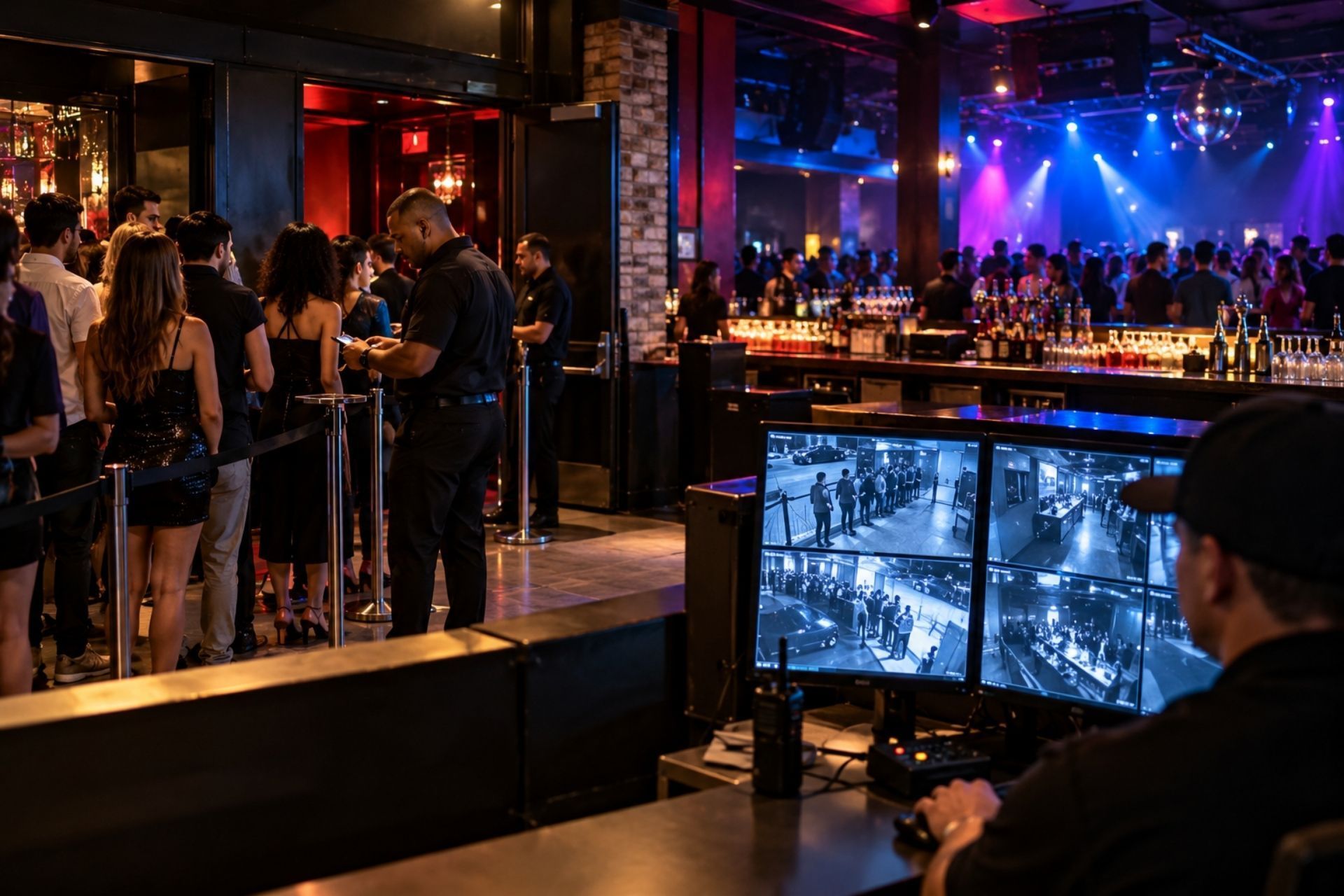
- Entertainment: live music, DJs, dance floors
- Prior claims history, especially multiple claims in three years
- New ventures with no operating history
- Locations in high-crime areas or catastrophe-prone zones
A sports bar that's open until 2 AM with live entertainment on weekends and 55% liquor sales will struggle to find coverage through a standard carrier. That doesn't mean the business is uninsurable. It means it needs a different market.
The Role of Excess and Surplus Lines
Surplus lines carriers exist specifically to insure risks that the standard, or "admitted," market won't touch. These carriers have more flexibility in pricing and policy terms, which allows them to write coverage for complex or high-risk operations.
The tradeoff is that surplus lines policies aren't backed by state guaranty funds, so choosing a financially stable carrier matters enormously. Working with a brokerage like GrayStone Insurance Group, where brokers average 20 years of experience placing hard-to-insure risks, ensures you're not just getting a policy but getting one from a carrier that will actually pay claims. U.S. commercial insurance rates have increased moderately in 2026, and surplus lines pricing has followed a similar pattern, making this a reasonable time to shop for coverage.
Proven Strategies to Lower Your Risk Profile
You can actively work to move from the surplus lines market back into the standard market, or at least negotiate better terms. Here's what actually works:
- Install and maintain certified fire suppression systems, and keep inspection records current.
- Implement documented food safety programs with regular staff training.
- Require responsible alcohol service certifications for all bartenders and servers.
- Install security cameras and maintain incident report logs.
- Reduce your liquor-to-food sales ratio by expanding your food menu or adjusting pricing.
GrayStone's data-driven underwriting approach helps operators identify exactly which risk factors are driving their premiums up, so you can focus mitigation efforts where they'll have the most financial impact. Their 94% client retention rate reflects the fact that these strategies work when applied consistently.
Frequently Asked Questions About Restaurant Insurance
How much does restaurant insurance cost per year? Costs range from $2,000 for a small café with a basic BOP to $25,000 or more for a full-service restaurant with a bar, entertainment, and comprehensive coverage. Revenue, location, and claims history are the biggest pricing factors.
Do I need separate insurance for food delivery? Yes. If employees use their own vehicles for delivery, you need hired and non-owned auto coverage. Personal auto policies exclude commercial use, creating a dangerous gap.
What's the difference between admitted and surplus lines carriers? Admitted carriers are regulated by state insurance departments and backed by guaranty funds. Surplus lines carriers have more pricing flexibility and can insure higher-risk operations, but they lack guaranty fund protection.
Can I get restaurant insurance with a prior claim history? Absolutely. A claims history makes you harder to place in the standard market, but surplus lines carriers regularly write policies for operators with prior losses. Documented corrective actions help significantly.
Does my landlord's insurance cover my restaurant? No. Your landlord's policy covers the building structure. You need your own policy for contents, liability, business interruption, and everything else inside your four walls.
Every policy has boundaries. Knowing them up front is how you avoid an uncovered claim. Common exclusions include:
Every policy has boundaries. Knowing them up front is how you avoid an uncovered claim. Common exclusions include:
Every policy has boundaries. Knowing them up front is how you avoid an uncovered claim. Common exclusions include:
General Liability responds to the core exposures most operations in this category face. A typical policy answers third-party claims and the defense costs that come with them, so a single incident doesn't put the business at risk.
Making the Right Choice for Your Establishment
Restaurant insurance isn't a commodity you buy once and forget. It's a living part of your risk management strategy that should evolve as your business grows, your menu changes, and your exposure to hospitality-specific market conditions shifts.
The operators who fare best are the ones who understand their coverage, maintain loss control measures, and work with brokers who know the restaurant space inside and out. If you've been declined or are paying premiums that feel out of proportion to your risk, there are real options available through surplus lines markets and specialized agencies.
Start by reviewing your current policy against the comprehensive coverage table above. Identify the gaps. Then talk to a broker who specializes in hard-to-place restaurant risks: someone who can tell you exactly what's driving your costs and how to bring them down. That single conversation could save your business the next time something goes wrong.
ABOUT THE AUTHOR:
CHAD KRAMER
I started GrayStone Insurance Group in 2018 with a simple conviction: the businesses everyone else turns away deserve a broker who won't. What began as a one-person operation has grown into a specialty commercial brokerage with offices across the country — but the mission hasn't changed. We find solutions for high-risk and hard-to-place businesses when other agencies run the other way.
I built this agency on integrity, hard work, and the tenacity to do the hard things well. Through our access to Excess & Surplus and specialty markets, my team and I place coverage standard carriers can't — and I treat every client's business like my own.
If you've been declined, non-renewed, or told your business is too complicated to insure, let's talk.
Coverages & policies
Plain-language coverage, expertly placed.
We lead with commercial lines and round out personal coverage where you need it. Every policy comes with an explanation — not jargon.

Contractors
Third-party bodily injury & property damage — the foundation for any operation.

Liquor Liability
Critical for bars, restaurants and venues serving alcohol — including A&B.

Commercial Property
Buildings, contents and equipment — including distressed and vacant risk.

Workers' Compensation
Statutory coverage for your crew — including high-mod and high-hazard classes.

Commercial Umbrella
Extra liability limits over your primary policies — essential for high-exposure risk.
Products Liability
Manufacturers, CBD and consumer-product exposure — including imports.
What clients say
Brokers who actually place it.
FAQ
Answers for the risks others won't cover
Getting declined, non-renewed, or told your business is "too high-risk" is frustrating — but it doesn't mean you're out of options. Here are answers to the questions we hear most from business owners who need coverage the standard market won't provide.
What kind of insurance does GrayStone specialize in?
We're a specialty commercial brokerage built for high-risk and hard-to-place businesses — the risks standard carriers often turn away. Through our access to Excess & Surplus (E&S) and specialty markets, we place coverage that everyday agencies can't. Hospitality and construction are among our deepest areas of expertise.
My business was declined or non-renewed elsewhere. Can you still help?
That's exactly what we do. A decline, a non-renewal, or a tough claims history doesn't mean you're out of options — it means your risk needs a broker with the right market access. Tell us your situation and we'll get to work finding a fit.
What is Excess & Surplus (E&S) insurance?
E&S is specialty coverage for risks that standard "admitted" carriers won't write — often because a business is higher-risk, unusual, or has a complex history. As an independent broker, we tap into these specialty markets to place coverage where a typical agency hits a dead end.
What industries do you work with?
We cover a wide range of commercial industries — from restaurants, bars, and hospitality to contractors, trucking, manufacturing, cannabis, and more. If your industry is considered high-risk or hard-to-place, there's a good chance we've handled it.
Will you work with businesses that have prior claims or losses?
Yes. Prior claims and losses are part of many of the risks we place every day. Every business is evaluated on its own merits — and a rocky history is often exactly why a specialty broker can help where others won't.
Are you an independent broker?
Yes. We're not tied to a single carrier, so we shop your risk across multiple specialty and E&S markets to find coverage that actually fits — instead of forcing you into a one-size-fits-all policy.
Insights & resources
Know your risk before you buy.