
General Liability responds to the core exposures most operations in this category face. A typical policy answers third-party claims and the defense costs that come with them, so a single incident doesn't put the business at risk.
Georgia requires workers' compensation for any business with three or more employees. That threshold is lower than many states, and it catches a lot of small venue operators off guard. Your door staff, bartenders, sound engineers, and even regular part-time stagehands count toward that number.
The penalties for non-compliance are steep: fines up to $10,000 and potential criminal misdemeanor charges. Georgia's State Board of Workers' Compensation actively investigates complaints, and injured employees who discover you lack coverage can sue you directly - without the protections that workers' comp provides to employers. Don't gamble on this one.
Workers' Compensation Laws in Georgia
Austin has always been a city that runs on live music. From iconic rooms on Red River to packed patios on Rainey Street, the energy that draws millions of visitors each year also creates a uniquely complex risk profile for venue operators. Running a live music venue here means juggling crowd safety, liquor service, expensive sound equipment, and weather that can shift from triple-digit heat to flash flooding in a single afternoon. And the financial stakes keep climbing: live music venues in Central Texas saw year-over-year insurance premium increases of 18 to 22 percent in Q1 2026, squeezing margins that were already thin. If you own or operate a venue in this city, understanding your insurance needs isn't optional - it's the difference between surviving a bad night and shutting your doors permanently. This guide breaks down the local coverage requirements, Texas-specific regulations, and the real challenges Austin operators face when building a policy that actually protects them.
The Austin Music Scene and Unique Local Risks
Austin's identity as the Live Music Capital of the World isn't just marketing. The city hosts more than 250 live music venues, and that density creates insurance challenges you won't find in most other markets. Underwriters look at Austin and see a concentration of alcohol-fueled events, late-night crowds, and aging building stock - all factors that push premiums higher than the national average for entertainment venues.
The risks aren't theoretical. Venue operators deal with slip-and-fall claims from beer-soaked floors, noise complaints that escalate into lawsuits, and property damage from overzealous fans. A single incident during a sold-out show can generate six figures in legal costs before you even get to a settlement. The city's rapid growth has also introduced new exposures: construction next door, rising property values that increase replacement costs, and a shifting regulatory environment that demands constant attention.
Navigating Red River and Sixth Street Crowd Dynamics
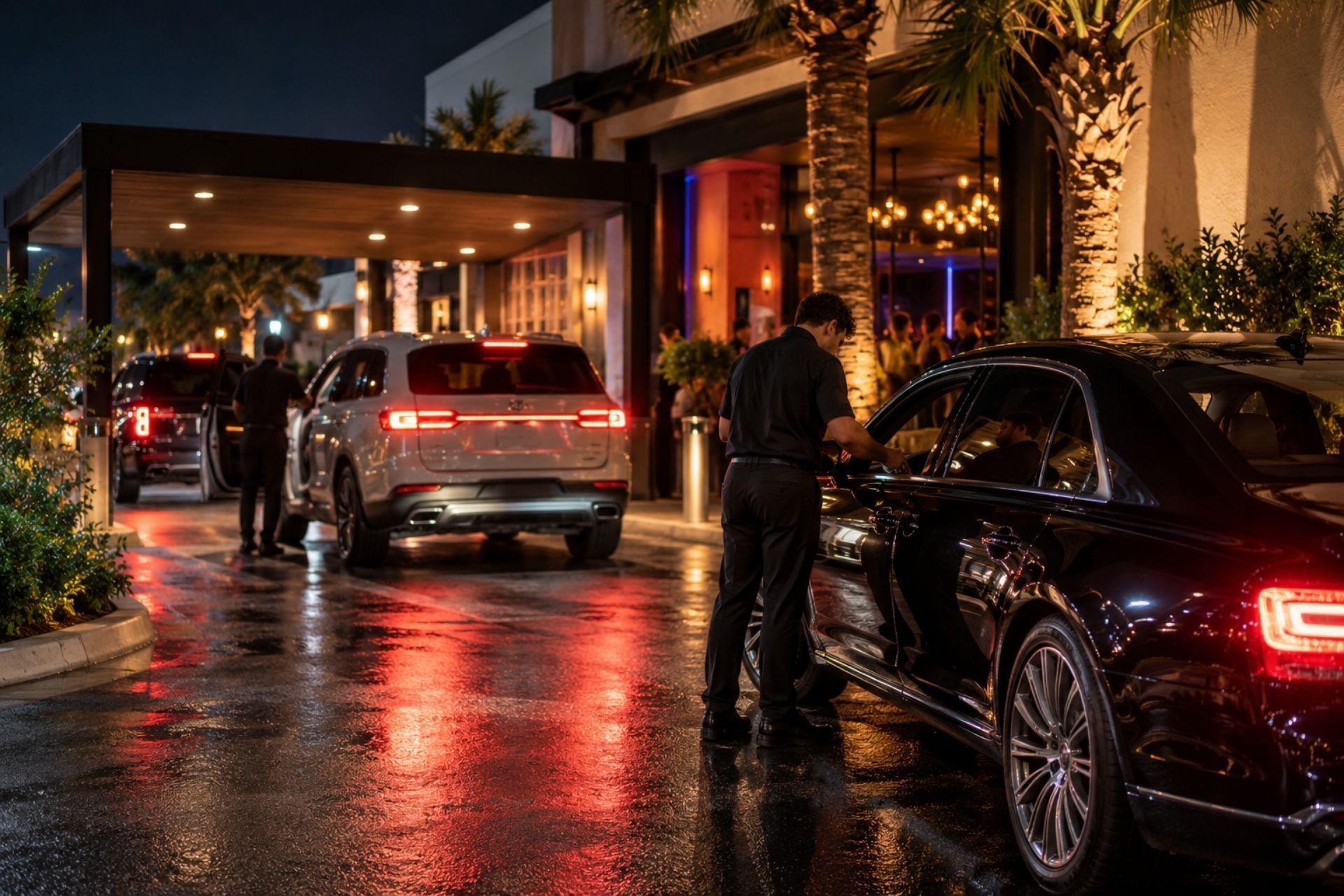
If your venue sits on Red River or Dirty Sixth, you already know the crowd dynamics are different from a listening room in South Austin. These districts see concentrated foot traffic, especially during SXSW, ACL Fest, and weekend nights when thousands of people move between venues. That foot traffic translates directly into higher liability exposure.
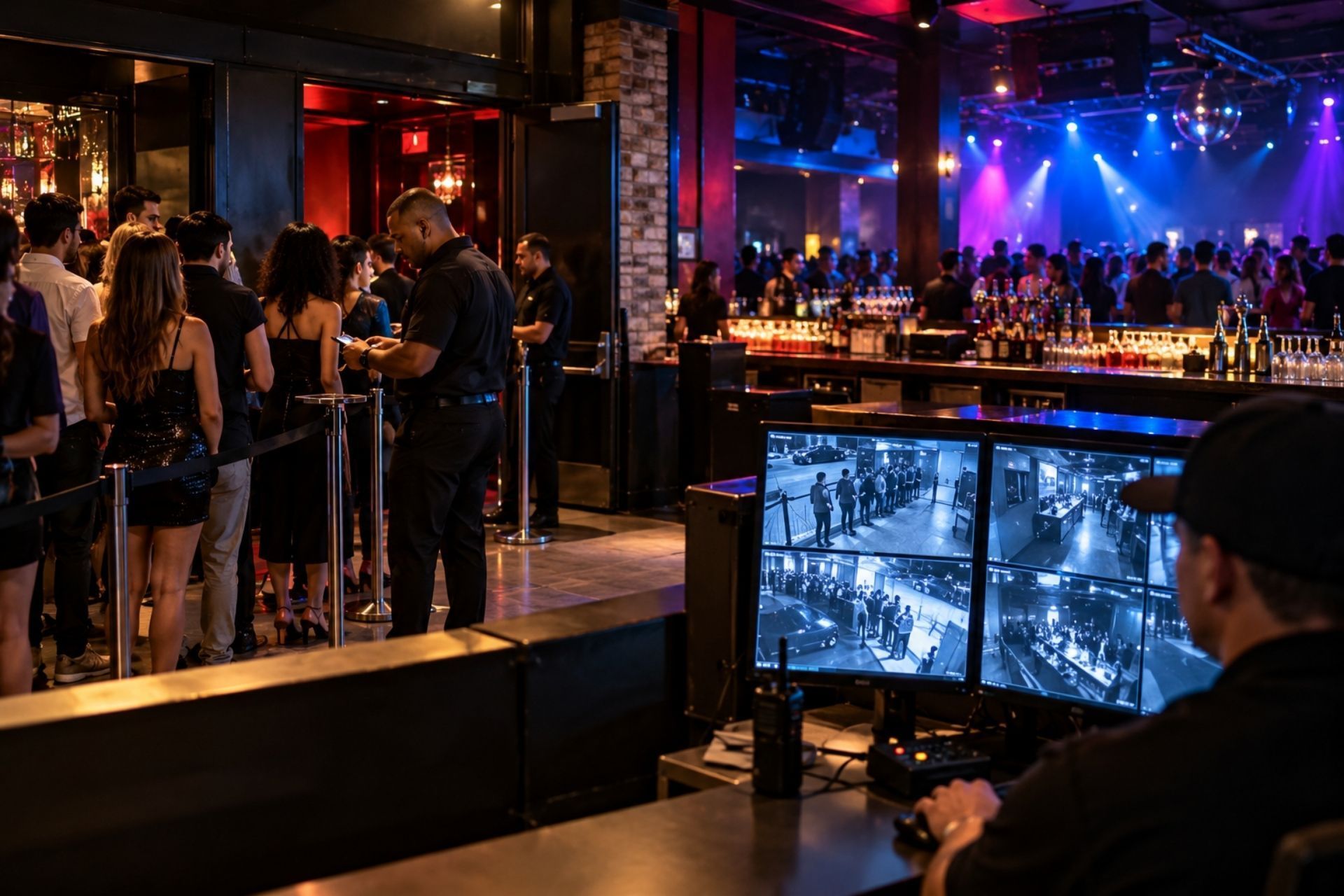
Crowd crush incidents, fights that spill from the sidewalk into your doorway, and intoxicated patrons who injure themselves on your property are all scenarios underwriters price into your policy. Venues in these high-traffic districts often need higher general liability limits - $2 million or more per occurrence - compared to the $1 million that might suffice for a quieter neighborhood spot. Security staffing levels also affect your premiums. Insurers want to see documented security plans, camera systems, and trained door staff, not just a couple of friends checking IDs.
Weather Risks: Flash Flooding and Extreme Texas Heat
Texas weather doesn't care about your show schedule. Flash flooding along Shoal Creek and Waller Creek has historically impacted venues in the downtown corridor, and standard commercial property policies often exclude flood damage entirely. If your venue sits in a FEMA-designated flood zone, you'll need a separate flood policy through the National Flood Insurance Program or a private carrier.
Extreme heat creates its own problems. Outdoor stages and patios push HVAC systems to their limits, and heat-related medical incidents among patrons can trigger liability claims. Venues with outdoor components should carry event cancellation coverage that includes weather-related triggers, especially during the summer festival season when a single canceled headliner show can cost $50,000 or more in lost revenue.
INDEX
GrayStone Insurance Group is fully licensed and permitted to provide specialty commercial insurance solutions for high-risk and hard-to-place businesses across 17 states.
We proudly serve high-risk and hard-to-place businesses from coast to coast. As an independent specialty brokerage, our team works with leading Excess & Surplus and specialty carriers to make sure restaurants, bars, contractors, trucking companies, manufacturers, and other hard-to-place operations receive coverage that fits their real risks in California, Colorado, Florida, Georgia, Illinois, Iowa, Maryland, Michigan, Missouri, Nevada, New York, North Carolina, South Carolina, Tennessee, Texas, Utah, and Washington.
Every policy has boundaries. Knowing them up front is how you avoid an uncovered claim. Common exclusions include:
Every policy has boundaries. Knowing them up front is how you avoid an uncovered claim. Common exclusions include:
Every policy has boundaries. Knowing them up front is how you avoid an uncovered claim. Common exclusions include:
General Liability responds to the core exposures most operations in this category face. A typical policy answers third-party claims and the defense costs that come with them, so a single incident doesn't put the business at risk.
If your firm provides any design, engineering, or consulting services alongside construction, you need both. A GL policy won't cover a claim alleging your design specifications caused a building envelope failure. That's a professional liability exposure, and it's one of the fastest-growing claim categories in construction.
CBobtail and Non-Trucking Liability Insurance
Bobtail insurance covers your truck when you're driving without a trailer attached, typically between loads or heading to a pickup. Non-trucking liability is similar but applies when you're using the truck for personal purposes outside of dispatch. These coverages fill gaps that your primary liability policy doesn't cover. Owner-operators leased to a carrier especially need to pay attention here, because the carrier's policy usually only covers you while you're under dispatch.
| Coverage Element | Basic Tier | Comprehensive Tier |
|---|---|---|
| General Liability | $1M per occurrence | $2M per occurrence |
| Product Liability | Often excluded or limited | Included with $1M-$2M limits |
| Crop/Inventory | Not included | Included with agreed-value endorsement |
| Product Recall | Not included | Included |
| Business Interruption | Limited | Full coverage with 12-month indemnity |
| Workers' Compensation | Add-on | Bundled |
| Approximate Annual Cost | $2,500-$5,000 | $8,000-$20,000+ |
Texas State Requirements vs. Austin City Standards
Texas doesn't mandate commercial insurance for most businesses the way some states do, but that doesn't mean you can operate a music venue without it. The state has specific requirements around workers' compensation and alcohol service that create a baseline every venue must meet. Austin layers its own permitting and liability standards on top, creating a two-tier compliance structure.
Mandatory Workers' Compensation and TABC Compliance
Texas is one of the few states where workers' compensation insurance is technically optional for most private employers. But "optional" is misleading for venue operators. If you don't carry workers' comp and a bartender or sound tech gets injured on the job, you lose your protection from employee lawsuits and face unlimited personal liability. Most experienced brokers - including the team at GrayStone Insurance Group, which specializes in hard-to-place hospitality risks - strongly recommend carrying workers' comp regardless of your headcount.
The Texas Alcoholic Beverage Commission requires venues serving alcohol to maintain a valid TABC permit, and your insurance needs to align with that permit type. A mixed beverage permit carries different liability implications than a beer and wine license. TABC violations, including serving minors or visibly intoxicated patrons, can void certain coverage provisions in your policy. Understanding your TABC obligations before you bind coverage is critical.
City of Austin Permitting and Liability Minimums
Austin's permitting process for live music venues involves multiple city departments, and several of those permits carry insurance requirements. The city's sound ordinance compliance, for example, requires venues to demonstrate they can manage noise levels - and failure to comply can result in fines that some policies won't cover.
Special event permits through the City of Austin typically require proof of general liability coverage with the City named as an additional insured. If you host outdoor events, block parties, or shows that extend beyond your normal footprint, you'll need event-specific coverage that satisfies city minimums. These minimums usually start at $1 million per occurrence and $2 million aggregate, but the city can require higher limits depending on expected attendance.
| Coverage Type | Basic Package | Comprehensive Package |
|---|---|---|
| General Liability | $1M per occurrence | $2M+ per occurrence |
| Property Coverage | Building contents only | Contents + equipment floaters |
| Liquor Liability | $500K limit | $1M-$2M limit |
| Workers' Comp | State minimum | State minimum + employer's liability |
| Event Cancellation | Not included | Per-event or annual policy |
| Cyber Liability | Not included | Covers ticketing data breaches |
| Umbrella/Excess | Not included | $1M-$5M excess layer |
| Hired/Non-Owned Auto | $8,000-$15,000 | $25,000-$60,000+ |
| Feature | General Liability | Professional Liability |
|---|---|---|
| Covers | Bodily injury, property damage, advertising injury | Errors, omissions, negligent advice |
| Typical Limit | $1M per occurrence / $2M aggregate | $500K to $2M per claim |
| Claims Trigger | Physical harm or damage occurs | Financial loss from professional error |
| Required By | Most GCs, project owners, municipalities | Design-build contracts, engineering projects |
| Average Annual Cost (Solo) | $430 - $780 | $800 - $2,500 |
| Deductible Range | $500 - $2,500 | $2,500 - $10,000 |
Essential Coverage Comparison for Venue Owners
Not all venue insurance policies are created equal. The gap between a bare-minimum policy and one that actually covers the risks you face can be enormous - and that gap usually becomes visible only after a claim.
Comparison Chart: Basic Liability vs. Comprehensive Protection
| Coverage Type | Basic Liability Policy | Comprehensive Venue Policy |
|---|---|---|
| General Liability | $1M per occurrence | $2M+ per occurrence |
| Liquor Liability | Not included | Included with TABC alignment |
| Property Coverage | Building only, ACV basis | Building + contents, replacement cost |
| Assault & Battery | Excluded | Included with sub-limits |
| Flood Damage | Excluded | Available as endorsement or separate policy |
| Equipment (Inland Marine) | Not included | Covers owned and rented gear |
| Event Cancellation | Not included | Weather, artist no-show, government order |
| Workers' Compensation | Separate, if purchased | Bundled or coordinated |
| Hired/Non-Owned Auto | Not included | Covers gear transport, artist pickup |
The basic policy might cost 40% less, but it leaves you exposed on exactly the claims most likely to happen at a live music venue. A comprehensive policy through a broker experienced in entertainment risks - like GrayStone Insurance Group, whose brokers average 20 years in the market - will cost more upfront but can save you hundreds of thousands when something goes wrong.
Every policy has boundaries. Knowing them up front is how you avoid an uncovered claim. Common exclusions include:
Every policy has boundaries. Knowing them up front is how you avoid an uncovered claim. Common exclusions include:
Every policy has boundaries. Knowing them up front is how you avoid an uncovered claim. Common exclusions include:
General Liability responds to the core exposures most operations in this category face. A typical policy answers third-party claims and the defense costs that come with them, so a single incident doesn't put the business at risk.
Hired and Non-Owned Auto Insurance for Delivery Services
The explosion of delivery services has created an insurance blind spot for many restaurants. If your employee uses their personal vehicle to make a delivery and causes an accident, your business can be named in the lawsuit. Their personal auto policy likely excludes commercial use, and your commercial policy doesn't automatically cover vehicles you don't own.
Hired and non-owned auto coverage fills this gap. It's relatively inexpensive, usually $200 to $500 annually, and it protects you when employees use personal vehicles for business purposes or when you rent a vehicle for catering deliveries.
Even if you rely entirely on third-party delivery platforms, you're not completely insulated from liability. The contractual agreements with these platforms have limitations, and a determined plaintiff's attorney will name every possible defendant. Having your own coverage is the safest approach.
Protecting Your Assets: Gear, Liquor, and Litigation
The three biggest financial exposures for Austin venue operators aren't mysterious: they're your liquor license, your equipment, and the lawsuits that follow violent incidents. Each requires specific coverage that general liability alone won't provide.
Liquor Liability: Why General Liability Isn't Enough
General liability policies for venues that serve alcohol almost always include a liquor liability exclusion. That means if an intoxicated patron leaves your venue and causes a car accident, your GL policy won't respond. You need a standalone liquor liability policy or a specific endorsement that removes the exclusion.
Texas follows a modified dram shop law. Under Texas Alcoholic Beverage Code Section 2.02, a venue can be held liable if it serves alcohol to an obviously intoxicated person who then causes injury to a third party. Judgments in dram shop cases regularly exceed $1 million. Your liquor liability limits should match or exceed your general liability limits - $2 million is a reasonable floor for most Austin venues.
Inland Marine Insurance for High-End Audio and Lighting
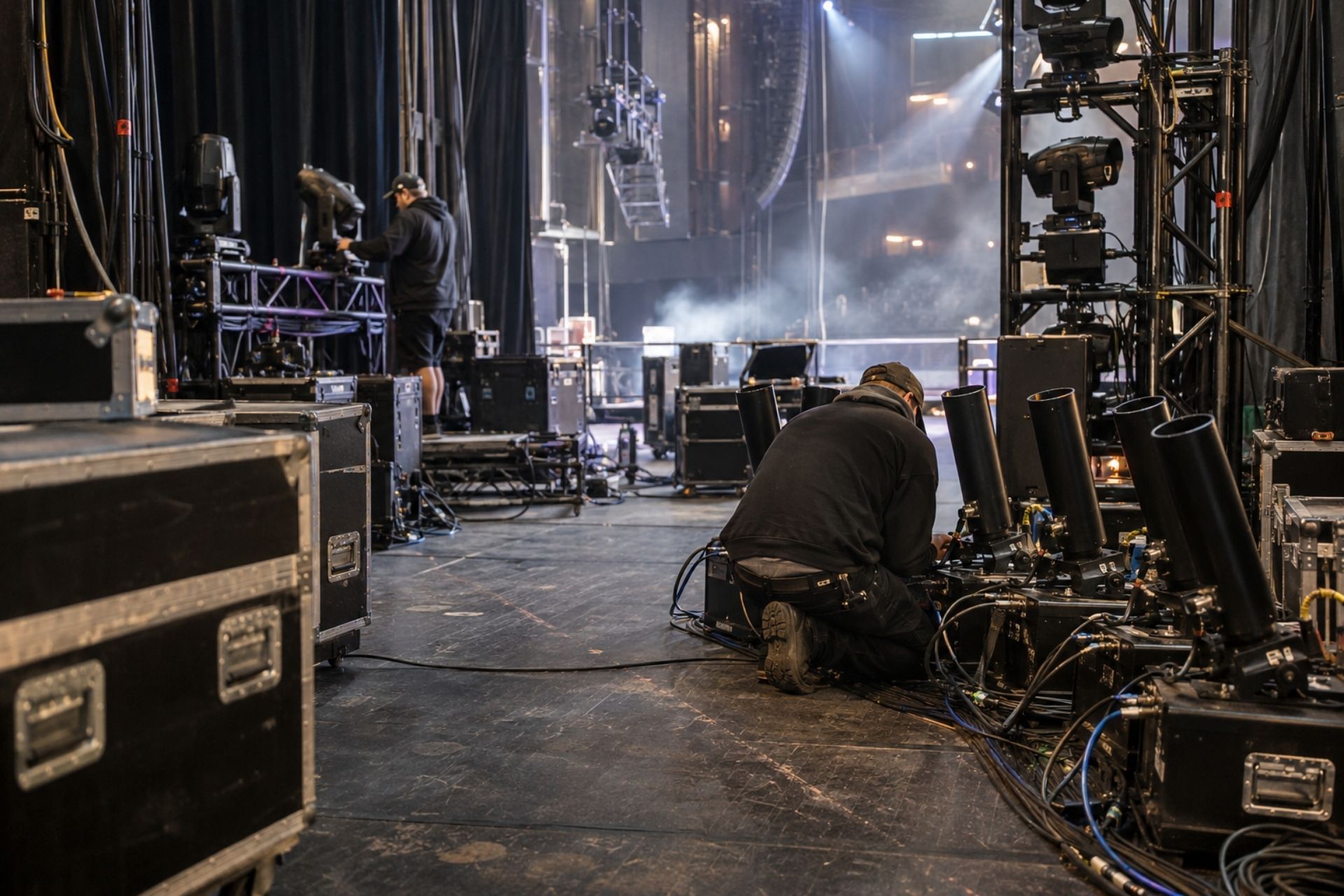
That $80,000 sound system and your $30,000 lighting rig aren't covered under a standard commercial property policy if they're moved between locations, loaned to a touring act, or damaged during load-in. Inland marine insurance covers equipment in transit and at temporary locations, filling a gap that catches many venue owners off guard.
Even if your gear stays in-house, inland marine policies typically offer broader coverage terms than property policies for specialized equipment. They cover accidental damage, theft, and electrical surge - all common scenarios in a venue environment. If you're renting backline gear for visiting artists, make sure your policy addresses rented equipment or require artists to carry their own coverage.
Assault and Battery Coverage in High-Traffic Districts
Here's a coverage gap that surprises a lot of venue owners: most general liability policies exclude assault and battery claims. If a bouncer uses excessive force, or a fight breaks out and a patron gets seriously hurt, your GL policy likely won't pay the legal defense costs or any resulting judgment.
Assault and battery coverage is available as an endorsement or standalone policy, and it's essentially non-negotiable for venues in Austin's entertainment districts. Claims in this category often involve both the venue and individual employees as named defendants. Defense costs alone can run $50,000 to $100,000 before trial. GrayStone Insurance Group frequently places this type of hard-to-find coverage for nightlife operators who've been turned away by standard carriers.
A small club (under 300 capacity) in Georgia typically pays between $8,000 and $15,000 annually for a package including general liability, liquor liability, and property coverage. Workers' comp adds another $2,000-$6,000 depending on payroll size. Per-event coverage for one-off shows runs $188-$280 per day.
How much does insurance usually cost for a small club?
Most startups can expect to pay between $2,500 and $6,000 annually for a basic general liability policy. Adding product liability typically pushes the total to $5,000 to $10,000, depending on your product type and projected revenue.
FAQ: How much does a basic policy cost for a startup?
FAQ: Can I get coverage if my hemp tests over 0.3% THC?
A hot test creates serious problems. The crop must be destroyed under federal and state law, and your insurer may not cover the loss unless you have a specific endorsement for THC compliance failure. Some specialty carriers offer this coverage, but it's not standard.
FAQ: Will my homeowners insurance cover my small hemp farm?
Almost certainly not. Homeowners policies exclude commercial agricultural operations, and hemp's association with cannabis makes this even less likely. You need a standalone commercial policy, even for a small grow operation.
How Trade Specialty Affects Your Premium
Your NCCI classification code is the single biggest factor in workers' comp pricing. Roofing contractors (code 5551) pay rates several times higher than interior finish carpenters. Electricians fall somewhere in the middle. The rate differences between trade classifications can be dramatic: a roofer might pay $15 to $25 per $100 of payroll, while a plumber pays $4 to $8.
General liability premiums follow a similar pattern. Excavation and demolition contractors pay significantly more than painters or flooring installers because the potential for property damage and bodily injury is higher.
Austin is the Live Music Capital of the World, and if your venue hosts performers, you need entertainment liability coverage. This covers injuries to performers, damage to their equipment, and incidents related to stage setups, sound equipment, and crowd behavior during shows. A standard general liability policy won't cover a speaker stack falling on a patron or a musician tripping over unsecured cables. If you host ticketed events, you may also need event-specific permits and insurance depending on capacity and format.
Live Music and Entertainment Endorsements
Common Questions About Austin Venue Insurance
How much does live music venue insurance cost in Austin? Premiums vary widely based on capacity, alcohol sales, location, and claims history. A 200-capacity room might pay $15,000 to $25,000 annually for comprehensive coverage, while a 1,000-capacity venue on Sixth Street could see premiums north of $60,000.
Do I need separate insurance for SXSW or ACL-related events? If you're hosting events outside your normal operations - larger crowds, extended hours, outdoor stages - yes. Event-specific policies or endorsements are typically required and may also be mandated by the city's special event permit.
Can I bundle my liquor liability with my general liability policy? Some carriers offer package policies that include both, but many don't. Always confirm that liquor liability is explicitly included and not just assumed. Read the exclusions page of your policy carefully.
What happens if I don't carry workers' comp in Texas? You lose your statutory protection from employee injury lawsuits. An injured employee can sue you directly, and there's no cap on damages. For venues with even a small staff, the risk isn't worth it.
Does my landlord's insurance cover my venue? No. Your landlord's policy covers the building structure. Your business contents, liability, liquor exposure, and equipment are your responsibility entirely.
Every policy has boundaries. Knowing them up front is how you avoid an uncovered claim. Common exclusions include:
Every policy has boundaries. Knowing them up front is how you avoid an uncovered claim. Common exclusions include:
Every policy has boundaries. Knowing them up front is how you avoid an uncovered claim. Common exclusions include:
General Liability responds to the core exposures most operations in this category face. A typical policy answers third-party claims and the defense costs that come with them, so a single incident doesn't put the business at risk.
Making the Right Choice for Your Venue
Austin's live music scene is what makes this city special, but operating a venue here means accepting a risk profile that most insurance carriers don't fully understand. The operators who survive long-term are the ones who treat insurance as a strategic investment, not just a line item to minimize.
Get specific about your exposures. Don't accept a generic commercial policy that was designed for a retail store. Work with a broker who knows entertainment risks, understands TABC compliance, and can place coverage for the things standard carriers exclude - assault and battery, flood, equipment in transit, and event cancellation.
Your venue is more than a business. It's part of Austin's cultural fabric. Protect it like it matters, because it does. If you're unsure whether your current coverage actually matches your risk, reach out to a specialized broker for a policy review before your next renewal.
ABOUT THE AUTHOR:
CHAD KRAMER
I started GrayStone Insurance Group in 2018 with a simple conviction: the businesses everyone else turns away deserve a broker who won't. What began as a one-person operation has grown into a specialty commercial brokerage with offices across the country — but the mission hasn't changed. We find solutions for high-risk and hard-to-place businesses when other agencies run the other way.
I built this agency on integrity, hard work, and the tenacity to do the hard things well. Through our access to Excess & Surplus and specialty markets, my team and I place coverage standard carriers can't — and I treat every client's business like my own.
If you've been declined, non-renewed, or told your business is too complicated to insure, let's talk.
Coverages & policies
Plain-language coverage, expertly placed.
We lead with commercial lines and round out personal coverage where you need it. Every policy comes with an explanation — not jargon.

Contractors
Third-party bodily injury & property damage — the foundation for any operation.

Liquor Liability
Critical for bars, restaurants and venues serving alcohol — including A&B.

Commercial Property
Buildings, contents and equipment — including distressed and vacant risk.

Workers' Compensation
Statutory coverage for your crew — including high-mod and high-hazard classes.

Commercial Umbrella
Extra liability limits over your primary policies — essential for high-exposure risk.
Products Liability
Manufacturers, CBD and consumer-product exposure — including imports.
What clients say
Brokers who actually place it.
FAQ
Answers for the risks others won't cover
Getting declined, non-renewed, or told your business is "too high-risk" is frustrating — but it doesn't mean you're out of options. Here are answers to the questions we hear most from business owners who need coverage the standard market won't provide.
What kind of insurance does GrayStone specialize in?
We're a specialty commercial brokerage built for high-risk and hard-to-place businesses — the risks standard carriers often turn away. Through our access to Excess & Surplus (E&S) and specialty markets, we place coverage that everyday agencies can't. Hospitality and construction are among our deepest areas of expertise.
My business was declined or non-renewed elsewhere. Can you still help?
That's exactly what we do. A decline, a non-renewal, or a tough claims history doesn't mean you're out of options — it means your risk needs a broker with the right market access. Tell us your situation and we'll get to work finding a fit.
What is Excess & Surplus (E&S) insurance?
E&S is specialty coverage for risks that standard "admitted" carriers won't write — often because a business is higher-risk, unusual, or has a complex history. As an independent broker, we tap into these specialty markets to place coverage where a typical agency hits a dead end.
What industries do you work with?
We cover a wide range of commercial industries — from restaurants, bars, and hospitality to contractors, trucking, manufacturing, cannabis, and more. If your industry is considered high-risk or hard-to-place, there's a good chance we've handled it.
Will you work with businesses that have prior claims or losses?
Yes. Prior claims and losses are part of many of the risks we place every day. Every business is evaluated on its own merits — and a rocky history is often exactly why a specialty broker can help where others won't.
Are you an independent broker?
Yes. We're not tied to a single carrier, so we shop your risk across multiple specialty and E&S markets to find coverage that actually fits — instead of forcing you into a one-size-fits-all policy.
Insights & resources
Know your risk before you buy.