
General Liability responds to the core exposures most operations in this category face. A typical policy answers third-party claims and the defense costs that come with them, so a single incident doesn't put the business at risk.
Georgia requires workers' compensation for any business with three or more employees. That threshold is lower than many states, and it catches a lot of small venue operators off guard. Your door staff, bartenders, sound engineers, and even regular part-time stagehands count toward that number.
The penalties for non-compliance are steep: fines up to $10,000 and potential criminal misdemeanor charges. Georgia's State Board of Workers' Compensation actively investigates complaints, and injured employees who discover you lack coverage can sue you directly - without the protections that workers' comp provides to employers. Don't gamble on this one.
Workers' Compensation Laws in Georgia
A single water intrusion event can cost a commercial property owner $50,000 or more in repairs, lost rent, and tenant relocation. Multiply that across a portfolio of older buildings in hurricane-prone or flood-risk zones, and you start to understand why real estate insurance keeps operators up at night. The challenge gets worse when your properties carry characteristics that make standard carriers nervous: aging HVAC systems, mixed-use tenants, prior claims, or locations in catastrophe-exposed regions.
This is the reality for a growing number of real estate operators in 2026. Property insurance rates have been shifting, with average property rate changes in Q1 2026 declining by roughly 15% for well-positioned accounts, while hard-to-place operators continue to face steep premiums or outright declinations. Understanding what coverage you actually need, which claims hit hardest, and how to position your portfolio for better terms isn't optional: it's the difference between a profitable year and a devastating one.
Core Coverage Types for Real Estate Assets
Real estate insurance isn't a single policy. It's a stack of coverages, each designed to protect against specific financial exposures. Getting the mix wrong leaves gaps that only become visible after a loss, which is the worst possible time to discover them.
The right combination depends on your asset class, tenant mix, building age, and geographic risk. A Class A office tower in Denver needs a different program than a 1970s strip mall in coastal Florida. But certain core coverages apply across nearly every real estate portfolio.
Commercial Property and General Liability
Commercial property insurance covers the physical structure itself: walls, roof, HVAC, electrical systems, and sometimes tenant improvements. Policies typically pay for damage from fire, wind, vandalism, and certain water events, though flood and earthquake almost always require separate coverage.
General liability protects against third-party bodily injury and property damage claims. If a visitor slips on an icy walkway or a falling ceiling tile injures a tenant's employee, your GL policy responds. Standard limits run $1M per occurrence and $2M aggregate, though many operators carry umbrella or excess policies pushing total limits to $5M or $10M.
One common mistake: assuming your property policy covers everything inside the building. Tenant personal property, specialized equipment, and business contents typically fall under the tenant's own insurance. Your lease should require tenants to carry their own coverage and name you as an additional insured.
Business Interruption and Rent Loss Coverage
Property damage is only half the financial hit. When a building is uninhabitable after a fire or major storm, you lose rental income for months, sometimes over a year. Business interruption and rent loss coverage replaces that income stream during the restoration period.
Most policies cover lost rents, continuing expenses like mortgage payments and property taxes, and sometimes the cost of temporary relocation for tenants. The critical detail is the indemnity period: how long the policy will pay. A 12-month indemnity period sounds generous until you realize that rebuilding a commercial property after a major fire routinely takes 18 to 24 months. Operators with older buildings or properties in permit-heavy jurisdictions should push for extended indemnity periods.
Comparison: Basic vs. Extended Property Coverage
| Feature | Basic (Named Peril) | Extended (Special Form) |
|---|---|---|
| What's Covered | Only perils listed in the policy | All perils except those specifically excluded |
| Typical Exclusions | Flood, earthquake, wear and tear | Flood, earthquake, wear and tear, mold (varies) |
| Water Damage | Limited to specified causes | Broader: includes sudden pipe bursts, appliance overflow |
| Collapse | Usually excluded | Often included with conditions |
| Best For | Low-value properties, budget-conscious owners | Most commercial portfolios, lenders often require it |
| Annual Premium Range | $800 - $2,500 per $1M value | $1,500 - $4,500 per $1M value |
The price difference between basic and extended coverage is often smaller than owners expect, and the gap in protection is enormous. Special form policies flip the burden: instead of proving your loss matches a named peril, the insurer must prove an exclusion applies.
INDEX
GrayStone Insurance Group is fully licensed and permitted to provide specialty commercial insurance solutions for high-risk and hard-to-place businesses across 17 states.
We proudly serve high-risk and hard-to-place businesses from coast to coast. As an independent specialty brokerage, our team works with leading Excess & Surplus and specialty carriers to make sure restaurants, bars, contractors, trucking companies, manufacturers, and other hard-to-place operations receive coverage that fits their real risks in California, Colorado, Florida, Georgia, Illinois, Iowa, Maryland, Michigan, Missouri, Nevada, New York, North Carolina, South Carolina, Tennessee, Texas, Utah, and Washington.
Every policy has boundaries. Knowing them up front is how you avoid an uncovered claim. Common exclusions include:
Every policy has boundaries. Knowing them up front is how you avoid an uncovered claim. Common exclusions include:
Every policy has boundaries. Knowing them up front is how you avoid an uncovered claim. Common exclusions include:
General Liability responds to the core exposures most operations in this category face. A typical policy answers third-party claims and the defense costs that come with them, so a single incident doesn't put the business at risk.
If your firm provides any design, engineering, or consulting services alongside construction, you need both. A GL policy won't cover a claim alleging your design specifications caused a building envelope failure. That's a professional liability exposure, and it's one of the fastest-growing claim categories in construction.
TEvery Austin retailer selling consumable hemp products must hold a valid license from the Texas DSHS. The annual registration fee is $258 per location, and most insurers require proof of active registration before they'll bind a policy. If you're operating multiple storefronts, each one needs its own registration.
The DSHS also requires that all consumable hemp products be manufactured in a facility that holds a DSHS license. This means if you're white-labeling products from an out-of-state manufacturer, you need to verify their compliance status too. Insurers will ask about your supply chain, and gaps here create gaps in your coverage.
CBobtail and Non-Trucking Liability Insurance
Bobtail insurance covers your truck when you're driving without a trailer attached, typically between loads or heading to a pickup. Non-trucking liability is similar but applies when you're using the truck for personal purposes outside of dispatch. These coverages fill gaps that your primary liability policy doesn't cover. Owner-operators leased to a carrier especially need to pay attention here, because the carrier's policy usually only covers you while you're under dispatch.
| Coverage Element | Basic Tier | Comprehensive Tier |
|---|---|---|
| General Liability | $1M per occurrence | $2M per occurrence |
| Product Liability | Often excluded or limited | Included with $1M-$2M limits |
| Crop/Inventory | Not included | Included with agreed-value endorsement |
| Product Recall | Not included | Included |
| Business Interruption | Limited | Full coverage with 12-month indemnity |
| Workers' Compensation | Add-on | Bundled |
| Approximate Annual Cost | $2,500-$5,000 | $8,000-$20,000+ |
Common Claims and Risk Mitigation
Knowing which claims hit real estate portfolios most frequently helps you prioritize both your coverage and your risk mitigation spending. The pattern is remarkably consistent year after year.
Weather-Related Damage and Water Intrusion
Water is the single most destructive force in commercial real estate. It's not dramatic hurricanes that drive most claims: it's slow leaks from aging plumbing, failed roof membranes, and HVAC condensation lines that drip unnoticed for weeks. Property claims satisfaction data consistently shows water damage as the most frequent and most frustrating claim type for property owners.
Picture this: a second-floor pipe joint fails on a Friday evening in a mixed-use building. By Monday morning, water has soaked through drywall, destroyed a ground-floor tenant's inventory, warped flooring across two units, and triggered mold growth behind walls. The property damage alone might run $75,000, but the real cost includes lost rent from displaced tenants, potential mold remediation at $15,000 to $40,000, and a claim on your loss history that follows you for five years.
Mitigation that actually works: install water leak detection sensors on every floor, especially near mechanical rooms and restrooms. Upgrade to PEX or copper piping in buildings with galvanized steel systems. Inspect roof membranes annually and after every major storm. These investments typically cost a fraction of a single water claim.
Premises Liability and Slip-and-Fall Incidents
Slip-and-fall claims account for a disproportionate share of general liability losses in real estate. The average cost of a commercial premises liability claim has been climbing steadily, with settlements routinely exceeding $20,000 and litigated cases pushing well past $100,000.
Parking lots, entryways, stairwells, and common areas are the hot spots. Ice and snow management in northern climates is a particular pain point: one missed salting cycle can generate multiple claims in a single day. Document everything. Keep maintenance logs, photograph conditions after snow removal, and retain contracts with third-party snow removal vendors that include indemnification language.
| Coverage Type | Basic Package | Comprehensive Package |
|---|---|---|
| General Liability | $1M per occurrence | $2M+ per occurrence |
| Property Coverage | Building contents only | Contents + equipment floaters |
| Liquor Liability | $500K limit | $1M-$2M limit |
| Workers' Comp | State minimum | State minimum + employer's liability |
| Event Cancellation | Not included | Per-event or annual policy |
| Cyber Liability | Not included | Covers ticketing data breaches |
| Umbrella/Excess | Not included | $1M-$5M excess layer |
| Hired/Non-Owned Auto | $8,000-$15,000 | $25,000-$60,000+ |
| Feature | General Liability | Professional Liability |
|---|---|---|
| Covers | Bodily injury, property damage, advertising injury | Errors, omissions, negligent advice |
| Typical Limit | $1M per occurrence / $2M aggregate | $500K to $2M per claim |
| Claims Trigger | Physical harm or damage occurs | Financial loss from professional error |
| Required By | Most GCs, project owners, municipalities | Design-build contracts, engineering projects |
| Average Annual Cost (Solo) | $430 - $780 | $800 - $2,500 |
| Deductible Range | $500 - $2,500 | $2,500 - $10,000 |
| Coverage Feature | Basic Policy | Comprehensive Policy |
|---|---|---|
| General Liability | $1M per occurrence | $2M per occurrence |
| Product Liability | Often excluded or minimal | $1M-$2M with hemp-specific terms |
| Property/Inventory | Building only | Building + stock + equipment |
| Business Interruption | Not included | 6-12 months lost income |
| Product Recall | Not included | Included with sub-limits |
| Third-Party Lab Errors | Not covered | Errors & omissions extension |
| Typical Annual Premium | $2,000-$4,500 | $5,000-$12,000+ |
The price difference between basic and comprehensive coverage looks significant until you consider that a single product liability lawsuit can cost six figures. GrayStone Insurance Group uses data-driven risk modeling to match Austin operators with carriers that actually understand hemp, which often results in better coverage at more competitive pricing than what you'd find shopping blind.
Comparison: Basic vs. Comprehensive CBD Coverage
| Coverage Type | What It Covers | Common NYC Claims | Typical Cost Factors |
|---|---|---|---|
| General Liability | Third-party injury, property damage, advertising injury | Slip-and-fall in retail stores, signage disputes with neighboring businesses | Location foot traffic, square footage, annual revenue |
| Product Liability | Claims from products sold or distributed | Allergic reactions, mislabeled CBD concentrations, contamination | Product type, sales volume, testing/QA protocols |
| Property Insurance | Physical assets: inventory, equipment, fixtures | Water damage, fire, theft of inventory | Building age, neighborhood crime rates, inventory value |
Challenges for Hard-to-Place Operators
Not every real estate portfolio fits neatly into a standard insurance carrier's appetite. When yours doesn't, you enter a different world of underwriting scrutiny, higher premiums, and sometimes outright coverage denials.
High-Risk Locations and Older Building Systems
Coastal properties in Florida, Gulf states, and the Carolinas face catastrophe-driven pricing that can make coverage costs nearly prohibitive. A $5M apartment complex in coastal Galveston might see property premiums of $40,000 to $80,000 annually, while an identical building in Austin pays $12,000 to $18,000.
Older buildings compound the problem. Insurers look hard at four systems: roofing, electrical, plumbing, and HVAC. A building with a 25-year-old roof, original Federal Pacific electrical panels, or galvanized plumbing will face surcharges, higher deductibles, or flat-out declinations from admitted carriers. Upgrading to Class 4 impact-resistant roofing can reduce wind and hail premiums by 15% to 30% in many states, making it one of the highest-ROI capital improvements an operator can make.
Poor Loss History and High Claim Frequency
Carriers weight your five-year loss history heavily during underwriting. Three or more claims in that window, regardless of fault, can push you out of the standard market entirely. High-frequency, low-severity claims are actually worse than a single large loss in many underwriters' eyes because they suggest systemic maintenance or management problems.
The math is straightforward: if your total claims over five years approach or exceed your total premiums paid, you're unprofitable for the carrier. They'll non-renew you, and the next carrier will see that loss run and price accordingly.
Navigating the Excess and Surplus (E&S) Market
When standard admitted carriers decline your account, the E&S market becomes your lifeline. These non-admitted carriers have more flexibility in pricing and policy terms, but they also come with trade-offs: less regulatory oversight, fewer consumer protections, and often manuscript policy forms that require careful review.
The U.S. commercial insurance market has seen rates ease overall, but E&S placement still requires a broker who knows which surplus lines carriers have appetite for your specific property type. GrayStone Insurance Group places a significant volume of hard-to-place real estate accounts through the E&S market, using AI-powered risk modeling to match properties with carriers whose appetite aligns with the specific risk profile. That precision matters: submitting to the wrong E&S carrier wastes weeks and often results in unfavorable terms.
Banking and Payment Processing Hurdles
Every policy has boundaries. Knowing them up front is how you avoid an uncovered claim. Common exclusions include:
Every policy has boundaries. Knowing them up front is how you avoid an uncovered claim. Common exclusions include:
Every policy has boundaries. Knowing them up front is how you avoid an uncovered claim. Common exclusions include:
General Liability responds to the core exposures most operations in this category face. A typical policy answers third-party claims and the defense costs that come with them, so a single incident doesn't put the business at risk.
Hired and Non-Owned Auto Insurance for Delivery Services
The explosion of delivery services has created an insurance blind spot for many restaurants. If your employee uses their personal vehicle to make a delivery and causes an accident, your business can be named in the lawsuit. Their personal auto policy likely excludes commercial use, and your commercial policy doesn't automatically cover vehicles you don't own.
Hired and non-owned auto coverage fills this gap. It's relatively inexpensive, usually $200 to $500 annually, and it protects you when employees use personal vehicles for business purposes or when you rent a vehicle for catering deliveries.
Even if you rely entirely on third-party delivery platforms, you're not completely insulated from liability. The contractual agreements with these platforms have limitations, and a determined plaintiff's attorney will name every possible defendant. Having your own coverage is the safest approach.
Strategies to Improve Your Risk Profile
You can't change your building's location, but you can control almost everything else that underwriters evaluate. Start with the four core building systems: get a roof certification, upgrade outdated electrical panels, replace galvanized plumbing, and document HVAC maintenance schedules.
Raise your deductibles strategically. Moving from a $5,000 to a $25,000 deductible signals to underwriters that you're self-insuring small losses and only filing meaningful claims. This alone can reduce premiums by 10% to 20% and, more importantly, keeps minor incidents off your loss run.
Build a risk management narrative. Underwriters respond to documentation: inspection reports, capital improvement timelines, tenant screening procedures, and emergency response plans. GrayStone's brokers, averaging 20 years of market experience, often help clients assemble these packages because a well-documented submission can mean the difference between a declination and a competitive quote. The firm's 94% client retention rate reflects this hands-on approach to long-term risk positioning.
A small club (under 300 capacity) in Georgia typically pays between $8,000 and $15,000 annually for a package including general liability, liquor liability, and property coverage. Workers' comp adds another $2,000-$6,000 depending on payroll size. Per-event coverage for one-off shows runs $188-$280 per day.
How much does insurance usually cost for a small club?
Most startups can expect to pay between $2,500 and $6,000 annually for a basic general liability policy. Adding product liability typically pushes the total to $5,000 to $10,000, depending on your product type and projected revenue.
FAQ: How much does a basic policy cost for a startup?
FAQ: Can I get coverage if my hemp tests over 0.3% THC?
A hot test creates serious problems. The crop must be destroyed under federal and state law, and your insurer may not cover the loss unless you have a specific endorsement for THC compliance failure. Some specialty carriers offer this coverage, but it's not standard.
FAQ: Will my homeowners insurance cover my small hemp farm?
Almost certainly not. Homeowners policies exclude commercial agricultural operations, and hemp's association with cannabis makes this even less likely. You need a standalone commercial policy, even for a small grow operation.
How Trade Specialty Affects Your Premium
Your NCCI classification code is the single biggest factor in workers' comp pricing. Roofing contractors (code 5551) pay rates several times higher than interior finish carpenters. Electricians fall somewhere in the middle. The rate differences between trade classifications can be dramatic: a roofer might pay $15 to $25 per $100 of payroll, while a plumber pays $4 to $8.
General liability premiums follow a similar pattern. Excavation and demolition contractors pay significantly more than painters or flooring installers because the potential for property damage and bodily injury is higher.
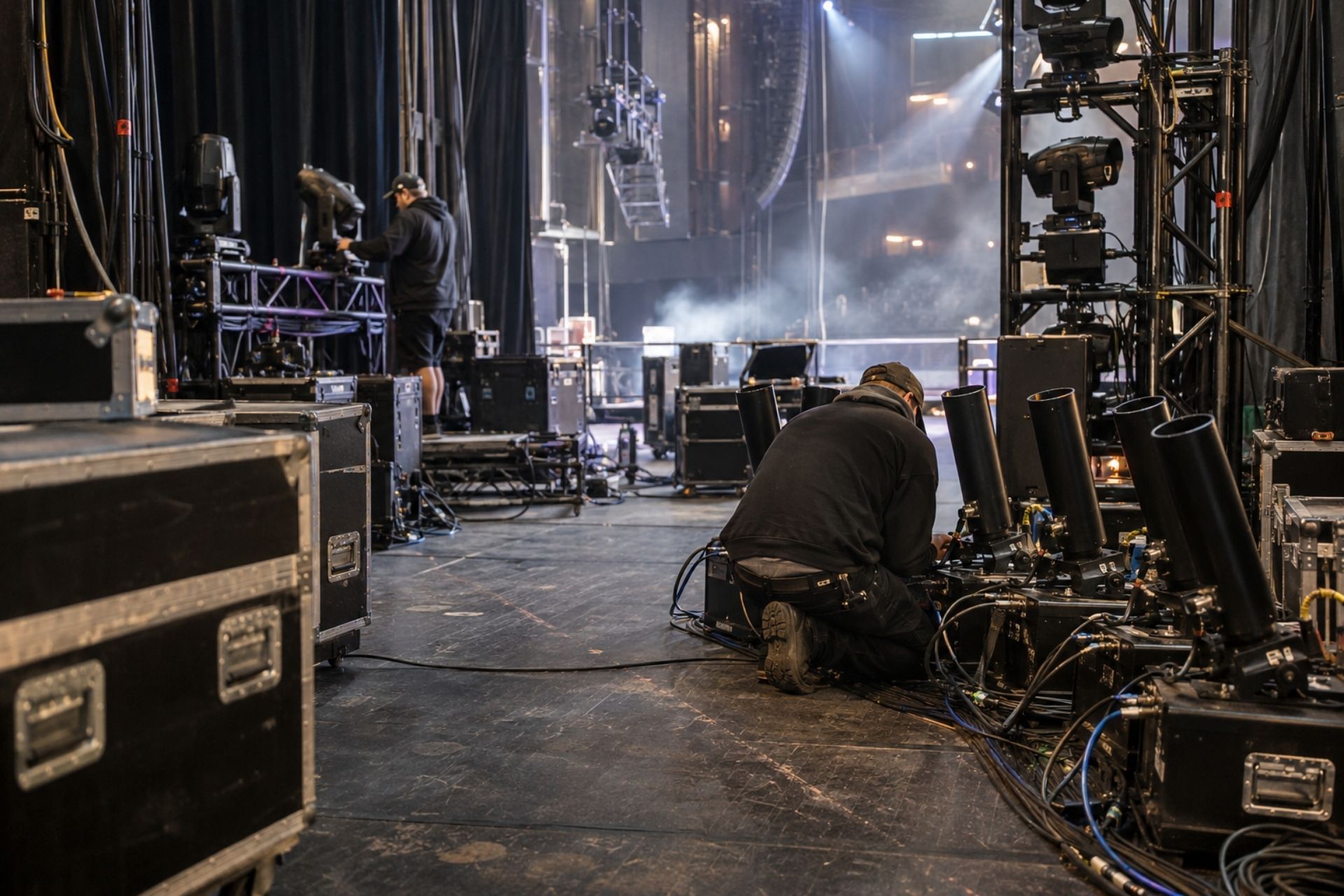
Austin is the Live Music Capital of the World, and if your venue hosts performers, you need entertainment liability coverage. This covers injuries to performers, damage to their equipment, and incidents related to stage setups, sound equipment, and crowd behavior during shows. A standard general liability policy won't cover a speaker stack falling on a patron or a musician tripping over unsecured cables. If you host ticketed events, you may also need event-specific permits and insurance depending on capacity and format.
Live Music and Entertainment Endorsements
Yes, most insurers require proof of your NY State OCM registration or license before issuing a policy. This ensures your business is operating legally under current state hemp regulations. Without this documentation, you'll be hard-pressed to find any carrier willing to quote you.
FAQ: Do I need a special license to get insurance in New York?
Real Estate Insurance FAQs
Why did my insurance premium go up if I didn't file a claim?
Premiums reflect more than just your individual loss history. Carriers adjust rates based on regional catastrophe losses, reinsurance costs, and overall market conditions. If your building is in a zip code that experienced heavy storm or wildfire losses, your premium can increase even with a clean claims record.
What does 'replacement cost' mean compared to 'actual cash value'?
Replacement cost pays to rebuild or repair your property using materials of similar kind and quality at current prices. Actual cash value deducts depreciation, meaning a 20-year-old roof might only receive a fraction of what it costs to replace. For most commercial properties, replacement cost coverage is worth the higher premium.
Do I need a separate policy for floods and earthquakes?
Yes. Standard commercial property policies exclude both flood and earthquake damage. Flood coverage is available through the National Flood Insurance Program or private carriers. Earthquake coverage is a separate policy or endorsement, and it's essential if you own property in seismically active regions like California, the Pacific Northwest, or parts of the New Madrid fault zone.
How can I get coverage if standard companies keep rejecting me?
Work with a broker who specializes in the E&S market. Surplus lines carriers underwrite risks that standard companies won't touch, but you need a broker who knows which carriers have appetite for your specific property type and can present your risk effectively.
What is a deductible and how does it affect my rate?
A deductible is the amount you pay out of pocket before insurance kicks in. Higher deductibles lower your premium because you're absorbing more of the risk yourself. For commercial real estate, deductibles typically range from $2,500 to $50,000 depending on property value and risk factors.
Every policy has boundaries. Knowing them up front is how you avoid an uncovered claim. Common exclusions include:
Every policy has boundaries. Knowing them up front is how you avoid an uncovered claim. Common exclusions include:
Every policy has boundaries. Knowing them up front is how you avoid an uncovered claim. Common exclusions include:
General Liability responds to the core exposures most operations in this category face. A typical policy answers third-party claims and the defense costs that come with them, so a single incident doesn't put the business at risk.
Making the Right Choice for Your Portfolio
Real estate insurance coverage isn't something you set and forget. Your portfolio changes, market conditions shift, and buildings age. What worked three years ago may leave you dangerously underinsured or overpaying today.
The operators who consistently get the best terms share a few traits: they invest in building systems before they fail, they document everything, they carry appropriate deductibles, and they work with brokers who understand the difference between a standard placement and a hard-to-place one. If your properties have been declined or non-renewed, that's not the end of the conversation: it's the beginning of a more strategic one.
GrayStone Insurance Group works with real estate operators across the risk spectrum, from straightforward Class A office portfolios to complex mixed-use buildings with challenging loss histories. Reach out for a portfolio review, and find out what competitive coverage actually looks like for your specific assets.
ABOUT THE AUTHOR:
CHAD KRAMER
I started GrayStone Insurance Group in 2018 with a simple conviction: the businesses everyone else turns away deserve a broker who won't. What began as a one-person operation has grown into a specialty commercial brokerage with offices across the country — but the mission hasn't changed. We find solutions for high-risk and hard-to-place businesses when other agencies run the other way.
I built this agency on integrity, hard work, and the tenacity to do the hard things well. Through our access to Excess & Surplus and specialty markets, my team and I place coverage standard carriers can't — and I treat every client's business like my own.
If you've been declined, non-renewed, or told your business is too complicated to insure, let's talk.
Coverages & policies
Plain-language coverage, expertly placed.
We lead with commercial lines and round out personal coverage where you need it. Every policy comes with an explanation — not jargon.

Contractors
Third-party bodily injury & property damage — the foundation for any operation.

Liquor Liability
Critical for bars, restaurants and venues serving alcohol — including A&B.

Commercial Property
Buildings, contents and equipment — including distressed and vacant risk.

Workers' Compensation
Statutory coverage for your crew — including high-mod and high-hazard classes.

Commercial Umbrella
Extra liability limits over your primary policies — essential for high-exposure risk.
Products Liability
Manufacturers, CBD and consumer-product exposure — including imports.
What clients say
Brokers who actually place it.
FAQ
Answers for the risks others won't cover
Getting declined, non-renewed, or told your business is "too high-risk" is frustrating — but it doesn't mean you're out of options. Here are answers to the questions we hear most from business owners who need coverage the standard market won't provide.
What kind of insurance does GrayStone specialize in?
We're a specialty commercial brokerage built for high-risk and hard-to-place businesses — the risks standard carriers often turn away. Through our access to Excess & Surplus (E&S) and specialty markets, we place coverage that everyday agencies can't. Hospitality and construction are among our deepest areas of expertise.
My business was declined or non-renewed elsewhere. Can you still help?
That's exactly what we do. A decline, a non-renewal, or a tough claims history doesn't mean you're out of options — it means your risk needs a broker with the right market access. Tell us your situation and we'll get to work finding a fit.
What is Excess & Surplus (E&S) insurance?
E&S is specialty coverage for risks that standard "admitted" carriers won't write — often because a business is higher-risk, unusual, or has a complex history. As an independent broker, we tap into these specialty markets to place coverage where a typical agency hits a dead end.
What industries do you work with?
We cover a wide range of commercial industries — from restaurants, bars, and hospitality to contractors, trucking, manufacturing, cannabis, and more. If your industry is considered high-risk or hard-to-place, there's a good chance we've handled it.
Will you work with businesses that have prior claims or losses?
Yes. Prior claims and losses are part of many of the risks we place every day. Every business is evaluated on its own merits — and a rocky history is often exactly why a specialty broker can help where others won't.
Are you an independent broker?
Yes. We're not tied to a single carrier, so we shop your risk across multiple specialty and E&S markets to find coverage that actually fits — instead of forcing you into a one-size-fits-all policy.
Insights & resources
Know your risk before you buy.