
General Liability responds to the core exposures most operations in this category face. A typical policy answers third-party claims and the defense costs that come with them, so a single incident doesn't put the business at risk.
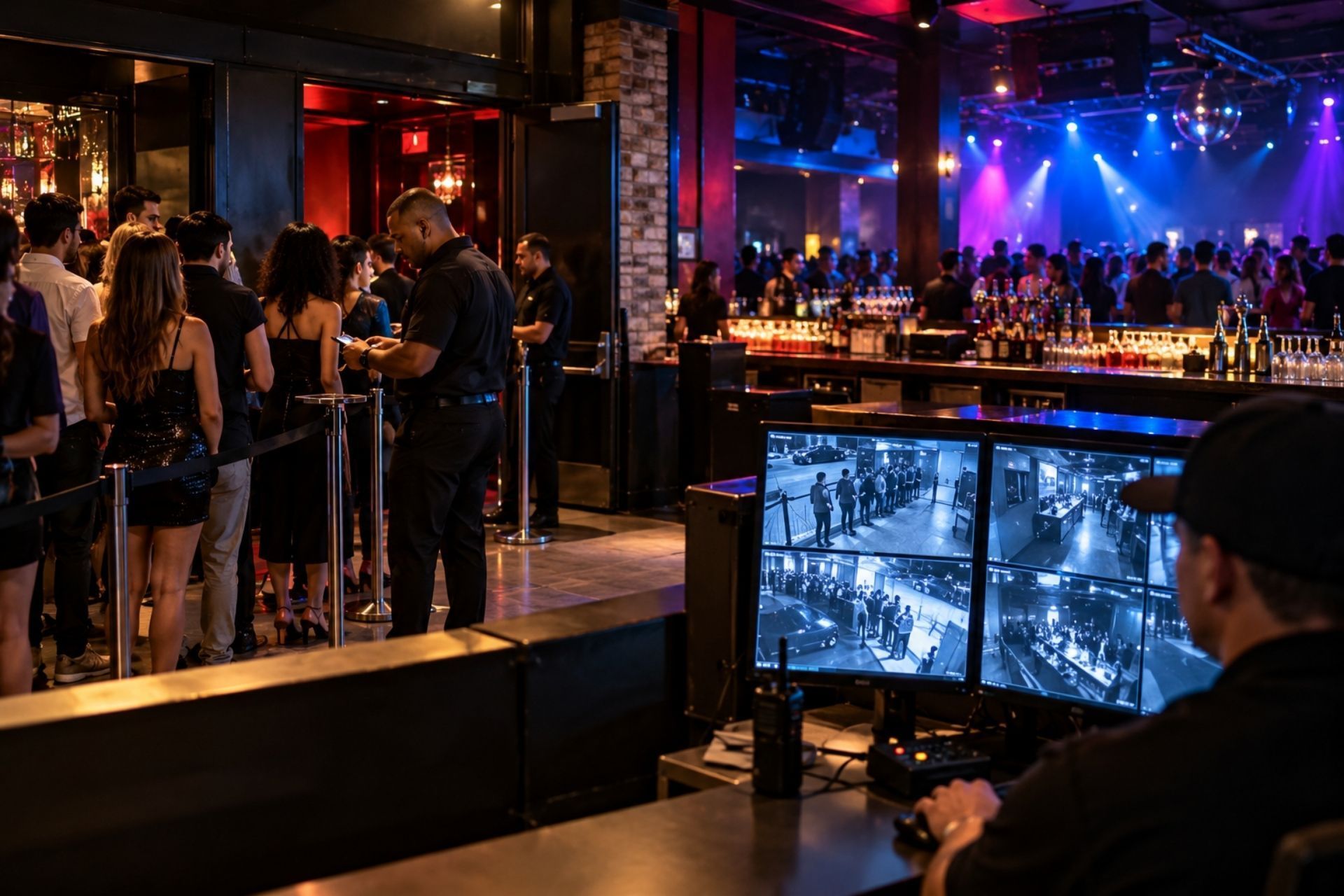
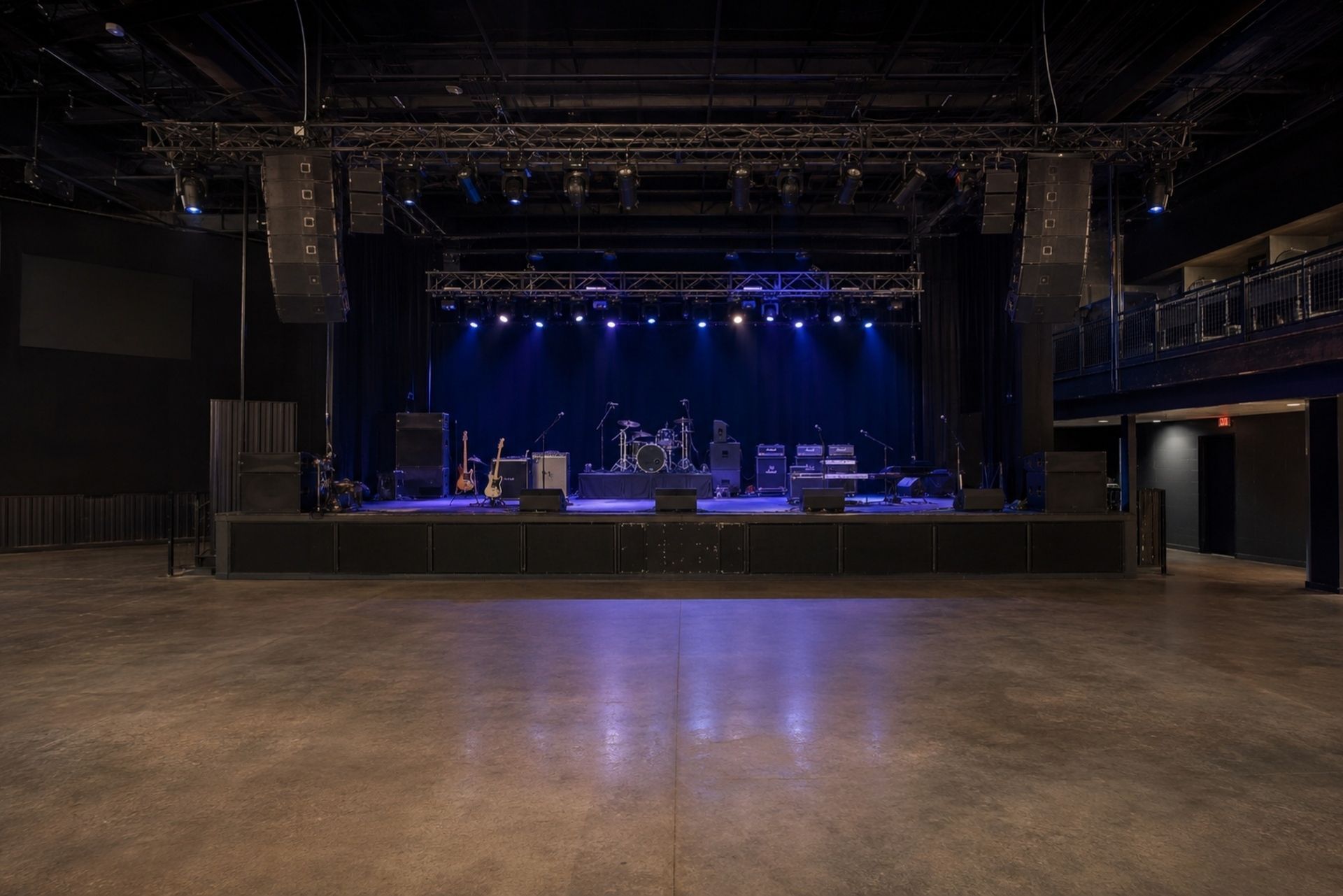
A packed Friday night, a sold-out headliner, and a crowd surfer who just landed on a security guard's neck. That's not a hypothetical: it's a claim that crossed a broker's desk last year, and it cost the venue north of $180,000 in medical bills and legal fees before the dust settled. If you run a live music venue, you already know the risks are constant and unpredictable. What you might not know is how to actually insure against them, especially if your venue has been turned down by standard carriers.
Insurance for live music venues sits at the intersection of hospitality, entertainment, and nightlife risk, three categories that make most underwriters nervous. Hospitality and entertainment venues are seeing premium increases ranging from 12% to 20% year-over-year due to rising legal costs and claim severity. For operators who've already been declined or non-renewed, finding coverage feels like shouting into a void. This piece breaks down the specific coverages you need, the claims that actually happen, and what hard-to-place venue operators should know before their next renewal.
Essential Insurance Coverages for Live Music Venues
Every live music venue needs a layered insurance program. A single general liability policy isn't enough when you're mixing alcohol service, high-decibel sound equipment, large crowds, and late-night hours into one operation. The right coverage stack depends on your venue size, booking frequency, and whether you serve alcohol, but certain policies are non-negotiable.
General Liability and Liquor Liability Basics
General liability (GL) is your foundation. It covers bodily injury and property damage claims from third parties: a patron who trips on a loose cable, a visiting musician whose guitar gets crushed by a falling monitor. Most GL policies for venues carry limits between $1 million per occurrence and $2 million aggregate, though larger rooms often need higher limits or an umbrella policy on top.
Liquor liability is separate from GL and absolutely critical if you serve or sell alcohol. In most states, a venue can be held liable if an intoxicated patron injures someone after leaving your establishment. These "dram shop" claims can easily exceed six figures. Some states, like Texas and New York, have particularly aggressive dram shop statutes that expand venue liability significantly. If your bar revenue makes up a meaningful share of your income, skimping on liquor liability is a mistake you'll only make once.
Protecting Your Gear, Sound Systems, and Property
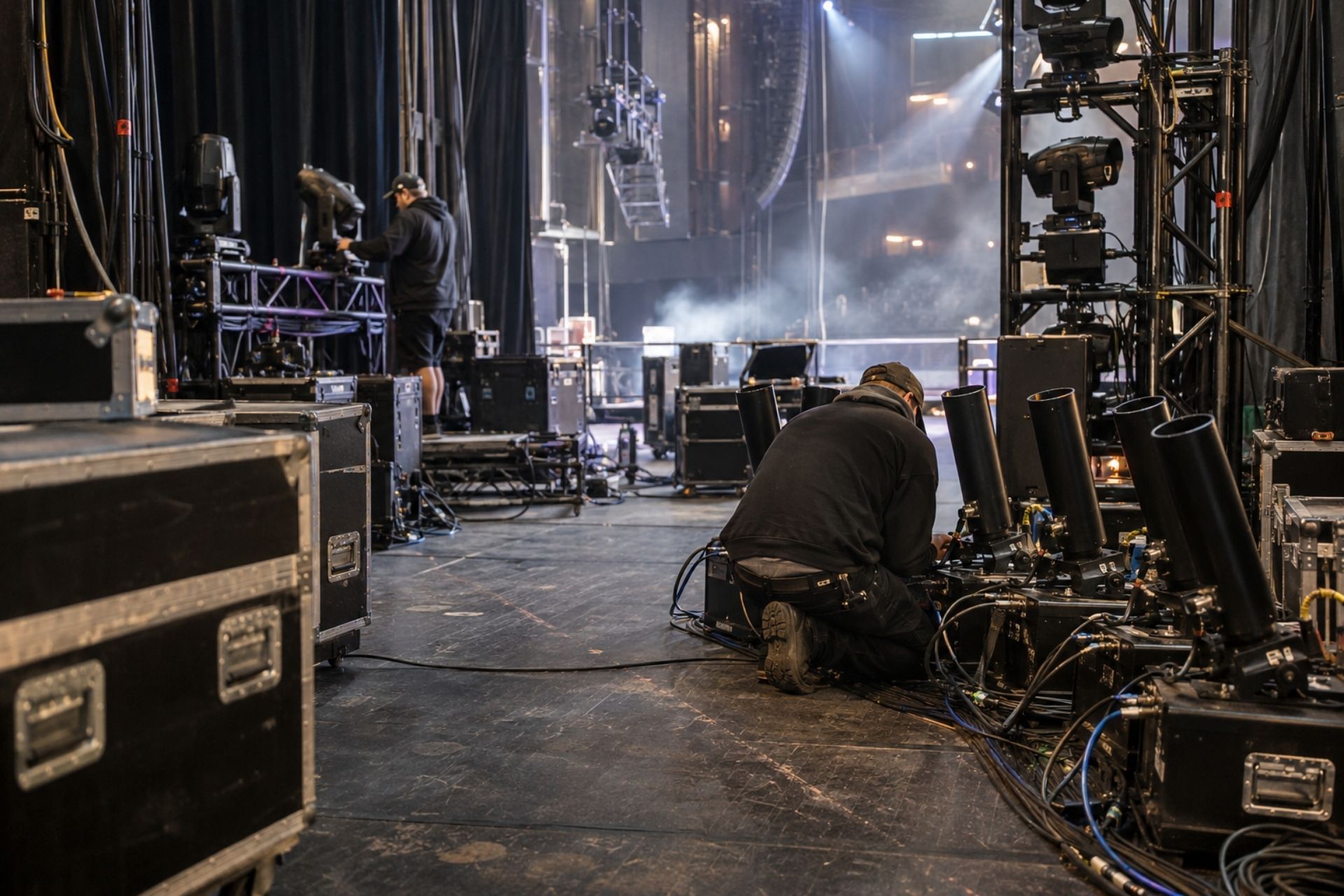
Sound systems, lighting rigs, mixing boards, and stage equipment represent a serious capital investment. A mid-tier venue might have $150,000 to $500,000 worth of installed audio and lighting gear. Standard commercial property policies sometimes exclude or undervalue this type of equipment, especially if it's mobile or loaned out for off-site events.
Inland marine insurance is often the better fit for portable or specialized equipment. It covers gear in transit, on loan, or temporarily stored off-premises. Make sure your policy covers replacement cost, not actual cash value: a five-year-old PA system might depreciate to $20,000 on paper, but replacing it costs $60,000. Also confirm whether your policy covers equipment owned by visiting performers. If a touring band's gear gets stolen from your green room, you could be on the hook.
Workers' Compensation and Event Cancellation
Workers' comp is legally required in nearly every state for venues with employees, and that includes your sound techs, bartenders, bouncers, and box office staff. Injuries are common: hearing damage from prolonged noise exposure, back injuries from loading equipment, and altercations with unruly patrons. Your workers' comp policy needs to reflect the actual job duties of your staff, not just a generic hospitality classification.
Event cancellation insurance protects your revenue when a show gets called off due to circumstances beyond your control: severe weather, artist illness, or a power failure. If you've guaranteed an artist fee of $25,000 and the show cancels, that money is gone without this coverage. Cancellation policies can also cover lost ticket revenue and non-refundable vendor deposits.
INDEX
GrayStone Insurance Group is fully licensed and permitted to provide specialty commercial insurance solutions for high-risk and hard-to-place businesses across 17 states.
We proudly serve high-risk and hard-to-place businesses from coast to coast. As an independent specialty brokerage, our team works with leading Excess & Surplus and specialty carriers to make sure restaurants, bars, contractors, trucking companies, manufacturers, and other hard-to-place operations receive coverage that fits their real risks in California, Colorado, Florida, Georgia, Illinois, Iowa, Maryland, Michigan, Missouri, Nevada, New York, North Carolina, South Carolina, Tennessee, Texas, Utah, and Washington.
Every policy has boundaries. Knowing them up front is how you avoid an uncovered claim. Common exclusions include:
Every policy has boundaries. Knowing them up front is how you avoid an uncovered claim. Common exclusions include:
Every policy has boundaries. Knowing them up front is how you avoid an uncovered claim. Common exclusions include:
General Liability responds to the core exposures most operations in this category face. A typical policy answers third-party claims and the defense costs that come with them, so a single incident doesn't put the business at risk.
If your firm provides any design, engineering, or consulting services alongside construction, you need both. A GL policy won't cover a claim alleging your design specifications caused a building envelope failure. That's a professional liability exposure, and it's one of the fastest-growing claim categories in construction.
Comparing Basic vs. Comprehensive Venue Coverage
Not all venue insurance programs are created equal. Here's a side-by-side look at what a basic policy covers versus a comprehensive package:
| Coverage Area | Basic Policy | Comprehensive Policy |
|---|---|---|
| General Liability | $1M per occurrence | $2M+ with umbrella |
| Liquor Liability | Often excluded | Included with higher limits |
| Equipment/Property | Building only, ACV basis | Building + equipment, replacement cost |
| Workers' Comp | Minimum state requirements | Full coverage with occupational hazard riders |
| Event Cancellation | Not included | Included per-event or annual |
| Assault & Battery | Excluded or sublimited | Included with meaningful limits |
| Cyber Liability | Not included | Covers POS and ticketing data breaches |
Most venues that have been declined by standard carriers were running basic policies that left major gaps. A comprehensive program costs more upfront but prevents the kind of uncovered claim that shuts a business down permanently.
Common Claims in the Live Music Industry
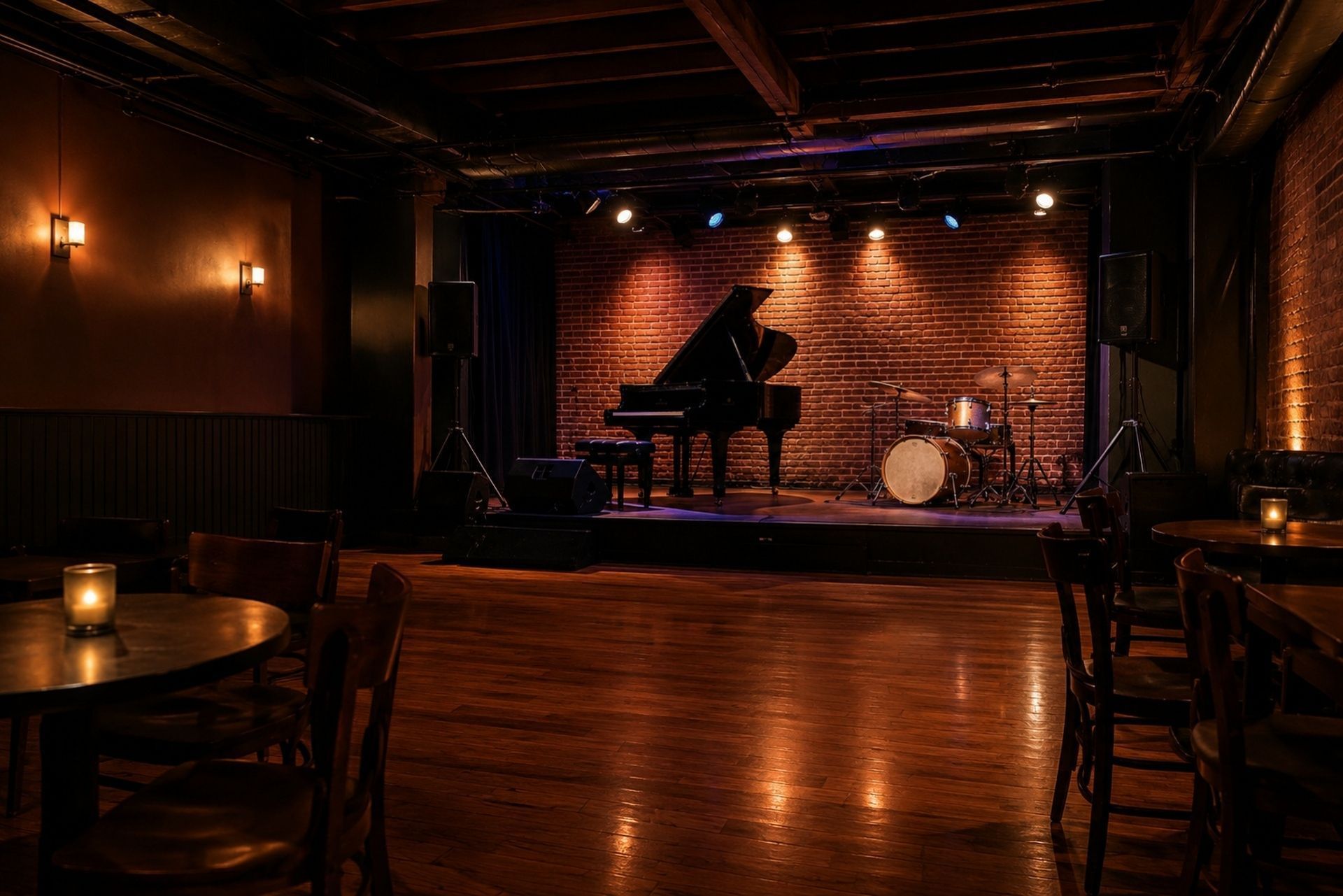
Understanding which claims actually happen helps you evaluate whether your current coverage has holes. The claims below aren't rare outliers: they're the ones that brokers with decades of nightlife experience see repeatedly.
Slip-and-Fall Incidents and Crowd Dynamics
Slip-and-fall claims are the single most common liability exposure for music venues. Wet floors near bars, dimly lit stairwells, uneven outdoor areas, and tangled cables near stages all create hazard zones. A single slip-and-fall claim averages between $20,000 and $50,000 when medical bills and legal costs are included, and serious injuries can push that well past $100,000.
Crowd-related injuries are trickier. Mosh pits, crowd surges, and overcrowding create liability questions that standard GL policies don't always answer clearly. Some policies include assault and battery exclusions that could deny coverage for injuries sustained during crowd violence, even if the venue wasn't directly at fault. Read your exclusions carefully, and ask your broker specifically about crowd-related scenarios.
Alcohol-Related Incidents and Third-Party Damage
Alcohol-related claims go beyond dram shop liability. They include fights between intoxicated patrons, vandalism, and injuries caused by overserved guests inside the venue. A patron who punches another guest in the face creates a potential claim against the venue if staff overserved the aggressor or failed to intervene.
Third-party property damage claims also come up regularly. A touring band's van gets broken into in your parking lot. A neighboring business claims your bass frequencies cracked their window. These claims seem minor individually, but they stack up fast and can trigger non-renewal if your loss ratio climbs too high.
Every policy has boundaries. Knowing them up front is how you avoid an uncovered claim. Common exclusions include:
Every policy has boundaries. Knowing them up front is how you avoid an uncovered claim. Common exclusions include:
Every policy has boundaries. Knowing them up front is how you avoid an uncovered claim. Common exclusions include:
General Liability responds to the core exposures most operations in this category face. A typical policy answers third-party claims and the defense costs that come with them, so a single incident doesn't put the business at risk.
Challenges for Hard-to-Place Operators
Some venue operators can't get a quote from standard carriers no matter how many they approach. This is the reality for a significant portion of the live music industry, and it doesn't always mean you're doing something wrong.
Factors That Make a Venue High-Risk
Carriers evaluate venues on a matrix of risk factors, and music venues hit several triggers simultaneously:
- Late-night operating hours (past midnight)
- Alcohol sales exceeding 50% of total revenue
- History of assault and battery claims
- Capacity over 300 in a single room
- Mosh pit or standing-room-only formats
- Location in high-crime ZIP codes
- Prior policy cancellations or lapses in coverage
Any two or three of these factors can push a venue into "hard-to-place" territory. Once you've been non-renewed by one carrier, subsequent applications often get flagged automatically.
Strategies for Securing Coverage with a Poor Claims History
A rough claims history doesn't mean you're uninsurable. It means you need a broker who knows how to present your risk to the right markets. GrayStone Insurance Group, for example, works specifically with hard-to-place businesses and uses data-driven underwriting intelligence to match high-risk venues with surplus lines carriers willing to write the coverage.
Here's what actually moves the needle when you're trying to get covered again:
- Document every safety improvement you've made: better lighting, updated security protocols, TIPS-certified bartenders, camera systems.
- Provide a detailed loss run going back five years, with written explanations for each claim.
- Show proof of active risk management: crowd management plans, occupancy monitoring, incident reporting procedures.
- Work with a broker who has surplus lines access and relationships with Lloyd's syndicates or specialty carriers.
The goal is to show underwriters that your past claims don't predict your future. GrayStone's brokers, who average 20 years of experience in the insurance market, know how to frame that narrative in a way that gets results. Their 94% client retention rate reflects the kind of advocacy that hard-to-place operators need.
Yes. The E&S market exists specifically for situations like this. You'll likely pay more, and your policy may include higher deductibles or specific exclusions related to past claim types. Demonstrating corrective action since those claims occurred helps significantly at renewal.
FAQ: Can I still get coverage if I have a history of claims?
Common Questions About Venue Insurance
How much does insurance for a live music venue typically cost? Premiums vary widely based on capacity, location, alcohol revenue, and claims history. Small venues (under 200 capacity) might pay $5,000 to $15,000 annually for a basic package, while larger rooms with full bars can see premiums from $25,000 to $75,000 or more.
Do I need separate insurance for each event? If you host shows regularly, an annual policy is more cost-effective. One-off event policies make sense for venues that only book occasional performances or rent their space to outside promoters.
Does my policy cover visiting performers and their equipment? Usually not, unless you've specifically added that coverage. Most touring artists carry their own insurance, but you should confirm this in your booking contracts and require certificates of insurance.
What happens if my venue gets dropped by an insurer mid-term? Mid-term cancellations typically come with a notice period (30 to 60 days in most states). Use that time to find a surplus lines broker who specializes in hard-to-place risks. Don't let your coverage lapse: even a single day without insurance can make future placements harder.
Are noise complaints a liability risk? They can be. Repeated noise ordinance violations can lead to fines, and neighboring property owners may file nuisance claims. Some comprehensive policies include coverage for defense costs related to noise disputes.
Every policy has boundaries. Knowing them up front is how you avoid an uncovered claim. Common exclusions include:
Every policy has boundaries. Knowing them up front is how you avoid an uncovered claim. Common exclusions include:
Every policy has boundaries. Knowing them up front is how you avoid an uncovered claim. Common exclusions include:
General Liability responds to the core exposures most operations in this category face. A typical policy answers third-party claims and the defense costs that come with them, so a single incident doesn't put the business at risk.
Making the Right Choice for Your Venue
Running a live music venue means accepting a level of risk that most businesses never deal with. The combination of alcohol, crowds, expensive equipment, and late hours creates an exposure profile that demands specialized insurance, not a generic commercial package pulled off a shelf.
If you've been declined or non-renewed, don't assume you're out of options. The surplus lines market exists specifically for businesses like yours, and the right broker can make the difference between staying open and shutting down after an uncovered claim. Focus on documenting your safety practices, cleaning up your loss history, and working with specialists who understand entertainment risk.
The venues that survive long-term aren't the ones that avoid claims entirely: they're the ones that have the right coverage in place when claims happen. Get your insurance right, and you can focus on what you actually opened the venue to do: put on great shows.
ABOUT THE AUTHOR:
CHAD KRAMER
I started GrayStone Insurance Group in 2018 with a simple conviction: the businesses everyone else turns away deserve a broker who won't. What began as a one-person operation has grown into a specialty commercial brokerage with offices across the country — but the mission hasn't changed. We find solutions for high-risk and hard-to-place businesses when other agencies run the other way.
I built this agency on integrity, hard work, and the tenacity to do the hard things well. Through our access to Excess & Surplus and specialty markets, my team and I place coverage standard carriers can't — and I treat every client's business like my own.
If you've been declined, non-renewed, or told your business is too complicated to insure, let's talk.
Coverages & policies
Plain-language coverage, expertly placed.
We lead with commercial lines and round out personal coverage where you need it. Every policy comes with an explanation — not jargon.

Contractors
Third-party bodily injury & property damage — the foundation for any operation.

Liquor Liability
Critical for bars, restaurants and venues serving alcohol — including A&B.

Commercial Property
Buildings, contents and equipment — including distressed and vacant risk.

Workers' Compensation
Statutory coverage for your crew — including high-mod and high-hazard classes.

Commercial Umbrella
Extra liability limits over your primary policies — essential for high-exposure risk.
Products Liability
Manufacturers, CBD and consumer-product exposure — including imports.
What clients say
Brokers who actually place it.
FAQ
Answers for the risks others won't cover
Getting declined, non-renewed, or told your business is "too high-risk" is frustrating — but it doesn't mean you're out of options. Here are answers to the questions we hear most from business owners who need coverage the standard market won't provide.
What kind of insurance does GrayStone specialize in?
We're a specialty commercial brokerage built for high-risk and hard-to-place businesses — the risks standard carriers often turn away. Through our access to Excess & Surplus (E&S) and specialty markets, we place coverage that everyday agencies can't. Hospitality and construction are among our deepest areas of expertise.
My business was declined or non-renewed elsewhere. Can you still help?
That's exactly what we do. A decline, a non-renewal, or a tough claims history doesn't mean you're out of options — it means your risk needs a broker with the right market access. Tell us your situation and we'll get to work finding a fit.
What is Excess & Surplus (E&S) insurance?
E&S is specialty coverage for risks that standard "admitted" carriers won't write — often because a business is higher-risk, unusual, or has a complex history. As an independent broker, we tap into these specialty markets to place coverage where a typical agency hits a dead end.
What industries do you work with?
We cover a wide range of commercial industries — from restaurants, bars, and hospitality to contractors, trucking, manufacturing, cannabis, and more. If your industry is considered high-risk or hard-to-place, there's a good chance we've handled it.
Will you work with businesses that have prior claims or losses?
Yes. Prior claims and losses are part of many of the risks we place every day. Every business is evaluated on its own merits — and a rocky history is often exactly why a specialty broker can help where others won't.
Are you an independent broker?
Yes. We're not tied to a single carrier, so we shop your risk across multiple specialty and E&S markets to find coverage that actually fits — instead of forcing you into a one-size-fits-all policy.
Insights & resources
Know your risk before you buy.