
General Liability responds to the core exposures most operations in this category face. A typical policy answers third-party claims and the defense costs that come with them, so a single incident doesn't put the business at risk.
Georgia requires workers' compensation for any business with three or more employees. That threshold is lower than many states, and it catches a lot of small venue operators off guard. Your door staff, bartenders, sound engineers, and even regular part-time stagehands count toward that number.
The penalties for non-compliance are steep: fines up to $10,000 and potential criminal misdemeanor charges. Georgia's State Board of Workers' Compensation actively investigates complaints, and injured employees who discover you lack coverage can sue you directly - without the protections that workers' comp provides to employers. Don't gamble on this one.
Workers' Compensation Laws in Georgia
Missouri's hemp and CBD market has been on a wild ride. One year, operators are celebrating new licensing opportunities; the next, the state legislature is debating bills that could reshape the entire industry. If you're growing, processing, or selling hemp-derived products in Missouri, you already know the regulatory ground shifts fast. What you might not realize is how dramatically those shifts affect your insurance options, your costs, and your legal exposure. Getting the right business insurance isn't just a box to check: it's the difference between surviving a lawsuit or product recall and shutting your doors for good. Here's what MO operators actually need to know about coverage, compliance, and costs heading into 2026.
Navigating Missouri's CBD and Hemp Insurance Landscape
Missouri sits at a complicated intersection of federal hemp legalization, state cannabis reform, and an evolving patchwork of local regulations. The state legalized recreational cannabis in 2022, but hemp-derived CBD products operate under a different set of rules entirely. That dual-track system creates confusion for insurers, who often struggle to distinguish between a licensed hemp cultivator and a cannabis dispensary.
This confusion matters because it directly impacts your ability to get insured. Most mainstream carriers still treat anything cannabis-adjacent as high-risk, which means hemp businesses frequently end up in the surplus lines market: specialty carriers willing to write policies that standard insurers won't touch. Working with a brokerage experienced in hard-to-place risks, like GrayStone Insurance Group, can save months of back-and-forth with carriers who ultimately decline your application.
The Impact of the Farm Bill and Missouri State Laws
The 2018 Farm Bill federally legalized hemp containing less than 0.3% THC, and the USDA established national regulations for hemp production that states must align with. Missouri adopted its own hemp program through the Missouri Department of Agriculture, but the state has been actively considering new proposals to regulate hemp-derived consumable products more tightly, especially intoxicating cannabinoids like Delta-8 THC.
These regulatory shifts have real insurance implications. If Missouri tightens restrictions on certain product types, your current policy may no longer cover them, or your premiums could spike. Staying ahead of legislative changes isn't optional: it's a core part of risk management.
Why Standard Business Policies Often Exclude Hemp
A standard commercial general liability policy from a major carrier almost always contains exclusions for controlled substances. Even though hemp is federally legal, many policy forms haven't been updated to reflect that distinction. The result? Your claim gets denied because the adjuster flags "cannabis" in your business description.
This is one of the most common mistakes new operators make. They buy a generic business owner's policy, assume they're covered, and discover the exclusion only after filing a claim. Hemp-specific policies exist precisely to close this gap, with language that explicitly covers hemp-derived products within federal and state legal limits.
INDEX
GrayStone Insurance Group is fully licensed and permitted to provide specialty commercial insurance solutions for high-risk and hard-to-place businesses across 17 states.
We proudly serve high-risk and hard-to-place businesses from coast to coast. As an independent specialty brokerage, our team works with leading Excess & Surplus and specialty carriers to make sure restaurants, bars, contractors, trucking companies, manufacturers, and other hard-to-place operations receive coverage that fits their real risks in California, Colorado, Florida, Georgia, Illinois, Iowa, Maryland, Michigan, Missouri, Nevada, New York, North Carolina, South Carolina, Tennessee, Texas, Utah, and Washington.
Every policy has boundaries. Knowing them up front is how you avoid an uncovered claim. Common exclusions include:
Every policy has boundaries. Knowing them up front is how you avoid an uncovered claim. Common exclusions include:
Every policy has boundaries. Knowing them up front is how you avoid an uncovered claim. Common exclusions include:
General Liability responds to the core exposures most operations in this category face. A typical policy answers third-party claims and the defense costs that come with them, so a single incident doesn't put the business at risk.
If your firm provides any design, engineering, or consulting services alongside construction, you need both. A GL policy won't cover a claim alleging your design specifications caused a building envelope failure. That's a professional liability exposure, and it's one of the fastest-growing claim categories in construction.
Essential Coverage Types for MO Hemp Operators
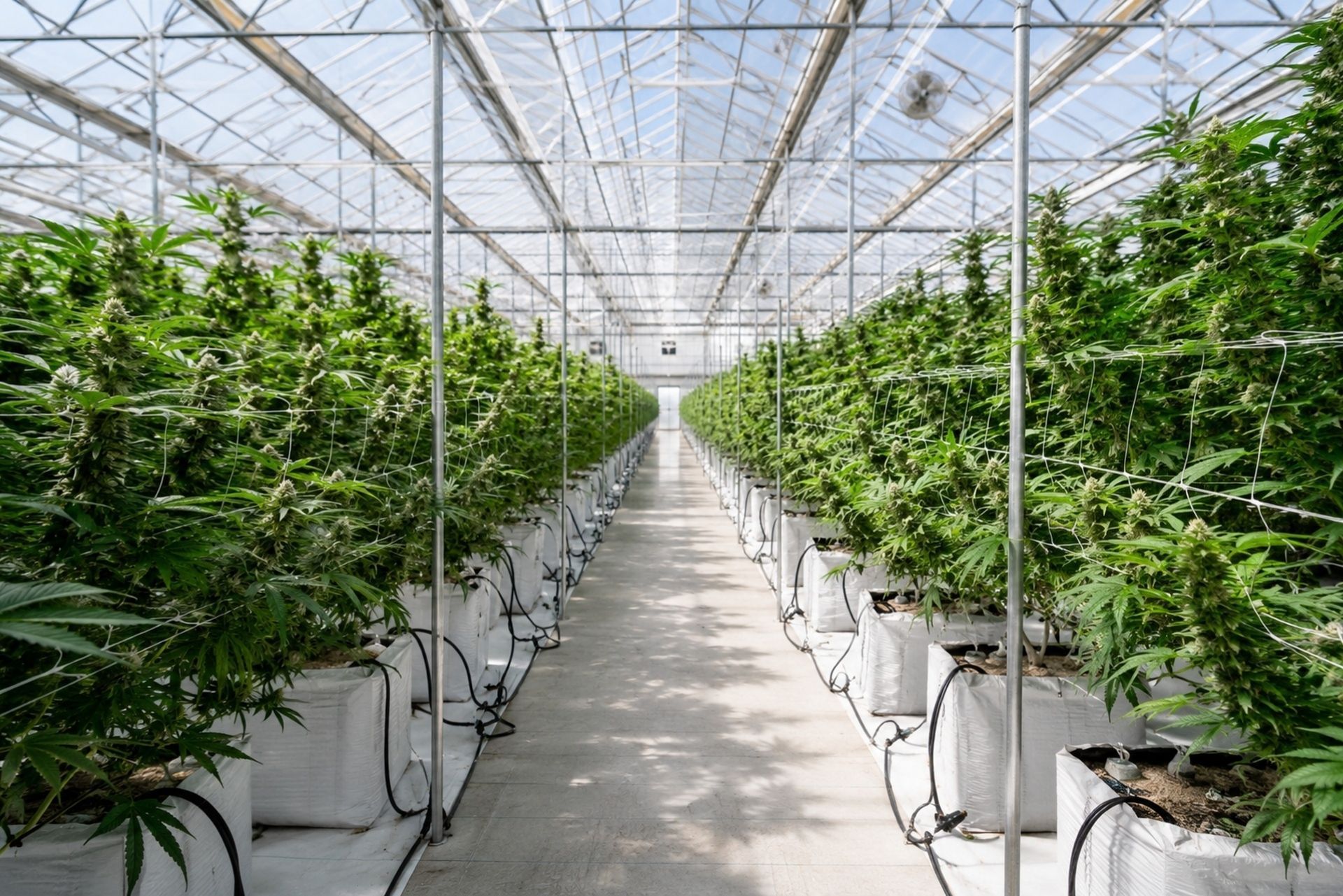
The right insurance stack depends on where you sit in the supply chain. A farmer growing industrial hemp has very different risk exposure than a retailer selling CBD gummies in Kansas City. But certain coverage types are non-negotiable for nearly every operator.
General Liability and Product Liability Differences
General liability covers third-party bodily injury and property damage at your business location: a customer slips in your store, a delivery driver damages someone's fence. Product liability is a separate animal. It covers claims arising from your product itself: an allergic reaction to a CBD tincture, a contaminated batch of edibles, or mislabeled THC content.
Missouri has seen a 600% increase in emergency room visits for cannabis poisoning among children aged five and under since 2018. While many of these cases involve regulated cannabis products, hemp-derived edibles with intoxicating cannabinoids have contributed to the problem. If your product is involved in an incident like this, product liability coverage is what stands between you and a catastrophic lawsuit.
Crop and Inventory Insurance for Cultivators
Hemp farmers face risks that standard crop insurance doesn't always address. A failed THC compliance test can force you to destroy an entire harvest. Hail, drought, or pest damage can wipe out a season's revenue. Crop insurance designed for hemp accounts for these specific scenarios, including the financial loss from mandatory destruction of non-compliant plants.
Inventory insurance is equally critical for processors and wholesalers. If your warehouse floods or a fire destroys $200,000 worth of CBD isolate, you need a policy that values hemp inventory accurately, not one that treats it as a generic agricultural commodity.
Comparison: Basic vs. Comprehensive Coverage Tiers
| Coverage Element | Basic Tier | Comprehensive Tier |
|---|---|---|
| General Liability | $1M per occurrence | $2M per occurrence |
| Product Liability | Often excluded or limited | Included with $1M-$2M limits |
| Crop/Inventory | Not included | Included with agreed-value endorsement |
| Product Recall | Not included | Included |
| Business Interruption | Limited | Full coverage with 12-month indemnity |
| Workers' Compensation | Add-on | Bundled |
| Approximate Annual Cost | $2,500-$5,000 | $8,000-$20,000+ |
The basic tier might work for a small retail operation selling third-party CBD products. But if you're cultivating, manufacturing, or white-labeling, the comprehensive tier is where you need to be.
| Coverage Type | Basic Package | Comprehensive Package |
|---|---|---|
| General Liability | $1M per occurrence | $2M+ per occurrence |
| Property Coverage | Building contents only | Contents + equipment floaters |
| Liquor Liability | $500K limit | $1M-$2M limit |
| Workers' Comp | State minimum | State minimum + employer's liability |
| Event Cancellation | Not included | Per-event or annual policy |
| Cyber Liability | Not included | Covers ticketing data breaches |
| Umbrella/Excess | Not included | $1M-$5M excess layer |
| Hired/Non-Owned Auto | $8,000-$15,000 | $25,000-$60,000+ |
State-Specific Requirements and Compliance
Missouri doesn't make compliance simple, and the rules are still shifting. Understanding what the state requires, both for licensing and insurance, keeps you from getting caught off guard.
Missouri Department of Agriculture (MDA) Regulations
The MDA oversees hemp cultivation licensing in Missouri and requires growers to submit to THC compliance testing, maintain detailed records, and follow disposal protocols for non-compliant crops. The state's health department has also begun enforcement actions against food products containing unregulated psychoactive cannabis compounds, which directly affects CBD edible manufacturers and retailers.
If you're selling ingestible products, your insurer will want to see proof of third-party lab testing, compliant labeling, and adherence to MDA guidelines. Missing any of these can void your coverage or trigger a policy cancellation.
Workers' Compensation Mandates in Missouri
Missouri requires workers' compensation insurance for businesses with five or more employees. Hemp farms, processing facilities, and retail operations all fall under this mandate. The penalties for non-compliance are steep: fines up to $150 per day plus personal liability for any workplace injuries.
One thing to keep in mind: agricultural operations sometimes qualify for exemptions, but hemp cultivation often doesn't fit neatly into traditional agricultural classifications. Get a definitive answer from your insurer before assuming you're exempt. GrayStone Insurance Group's brokers, who average 20 years of industry experience, regularly help operators sort through these classification questions to avoid costly misunderstandings.
Every policy has boundaries. Knowing them up front is how you avoid an uncovered claim. Common exclusions include:
Every policy has boundaries. Knowing them up front is how you avoid an uncovered claim. Common exclusions include:
Every policy has boundaries. Knowing them up front is how you avoid an uncovered claim. Common exclusions include:
General Liability responds to the core exposures most operations in this category face. A typical policy answers third-party claims and the defense costs that come with them, so a single incident doesn't put the business at risk.
Estimating Your Insurance Costs in Missouri
Cost is the question every operator asks first, and the honest answer is: it depends. But there are concrete factors that drive your premiums up or down.
Factors Influencing Annual Premiums
Your premium is shaped by your business type, revenue, claims history, number of employees, and the specific products you sell. A hemp farmer with no employees and $100,000 in annual revenue might pay $2,500 to $4,000 for a general liability policy. A CBD manufacturer with a product line of edibles, 15 employees, and $1.5 million in revenue could easily pay $15,000 to $25,000 for a comprehensive package.
Location within Missouri matters too. Urban operations in St. Louis or Kansas City may face higher general liability premiums due to foot traffic and theft risk. Rural cultivators might see lower GL rates but higher crop insurance costs depending on their county's weather history.
How Revenue and Product Type Affect Risk Rating
Insurers assign risk ratings based on what you make and sell. Raw hemp fiber is low risk. CBD isolate is moderate. Ingestible products like gummies, tinctures, and beverages sit at the top of the risk scale because they carry the highest product liability exposure.
If your revenue grows significantly year over year, expect your premiums to increase proportionally. That's normal. What catches operators off guard is when they add a new product category, say, moving from topicals to edibles, without notifying their insurer. That gap in coverage can result in a denied claim if something goes wrong.
A small club (under 300 capacity) in Georgia typically pays between $8,000 and $15,000 annually for a package including general liability, liquor liability, and property coverage. Workers' comp adds another $2,000-$6,000 depending on payroll size. Per-event coverage for one-off shows runs $188-$280 per day.
How much does insurance usually cost for a small club?
Common Questions About Missouri Hemp Insurance
FAQ: Do I need insurance if I only sell CBD topicals?
Yes. Even topicals carry product liability risk: allergic reactions, contamination, and mislabeling claims are all real possibilities. General liability is also important if you have a physical retail location or attend trade shows.
FAQ: How much does a basic policy cost for a startup?
Most startups can expect to pay between $2,500 and $6,000 annually for a basic general liability policy. Adding product liability typically pushes the total to $5,000 to $10,000, depending on your product type and projected revenue.
FAQ: Does Missouri require product testing for insurance eligibility?
Missouri requires THC compliance testing for cultivators, and most insurers require third-party lab testing for any ingestible or topical product. Without test results, you'll have a hard time getting coverage at any price.
FAQ: Can I get coverage if my hemp tests over 0.3% THC?
A hot test creates serious problems. The crop must be destroyed under federal and state law, and your insurer may not cover the loss unless you have a specific endorsement for THC compliance failure. Some specialty carriers offer this coverage, but it's not standard.
FAQ: Will my homeowners insurance cover my small hemp farm?
Almost certainly not. Homeowners policies exclude commercial agricultural operations, and hemp's association with cannabis makes this even less likely. You need a standalone commercial policy, even for a small grow operation.
Every policy has boundaries. Knowing them up front is how you avoid an uncovered claim. Common exclusions include:
Every policy has boundaries. Knowing them up front is how you avoid an uncovered claim. Common exclusions include:
Every policy has boundaries. Knowing them up front is how you avoid an uncovered claim. Common exclusions include:
General Liability responds to the core exposures most operations in this category face. A typical policy answers third-party claims and the defense costs that come with them, so a single incident doesn't put the business at risk.
What This Means for Your Business
Hemp and CBD insurance in Missouri isn't getting simpler anytime soon. The state legislature continues to debate new regulations that could reshape the industry, and insurers are adjusting their appetite for hemp risk accordingly. The operators who thrive are the ones who treat insurance as a strategic investment, not an afterthought.
Get your coverage reviewed annually. Update your insurer whenever you add products, employees, or locations. And work with a brokerage that actually understands the hemp space: GrayStone Insurance Group maintains a 94% client retention rate because they specialize in exactly these kinds of hard-to-place risks.
Your next step is straightforward: pull out your current policy, check for cannabis-related exclusions, and make sure your coverage matches your actual operations. If it doesn't, fix it before a claim forces the issue.
ABOUT THE AUTHOR:
CHAD KRAMER
I started GrayStone Insurance Group in 2018 with a simple conviction: the businesses everyone else turns away deserve a broker who won't. What began as a one-person operation has grown into a specialty commercial brokerage with offices across the country — but the mission hasn't changed. We find solutions for high-risk and hard-to-place businesses when other agencies run the other way.
I built this agency on integrity, hard work, and the tenacity to do the hard things well. Through our access to Excess & Surplus and specialty markets, my team and I place coverage standard carriers can't — and I treat every client's business like my own.
If you've been declined, non-renewed, or told your business is too complicated to insure, let's talk.
Coverages & policies
Plain-language coverage, expertly placed.
We lead with commercial lines and round out personal coverage where you need it. Every policy comes with an explanation — not jargon.

Contractors
Third-party bodily injury & property damage — the foundation for any operation.

Liquor Liability
Critical for bars, restaurants and venues serving alcohol — including A&B.

Commercial Property
Buildings, contents and equipment — including distressed and vacant risk.

Workers' Compensation
Statutory coverage for your crew — including high-mod and high-hazard classes.

Commercial Umbrella
Extra liability limits over your primary policies — essential for high-exposure risk.
Products Liability
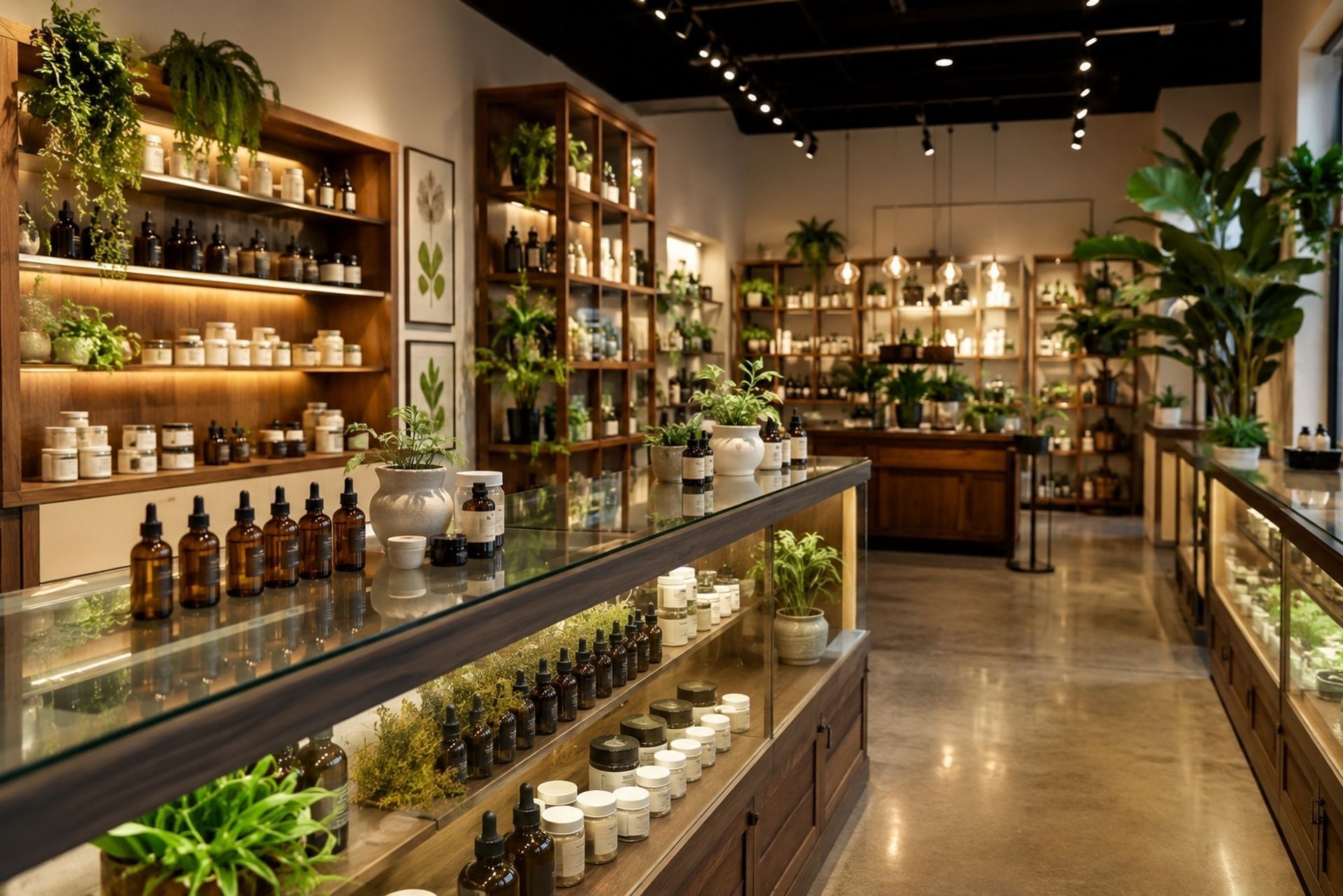
Manufacturers, CBD and consumer-product exposure — including imports.
What clients say
Brokers who actually place it.
FAQ
Answers for the risks others won't cover
Getting declined, non-renewed, or told your business is "too high-risk" is frustrating — but it doesn't mean you're out of options. Here are answers to the questions we hear most from business owners who need coverage the standard market won't provide.
What kind of insurance does GrayStone specialize in?
We're a specialty commercial brokerage built for high-risk and hard-to-place businesses — the risks standard carriers often turn away. Through our access to Excess & Surplus (E&S) and specialty markets, we place coverage that everyday agencies can't. Hospitality and construction are among our deepest areas of expertise.
My business was declined or non-renewed elsewhere. Can you still help?
That's exactly what we do. A decline, a non-renewal, or a tough claims history doesn't mean you're out of options — it means your risk needs a broker with the right market access. Tell us your situation and we'll get to work finding a fit.
What is Excess & Surplus (E&S) insurance?
E&S is specialty coverage for risks that standard "admitted" carriers won't write — often because a business is higher-risk, unusual, or has a complex history. As an independent broker, we tap into these specialty markets to place coverage where a typical agency hits a dead end.
What industries do you work with?
We cover a wide range of commercial industries — from restaurants, bars, and hospitality to contractors, trucking, manufacturing, cannabis, and more. If your industry is considered high-risk or hard-to-place, there's a good chance we've handled it.
Will you work with businesses that have prior claims or losses?
Yes. Prior claims and losses are part of many of the risks we place every day. Every business is evaluated on its own merits — and a rocky history is often exactly why a specialty broker can help where others won't.
Are you an independent broker?
Yes. We're not tied to a single carrier, so we shop your risk across multiple specialty and E&S markets to find coverage that actually fits — instead of forcing you into a one-size-fits-all policy.
Insights & resources
Know your risk before you buy.