
General Liability responds to the core exposures most operations in this category face. A typical policy answers third-party claims and the defense costs that come with them, so a single incident doesn't put the business at risk.
Commercial Property and Equipment Breakdown
Your building, furniture, sound systems, lighting rigs, POS equipment, and bar inventory all need protection. Commercial property insurance covers damage from fire, storms, vandalism, and other covered perils. Equipment breakdown coverage, which is often a separate endorsement, handles mechanical and electrical failures in refrigeration units, HVAC systems, and commercial kitchen equipment.
Iowa's weather creates specific property risks. Hail damage, windstorms, and the occasional tornado make adequate property limits essential. If you lease your space, your landlord's policy covers the building shell, but everything inside is your responsibility. Don't forget business interruption coverage either: if a kitchen fire shuts you down for three months, this pays your ongoing expenses while you rebuild.
Running a bar or nightclub in Utah means operating under some of the most distinctive alcohol regulations in the country. The state's Department of Alcoholic Beverage Services (DABS) doesn't just control how you serve drinks: it dictates specific insurance minimums you must carry to keep your license active. Miss a requirement, and you're not just risking a lawsuit. You're risking your entire operation.
What makes Utah's insurance landscape particularly tricky is the overlap between state liquor laws and standard commercial coverage. A general liability policy that works fine for a restaurant in Nevada might leave a Salt Lake City cocktail lounge dangerously exposed. Utah's dram shop statutes, its new universal ID-check law, and its strict licensing tiers all create insurance needs that generic policies simply don't address. Whether you're opening your first venue on Main Street or renewing coverage for an established club in Provo, understanding these requirements isn't optional: it's the cost of doing business in the Beehive State.
This guide breaks down the insurance requirements, real-world costs, and compliance strategies that Utah bar and nightclub operators need to know in 2026.
Navigating Utah's Unique Bar and Nightclub Insurance Landscape
Utah's alcohol laws have shifted significantly over the past few years. Legislators have been working to loosen certain restrictions while simultaneously tightening others, creating a regulatory environment that demands constant attention. The biggest change hitting operators in 2026 is the universal ID law, which requires establishments to check identification for every patron purchasing alcohol, regardless of apparent age.
This isn't just a service protocol change: it's an insurance issue. Failure to comply exposes your business to amplified liability if an underage drinking incident occurs. Insurers are watching how Utah venues adapt, and your compliance posture directly affects your premiums and your ability to get coverage at all.
DABS mandates that standard retail license holders carry liquor liability coverage at a minimum of $1,000,000 per occurrence. That's the floor, not the ceiling. Most experienced brokers, including teams like GrayStone Insurance Group that specialize in high-risk hospitality placements, recommend carrying limits well above the state minimum. A single serious alcohol-related incident can generate claims that blow past a million dollars before you've even hired a defense attorney.
Utah also classifies nightlife venues differently than standard restaurants. A bar with a late-night license, live entertainment, or a dance floor faces underwriting scrutiny that a family steakhouse never will. Your license type, hours of operation, and entertainment offerings all feed into how carriers assess your risk profile.
INDEX
GrayStone Insurance Group is fully licensed and permitted to provide specialty commercial insurance solutions for high-risk and hard-to-place businesses across 17 states.
We proudly serve high-risk and hard-to-place businesses from coast to coast. As an independent specialty brokerage, our team works with leading Excess & Surplus and specialty carriers to make sure restaurants, bars, contractors, trucking companies, manufacturers, and other hard-to-place operations receive coverage that fits their real risks in California, Colorado, Florida, Georgia, Illinois, Iowa, Maryland, Michigan, Missouri, Nevada, New York, North Carolina, South Carolina, Tennessee, Texas, Utah, and Washington.
Every policy has boundaries. Knowing them up front is how you avoid an uncovered claim. Common exclusions include:
Every policy has boundaries. Knowing them up front is how you avoid an uncovered claim. Common exclusions include:
Every policy has boundaries. Knowing them up front is how you avoid an uncovered claim. Common exclusions include:
General Liability responds to the core exposures most operations in this category face. A typical policy answers third-party claims and the defense costs that come with them, so a single incident doesn't put the business at risk.
If your firm provides any design, engineering, or consulting services alongside construction, you need both. A GL policy won't cover a claim alleging your design specifications caused a building envelope failure. That's a professional liability exposure, and it's one of the fastest-growing claim categories in construction.
General liability covers the basics: a patron slips on a wet floor, a ceiling tile falls, someone trips over a cord. Liquor liability is a separate, specialized coverage that responds when alcohol service is the proximate cause of an injury or property damage. Most general liability policies explicitly exclude alcohol-related claims, which means relying on GL alone leaves your biggest risk completely uncovered.
Liquor liability premiums for NC bars typically range from $2,500 to $12,000 annually, depending on revenue, venue type, and claims history. High-volume nightclubs with entertainment and dance floors sit at the top of that range. GrayStone Insurance Group works with carriers that specialize in these placements, which matters because many standard agencies simply can't get competitive quotes for venues with significant liquor exposure.
Liquor Liability vs. General Liability
This is the coverage gap that sinks nightclub owners. Standard general liability policies almost always exclude assault and battery claims, and nightclubs are where these claims happen most frequently. A patron gets punched by another patron, or a bouncer uses excessive force: without an assault and battery endorsement, you're paying for the defense and any settlement out of pocket.
These endorsements typically add $1,500 to $5,000 to your annual premium, but the alternative is absorbing a claim that can easily exceed $100,000. Some carriers offer sub-limits (say, $100,000 per occurrence within a $1 million policy), while others provide full-limit coverage. Read the fine print carefully, because sub-limited assault and battery coverage can still leave you significantly exposed.
Assault and Battery Endorsements
Essential Insurance Coverages for Utah Nightlife
Getting the right insurance for a Utah bar or nightclub isn't about buying one policy and calling it done. You need a layered approach that addresses the specific risks your venue faces every night you open the doors.
The core coverages most Utah nightlife operators need include liquor liability, general liability, property insurance, workers' compensation, and often an umbrella policy to extend limits across the board. Some venues also need event cancellation coverage, cyber liability (if you process credit cards or collect customer data through apps), and equipment breakdown coverage for sound systems, lighting rigs, and refrigeration units.
The mistake I see most often is operators treating insurance like a checkbox exercise: grabbing the cheapest policy that meets DABS minimums and moving on. That approach works until it doesn't, and "doesn't" usually means a six-figure claim with a coverage gap you didn't know existed.
Liquor Liability and Utah's Dram Shop Laws
Utah's dram shop statute holds bars and nightclubs liable when they serve alcohol to someone who is visibly intoxicated or underage, and that person subsequently causes injury or property damage. The state's dram shop laws create direct liability for the establishment, meaning the injured third party can sue your business directly.
This is why liquor liability coverage is non-negotiable. Standard general liability policies explicitly exclude alcohol-related claims. You need a separate liquor liability policy or a specific endorsement, and it needs to meet the DABS-mandated $1,000,000 per occurrence minimum.
The
100% ID law that took effect January 1, 2026 adds another dimension. If your staff fails to check IDs and serves a minor, your liability exposure increases dramatically, and your insurer may deny the claim based on your failure to follow state law. Document your ID-check procedures, train staff regularly, and keep records. These details matter during claims investigations.
General Liability vs. Assault and Battery Coverage
Here's a coverage gap that catches many nightclub owners off guard: most general liability policies exclude assault and battery claims. Standard CGL (commercial general liability) policies cover slip-and-falls, property damage, and similar incidents, but the moment a fight breaks out on your premises, you may be on your own.
Assault and battery coverage is typically offered as a separate endorsement or standalone policy. For nightclubs with dance floors, late hours, and alcohol flowing freely, this coverage is essential. Claims from bar fights can include medical bills, lost wages, pain and suffering, and legal defense costs. A single incident involving a serious injury can easily generate $200,000 to $500,000 in claims.
The
risks that hospitality businesses can't afford to overlook include exactly these kinds of incidents. Your bouncer restraining an aggressive patron, a glass thrown during an altercation, or even a customer injured while trying to break up a fight: all of these scenarios need coverage that standard GL won't provide.
Workers' Compensation Requirements for UT Operators
Utah requires workers' compensation insurance for all employers, with very few exceptions. If you have even one employee: a bartender, a bouncer, a DJ, a barback: you need workers' comp coverage. This isn't optional, and the penalties for non-compliance include fines and potential criminal charges.
Nightlife workers face elevated injury risks compared to typical office employees. Wet floors behind the bar, heavy keg lifting, broken glass, and physical altercations with patrons all contribute to higher claim frequencies. Your workers' comp premiums reflect this risk, and your experience modification rate (your "mod rate") will rise or fall based on your actual claims history.
One thing to keep in mind: misclassifying employees as independent contractors to avoid workers' comp obligations is a strategy that backfires badly. Utah's Labor Commission actively investigates misclassification, and if a "contractor" gets hurt on your premises, you'll face both the claim and the penalties.
Comparison: Basic vs. Comprehensive Protection
The difference between minimum-compliance coverage and a well-structured insurance program becomes painfully clear during a claim. Here's what each approach typically looks like for a Utah bar or nightclub.
Coverage Comparison Table
| Coverage Type | Basic (Minimum Compliance) | Comprehensive Protection |
|---|---|---|
| General Liability | $1M per occurrence / $2M aggregate | $2M per occurrence / $4M aggregate |
| Liquor Liability | $1M per occurrence (DABS minimum) | $2M+ per occurrence with umbrella |
| Assault & Battery | Not included | $500K-$1M sublimit or standalone |
| Workers' Comp | State minimum as required | State minimum + employer's liability |
| Property Insurance | Building and basic contents | Full replacement cost, equipment breakdown |
| Umbrella/Excess | None | $2M-$5M umbrella policy |
| Cyber Liability | None | $500K-$1M for POS/data breaches |
| Estimated Annual Cost | $8,000-$15,000 | $18,000-$40,000+ |
The basic package keeps you legal. The comprehensive package keeps you in business after a serious incident. Most operators who've been through a major claim will tell you the premium difference is worth every dollar.
Every policy has boundaries. Knowing them up front is how you avoid an uncovered claim. Common exclusions include:
Every policy has boundaries. Knowing them up front is how you avoid an uncovered claim. Common exclusions include:
Every policy has boundaries. Knowing them up front is how you avoid an uncovered claim. Common exclusions include:
General Liability responds to the core exposures most operations in this category face. A typical policy answers third-party claims and the defense costs that come with them, so a single incident doesn't put the business at risk.
Factors Influencing Your Insurance Premiums
Your annual premium isn't pulled from thin air. Underwriters evaluate dozens of variables, but a few factors carry outsized weight for Utah nightlife venues.
Location matters more than most operators realize. A downtown Salt Lake City club in a high-foot-traffic entertainment district faces different risk calculations than a neighborhood bar in St. George. Your venue's capacity, hours of operation, entertainment type (live bands vs. DJ vs. karaoke), and whether you serve food alongside alcohol all influence pricing.
Claims history is the single biggest driver of renewal pricing. Two or three liquor liability claims in a three-year period can make your venue nearly uninsurable through standard markets. This is where specialty brokers earn their fee: firms like GrayStone Insurance Group, with brokers averaging 20 years of market experience, maintain relationships with surplus lines carriers and specialty markets that still write coverage for venues with complicated histories.
The Impact of Alcohol Sales Volume
The ratio of alcohol sales to total revenue is one of the first things underwriters examine. A venue where 80% of revenue comes from alcohol presents a fundamentally different risk than a restaurant-bar where food accounts for 60% of sales.
Higher alcohol-to-food ratios correlate with higher claim frequencies. If you can shift your revenue mix by adding a food menu or expanding food service hours, you may see meaningful premium reductions. Some carriers offer specific discounts for venues that maintain food-to-alcohol ratios above certain thresholds.
Your total alcohol sales volume also matters in absolute terms. A bar generating $2 million in annual liquor sales will pay significantly more than one doing $500,000, even if both carry the same limits.
Venue Security and Risk Mitigation Strategies
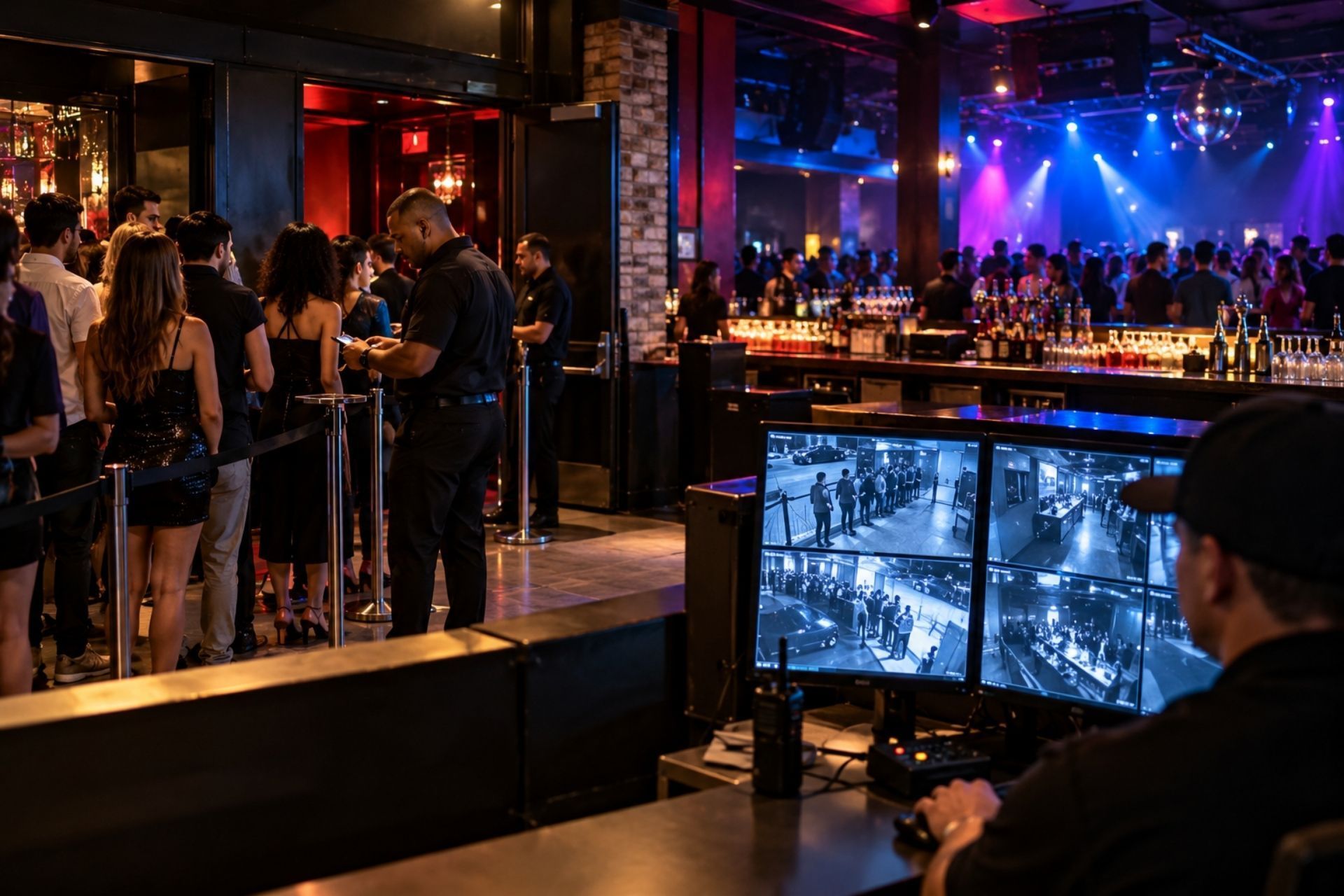
Underwriters love documented risk management programs. Having bouncers isn't enough: you need to show that your security staff is trained, that you have written protocols for handling intoxicated patrons, and that you maintain incident logs.
Specific measures that can reduce premiums include installing security cameras with 30-day retention, implementing TIPS or ServSafe alcohol training for all staff, using ID-scanning technology (especially relevant under Utah's new universal ID-check requirements), maintaining a written incident response plan, and hiring licensed security personnel rather than informal "door guys."
Some carriers offer premium credits of 5-15% for venues that implement comprehensive security programs. Document everything. The paper trail you create today becomes your defense during tomorrow's claim.
Frequently Asked Questions About Utah Bar Insurance
Common Questions from Utah Business Owners
Do I need liquor liability insurance even if I only serve beer and wine? Yes. Utah's DABS requires liquor liability coverage for all retail license holders, regardless of what type of alcohol you serve. The $1,000,000 per occurrence minimum applies to beer-only establishments too.
Can I bundle my liquor liability with my general liability policy? Some carriers offer combined policies, but many write them separately. Bundling can sometimes save money, but make sure the liquor liability limits meet DABS requirements independently, not just as part of an aggregate.
What happens if my insurance lapses? DABS can suspend or revoke your liquor license if you fail to maintain required coverage. Even a brief lapse can trigger enforcement action and make it harder to get coverage reinstated.
How does the 2026 universal ID law affect my insurance? Non-compliance with the ID-check requirement increases your liability exposure. If an underage service incident occurs and you weren't checking IDs, your insurer may deny the claim, and DABS will likely take enforcement action.
Are DJs and promoters covered under my policy? It depends on their employment status and your policy terms. Independent contractor DJs and promoters may need their own coverage. Review your policy's "who is an insured" section carefully.
How often should I review my coverage? At minimum, annually before renewal. But also review after any significant change: expanding hours, adding entertainment, renovating, or experiencing a claim.
Every policy has boundaries. Knowing them up front is how you avoid an uncovered claim. Common exclusions include:
Every policy has boundaries. Knowing them up front is how you avoid an uncovered claim. Common exclusions include:
Every policy has boundaries. Knowing them up front is how you avoid an uncovered claim. Common exclusions include:
General Liability responds to the core exposures most operations in this category face. A typical policy answers third-party claims and the defense costs that come with them, so a single incident doesn't put the business at risk.
Protecting Your Utah Hospitality Investment
Running a bar or nightclub in Utah requires more insurance sophistication than most operators expect when they first apply for a liquor license. The state's unique regulatory framework, from DABS minimums to dram shop liability to the 2026 universal ID law, creates compliance obligations that generic coverage simply can't address.
The operators who thrive long-term are the ones who treat insurance as a strategic investment rather than a grudging expense. Work with a broker who understands high-risk hospitality, like GrayStone Insurance Group, where data-driven risk modeling and deep market relationships help place coverage that standard agencies can't access. Build your risk management program before a claim forces you to, and review your coverage annually as your business evolves.
Your venue is more than a business: it's your livelihood. Protect it with coverage that actually holds up when you need it most.
ABOUT THE AUTHOR:
CHAD KRAMER
I started GrayStone Insurance Group in 2018 with a simple conviction: the businesses everyone else turns away deserve a broker who won't. What began as a one-person operation has grown into a specialty commercial brokerage with offices across the country — but the mission hasn't changed. We find solutions for high-risk and hard-to-place businesses when other agencies run the other way.
I built this agency on integrity, hard work, and the tenacity to do the hard things well. Through our access to Excess & Surplus and specialty markets, my team and I place coverage standard carriers can't — and I treat every client's business like my own.
If you've been declined, non-renewed, or told your business is too complicated to insure, let's talk.
Coverages & policies
Plain-language coverage, expertly placed.
We lead with commercial lines and round out personal coverage where you need it. Every policy comes with an explanation — not jargon.

Contractors
Third-party bodily injury & property damage — the foundation for any operation.

Liquor Liability
Critical for bars, restaurants and venues serving alcohol — including A&B.

Commercial Property
Buildings, contents and equipment — including distressed and vacant risk.

Workers' Compensation
Statutory coverage for your crew — including high-mod and high-hazard classes.

Commercial Umbrella
Extra liability limits over your primary policies — essential for high-exposure risk.
Products Liability
Manufacturers, CBD and consumer-product exposure — including imports.
What clients say
Brokers who actually place it.
FAQ
Answers for the risks others won't cover
Getting declined, non-renewed, or told your business is "too high-risk" is frustrating — but it doesn't mean you're out of options. Here are answers to the questions we hear most from business owners who need coverage the standard market won't provide.
What kind of insurance does GrayStone specialize in?
We're a specialty commercial brokerage built for high-risk and hard-to-place businesses — the risks standard carriers often turn away. Through our access to Excess & Surplus (E&S) and specialty markets, we place coverage that everyday agencies can't. Hospitality and construction are among our deepest areas of expertise.
My business was declined or non-renewed elsewhere. Can you still help?
That's exactly what we do. A decline, a non-renewal, or a tough claims history doesn't mean you're out of options — it means your risk needs a broker with the right market access. Tell us your situation and we'll get to work finding a fit.
What is Excess & Surplus (E&S) insurance?
E&S is specialty coverage for risks that standard "admitted" carriers won't write — often because a business is higher-risk, unusual, or has a complex history. As an independent broker, we tap into these specialty markets to place coverage where a typical agency hits a dead end.
What industries do you work with?
We cover a wide range of commercial industries — from restaurants, bars, and hospitality to contractors, trucking, manufacturing, cannabis, and more. If your industry is considered high-risk or hard-to-place, there's a good chance we've handled it.
Will you work with businesses that have prior claims or losses?
Yes. Prior claims and losses are part of many of the risks we place every day. Every business is evaluated on its own merits — and a rocky history is often exactly why a specialty broker can help where others won't.
Are you an independent broker?
Yes. We're not tied to a single carrier, so we shop your risk across multiple specialty and E&S markets to find coverage that actually fits — instead of forcing you into a one-size-fits-all policy.
Insights & resources
Know your risk before you buy.