
General Liability responds to the core exposures most operations in this category face. A typical policy answers third-party claims and the defense costs that come with them, so a single incident doesn't put the business at risk.
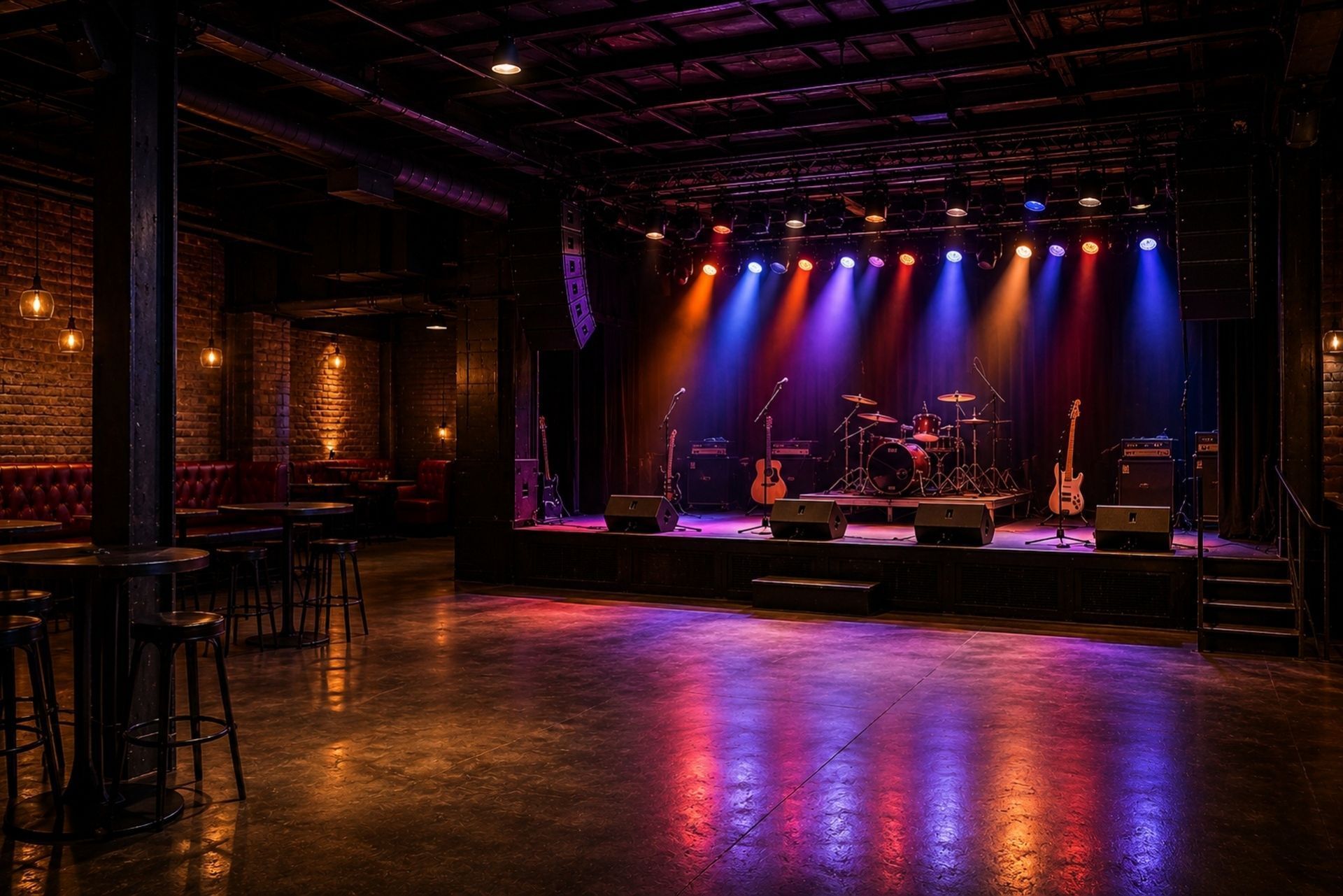
Running a live music venue in Missouri means juggling sound ordinances, crowd control, liquor licensing, and a dozen other headaches before a single band takes the stage. What most operators underestimate, though, is the insurance side of the equation. A single slip-and-fall during a sold-out show, a piece of equipment stolen from a loading dock, or an overserved patron causing a car accident can generate claims that dwarf an entire season's revenue. Missouri's legal environment makes this especially tricky: the state follows a pure comparative fault system, meaning your venue can be held partially liable even if the injured party was mostly at fault. That partial liability still translates to real dollars out of your pocket. Whether you're opening a 200-capacity club in Springfield or managing a 2,000-seat outdoor amphitheater in Kansas City, understanding insurance requirements, costs, and compliance obligations is non-negotiable. This guide breaks down what Missouri venue operators actually need to know, from specific coverage types to the local ordinance quirks that catch people off guard.
Essential Insurance Coverage for Missouri Venues
Missouri doesn't mandate a single "venue insurance" policy. Instead, operators need to assemble several coverage types into a package that matches their risk profile. The three pillars are general liability, liquor liability, and property coverage, but the details matter more than the categories. A venue hosting acoustic sets three nights a week has a fundamentally different risk exposure than one running EDM festivals with pyrotechnics. Getting the right mix wrong is one of the most common and expensive mistakes new operators make.
General Liability and Liquor Liability Basics
General liability (GL) is the foundation of any venue's insurance program. It covers bodily injury, property damage, and personal injury claims from third parties, think a concertgoer tripping over a cable or a bartender accidentally injuring someone with a broken glass. Most Missouri landlords and municipal permitting offices require a minimum of $1 million per occurrence and $2 million aggregate in GL coverage before you can even sign a lease or pull an entertainment permit.
Liquor liability is where things get expensive fast. Missouri's dram shop laws hold establishments liable if they serve alcohol to a visibly intoxicated person who then causes injury. Liquor liability premiums for Missouri music venues have increased by 12% in the first half of 2026 due to rising litigation costs and larger jury awards. If your venue generates more than 40% of its revenue from alcohol sales, expect underwriters to scrutinize your serving protocols, staff training records, and incident history closely.
Property and Equipment Protection for Sound Systems
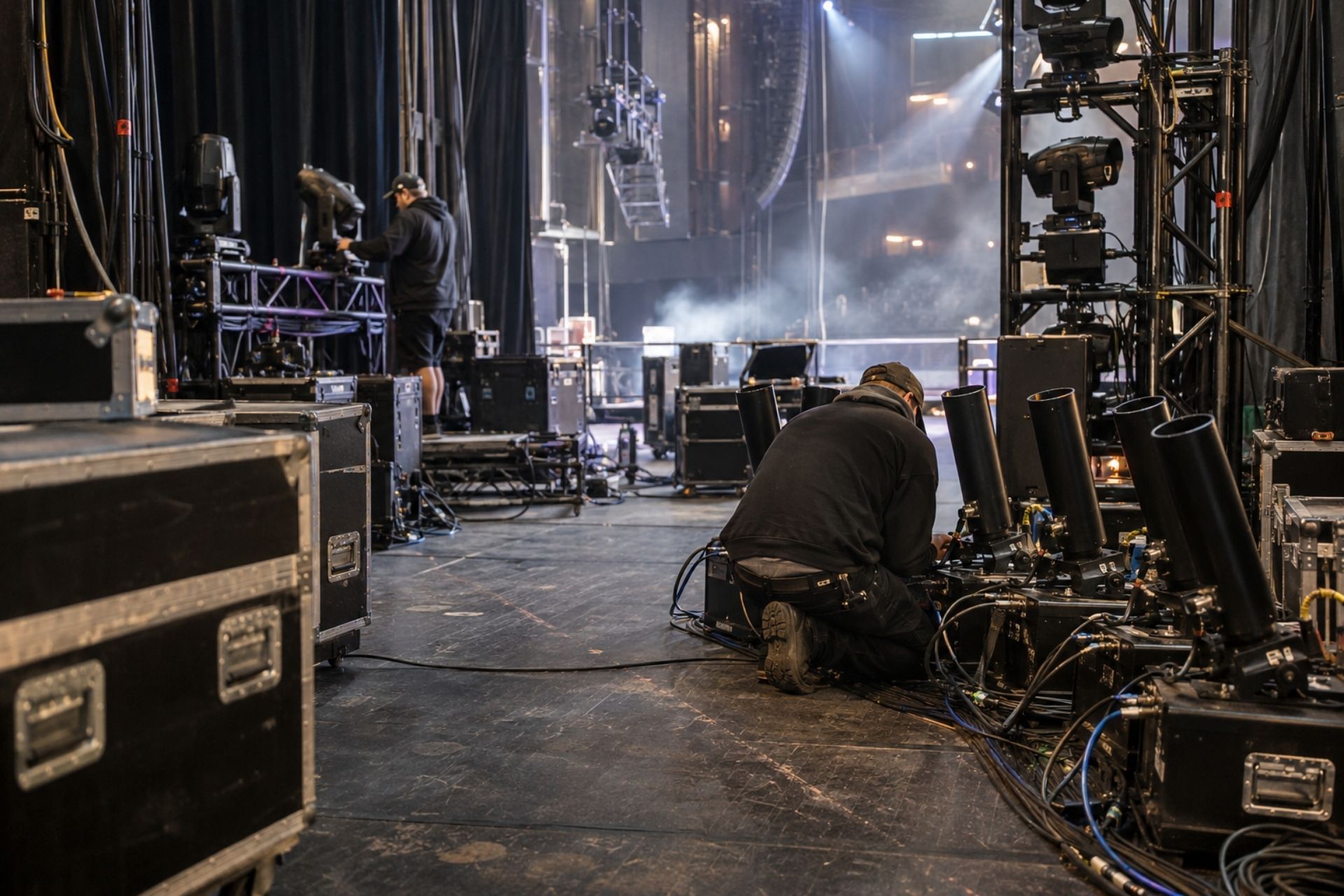
Sound systems, lighting rigs, and stage equipment represent a significant capital investment. A mid-tier PA system alone can run $30,000 to $80,000, and most standard commercial property policies either exclude or severely limit coverage for specialized audio-visual equipment. You need an inland marine policy or a dedicated equipment floater to properly protect these assets against theft, accidental damage, and electrical surge.
Don't overlook the building itself if you own it. Missouri sits in a region prone to severe thunderstorms, tornadoes, and occasional flooding, particularly along the Missouri and Mississippi River corridors. Standard property policies exclude flood damage, so venues in FEMA-designated flood zones need a separate flood policy. Even venues outside those zones should consider it: roughly 25% of flood claims nationally come from properties in low-to-moderate risk areas.
Workers' Compensation Laws in Missouri
Missouri requires workers' compensation coverage for nearly all employers, with very few exceptions. If you have five or more employees, or even one employee in the construction industry, you must carry workers' comp. For venue operators, this includes bartenders, sound engineers, security staff, door personnel, and cleaning crews.
Here's where it gets nuanced: independent contractors, like the bands themselves or freelance sound technicians, generally aren't covered under your workers' comp policy. But Missouri courts have been increasingly willing to reclassify independent contractors as employees if the venue exercises significant control over how the work is performed. If a reclassified "contractor" gets hurt on your premises without coverage, you're exposed to both the injury claim and potential penalties from the Missouri Division of Workers' Compensation. Getting this classification right from the start saves enormous headaches.
INDEX
GrayStone Insurance Group is fully licensed and permitted to provide specialty commercial insurance solutions for high-risk and hard-to-place businesses across 17 states.
We proudly serve high-risk and hard-to-place businesses from coast to coast. As an independent specialty brokerage, our team works with leading Excess & Surplus and specialty carriers to make sure restaurants, bars, contractors, trucking companies, manufacturers, and other hard-to-place operations receive coverage that fits their real risks in California, Colorado, Florida, Georgia, Illinois, Iowa, Maryland, Michigan, Missouri, Nevada, New York, North Carolina, South Carolina, Tennessee, Texas, Utah, and Washington.
Every policy has boundaries. Knowing them up front is how you avoid an uncovered claim. Common exclusions include:
Every policy has boundaries. Knowing them up front is how you avoid an uncovered claim. Common exclusions include:
Every policy has boundaries. Knowing them up front is how you avoid an uncovered claim. Common exclusions include:
General Liability responds to the core exposures most operations in this category face. A typical policy answers third-party claims and the defense costs that come with them, so a single incident doesn't put the business at risk.
If your firm provides any design, engineering, or consulting services alongside construction, you need both. A GL policy won't cover a claim alleging your design specifications caused a building envelope failure. That's a professional liability exposure, and it's one of the fastest-growing claim categories in construction.
Comparison of Coverage Levels for MO Operators
Choosing the right tier of coverage depends on your venue's size, revenue, and risk tolerance. Here's a practical comparison:
| Coverage Element | Basic Package | Mid-Tier Package | Comprehensive Package |
|---|---|---|---|
| General Liability | $1M per occurrence / $2M aggregate | $1M per occurrence / $2M aggregate | $2M per occurrence / $4M aggregate |
| Liquor Liability | $500K per occurrence | $1M per occurrence | $2M per occurrence |
| Property / Equipment | $100K limit, named perils only | $250K limit, broad form | $500K+, all-risk form |
| Workers' Comp | State minimum | State minimum + employer's liability | Enhanced employer's liability |
| Umbrella / Excess | None | $1M umbrella | $2M-$5M umbrella |
| Estimated Annual Cost | $4,500 - $8,000 | $10,000 - $18,000 | $22,000 - $45,000+ |
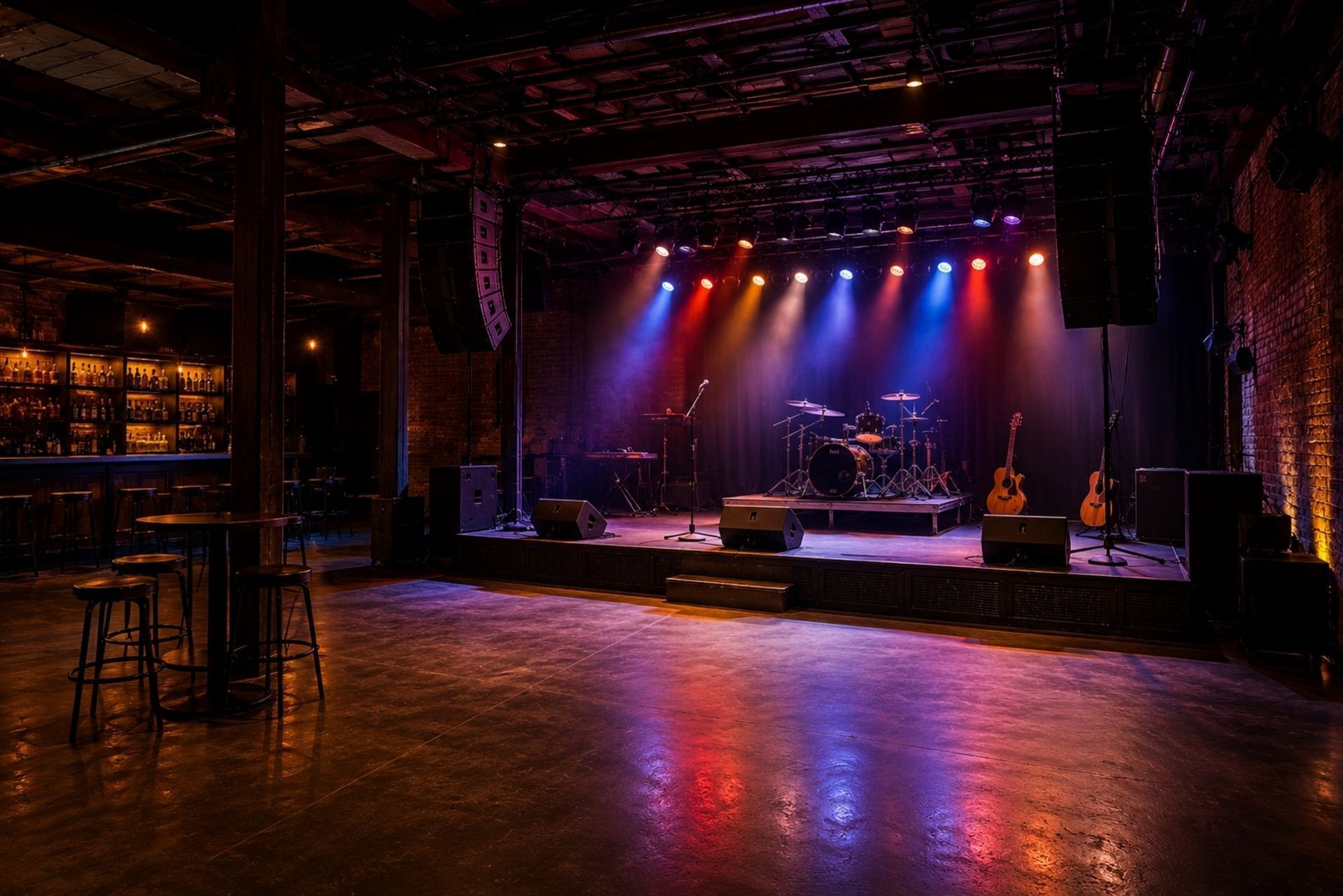
Most venues with a capacity over 300 and regular alcohol service should be looking at mid-tier coverage at minimum. The basic package leaves too many gaps, particularly around liquor liability and equipment protection. An umbrella policy is one of the most cost-effective upgrades available: for a few thousand dollars a year, you get an extra $1 million or more of protection that kicks in when underlying limits are exhausted.
Factors Influencing Venue Insurance Costs in Missouri
Insurance pricing isn't arbitrary. Underwriters evaluate a specific set of risk factors, and understanding them gives you some control over your premiums.
Venue Capacity and Nightly Attendance
Capacity is the single biggest driver of general liability premiums. A 150-person listening room will pay a fraction of what a 1,500-capacity concert hall pays, simply because more bodies mean more potential claims. Underwriters also look at how often you operate at or near capacity. A venue that sells out 200 nights a year presents a very different risk than one that hits capacity a dozen times annually.
Outdoor venues face additional scrutiny. Open-air spaces introduce weather-related risks, crowd dispersion challenges, and often require temporary structures like stages and tents that carry their own liability. If you run an outdoor amphitheater, expect your GL premiums to be 20-30% higher than a comparable indoor space. Agencies like GrayStone Insurance Group, which specialize in hard-to-place entertainment risks, can sometimes find better rates by matching your specific venue profile with carriers that actually understand the live music industry.
Alcohol Sales Volume and Security Protocols
Venues where alcohol represents more than half of total revenue are flagged as higher risk by virtually every carrier. Your loss history matters enormously here: even one alcohol-related claim in the past three years can spike your liquor liability premiums by 25% or more.
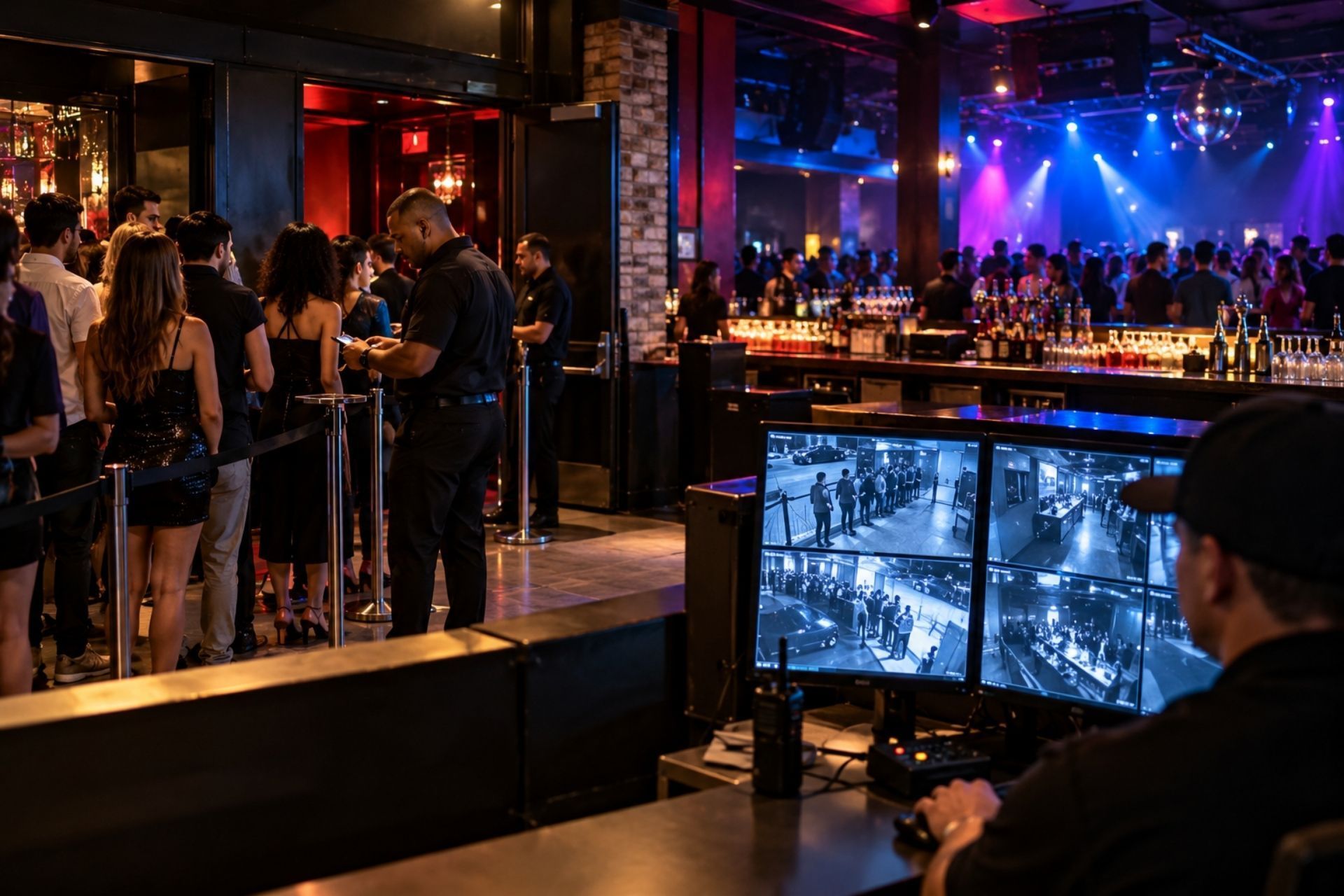
On the flip side, documented security protocols can earn you meaningful discounts. Carriers want to see written policies for ID verification, intoxication assessment, patron ejection procedures, and incident reporting. Having trained security staff, not just bouncers but personnel with TIPS or ServSafe certification, signals to underwriters that you're serious about risk management. Some carriers offer 5-10% premium reductions for venues that implement and document these programs consistently.
Every policy has boundaries. Knowing them up front is how you avoid an uncovered claim. Common exclusions include:
Every policy has boundaries. Knowing them up front is how you avoid an uncovered claim. Common exclusions include:
Every policy has boundaries. Knowing them up front is how you avoid an uncovered claim. Common exclusions include:
General Liability responds to the core exposures most operations in this category face. A typical policy answers third-party claims and the defense costs that come with them, so a single incident doesn't put the business at risk.
Missouri State Compliance and Permitting Requirements
Missouri's regulatory framework for live music venues involves both state-level requirements and local municipal rules. At the state level, you need a Missouri liquor license from the Division of Alcohol and Tobacco Control if you serve alcohol. Your insurance certificates must typically be on file with the licensing authority, and any lapse in coverage can trigger license suspension.
Fire marshal inspections are mandatory, and occupancy limits are strictly enforced. Exceeding posted capacity isn't just a fine: it can void your insurance coverage entirely. Most policies contain exclusions for losses that occur while the insured is in violation of local safety codes. That means if a fire breaks out while you're 50 people over capacity, your carrier has grounds to deny the claim.
Local Ordinance Variations: St. Louis vs. Kansas City
Missouri's two largest metro areas have notably different approaches to venue regulation. St. Louis City requires a specific entertainment license separate from the standard business license, and venues in certain neighborhoods face additional noise ordinance restrictions that can affect operating hours. The city also requires proof of insurance as part of the entertainment license renewal process.
Kansas City, by contrast, operates under a different permitting structure. The city's Regulated Industries Division oversees entertainment venues, and KC has been more aggressive about requiring security plans as a condition of licensing. Kansas City also enacted updated crowd management ordinances in 2025 that impose specific security-to-patron ratios for venues over 500 capacity. If you operate in both markets, your insurance program needs to account for these differences. GrayStone Insurance Group's brokers, who average 20 years of experience in commercial insurance, can help operators structure policies that satisfy the compliance requirements in both cities without paying for redundant coverage.
What happens if a show gets canceled last minute?
Standard policies don't cover event cancellation. If a headliner cancels, severe weather shuts you down, or a power outage kills the show, you're absorbing the full financial loss unless you have a dedicated event cancellation policy. These policies typically cover lost ticket revenue, non-refundable deposits, and marketing expenses. For venues that rely on ticket sales as a primary revenue stream, this coverage pays for itself the first time you need it.
Common Questions About Venue Insurance
Do I need insurance for one-off events or pop-up concerts? Yes. Single-event policies exist specifically for this purpose and typically cost $300 to $1,500 depending on attendance, alcohol service, and venue type. Your landlord will almost certainly require one.
Can I add performers to my general liability policy? Usually not. Most GL policies exclude professional performers. Bands and artists should carry their own liability coverage, and you should require certificates of insurance from them before they take the stage.
What happens if my insurance lapses during my license period? Missouri's Division of Alcohol and Tobacco Control can suspend your liquor license, and your municipality may revoke your entertainment permit. Reinstatement involves fees, inspections, and potentially higher premiums when you re-apply for coverage.
Does my policy cover noise complaints or nuisance lawsuits? Standard GL policies typically exclude claims arising from noise or pollution. You may need a specific endorsement or a separate environmental/nuisance liability policy if noise complaints are a recurring issue for your venue.
Are food trucks or outside vendors at my venue covered under my policy? No. Outside vendors need their own insurance, and you should require them to name your venue as an additional insured on their policies. This is standard practice and protects you if someone gets food poisoning from a vendor operating on your property.
Every policy has boundaries. Knowing them up front is how you avoid an uncovered claim. Common exclusions include:
Every policy has boundaries. Knowing them up front is how you avoid an uncovered claim. Common exclusions include:
Every policy has boundaries. Knowing them up front is how you avoid an uncovered claim. Common exclusions include:
General Liability responds to the core exposures most operations in this category face. A typical policy answers third-party claims and the defense costs that come with them, so a single incident doesn't put the business at risk.
Before You Buy a Policy
Getting insurance for a live music venue in Missouri isn't just about checking a box for your landlord or licensing authority. It's about building a financial safety net that actually holds up when something goes wrong, and in live entertainment, things go wrong regularly.
Start by getting a clear picture of your actual risk exposure: capacity, alcohol revenue percentage, event frequency, equipment value, and employee count. Bring that information to a broker who specializes in entertainment and hospitality risks rather than a generalist who handles auto and home policies. The difference in coverage quality and pricing can be dramatic.
If your venue has been declined by standard carriers or you're dealing with a complicated risk profile, working with a specialty agency like GrayStone Insurance Group can make the difference between adequate coverage and dangerous gaps. Their focus on hard-to-place commercial risks means they know which carriers will actually write live music venues and at what price.
Don't wait until renewal season to review your coverage. Every time you add a new revenue stream, expand capacity, hire staff, or change your entertainment format, your insurance needs shift. Treat your policy as a living document, not a file you forget about until something breaks.
ABOUT THE AUTHOR:
CHAD KRAMER
I started GrayStone Insurance Group in 2018 with a simple conviction: the businesses everyone else turns away deserve a broker who won't. What began as a one-person operation has grown into a specialty commercial brokerage with offices across the country — but the mission hasn't changed. We find solutions for high-risk and hard-to-place businesses when other agencies run the other way.
I built this agency on integrity, hard work, and the tenacity to do the hard things well. Through our access to Excess & Surplus and specialty markets, my team and I place coverage standard carriers can't — and I treat every client's business like my own.
If you've been declined, non-renewed, or told your business is too complicated to insure, let's talk.
Coverages & policies
Plain-language coverage, expertly placed.
We lead with commercial lines and round out personal coverage where you need it. Every policy comes with an explanation — not jargon.

Contractors
Third-party bodily injury & property damage — the foundation for any operation.

Liquor Liability
Critical for bars, restaurants and venues serving alcohol — including A&B.

Commercial Property
Buildings, contents and equipment — including distressed and vacant risk.

Workers' Compensation
Statutory coverage for your crew — including high-mod and high-hazard classes.

Commercial Umbrella
Extra liability limits over your primary policies — essential for high-exposure risk.
Products Liability
Manufacturers, CBD and consumer-product exposure — including imports.
What clients say
Brokers who actually place it.
FAQ
Answers for the risks others won't cover
Getting declined, non-renewed, or told your business is "too high-risk" is frustrating — but it doesn't mean you're out of options. Here are answers to the questions we hear most from business owners who need coverage the standard market won't provide.
What kind of insurance does GrayStone specialize in?
We're a specialty commercial brokerage built for high-risk and hard-to-place businesses — the risks standard carriers often turn away. Through our access to Excess & Surplus (E&S) and specialty markets, we place coverage that everyday agencies can't. Hospitality and construction are among our deepest areas of expertise.
My business was declined or non-renewed elsewhere. Can you still help?
That's exactly what we do. A decline, a non-renewal, or a tough claims history doesn't mean you're out of options — it means your risk needs a broker with the right market access. Tell us your situation and we'll get to work finding a fit.
What is Excess & Surplus (E&S) insurance?
E&S is specialty coverage for risks that standard "admitted" carriers won't write — often because a business is higher-risk, unusual, or has a complex history. As an independent broker, we tap into these specialty markets to place coverage where a typical agency hits a dead end.
What industries do you work with?
We cover a wide range of commercial industries — from restaurants, bars, and hospitality to contractors, trucking, manufacturing, cannabis, and more. If your industry is considered high-risk or hard-to-place, there's a good chance we've handled it.
Will you work with businesses that have prior claims or losses?
Yes. Prior claims and losses are part of many of the risks we place every day. Every business is evaluated on its own merits — and a rocky history is often exactly why a specialty broker can help where others won't.
Are you an independent broker?
Yes. We're not tied to a single carrier, so we shop your risk across multiple specialty and E&S markets to find coverage that actually fits — instead of forcing you into a one-size-fits-all policy.
Insights & resources
Know your risk before you buy.