
General Liability responds to the core exposures most operations in this category face. A typical policy answers third-party claims and the defense costs that come with them, so a single incident doesn't put the business at risk.
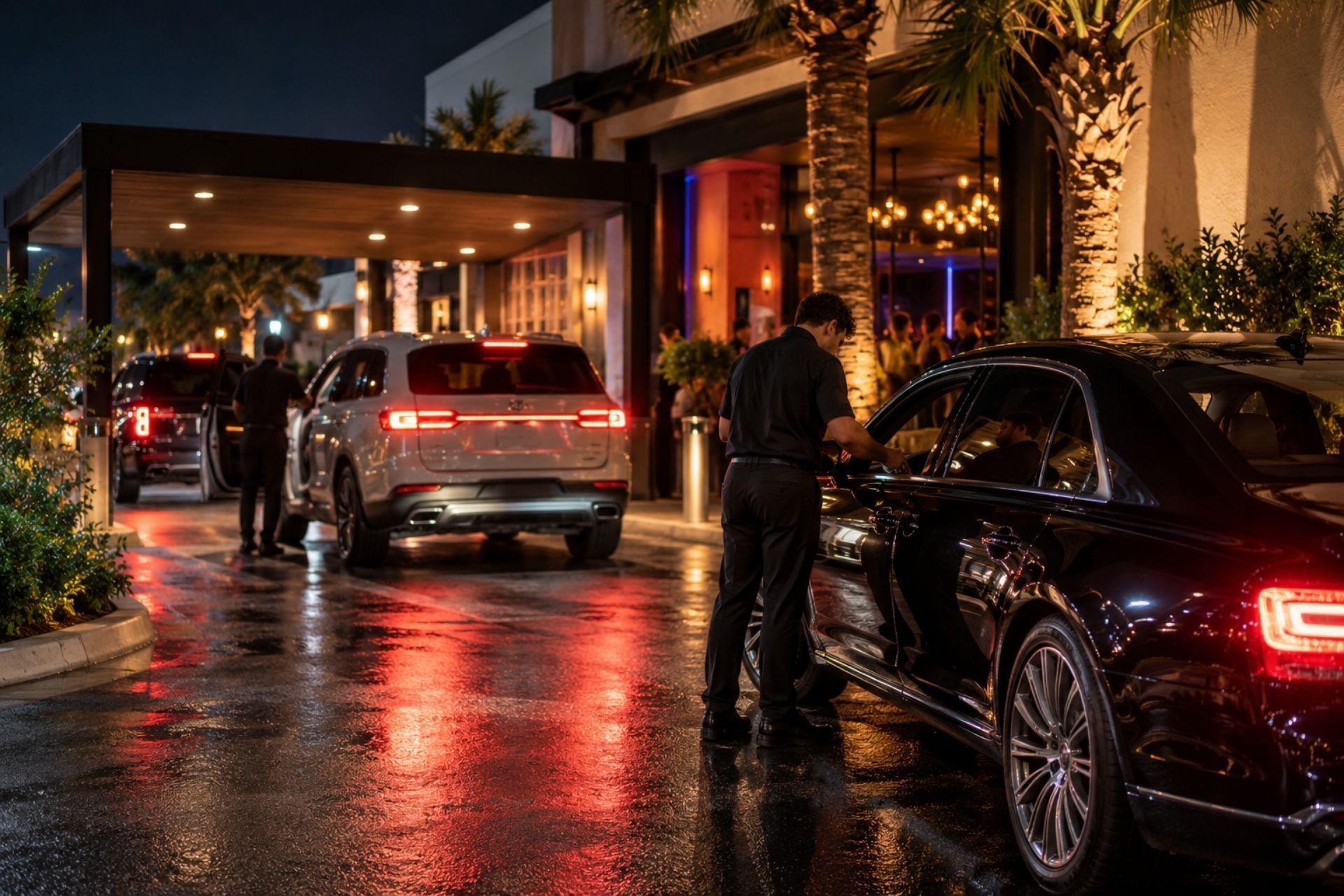
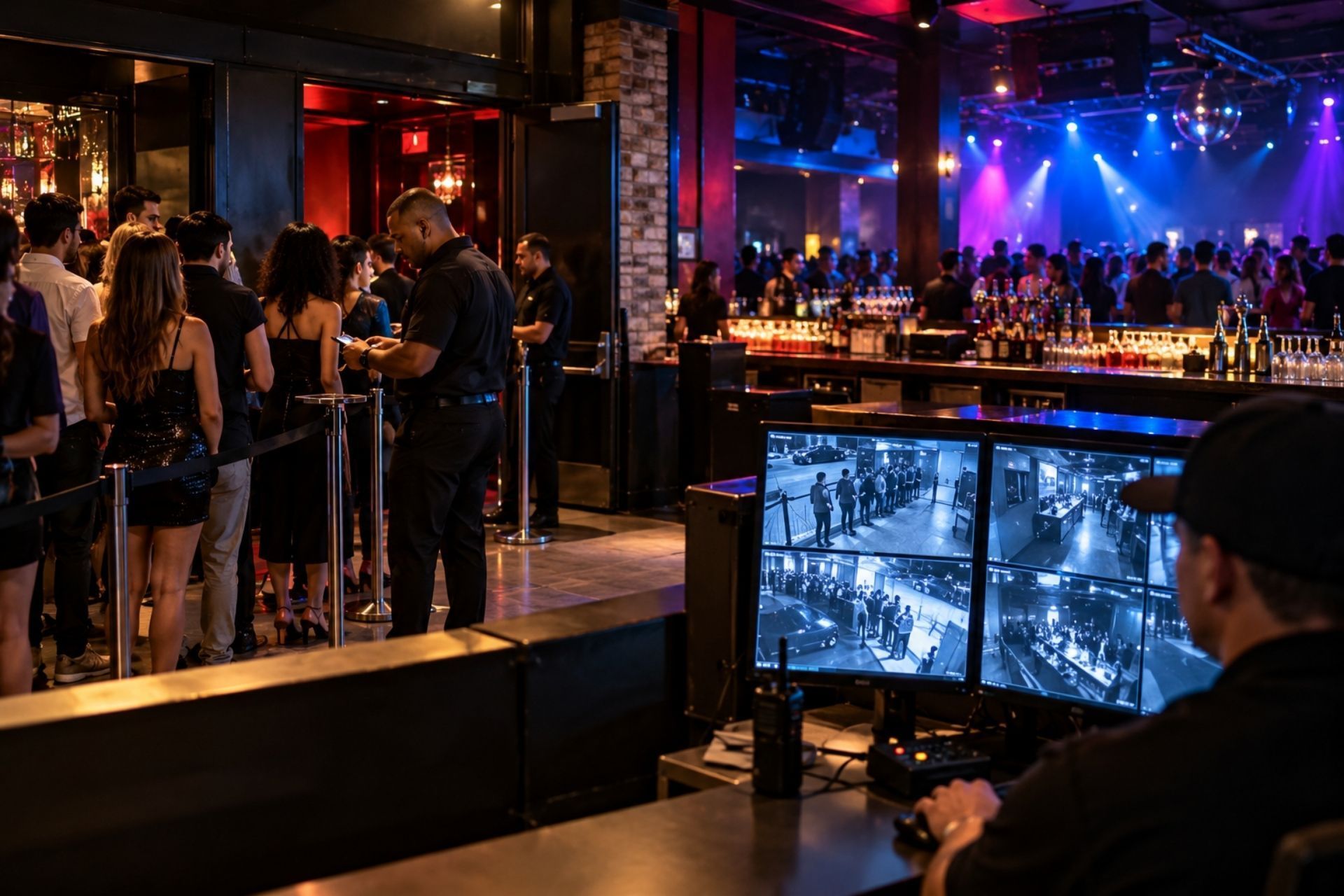
Running a bar or nightclub in North Carolina means accepting a level of risk that most businesses never deal with. Alcohol service, late-night crowds, live entertainment, and the unpredictable behavior that comes with all three create a liability profile that makes standard commercial policies fall short. And yet, plenty of NC operators are either underinsured or paying too much for coverage that doesn't match their actual exposure. The insurance requirements for nightlife venues in this state are shaped by a specific mix of ABC Commission rules, dram shop statutes, and workers' compensation mandates that trip up even experienced operators. Getting the right coverage isn't just about checking a box for your permit application: it's about protecting a business that faces real, costly claims on a regular basis. Whether you're opening a craft cocktail lounge in Raleigh or running a high-volume nightclub in Charlotte, the stakes are identical. One assault claim, one over-served patron causing a wreck, one kitchen fire: any of these can shut you down permanently if your policy has gaps. This guide breaks down what NC operators actually need to know about insurance requirements, realistic costs, and staying compliant in a state that takes alcohol regulation seriously.
Understanding North Carolina Insurance Mandates for Nightlife
North Carolina treats alcohol-serving establishments differently than standard restaurants or retail businesses. The state's regulatory framework creates specific insurance obligations that go beyond what a typical commercial policy covers. If you hold a mixed beverage permit, you're already subject to stricter scrutiny than a beer-and-wine-only establishment.
The state's dram shop liability laws create direct exposure for bars and nightclubs. North Carolina holds alcohol vendors liable for injuries caused by visibly intoxicated patrons they continued to serve. That means if your bartender pours one more round for someone who's clearly had too much, and that person causes a car accident, your business is on the hook. This isn't hypothetical: dram shop claims regularly produce six- and seven-figure judgments.
North Carolina ABC Commission Requirements
The NC ABC Commission controls who can sell liquor and under what conditions. Mixed beverage permittees are required to generate at least 30% of their gross receipts from the sale of food and non-alcoholic beverages, a rule that directly affects your risk classification and insurance pricing. Venues that fall below that threshold risk permit revocation, and insurers track this ratio closely because it signals how "bar-heavy" your operation actually is.
Your ABC permit application will require proof of insurance, and the Commission can audit your coverage at any time. The North Carolina liquor license process involves multiple permit types, each carrying different insurance expectations. A venue with a private club permit faces different underwriting scrutiny than one with a standard on-premises permit.
Workers' Compensation Laws for Small Establishments
North Carolina requires workers' compensation insurance for any business with three or more employees. That threshold catches almost every bar and nightclub, even small ones. Part-time bartenders, bouncers, barbacks, and DJs all count toward your employee total.
Here's what catches some operators off guard: if you use independent contractors (say, for security or entertainment), misclassifying them can trigger penalties and leave you exposed to injury claims without coverage. The NC Industrial Commission takes classification seriously, and audits of nightlife businesses are common because the industry has historically high injury rates. Slip-and-fall injuries, cuts from broken glass, and altercation-related injuries to staff are all regular claims in this space.
INDEX
GrayStone Insurance Group is fully licensed and permitted to provide specialty commercial insurance solutions for high-risk and hard-to-place businesses across 17 states.
We proudly serve high-risk and hard-to-place businesses from coast to coast. As an independent specialty brokerage, our team works with leading Excess & Surplus and specialty carriers to make sure restaurants, bars, contractors, trucking companies, manufacturers, and other hard-to-place operations receive coverage that fits their real risks in California, Colorado, Florida, Georgia, Illinois, Iowa, Maryland, Michigan, Missouri, Nevada, New York, North Carolina, South Carolina, Tennessee, Texas, Utah, and Washington.
Every policy has boundaries. Knowing them up front is how you avoid an uncovered claim. Common exclusions include:
Every policy has boundaries. Knowing them up front is how you avoid an uncovered claim. Common exclusions include:
Every policy has boundaries. Knowing them up front is how you avoid an uncovered claim. Common exclusions include:
General Liability responds to the core exposures most operations in this category face. A typical policy answers third-party claims and the defense costs that come with them, so a single incident doesn't put the business at risk.
If your firm provides any design, engineering, or consulting services alongside construction, you need both. A GL policy won't cover a claim alleging your design specifications caused a building envelope failure. That's a professional liability exposure, and it's one of the fastest-growing claim categories in construction.
Essential Coverage Types for Bars and Nightclubs
The right insurance package for an NC nightlife venue isn't a single policy: it's a layered combination of coverages designed around the specific risks your operation faces every night you open the doors.
Liquor Liability vs. General Liability
General liability covers the basics: a patron slips on a wet floor, a ceiling tile falls, someone trips over a cord. Liquor liability is a separate, specialized coverage that responds when alcohol service is the proximate cause of an injury or property damage. Most general liability policies explicitly exclude alcohol-related claims, which means relying on GL alone leaves your biggest risk completely uncovered.
Liquor liability premiums for NC bars typically range from $2,500 to $12,000 annually, depending on revenue, venue type, and claims history. High-volume nightclubs with entertainment and dance floors sit at the top of that range. GrayStone Insurance Group works with carriers that specialize in these placements, which matters because many standard agencies simply can't get competitive quotes for venues with significant liquor exposure.
Assault and Battery Endorsements
This is the coverage gap that sinks nightclub owners. Standard general liability policies almost always exclude assault and battery claims, and nightclubs are where these claims happen most frequently. A patron gets punched by another patron, or a bouncer uses excessive force: without an assault and battery endorsement, you're paying for the defense and any settlement out of pocket.
These endorsements typically add $1,500 to $5,000 to your annual premium, but the alternative is absorbing a claim that can easily exceed $100,000. Some carriers offer sub-limits (say, $100,000 per occurrence within a $1 million policy), while others provide full-limit coverage. Read the fine print carefully, because sub-limited assault and battery coverage can still leave you significantly exposed.
Commercial Property and Equipment Breakdown
Sound systems, lighting rigs, POS terminals, commercial kitchen equipment, refrigeration units: a typical nightclub has $150,000 to $500,000 in contents and equipment that a fire, flood, or electrical surge could destroy overnight. Commercial property insurance covers the physical assets, while equipment breakdown coverage handles mechanical and electrical failures that property policies exclude.
One detail NC operators often miss: if your venue is in a flood zone (parts of Wilmington, the Outer Banks, and low-lying areas throughout the Piedmont), you'll need separate flood insurance. Standard property policies don't cover flood damage, period.
Comparison of Standard vs. Enhanced Policy Features
This table shows the real difference between a bare-minimum policy and one built for the actual risks a nightclub faces:
| Coverage Feature | Standard Policy | Enhanced Policy |
|---|---|---|
| General Liability | $1M per occurrence | $1M per occurrence with $2M aggregate |
| Liquor Liability | Excluded or sub-limited | Full standalone policy, $1M+ limits |
| Assault & Battery | Excluded | Endorsed, full limits or $250K sub-limit |
| Property Coverage | Building only | Building + contents + equipment breakdown |
| Business Interruption | Not included | 12 months lost income coverage |
| Hired/Non-Owned Auto | Not included | Included (covers delivery/errand driving) |
| Cyber Liability | Not included | Included (POS breach, customer data) |
| Umbrella/Excess | None | $1M-$5M excess layer |
The standard policy might cost $4,000 to $6,000 annually. The enhanced version runs $12,000 to $25,000 for a mid-size venue. That gap looks significant until you compare it to a single uninsured liquor liability claim, which averages $150,000 to $300,000 in legal costs and settlements.
Every policy has boundaries. Knowing them up front is how you avoid an uncovered claim. Common exclusions include:
Every policy has boundaries. Knowing them up front is how you avoid an uncovered claim. Common exclusions include:
Every policy has boundaries. Knowing them up front is how you avoid an uncovered claim. Common exclusions include:
General Liability responds to the core exposures most operations in this category face. A typical policy answers third-party claims and the defense costs that come with them, so a single incident doesn't put the business at risk.
Factors Influencing Insurance Premiums in NC
Insurance pricing for nightlife venues isn't arbitrary: carriers use specific data points to calculate your premium, and understanding these factors gives you real control over what you pay.
Venue Size, Location, and Alcohol-to-Food Ratios
A 2,000-square-foot cocktail bar in a college town and a 10,000-square-foot nightclub in downtown Charlotte present very different risk profiles. Capacity matters because more patrons means more potential claims. Location matters because crime statistics, emergency response times, and local ordinance enforcement vary dramatically across NC counties.
The alcohol-to-food ratio is one of the most influential pricing factors. A venue generating 80% of revenue from alcohol pays significantly more than one at 50/50. This is why that ABC Commission 30% food requirement isn't just regulatory: it directly affects your insurability. The 2026 state of the market report shows that hospitality insurance rates have stabilized somewhat after several years of increases, but nightlife-heavy venues continue to see higher rate pressure than restaurant-focused operations.
Claims History and Risk Mitigation Strategies
Your loss history over the past three to five years is the single biggest factor in your renewal pricing. One or two significant claims can push premiums up 30% to 50% at renewal, and some carriers will non-renew entirely after a bad claims year.
The good news is that proactive risk management produces measurable premium savings. Documented staff training on responsible alcohol service (TIPS or ServSafe Alcohol certification), security camera systems, ID-scanning technology, and written incident response protocols all signal to underwriters that you're a better risk. Carriers working with agencies like GrayStone that use data-driven risk modeling can often identify specific operational changes that will lower your premium at the next renewal cycle.
Common Questions About NC Nightlife Insurance
Do I need liquor liability insurance if I only serve beer and wine? Yes. Any establishment serving alcohol in North Carolina faces dram shop exposure. Beer and wine-only venues typically pay lower premiums, but the liability risk still exists every time you serve a patron.
Can I get insurance if my venue has had multiple claims? You can, but your options narrow significantly. Specialty markets and surplus lines carriers handle high-risk placements that standard carriers decline. Expect to pay more, but coverage is available.
Does my landlord's insurance cover my bar? No. Your landlord's policy covers the building structure. Your business contents, liability, liquor liability, and business income are your responsibility entirely.
How does NC's recent legislation on mixed beverage rules affect my insurance? Recent legislative discussions around modernizing ABC rules could eventually change permit structures and food-ratio requirements. Any changes would ripple into insurance underwriting, so stay informed.
What happens if I'm underinsured and face a major claim? You pay the difference out of pocket. If a judgment exceeds your policy limits, your personal assets may be at risk depending on your business structure. This is why umbrella policies exist.
Are DJs and performers covered under my policy? It depends on their employment status. W-2 employees are typically covered under your workers' comp and GL policies. Independent contractors should carry their own insurance, and you should require certificates of insurance before they perform.
Do I need coverage for outdoor patios or parking areas? Absolutely. Your premises liability extends to any area your patrons access, including patios, sidewalk seating, and parking lots. Injuries in these areas generate claims just as frequently as indoor incidents.
Every policy has boundaries. Knowing them up front is how you avoid an uncovered claim. Common exclusions include:
Every policy has boundaries. Knowing them up front is how you avoid an uncovered claim. Common exclusions include:
Every policy has boundaries. Knowing them up front is how you avoid an uncovered claim. Common exclusions include:
General Liability responds to the core exposures most operations in this category face. A typical policy answers third-party claims and the defense costs that come with them, so a single incident doesn't put the business at risk.
Making the Right Choice for Your Venue
Getting insurance right for an NC bar or nightclub isn't about finding the cheapest policy: it's about building a coverage structure that matches your actual risk exposure. The operators who get burned are the ones who buy a standard business policy and assume it covers everything, only to discover the gaps when a claim hits.
Start by getting clear on your ABC permit requirements and food-to-alcohol ratio. Build your coverage from there: general liability as the foundation, liquor liability as the critical addition, and assault and battery endorsements if you operate past midnight or host entertainment. Layer on property coverage, workers' comp, and an umbrella policy that gives you breathing room above your primary limits.
The North Carolina Restaurant and Lodging Association's insurance resources can provide additional guidance specific to the state. And if your venue has been declined by other carriers or you're facing steep renewal increases, working with a broker experienced in hard-to-place nightlife risks, like the team at GrayStone Insurance Group, can make the difference between paying too much for too little and getting a policy that actually protects your business. Don't wait for a claim to find out what your policy doesn't cover.
ABOUT THE AUTHOR:
CHAD KRAMER
I started GrayStone Insurance Group in 2018 with a simple conviction: the businesses everyone else turns away deserve a broker who won't. What began as a one-person operation has grown into a specialty commercial brokerage with offices across the country — but the mission hasn't changed. We find solutions for high-risk and hard-to-place businesses when other agencies run the other way.
I built this agency on integrity, hard work, and the tenacity to do the hard things well. Through our access to Excess & Surplus and specialty markets, my team and I place coverage standard carriers can't — and I treat every client's business like my own.
If you've been declined, non-renewed, or told your business is too complicated to insure, let's talk.
Coverages & policies
Plain-language coverage, expertly placed.
We lead with commercial lines and round out personal coverage where you need it. Every policy comes with an explanation — not jargon.

Contractors
Third-party bodily injury & property damage — the foundation for any operation.

Liquor Liability
Critical for bars, restaurants and venues serving alcohol — including A&B.

Commercial Property
Buildings, contents and equipment — including distressed and vacant risk.

Workers' Compensation
Statutory coverage for your crew — including high-mod and high-hazard classes.

Commercial Umbrella
Extra liability limits over your primary policies — essential for high-exposure risk.
Products Liability
Manufacturers, CBD and consumer-product exposure — including imports.
What clients say
Brokers who actually place it.
FAQ
Answers for the risks others won't cover
Getting declined, non-renewed, or told your business is "too high-risk" is frustrating — but it doesn't mean you're out of options. Here are answers to the questions we hear most from business owners who need coverage the standard market won't provide.
What kind of insurance does GrayStone specialize in?
We're a specialty commercial brokerage built for high-risk and hard-to-place businesses — the risks standard carriers often turn away. Through our access to Excess & Surplus (E&S) and specialty markets, we place coverage that everyday agencies can't. Hospitality and construction are among our deepest areas of expertise.
My business was declined or non-renewed elsewhere. Can you still help?
That's exactly what we do. A decline, a non-renewal, or a tough claims history doesn't mean you're out of options — it means your risk needs a broker with the right market access. Tell us your situation and we'll get to work finding a fit.
What is Excess & Surplus (E&S) insurance?
E&S is specialty coverage for risks that standard "admitted" carriers won't write — often because a business is higher-risk, unusual, or has a complex history. As an independent broker, we tap into these specialty markets to place coverage where a typical agency hits a dead end.
What industries do you work with?
We cover a wide range of commercial industries — from restaurants, bars, and hospitality to contractors, trucking, manufacturing, cannabis, and more. If your industry is considered high-risk or hard-to-place, there's a good chance we've handled it.
Will you work with businesses that have prior claims or losses?
Yes. Prior claims and losses are part of many of the risks we place every day. Every business is evaluated on its own merits — and a rocky history is often exactly why a specialty broker can help where others won't.
Are you an independent broker?
Yes. We're not tied to a single carrier, so we shop your risk across multiple specialty and E&S markets to find coverage that actually fits — instead of forcing you into a one-size-fits-all policy.
Insights & resources
Know your risk before you buy.