
General Liability responds to the core exposures most operations in this category face. A typical policy answers third-party claims and the defense costs that come with them, so a single incident doesn't put the business at risk.
Arlington's hemp and CBD market has grown steadily since Texas first legalized consumable hemp products, but 2026 has thrown operators a curveball. Between rising registration fees, tighter state regulations, and a patchwork of local enforcement, running a compliant CBD business here is harder than it was even two years ago. And the insurance side of things? It's just as complicated. Most standard commercial carriers still won't touch hemp-related businesses, leaving shop owners and manufacturers scrambling for coverage that actually protects them. If you run a CBD or hemp operation in Arlington, the insurance decisions you make this year could determine whether a single product liability claim shuts you down or becomes a manageable bump in the road. This guide breaks down the Texas-specific requirements, the types of coverage that matter most, and the real risks Arlington operators face in a market that's shifting fast. Whether you're a retailer on South Cooper Street or a manufacturer near the industrial corridors off I-20, the stakes are the same: one gap in your policy can cost you everything.
The Evolving Legal Landscape for Arlington Hemp Retailers
Texas has been one of the more active states in reshaping its hemp regulations, and 2026 has brought significant changes that directly affect how Arlington operators structure their insurance. The state's consumable hemp program, administered through DSHS, now imposes stricter product testing, labeling, and registration requirements. These regulatory shifts don't just affect your compliance obligations; they reshape your risk profile, which in turn affects what insurers are willing to cover and at what price.
Arlington sits in Tarrant County, where local law enforcement has historically taken a pragmatic approach to hemp businesses operating within state guidelines. But "pragmatic" doesn't mean "hands-off." City code enforcement still monitors signage, zoning compliance, and business permits closely, and any regulatory violation can trigger policy cancellations or non-renewal from your insurer. Staying current on both state and local rules isn't optional; it's a prerequisite for maintaining coverage.
Texas House Bill 1325 and Local Compliance
House Bill 1325, signed in 2019, created the legal framework for hemp in Texas by aligning state law with the federal Farm Bill. But the original bill was just a starting point. Since then, DSHS has published new rules to regulate the Texas hemp industry that significantly expand compliance requirements. Annual retail hemp registration fees have jumped from roughly $155 to $5,000 per location, a cost increase that's forced some smaller Arlington shops to reconsider their business model entirely.
The consumable hemp program through DSHS now requires more detailed product tracking and testing documentation. For insurance purposes, this matters because carriers want proof of compliance before they'll bind a policy. If you can't demonstrate that your products meet current THC limits and labeling standards, you're essentially uninsurable through any reputable market.
Why Standard Commercial Policies Often Exclude CBD
Here's the blunt truth: most commercial insurance carriers still classify CBD and hemp businesses alongside cannabis operations. Even though hemp is federally legal, the association with marijuana creates what underwriters call "reputational risk." Major carriers don't want the regulatory headaches, so they add blanket exclusions for any business that touches hemp-derived products.
This means your standard business owner's policy (BOP) from a mainstream insurer almost certainly has a hemp or cannabis exclusion buried in the fine print. I've seen Arlington business owners discover this the hard way, filing a claim after a customer slip-and-fall only to learn their entire policy was voided because they sold CBD tinctures alongside other wellness products. You need a carrier and broker who understand the hemp space specifically, not one who treats your shop like a regular retail store.
INDEX
GrayStone Insurance Group is fully licensed and permitted to provide specialty commercial insurance solutions for high-risk and hard-to-place businesses across 17 states.
We proudly serve high-risk and hard-to-place businesses from coast to coast. As an independent specialty brokerage, our team works with leading Excess & Surplus and specialty carriers to make sure restaurants, bars, contractors, trucking companies, manufacturers, and other hard-to-place operations receive coverage that fits their real risks in California, Colorado, Florida, Georgia, Illinois, Iowa, Maryland, Michigan, Missouri, Nevada, New York, North Carolina, South Carolina, Tennessee, Texas, Utah, and Washington.
Every policy has boundaries. Knowing them up front is how you avoid an uncovered claim. Common exclusions include:
Every policy has boundaries. Knowing them up front is how you avoid an uncovered claim. Common exclusions include:
Every policy has boundaries. Knowing them up front is how you avoid an uncovered claim. Common exclusions include:
General Liability responds to the core exposures most operations in this category face. A typical policy answers third-party claims and the defense costs that come with them, so a single incident doesn't put the business at risk.
If your firm provides any design, engineering, or consulting services alongside construction, you need both. A GL policy won't cover a claim alleging your design specifications caused a building envelope failure. That's a professional liability exposure, and it's one of the fastest-growing claim categories in construction.
Essential Coverage Types for CBD Shops and Manufacturers
The coverage needs of a CBD business aren't dramatically different from other retail or manufacturing operations in concept, but the details matter enormously. You need liability protection, property coverage, and potentially workers' compensation, but each of these must be structured to explicitly include hemp-related activities.
A common mistake is buying the cheapest policy available and assuming it covers everything. It won't. Hemp businesses face product liability exposure that most retailers don't, plus inventory risks tied to spoilage and regulatory seizure. Building the right coverage stack requires understanding each component.
General Liability vs. Product Liability
General liability covers the basics: someone slips on your wet floor, your sign falls and damages a neighboring storefront, or a delivery driver backs into a customer's car. Product liability is a different animal entirely. It covers claims arising from the products you sell or manufacture, and for CBD businesses, this is where the real exposure lives.
If a customer has an allergic reaction to a topical CBD product, or if a batch of gummies contains THC levels above the legal limit, product liability is what stands between you and a six-figure lawsuit. GrayStone Insurance Group works with carriers who explicitly write product liability for hemp operators, which matters because a general liability policy alone leaves your biggest risk completely uncovered. The cannabis insurance market continues to face consolidation and coverage pressure, making specialized broker relationships more valuable than ever.
Protecting Inventory from Fire, Theft, and Spoilage
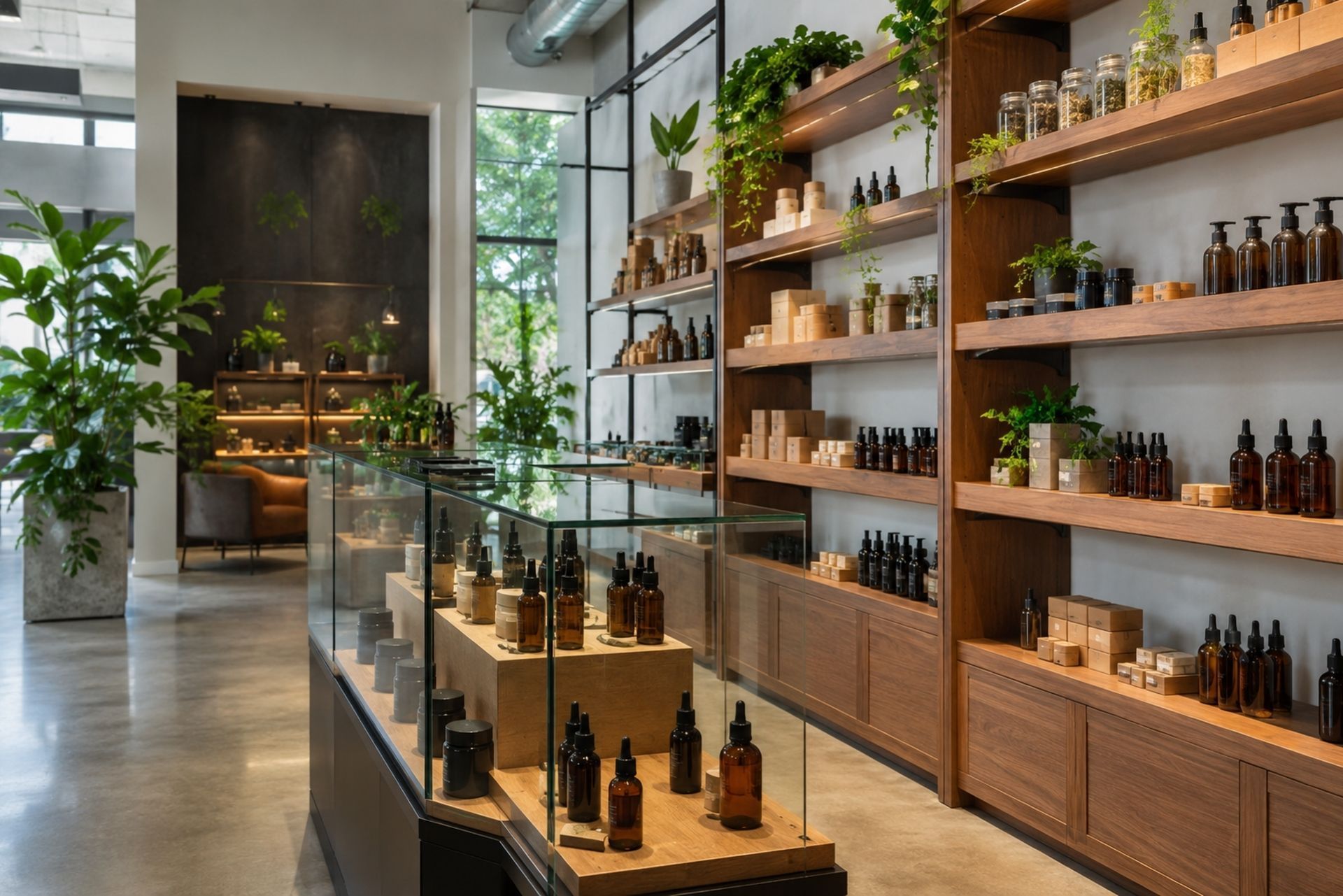
CBD inventory is expensive and perishable. A fire in your Arlington retail space doesn't just destroy fixtures; it wipes out thousands of dollars in tinctures, edibles, and concentrates. Theft is another real concern, particularly for shops in high-traffic retail areas along Division Street or near the Arlington Highlands.
Spoilage coverage is something most business owners overlook. If your HVAC system fails during a Texas summer and your temperature-sensitive products degrade, a standard property policy won't cover the loss unless you've specifically added spoilage endorsements. Make sure your policy values inventory at replacement cost, not actual cash value, because restocking CBD products at wholesale prices is significantly more expensive than what depreciated value calculations suggest.
Comparing Policy Options: Basic vs. Comprehensive
Not every Arlington hemp business needs the same level of coverage. A small retail shop with two employees has different needs than a manufacturer running extraction equipment. But understanding the gap between basic and comprehensive coverage helps you make an informed decision.
Coverage Comparison Table
| Coverage Feature | Basic Policy | Comprehensive Policy |
|---|---|---|
| General Liability | $1M per occurrence | $2M per occurrence |
| Product Liability | Often excluded or sublimited | Full coverage, $1M-$2M |
| Property/Inventory | Actual cash value | Replacement cost |
| Spoilage | Not covered | Included with endorsement |
| Business Interruption | Not included | 12-month coverage |
| Hired/Non-Owned Auto | Not included | Included |
| Regulatory Defense | Not included | Legal expense coverage |
| Annual Premium Range | $2,500-$5,000 | $7,000-$15,000+ |
The price difference between basic and comprehensive coverage is real, but so is the gap in protection. A single product liability claim can easily exceed $100,000 in legal fees alone, making the comprehensive option a straightforward financial calculation for most operators.
Every policy has boundaries. Knowing them up front is how you avoid an uncovered claim. Common exclusions include:
Every policy has boundaries. Knowing them up front is how you avoid an uncovered claim. Common exclusions include:
Every policy has boundaries. Knowing them up front is how you avoid an uncovered claim. Common exclusions include:
General Liability responds to the core exposures most operations in this category face. A typical policy answers third-party claims and the defense costs that come with them, so a single incident doesn't put the business at risk.
Risk Factors Specific to the Arlington Market
Arlington's position between Dallas and Fort Worth creates unique market dynamics. The city's population of roughly 400,000 supports a healthy consumer base for CBD products, but competition is fierce and the regulatory environment keeps shifting. The latest Texas hemp regulations introduced in 2026 have created uncertainty around smokeable flower products, which directly impacts inventory decisions and associated insurance needs.
Operating in a major metro area also means higher property values, more foot traffic (and therefore more liability exposure), and greater scrutiny from both regulators and competitors. Arlington hemp businesses don't operate in a vacuum; they're part of a broader DFW market that's watching how Texas enforcement plays out.
Managing Risks in High-Traffic Retail Zones
If your CBD shop sits in a busy retail corridor, your premises liability exposure is automatically higher than a shop tucked into a quieter strip mall. More foot traffic means more opportunities for slip-and-fall incidents, more interactions with customers who may have adverse reactions to samples, and more visibility to code enforcement officers.
Smart operators manage this by documenting everything. Keep incident logs, maintain security camera footage for at least 90 days, and train staff on proper product guidance (especially around dosage and potential drug interactions). These practices don't just reduce risk; they also help your insurer defend claims more effectively, which keeps your premiums from spiking after a loss.
Navigating Supply Chain and Extraction Liabilities
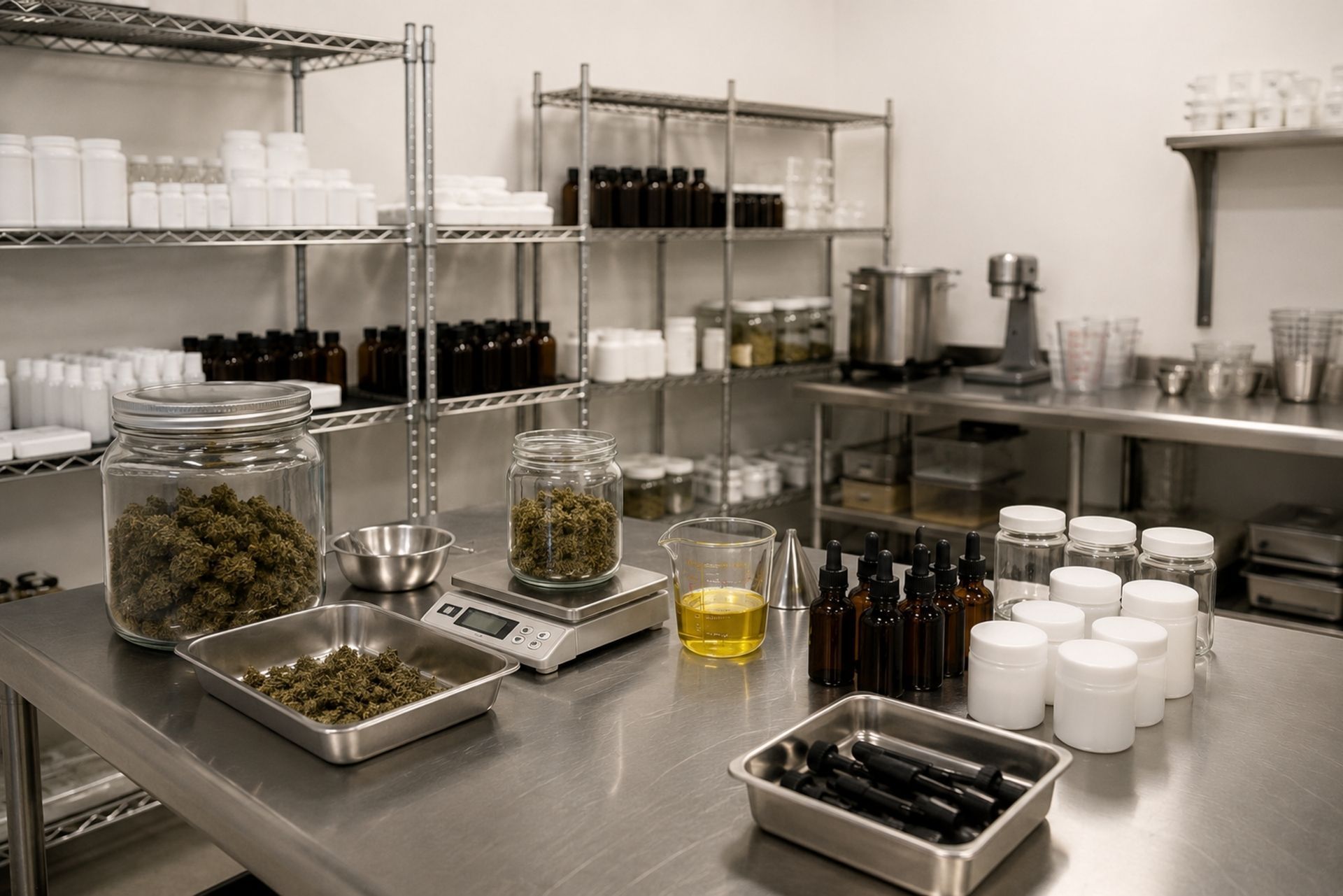
If you manufacture or process hemp products in Arlington, your liability profile expands dramatically. Extraction equipment, particularly CO2 and ethanol systems, introduces fire and explosion risks that require specialized coverage. Your general liability policy won't cover equipment failure that causes bodily injury to employees; that's a workers' compensation claim.
Supply chain risk is equally important. If your upstream supplier provides flower that tests above the 0.3% THC threshold, and you unknowingly sell products made from that flower, you're on the hook for regulatory violations and potential product liability claims. GrayStone Insurance Group's brokers, who average 20 years of experience in hard-to-place markets, can help structure policies that account for supply chain failures, something most generalist agents won't even think to address. The new Texas regulations require operators to be prepared for exactly these scenarios.
What is bobtail insurance and do I need it?
Bobtail coverage protects you when driving your truck without a trailer attached, typically after dropping a load. It's often required by motor carriers for independent contractors operating under their authority. If you're an owner-operator leased to a carrier, check your lease agreement: most require it.
Common Questions About CBD Insurance in Texas
FAQ: What Arlington Operators Need to Know
Do I need a special license to sell CBD in Arlington? Yes. You must register with the Texas DSHS consumable hemp program, and the annual fee is now $5,000 per retail location. Without active registration, no reputable insurer will cover you.
Will my landlord's insurance cover my CBD inventory? No. Your landlord's policy covers the building structure, not your business contents. You need your own commercial property policy with explicit hemp product coverage.
Can I get insurance if I sell Delta-8 THC products? This is complicated in 2026. Texas has introduced new restrictions on certain hemp-derived THC products, and many carriers now exclude Delta-8 entirely. Check with a specialized broker before assuming coverage.
How much does CBD business insurance cost in Arlington? Expect to pay between $3,000 and $15,000 annually depending on your revenue, product types, and coverage limits. Manufacturers typically pay more than retailers.
What happens if my products are seized by law enforcement? Some comprehensive policies include coverage for regulatory seizure, but it's not standard. Ask your broker specifically about this endorsement.
Does workers' comp apply to CBD businesses in Texas? Texas doesn't require workers' compensation for most private employers, but if you have employees handling extraction equipment or heavy inventory, carrying it is a smart move.
Every policy has boundaries. Knowing them up front is how you avoid an uncovered claim. Common exclusions include:
Every policy has boundaries. Knowing them up front is how you avoid an uncovered claim. Common exclusions include:
Every policy has boundaries. Knowing them up front is how you avoid an uncovered claim. Common exclusions include:
General Liability responds to the core exposures most operations in this category face. A typical policy answers third-party claims and the defense costs that come with them, so a single incident doesn't put the business at risk.
Making the Right Choice for Your Hemp Venture
The CBD and hemp insurance market in Arlington isn't getting simpler. Between rising DSHS fees, evolving THC regulations, and a carrier market that still treats hemp businesses with suspicion, finding the right coverage takes effort and expertise. Don't settle for a generic policy from an agent who doesn't understand your industry.
Work with a broker who specializes in hard-to-place risks and can match your specific operation, whether retail, manufacturing, or wholesale, with carriers who actually want hemp business. GrayStone Insurance Group maintains a 94% client retention rate precisely because they handle these complex placements with transparency and deep industry knowledge.
Your next step is straightforward: review your current policy for hemp exclusions, document your compliance with DSHS requirements, and talk to a specialist before your next renewal. The cost of proper coverage is always less than the cost of being uninsured when a claim hits.
ABOUT THE AUTHOR:
CHAD KRAMER
I started GrayStone Insurance Group in 2018 with a simple conviction: the businesses everyone else turns away deserve a broker who won't. What began as a one-person operation has grown into a specialty commercial brokerage with offices across the country — but the mission hasn't changed. We find solutions for high-risk and hard-to-place businesses when other agencies run the other way.
I built this agency on integrity, hard work, and the tenacity to do the hard things well. Through our access to Excess & Surplus and specialty markets, my team and I place coverage standard carriers can't — and I treat every client's business like my own.
If you've been declined, non-renewed, or told your business is too complicated to insure, let's talk.
Coverages & policies
Plain-language coverage, expertly placed.
We lead with commercial lines and round out personal coverage where you need it. Every policy comes with an explanation — not jargon.

Contractors
Third-party bodily injury & property damage — the foundation for any operation.

Liquor Liability
Critical for bars, restaurants and venues serving alcohol — including A&B.

Commercial Property
Buildings, contents and equipment — including distressed and vacant risk.

Workers' Compensation
Statutory coverage for your crew — including high-mod and high-hazard classes.

Commercial Umbrella
Extra liability limits over your primary policies — essential for high-exposure risk.
Products Liability
Manufacturers, CBD and consumer-product exposure — including imports.
What clients say
Brokers who actually place it.
FAQ
Answers for the risks others won't cover
Getting declined, non-renewed, or told your business is "too high-risk" is frustrating — but it doesn't mean you're out of options. Here are answers to the questions we hear most from business owners who need coverage the standard market won't provide.
What kind of insurance does GrayStone specialize in?
We're a specialty commercial brokerage built for high-risk and hard-to-place businesses — the risks standard carriers often turn away. Through our access to Excess & Surplus (E&S) and specialty markets, we place coverage that everyday agencies can't. Hospitality and construction are among our deepest areas of expertise.
My business was declined or non-renewed elsewhere. Can you still help?
That's exactly what we do. A decline, a non-renewal, or a tough claims history doesn't mean you're out of options — it means your risk needs a broker with the right market access. Tell us your situation and we'll get to work finding a fit.
What is Excess & Surplus (E&S) insurance?
E&S is specialty coverage for risks that standard "admitted" carriers won't write — often because a business is higher-risk, unusual, or has a complex history. As an independent broker, we tap into these specialty markets to place coverage where a typical agency hits a dead end.
What industries do you work with?
We cover a wide range of commercial industries — from restaurants, bars, and hospitality to contractors, trucking, manufacturing, cannabis, and more. If your industry is considered high-risk or hard-to-place, there's a good chance we've handled it.
Will you work with businesses that have prior claims or losses?
Yes. Prior claims and losses are part of many of the risks we place every day. Every business is evaluated on its own merits — and a rocky history is often exactly why a specialty broker can help where others won't.
Are you an independent broker?
Yes. We're not tied to a single carrier, so we shop your risk across multiple specialty and E&S markets to find coverage that actually fits — instead of forcing you into a one-size-fits-all policy.
Insights & resources
Know your risk before you buy.