General Liability responds to the core exposures most operations in this category face. A typical policy answers third-party claims and the defense costs that come with them, so a single incident doesn't put the business at risk.
Georgia requires workers' compensation for any business with three or more employees. That threshold is lower than many states, and it catches a lot of small venue operators off guard. Your door staff, bartenders, sound engineers, and even regular part-time stagehands count toward that number.
The penalties for non-compliance are steep: fines up to $10,000 and potential criminal misdemeanor charges. Georgia's State Board of Workers' Compensation actively investigates complaints, and injured employees who discover you lack coverage can sue you directly - without the protections that workers' comp provides to employers. Don't gamble on this one.
Workers' Compensation Laws in Georgia
Running a CBD or hemp operation in Illinois means dealing with a regulatory environment that most traditional insurers want nothing to do with. Even though the 2018 Farm Bill federally legalized industrial hemp, insurance carriers still treat this industry like a liability minefield. The result? Illinois operators pay more, wait longer for quotes, and often end up with policies full of gaps they don't discover until a claim gets denied. Hemp-derived CBD retail insurance in Illinois averages around $150 per month, roughly 35% higher than comparable non-cannabis retail businesses. That premium gap exists because carriers still lump hemp operators in with higher-risk cannabis businesses, even when the products being sold are fully legal and compliant. If you're growing, processing, manufacturing, or retailing hemp-derived products in Illinois, getting the right insurance isn't optional: it's the difference between surviving a bad month and shutting your doors. This guide breaks down what Illinois operators actually need to know about coverage requirements, realistic costs, and staying compliant with both state and federal regulators.
Navigating the Illinois Hemp and CBD Insurance Landscape
Illinois has positioned itself as one of the more progressive states for hemp cultivation and CBD sales, but the insurance market hasn't caught up to the regulatory framework. The state's hemp licensing program operates through the Illinois Department of Agriculture, which requires growers and processors to register annually and submit to testing protocols. That licensing structure creates a paper trail insurers should love, but most standard carriers still won't touch hemp businesses.
The disconnect comes down to risk classification. Insurance companies categorize businesses by industry codes, and hemp operations often get tagged with the same codes used for marijuana businesses. Even though the products are legally distinct, underwriting departments at major carriers treat them identically. This means Illinois operators need to work with specialty brokers who understand the distinction and can place coverage with carriers that actually want this business.
The Difference Between Industrial Hemp and Cannabis Licensing
Illinois maintains completely separate licensing tracks for industrial hemp and adult-use cannabis. Hemp is regulated under the Industrial Hemp Act, overseen by the Department of Agriculture, while recreational and medical cannabis falls under the Department of Financial and Professional Regulation. Hemp must contain no more than 0.3% THC by dry weight, and crops exceeding that threshold face destruction.
This distinction matters enormously for insurance purposes. A hemp grower operating under a valid IDOA license with clean testing results presents a fundamentally different risk profile than a cannabis dispensary. Yet many carriers don't differentiate. Working with a brokerage like GrayStone Insurance Group, which has deep experience placing coverage for hard-to-insure industries, can mean the difference between getting a tailored policy and getting a blanket denial.
Why Standard Commercial Policies Often Exclude Hemp
Most commercial general liability and property policies contain exclusions for "controlled substances" or "illegal activities." Even though hemp is federally legal, these exclusion clauses are often written broadly enough to give carriers an out if a claim arises. Some policies reference the Controlled Substances Act without specifying that hemp was removed from Schedule I.
The practical effect is devastating. An Illinois CBD retailer might carry what looks like a solid commercial policy, only to discover after a product liability claim that the insurer is denying coverage based on a controlled substance exclusion buried in the fine print. This is why off-the-shelf commercial policies from general-market carriers are dangerous for hemp businesses. You need policies specifically endorsed for hemp and CBD operations.
INDEX
GrayStone Insurance Group is fully licensed and permitted to provide specialty commercial insurance solutions for high-risk and hard-to-place businesses across 17 states.
We proudly serve high-risk and hard-to-place businesses from coast to coast. As an independent specialty brokerage, our team works with leading Excess & Surplus and specialty carriers to make sure restaurants, bars, contractors, trucking companies, manufacturers, and other hard-to-place operations receive coverage that fits their real risks in California, Colorado, Florida, Georgia, Illinois, Iowa, Maryland, Michigan, Missouri, Nevada, New York, North Carolina, South Carolina, Tennessee, Texas, Utah, and Washington.
Every policy has boundaries. Knowing them up front is how you avoid an uncovered claim. Common exclusions include:
Every policy has boundaries. Knowing them up front is how you avoid an uncovered claim. Common exclusions include:
Every policy has boundaries. Knowing them up front is how you avoid an uncovered claim. Common exclusions include:
General Liability responds to the core exposures most operations in this category face. A typical policy answers third-party claims and the defense costs that come with them, so a single incident doesn't put the business at risk.
If your firm provides any design, engineering, or consulting services alongside construction, you need both. A GL policy won't cover a claim alleging your design specifications caused a building envelope failure. That's a professional liability exposure, and it's one of the fastest-growing claim categories in construction.
Essential Coverage Types for Illinois Operators
Every hemp and CBD business in Illinois needs a coverage portfolio tailored to its specific operations. A retailer selling CBD tinctures faces different risks than a farmer growing 200 acres of industrial hemp, and their insurance should reflect that. The core coverages below apply to most IL operators, though the specific limits and endorsements will vary.
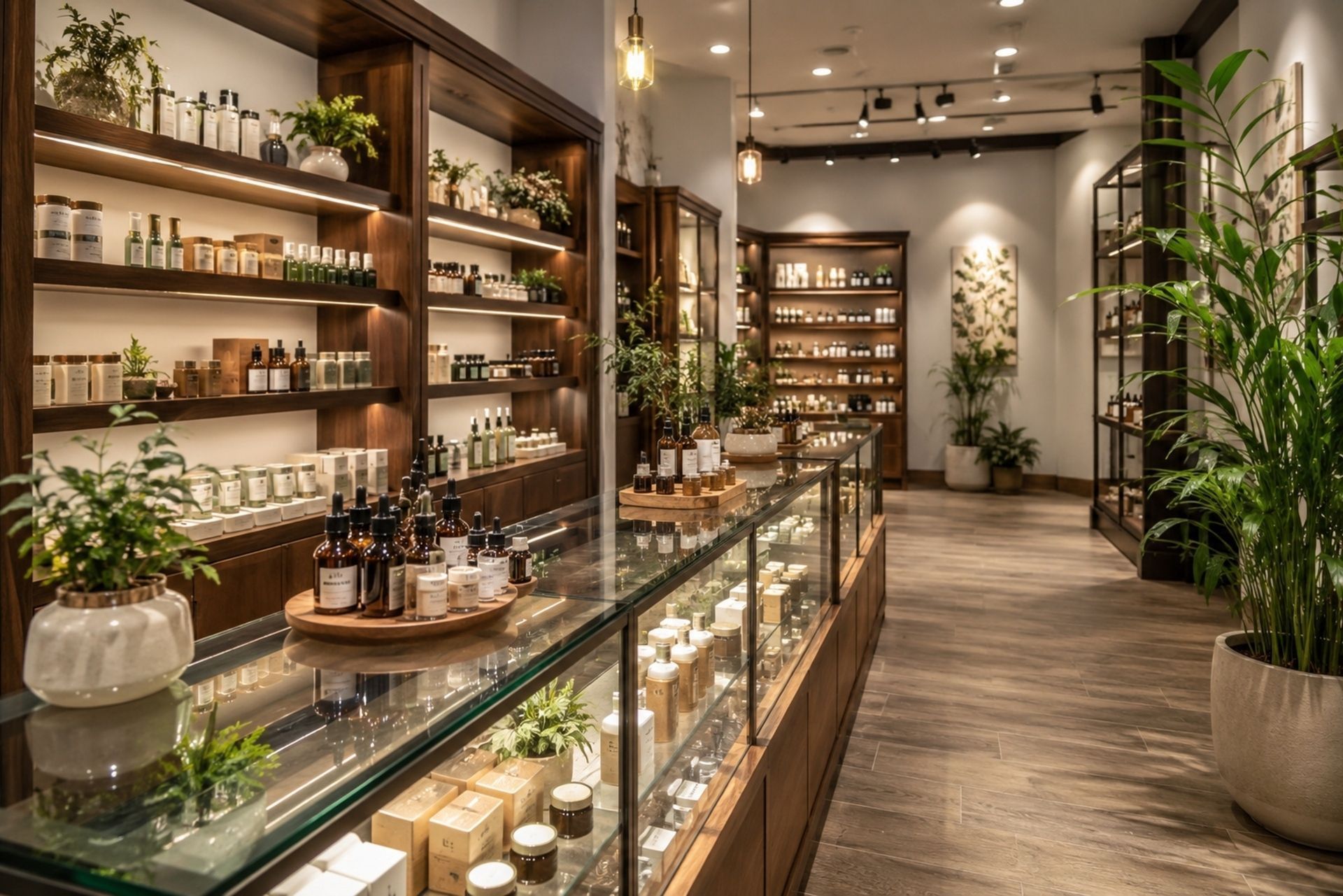
General Liability and Product Liability for CBD Retailers
General liability covers the basics: someone slips in your store, your sign falls on a car, a delivery driver damages property. For CBD retailers, though, product liability is where the real exposure lives. If a customer has an adverse reaction to a CBD product you sold, or if a product is later found to contain contaminants or mislabeled THC levels, product liability coverage responds to those claims.
Illinois CBD retailers should carry a minimum of $1 million per occurrence in product liability coverage, with $2 million aggregate. Some landlords and wholesale partners require these limits as a condition of doing business. Make sure your policy explicitly names hemp-derived CBD products as covered items: don't assume a generic product liability policy will respond.
Crop and Inventory Insurance for Hemp Cultivators
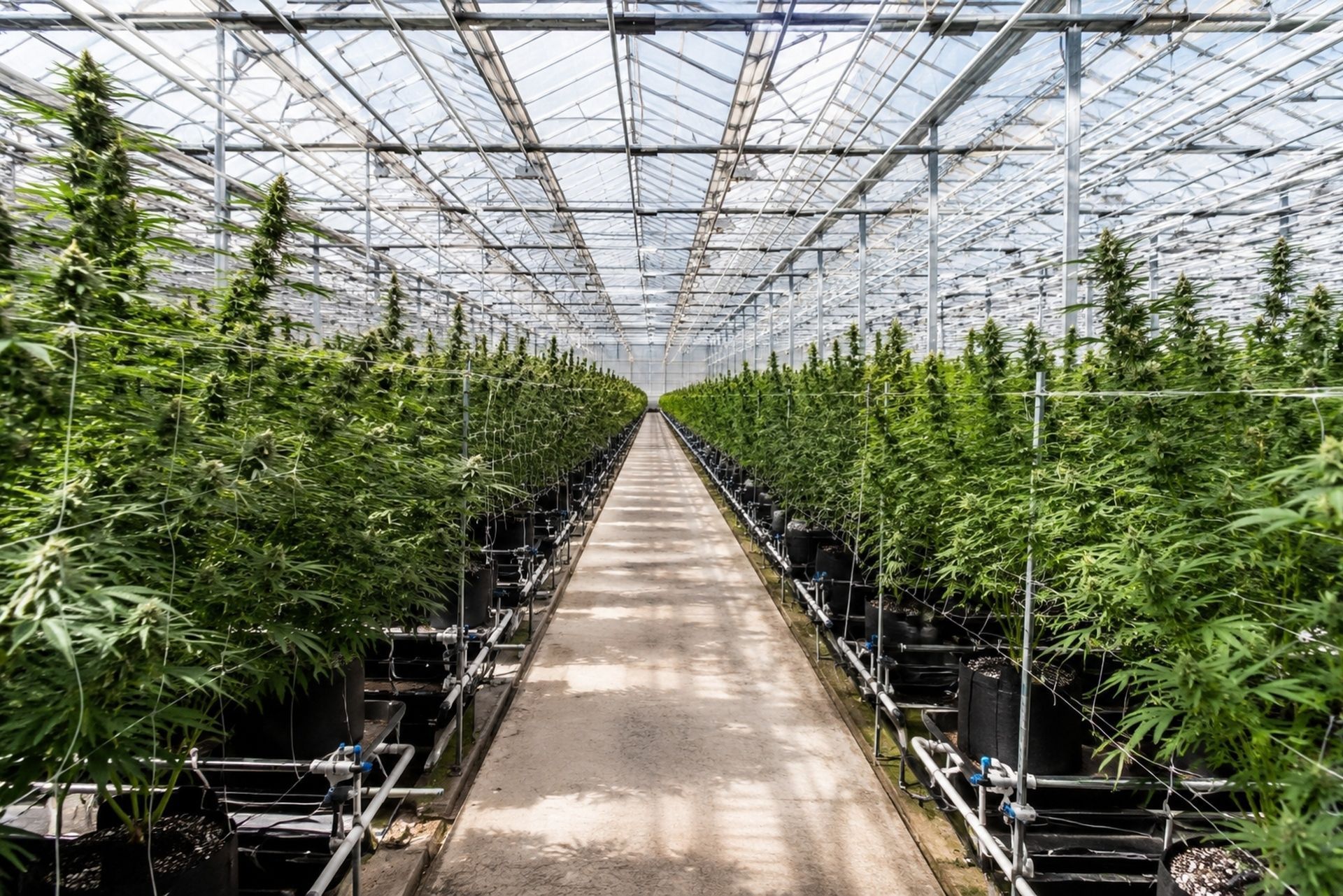
Hemp farming carries all the risks of traditional agriculture: weather, pests, disease. But it adds a unique risk: THC "hot" testing. If your crop tests above 0.3% THC, the USDA requires its destruction. The USDA's Risk Management Agency has expanded crop insurance options for hemp, including Whole-Farm Revenue Protection, but coverage remains limited compared to corn or soybeans.
Illinois growers should also carry inventory insurance for harvested biomass and processed material in storage. A fire or flood destroying a warehouse full of dried hemp flower can represent hundreds of thousands in losses. Standard farm policies rarely cover this without specific endorsements.
Workers' Compensation Requirements in Illinois
Illinois requires workers' compensation coverage for nearly all employers, and hemp businesses are no exception. If you have even one employee, you need a workers' comp policy. The state's requirements apply regardless of industry, and penalties for non-compliance include fines up to $500 per day and potential criminal charges.
Hemp cultivation and processing involve physical labor, equipment operation, and chemical exposure, all of which drive workers' comp claims. Classification codes for hemp workers are still evolving, which means your premium calculation depends heavily on how your broker presents your operations to underwriters.
| Coverage Type | Basic Package | Comprehensive Package |
|---|---|---|
| General Liability | $1M per occurrence | $2M+ per occurrence |
| Property Coverage | Building contents only | Contents + equipment floaters |
| Liquor Liability | $500K limit | $1M-$2M limit |
| Workers' Comp | State minimum | State minimum + employer's liability |
| Event Cancellation | Not included | Per-event or annual policy |
| Cyber Liability | Not included | Covers ticketing data breaches |
| Umbrella/Excess | Not included | $1M-$5M excess layer |
| Hired/Non-Owned Auto | $8,000-$15,000 | $25,000-$60,000+ |
Comparison: Basic vs. Comprehensive Hemp Insurance
| Coverage Element | Basic Package | Comprehensive Package |
|---|---|---|
| General Liability | $1M per occurrence | $2M per occurrence |
| Product Liability | Often excluded or sublimited | Full coverage, CBD-specific endorsement |
| Property/Inventory | Building only | Building + stock + equipment + transit |
| Crop Insurance | None | WFRP or named-peril crop coverage |
| Workers' Comp | State minimum | State minimum + employer's liability |
| Product Recall | Not included | Included with $250K+ limits |
| Cyber Liability | Not included | Included (critical for e-commerce) |
| Estimated Annual Cost | $3,000 - $6,000 | $8,000 - $18,000+ |
The basic package keeps you legal but leaves significant gaps. The comprehensive package protects your actual business. Most operators who've been through a claim will tell you the comprehensive route pays for itself the first time something goes wrong.
Every policy has boundaries. Knowing them up front is how you avoid an uncovered claim. Common exclusions include:
Every policy has boundaries. Knowing them up front is how you avoid an uncovered claim. Common exclusions include:
Every policy has boundaries. Knowing them up front is how you avoid an uncovered claim. Common exclusions include:
General Liability responds to the core exposures most operations in this category face. A typical policy answers third-party claims and the defense costs that come with them, so a single incident doesn't put the business at risk.
Factors Influencing Insurance Costs in Illinois
Insurance pricing for hemp and CBD businesses in Illinois isn't random, but it can feel that way if you don't understand what underwriters are evaluating. Two seemingly similar operations can receive quotes that differ by thousands of dollars based on a handful of variables.
Annual Revenue and Production Volume
Revenue is the primary rating factor for most liability policies. A CBD retailer doing $500,000 in annual sales will pay meaningfully more than one doing $150,000, because higher revenue generally means more customer interactions and more products in circulation. For growers, acreage and projected yield drive crop insurance pricing.
Production volume also affects product liability premiums. A manufacturer producing 10,000 units per month has more exposure than one producing 1,000. Underwriters want to know how many products are in the market because each unit represents a potential claim.
Product Testing Protocols and COA Verification
Here's where diligent operators can actually save money. Businesses that maintain rigorous third-party testing protocols and keep certificates of analysis on file for every batch demonstrate lower risk to underwriters. If you can show that every product you sell has been tested for potency, pesticides, heavy metals, and residual solvents, you're telling the carrier you take quality control seriously.
GrayStone Insurance Group's brokers, who average 20 years of experience in specialty markets, often advise clients to invest in testing infrastructure specifically because it pays dividends on insurance costs. A $5,000 annual investment in comprehensive testing can reduce premiums by 10-15%.
A small club (under 300 capacity) in Georgia typically pays between $8,000 and $15,000 annually for a package including general liability, liquor liability, and property coverage. Workers' comp adds another $2,000-$6,000 depending on payroll size. Per-event coverage for one-off shows runs $188-$280 per day.
How much does insurance usually cost for a small club?
Compliance and Risk Management for IL Operators
Insurance and compliance are two sides of the same coin for Illinois hemp businesses. Carriers want to see that you're operating within the rules, and regulators want to see that you're insured. Falling short on either front creates compounding problems.
Maintaining Records for Illinois Department of Agriculture Audits
The IDOA can audit licensed hemp operations at any time, and Illinois has been actively updating its hemp policies to align with federal standards. You need to maintain planting reports, harvest records, testing results, and disposal documentation for at least three years. Missing records during an audit can trigger license suspension, which in turn voids most insurance policies.
Keep digital backups of everything. A cloud-based record management system costs almost nothing and eliminates the risk of losing critical documents to fire, flood, or simple disorganization.
Labeling Requirements and Avoiding FDA Scrutiny
The FDA continues to scrutinize CBD product labeling, particularly health claims. Illinois operators selling ingestible CBD products need to ensure labels don't make therapeutic claims, accurately reflect CBD content, and include required disclaimers. Mislabeled products create both regulatory liability and insurance exposure.
Product liability claims often originate from labeling discrepancies. If your label says 1,000mg of CBD and testing shows 400mg, that's a fraud claim waiting to happen. Accurate labeling isn't just good practice: it's a risk management strategy that directly affects your insurability.
Every policy has boundaries. Knowing them up front is how you avoid an uncovered claim. Common exclusions include:
Every policy has boundaries. Knowing them up front is how you avoid an uncovered claim. Common exclusions include:
Every policy has boundaries. Knowing them up front is how you avoid an uncovered claim. Common exclusions include:
General Liability responds to the core exposures most operations in this category face. A typical policy answers third-party claims and the defense costs that come with them, so a single incident doesn't put the business at risk.
Frequently Asked Questions About CBD Insurance
Do I need insurance just to sell CBD products at a farmers market in Illinois? Yes. Even occasional retail sales create product liability exposure. Many market organizers now require vendors to carry at least $1 million in general liability coverage.
Can I bundle my hemp farm insurance with my existing agricultural policy? Sometimes, but most standard ag policies exclude hemp. You'll likely need a separate policy or a specific hemp endorsement added to your farm package.
What happens to my insurance if my crop tests hot? Most crop insurance policies cover the loss of a crop that tests above 0.3% THC and must be destroyed, but you need to confirm this is explicitly stated in your policy. Not all policies include this.
Will my insurance cover me if the FDA takes enforcement action? Standard liability policies don't cover regulatory fines or penalties. You'd need a specific regulatory defense coverage endorsement, which some specialty carriers offer.
How quickly can I get a quote for my Illinois CBD business? With a specialty broker, expect 5-10 business days for a bindable quote. General-market agents may take weeks and still come back empty-handed.
Every policy has boundaries. Knowing them up front is how you avoid an uncovered claim. Common exclusions include:
Every policy has boundaries. Knowing them up front is how you avoid an uncovered claim. Common exclusions include:
Every policy has boundaries. Knowing them up front is how you avoid an uncovered claim. Common exclusions include:
General Liability responds to the core exposures most operations in this category face. A typical policy answers third-party claims and the defense costs that come with them, so a single incident doesn't put the business at risk.
The Bottom Line for Your Illinois Hemp Business
Insurance for CBD and hemp businesses in Illinois requires more thought than most operators give it. The gap between what standard carriers offer and what this industry actually needs is wide, and that gap is where businesses get hurt. Prioritize product liability coverage, maintain clean testing records, and work with a broker who genuinely understands hemp-specific risks.
If your current agent hesitates when you mention CBD or hemp, that's your signal to find someone who specializes in this space. GrayStone Insurance Group works with Illinois operators across the hemp supply chain, from cultivation through retail, placing coverage that standard agencies can't. Reach out for a consultation before your next policy renewal: the cost of being underinsured is always higher than the cost of getting it right.
ABOUT THE AUTHOR:
CHAD KRAMER
I started GrayStone Insurance Group in 2018 with a simple conviction: the businesses everyone else turns away deserve a broker who won't. What began as a one-person operation has grown into a specialty commercial brokerage with offices across the country — but the mission hasn't changed. We find solutions for high-risk and hard-to-place businesses when other agencies run the other way.
I built this agency on integrity, hard work, and the tenacity to do the hard things well. Through our access to Excess & Surplus and specialty markets, my team and I place coverage standard carriers can't — and I treat every client's business like my own.
If you've been declined, non-renewed, or told your business is too complicated to insure, let's talk.
Coverages & policies
Plain-language coverage, expertly placed.
We lead with commercial lines and round out personal coverage where you need it. Every policy comes with an explanation — not jargon.

Contractors
Third-party bodily injury & property damage — the foundation for any operation.

Liquor Liability
Critical for bars, restaurants and venues serving alcohol — including A&B.

Commercial Property
Buildings, contents and equipment — including distressed and vacant risk.

Workers' Compensation
Statutory coverage for your crew — including high-mod and high-hazard classes.

Commercial Umbrella
Extra liability limits over your primary policies — essential for high-exposure risk.
Products Liability
Manufacturers, CBD and consumer-product exposure — including imports.
What clients say
Brokers who actually place it.
FAQ
Answers for the risks others won't cover
Getting declined, non-renewed, or told your business is "too high-risk" is frustrating — but it doesn't mean you're out of options. Here are answers to the questions we hear most from business owners who need coverage the standard market won't provide.
What kind of insurance does GrayStone specialize in?
We're a specialty commercial brokerage built for high-risk and hard-to-place businesses — the risks standard carriers often turn away. Through our access to Excess & Surplus (E&S) and specialty markets, we place coverage that everyday agencies can't. Hospitality and construction are among our deepest areas of expertise.
My business was declined or non-renewed elsewhere. Can you still help?
That's exactly what we do. A decline, a non-renewal, or a tough claims history doesn't mean you're out of options — it means your risk needs a broker with the right market access. Tell us your situation and we'll get to work finding a fit.
What is Excess & Surplus (E&S) insurance?
E&S is specialty coverage for risks that standard "admitted" carriers won't write — often because a business is higher-risk, unusual, or has a complex history. As an independent broker, we tap into these specialty markets to place coverage where a typical agency hits a dead end.
What industries do you work with?
We cover a wide range of commercial industries — from restaurants, bars, and hospitality to contractors, trucking, manufacturing, cannabis, and more. If your industry is considered high-risk or hard-to-place, there's a good chance we've handled it.
Will you work with businesses that have prior claims or losses?
Yes. Prior claims and losses are part of many of the risks we place every day. Every business is evaluated on its own merits — and a rocky history is often exactly why a specialty broker can help where others won't.
Are you an independent broker?
Yes. We're not tied to a single carrier, so we shop your risk across multiple specialty and E&S markets to find coverage that actually fits — instead of forcing you into a one-size-fits-all policy.
Insights & resources
Know your risk before you buy.