
General Liability responds to the core exposures most operations in this category face. A typical policy answers third-party claims and the defense costs that come with them, so a single incident doesn't put the business at risk.
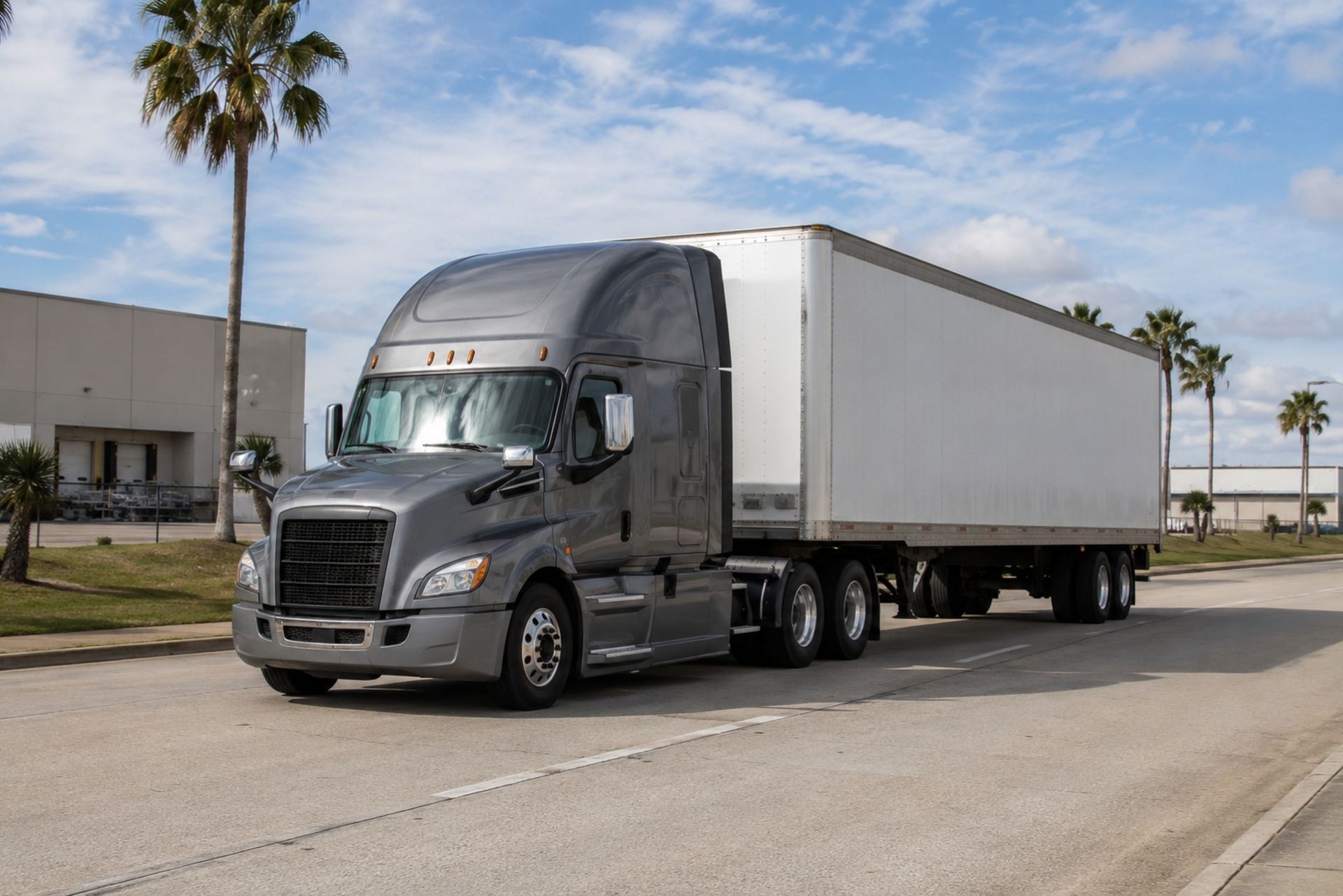
Running a trucking operation out of Corpus Christi puts you in one of the most active freight corridors in the state. Between port traffic, petrochemical hauls, and the constant threat of Gulf Coast weather, your risk profile looks nothing like a carrier based in Dallas or Amarillo. The average annual premium for a single-unit owner-operator in the Coastal Bend area ranges between $13,500 and $19,000, and that number can climb fast depending on cargo type, radius, and loss history. If you're shopping for commercial trucking insurance in Corpus Christi, TX, understanding local coverage requirements and the specific challenges operators face here isn't optional: it's what separates a well-protected fleet from one bad claim away from closing its doors.
This isn't a market where cookie-cutter policies work. Coastal exposure, heavy industrial freight, and Texas-specific regulatory layers create a combination that demands specialized attention. Whether you're a single-truck owner-operator hauling oilfield equipment or managing a fleet of 20 rigs running containers from the port, the stakes are high and the details matter. Here's what you actually need to know.
Navigating the Corpus Christi Commercial Trucking Landscape
Corpus Christi sits at the intersection of energy, agriculture, and international trade. The city's economy is deeply tied to industries that generate heavy freight: crude oil, refined petroleum products, grain, and steel. That means the trucks running in and around the Coastal Bend aren't hauling lightweight consumer goods. They're moving hazardous materials, oversized loads, and high-value cargo, all of which carry elevated insurance risk.
The trucking market here reflects that reality. Underwriters scrutinize Corpus Christi operations more closely than carriers in lower-risk Texas metros. Your proximity to industrial zones, the types of commodities you haul, and your exposure to coastal weather all factor into how insurers price your policy. Agencies like GrayStone Insurance Group, which specialize in hard-to-place commercial risks, often find that Corpus Christi truckers benefit from brokers who understand these local variables rather than relying on generic national quoting platforms.
The Impact of Port of Corpus Christi Activity on Risk
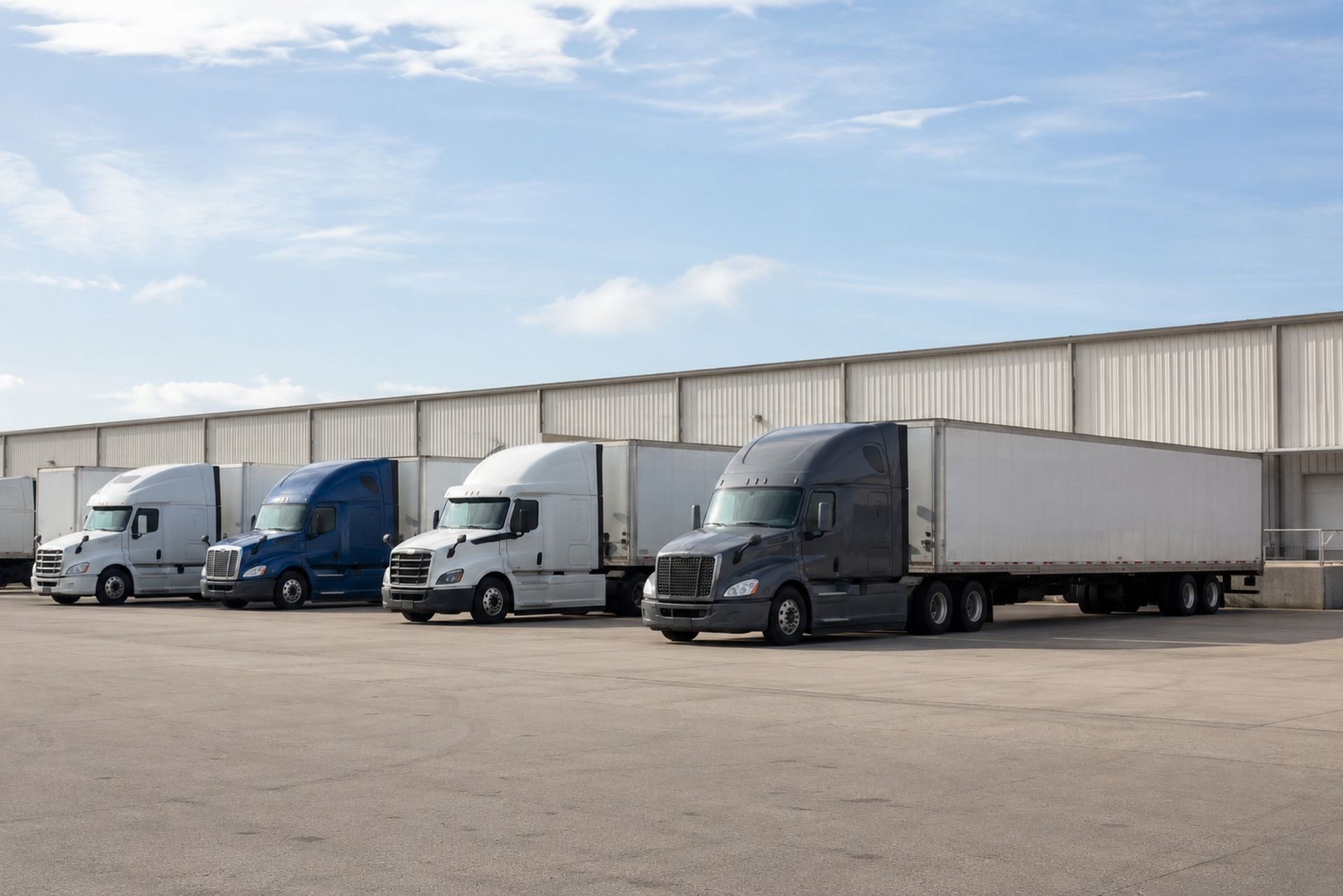
The Port of Corpus Christi is the third-largest port in the United States by total tonnage, and its expansion over the past decade has reshaped the local trucking market. More tonnage means more trucks, more congestion around port access roads, and more exposure to loading and unloading incidents. Carriers operating drayage routes between the port and nearby rail yards or storage facilities face a unique set of risks: tight turning radiuses, heavy container loads, and frequent interaction with port infrastructure.
Insurers pay attention to port proximity. If your primary operations involve port drayage, expect your liability premiums to reflect the higher accident frequency associated with these routes. Claims involving container damage, chassis failures, and third-party property damage at port terminals are common and can be expensive.
Unique Coastal Hazards: Weather and Corrosion Concerns
Hurricane season runs from June through November, and Corpus Christi has been hit hard before. Hurricane Harvey in 2017 caused billions in damage across the Texas coast, and the National Hurricane Center tracks the Gulf Coast as one of the most hurricane-prone regions in the country. A single named storm can destroy parked equipment, flood terminals, and shut down operations for weeks.
Beyond hurricanes, the salt air itself is a problem. Coastal corrosion accelerates wear on trailers, chassis, and truck bodies, which affects physical damage valuations and can lead to maintenance-related claims. Insurers may require higher comprehensive deductibles or exclude certain weather events if your fleet is stored in flood-prone areas without mitigation plans.
INDEX
GrayStone Insurance Group is fully licensed and permitted to provide specialty commercial insurance solutions for high-risk and hard-to-place businesses across 17 states.
We proudly serve high-risk and hard-to-place businesses from coast to coast. As an independent specialty brokerage, our team works with leading Excess & Surplus and specialty carriers to make sure restaurants, bars, contractors, trucking companies, manufacturers, and other hard-to-place operations receive coverage that fits their real risks in California, Colorado, Florida, Georgia, Illinois, Iowa, Maryland, Michigan, Missouri, Nevada, New York, North Carolina, South Carolina, Tennessee, Texas, Utah, and Washington.
Every policy has boundaries. Knowing them up front is how you avoid an uncovered claim. Common exclusions include:
Every policy has boundaries. Knowing them up front is how you avoid an uncovered claim. Common exclusions include:
Every policy has boundaries. Knowing them up front is how you avoid an uncovered claim. Common exclusions include:
General Liability responds to the core exposures most operations in this category face. A typical policy answers third-party claims and the defense costs that come with them, so a single incident doesn't put the business at risk.
If your firm provides any design, engineering, or consulting services alongside construction, you need both. A GL policy won't cover a claim alleging your design specifications caused a building envelope failure. That's a professional liability exposure, and it's one of the fastest-growing claim categories in construction.
Texas State Requirements for Commercial Carriers
Texas has its own regulatory framework for commercial trucking, and it doesn't always align neatly with federal requirements. Understanding which authority governs your operation is the first step toward staying compliant and properly insured.
TxDMV vs. FMCSA: Understanding Authority and Filings
If you operate exclusively within Texas, the Texas Department of Motor Vehicles handles your registration and insurance filings. Intrastate carriers must file Form E with the TxDMV, proving they carry the required minimum liability coverage. Interstate carriers, on the other hand, fall under the Federal Motor Carrier Safety Administration and must maintain a BMC-91 or BMC-34 filing depending on whether they're using a surety bond or insurance policy.
Here's where operators get tripped up: even if you primarily run intrastate routes, a single load crossing into Louisiana or Oklahoma triggers federal requirements. That one cross-border trip means you need FMCSA authority, a USDOT number, and federal-level insurance filings. Many Corpus Christi operators don't realize this until they're flagged during an audit.
Minimum Liability Limits for Intrastate Operations
Texas requires a minimum of $500,000 in liability coverage for most intrastate commercial carriers. Carriers hauling hazardous materials need at least $1 million, and some hazmat classifications push that to $5 million. These minimums are exactly that: minimums. Most experienced operators carry $1 million in liability regardless of cargo type because a single serious accident on I-37 or the Harbor Bridge approach can easily exceed a $500,000 policy limit.
One thing to keep in mind: Texas courts are plaintiff-friendly in trucking accident cases. Jury verdicts in commercial vehicle accidents have been trending upward, with nuclear verdicts exceeding $10 million becoming more common across the state. Carrying minimum limits is a gamble most operators can't afford.
Essential Coverage Types for Coastal Operators
A liability-only policy won't cut it for most Corpus Christi trucking operations. The combination of high-value cargo, coastal weather exposure, and industrial freight demands a layered coverage approach.
Primary Liability and Physical Damage
Primary liability covers bodily injury and property damage you cause to others. Physical damage covers your own trucks and trailers against collision, theft, fire, and weather events. For coastal operators, the physical damage component deserves extra attention. Make sure your policy covers flood and wind damage without excessive sublimits. Some insurers cap weather-related physical damage payouts at levels that won't come close to replacing a $180,000 truck.
If you're financing equipment, your lender will require physical damage coverage with them listed as loss payee. But even if you own your trucks outright, skipping physical damage to save on premiums is risky in a hurricane zone.
Motor Truck Cargo and Pollution Liability
Cargo insurance protects the freight you're hauling if it's damaged, destroyed, or stolen in transit. Standard cargo policies typically cover $100,000 per occurrence, but petrochemical and energy-related loads often require $250,000 or more. If you're hauling crude oil, refined fuels, or chemical products out of the port area, pollution liability is non-negotiable. A spill on a public roadway triggers environmental cleanup costs that can reach six figures before the EPA even gets involved.
GrayStone Insurance Group frequently works with Corpus Christi operators who need pollution liability paired with motor truck cargo coverage, a combination that many standard carriers won't write on a single policy. Specialized brokers can bundle these coverages through surplus lines markets that understand the energy corridor.
Every policy has boundaries. Knowing them up front is how you avoid an uncovered claim. Common exclusions include:
Every policy has boundaries. Knowing them up front is how you avoid an uncovered claim. Common exclusions include:
Every policy has boundaries. Knowing them up front is how you avoid an uncovered claim. Common exclusions include:
General Liability responds to the core exposures most operations in this category face. A typical policy answers third-party claims and the defense costs that come with them, so a single incident doesn't put the business at risk.
Comparison of Standard vs. Specialized Coverage
Not all policies are built the same. The difference between a general commercial auto policy and one designed for professional logistics operations can mean the difference between a covered claim and a denial letter.
Table: General Liability vs. Professional Liability for Logistics
| Coverage Feature | Standard General Liability | Professional Liability for Logistics |
|---|---|---|
| Bodily injury/property damage | Covered | Covered |
| Cargo loss or damage | Not included | Included or available as endorsement |
| Errors in shipping/dispatch | Not included | Covered |
| Pollution/environmental cleanup | Excluded or sublimited | Available with full limits |
| Contractual liability | Limited | Broad form available |
| Broker/freight forwarder errors | Not applicable | Covered |
| Typical annual cost (single unit) | $4,000 - $7,000 | $8,000 - $15,000 |
The professional logistics policy costs more, but it fills gaps that general liability leaves wide open. If you're operating as both a carrier and a broker, or if you dispatch loads for other operators, professional liability is essential.
What happens if a show gets canceled last minute?
Standard policies don't cover event cancellation. If a headliner cancels, severe weather shuts you down, or a power outage kills the show, you're absorbing the full financial loss unless you have a dedicated event cancellation policy. These policies typically cover lost ticket revenue, non-refundable deposits, and marketing expenses. For venues that rely on ticket sales as a primary revenue stream, this coverage pays for itself the first time you need it.
Common Questions from Corpus Christi Truckers
FAQ: Conversational Answers for New Business Owners
Do I need a separate policy for each truck in my fleet? No. Most commercial trucking policies cover multiple units under a single fleet policy. You'll list each vehicle on the policy schedule, and premiums are calculated per unit based on vehicle type, value, and use.
Can I get insurance if I have a bad driving record or prior claims? Yes, though your options narrow. Agencies specializing in high-risk placements, like GrayStone Insurance Group, work with surplus lines carriers willing to write policies for operators with loss history or MVR issues. Expect higher premiums and potentially higher deductibles.
Does my policy cover me if I cross into Mexico? Standard U.S. commercial auto policies do not cover operations in Mexico. If you're running loads across the border through Laredo or other crossings, you'll need a separate Mexican trucking insurance policy. These are typically written as short-term or annual policies through specialized markets.
What happens to my coverage during a hurricane? Your policy remains active, but some carriers impose waiting periods or deductible increases for named storms. Review your policy's wind and flood provisions before hurricane season starts. If your trucks are parked in a FEMA-designated flood zone, you may face coverage restrictions.
How quickly can I get a new policy if I'm just starting out? Most commercial trucking policies can be bound within 48 to 72 hours if your paperwork is in order. You'll need your USDOT number, vehicle information, driver MVRs, and proof of any required filings. Some agencies can expedite same-day binding for urgent situations.
Is bobtail insurance required in Texas? Texas doesn't mandate bobtail coverage, but if you're leased to a motor carrier, their policy only covers you while you're under dispatch. Bobtail or non-trucking liability fills the gap when you're driving your truck for personal use or deadheading without a load.
Every policy has boundaries. Knowing them up front is how you avoid an uncovered claim. Common exclusions include:
Every policy has boundaries. Knowing them up front is how you avoid an uncovered claim. Common exclusions include:
Every policy has boundaries. Knowing them up front is how you avoid an uncovered claim. Common exclusions include:
General Liability responds to the core exposures most operations in this category face. A typical policy answers third-party claims and the defense costs that come with them, so a single incident doesn't put the business at risk.
The Bottom Line: Protecting Your Fleet in the Coastal Bend
Operating commercial trucks in Corpus Christi means dealing with risks that most inland carriers never think about. Salt air corrodes your equipment. Hurricanes threaten your entire fleet. Port congestion increases your accident exposure. And Texas jury verdicts can turn a fender bender into a seven-figure liability.
The right insurance program accounts for all of these factors. It pairs adequate liability limits with physical damage coverage built for coastal weather, cargo protection matched to your commodity types, and pollution liability if you're anywhere near the energy sector. Cutting corners on coverage to save a few thousand dollars a year is a decision that looks smart right up until it doesn't.
If you're running trucks in the Coastal Bend and struggling to find coverage that fits your operation, reach out to a broker who knows this market. The difference between a policy that protects you and one that leaves you exposed often comes down to working with people who understand what Corpus Christi operators actually face every day on the road.
ABOUT THE AUTHOR:
CHAD KRAMER
I started GrayStone Insurance Group in 2018 with a simple conviction: the businesses everyone else turns away deserve a broker who won't. What began as a one-person operation has grown into a specialty commercial brokerage with offices across the country — but the mission hasn't changed. We find solutions for high-risk and hard-to-place businesses when other agencies run the other way.
I built this agency on integrity, hard work, and the tenacity to do the hard things well. Through our access to Excess & Surplus and specialty markets, my team and I place coverage standard carriers can't — and I treat every client's business like my own.
If you've been declined, non-renewed, or told your business is too complicated to insure, let's talk.
Coverages & policies
Plain-language coverage, expertly placed.
We lead with commercial lines and round out personal coverage where you need it. Every policy comes with an explanation — not jargon.

Contractors
Third-party bodily injury & property damage — the foundation for any operation.

Liquor Liability
Critical for bars, restaurants and venues serving alcohol — including A&B.

Commercial Property
Buildings, contents and equipment — including distressed and vacant risk.

Workers' Compensation
Statutory coverage for your crew — including high-mod and high-hazard classes.

Commercial Umbrella
Extra liability limits over your primary policies — essential for high-exposure risk.
Products Liability
Manufacturers, CBD and consumer-product exposure — including imports.
What clients say
Brokers who actually place it.
FAQ
Answers for the risks others won't cover
Getting declined, non-renewed, or told your business is "too high-risk" is frustrating — but it doesn't mean you're out of options. Here are answers to the questions we hear most from business owners who need coverage the standard market won't provide.
What kind of insurance does GrayStone specialize in?
We're a specialty commercial brokerage built for high-risk and hard-to-place businesses — the risks standard carriers often turn away. Through our access to Excess & Surplus (E&S) and specialty markets, we place coverage that everyday agencies can't. Hospitality and construction are among our deepest areas of expertise.
My business was declined or non-renewed elsewhere. Can you still help?
That's exactly what we do. A decline, a non-renewal, or a tough claims history doesn't mean you're out of options — it means your risk needs a broker with the right market access. Tell us your situation and we'll get to work finding a fit.
What is Excess & Surplus (E&S) insurance?
E&S is specialty coverage for risks that standard "admitted" carriers won't write — often because a business is higher-risk, unusual, or has a complex history. As an independent broker, we tap into these specialty markets to place coverage where a typical agency hits a dead end.
What industries do you work with?
We cover a wide range of commercial industries — from restaurants, bars, and hospitality to contractors, trucking, manufacturing, cannabis, and more. If your industry is considered high-risk or hard-to-place, there's a good chance we've handled it.
Will you work with businesses that have prior claims or losses?
Yes. Prior claims and losses are part of many of the risks we place every day. Every business is evaluated on its own merits — and a rocky history is often exactly why a specialty broker can help where others won't.
Are you an independent broker?
Yes. We're not tied to a single carrier, so we shop your risk across multiple specialty and E&S markets to find coverage that actually fits — instead of forcing you into a one-size-fits-all policy.
Insights & resources
Know your risk before you buy.