
General Liability responds to the core exposures most operations in this category face. A typical policy answers third-party claims and the defense costs that come with them, so a single incident doesn't put the business at risk.
Picture this: your lab clears a batch of vape cartridges for pesticides, the products hit dispensary shelves, and three weeks later a state audit finds myclobutanil at levels that should have failed the batch. The cultivator loses its entire harvest, the brand pulls product from 40 retailers, and the first call their attorney makes is to you. Testing labs sit at the exact point where regulators, growers, and consumers all expect certainty, and that makes them a target when anything goes wrong.
Cannabis testing laboratory insurance looks different from a typical small business policy for that reason. Your risks include the physical ones, like a fire or a broken instrument. They also include the intellectual ones: a number on a certificate of analysis that turned out to be wrong.
This guide covers professional liability, errors and omissions, equipment protection, pollution exposure, and the factors that drive your premium. It also covers the gaps that tend to surprise lab owners when they file their first serious claim.
Risk Management in the Cannabis Testing Industry
Most lab owners come from analytical chemistry, not insurance, and it shows in how they structure their risk programs. They buy a general liability policy because their landlord requires it, add property coverage for the building contents, and assume they're protected. Then a client sues over a failed potency result, and they learn their policy covers a customer slipping in the lobby but not the core service they sell.
Risk in a testing lab breaks into four buckets, and each one needs its own answer:
- Professional risk: errors in sampling, analysis, reporting, or chain of custody that cause a client financial harm
- Property risk: damage to or breakdown of expensive analytical instruments, plus the income lost while they're down
- Environmental risk: improper handling or disposal of solvents, reagents, and contaminated samples
- Regulatory risk: license suspensions, failed proficiency tests, and audit findings that interrupt operations
The cannabis market adds pressure that a food or environmental testing lab doesn't face. Many states have seen accusations of "lab shopping," where cultivators steer business toward labs that report higher THC numbers. If your results consistently run hot compared to competitors, you may win clients in the short term, but you also build a pattern that plaintiffs' attorneys and regulators can point to later.
Insurance alone won't fix weak operations. Underwriters want to see ISO/IEC 17025 accreditation, documented SOPs, proficiency testing records, and a clean history with your state regulator. Those records shape both whether a carrier will write your policy and what it costs. Treat your quality management system as part of your insurance strategy, because underwriters certainly do.

INDEX
Risk Management in the Cannabis Testing Industry
Professional Liability and E&O: Protecting Your Expertise
Comparing Professional vs. General Liability Coverage
Insuring High-Value Laboratory Equipment and Technology
Pollution Liability and Environmental Compliance
Factors That Influence Your Annual Insurance Premiums
GrayStone Insurance Group is fully licensed and permitted to provide specialty commercial insurance solutions for high-risk and hard-to-place businesses across 17 states.
We proudly serve high-risk and hard-to-place businesses from coast to coast. As an independent specialty brokerage, our team works with leading Excess & Surplus and specialty carriers to make sure restaurants, bars, contractors, trucking companies, manufacturers, and other hard-to-place operations receive coverage that fits their real risks in California, Colorado, Florida, Georgia, Illinois, Iowa, Maryland, Michigan, Missouri, Nevada, New York, North Carolina, South Carolina, Tennessee, Texas, Utah, and Washington.
Every policy has boundaries. Knowing them up front is how you avoid an uncovered claim. Common exclusions include:
Every policy has boundaries. Knowing them up front is how you avoid an uncovered claim. Common exclusions include:
Every policy has boundaries. Knowing them up front is how you avoid an uncovered claim. Common exclusions include:
General Liability responds to the core exposures most operations in this category face. A typical policy answers third-party claims and the defense costs that come with them, so a single incident doesn't put the business at risk.
If your firm provides any design, engineering, or consulting services alongside construction, you need both. A GL policy won't cover a claim alleging your design specifications caused a building envelope failure. That's a professional liability exposure, and it's one of the fastest-growing claim categories in construction.
| Coverage Area | Standard Garage Policy | Motorsports-Specific Package |
|---|---|---|
| Test Ride Liability | Often excluded or limited | Included with defined protocols |
| Open Lot Coverage | Minimal or excluded | Full inventory protection |
| Off-Road Vehicle Liability | Typically excluded | Covered for ATVs, UTVs, dirt bikes |
| Seasonal Inventory Fluctuation | Fixed limits year-round | Adjustable limits by season |
| Demo/Loaner Coverage | Rarely included | Available as standard endorsement |
| Parts & Accessories Inventory | Low sublimits | Higher limits reflecting actual value |
Professional Liability and E&O: Protecting Your Expertise
Professional liability and errors and omissions (E&O) coverage are essentially the same product under two names. Both respond when a client claims your professional work caused them financial loss. For a testing lab, that work is the certificate of analysis, and the loss is usually measured in destroyed inventory, recalled product, or missed sales.
This coverage is the center of any serious insurance program for a cannabis lab. Most policies are written on a claims-made basis, so the policy in force when the claim is filed responds, not the one in force when the test was run. That detail matters more than people think. If you switch carriers or let coverage lapse, you can lose protection for years of past work unless you secure prior acts coverage or an extended reporting period, often called tail coverage.
The High Cost of Inaccurate Potency or Purity Results
Inaccurate results cause harm in both directions, and both can lead to claims.
A false fail hurts your client directly. Say your lab flags a 50-pound flower batch for microbial contamination, and the cultivator destroys it per state rules. A retest at another lab later suggests your result came from contamination during sample handling. That client now has a documented loss and a clear target.
A false pass hurts a wider circle. If contaminated product reaches consumers, the brand faces recalls, retailer chargebacks, and possibly bodily injury suits. The brand and its insurer will then look for someone to share the bill, and the lab that signed off on the batch is an obvious candidate. Potency errors carry their own exposure: inflated THC numbers can feed consumer class actions alleging deceptive labeling, with your COA cited as the source.
Common claim triggers we see in the lab space include:
- Sample mix-ups or mislabeling during intake
- Instrument calibration drift that went unnoticed
- Data entry errors when transferring results into state track-and-trace systems
- Missed action limits for pesticides, heavy metals, or residual solvents
- Sampling procedures that didn't follow state-mandated protocols
Defense Costs and Legal Protection Against Product Recalls
Even a claim you'd ultimately win can cost tens of thousands of dollars to defend, so the structure of defense coverage deserves close attention. Some E&O policies pay defense costs outside your limit of liability. Others use "defense within limits," sometimes called an eroding or burning limits policy, where every dollar spent on attorneys reduces what's left to pay a settlement.
With a $1 million eroding limit, a long expert-heavy case could consume half your coverage before settlement talks even begin. Ask your broker directly which structure your quote uses.
Recall exposure needs separate thinking. E&O typically covers your liability when a client sues you over a recall. It generally won't cover your own costs, and it won't replace the client's need for product recall insurance on their side. Look for policies that cover regulatory proceedings too, since a state cannabis agency investigation can generate serious legal bills before any lawsuit exists. Also review the consent-to-settle clause: some policies let the insurer settle without your approval, which can matter if you want to defend your lab's reputation in court rather than pay out.
The 2026 market has seen property catastrophe rates drop 14.7% in early renewals, which is good news for builders risk. But excess liability premiums have moved sharply in the other direction, with hikes ranging from 7% to well above that depending on the risk profile. Getting the right stack of coverage at the right price requires more than just calling your local agent.
Comparing Professional vs. General Liability Coverage
The single most common mistake we see in this industry is a lab owner assuming general liability covers testing errors. It almost never does, and the courts have made the line clearer recently.
A 2026 legal decision, Palomar v. Cresco Labs, held that general liability insurance may only cover bodily injury or property damage, not economic losses arising from deceptive marketing or inaccurate lab claims. That's a direct warning for testing labs. When a client's complaint is "your bad number cost us money," you're dealing with economic loss, which is E&O territory.
Here's how the two coverages typically split:
| Situation | General Liability | Professional Liability / E&O |
|---|---|---|
| Courier trips on a cord at your intake desk | Covered | Not covered |
| Client loses a harvest after a false fail | Usually excluded | Covered |
| Inflated potency result leads to a labeling lawsuit | Usually excluded | Covered |
| Your technician damages a client's property on-site during sampling | Covered | Not covered |
| State regulator investigates your testing methods | Not covered | Often covered (check the policy) |
| Advertising injury, like disparaging a competitor | Often covered | Not covered |
| Typical trigger | Occurrence-based | Claims-made |
General liability still matters. Field technicians visit cultivation sites, couriers come and go, and your lease almost certainly requires it. Many labs carry limits around $1 million per occurrence and $2 million aggregate to satisfy landlord and client contract requirements, but confirm what your specific contracts demand.
Watch for overlap gaps, especially the "professional services exclusion" in most GL forms. It strips out anything arising from your expert work. If your E&O policy then excludes bodily injury, you could end up with a scenario where a contaminated product injures a consumer and neither policy wants to respond. A good broker reviews both forms side by side to close that seam.
Every policy has boundaries. Knowing them up front is how you avoid an uncovered claim. Common exclusions include:
Every policy has boundaries. Knowing them up front is how you avoid an uncovered claim. Common exclusions include:
Every policy has boundaries. Knowing them up front is how you avoid an uncovered claim. Common exclusions include:
General Liability responds to the core exposures most operations in this category face. A typical policy answers third-party claims and the defense costs that come with them, so a single incident doesn't put the business at risk.
How GrayStone Specialized Programs Bridge the Gap
GrayStone Insurance Group has built specific programs for contractors that standard carriers won't write. With brokers averaging 20 years of experience in hard-to-place commercial lines, the approach is different from what you'll get at a generalist agency. Rather than trying to fit tree care into a standard contractor program, GrayStone works with surplus lines carriers and specialty markets that actually understand arborist operations.
Insuring High-Value Laboratory Equipment and Technology
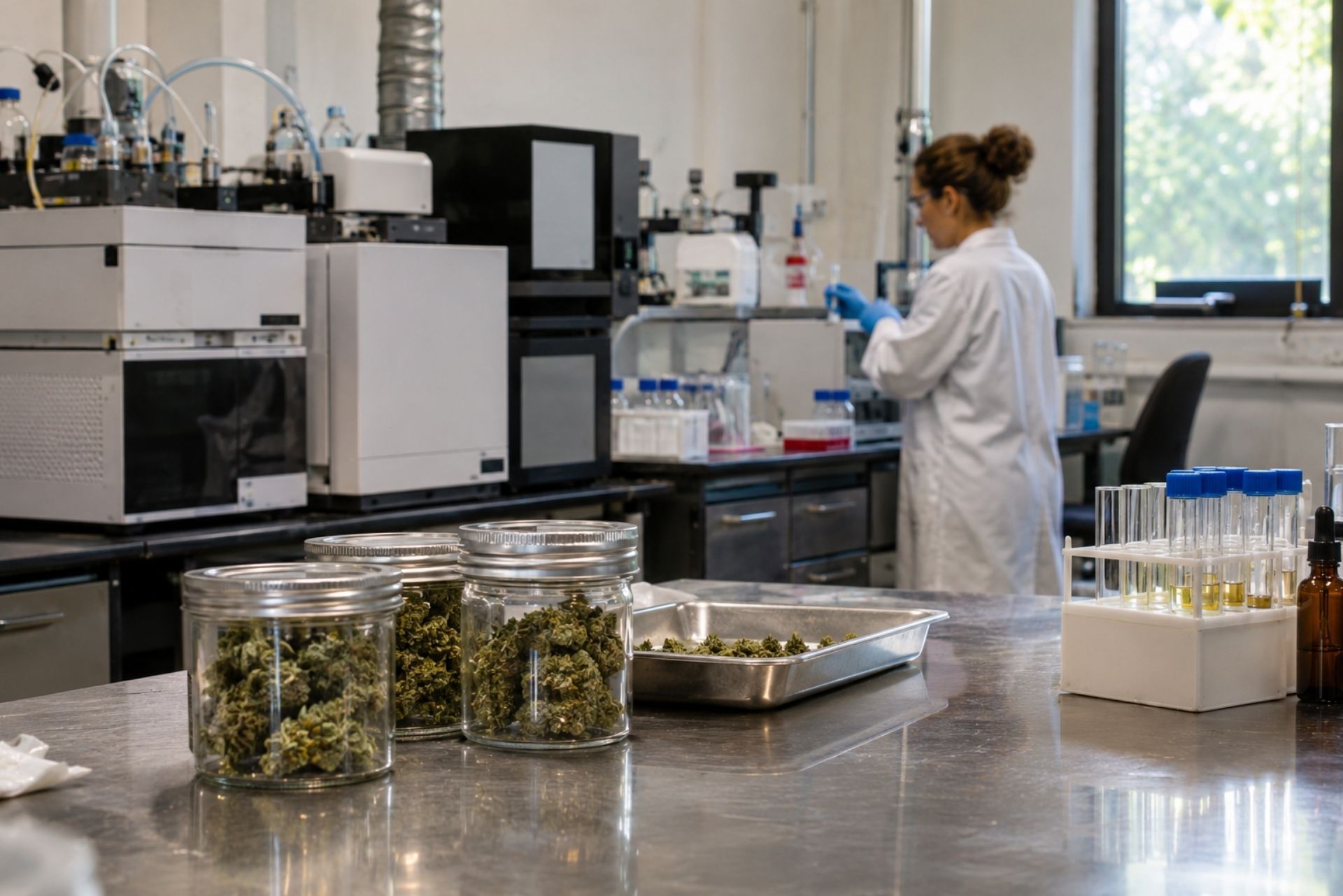
A mid-sized cannabis lab can easily hold a seven-figure investment in instruments packed into a few thousand square feet. Liquid chromatography systems, gas chromatographs, mass spectrometers, ICP-MS units for heavy metals, and qPCR machines for microbial testing all sit in one space, often in a commercial building not designed for that density of sensitive equipment.
Standard commercial property policies were built for offices and retail stores. They cover fire, theft, and certain weather damage reasonably well. They tend to perform poorly when an instrument fails from an electrical surge, an HVAC malfunction, or an internal mechanical breakdown, and those are the losses labs actually experience.
Coverage for Mass Spectrometers and Sensitive Hardware
Start with valuation. Insist on replacement cost coverage rather than actual cash value. An actual cash value policy subtracts depreciation, so a five-year-old triple quad mass spec might be valued at a fraction of what a replacement costs today. You'd receive a check that buys you nothing useful, and you'd be shopping for financing in the middle of a shutdown.
A few other points to check when insuring analytical hardware:
- Scheduled vs. blanket limits: Scheduling each major instrument with its serial number and value avoids arguments during a claim.
- Software and data: Instrument control software, LIMS databases, and validated methods can take weeks to rebuild. Confirm they're covered.
- Mobile equipment: If technicians carry sampling kits, portable scales, or field instruments to client sites, an inland marine policy covers gear in transit or off-premises, which a building property policy often won't.
- Upgrades: Update your schedule whenever you add or replace instruments. Underinsurance triggers coinsurance penalties that reduce your payout.
Business Interruption and Equipment Breakdown Riders
Equipment breakdown coverage, sometimes called boiler and machinery, fills the gap property policies leave. It responds to mechanical failure, electrical arcing, motor burnout, and power surges. For a lab whose instruments depend on stable power and precise environmental controls, this endorsement is one of the most valuable add-ons you can buy.
The bigger financial hit often comes after the repair. If your only ICP-MS goes down, you can't run heavy metals panels, which means you can't issue complete compliance results, which means clients send samples elsewhere. Business interruption coverage replaces lost income and pays continuing expenses like payroll and rent during the restoration period.
Pay attention to the waiting period, usually expressed in hours, and to extra expense coverage. Extra expense can pay to rent a replacement instrument or subcontract tests to a partner lab, which keeps clients from leaving permanently. Ask whether your policy includes contingent business interruption too, since a supplier failure, like a shortage of certified reference standards, can idle you as effectively as a broken machine.
Why does my insurance keep going up even though I haven't had any claims? Claims in the broader construction industry drive rate increases across the board. Even with a clean loss history, you're affected by market-wide trends like nuclear verdicts and increased material costs that inflate claim values.
Can I save money by classifying workers as subcontractors instead of employees? This is one of the most common and dangerous mistakes contractors make. Misclassification can result in audit penalties, uncovered workers' comp claims, and state fines. If a worker is functionally an employee, treat them as one.
What limits should I carry for general liability? Most commercial contracts require $1M per occurrence and $2M aggregate at minimum, with an umbrella policy bringing total limits to $5M or more. Your specific needs depend on project size and contract requirements.
Do I need a separate policy for each project? Not usually. A practice policy covers all your operations, though large projects may require project-specific coverage or wrap-ups. Your broker should review each contract to determine what's needed.
What happens if my subcontractor's insurance lapses mid-project? You're exposed. Your policy may respond, but you'll likely face a deductible and potential premium increase. Continuous certificate tracking is essential, and many contractors now use automated verification platforms.
How long does completed operations coverage last? Typically tied to your policy period, but statutes of repose vary by state: some allow construction defect claims up to 10 years after completion. Make sure your coverage extends long enough to match your state's statute.
When admitted carriers decline your application, the surplus lines market becomes your path to coverage. Surplus lines insurers aren't bound by the same rate and form regulations as admitted carriers, giving them flexibility to write policies for unusual or high-hazard risks. The U.S. surplus lines market has grown substantially as more businesses find themselves unable to secure standard market coverage.
Working with a broker who has established surplus lines relationships is critical. GrayStone Insurance Group, for example, specializes in placing coverage for hard-to-place contractors through its surplus lines partnerships, using data-driven risk modeling to match operators with the right carrier. Not every surplus lines broker understands construction, so look for one with specific trade experience.
Navigating the Surplus Lines Market
Impact of Claims History on Future Premiums
Your loss history follows you. A single large claim can increase premiums for three to five years, and multiple claims within a short window can make you virtually uninsurable in the standard market. Your experience modification rate (EMR) in workers comp directly reflects your claims history relative to peers in your classification.
The good news: you can improve your EMR over time by reducing claim frequency and severity. Implement return-to-work programs, contest questionable claims, and invest in loss control. Brokers with deep industry knowledge, like those averaging 20+ years of experience at firms such as GrayStone, can help you build a narrative around your risk improvement efforts that resonates with underwriters.
Start with your safety program. Documented training, proper PPE protocols, and a clean claims history are the fastest path to lower premiums. Beyond that, working with a broker who understands risk assessment for specialty construction trades can help you avoid overpaying for coverage you don't need while making sure you're not exposed on the coverages you do.
Bundling your GL, inland marine, and commercial auto with a single carrier or program often yields better pricing than buying each separately. Raising your deductible from $1,000 to $2,500 can also reduce premiums by 10-15% on general liability.
FAQ: How can I lower my insurance costs without losing coverage?
What This Means for Your Business
Concrete finishing is a skilled trade that deserves insurance coverage designed for its actual risks, not a generic contractor policy with half the important coverages stripped out. The difficulty in placing this insurance isn't a reflection of your business: it's a reflection of a market that doesn't understand your trade well enough to price it fairly.
If you're paying too much, carrying policies with critical exclusions, or getting declined altogether, the problem is almost certainly your current broker's market access, not your operation. GrayStone Insurance Group specializes in exactly these hard-to-place risks, connecting concrete contractors with carriers who actually want to write this business.
The right policy protects your equipment, your completed work, your crew, and your reputation. Don't settle for less just because a few carriers said no. Reach out to GrayStone and get a quote built around what your concrete business actually does.
How much does GL insurance cost for a real estate developer? Expect to pay between $15,000 and $75,000 annually for a standard GL policy, depending on project size, location, and construction type. Mixed-use and residential projects in litigation-heavy states will land at the higher end.
How long does it take to place coverage for a new development? Simple projects with experienced developers can be placed in 2-4 weeks. Complex or distressed risks may take 6-8 weeks, especially if surplus lines markets need to be accessed.
What's the most common coverage gap developers miss? Completed operations coverage that extends beyond project completion. Many developers let this lapse after the certificate of occupancy, leaving them exposed to defect claims that surface years later.
Do I need separate pollution coverage? Almost always, yes. Standard GL policies exclude pollution, and brownfield or infill sites carry environmental risk even with clean Phase II reports. A site-specific pollution legal liability policy typically runs $5,000-$15,000 annually.
Can I add my lender as an additional insured? Yes, and your lender will require it. Make sure the additional insured endorsement matches the exact entity name on the loan documents, or you'll face delays at closing.
What happens if my carrier non-renews mid-project? You'll need to find replacement coverage quickly, usually within 30-60 days. This is where having a broker with deep market relationships pays off - a cold submission to unfamiliar carriers during a non-renewal is a tough position.
FAQ: Cost, Timelines, and Coverage Gaps
Do I need separate insurance for each type of vehicle I sell? Not necessarily. A well-structured dealer policy can cover multiple vehicle types under one program, but the policy language needs to specifically include each category: motorcycles, ATVs, UTVs, PWCs, etc. Don't assume a generic "motorsports" label covers everything.
What liability limits should a motorsports dealership carry? Most dealers should carry a minimum of $1 million per occurrence and $2 million aggregate for general liability. If you offer test rides on high-performance vehicles, higher limits or an umbrella policy are worth the investment.
Does my policy cover vehicles in transit? Standard dealer policies often exclude vehicles being transported between locations or from auctions. You'll need inland marine or motor truck cargo coverage to fill this gap, especially if you're moving inventory between multiple locations.
Are demo rides covered under my garage liability? It depends entirely on your policy language. Many standard policies exclude or severely limit demo ride coverage. Make sure your policy explicitly addresses customer test rides and staff demonstrations.
What happens if a customer is injured during a test ride? Your garage liability policy should respond, but only if test ride liability is included. If the customer was riding without a helmet or outside an approved area, coverage disputes can arise. Written test ride agreements help protect your position.
Can I get coverage if I've been non-renewed? Yes, but you'll likely need to work with a surplus lines broker who has access to specialty markets. A non-renewal isn't the end of the road, though it will require more effort and potentially higher premiums initially.
FAQ: Coverage Limits and Requirements
Workers' Compensation for High-Climbing Crews
Workers' comp for tree climbers is one of the most difficult placements in the industry. GrayStone's data-driven underwriting approach uses AI-powered risk modeling to match operations with carriers that specialize in high-hazard classifications. This means faster quotes and more competitive pricing than you'd typically find shopping the market on your own. The 94% client retention rate speaks to the fact that these placements stick: contractors aren't getting non-renewed every year.
A commercial wood chipper costs $30,000 to $80,000. A bucket truck runs $80,000 to $150,000. Inland marine coverage protects this equipment whether it's on a job site, in transit, or stored at your yard. Standard auto policies don't cover mounted equipment, and many contractors don't realize this gap exists until they file a claim. GrayStone structures inland marine policies that cover the full replacement value of your fleet, including rented or leased equipment.
Equipment Coverage for Chippers and Aerial Lifts
Pollution Liability and Environmental Compliance
Pollution is the coverage gap that catches the most lab owners off guard, mainly because they assume it's already handled. It isn't. Standard general liability policies typically exclude pollution, and labs handling extraction solvents and contaminated debris generally need a dedicated Site Pollution Liability (SPL) policy to fill that hole.
Testing labs use acetonitrile, methanol, hexane, acids for digestion in heavy metals work, and a range of reagents that state regulators treat seriously. A small spill that reaches a floor drain, a waste hauler who dumps improperly, or vapors that migrate into a neighboring tenant's space can all generate cleanup orders and third-party claims. Those costs can dwarf the value of the lab itself.
Regulators increasingly separate ordinary plant waste from chemical waste, and labs need to follow both tracks. California's 2026 cannabis regulations distinguish "cannabis waste" as material that contains cannabis but isn't otherwise hazardous, while spent solvents and lab debris often fall under hazardous waste rules. Washington takes a similar approach, as its rules require labs to separate non-hazardous cannabis waste from chemical-laden hazardous waste for proper disposal.
Managing Hazardous Reagent and Solvent Disposal Risks
Because spent solvents and lab debris often qualify as hazardous materials, labs need a higher tier of pollution protection than a typical retail cannabis business. Here's where to focus:
- Confirm transportation and disposal site coverage. Your liability doesn't end when the waste truck leaves. If your hauler takes material to a facility that later becomes a contamination site, you can be named as a potentially responsible party years later. Look for non-owned disposal site coverage.
- Vet your waste contractors. Request their licenses and their own certificates of insurance, and keep copies. Underwriters will ask.
- Document everything. Waste manifests, solvent inventory logs, and spill response training records support both regulatory compliance and your defense in a claim.
- Check for pre-existing conditions. Many labs lease space that previously housed manufacturing or auto repair. An SPL policy with a retroactive date and a baseline environmental review protects you from inheriting someone else's contamination.
- Review mold and fungi exclusions. Labs running microbial tests culture organisms intentionally, and some pollution forms exclude biological agents. Get clarity in writing.
Pollution policies are often written on multi-year terms, which can lock in pricing and avoid annual renegotiation. Ask about that option when you're quoting.
Every policy has boundaries. Knowing them up front is how you avoid an uncovered claim. Common exclusions include:
Every policy has boundaries. Knowing them up front is how you avoid an uncovered claim. Common exclusions include:
Every policy has boundaries. Knowing them up front is how you avoid an uncovered claim. Common exclusions include:
General Liability responds to the core exposures most operations in this category face. A typical policy answers third-party claims and the defense costs that come with them, so a single incident doesn't put the business at risk.
How GrayStone Specialized Programs Bridge the Gap
GrayStone Insurance Group has built specific programs for contractors that standard carriers won't write. With brokers averaging 20 years of experience in hard-to-place commercial lines, the approach is different from what you'll get at a generalist agency. Rather than trying to fit tree care into a standard contractor program, GrayStone works with surplus lines carriers and specialty markets that actually understand arborist operations.
Risk Mitigation and Safety Training Programs
Insurance isn't just about transferring risk: it's about reducing it. GrayStone works with franchisees to implement safety protocols that directly affect premium pricing. Documented training programs for new hires, slip-and-fall prevention checklists, and food safety audit records all give underwriters confidence that the operation is well-managed.
A franchisee who can demonstrate a 12-month track record of daily temperature logs, incident reporting procedures, and quarterly safety meetings will get materially better pricing than one who can't. GrayStone helps clients build that documentation trail so it's ready when renewal time comes.
Factors That Influence Your Annual Insurance Premiums
Lab owners always want a number, and the honest answer is that costs vary widely depending on how you operate. Premiums for a small single-state lab and a multi-site operation running full compliance panels can differ by multiples. Rather than guessing at a range that may not fit your situation, here's what underwriters actually weigh.
Accreditation and quality systems come first. A lab with ISO/IEC 17025 accreditation, strong proficiency testing results, and a documented corrective action process looks far less risky than one still working toward accreditation. Claims history matters heavily too, including regulatory actions, not just lawsuits.
Other major pricing drivers include:
- Annual testing volume and revenue: More COAs issued means more chances for an error.
- Testing scope: Potency-only labs present less exposure than labs running pesticides, mycotoxins, heavy metals, and microbials.
- State and market: Some states have aggressive regulators and active plaintiffs' bars. Labs operating across multiple states face more complex underwriting.
- Limits and deductibles: Higher retentions lower your premium but increase what you pay out of pocket per claim.
- Equipment values: Property and equipment breakdown premiums track the replacement cost of your instruments.
- Building construction and protection: Sprinkler systems, fire-rated storage cabinets for solvents, and backup power for critical instruments all help.
- Contract terms: Signing client agreements with broad indemnification promises can push your exposure beyond what your policy covers.
That last point deserves a closer look. Your client service agreements should include limitation of liability clauses and clear language about sampling responsibility. A well-drafted contract can reduce the severity of claims, and underwriters notice when you have one.
The 2026 market for cannabis-related coverage remains limited, with fewer carriers willing to write professional lines for testing labs than for traditional industries. Federal status still keeps many admitted carriers on the sidelines, which pushes most placements into the specialty and excess-and-surplus market. Shopping through a broker with real access to those markets matters more here than in almost any other line.
Why does my insurance keep going up even though I haven't had any claims? Claims in the broader construction industry drive rate increases across the board. Even with a clean loss history, you're affected by market-wide trends like nuclear verdicts and increased material costs that inflate claim values.
Can I save money by classifying workers as subcontractors instead of employees? This is one of the most common and dangerous mistakes contractors make. Misclassification can result in audit penalties, uncovered workers' comp claims, and state fines. If a worker is functionally an employee, treat them as one.
What limits should I carry for general liability? Most commercial contracts require $1M per occurrence and $2M aggregate at minimum, with an umbrella policy bringing total limits to $5M or more. Your specific needs depend on project size and contract requirements.
Do I need a separate policy for each project? Not usually. A practice policy covers all your operations, though large projects may require project-specific coverage or wrap-ups. Your broker should review each contract to determine what's needed.
What happens if my subcontractor's insurance lapses mid-project? You're exposed. Your policy may respond, but you'll likely face a deductible and potential premium increase. Continuous certificate tracking is essential, and many contractors now use automated verification platforms.
How long does completed operations coverage last? Typically tied to your policy period, but statutes of repose vary by state: some allow construction defect claims up to 10 years after completion. Make sure your coverage extends long enough to match your state's statute.
When admitted carriers decline your application, the surplus lines market becomes your path to coverage. Surplus lines insurers aren't bound by the same rate and form regulations as admitted carriers, giving them flexibility to write policies for unusual or high-hazard risks. The U.S. surplus lines market has grown substantially as more businesses find themselves unable to secure standard market coverage.
Working with a broker who has established surplus lines relationships is critical. GrayStone Insurance Group, for example, specializes in placing coverage for hard-to-place contractors through its surplus lines partnerships, using data-driven risk modeling to match operators with the right carrier. Not every surplus lines broker understands construction, so look for one with specific trade experience.
Navigating the Surplus Lines Market
Impact of Claims History on Future Premiums
Your loss history follows you. A single large claim can increase premiums for three to five years, and multiple claims within a short window can make you virtually uninsurable in the standard market. Your experience modification rate (EMR) in workers comp directly reflects your claims history relative to peers in your classification.
The good news: you can improve your EMR over time by reducing claim frequency and severity. Implement return-to-work programs, contest questionable claims, and invest in loss control. Brokers with deep industry knowledge, like those averaging 20+ years of experience at firms such as GrayStone, can help you build a narrative around your risk improvement efforts that resonates with underwriters.
Start with your safety program. Documented training, proper PPE protocols, and a clean claims history are the fastest path to lower premiums. Beyond that, working with a broker who understands risk assessment for specialty construction trades can help you avoid overpaying for coverage you don't need while making sure you're not exposed on the coverages you do.
Bundling your GL, inland marine, and commercial auto with a single carrier or program often yields better pricing than buying each separately. Raising your deductible from $1,000 to $2,500 can also reduce premiums by 10-15% on general liability.
FAQ: How can I lower my insurance costs without losing coverage?
What This Means for Your Business
Concrete finishing is a skilled trade that deserves insurance coverage designed for its actual risks, not a generic contractor policy with half the important coverages stripped out. The difficulty in placing this insurance isn't a reflection of your business: it's a reflection of a market that doesn't understand your trade well enough to price it fairly.
If you're paying too much, carrying policies with critical exclusions, or getting declined altogether, the problem is almost certainly your current broker's market access, not your operation. GrayStone Insurance Group specializes in exactly these hard-to-place risks, connecting concrete contractors with carriers who actually want to write this business.
The right policy protects your equipment, your completed work, your crew, and your reputation. Don't settle for less just because a few carriers said no. Reach out to GrayStone and get a quote built around what your concrete business actually does.
How much does GL insurance cost for a real estate developer? Expect to pay between $15,000 and $75,000 annually for a standard GL policy, depending on project size, location, and construction type. Mixed-use and residential projects in litigation-heavy states will land at the higher end.
How long does it take to place coverage for a new development? Simple projects with experienced developers can be placed in 2-4 weeks. Complex or distressed risks may take 6-8 weeks, especially if surplus lines markets need to be accessed.
What's the most common coverage gap developers miss? Completed operations coverage that extends beyond project completion. Many developers let this lapse after the certificate of occupancy, leaving them exposed to defect claims that surface years later.
Do I need separate pollution coverage? Almost always, yes. Standard GL policies exclude pollution, and brownfield or infill sites carry environmental risk even with clean Phase II reports. A site-specific pollution legal liability policy typically runs $5,000-$15,000 annually.
Can I add my lender as an additional insured? Yes, and your lender will require it. Make sure the additional insured endorsement matches the exact entity name on the loan documents, or you'll face delays at closing.
What happens if my carrier non-renews mid-project? You'll need to find replacement coverage quickly, usually within 30-60 days. This is where having a broker with deep market relationships pays off - a cold submission to unfamiliar carriers during a non-renewal is a tough position.
FAQ: Cost, Timelines, and Coverage Gaps
Do I need separate insurance for each type of vehicle I sell? Not necessarily. A well-structured dealer policy can cover multiple vehicle types under one program, but the policy language needs to specifically include each category: motorcycles, ATVs, UTVs, PWCs, etc. Don't assume a generic "motorsports" label covers everything.
What liability limits should a motorsports dealership carry? Most dealers should carry a minimum of $1 million per occurrence and $2 million aggregate for general liability. If you offer test rides on high-performance vehicles, higher limits or an umbrella policy are worth the investment.
Does my policy cover vehicles in transit? Standard dealer policies often exclude vehicles being transported between locations or from auctions. You'll need inland marine or motor truck cargo coverage to fill this gap, especially if you're moving inventory between multiple locations.
Are demo rides covered under my garage liability? It depends entirely on your policy language. Many standard policies exclude or severely limit demo ride coverage. Make sure your policy explicitly addresses customer test rides and staff demonstrations.
What happens if a customer is injured during a test ride? Your garage liability policy should respond, but only if test ride liability is included. If the customer was riding without a helmet or outside an approved area, coverage disputes can arise. Written test ride agreements help protect your position.
Can I get coverage if I've been non-renewed? Yes, but you'll likely need to work with a surplus lines broker who has access to specialty markets. A non-renewal isn't the end of the road, though it will require more effort and potentially higher premiums initially.
FAQ: Coverage Limits and Requirements
Workers' Compensation for High-Climbing Crews
Workers' comp for tree climbers is one of the most difficult placements in the industry. GrayStone's data-driven underwriting approach uses AI-powered risk modeling to match operations with carriers that specialize in high-hazard classifications. This means faster quotes and more competitive pricing than you'd typically find shopping the market on your own. The 94% client retention rate speaks to the fact that these placements stick: contractors aren't getting non-renewed every year.
A commercial wood chipper costs $30,000 to $80,000. A bucket truck runs $80,000 to $150,000. Inland marine coverage protects this equipment whether it's on a job site, in transit, or stored at your yard. Standard auto policies don't cover mounted equipment, and many contractors don't realize this gap exists until they file a claim. GrayStone structures inland marine policies that cover the full replacement value of your fleet, including rented or leased equipment.
Equipment Coverage for Chippers and Aerial Lifts
Common Questions About Cannabis Lab Insurance
How much does insurance for a cannabis testing lab cost? It depends on your testing scope, volume, state, claims history, and equipment values. The fastest way to get a real figure is to gather your accreditation documents, equipment list, and revenue numbers and request quotes through a specialty broker.
Does my general liability policy cover a wrong test result? Usually not. General liability covers bodily injury and property damage, and a 2026 court decision reinforced that it may not cover economic losses tied to inaccurate lab claims, which is why you need E&O.
What happens if I switch insurance carriers? Since E&O policies are typically claims-made, you need prior acts coverage from the new carrier or tail coverage from the old one. Without either, claims about past tests could go uninsured.
Can a client sue me personally if my lab is an LLC? The LLC structure generally shields your personal assets, but owners who personally perform or sign off on testing can still be named individually in some claims. Make sure your E&O policy lists owners and employees as insureds.
Is lab equipment covered if a power surge fries it? Not under most standard property forms. You'll need an equipment breakdown endorsement, which specifically covers electrical and mechanical failure.
Will insurance cover fines from my state cannabis regulator?
Fines and penalties are typically excluded, and some states prohibit insuring them. Some E&O policies do cover the legal costs of defending a regulatory investigation, so check that wording.
Every policy has boundaries. Knowing them up front is how you avoid an uncovered claim. Common exclusions include:
Every policy has boundaries. Knowing them up front is how you avoid an uncovered claim. Common exclusions include:
Every policy has boundaries. Knowing them up front is how you avoid an uncovered claim. Common exclusions include:
General Liability responds to the core exposures most operations in this category face. A typical policy answers third-party claims and the defense costs that come with them, so a single incident doesn't put the business at risk.
How GrayStone Specialized Programs Bridge the Gap
GrayStone Insurance Group has built specific programs for contractors that standard carriers won't write. With brokers averaging 20 years of experience in hard-to-place commercial lines, the approach is different from what you'll get at a generalist agency. Rather than trying to fit tree care into a standard contractor program, GrayStone works with surplus lines carriers and specialty markets that actually understand arborist operations.
Risk Mitigation and Safety Training Programs
Insurance isn't just about transferring risk: it's about reducing it. GrayStone works with franchisees to implement safety protocols that directly affect premium pricing. Documented training programs for new hires, slip-and-fall prevention checklists, and food safety audit records all give underwriters confidence that the operation is well-managed.
A franchisee who can demonstrate a 12-month track record of daily temperature logs, incident reporting procedures, and quarterly safety meetings will get materially better pricing than one who can't. GrayStone helps clients build that documentation trail so it's ready when renewal time comes.
Making the Right Choice for Long-Term Stability
A testing lab's reputation rests on the accuracy of a single document, and your insurance program should reflect that reality. Professional liability and E&O protect the service you actually sell. Equipment breakdown and business interruption keep you operating when an instrument fails. Pollution coverage handles the solvent and waste risks your general liability policy quietly excludes. Get those three right, and the rest of the program falls into place.
The labs that fare best in claims are the ones that reviewed their policies before something went wrong. They knew whether defense costs eroded their limits, whether their instruments were valued at replacement cost, and whether their waste hauler carried insurance.
GrayStone Insurance Group works with businesses that standard carriers turn away, including cannabis operators, and our brokers average 20 years of experience in the insurance market. If you want a second set of eyes on your current coverage or need a placement built around your lab's actual testing scope, reach out to GrayStone for a review. Finding a gap now costs far less than finding it in a deposition.
ABOUT THE AUTHOR:
CHAD KRAMER
I started GrayStone Insurance Group in 2018 with a simple conviction: the businesses everyone else turns away deserve a broker who won't. What began as a one-person operation has grown into a specialty commercial brokerage with offices across the country — but the mission hasn't changed. We find solutions for high-risk and hard-to-place businesses when other agencies run the other way.
I built this agency on integrity, hard work, and the tenacity to do the hard things well. Through our access to Excess & Surplus and specialty markets, my team and I place coverage standard carriers can't — and I treat every client's business like my own.
If you've been declined, non-renewed, or told your business is too complicated to insure, let's talk.
Coverages & policies
Plain-language coverage, expertly placed.
We lead with commercial lines and round out personal coverage where you need it. Every policy comes with an explanation — not jargon.

Contractors
Third-party bodily injury & property damage — the foundation for any operation.

Liquor Liability
Critical for bars, restaurants and venues serving alcohol — including A&B.

Commercial Property
Buildings, contents and equipment — including distressed and vacant risk.

Workers' Compensation
Statutory coverage for your crew — including high-mod and high-hazard classes.

Commercial Umbrella
Extra liability limits over your primary policies — essential for high-exposure risk.
Products Liability
Manufacturers, CBD and consumer-product exposure — including imports.
What clients say
Brokers who actually place it.
FAQ
Answers for the risks others won't cover
Getting declined, non-renewed, or told your business is "too high-risk" is frustrating — but it doesn't mean you're out of options. Here are answers to the questions we hear most from business owners who need coverage the standard market won't provide.
What kind of insurance does GrayStone specialize in?
We're a specialty commercial brokerage built for high-risk and hard-to-place businesses — the risks standard carriers often turn away. Through our access to Excess & Surplus (E&S) and specialty markets, we place coverage that everyday agencies can't. Hospitality and construction are among our deepest areas of expertise.
My business was declined or non-renewed elsewhere. Can you still help?
That's exactly what we do. A decline, a non-renewal, or a tough claims history doesn't mean you're out of options — it means your risk needs a broker with the right market access. Tell us your situation and we'll get to work finding a fit.
What is Excess & Surplus (E&S) insurance?
E&S is specialty coverage for risks that standard "admitted" carriers won't write — often because a business is higher-risk, unusual, or has a complex history. As an independent broker, we tap into these specialty markets to place coverage where a typical agency hits a dead end.
What industries do you work with?
We cover a wide range of commercial industries — from restaurants, bars, and hospitality to contractors, trucking, manufacturing, cannabis, and more. If your industry is considered high-risk or hard-to-place, there's a good chance we've handled it.
Will you work with businesses that have prior claims or losses?
Yes. Prior claims and losses are part of many of the risks we place every day. Every business is evaluated on its own merits — and a rocky history is often exactly why a specialty broker can help where others won't.
Are you an independent broker?
Yes. We're not tied to a single carrier, so we shop your risk across multiple specialty and E&S markets to find coverage that actually fits — instead of forcing you into a one-size-fits-all policy.
Insights & resources
Know your risk before you buy.