
General Liability responds to the core exposures most operations in this category face. A typical policy answers third-party claims and the defense costs that come with them, so a single incident doesn't put the business at risk.
Washington's hemp and CBD industry has grown fast, but the insurance side hasn't kept pace with clarity. Most operators I've talked to are either overpaying for coverage they don't need, underinsured in ways that could sink their business overnight, or flat-out confused about what the state actually requires. The frustrating part? Standard commercial carriers still treat hemp like it's marijuana, which means getting quoted feels more like getting interrogated. If you're running a CBD or hemp operation in Washington state, whether you're cultivating, processing, or selling finished products, your insurance needs are genuinely different from a typical retail or agriculture business. The rules shifted again in 2025 and early 2026, and staying compliant while keeping costs reasonable takes more than a quick Google search. This guide breaks down the real requirements, actual cost ranges, and the compliance details that WA operators need to get right. No fluff, no filler, just what matters for protecting your business and staying on the right side of state regulators.
Navigating the Washington CBD and Hemp Insurance Landscape
Washington state occupies a unique position for hemp operators. The state was early to legalize cannabis, but its regulatory framework for hemp specifically has gone through multiple revisions. That history creates a patchwork of rules that directly affect what insurance carriers are willing to write and at what price.
The core challenge is classification. Many insurers still lump hemp and CBD businesses into the same risk category as THC-dominant cannabis operations. That means higher premiums, more exclusions, and fewer willing carriers. Working with a brokerage that specializes in hard-to-place risks, like GrayStone Insurance Group, can be the difference between getting a reasonable quote and getting declined outright.
The Impact of the 2018 Farm Bill on WA State Operators
The 2018 Farm Bill federally declassified hemp containing less than 0.3% THC from the Controlled Substances Act. That single change opened the door for crop insurance, banking access, and commercial coverage that had been completely unavailable before. The USDA's hemp production regulations established the testing and licensing framework that insurers now use to evaluate risk.
For Washington operators, the Farm Bill meant state-licensed hemp growers could finally apply for federal crop insurance programs and access standard commercial policies. But "could apply" and "easily obtained" are two very different things. Carriers still impose strict requirements around THC testing documentation, and a single hot test can void your coverage entirely.
How Washington State Regulations Affect Insurance Eligibility
Washington's regulatory environment adds another layer. The WSDA manages hemp producer licensing, while the Liquor and Cannabis Board oversees hemp-derived products containing synthetic THC and certain consumables. The WSDA has updated its hemp production rules to tighten compliance around testing timelines and disposal of non-compliant crops.
What this means for insurance: your eligibility and premium rates are directly tied to your licensing status and compliance record. A lapsed WSDA license or a failed THC test doesn't just trigger regulatory consequences. It can trigger a policy cancellation or a denial of claims. Carriers want to see current licenses, clean inspection records, and documented SOPs before they'll bind coverage.
INDEX
GrayStone Insurance Group is fully licensed and permitted to provide specialty commercial insurance solutions for high-risk and hard-to-place businesses across 17 states.
We proudly serve high-risk and hard-to-place businesses from coast to coast. As an independent specialty brokerage, our team works with leading Excess & Surplus and specialty carriers to make sure restaurants, bars, contractors, trucking companies, manufacturers, and other hard-to-place operations receive coverage that fits their real risks in California, Colorado, Florida, Georgia, Illinois, Iowa, Maryland, Michigan, Missouri, Nevada, New York, North Carolina, South Carolina, Tennessee, Texas, Utah, and Washington.
Every policy has boundaries. Knowing them up front is how you avoid an uncovered claim. Common exclusions include:
Every policy has boundaries. Knowing them up front is how you avoid an uncovered claim. Common exclusions include:
Every policy has boundaries. Knowing them up front is how you avoid an uncovered claim. Common exclusions include:
General Liability responds to the core exposures most operations in this category face. A typical policy answers third-party claims and the defense costs that come with them, so a single incident doesn't put the business at risk.
If your firm provides any design, engineering, or consulting services alongside construction, you need both. A GL policy won't cover a claim alleging your design specifications caused a building envelope failure. That's a professional liability exposure, and it's one of the fastest-growing claim categories in construction.
Essential Insurance Coverages for Hemp Businesses
Not every hemp business needs the same policies, but most need more coverage than they think. The type of operation you run, whether it's cultivation, extraction, white-label manufacturing, or retail, determines your risk profile and which policies are non-negotiable.
General Liability vs. Product Liability: Key Differences
These two get confused constantly, and the distinction matters a lot in the CBD space.
| Coverage Type | What It Covers | Who Needs It | Typical Annual Cost (WA) |
|---|---|---|---|
| General Liability | Bodily injury or property damage on your premises; advertising injury | All businesses | $500 - $3,000 |
| Product Liability | Claims arising from products you sell, manufacture, or distribute causing harm | Manufacturers, retailers, distributors | $2,000 - $7,500+ |
General liability handles the "someone slipped in your store" scenario. Product liability covers the "your CBD tincture caused an allergic reaction" scenario. If you're selling any finished CBD product, whether online or in-store, you need product liability. Period. I've seen operators try to get by with just a general liability policy and then face a product claim with zero coverage. That's a business-ending mistake.
Crop and Inventory Insurance for Washington Cultivators
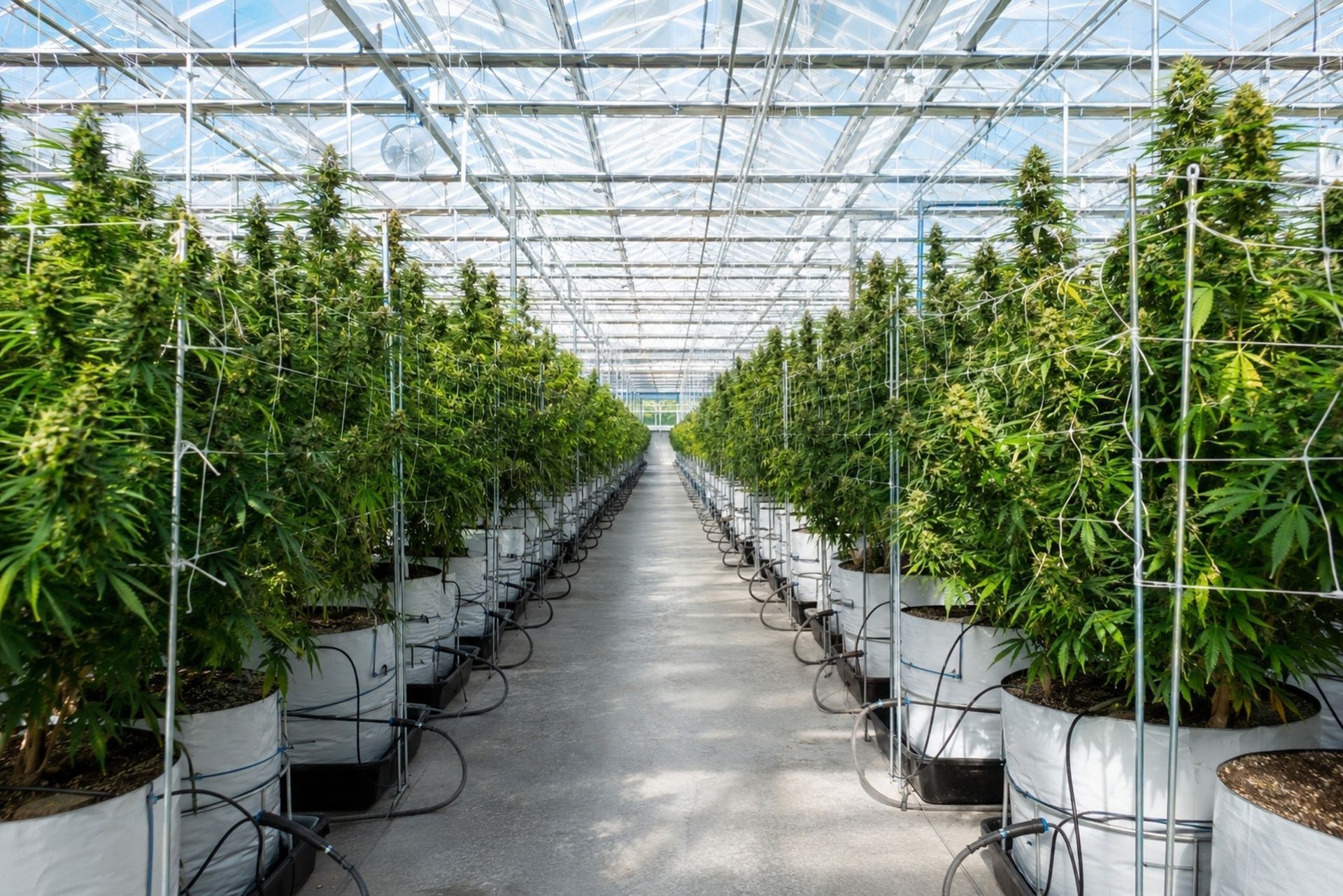
Washington cultivators face weather risks, pest damage, and the ever-present threat of a hot crop that tests above 0.3% THC and must be destroyed. Standard farm policies rarely cover hemp-specific risks, and many exclude it explicitly.
Crop insurance through the USDA's programs is available for licensed hemp producers, but the coverage limits are often lower than what you'd get for conventional crops. Inventory insurance is equally critical for processors and distributors sitting on large quantities of extracted CBD oil or finished goods. A warehouse fire or theft event without proper inventory coverage can wipe out an entire season's revenue.
Comparison of Standard vs. Specialized Hemp Policies
A standard commercial package from a mainstream carrier will typically exclude hemp-related activities or include so many sublimits that the coverage is practically useless. Specialized hemp policies, by contrast, are written by carriers who understand the industry.
- Standard policies often cap product liability at $25,000 or exclude ingestible products entirely
- Specialized policies can include coverage for crop destruction due to hot tests
- Standard policies rarely cover regulatory defense costs; specialized ones usually do
- Specialized carriers often require third-party lab testing documentation but reward it with lower premiums
The price difference between standard and specialized isn't always dramatic, but the coverage gap can be enormous. GrayStone Insurance Group's brokers, who average 20 years in the market, frequently find that operators are paying nearly the same premium for far inferior standard coverage when a specialized policy would serve them better.
Mandatory State Requirements for WA Business Compliance
Washington doesn't mess around with compliance. Missing a required coverage can result in fines, license suspension, or worse.
Washington Workers' Compensation and L&I Rules
Every Washington employer is required to carry workers' compensation insurance through the state's Labor & Industries (L&I) program. This isn't optional, and it's not something you can substitute with a private carrier in most cases. Washington is a monopolistic state fund for workers' comp, meaning L&I is your only option for the base coverage.
Hemp cultivation and processing involve real physical hazards: heavy equipment, chemical solvents in extraction, repetitive motion injuries during trimming. L&I premiums are calculated based on your industry classification code and payroll, and hemp-related codes tend to carry higher rates than standard agriculture due to the perceived risk profile. Make sure your classification code is accurate. Being misclassified can mean you're either overpaying or, worse, underpaying and facing an audit penalty.
Commercial Auto and Transit Coverage for CBD Delivery
If your business involves transporting hemp flower, CBD products, or raw biomass, you need commercial auto coverage. Personal auto policies exclude business use, and a delivery van accident during a product run would leave you exposed.
Transit coverage, sometimes called inland marine insurance, protects your goods while they're in transport. This is especially relevant for operators shipping high-value CBD extracts between processing facilities or to retail partners. A single shipment of distillate can be worth $50,000 or more. The LCB has issued guidance on hemp product transit requirements that affect how products must be documented during transport, and your insurance should align with those requirements.
Every policy has boundaries. Knowing them up front is how you avoid an uncovered claim. Common exclusions include:
Every policy has boundaries. Knowing them up front is how you avoid an uncovered claim. Common exclusions include:
Every policy has boundaries. Knowing them up front is how you avoid an uncovered claim. Common exclusions include:
General Liability responds to the core exposures most operations in this category face. A typical policy answers third-party claims and the defense costs that come with them, so a single incident doesn't put the business at risk.
Factors Influencing Insurance Costs in Washington
Insurance costs for hemp and CBD businesses in Washington vary significantly based on several factors, and understanding what drives your premium can help you control costs without sacrificing coverage.
Revenue Projections and Risk Assessment Metrics
Carriers price policies based on your projected annual revenue, the types of products you sell, your claims history, and your operational risk profile. A CBD retailer doing $200,000 in annual sales faces a very different premium than a processor running $2 million through an extraction lab.
Your loss history matters enormously. Even one product liability claim can double your renewal premium. Carriers also look at your supply chain: where you source raw materials, whether your suppliers carry their own insurance, and whether you have contractual indemnification in place. The more risk you can document and mitigate, the better your rates.
The Role of Third-Party Lab Testing in Reducing Premiums
Here's something many operators don't realize: consistent third-party lab testing can directly lower your insurance costs. Carriers view COAs (Certificates of Analysis) as evidence that you're managing product quality risk. Businesses that test every batch for potency, heavy metals, pesticides, and residual solvents present a lower risk profile than those testing sporadically or not at all.
Some specialized carriers offer premium discounts of 10-15% for operators with comprehensive testing programs. The broader insurance market trends for 2026 show carriers increasingly rewarding data-driven risk management, and lab testing is one of the clearest ways hemp businesses can demonstrate that. Keep your COAs organized and readily available during the underwriting process.
What happens if a show gets canceled last minute?
Standard policies don't cover event cancellation. If a headliner cancels, severe weather shuts you down, or a power outage kills the show, you're absorbing the full financial loss unless you have a dedicated event cancellation policy. These policies typically cover lost ticket revenue, non-refundable deposits, and marketing expenses. For venues that rely on ticket sales as a primary revenue stream, this coverage pays for itself the first time you need it.
Common Questions About CBD Insurance in Washington
Do I need insurance just to grow hemp in Washington? Yes. At minimum, you need workers' comp through L&I if you have employees, and general liability to protect against third-party claims. Crop insurance is strongly recommended but not legally mandated.
Can I get insurance if my crop tests hot? A hot test doesn't permanently disqualify you, but it will affect your rates and may trigger a policy review. Some specialized carriers offer coverage for crop destruction costs related to hot tests.
How much does CBD business insurance typically cost in WA? General liability ranges from $500 to $3,000 annually. Product liability runs higher, typically $2,000 to $7,500 or more depending on revenue and product type. Total annual insurance costs for a mid-size operation usually fall between $5,000 and $15,000.
Will my homeowner's policy cover my home-based CBD business? Almost certainly not. Homeowner's policies exclude commercial activities, and CBD products add a product liability exposure that no personal policy will touch.
Does Washington require product liability insurance for CBD sellers? It's not a state mandate, but many retail partners, distributors, and payment processors require it contractually. Operating without it is a massive financial risk.
Every policy has boundaries. Knowing them up front is how you avoid an uncovered claim. Common exclusions include:
Every policy has boundaries. Knowing them up front is how you avoid an uncovered claim. Common exclusions include:
Every policy has boundaries. Knowing them up front is how you avoid an uncovered claim. Common exclusions include:
General Liability responds to the core exposures most operations in this category face. A typical policy answers third-party claims and the defense costs that come with them, so a single incident doesn't put the business at risk.
Your Next Steps for Secure Operations
Getting insurance right for a Washington hemp or CBD business isn't just about checking a compliance box. It's about making sure a single bad event, whether a product claim, a crop loss, or a workplace injury, doesn't destroy what you've built. The operators who fare best are the ones who treat insurance as a strategic part of their business plan, not an afterthought.
Start by auditing your current coverage against the requirements outlined here. Check your L&I classification, verify your product liability limits actually match your revenue, and make sure your transit coverage reflects what you're actually shipping. If you're working with a generalist agent who doesn't understand hemp, you're likely leaving money on the table or carrying dangerous gaps. Reach out to a specialized agency like GrayStone Insurance Group that knows how to place these risks properly. The right coverage at the right price exists: you just need someone who knows where to find it.
ABOUT THE AUTHOR:
CHAD KRAMER
I started GrayStone Insurance Group in 2018 with a simple conviction: the businesses everyone else turns away deserve a broker who won't. What began as a one-person operation has grown into a specialty commercial brokerage with offices across the country — but the mission hasn't changed. We find solutions for high-risk and hard-to-place businesses when other agencies run the other way.
I built this agency on integrity, hard work, and the tenacity to do the hard things well. Through our access to Excess & Surplus and specialty markets, my team and I place coverage standard carriers can't — and I treat every client's business like my own.
If you've been declined, non-renewed, or told your business is too complicated to insure, let's talk.
Coverages & policies
Plain-language coverage, expertly placed.
We lead with commercial lines and round out personal coverage where you need it. Every policy comes with an explanation — not jargon.

Contractors
Third-party bodily injury & property damage — the foundation for any operation.

Liquor Liability
Critical for bars, restaurants and venues serving alcohol — including A&B.

Commercial Property
Buildings, contents and equipment — including distressed and vacant risk.

Workers' Compensation
Statutory coverage for your crew — including high-mod and high-hazard classes.

Commercial Umbrella
Extra liability limits over your primary policies — essential for high-exposure risk.
Products Liability
Manufacturers, CBD and consumer-product exposure — including imports.
What clients say
Brokers who actually place it.
FAQ
Answers for the risks others won't cover
Getting declined, non-renewed, or told your business is "too high-risk" is frustrating — but it doesn't mean you're out of options. Here are answers to the questions we hear most from business owners who need coverage the standard market won't provide.
What kind of insurance does GrayStone specialize in?
We're a specialty commercial brokerage built for high-risk and hard-to-place businesses — the risks standard carriers often turn away. Through our access to Excess & Surplus (E&S) and specialty markets, we place coverage that everyday agencies can't. Hospitality and construction are among our deepest areas of expertise.
My business was declined or non-renewed elsewhere. Can you still help?
That's exactly what we do. A decline, a non-renewal, or a tough claims history doesn't mean you're out of options — it means your risk needs a broker with the right market access. Tell us your situation and we'll get to work finding a fit.
What is Excess & Surplus (E&S) insurance?
E&S is specialty coverage for risks that standard "admitted" carriers won't write — often because a business is higher-risk, unusual, or has a complex history. As an independent broker, we tap into these specialty markets to place coverage where a typical agency hits a dead end.
What industries do you work with?
We cover a wide range of commercial industries — from restaurants, bars, and hospitality to contractors, trucking, manufacturing, cannabis, and more. If your industry is considered high-risk or hard-to-place, there's a good chance we've handled it.
Will you work with businesses that have prior claims or losses?
Yes. Prior claims and losses are part of many of the risks we place every day. Every business is evaluated on its own merits — and a rocky history is often exactly why a specialty broker can help where others won't.
Are you an independent broker?
Yes. We're not tied to a single carrier, so we shop your risk across multiple specialty and E&S markets to find coverage that actually fits — instead of forcing you into a one-size-fits-all policy.
Insights & resources
Know your risk before you buy.