General Liability responds to the core exposures most operations in this category face. A typical policy answers third-party claims and the defense costs that come with them, so a single incident doesn't put the business at risk.
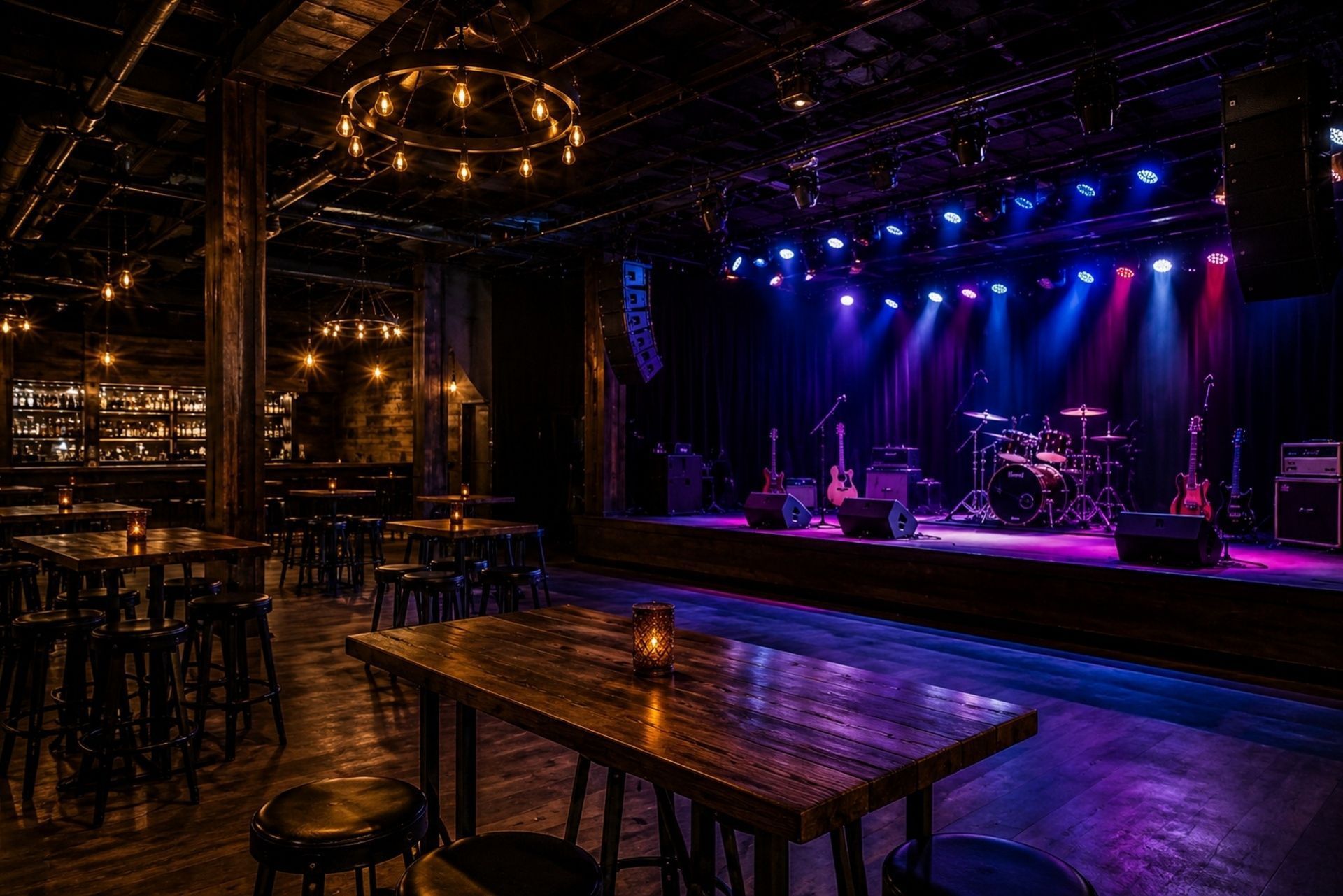
Running a live music venue in Colorado means accepting a unique mix of risks that most standard insurance policies aren't designed to handle. Crowd injuries, noise complaints, liquor-related incidents, equipment damage from touring bands, and the occasional bar fight: these aren't hypothetical scenarios. They're Tuesday night. And if your insurance program has gaps, a single claim can shut you down faster than a failed health inspection.
Colorado's live entertainment scene has been growing steadily, with new venues opening across the Front Range and mountain towns alike. But the state's regulatory environment is specific, and the insurance requirements for CO operators running music venues reflect that complexity. Between liquor liability mandates, workers' compensation rules, and local permitting requirements that vary wildly from Denver to Durango, getting properly covered takes real planning. The cost of getting it wrong isn't just financial: it's your business, your liquor license, and potentially your personal assets. Here's what you actually need to know to protect your venue and stay compliant in 2026.
Core Insurance Requirements for Colorado Venues
Colorado doesn't have a single statute that says "you must carry X insurance to operate a music venue." Instead, the requirements come from multiple directions: your liquor license conditions, your lease, your local municipality, and state employment law. The result is a patchwork of mandatory and strongly recommended coverages that can confuse even experienced operators.
At minimum, most Colorado venues need general liability, liquor liability (if you serve alcohol, and almost everyone does), and workers' compensation. Your landlord will almost certainly require you to carry commercial property insurance and name them as an additional insured. Beyond that, the specific coverages you need depend on your venue size, whether you host outdoor events, and how many employees you have on payroll.
General Liability and Liquor Liability Standards
General liability insurance is the foundation. It covers bodily injury and property damage claims from third parties: a patron who slips on a wet floor, a speaker that falls off a rigging mount, or a crowd-control barrier that fails. Most venues need at least $1 million per occurrence and $2 million aggregate, though landlords and event promoters frequently require higher limits.
Liquor liability is where things get serious for music venues. Colorado follows "dram shop" laws, meaning you can be held liable if you serve alcohol to a visibly intoxicated person who then causes injury to someone else. A standard general liability policy explicitly excludes alcohol-related claims, so you need a separate liquor liability policy or endorsement. Carriers look closely at your staff training programs, your serving protocols, and your history of alcohol-related incidents. Venues that can demonstrate TIPS or ServSafe certification for bartenders typically get better rates.
One thing to keep in mind: your liquor license renewal in Colorado may require proof of liquor liability coverage. Letting that policy lapse, even briefly, can trigger license suspension.
State-Mandated Workers' Compensation Rules
Colorado requires workers' compensation insurance for virtually all employers, with very few exceptions. If you have even one employee, whether full-time, part-time, or seasonal, you need coverage. This applies to your bartenders, sound engineers, door staff, and cleaning crews. Colorado's minimum wage rose to $15.16 per hour ($12.14 for tipped employees) as of February 2026, which affects your payroll calculations and premium costs.
Independent contractors are a gray area that trips up many venue owners. If your "independent" sound tech works a regular schedule at your venue and uses your equipment, Colorado's Division of Labor may reclassify them as an employee. That reclassification comes with back-premium penalties and potential fines. The state has been tightening enforcement on worker classification in recent years, so getting this right matters.
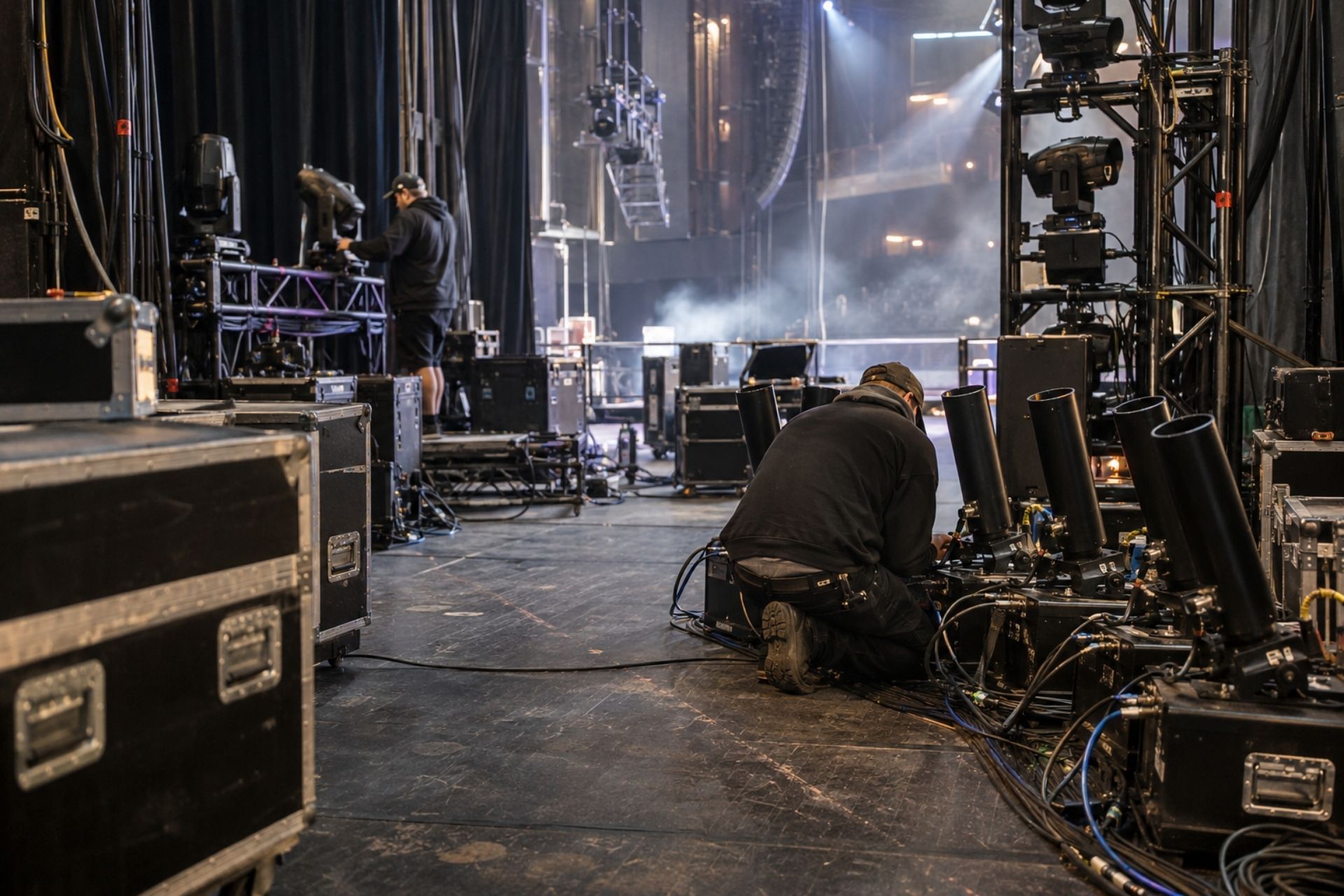
Venues with mosh pits, elevated stages, or pyrotechnics face higher workers' comp premiums because the injury risk to staff increases. Your experience modification rate (your claims history score) directly impacts what you pay.
INDEX
GrayStone Insurance Group is fully licensed and permitted to provide specialty commercial insurance solutions for high-risk and hard-to-place businesses across 17 states.
We proudly serve high-risk and hard-to-place businesses from coast to coast. As an independent specialty brokerage, our team works with leading Excess & Surplus and specialty carriers to make sure restaurants, bars, contractors, trucking companies, manufacturers, and other hard-to-place operations receive coverage that fits their real risks in California, Colorado, Florida, Georgia, Illinois, Iowa, Maryland, Michigan, Missouri, Nevada, New York, North Carolina, South Carolina, Tennessee, Texas, Utah, and Washington.
Every policy has boundaries. Knowing them up front is how you avoid an uncovered claim. Common exclusions include:
Every policy has boundaries. Knowing them up front is how you avoid an uncovered claim. Common exclusions include:
Every policy has boundaries. Knowing them up front is how you avoid an uncovered claim. Common exclusions include:
General Liability responds to the core exposures most operations in this category face. A typical policy answers third-party claims and the defense costs that come with them, so a single incident doesn't put the business at risk.
If your firm provides any design, engineering, or consulting services alongside construction, you need both. A GL policy won't cover a claim alleging your design specifications caused a building envelope failure. That's a professional liability exposure, and it's one of the fastest-growing claim categories in construction.
Comparing Essential vs. Specialized Coverage
Not every venue needs every type of coverage, but understanding the full menu helps you make informed decisions. The gap between "legally required" and "actually protected" is where most venue owners get burned.
Coverage Comparison Table
| Coverage Type | Essential or Specialized | Typical Limits | Who Needs It |
|---|---|---|---|
| General Liability | Essential | $1M/$2M | All venues |
| Liquor Liability | Essential (if serving alcohol) | $1M per occurrence | Venues with bar service |
| Workers' Compensation | Essential (state-mandated) | Statutory limits | Any venue with employees |
| Commercial Property | Essential | Replacement cost | All venues (usually lease-required) |
| Inland Marine/Equipment | Specialized | Varies by inventory | Venues owning sound/lighting gear |
| Event Cancellation | Specialized | Per-event basis | Venues hosting ticketed shows |
| Cyber Liability | Specialized | $500K-$1M | Venues selling tickets online |
| Assault & Battery | Specialized | $100K-$500K | High-volume nightlife venues |
Assault and battery coverage deserves special attention. Many general liability policies exclude claims arising from physical altercations, which is a real problem for venues where alcohol and loud music combine. GrayStone Insurance Group has placed coverage for dozens of nightlife operators who were declined by mainstream carriers specifically because of this exposure. If your venue regularly hosts late-night shows with bar service, this coverage isn't optional: it's essential.
Factors Influencing Insurance Costs in Colorado
Premiums for live music venues in Colorado typically range from $3,000 to $15,000 annually for general liability alone, with total insurance costs (including liquor liability, property, and workers' comp) running anywhere from $10,000 to $50,000 or more for larger operations. The spread is enormous because the risk factors vary so widely.
Venue Capacity and Alcohol Sales Volume
A 150-capacity listening room in Fort Collins and a 2,000-capacity concert hall in Denver are completely different risk profiles. Capacity is one of the first things underwriters look at because it directly correlates with crowd-related injury potential. Venues over 500 capacity often see a significant jump in premiums.
Alcohol sales as a percentage of total revenue matters too. A venue where 70% of revenue comes from bar sales looks very different to an insurer than one where ticket sales drive the business. Higher alcohol ratios mean higher liquor liability premiums. Some carriers won't even quote venues where alcohol exceeds 60% of gross revenue.
Your entertainment schedule also plays a role. A venue hosting acoustic sets three nights a week pays less than one running EDM shows with standing-room crowds six nights a week. The genre and crowd demographics genuinely affect your risk profile, and underwriters know it.
Claims History and Safety Protocols
Your claims history over the past three to five years is the single biggest factor in your premium. A clean record can save you 20-30% compared to a venue with multiple claims. Conversely, even one significant liquor liability claim can make you nearly uninsurable through standard markets.
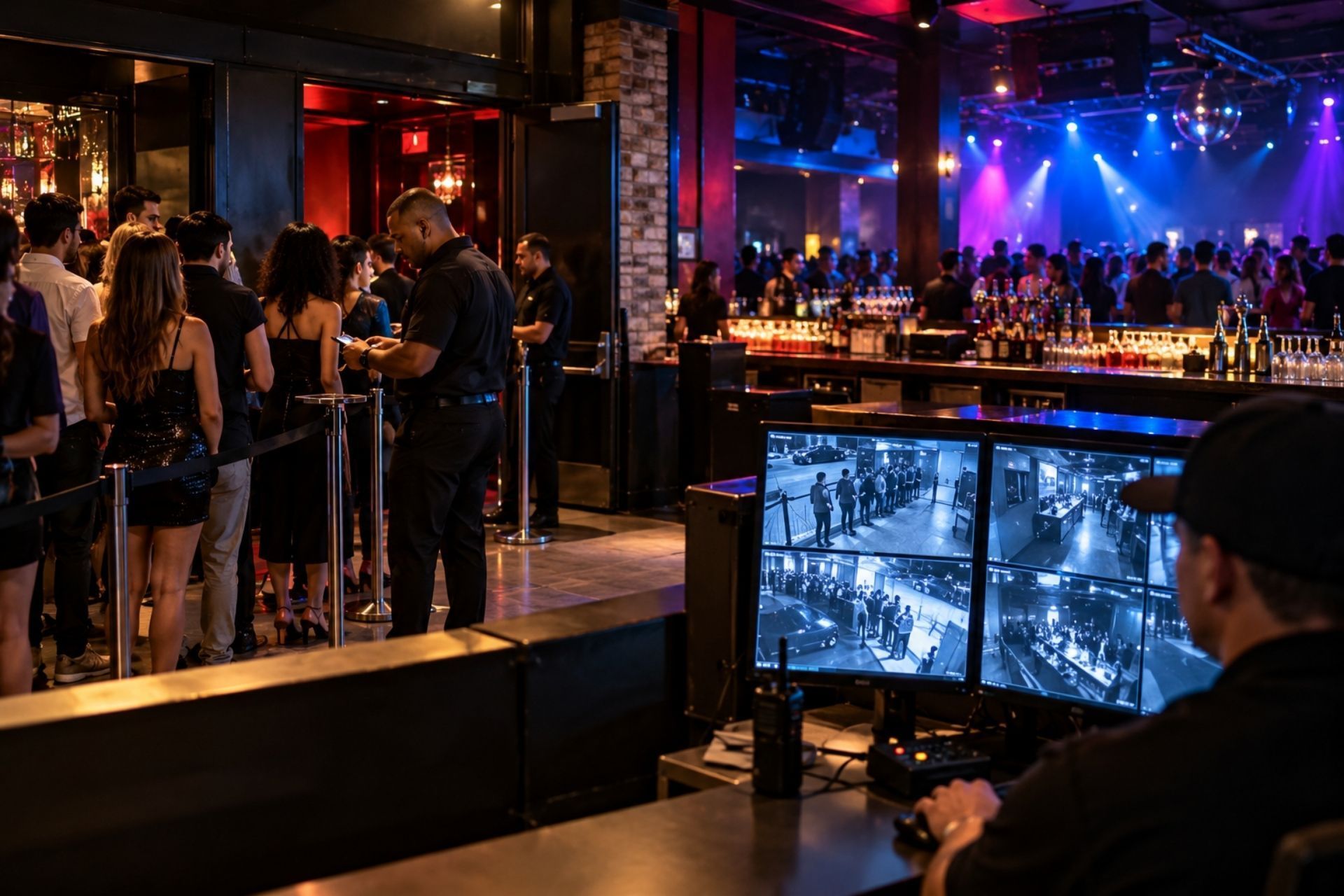
Documented safety protocols make a measurable difference. Venues that can show written crowd management plans, security staffing ratios, surveillance camera systems, and staff training records get better rates. Some carriers offer premium credits of 5-15% for specific safety measures. This is where working with a broker who understands entertainment risks pays off: firms like GrayStone, with brokers averaging 20 years of experience, know exactly which safety investments translate into premium savings and which ones carriers don't care about.
Every policy has boundaries. Knowing them up front is how you avoid an uncovered claim. Common exclusions include:
Every policy has boundaries. Knowing them up front is how you avoid an uncovered claim. Common exclusions include:
Every policy has boundaries. Knowing them up front is how you avoid an uncovered claim. Common exclusions include:
General Liability responds to the core exposures most operations in this category face. A typical policy answers third-party claims and the defense costs that come with them, so a single incident doesn't put the business at risk.
Navigating Local Compliance and Permitting
Colorado's insurance and permitting requirements aren't uniform across the state. What Denver requires and what a small mountain town requires can be dramatically different, and failing to meet local standards can result in fines, event shutdowns, or license revocations.
Denver vs. Rural County Requirements
Denver's Department of Excise and Licenses has specific insurance requirements tied to entertainment licenses. Venues in Denver typically need to show proof of general liability and liquor liability before receiving or renewing their entertainment license. The city also requires special event permits for shows that exceed normal capacity or involve outdoor components.
Rural counties tend to have fewer formal requirements but less flexibility when problems arise. A venue in a small town might not face the same permitting hurdles, but a single noise complaint or incident can attract outsized attention from county commissioners who control your special use permit. Having strong insurance coverage gives you credibility with local officials and demonstrates that you're operating responsibly.
Insurance for Outdoor Festivals and Pop-up Events
Outdoor events and pop-up shows introduce risks that your standard venue policy probably doesn't cover. Weather cancellation, temporary structures, portable stages, and crowds on unfamiliar terrain all create exposures that need specific coverage. Colorado's event insurance requirements vary by jurisdiction, but most municipalities require a certificate of insurance before issuing an outdoor event permit.
If you're hosting a one-off festival or outdoor concert series, you'll likely need a separate event policy or a rider on your existing coverage. These policies typically cost $300 to $2,000 per event depending on attendance, duration, and whether alcohol is served. Don't assume your annual venue policy covers off-site events: check with your broker first.
Colorado's FAMLI (Family and Medical Leave Insurance) program also applies to event staff. If you're hiring temporary workers for festivals, you need to understand your obligations under the updated FAMLI rules for 2026, which affect both premium contributions and employee eligibility.
What happens if a show gets canceled last minute?
Standard policies don't cover event cancellation. If a headliner cancels, severe weather shuts you down, or a power outage kills the show, you're absorbing the full financial loss unless you have a dedicated event cancellation policy. These policies typically cover lost ticket revenue, non-refundable deposits, and marketing expenses. For venues that rely on ticket sales as a primary revenue stream, this coverage pays for itself the first time you need it.
Common Questions About Venue Insurance
FAQ: Cost, Claims, and Coverage Basics
How much does insurance cost for a small music venue in Colorado? A small venue (under 300 capacity) typically pays $8,000 to $20,000 annually for a comprehensive package including general liability, liquor liability, property, and workers' comp. Exact costs depend on your claims history, alcohol sales volume, and location.
Does my general liability policy cover alcohol-related incidents? No. Standard general liability policies exclude liquor liability. You need a separate liquor liability policy or endorsement, and your Colorado liquor license may require proof of this coverage.
What happens if an employee gets hurt and I don't have workers' comp? Colorado imposes penalties of $500 per day for each day you operate without required workers' compensation coverage. You're also personally liable for the employee's medical bills and lost wages.
Do I need insurance for a one-time event or pop-up show? Yes. Most municipalities require a certificate of insurance for outdoor events, and your standard venue policy likely won't cover off-site activities. Single-event policies are relatively affordable and worth the investment.
Can I be denied coverage because my venue is considered high-risk? Standard carriers frequently decline music venues, especially those with late-night hours and high alcohol sales. Specialty brokers like GrayStone Insurance Group focus specifically on hard-to-place risks and can typically find coverage where mainstream agencies can't.
Does my policy cover damage to a touring band's equipment? Usually not. Your commercial property policy covers your property, not someone else's. Touring bands should carry their own inland marine or equipment floater policies. Make this clear in your performance contracts.
Every policy has boundaries. Knowing them up front is how you avoid an uncovered claim. Common exclusions include:
Every policy has boundaries. Knowing them up front is how you avoid an uncovered claim. Common exclusions include:
Every policy has boundaries. Knowing them up front is how you avoid an uncovered claim. Common exclusions include:
General Liability responds to the core exposures most operations in this category face. A typical policy answers third-party claims and the defense costs that come with them, so a single incident doesn't put the business at risk.
Your Next Steps for Securing Coverage
Getting the right insurance for your Colorado music venue isn't something you figure out in an afternoon, but it doesn't have to be overwhelming either. Start by documenting your actual risk profile: your capacity, your alcohol sales ratio, your event frequency, your staffing model, and your safety protocols. This information is exactly what underwriters need to give you accurate quotes rather than inflated estimates based on assumptions.
Talk to a broker who specializes in entertainment and hospitality risks rather than a generalist who handles auto and home policies. The difference in coverage quality and pricing is substantial. A broker with deep experience in high-risk placements will know which carriers are actually writing music venue policies in Colorado right now and which ones are quietly declining them.
Review your coverage annually, not just at renewal. Your risk profile changes as your booking calendar evolves, as you add or remove services, and as Colorado's regulatory requirements shift. The venues that stay protected are the ones that treat insurance as an ongoing conversation, not a set-it-and-forget-it expense.
ABOUT THE AUTHOR:
CHAD KRAMER
I started GrayStone Insurance Group in 2018 with a simple conviction: the businesses everyone else turns away deserve a broker who won't. What began as a one-person operation has grown into a specialty commercial brokerage with offices across the country — but the mission hasn't changed. We find solutions for high-risk and hard-to-place businesses when other agencies run the other way.
I built this agency on integrity, hard work, and the tenacity to do the hard things well. Through our access to Excess & Surplus and specialty markets, my team and I place coverage standard carriers can't — and I treat every client's business like my own.
If you've been declined, non-renewed, or told your business is too complicated to insure, let's talk.
Coverages & policies
Plain-language coverage, expertly placed.
We lead with commercial lines and round out personal coverage where you need it. Every policy comes with an explanation — not jargon.

Contractors
Third-party bodily injury & property damage — the foundation for any operation.

Liquor Liability
Critical for bars, restaurants and venues serving alcohol — including A&B.

Commercial Property
Buildings, contents and equipment — including distressed and vacant risk.

Workers' Compensation
Statutory coverage for your crew — including high-mod and high-hazard classes.

Commercial Umbrella
Extra liability limits over your primary policies — essential for high-exposure risk.
Products Liability
Manufacturers, CBD and consumer-product exposure — including imports.
What clients say
Brokers who actually place it.
What kind of insurance does GrayStone specialize in?
We're a specialty commercial brokerage built for high-risk and hard-to-place businesses — the risks standard carriers often turn away. Through our access to Excess & Surplus (E&S) and specialty markets, we place coverage that everyday agencies can't. Hospitality and construction are among our deepest areas of expertise.
My business was declined or non-renewed elsewhere. Can you still help?
That's exactly what we do. A decline, a non-renewal, or a tough claims history doesn't mean you're out of options — it means your risk needs a broker with the right market access. Tell us your situation and we'll get to work finding a fit.
What is Excess & Surplus (E&S) insurance?
E&S is specialty coverage for risks that standard "admitted" carriers won't write — often because a business is higher-risk, unusual, or has a complex history. As an independent broker, we tap into these specialty markets to place coverage where a typical agency hits a dead end.
What industries do you work with?
We cover a wide range of commercial industries — from restaurants, bars, and hospitality to contractors, trucking, manufacturing, cannabis, and more. If your industry is considered high-risk or hard-to-place, there's a good chance we've handled it.
Will you work with businesses that have prior claims or losses?
Yes. Prior claims and losses are part of many of the risks we place every day. Every business is evaluated on its own merits — and a rocky history is often exactly why a specialty broker can help where others won't.
Are you an independent broker?
Yes. We're not tied to a single carrier, so we shop your risk across multiple specialty and E&S markets to find coverage that actually fits — instead of forcing you into a one-size-fits-all policy.
FAQ
Answers for the risks others won't cover
Getting declined, non-renewed, or told your business is "too high-risk" is frustrating — but it doesn't mean you're out of options. Here are answers to the questions we hear most from business owners who need coverage the standard market won't provide.
What kind of insurance does GrayStone specialize in?
We're a specialty commercial brokerage built for high-risk and hard-to-place businesses — the risks standard carriers often turn away. Through our access to Excess & Surplus (E&S) and specialty markets, we place coverage that everyday agencies can't. Hospitality and construction are among our deepest areas of expertise.
My business was declined or non-renewed elsewhere. Can you still help?
That's exactly what we do. A decline, a non-renewal, or a tough claims history doesn't mean you're out of options — it means your risk needs a broker with the right market access. Tell us your situation and we'll get to work finding a fit.
What is Excess & Surplus (E&S) insurance?
E&S is specialty coverage for risks that standard "admitted" carriers won't write — often because a business is higher-risk, unusual, or has a complex history. As an independent broker, we tap into these specialty markets to place coverage where a typical agency hits a dead end.
What industries do you work with?
We cover a wide range of commercial industries — from restaurants, bars, and hospitality to contractors, trucking, manufacturing, cannabis, and more. If your industry is considered high-risk or hard-to-place, there's a good chance we've handled it.
Will you work with businesses that have prior claims or losses?
Yes. Prior claims and losses are part of many of the risks we place every day. Every business is evaluated on its own merits — and a rocky history is often exactly why a specialty broker can help where others won't.
Are you an independent broker?
Yes. We're not tied to a single carrier, so we shop your risk across multiple specialty and E&S markets to find coverage that actually fits — instead of forcing you into a one-size-fits-all policy.
Insights & resources
Know your risk before you buy.