
General Liability responds to the core exposures most operations in this category face. A typical policy answers third-party claims and the defense costs that come with them, so a single incident doesn't put the business at risk.
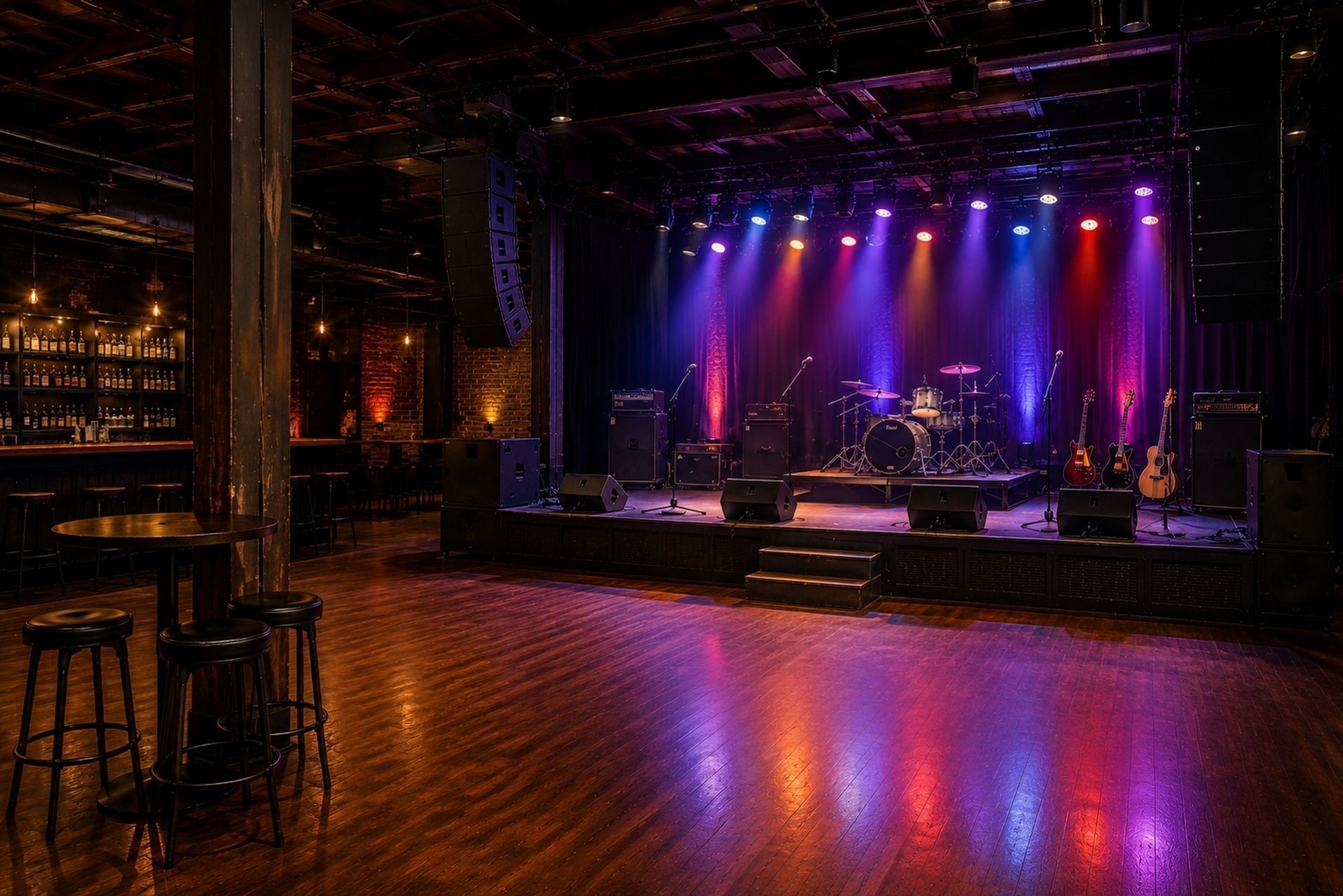
Running a live music venue in Maryland means dealing with a unique mix of risks that most standard business policies won't cover. Between crowd injuries, noise complaints, alcohol-related incidents, and expensive sound equipment, the exposure is real and constant. A single slip-and-fall lawsuit from a concertgoer can easily exceed $100,000, and that's before you factor in property damage or a performer who cancels at the last minute. If you're operating or planning to open a venue in the state, understanding your insurance requirements isn't optional: it's the difference between staying open and shutting your doors after one bad night. Maryland has specific mandates around workers' compensation, liquor liability, and fire safety that directly affect what coverage you need and how much you'll pay. This guide breaks down the insurance requirements, realistic cost expectations, and compliance standards that Maryland venue operators actually need to know. No filler, no generic advice: just the specifics that matter for your business.
Core Insurance Requirements for Maryland Venues
Maryland treats live music venues as high-risk commercial operations, and for good reason. The combination of large crowds, alcohol service, loud equipment, and late-night hours creates a risk profile that most standard carriers don't want to touch. That's why many MD venue operators end up working with specialty agencies like GrayStone Insurance Group, where brokers averaging 20 years of experience understand the nuances of insuring nightlife and entertainment businesses.
Your baseline coverage package needs to include general liability, commercial property, workers' compensation (if you have employees), and liquor liability if you serve alcohol. Missing any one of these can result in fines, denied claims, or worse: personal liability exposure for the venue owner.
General Liability and Property Coverage
General liability is your first line of defense against third-party bodily injury and property damage claims. A patron trips over a cable, gets hit by a crowd surfer, or slips on a wet floor: these are the claims that hit venue owners hardest. For small to mid-sized venues, general liability typically ranges from $30 to $445 per month, though live music spaces with higher capacities and alcohol service usually land on the upper end of that range or beyond it.
Commercial property coverage protects the building itself, along with fixtures, furniture, and permanently installed equipment. The commercial property insurance market in spring 2026 is showing signs of stabilization after several years of rate increases, which is good news for venue operators renewing policies. Make sure your policy covers the full replacement cost of your space, not just the depreciated value.
Maryland Workers' Compensation Mandates
Maryland law requires workers' compensation insurance for virtually all employers, with very few exceptions. If you have even one employee: a bartender, a door person, a sound tech: you need a policy in place. The state does not play around with this. Uninsured employers face penalties of up to $10,000 per violation, and individual officers can be held personally liable for unpaid claims.
Workers' comp rates in Maryland are set based on classification codes, and entertainment venues fall into categories with higher-than-average premiums. Your rate is calculated per $100 of payroll, and the classification for "amusement or entertainment" workers is significantly pricier than, say, office staff. Keep accurate payroll records, because audits are common and misclassification can trigger back-payments.
Liquor Liability for MD Establishments
If your venue serves alcohol, and most live music venues do, you need a separate liquor liability policy or endorsement. Maryland follows a modified dram shop liability standard, meaning you can be held responsible if you serve a visibly intoxicated person who then causes harm to themselves or others.
Standard general liability policies explicitly exclude alcohol-related claims. This is one of the most common coverage gaps I see with new venue operators: they assume their GL policy handles everything, and then they're blindsided when a claim gets denied. Liquor liability coverage typically costs between $2,500 and $12,000 annually for a mid-sized venue, depending on your revenue from alcohol sales and your claims history.
INDEX
GrayStone Insurance Group is fully licensed and permitted to provide specialty commercial insurance solutions for high-risk and hard-to-place businesses across 17 states.
We proudly serve high-risk and hard-to-place businesses from coast to coast. As an independent specialty brokerage, our team works with leading Excess & Surplus and specialty carriers to make sure restaurants, bars, contractors, trucking companies, manufacturers, and other hard-to-place operations receive coverage that fits their real risks in California, Colorado, Florida, Georgia, Illinois, Iowa, Maryland, Michigan, Missouri, Nevada, New York, North Carolina, South Carolina, Tennessee, Texas, Utah, and Washington.
Every policy has boundaries. Knowing them up front is how you avoid an uncovered claim. Common exclusions include:
Every policy has boundaries. Knowing them up front is how you avoid an uncovered claim. Common exclusions include:
Every policy has boundaries. Knowing them up front is how you avoid an uncovered claim. Common exclusions include:
General Liability responds to the core exposures most operations in this category face. A typical policy answers third-party claims and the defense costs that come with them, so a single incident doesn't put the business at risk.
If your firm provides any design, engineering, or consulting services alongside construction, you need both. A GL policy won't cover a claim alleging your design specifications caused a building envelope failure. That's a professional liability exposure, and it's one of the fastest-growing claim categories in construction.
Specialized Coverage for Live Performances
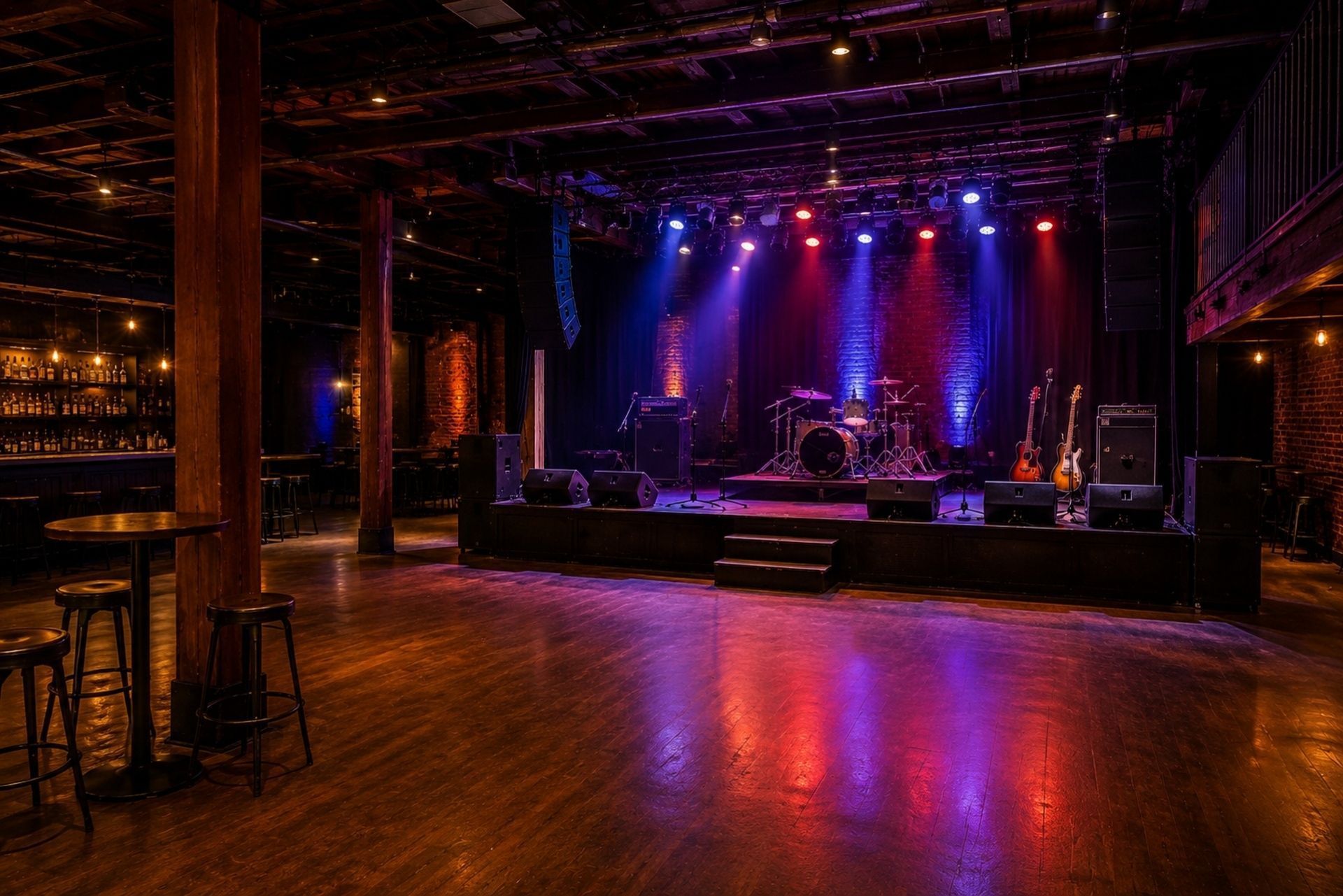
Beyond the basics, live music venues face risks that restaurants, bars, and retail shops simply don't. Performances introduce variables: traveling artists, rented equipment, pyrotechnics, and crowds that behave unpredictably. These risks require specialized endorsements or standalone policies.
Artist and Performer Non-Appearance
A headliner cancels two hours before doors open. You've already paid for promotion, staffing, and setup. The crowd wants refunds. This scenario happens more often than most people realize, and protecting against live event cancellations is a real consideration for any venue booking touring acts. Non-appearance insurance covers your lost revenue and out-of-pocket expenses when a performer cancels due to illness, travel issues, or other covered reasons.
These policies are typically purchased per event or per season, and they're priced based on the ticket revenue at stake. For a venue doing $15,000 to $50,000 per show in ticket sales, expect to pay roughly 1-3% of the insured amount per event.
Equipment and Sound System Protection
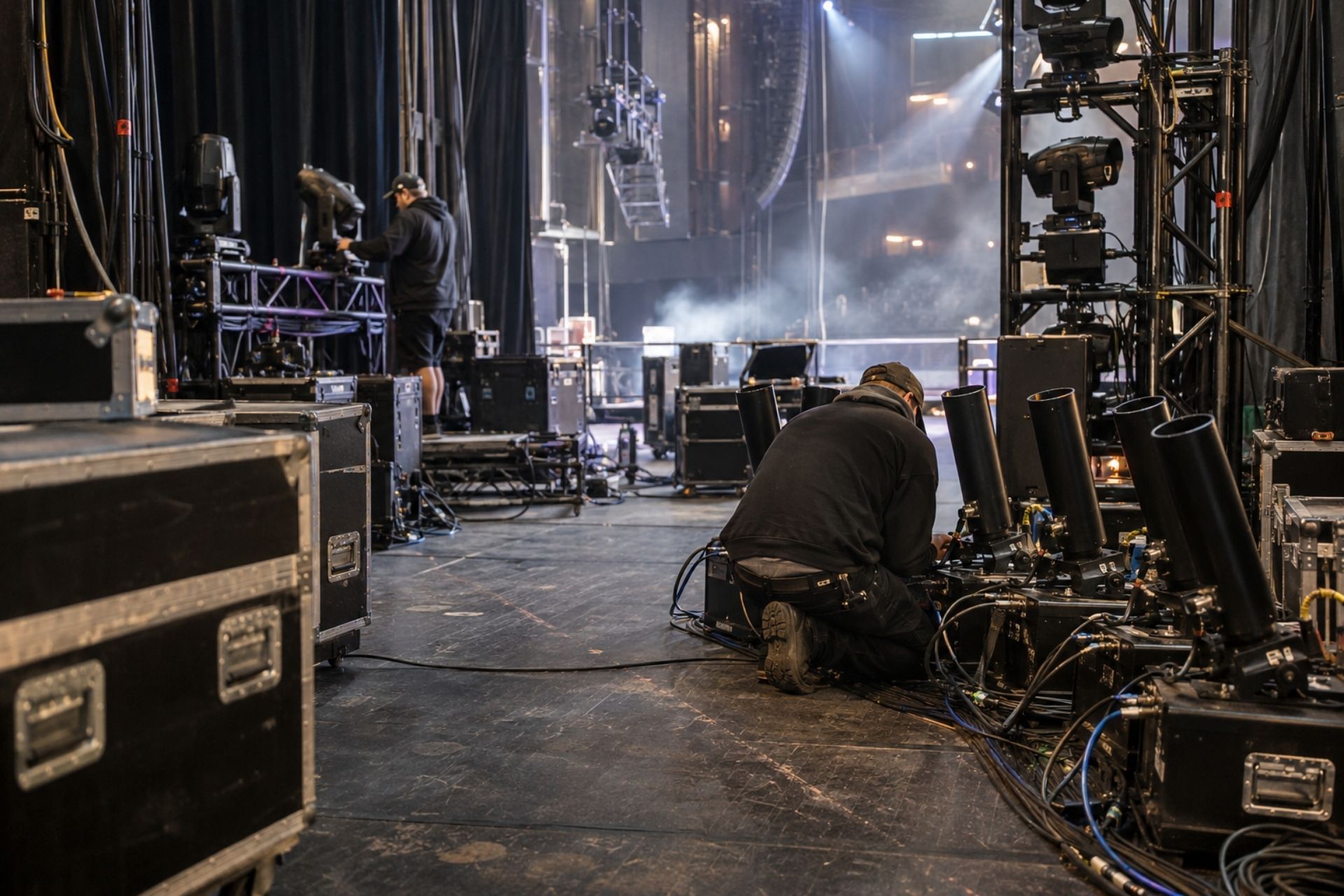
A quality sound system for a mid-sized venue can easily cost $50,000 to $150,000. Lighting rigs, mixing boards, monitors, and backline gear add up fast. Standard property policies may cover some of this, but they often cap equipment coverage or exclude items that are rented, borrowed, or temporarily installed.
Inland marine insurance, sometimes called equipment floater coverage, is the right tool here. It covers your gear whether it's in the venue, in transit, or temporarily stored offsite. Many exhibitor and event insurance guidelines recommend minimum coverage levels of $1 million for equipment, which gives you a benchmark for your own policy limits.
Comparison of Essential Venue Coveragesv
Here's a side-by-side look at the core coverages Maryland venue operators should evaluate:
| Coverage Type | What It Protects | Typical Annual Cost (Mid-Size Venue) | Required by MD Law? |
|---|---|---|---|
| General Liability | Third-party injuries, property damage | $3,600 - $5,400 | No, but contractually required |
| Commercial Property | Building, fixtures, permanent equipment | $2,000 - $8,000 | No, but lender-required |
| Workers' Compensation | Employee injuries on the job | $4,000 - $15,000+ | Yes |
| Liquor Liability | Alcohol-related claims | $2,500 - $12,000 | Required if serving alcohol |
| Equipment Floater | Sound, lighting, and AV gear | $800 - $3,000 | No |
| Event Cancellation | Lost revenue from cancellations | 1-3% of insured revenue | No |
These numbers shift based on your venue's size, location, and history. A 200-capacity club in a college town will pay differently than a 1,500-seat concert hall in Baltimore's Inner Harbor.
Every policy has boundaries. Knowing them up front is how you avoid an uncovered claim. Common exclusions include:
Every policy has boundaries. Knowing them up front is how you avoid an uncovered claim. Common exclusions include:
Every policy has boundaries. Knowing them up front is how you avoid an uncovered claim. Common exclusions include:
General Liability responds to the core exposures most operations in this category face. A typical policy answers third-party claims and the defense costs that come with them, so a single incident doesn't put the business at risk.
Factors Influencing Insurance Costs in MD
Insurance pricing for Maryland venues isn't arbitrary. Underwriters look at specific, measurable risk factors to determine your premium.
Venue Capacity and Neighborhood Risk
Capacity is the single biggest cost driver. A 150-person listening room carries fundamentally different risk than a 2,000-person standing-room venue. More people means more potential claims, higher aggregate limits, and greater exposure for the insurer.
Your venue's ZIP code matters too. Locations in higher-crime areas or flood-prone zones will see elevated premiums. Baltimore City venues, for example, typically pay 15-30% more than comparable spaces in suburban Howard or Anne Arundel counties, purely based on geographic risk scoring. GrayStone Insurance Group uses AI-powered risk modeling to analyze these location-specific factors, which often results in more accurate pricing than the broad-brush approach many carriers take.
Claims History and Safety Protocols
Your loss history over the past three to five years is the second most influential factor. Even one significant claim: a $50,000 slip-and-fall settlement, for instance: can increase your premiums by 20-40% at renewal. Two or more claims in a short window, and some carriers will non-renew you entirely.
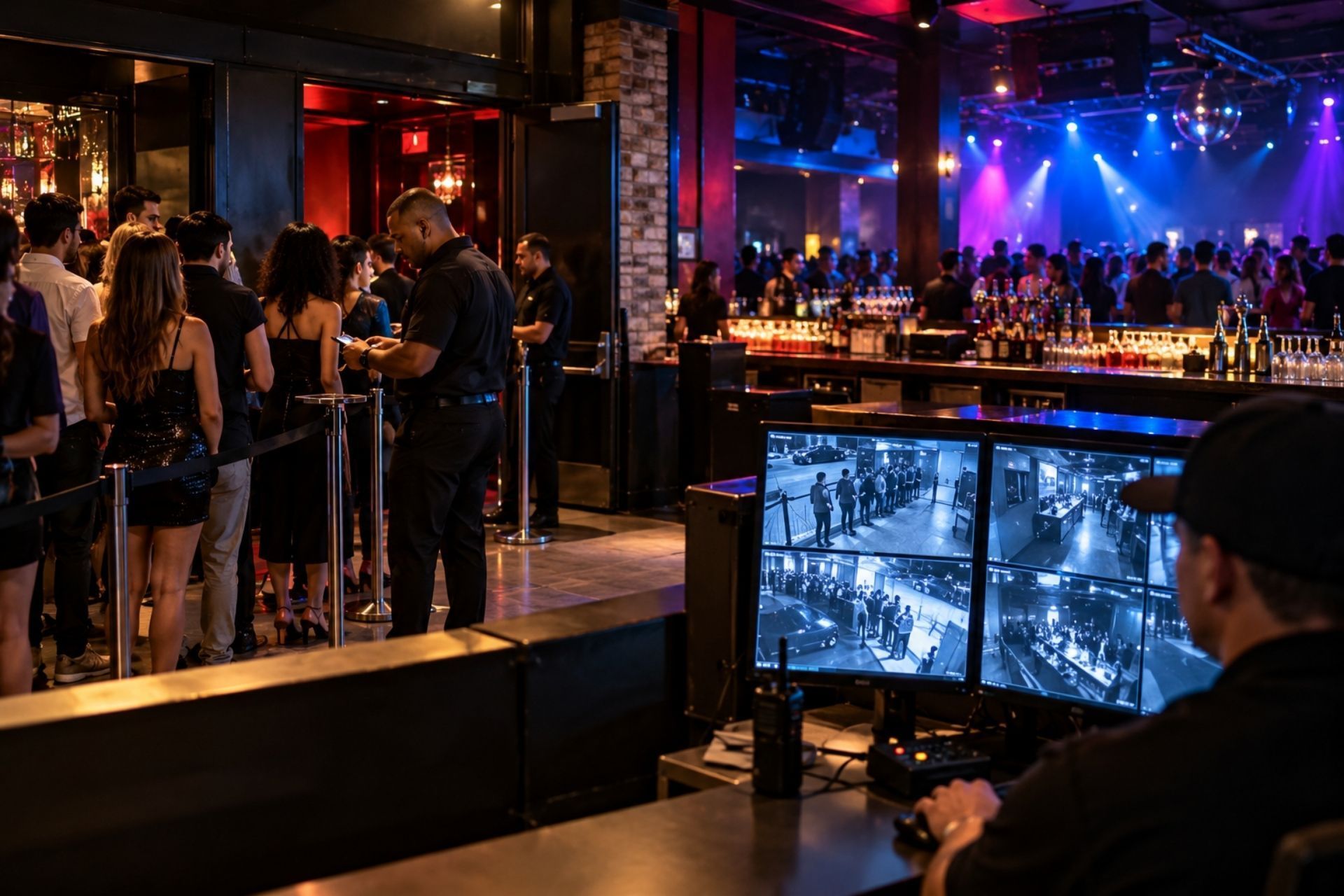
On the flip side, documented safety protocols work in your favor. Venues with trained security staff, visible surveillance systems, written crowd management plans, and regular safety audits consistently receive better rates. Some insurers offer premium credits of 5-10% for venues that implement specific risk mitigation measures.
What happens if a show gets canceled last minute?
Standard policies don't cover event cancellation. If a headliner cancels, severe weather shuts you down, or a power outage kills the show, you're absorbing the full financial loss unless you have a dedicated event cancellation policy. These policies typically cover lost ticket revenue, non-refundable deposits, and marketing expenses. For venues that rely on ticket sales as a primary revenue stream, this coverage pays for itself the first time you need it.
Maintaining Compliance and Safety Standards
Carrying insurance is only half the equation. Maryland has active enforcement mechanisms for venue safety, and non-compliance can void your coverage or shut you down.
Maryland Fire Marshal Regulations
The Maryland State Fire Marshal's office conducts regular inspections of public assembly venues. They're checking occupancy limits, exit signage, fire suppression systems, and electrical safety. A failed inspection can result in immediate closure, and the Maryland Insurance Administration has issued bulletins reinforcing that insurers can deny claims if a venue was operating in violation of fire codes at the time of an incident.
Keep your inspection records current and accessible. If you've made renovations or changed your floor plan, request a new inspection proactively rather than waiting for a scheduled visit.
Third-Party Vendor Insurance Certificates
Every vendor who enters your venue: caterers, production companies, food trucks, merch sellers: should carry their own insurance and provide you with a Certificate of Insurance (COI) naming your venue as an additional insured. This isn't just good practice; most commercial landlords and many local jurisdictions in Maryland require it.
Create a standard vendor insurance requirement sheet that specifies minimum coverage limits. A common baseline is $1 million per occurrence in general liability and $2 million aggregate. Collect COIs at least 48 hours before any event, and verify that the policies are active, not expired.
Every policy has boundaries. Knowing them up front is how you avoid an uncovered claim. Common exclusions include:
Every policy has boundaries. Knowing them up front is how you avoid an uncovered claim. Common exclusions include:
Every policy has boundaries. Knowing them up front is how you avoid an uncovered claim. Common exclusions include:
General Liability responds to the core exposures most operations in this category face. A typical policy answers third-party claims and the defense costs that come with them, so a single incident doesn't put the business at risk.
Common Questions About Venue Insurance
How much does insurance cost for a small live music venue in Maryland? A small venue (under 300 capacity) should budget $12,000 to $30,000 annually for a comprehensive package including general liability, property, workers' comp, and liquor liability. Costs vary significantly based on location and claims history.
Can I get event-specific insurance instead of an annual policy? Yes. One-off event insurance policies are available and work well for venues that host occasional concerts rather than nightly programming. These typically start around $150-$500 per event.
What happens if a performer gets injured on my stage? Your general liability policy should cover injuries to non-employees on your premises. If the performer is a contracted independent artist, their own insurance or your event-specific policy may also apply. The key is having clear contracts that define responsibility.
Does my insurance cover outdoor events on my property? Most policies cover your premises as defined in the policy declarations. If you host outdoor shows, confirm that your policy includes outdoor areas. Some policies exclude them or require a separate endorsement.
Will my rates go up after filing a claim? Almost certainly, yes. A single claim can increase premiums by 20-40% at renewal. This is why many venue operators carry higher deductibles: to self-insure smaller losses and preserve their claims-free record for catastrophic events.
Do I need cyber liability insurance for my venue? If you sell tickets online, process credit cards, or store customer data, yes. A data breach at a venue with a customer database of 10,000+ contacts creates real exposure. Cyber policies for small venues typically run $500-$1,500 annually.
What happens if a show gets canceled last minute?
Standard policies don't cover event cancellation. If a headliner cancels, severe weather shuts you down, or a power outage kills the show, you're absorbing the full financial loss unless you have a dedicated event cancellation policy. These policies typically cover lost ticket revenue, non-refundable deposits, and marketing expenses. For venues that rely on ticket sales as a primary revenue stream, this coverage pays for itself the first time you need it.
Your Next Steps for Securing Coverage
Getting the right insurance for a Maryland live music venue isn't about buying the cheapest policy you can find. It's about building a coverage package that matches your actual risk profile: your capacity, your alcohol revenue, your equipment value, and your event frequency.
Start by documenting everything. Create an inventory of your equipment with replacement values. Pull together your last three years of financial statements. Write down your maximum occupancy, your average event attendance, and your annual alcohol sales figures. This information is what any serious broker will need to quote you accurately.
If you've been declined by standard carriers, or if you're paying rates that feel unreasonably high, talk to a specialty agency that focuses on hard-to-place entertainment risks. GrayStone Insurance Group maintains a 94% client retention rate specifically because they understand what venue operators deal with and build policies around those realities rather than generic templates.
Don't wait for a claim to find out what your policy doesn't cover. Review your coverage annually, update your property values, and make sure every vendor and performer who walks through your doors is properly insured. The venues that survive long-term are the ones that treat risk management as part of the business, not an afterthought.
ABOUT THE AUTHOR:
CHAD KRAMER
I started GrayStone Insurance Group in 2018 with a simple conviction: the businesses everyone else turns away deserve a broker who won't. What began as a one-person operation has grown into a specialty commercial brokerage with offices across the country — but the mission hasn't changed. We find solutions for high-risk and hard-to-place businesses when other agencies run the other way.
I built this agency on integrity, hard work, and the tenacity to do the hard things well. Through our access to Excess & Surplus and specialty markets, my team and I place coverage standard carriers can't — and I treat every client's business like my own.
If you've been declined, non-renewed, or told your business is too complicated to insure, let's talk.
Coverages & policies
Plain-language coverage, expertly placed.
We lead with commercial lines and round out personal coverage where you need it. Every policy comes with an explanation — not jargon.

Contractors
Third-party bodily injury & property damage — the foundation for any operation.

Liquor Liability
Critical for bars, restaurants and venues serving alcohol — including A&B.

Commercial Property
Buildings, contents and equipment — including distressed and vacant risk.

Workers' Compensation
Statutory coverage for your crew — including high-mod and high-hazard classes.

Commercial Umbrella
Extra liability limits over your primary policies — essential for high-exposure risk.
Products Liability
Manufacturers, CBD and consumer-product exposure — including imports.
What clients say
Brokers who actually place it.
FAQ
Answers for the risks others won't cover
Getting declined, non-renewed, or told your business is "too high-risk" is frustrating — but it doesn't mean you're out of options. Here are answers to the questions we hear most from business owners who need coverage the standard market won't provide.
What kind of insurance does GrayStone specialize in?
We're a specialty commercial brokerage built for high-risk and hard-to-place businesses — the risks standard carriers often turn away. Through our access to Excess & Surplus (E&S) and specialty markets, we place coverage that everyday agencies can't. Hospitality and construction are among our deepest areas of expertise.
My business was declined or non-renewed elsewhere. Can you still help?
That's exactly what we do. A decline, a non-renewal, or a tough claims history doesn't mean you're out of options — it means your risk needs a broker with the right market access. Tell us your situation and we'll get to work finding a fit.
What is Excess & Surplus (E&S) insurance?
E&S is specialty coverage for risks that standard "admitted" carriers won't write — often because a business is higher-risk, unusual, or has a complex history. As an independent broker, we tap into these specialty markets to place coverage where a typical agency hits a dead end.
What industries do you work with?
We cover a wide range of commercial industries — from restaurants, bars, and hospitality to contractors, trucking, manufacturing, cannabis, and more. If your industry is considered high-risk or hard-to-place, there's a good chance we've handled it.
Will you work with businesses that have prior claims or losses?
Yes. Prior claims and losses are part of many of the risks we place every day. Every business is evaluated on its own merits — and a rocky history is often exactly why a specialty broker can help where others won't.
Are you an independent broker?
Yes. We're not tied to a single carrier, so we shop your risk across multiple specialty and E&S markets to find coverage that actually fits — instead of forcing you into a one-size-fits-all policy.
Insights & resources
Know your risk before you buy.