
General Liability responds to the core exposures most operations in this category face. A typical policy answers third-party claims and the defense costs that come with them, so a single incident doesn't put the business at risk.
Running a live music venue in Illinois means juggling sound checks, talent booking, liquor inventory, and crowd control, often all in the same evening. What most operators underestimate is the insurance side of the equation. A single slip-and-fall, a bar fight, or a noise complaint that escalates into a lawsuit can put an entire operation at risk. Illinois has some of the most specific liability statutes in the country, particularly around alcohol service, and the state's regulatory patchwork between Chicago and smaller downstate cities adds another layer of complexity. Whether you run a 100-cap room in Champaign or a 2,000-person hall in the West Loop, getting the right insurance coverage isn't optional: it's the cost of staying open. Independent venues are an outsized economic force in every state, and protecting that investment starts with understanding what Illinois demands of you. Here's what IL venue operators actually need to know about requirements, costs, and compliance.
Navigating Illinois Live Music Insurance Requirements
Illinois doesn't have a single "venue license" that bundles insurance requirements into one neat package. Instead, you're dealing with overlapping mandates from the state, your municipality, and often your landlord or booking agents. At minimum, any venue hosting live entertainment needs general liability coverage, and if you serve alcohol, the state's Dram Shop Act creates an entirely separate obligation. Miss one of these, and you could lose your liquor license, your lease, or both.
The Illinois Department of Insurance publishes annual reports on commercial coverage trends, and the 2025 report on the commercial casualty market shows that entertainment and hospitality businesses continue to face tighter underwriting scrutiny. That means your application needs to be thorough, and working with a broker who understands high-risk placements, like the team at GrayStone Insurance Group, can make the difference between a competitive quote and a declination letter.
Mandatory General Liability and Dram Shop Act Compliance
General liability is the foundation. It covers bodily injury and property damage claims from third parties: a patron trips on a loose cable, a speaker falls off a mount, or someone gets hurt in a mosh pit. Most Illinois municipalities require a minimum of $1 million per occurrence and $2 million aggregate, though landlords and promoters sometimes demand higher limits.
Then there's the Dram Shop Act. Illinois holds alcohol-serving establishments liable for injuries caused by intoxicated patrons, and the financial exposure is significant. For final judgments or settlements awarded on or after January 20, 2026, Dram Shop liability limits have increased to $95,801.08 per person and $114,960.87 per incident. These caps adjust annually, so your coverage needs to keep pace. Failing to carry adequate dram shop insurance can result in personal liability for venue owners.
Workers' Compensation for Venue Staff and Security
Illinois requires workers' compensation for nearly every employer, with very few exceptions. If you have even one W-2 employee, whether that's a bartender, a sound tech, or a door person, you need a workers' comp policy. The penalties for non-compliance are steep: fines of $500 per day of non-coverage, plus potential criminal charges for willful violations.
Security staff deserve special attention here. Bouncers and security personnel face higher injury rates than most venue employees, which means your workers' comp premiums will reflect that risk. Some operators try to classify security as independent contractors to avoid coverage requirements, but Illinois has been cracking down on misclassification. If the state determines your "contractors" are actually employees, you're on the hook for back premiums, penalties, and any claims that occurred during the gap.
INDEX
GrayStone Insurance Group is fully licensed and permitted to provide specialty commercial insurance solutions for high-risk and hard-to-place businesses across 17 states.
We proudly serve high-risk and hard-to-place businesses from coast to coast. As an independent specialty brokerage, our team works with leading Excess & Surplus and specialty carriers to make sure restaurants, bars, contractors, trucking companies, manufacturers, and other hard-to-place operations receive coverage that fits their real risks in California, Colorado, Florida, Georgia, Illinois, Iowa, Maryland, Michigan, Missouri, Nevada, New York, North Carolina, South Carolina, Tennessee, Texas, Utah, and Washington.
Every policy has boundaries. Knowing them up front is how you avoid an uncovered claim. Common exclusions include:
Every policy has boundaries. Knowing them up front is how you avoid an uncovered claim. Common exclusions include:
Every policy has boundaries. Knowing them up front is how you avoid an uncovered claim. Common exclusions include:
General Liability responds to the core exposures most operations in this category face. A typical policy answers third-party claims and the defense costs that come with them, so a single incident doesn't put the business at risk.
If your firm provides any design, engineering, or consulting services alongside construction, you need both. A GL policy won't cover a claim alleging your design specifications caused a building envelope failure. That's a professional liability exposure, and it's one of the fastest-growing claim categories in construction.
Essential Coverage Types for IL Venue Operators
Liquor Liability vs. General Liability
These are two distinct policies, and confusing them is one of the most common mistakes venue owners make. General liability covers incidents on your premises that don't involve alcohol. Liquor liability, which satisfies your Dram Shop Act obligations, specifically covers claims arising from alcohol service.
Here's the catch: a standard general liability policy almost always excludes liquor-related claims if you're in the business of selling alcohol. So if a patron gets drunk at your bar, leaves, and causes a car accident, your GL policy won't respond. You need a separate liquor liability policy or an endorsement that explicitly adds dram shop coverage. Illinois courts have consistently upheld these exclusions, so don't assume you're covered just because you have a GL policy in place.
Comparison: Standard vs. Comprehensive Venue Protection
| Coverage Element | Standard Package | Comprehensive Package |
|---|---|---|
| General Liability | $1M/$2M limits | $2M/$4M or higher |
| Liquor Liability | Often excluded | Included with Dram Shop compliance |
| Workers' Comp | State minimum | Enhanced with employer's liability |
| Equipment Coverage | Not included | Sound, lighting, and stage equipment |
| Business Interruption | Not included | Lost income from forced closures |
| Assault & Battery | Excluded or sublimited | Full coverage available |
| Hired Security | May exclude | Included with proper endorsements |
Most venues that only carry a standard package discover the gaps after a claim. A comprehensive approach costs more upfront but prevents the kind of uncovered loss that shuts venues down permanently.
Equipment and Business Interruption Insurance
A quality sound system, lighting rig, and stage setup can easily represent $50,000 to $200,000 in assets. Standard property policies often cap equipment coverage at levels far below replacement cost, and they may exclude items that are portable or temporarily installed.
Business interruption insurance is the coverage most venue owners wish they'd purchased after a fire, flood, or structural issue forces a closure. It replaces lost income during the period you can't operate. For a venue doing $30,000 to $80,000 in monthly revenue, even a two-month closure without this coverage can be financially devastating. The policy typically pays based on your historical revenue, so keeping clean financial records matters.
Factors Influencing Insurance Premiums in Illinois
Capacity Limits and Crowd Management Protocols
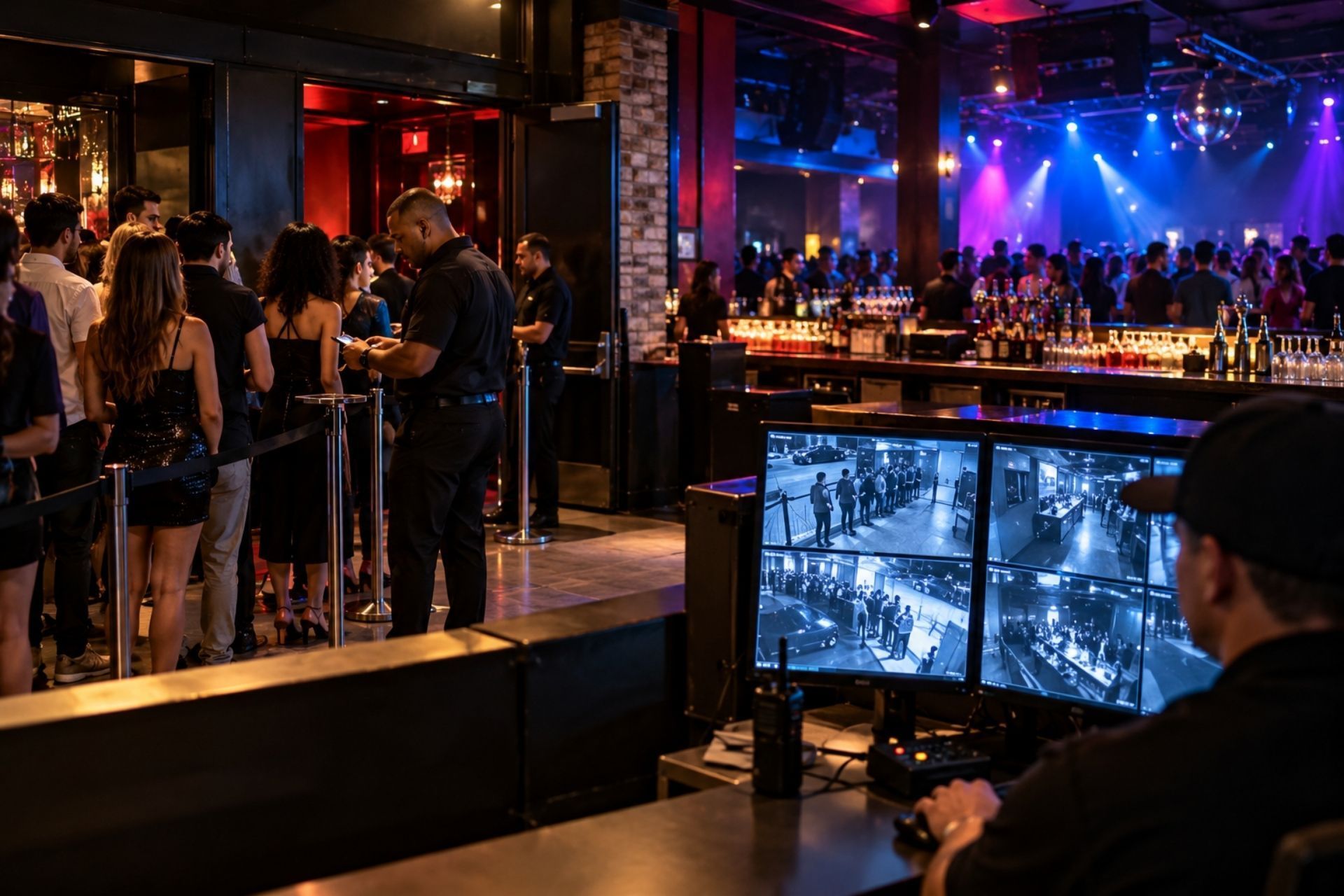
Your venue's legal capacity is one of the first things an underwriter looks at. A 150-person room presents a fundamentally different risk profile than a 1,500-person venue. But capacity alone doesn't tell the whole story. Underwriters want to know how you manage crowds: do you have trained security at a ratio of at least 1:75? Are there clear egress paths? Do you use wristbands or ticket scanning to prevent overcrowding?
Venues that can document their crowd management protocols often qualify for better rates. GrayStone Insurance Group uses data-driven underwriting intelligence to match these operational details with the right carriers, which is especially valuable for venues that have been declined elsewhere due to capacity concerns.
Venue Location and Historical Risk Data
A venue in downtown Chicago carries different risk than one in Peoria, and not just because of property values. Underwriters evaluate crime statistics, flood zone data, proximity to emergency services, and even neighborhood foot traffic patterns. General liability premiums in Illinois vary significantly by location and industry classification, with urban entertainment venues typically paying more than suburban ones.
Your claims history matters enormously too. A venue with two assault claims in the past three years will pay dramatically more than a clean operation. If you've recently improved security, installed cameras, or implemented new training programs, make sure your broker communicates those changes to underwriters. Risk improvements don't help you if they stay in a filing cabinet.
Every policy has boundaries. Knowing them up front is how you avoid an uncovered claim. Common exclusions include:
Every policy has boundaries. Knowing them up front is how you avoid an uncovered claim. Common exclusions include:
Every policy has boundaries. Knowing them up front is how you avoid an uncovered claim. Common exclusions include:
General Liability responds to the core exposures most operations in this category face. A typical policy answers third-party claims and the defense costs that come with them, so a single incident doesn't put the business at risk.
Risk Management and Local Compliance Standards
Chicago-Specific Ordinances vs. Downstate Regulations
Chicago's licensing requirements for live entertainment venues are among the most detailed in the country. The city requires a Public Place of Amusement license, and depending on your setup, you may also need a Late Night license, a special event permit, or additional endorsements. Each of these can trigger specific insurance requirements that go beyond state minimums.
Downstate municipalities vary widely. Springfield, Rockford, and Champaign each have their own entertainment licensing frameworks, and some smaller towns have almost no specific venue regulations at all. That doesn't mean you need less insurance: it means you have fewer external guardrails telling you what to carry, which actually increases your risk of being underinsured.
Fire Safety and Pyrotechnic Permitting
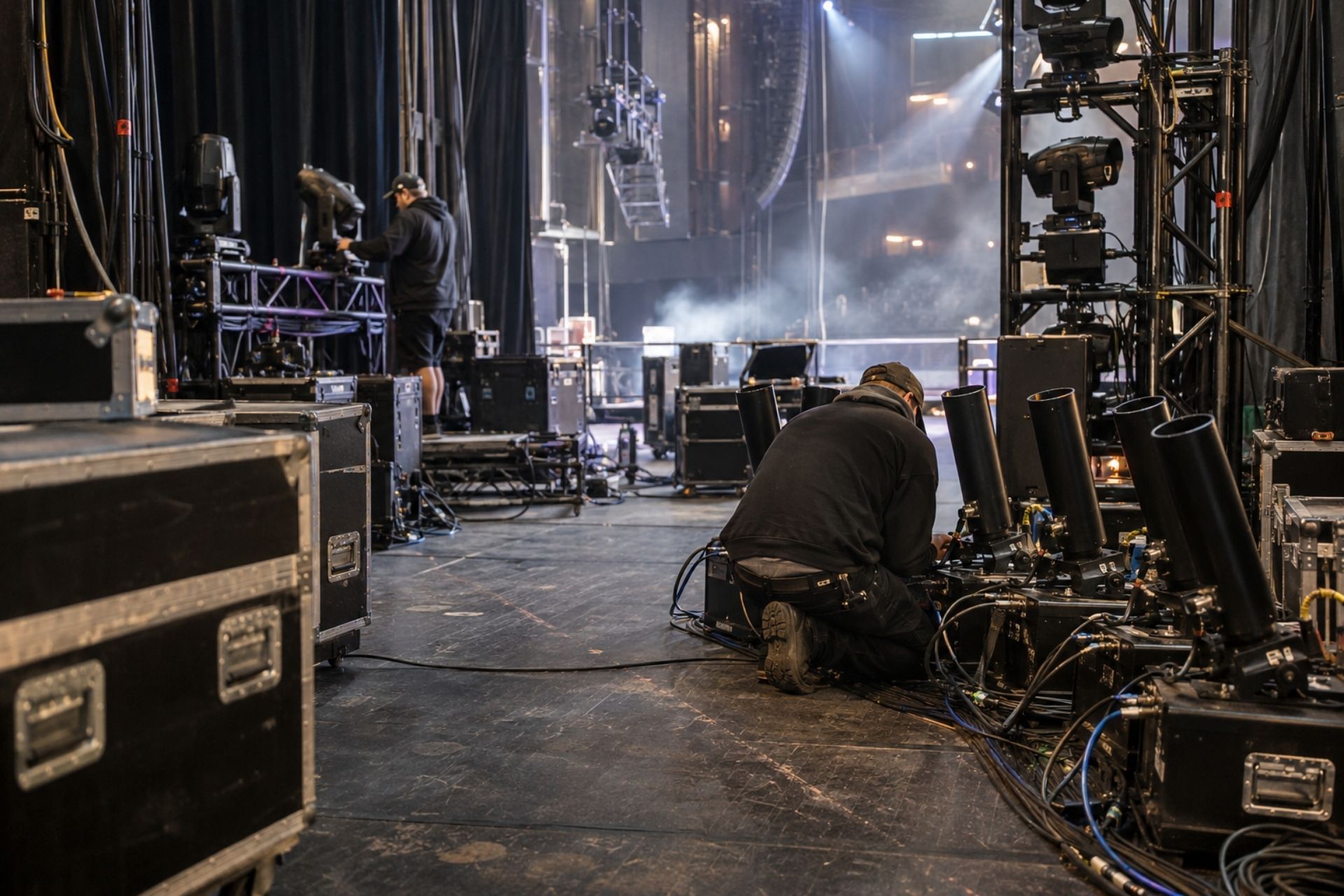
Any venue using pyrotechnics, even something as basic as a CO2 cannon or confetti blast, needs a permit from the local fire marshal. Illinois follows NFPA 1126 for the use of pyrotechnics in proximity to audiences, and your insurance policy needs to explicitly cover pyrotechnic use if you allow it. Many standard policies exclude it entirely.
Fire safety compliance also affects your premiums. Venues with sprinkler systems, fire suppression in kitchen areas, and documented inspection schedules get better rates. If your building predates current fire codes, expect underwriters to ask about upgrades, and consider investing in them: the premium savings often pay for the improvements within a few years.
Common Questions About Venue Insurance
Do I need insurance if I only host acoustic acts?
Yes. The type of music doesn't change your liability exposure. A patron can still slip on a wet floor, choke on food, or get into an altercation regardless of whether the entertainment is a solo guitarist or a five-piece rock band. Your insurance requirements are driven by the fact that you're operating a public venue, not by the genre or volume of music.
How does the Illinois Dram Shop Act affect my rates?
Significantly. Illinois is one of the stricter dram shop states, and the annually adjusted liability limits mean your coverage needs to be reviewed every year. Venues with strong alcohol service training programs, like BASSET certification for all staff, typically see lower liquor liability premiums than those without formal training.
Can I get one-day insurance for a single concert?
Yes, and it's more affordable than most people expect. Single-event liability policies can start as low as $100 to $300 for smaller events, though a live music event with alcohol service will cost more. These policies are useful for one-off shows, but if you're hosting events regularly, an annual policy is almost always more cost-effective.
Does my policy cover damage caused by the performers?
Usually not automatically. Most general liability policies cover your liability to third parties, not damage caused by third parties like performers. You should require artists and touring acts to carry their own liability insurance and name your venue as an additional insured on their policy. This is standard practice in the industry and protects you from claims arising from a performer's actions on your stage.
Every policy has boundaries. Knowing them up front is how you avoid an uncovered claim. Common exclusions include:
Every policy has boundaries. Knowing them up front is how you avoid an uncovered claim. Common exclusions include:
Every policy has boundaries. Knowing them up front is how you avoid an uncovered claim. Common exclusions include:
General Liability responds to the core exposures most operations in this category face. A typical policy answers third-party claims and the defense costs that come with them, so a single incident doesn't put the business at risk.
Protecting Your Venue's Future
Illinois venue operators face a unique combination of state-level statutes, municipal regulations, and the inherent risks of hosting live entertainment with alcohol service. The right insurance program isn't just about checking boxes for compliance: it's about building a financial safety net that lets you focus on booking great shows and growing your business.
Start by auditing your current coverage against the requirements outlined here. Pay special attention to your Dram Shop Act compliance, your workers' comp classifications, and whether your equipment is actually covered at replacement cost. If you're finding gaps or getting declined by standard carriers, GrayStone Insurance Group specializes in placing coverage for high-risk entertainment venues, with brokers who average 20 years of experience in the market. Reach out for a coverage review before your next renewal: the cost of getting it wrong is always higher than the cost of getting it right.
ABOUT THE AUTHOR:
CHAD KRAMER
I started GrayStone Insurance Group in 2018 with a simple conviction: the businesses everyone else turns away deserve a broker who won't. What began as a one-person operation has grown into a specialty commercial brokerage with offices across the country — but the mission hasn't changed. We find solutions for high-risk and hard-to-place businesses when other agencies run the other way.
I built this agency on integrity, hard work, and the tenacity to do the hard things well. Through our access to Excess & Surplus and specialty markets, my team and I place coverage standard carriers can't — and I treat every client's business like my own.
If you've been declined, non-renewed, or told your business is too complicated to insure, let's talk.
Coverages & policies
Plain-language coverage, expertly placed.
We lead with commercial lines and round out personal coverage where you need it. Every policy comes with an explanation — not jargon.

Contractors
Third-party bodily injury & property damage — the foundation for any operation.

Liquor Liability
Critical for bars, restaurants and venues serving alcohol — including A&B.

Commercial Property
Buildings, contents and equipment — including distressed and vacant risk.

Workers' Compensation
Statutory coverage for your crew — including high-mod and high-hazard classes.

Commercial Umbrella
Extra liability limits over your primary policies — essential for high-exposure risk.
Products Liability
Manufacturers, CBD and consumer-product exposure — including imports.
What clients say
Brokers who actually place it.
FAQ
Answers for the risks others won't cover
Getting declined, non-renewed, or told your business is "too high-risk" is frustrating — but it doesn't mean you're out of options. Here are answers to the questions we hear most from business owners who need coverage the standard market won't provide.
What kind of insurance does GrayStone specialize in?
We're a specialty commercial brokerage built for high-risk and hard-to-place businesses — the risks standard carriers often turn away. Through our access to Excess & Surplus (E&S) and specialty markets, we place coverage that everyday agencies can't. Hospitality and construction are among our deepest areas of expertise.
My business was declined or non-renewed elsewhere. Can you still help?
That's exactly what we do. A decline, a non-renewal, or a tough claims history doesn't mean you're out of options — it means your risk needs a broker with the right market access. Tell us your situation and we'll get to work finding a fit.
What is Excess & Surplus (E&S) insurance?
E&S is specialty coverage for risks that standard "admitted" carriers won't write — often because a business is higher-risk, unusual, or has a complex history. As an independent broker, we tap into these specialty markets to place coverage where a typical agency hits a dead end.
What industries do you work with?
We cover a wide range of commercial industries — from restaurants, bars, and hospitality to contractors, trucking, manufacturing, cannabis, and more. If your industry is considered high-risk or hard-to-place, there's a good chance we've handled it.
Will you work with businesses that have prior claims or losses?
Yes. Prior claims and losses are part of many of the risks we place every day. Every business is evaluated on its own merits — and a rocky history is often exactly why a specialty broker can help where others won't.
Are you an independent broker?
Yes. We're not tied to a single carrier, so we shop your risk across multiple specialty and E&S markets to find coverage that actually fits — instead of forcing you into a one-size-fits-all policy.
Insights & resources
Know your risk before you buy.