
General Liability responds to the core exposures most operations in this category face. A typical policy answers third-party claims and the defense costs that come with them, so a single incident doesn't put the business at risk.
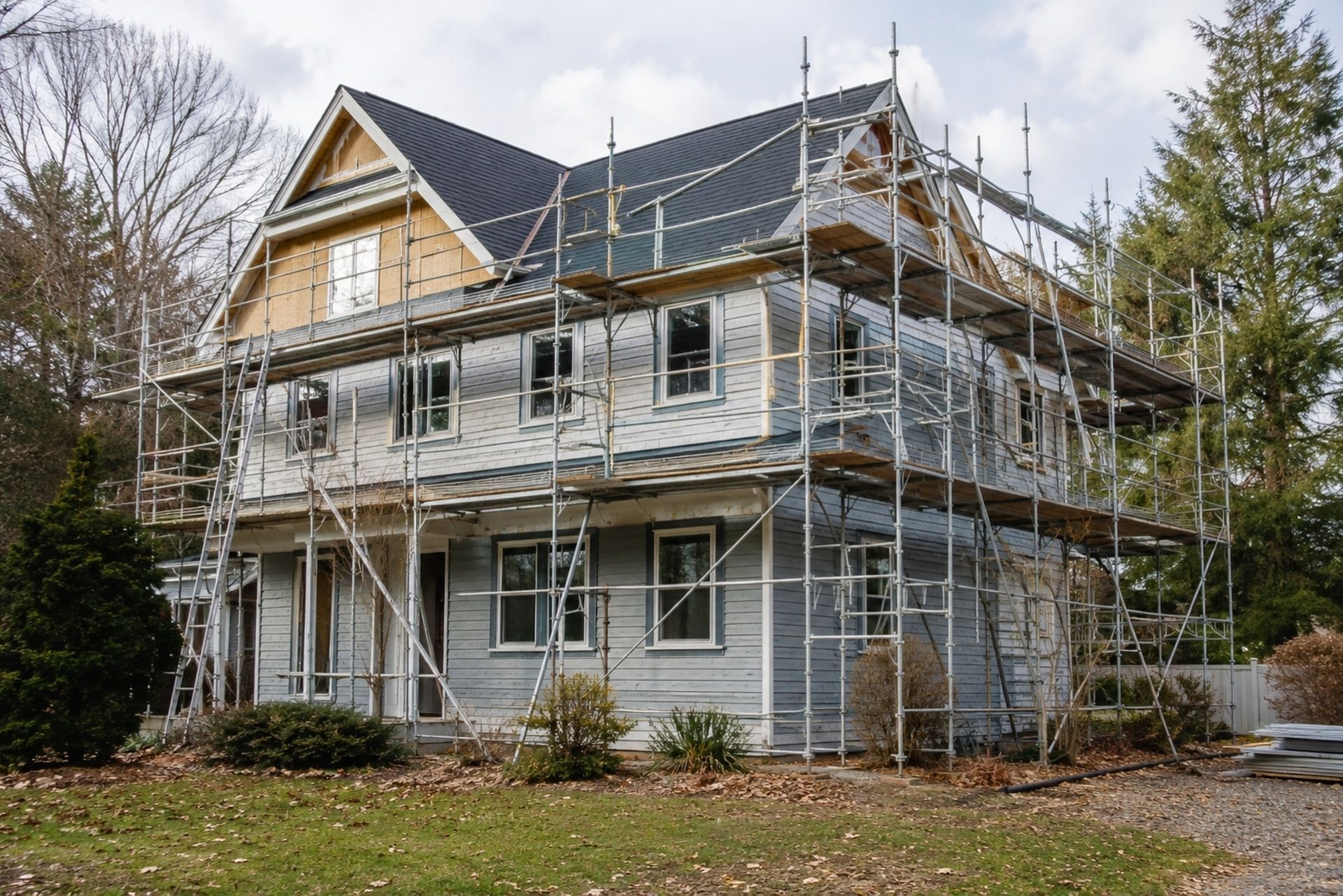
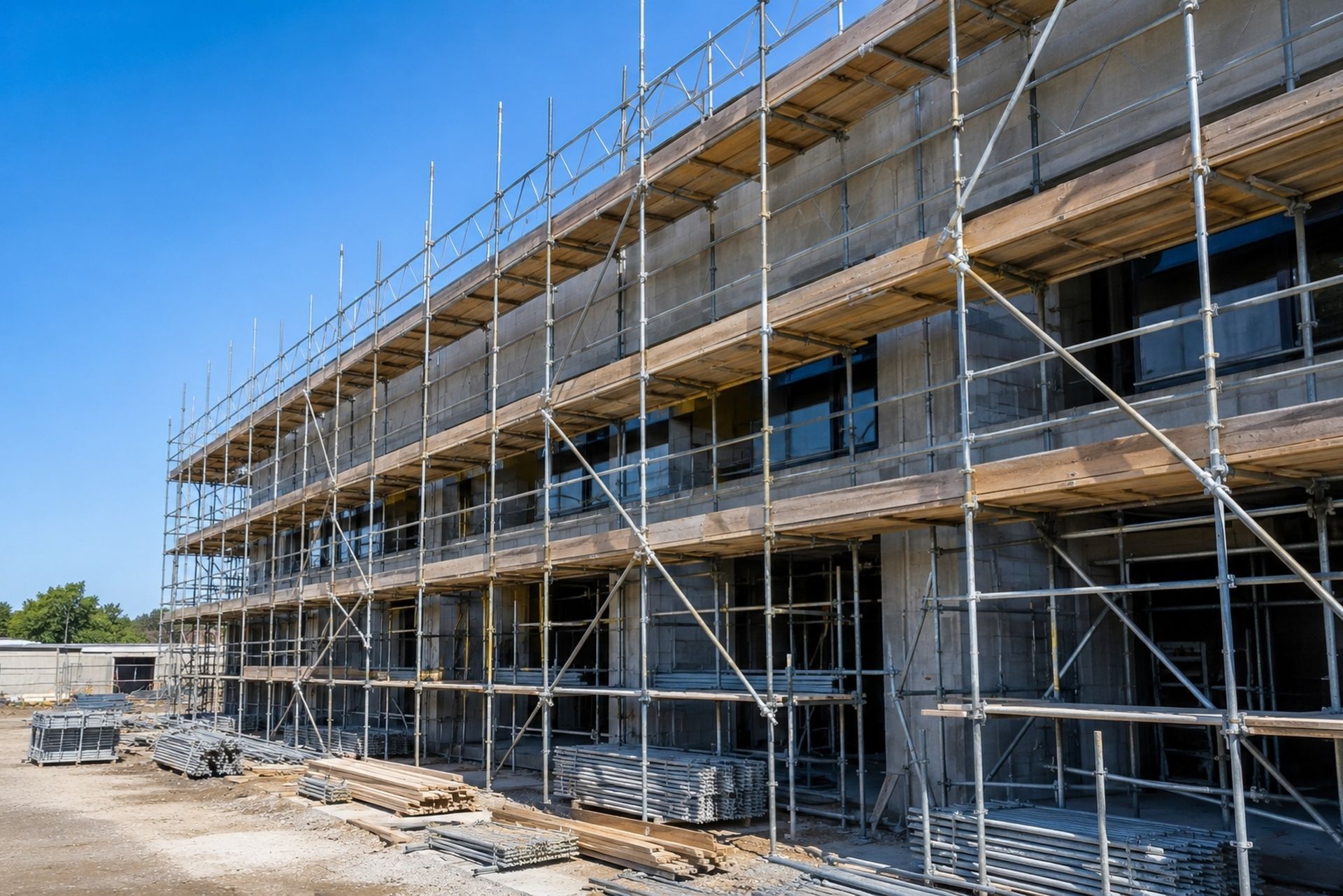
Scaffolding work sits at the intersection of everything insurance carriers hate: extreme heights, heavy equipment, third-party exposure, and a claims history that makes underwriters flinch. If you run a scaffolding business and have tried to get decent coverage lately, you already know the frustration. Standard carriers either decline outright or quote premiums so high they feel punitive. The problem isn't that your business is uninsurable - it's that most agencies don't know where to look or how to present your risk properly. Scaffolding contractors insurance is genuinely hard to place, and the reasons go deeper than most people realize. Between rising jury verdicts, tightening underwriting standards, and an injury rate that dwarfs most other construction trades, the market has shifted dramatically against scaffolding businesses over the past few years. But coverage exists, and the right broker can find it without bankrupting you. Here's what you need to understand about why your insurance is so difficult to secure, what coverage you actually need, and how specialists like GrayStone Insurance Group approach these placements differently.
Understanding the High-Risk Nature of Scaffolding
Scaffolding is one of the most dangerous trades in construction, and the numbers back that up without exaggeration. The injury and fatality statistics alone put scaffolding in a risk category that most carriers want nothing to do with. But the risk profile extends beyond worker injuries - there's significant exposure to property damage, public safety incidents, and environmental factors that compound the challenge.
What makes scaffolding uniquely difficult from an insurance perspective is the combination of frequency and severity. Claims happen often, and when they do, the dollar amounts tend to be enormous. A single catastrophic fall can generate a multi-million dollar lawsuit, and scaffolding collapses affecting bystanders or adjacent properties can trigger claims from multiple parties simultaneously.
The Gravity Factor: Heights and Fall Risks
Falls remain the leading cause of death in construction, and scaffolding is ground zero for that statistic. Scaffolding accidents result in approximately 4,500 injuries and 60 to 80 deaths annually, with 68% of scaffolding workers exposed to fall hazards at some point during their careers. Those numbers have stayed stubbornly consistent despite improved safety standards, which tells underwriters that the inherent risk isn't going away.
OSHA's most-cited violations list tells a similar story. Fall protection violations have topped the list for over a decade, and scaffolding-specific violations consistently appear in the top ten. For carriers, this pattern signals that even well-run scaffolding companies operate in an environment where serious injuries are a statistical inevitability rather than an anomaly.
The height factor also complicates workers' compensation claims. A fall from 30 feet doesn't produce a sprained ankle - it produces traumatic brain injuries, spinal cord damage, and fatalities. The average cost per claim is dramatically higher than ground-level construction trades.
Third-Party Liability and Public Safety Concerns
Worker injuries are only half the equation. Scaffolding operations frequently occur on busy streets, near pedestrian walkways, and adjacent to occupied buildings. A scaffold collapse in a commercial district can injure passersby, damage vehicles, and shut down businesses for days or weeks.
These third-party claims are what really terrify carriers. A worker's compensation claim has defined benefits and limits. A third-party bodily injury lawsuit does not. When a piece of scaffolding falls onto a sidewalk and injures someone, you're looking at general liability claims that can easily reach seven figures, especially in plaintiff-friendly jurisdictions like New York, California, or Illinois.
Property damage adds another layer. Scaffolding erected against a building can damage facades, windows, and structural elements. If your scaffold damages a historic building or a high-end commercial property, the repair costs alone can exceed your policy limits before legal fees even enter the picture.
INDEX
Understanding the High-Risk Nature of Scaffolding
Why Standard Carriers Avoid Scaffolding Risks
Essential Coverage Components for Scaffolding Businesses
Comparing Coverage Needs: Standard vs. Specialized Policies
The GrayStone Approach: Specialized Placement Strategies
GrayStone Insurance Group is fully licensed and permitted to provide specialty commercial insurance solutions for high-risk and hard-to-place businesses across 17 states.
We proudly serve high-risk and hard-to-place businesses from coast to coast. As an independent specialty brokerage, our team works with leading Excess & Surplus and specialty carriers to make sure restaurants, bars, contractors, trucking companies, manufacturers, and other hard-to-place operations receive coverage that fits their real risks in California, Colorado, Florida, Georgia, Illinois, Iowa, Maryland, Michigan, Missouri, Nevada, New York, North Carolina, South Carolina, Tennessee, Texas, Utah, and Washington.
Every policy has boundaries. Knowing them up front is how you avoid an uncovered claim. Common exclusions include:
Every policy has boundaries. Knowing them up front is how you avoid an uncovered claim. Common exclusions include:
Every policy has boundaries. Knowing them up front is how you avoid an uncovered claim. Common exclusions include:
General Liability responds to the core exposures most operations in this category face. A typical policy answers third-party claims and the defense costs that come with them, so a single incident doesn't put the business at risk.
If your firm provides any design, engineering, or consulting services alongside construction, you need both. A GL policy won't cover a claim alleging your design specifications caused a building envelope failure. That's a professional liability exposure, and it's one of the fastest-growing claim categories in construction.
Why Standard Carriers Avoid Scaffolding Risks
Most admitted carriers - the ones your typical insurance agent works with - have internal guidelines that specifically exclude or severely restrict scaffolding risks. This isn't arbitrary. It's a calculated response to loss data that has gotten progressively worse over the past decade.
Strict Underwriting Guidelines and Exclusions
Standard carriers use classification codes to categorize businesses, and scaffolding contractors fall into some of the most restricted categories in commercial insurance. Many carriers have blanket exclusions for any contractor working above 15 or 20 feet. Others will write the policy but exclude height-related claims entirely, which defeats the purpose for a scaffolding company.
The underwriting questionnaires alone can be disqualifying. Carriers want to know your experience modification rate, your OSHA citation history, your safety training protocols, and your claims history going back five to seven years. One bad year - even a single large claim - can make you uninsurable in the standard market for years. The construction risk environment heading into 2026 has only tightened these restrictions further, with carriers pulling back from high-hazard trades across the board.
The Impact of Litigation and Multi-Million Dollar Claims
The litigation environment has fundamentally changed the math for carriers. Nuclear verdicts - jury awards exceeding $10 million - have become increasingly common in construction injury cases. Tort reform efforts are making some progress in certain states, but the overall trend still favors plaintiffs, and scaffolding cases tend to generate significant jury sympathy.
A single scaffolding fatality lawsuit can easily exceed $5 million in total costs when you factor in the verdict, legal defense, and settlement negotiations. Carriers that write scaffolding risks need to price for these tail events, and the premiums required often make the business unprofitable for standard markets. The result is a shrinking pool of willing carriers and rising costs for the contractors left scrambling for coverage.
The 2026 market has seen property catastrophe rates drop 14.7% in early renewals, which is good news for builders risk. But excess liability premiums have moved sharply in the other direction, with hikes ranging from 7% to well above that depending on the risk profile. Getting the right stack of coverage at the right price requires more than just calling your local agent.
Essential Coverage Components for Scaffolding Businesses
Getting insurance isn't just about finding someone willing to write a policy. You need the right coverage structure, or you're paying premiums for protection that won't actually be there when you need it.
General Liability vs. Excess Liability Comparison
| Feature | General Liability | Excess Liability |
|---|---|---|
| Purpose | Covers third-party bodily injury and property damage | Extends limits beyond GL policy |
| Typical Limits | $1M per occurrence / $2M aggregate | $2M to $10M+ |
| Cost Range | $8,000 - $25,000+ annually | $5,000 - $15,000+ annually |
| When It Pays | First dollar (after deductible) on covered claims | Only after GL limits are exhausted |
| Required By | Most general contractors and project owners | Often required for commercial projects |
| Key Consideration | Must include scaffolding/height work; no exclusions | Must "follow form" with underlying GL |
Most scaffolding contractors need both. A $1 million GL limit sounds adequate until you're facing a wrongful death suit or a multi-party property damage claim. Excess liability fills the gap, but only if it follows the form of your underlying policy without adding new exclusions.
Inland Marine: Protecting Your Physical Assets
Scaffolding equipment is expensive, mobile, and constantly exposed to theft and damage. A full set of system scaffold for a mid-size project can represent $100,000 or more in equipment value. Standard commercial property policies typically don't cover equipment in transit or stored at job sites.
Inland marine insurance fills this gap. It covers your scaffolding components, tools, and equipment wherever they are - on your truck, at a job site, or in temporary storage. Given that construction activity in 2026 continues to expand, with more projects running simultaneously, the exposure to equipment loss is higher than ever. Skipping this coverage to save a few thousand dollars is a gamble that rarely pays off.
Every policy has boundaries. Knowing them up front is how you avoid an uncovered claim. Common exclusions include:
Every policy has boundaries. Knowing them up front is how you avoid an uncovered claim. Common exclusions include:
Every policy has boundaries. Knowing them up front is how you avoid an uncovered claim. Common exclusions include:
General Liability responds to the core exposures most operations in this category face. A typical policy answers third-party claims and the defense costs that come with them, so a single incident doesn't put the business at risk.
Comparing Coverage Needs: Standard vs. Specialized Policies
The difference between a standard contractor's policy and one designed for scaffolding work often comes down to what's excluded. A standard policy might cover general contracting operations but exclude work performed above a certain height, subcontractor injury claims, or completed operations involving temporary structures.
Specialized policies written through surplus lines markets are designed with scaffolding operations in mind. They account for height exposure, include completed operations coverage for scaffold installations that fail after your crew leaves, and can be tailored to include professional liability if you're also providing engineering or design services for complex scaffold systems. The premium will be higher than a vanilla contractor's policy, but the coverage actually matches your risk. A policy full of exclusions is just an expensive piece of paper. You can explore how tailored scaffolding contractor coverage differs from generic policies to see what a properly structured program looks like.
Why does my insurance keep going up even though I haven't had any claims? Claims in the broader construction industry drive rate increases across the board. Even with a clean loss history, you're affected by market-wide trends like nuclear verdicts and increased material costs that inflate claim values.
Can I save money by classifying workers as subcontractors instead of employees? This is one of the most common and dangerous mistakes contractors make. Misclassification can result in audit penalties, uncovered workers' comp claims, and state fines. If a worker is functionally an employee, treat them as one.
What limits should I carry for general liability? Most commercial contracts require $1M per occurrence and $2M aggregate at minimum, with an umbrella policy bringing total limits to $5M or more. Your specific needs depend on project size and contract requirements.
Do I need a separate policy for each project? Not usually. A practice policy covers all your operations, though large projects may require project-specific coverage or wrap-ups. Your broker should review each contract to determine what's needed.
What happens if my subcontractor's insurance lapses mid-project? You're exposed. Your policy may respond, but you'll likely face a deductible and potential premium increase. Continuous certificate tracking is essential, and many contractors now use automated verification platforms.
How long does completed operations coverage last? Typically tied to your policy period, but statutes of repose vary by state: some allow construction defect claims up to 10 years after completion. Make sure your coverage extends long enough to match your state's statute.
When admitted carriers decline your application, the surplus lines market becomes your path to coverage. Surplus lines insurers aren't bound by the same rate and form regulations as admitted carriers, giving them flexibility to write policies for unusual or high-hazard risks. The U.S. surplus lines market has grown substantially as more businesses find themselves unable to secure standard market coverage.
Working with a broker who has established surplus lines relationships is critical. GrayStone Insurance Group, for example, specializes in placing coverage for hard-to-place contractors through its surplus lines partnerships, using data-driven risk modeling to match operators with the right carrier. Not every surplus lines broker understands construction, so look for one with specific trade experience.
Navigating the Surplus Lines Market
Impact of Claims History on Future Premiums
Your loss history follows you. A single large claim can increase premiums for three to five years, and multiple claims within a short window can make you virtually uninsurable in the standard market. Your experience modification rate (EMR) in workers comp directly reflects your claims history relative to peers in your classification.
The good news: you can improve your EMR over time by reducing claim frequency and severity. Implement return-to-work programs, contest questionable claims, and invest in loss control. Brokers with deep industry knowledge, like those averaging 20+ years of experience at firms such as GrayStone, can help you build a narrative around your risk improvement efforts that resonates with underwriters.
Start with your safety program. Documented training, proper PPE protocols, and a clean claims history are the fastest path to lower premiums. Beyond that, working with a broker who understands risk assessment for specialty construction trades can help you avoid overpaying for coverage you don't need while making sure you're not exposed on the coverages you do.
Bundling your GL, inland marine, and commercial auto with a single carrier or program often yields better pricing than buying each separately. Raising your deductible from $1,000 to $2,500 can also reduce premiums by 10-15% on general liability.
FAQ: How can I lower my insurance costs without losing coverage?
What This Means for Your Business
Concrete finishing is a skilled trade that deserves insurance coverage designed for its actual risks, not a generic contractor policy with half the important coverages stripped out. The difficulty in placing this insurance isn't a reflection of your business: it's a reflection of a market that doesn't understand your trade well enough to price it fairly.
If you're paying too much, carrying policies with critical exclusions, or getting declined altogether, the problem is almost certainly your current broker's market access, not your operation. GrayStone Insurance Group specializes in exactly these hard-to-place risks, connecting concrete contractors with carriers who actually want to write this business.
The right policy protects your equipment, your completed work, your crew, and your reputation. Don't settle for less just because a few carriers said no. Reach out to GrayStone and get a quote built around what your concrete business actually does.
How much does GL insurance cost for a real estate developer? Expect to pay between $15,000 and $75,000 annually for a standard GL policy, depending on project size, location, and construction type. Mixed-use and residential projects in litigation-heavy states will land at the higher end.
How long does it take to place coverage for a new development? Simple projects with experienced developers can be placed in 2-4 weeks. Complex or distressed risks may take 6-8 weeks, especially if surplus lines markets need to be accessed.
What's the most common coverage gap developers miss? Completed operations coverage that extends beyond project completion. Many developers let this lapse after the certificate of occupancy, leaving them exposed to defect claims that surface years later.
Do I need separate pollution coverage? Almost always, yes. Standard GL policies exclude pollution, and brownfield or infill sites carry environmental risk even with clean Phase II reports. A site-specific pollution legal liability policy typically runs $5,000-$15,000 annually.
Can I add my lender as an additional insured? Yes, and your lender will require it. Make sure the additional insured endorsement matches the exact entity name on the loan documents, or you'll face delays at closing.
What happens if my carrier non-renews mid-project? You'll need to find replacement coverage quickly, usually within 30-60 days. This is where having a broker with deep market relationships pays off - a cold submission to unfamiliar carriers during a non-renewal is a tough position.
FAQ: Cost, Timelines, and Coverage Gaps
The GrayStone Approach: Specialized Placement Strategies
Finding coverage for scaffolding contractors requires a broker who knows where to look and how to present the risk. GrayStone Insurance Group has built its reputation on placing exactly these kinds of hard-to-insure businesses, with brokers averaging 20 years of market experience and a 94% client retention rate that speaks to results.
Accessing Non-Admitted and Surplus Lines Markets
When admitted carriers say no, surplus lines and non-admitted markets become essential. These carriers operate outside standard state rate regulations, which gives them flexibility to write risks that admitted carriers won't touch. The trade-off is that surplus lines policies aren't backed by state guaranty funds, but for scaffolding contractors, this is often the only viable path to real coverage.
GrayStone's approach uses data-driven underwriting intelligence and AI-powered risk modeling to match scaffolding contractors with the right surplus lines carriers. This isn't about shotgunning applications to every market and hoping for a quote. It's about understanding which carriers have appetite for scaffolding risks, what loss ratios they're targeting, and how to present your company's safety record in a way that gets to "yes." You can see the full range of contractor insurance solutions available through this approach.
Risk Management and Safety Program Validation
Carriers willing to write scaffolding risks want evidence that you take safety seriously. A documented safety program isn't optional - it's a prerequisite. This means written fall protection plans, regular equipment inspection logs, competent person training records, and incident investigation procedures.
GrayStone works with clients to validate and strengthen their safety programs before approaching carriers. A well-documented safety culture can mean the difference between a declination and a competitive quote. Carriers want to see that you're tracking near-misses, conducting regular toolbox talks, and investing in training beyond the OSHA minimum. The insurance market in 2026 has increasingly focused on data and documentation as differentiators between acceptable and unacceptable risks.
Every policy has boundaries. Knowing them up front is how you avoid an uncovered claim. Common exclusions include:
Every policy has boundaries. Knowing them up front is how you avoid an uncovered claim. Common exclusions include:
Every policy has boundaries. Knowing them up front is how you avoid an uncovered claim. Common exclusions include:
General Liability responds to the core exposures most operations in this category face. A typical policy answers third-party claims and the defense costs that come with them, so a single incident doesn't put the business at risk.
Common Questions About Scaffolding Insurance
Why does my scaffolding company keep getting declined by insurance carriers? Most standard carriers have internal guidelines that exclude contractors working above 15 to 20 feet. Scaffolding's injury frequency and claim severity make it unprofitable for admitted markets, so you need a broker who works with surplus lines carriers.
How much does scaffolding contractor insurance typically cost? Expect to pay $15,000 to $50,000 or more annually for a comprehensive package, depending on your revenue, crew size, claims history, and geographic location. Companies with clean loss runs and strong safety programs pay significantly less.
Do I need separate coverage for rented or leased scaffolding equipment? Yes, in most cases. Your general liability policy won't cover damage to rented equipment. You'll need an inland marine policy or a specific equipment floater to protect against theft, damage, or loss of rented scaffold systems.
Can I get coverage if I've had a serious claim in the past three years? It's harder but not impossible. Surplus lines carriers will consider your application if you can demonstrate what corrective actions you've taken since the incident. Updated safety programs and new training protocols help your case significantly.
What's the difference between admitted and non-admitted carriers? Admitted carriers are licensed and regulated by your state's insurance department, with guaranty fund backing. Non-admitted carriers operate under surplus lines rules with more pricing flexibility but without guaranty fund protection. Both are legitimate insurance markets.
Why does my insurance keep going up even though I haven't had any claims? Claims in the broader construction industry drive rate increases across the board. Even with a clean loss history, you're affected by market-wide trends like nuclear verdicts and increased material costs that inflate claim values.
Can I save money by classifying workers as subcontractors instead of employees? This is one of the most common and dangerous mistakes contractors make. Misclassification can result in audit penalties, uncovered workers' comp claims, and state fines. If a worker is functionally an employee, treat them as one.
What limits should I carry for general liability? Most commercial contracts require $1M per occurrence and $2M aggregate at minimum, with an umbrella policy bringing total limits to $5M or more. Your specific needs depend on project size and contract requirements.
Do I need a separate policy for each project? Not usually. A practice policy covers all your operations, though large projects may require project-specific coverage or wrap-ups. Your broker should review each contract to determine what's needed.
What happens if my subcontractor's insurance lapses mid-project? You're exposed. Your policy may respond, but you'll likely face a deductible and potential premium increase. Continuous certificate tracking is essential, and many contractors now use automated verification platforms.
How long does completed operations coverage last? Typically tied to your policy period, but statutes of repose vary by state: some allow construction defect claims up to 10 years after completion. Make sure your coverage extends long enough to match your state's statute.
When admitted carriers decline your application, the surplus lines market becomes your path to coverage. Surplus lines insurers aren't bound by the same rate and form regulations as admitted carriers, giving them flexibility to write policies for unusual or high-hazard risks. The U.S. surplus lines market has grown substantially as more businesses find themselves unable to secure standard market coverage.
Working with a broker who has established surplus lines relationships is critical. GrayStone Insurance Group, for example, specializes in placing coverage for hard-to-place contractors through its surplus lines partnerships, using data-driven risk modeling to match operators with the right carrier. Not every surplus lines broker understands construction, so look for one with specific trade experience.
Navigating the Surplus Lines Market
Impact of Claims History on Future Premiums
Your loss history follows you. A single large claim can increase premiums for three to five years, and multiple claims within a short window can make you virtually uninsurable in the standard market. Your experience modification rate (EMR) in workers comp directly reflects your claims history relative to peers in your classification.
The good news: you can improve your EMR over time by reducing claim frequency and severity. Implement return-to-work programs, contest questionable claims, and invest in loss control. Brokers with deep industry knowledge, like those averaging 20+ years of experience at firms such as GrayStone, can help you build a narrative around your risk improvement efforts that resonates with underwriters.
Start with your safety program. Documented training, proper PPE protocols, and a clean claims history are the fastest path to lower premiums. Beyond that, working with a broker who understands risk assessment for specialty construction trades can help you avoid overpaying for coverage you don't need while making sure you're not exposed on the coverages you do.
Bundling your GL, inland marine, and commercial auto with a single carrier or program often yields better pricing than buying each separately. Raising your deductible from $1,000 to $2,500 can also reduce premiums by 10-15% on general liability.
FAQ: How can I lower my insurance costs without losing coverage?
What This Means for Your Business
Concrete finishing is a skilled trade that deserves insurance coverage designed for its actual risks, not a generic contractor policy with half the important coverages stripped out. The difficulty in placing this insurance isn't a reflection of your business: it's a reflection of a market that doesn't understand your trade well enough to price it fairly.
If you're paying too much, carrying policies with critical exclusions, or getting declined altogether, the problem is almost certainly your current broker's market access, not your operation. GrayStone Insurance Group specializes in exactly these hard-to-place risks, connecting concrete contractors with carriers who actually want to write this business.
The right policy protects your equipment, your completed work, your crew, and your reputation. Don't settle for less just because a few carriers said no. Reach out to GrayStone and get a quote built around what your concrete business actually does.
How much does GL insurance cost for a real estate developer? Expect to pay between $15,000 and $75,000 annually for a standard GL policy, depending on project size, location, and construction type. Mixed-use and residential projects in litigation-heavy states will land at the higher end.
How long does it take to place coverage for a new development? Simple projects with experienced developers can be placed in 2-4 weeks. Complex or distressed risks may take 6-8 weeks, especially if surplus lines markets need to be accessed.
What's the most common coverage gap developers miss? Completed operations coverage that extends beyond project completion. Many developers let this lapse after the certificate of occupancy, leaving them exposed to defect claims that surface years later.
Do I need separate pollution coverage? Almost always, yes. Standard GL policies exclude pollution, and brownfield or infill sites carry environmental risk even with clean Phase II reports. A site-specific pollution legal liability policy typically runs $5,000-$15,000 annually.
Can I add my lender as an additional insured? Yes, and your lender will require it. Make sure the additional insured endorsement matches the exact entity name on the loan documents, or you'll face delays at closing.
What happens if my carrier non-renews mid-project? You'll need to find replacement coverage quickly, usually within 30-60 days. This is where having a broker with deep market relationships pays off - a cold submission to unfamiliar carriers during a non-renewal is a tough position.
FAQ: Cost, Timelines, and Coverage Gaps
Your Next Steps for Securing Coverage
Scaffolding insurance is hard to place for real, quantifiable reasons: the injury statistics are sobering, the litigation environment is hostile, and standard carriers have largely exited the market. None of that means you can't get good coverage at a reasonable price. It means you need a broker who specializes in hard-to-place risks and knows how to work surplus lines markets effectively.
Start by getting your documentation in order. Pull together your loss runs for the past five years, your experience modification rate, your safety program documentation, and your OSHA training records. The more organized your submission, the faster and more favorable your quotes will be.
If you're tired of declinations and inflated premiums, reach out to GrayStone Insurance Group for a consultation. Their team understands the scaffolding industry's specific risks and has the market relationships to find coverage that actually fits your operations. The right policy is out there - you just need someone who knows where to find it.
ABOUT THE AUTHOR:
CHAD KRAMER
I started GrayStone Insurance Group in 2018 with a simple conviction: the businesses everyone else turns away deserve a broker who won't. What began as a one-person operation has grown into a specialty commercial brokerage with offices across the country — but the mission hasn't changed. We find solutions for high-risk and hard-to-place businesses when other agencies run the other way.
I built this agency on integrity, hard work, and the tenacity to do the hard things well. Through our access to Excess & Surplus and specialty markets, my team and I place coverage standard carriers can't — and I treat every client's business like my own.
If you've been declined, non-renewed, or told your business is too complicated to insure, let's talk.
Coverages & policies
Plain-language coverage, expertly placed.
We lead with commercial lines and round out personal coverage where you need it. Every policy comes with an explanation — not jargon.

Contractors
Third-party bodily injury & property damage — the foundation for any operation.

Liquor Liability
Critical for bars, restaurants and venues serving alcohol — including A&B.

Commercial Property
Buildings, contents and equipment — including distressed and vacant risk.

Workers' Compensation
Statutory coverage for your crew — including high-mod and high-hazard classes.

Commercial Umbrella
Extra liability limits over your primary policies — essential for high-exposure risk.
Products Liability
Manufacturers, CBD and consumer-product exposure — including imports.
What clients say
Brokers who actually place it.
FAQ
Answers for the risks others won't cover
Getting declined, non-renewed, or told your business is "too high-risk" is frustrating — but it doesn't mean you're out of options. Here are answers to the questions we hear most from business owners who need coverage the standard market won't provide.
What kind of insurance does GrayStone specialize in?
We're a specialty commercial brokerage built for high-risk and hard-to-place businesses — the risks standard carriers often turn away. Through our access to Excess & Surplus (E&S) and specialty markets, we place coverage that everyday agencies can't. Hospitality and construction are among our deepest areas of expertise.
My business was declined or non-renewed elsewhere. Can you still help?
That's exactly what we do. A decline, a non-renewal, or a tough claims history doesn't mean you're out of options — it means your risk needs a broker with the right market access. Tell us your situation and we'll get to work finding a fit.
What is Excess & Surplus (E&S) insurance?
E&S is specialty coverage for risks that standard "admitted" carriers won't write — often because a business is higher-risk, unusual, or has a complex history. As an independent broker, we tap into these specialty markets to place coverage where a typical agency hits a dead end.
What industries do you work with?
We cover a wide range of commercial industries — from restaurants, bars, and hospitality to contractors, trucking, manufacturing, cannabis, and more. If your industry is considered high-risk or hard-to-place, there's a good chance we've handled it.
Will you work with businesses that have prior claims or losses?
Yes. Prior claims and losses are part of many of the risks we place every day. Every business is evaluated on its own merits — and a rocky history is often exactly why a specialty broker can help where others won't.
Are you an independent broker?
Yes. We're not tied to a single carrier, so we shop your risk across multiple specialty and E&S markets to find coverage that actually fits — instead of forcing you into a one-size-fits-all policy.
Insights & resources
Know your risk before you buy.