
General Liability responds to the core exposures most operations in this category face. A typical policy answers third-party claims and the defense costs that come with them, so a single incident doesn't put the business at risk.
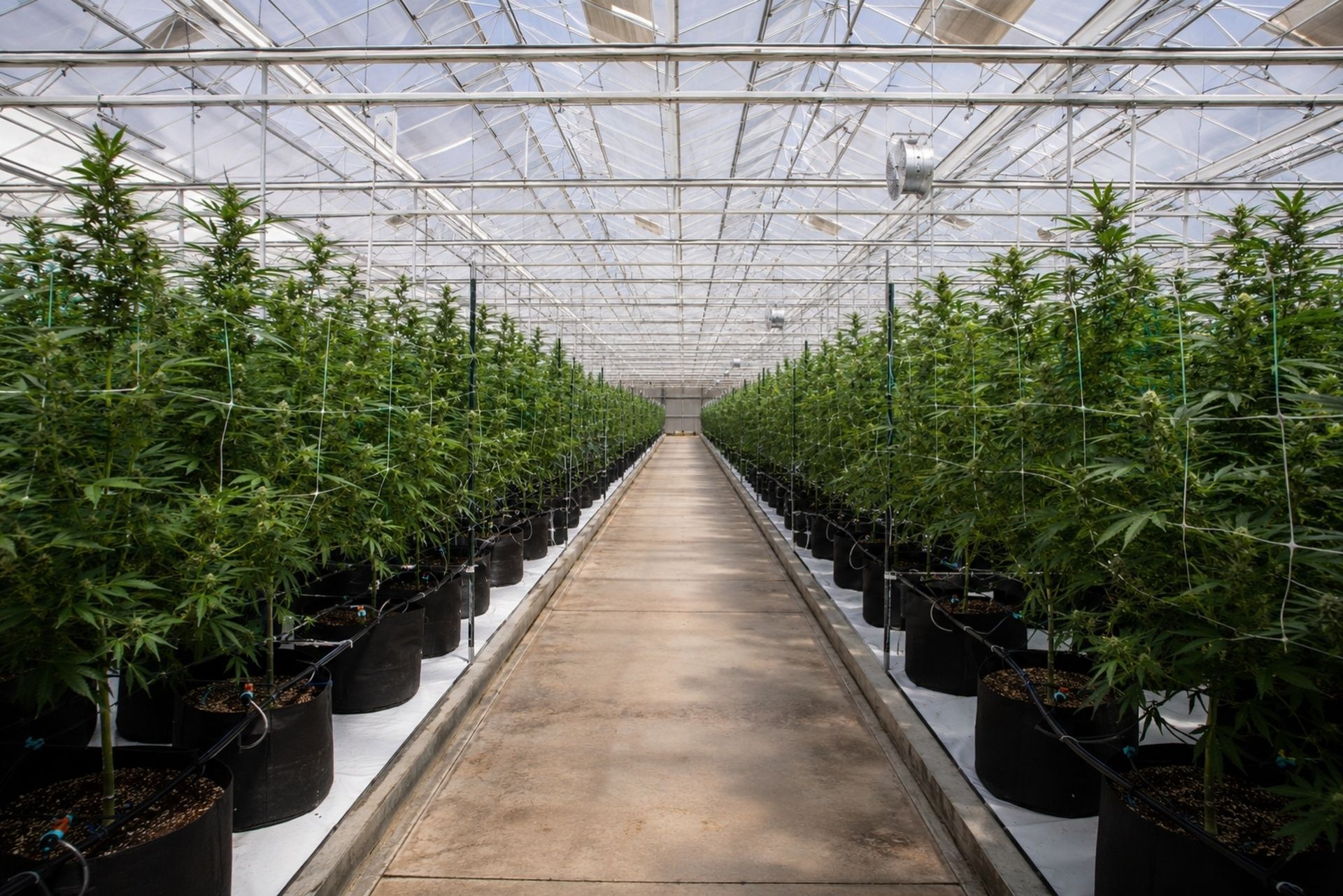
Running a CBD or hemp business in Nevada means dealing with a reality most entrepreneurs don't anticipate: getting insured is genuinely difficult. Traditional carriers routinely decline cannabis-adjacent businesses, and the ones willing to write policies often charge premiums that make your eyes water. But skipping insurance isn't an option, not in a state where regulators, landlords, and customers all expect proof of coverage. Whether you're growing hemp in Nye County or running a CBD retail shop in Las Vegas, understanding your insurance requirements, actual costs, and compliance obligations will save you from expensive surprises down the road.
Understanding Nevada's Insurance Requirements for CBD and Hemp
Nevada doesn't have a single, tidy statute that says "all hemp businesses must carry X insurance." Instead, the requirements come from multiple directions: state licensing conditions, local business permits, lease agreements, and sometimes even your payment processor. The result is a patchwork of obligations that varies depending on your business type.
What is consistent is that the Nevada Department of Agriculture requires hemp growers to register and maintain compliance documentation. The 2025 Hemp Grower Application outlines specific conditions that implicitly demand financial protection, because a failed crop or compliance violation can wipe out an entire season's revenue. Most growers discover that lenders and co-packers won't work with them without proof of insurance either.
Mandatory State Coverages for NV Operators
Nevada requires all employers to carry workers' compensation insurance, period. If you have even one employee on your hemp farm or in your CBD shop, you need a workers' comp policy. Beyond that, the state mandates commercial auto insurance for any business vehicles, and most municipalities require general liability coverage before issuing a business license.
For processors handling extraction or manufacturing, additional environmental liability coverage is often required by local fire marshals and building departments. Clark County, for example, has stricter requirements than rural counties when it comes to hazardous materials coverage for businesses using CO2 or ethanol extraction methods.
The Difference Between State Mandates and Landlord Requirements
State mandates are the floor, not the ceiling. Your landlord almost certainly requires more. Most commercial leases in Nevada include insurance provisions that demand general liability limits of $1 million per occurrence and $2 million aggregate, plus property coverage and sometimes even naming the landlord as an additional insured.
Here's where it gets tricky: many standard commercial landlord insurance clauses were written before CBD retail was common. Some landlords don't realize their own property insurance might exclude cannabis-related tenants. This creates a situation where both you and your landlord need specialized coverage, and sorting it out before signing a lease saves enormous headaches.
INDEX
GrayStone Insurance Group is fully licensed and permitted to provide specialty commercial insurance solutions for high-risk and hard-to-place businesses across 17 states.
We proudly serve high-risk and hard-to-place businesses from coast to coast. As an independent specialty brokerage, our team works with leading Excess & Surplus and specialty carriers to make sure restaurants, bars, contractors, trucking companies, manufacturers, and other hard-to-place operations receive coverage that fits their real risks in California, Colorado, Florida, Georgia, Illinois, Iowa, Maryland, Michigan, Missouri, Nevada, New York, North Carolina, South Carolina, Tennessee, Texas, Utah, and Washington.
Every policy has boundaries. Knowing them up front is how you avoid an uncovered claim. Common exclusions include:
Every policy has boundaries. Knowing them up front is how you avoid an uncovered claim. Common exclusions include:
Every policy has boundaries. Knowing them up front is how you avoid an uncovered claim. Common exclusions include:
General Liability responds to the core exposures most operations in this category face. A typical policy answers third-party claims and the defense costs that come with them, so a single incident doesn't put the business at risk.
If your firm provides any design, engineering, or consulting services alongside construction, you need both. A GL policy won't cover a claim alleging your design specifications caused a building envelope failure. That's a professional liability exposure, and it's one of the fastest-growing claim categories in construction.
Essential Coverage Types for Every Nevada CBD Business
The right insurance package depends entirely on what your business actually does. A retail CBD store faces different risks than a hemp farm, and a white-label manufacturer has exposures that neither of those businesses share. But certain coverage types show up in almost every CBD and hemp operation.
General Liability vs. Product Liability
These two get confused constantly, and the distinction matters.
| Coverage Type | What It Covers | Example Claim | Typical Limits |
|---|---|---|---|
| General Liability | Bodily injury or property damage on your premises | Customer slips on wet floor in your CBD shop | $1M per occurrence / $2M aggregate |
| Product Liability | Harm caused by products you sell or manufacture | Customer has allergic reaction to CBD tincture | $1M-$2M per occurrence |
| Combined GL/PL | Both premises and product risks | Either scenario above | $1M-$5M depending on revenue |
General liability covers the "someone got hurt at your location" scenario. Product liability covers the "someone got hurt using your product" scenario. If you manufacture, process, or even just retail CBD products, you need both. A slip-and-fall at your store is a general liability claim. A contaminated batch of CBD gummies that sends someone to the ER is a product liability claim. Different risks, different coverage triggers.
Crop and Inventory Insurance for Growers and Processors
Hemp farming in Nevada carries real agricultural risk: drought, pest damage, and the ever-present threat of a crop testing hot (above the legal THC threshold). Crop insurance for hemp has improved since USDA's initial pilot programs, but it's still limited compared to traditional commodity crops.
Inventory insurance protects processed goods, raw biomass, and finished products sitting in your warehouse. This matters because a single fire or flood can destroy hundreds of thousands of dollars in CBD inventory. The list of current Nevada hemp certificate holders shows dozens of active operations, and most carry inventory coverage of at least $100,000.
Comparison: Basic vs. Comprehensive Coverage Packages
A basic package might include general liability and workers' comp only. That gets you legal compliance but leaves gaping holes. A comprehensive package adds product liability, commercial property, business interruption, and possibly cyber liability if you sell online.
The price difference between basic and comprehensive coverage typically runs 40-60% more in annual premiums. For a small CBD retail shop, that might mean the difference between $3,500 and $5,500 per year. The comprehensive package is almost always worth it, because one product liability claim can easily exceed $50,000 in defense costs alone, even if you win.
Factors Influencing Insurance Costs in the NV Market
Insurance pricing for CBD and hemp businesses in Nevada depends on several variables, and understanding them gives you real negotiating power. Carriers aren't pricing these policies arbitrarily: they're running risk models based on specific data points.
Revenue Volume and Product Risk Profiles
Your annual revenue is the single biggest factor in premium calculations. A CBD shop doing $200,000 in annual sales will pay significantly less than one doing $2 million. But the type of products you sell matters almost as much. Ingestible products like tinctures and edibles carry higher risk ratings than topicals like lotions and balms.
Agencies like GrayStone Insurance Group use data-driven risk modeling to match your specific product mix with carriers who understand the difference between a hemp flower distributor and a CBD isolate manufacturer. That precision matters because a carrier who lumps all CBD businesses into one risk category will overcharge you.
Testing Protocols and Compliance Documentation
Businesses that can demonstrate rigorous third-party testing, COAs (Certificates of Analysis) for every batch, and documented quality control procedures consistently get better rates. Underwriters view testing protocols as a direct indicator of product liability risk.
If you maintain clean compliance records with the Nevada Department of Agriculture's hemp program, that documentation becomes part of your underwriting file. Clean records translate to lower premiums. It's one of the few areas where your compliance investment directly reduces your operating costs.
Every policy has boundaries. Knowing them up front is how you avoid an uncovered claim. Common exclusions include:
Every policy has boundaries. Knowing them up front is how you avoid an uncovered claim. Common exclusions include:
Every policy has boundaries. Knowing them up front is how you avoid an uncovered claim. Common exclusions include:
General Liability responds to the core exposures most operations in this category face. A typical policy answers third-party claims and the defense costs that come with them, so a single incident doesn't put the business at risk.
Maintaining Compliance with Nevada State Laws
Staying compliant isn't a one-time checkbox. Nevada's hemp regulations evolve, and your insurance needs to evolve with them. A policy that covered you perfectly in 2024 might have gaps in 2026 if you've added product lines or changed your growing practices.
Aligning Insurance with the Nevada Department of Agriculture
The NDA oversees hemp cultivation licensing and testing requirements. Your insurance coverage needs to mirror the scope of your licensed activities. If your license covers cultivation and processing but your insurance only covers cultivation, you have an uninsured exposure that could cost you everything.
Review your policy annually against your NDA license conditions. If you've expanded from growing into extraction, your insurer needs to know. GrayStone's brokers, who average 20 years of experience in the insurance market, routinely catch these misalignments during policy reviews, and it's one of the reasons their client retention rate sits at 94%.
Reporting Changes in THC Levels or Product Lines
Nevada has officially adopted a "Total THC" standard, meaning both Delta-9 THC and THCA count toward the 0.3% legal threshold. This is a critical detail for insurance purposes. If your crop or product tests above that limit, you're no longer dealing with legal hemp: you're dealing with marijuana, which changes your insurance situation entirely.
Any time you add a new product line, change suppliers, or receive test results showing THC levels approaching the limit, notify your insurance carrier immediately. Failing to disclose material changes can void your coverage, and that's exactly the worst time to find out you're uninsured.
THCA specifically has become a point of regulatory focus in Nevada, with enforcement actions increasing against businesses selling high-THCA products marketed as hemp. If your product line includes THCA flower or concentrates, make sure your policy explicitly addresses this risk.
What happens if a show gets canceled last minute?
Standard policies don't cover event cancellation. If a headliner cancels, severe weather shuts you down, or a power outage kills the show, you're absorbing the full financial loss unless you have a dedicated event cancellation policy. These policies typically cover lost ticket revenue, non-refundable deposits, and marketing expenses. For venues that rely on ticket sales as a primary revenue stream, this coverage pays for itself the first time you need it.
Common Questions About Nevada Hemp Insurance
FAQ: Do I need insurance if I only sell CBD topicals?
Yes. While topicals carry lower product liability risk than ingestibles, you still need general liability for your retail space and product liability for the items you sell. Landlords and payment processors will require proof of coverage regardless of product type.
FAQ: How much does a standard policy cost in Nevada?
For a small CBD retail operation, expect $3,000 to $7,000 annually for a general liability and product liability package. Hemp farms typically pay $5,000 to $15,000 depending on acreage and whether crop insurance is included. High-revenue operations or manufacturers pay more.
FAQ: Does my homeowners insurance cover my hemp farm?
Almost certainly not. Homeowners policies exclude commercial agricultural operations, and most explicitly exclude cannabis-related activities. You need a standalone commercial farm policy, even if you're growing on your residential property.
FAQ: Why won't my current agent cover my CBD shop?
Most traditional insurance agents work with carriers that still classify CBD as cannabis and decline to write policies. You need an agent or broker who specializes in high-risk placements and has relationships with carriers comfortable with hemp and CBD exposures.
FAQ: What happens if my crop exceeds the 0.3% THC limit?
Your crop must be destroyed under NDA supervision, and you lose that harvest entirely. Crop insurance may cover some of the financial loss, but only if your policy specifically includes "hot crop" coverage. Not all policies do, so check your endorsements carefully.
Every policy has boundaries. Knowing them up front is how you avoid an uncovered claim. Common exclusions include:
Every policy has boundaries. Knowing them up front is how you avoid an uncovered claim. Common exclusions include:
Every policy has boundaries. Knowing them up front is how you avoid an uncovered claim. Common exclusions include:
General Liability responds to the core exposures most operations in this category face. A typical policy answers third-party claims and the defense costs that come with them, so a single incident doesn't put the business at risk.
Making the Right Choice for Your Policy
Getting the right insurance for a Nevada CBD or hemp business comes down to three things: matching your coverage to your actual operations, maintaining clean compliance records, and working with a broker who genuinely understands this industry.
Don't settle for a generic commercial policy that technically covers you but falls apart the moment you file a claim involving a CBD product. The difference between a policy written by someone who understands hemp and one written by a generalist can be tens of thousands of dollars at claim time.
If you're unsure whether your current coverage actually protects you, or if you've been declined by traditional carriers, reach out to GrayStone Insurance Group for a policy review. The right coverage exists: it just takes someone who knows where to find it and how to structure it for your specific operation.
ABOUT THE AUTHOR:
CHAD KRAMER
I started GrayStone Insurance Group in 2018 with a simple conviction: the businesses everyone else turns away deserve a broker who won't. What began as a one-person operation has grown into a specialty commercial brokerage with offices across the country — but the mission hasn't changed. We find solutions for high-risk and hard-to-place businesses when other agencies run the other way.
I built this agency on integrity, hard work, and the tenacity to do the hard things well. Through our access to Excess & Surplus and specialty markets, my team and I place coverage standard carriers can't — and I treat every client's business like my own.
If you've been declined, non-renewed, or told your business is too complicated to insure, let's talk.
Coverages & policies
Plain-language coverage, expertly placed.
We lead with commercial lines and round out personal coverage where you need it. Every policy comes with an explanation — not jargon.

Contractors
Third-party bodily injury & property damage — the foundation for any operation.

Liquor Liability
Critical for bars, restaurants and venues serving alcohol — including A&B.

Commercial Property
Buildings, contents and equipment — including distressed and vacant risk.

Workers' Compensation
Statutory coverage for your crew — including high-mod and high-hazard classes.

Commercial Umbrella
Extra liability limits over your primary policies — essential for high-exposure risk.
Products Liability
Manufacturers, CBD and consumer-product exposure — including imports.
What clients say
Brokers who actually place it.
FAQ
Answers for the risks others won't cover
Getting declined, non-renewed, or told your business is "too high-risk" is frustrating — but it doesn't mean you're out of options. Here are answers to the questions we hear most from business owners who need coverage the standard market won't provide.
What kind of insurance does GrayStone specialize in?
We're a specialty commercial brokerage built for high-risk and hard-to-place businesses — the risks standard carriers often turn away. Through our access to Excess & Surplus (E&S) and specialty markets, we place coverage that everyday agencies can't. Hospitality and construction are among our deepest areas of expertise.
My business was declined or non-renewed elsewhere. Can you still help?
That's exactly what we do. A decline, a non-renewal, or a tough claims history doesn't mean you're out of options — it means your risk needs a broker with the right market access. Tell us your situation and we'll get to work finding a fit.
What is Excess & Surplus (E&S) insurance?
E&S is specialty coverage for risks that standard "admitted" carriers won't write — often because a business is higher-risk, unusual, or has a complex history. As an independent broker, we tap into these specialty markets to place coverage where a typical agency hits a dead end.
What industries do you work with?
We cover a wide range of commercial industries — from restaurants, bars, and hospitality to contractors, trucking, manufacturing, cannabis, and more. If your industry is considered high-risk or hard-to-place, there's a good chance we've handled it.
Will you work with businesses that have prior claims or losses?
Yes. Prior claims and losses are part of many of the risks we place every day. Every business is evaluated on its own merits — and a rocky history is often exactly why a specialty broker can help where others won't.
Are you an independent broker?
Yes. We're not tied to a single carrier, so we shop your risk across multiple specialty and E&S markets to find coverage that actually fits — instead of forcing you into a one-size-fits-all policy.
Insights & resources
Know your risk before you buy.