
General Liability responds to the core exposures most operations in this category face. A typical policy answers third-party claims and the defense costs that come with them, so a single incident doesn't put the business at risk.
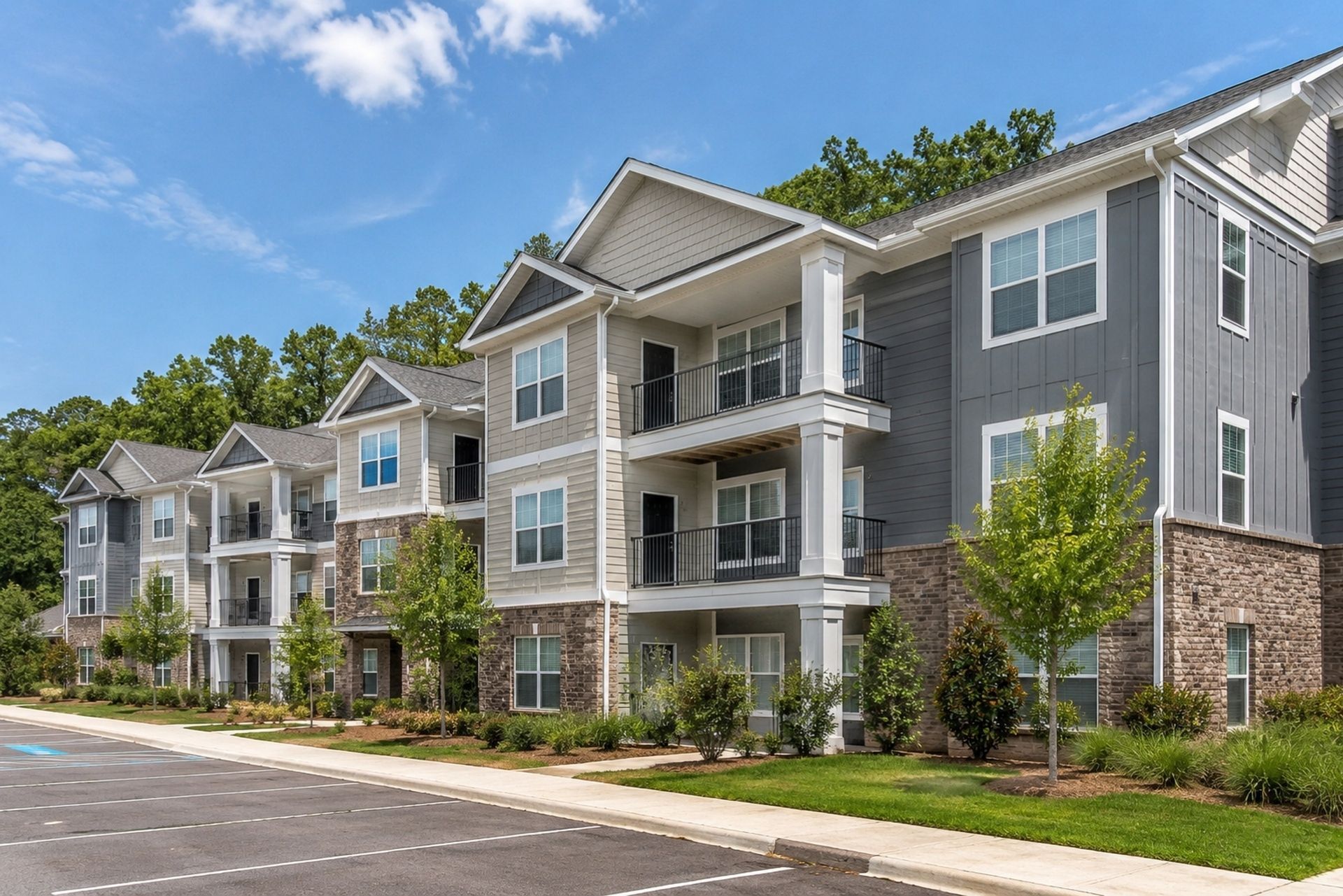
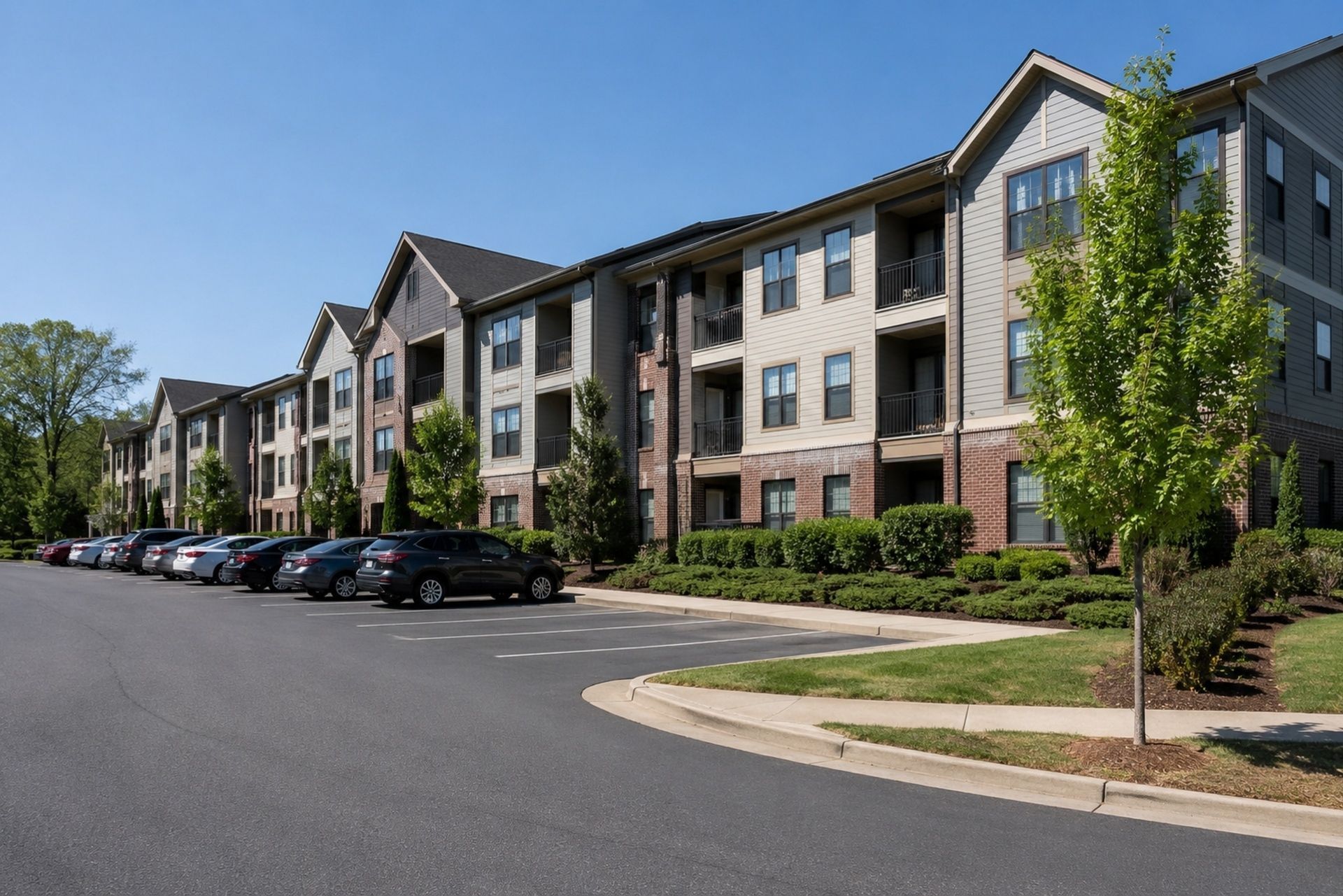
Owning or managing a multi-family property is one of the more reliable ways to build long-term wealth, but it also comes with a risk profile that keeps insurance underwriters busy. Between aging infrastructure, tenant turnover, and liability exposure in shared spaces, apartment buildings generate claims at a pace that single-family rentals rarely match. If you've been declined by a standard carrier or watched your premiums spike after a bad loss year, you already know the frustration. This guide breaks down the coverage that apartment building operators actually need, the claims that hit hardest, and what to do when you're considered "hard to place." Property insurance pricing is showing signs of softening in Q2 2026, with some regions seeing rate decreases ranging from 0% to 50% depending on catastrophe exposure. That's welcome news, but it doesn't mean operators can afford to be passive about their coverage strategy. The wrong policy structure can leave you exposed to six- or seven-figure losses that eat into your cash flow for years. Whether you manage a 12-unit walk-up or a 200-unit complex, the principles here apply. The stakes just scale differently.
Essential Coverage Types for Multi-Family Properties
Every apartment building insurance program starts with a few foundational policies. Skip any one of them, and you're gambling with your investment. The trick is knowing how these pieces fit together and where the gaps tend to hide.
Commercial Property and Building Insurance
This is the backbone of your policy: it covers the physical structure, including the roof, HVAC systems, plumbing, electrical, and common-area fixtures. If a fire guts three units or a windstorm tears off your roof, commercial property insurance pays to rebuild or repair.
The key decision here is replacement cost versus actual cash value. Replacement cost pays what it takes to rebuild at current material and labor prices. Actual cash value deducts depreciation, which means a 20-year-old roof might only pay out a fraction of what a new one costs. For older buildings, that distinction can mean a gap of hundreds of thousands of dollars. Most experienced operators insist on replacement cost coverage, even though the premiums run higher.
One thing to keep in mind: your policy's building valuation needs to be accurate. Underinsuring a property to save on premiums is one of the most common mistakes I see. When a major loss hits, the coinsurance penalty can reduce your payout by 20% to 40%.
General Liability for Landlords and Owners
General liability protects you when someone gets hurt on your property or claims your negligence caused them harm. A visitor trips on a broken stair, a child is injured at the pool, a delivery driver slips on an icy walkway: these are all general liability claims.
For multi-family operators, the exposure is significant because you're responsible for common areas that dozens or hundreds of people use daily. Policies typically cover bodily injury, property damage to others, and legal defense costs. Standard limits start at $1 million per occurrence and $2 million aggregate, but many landlords carry umbrella policies that push total coverage to $5 million or more.
If you own properties in states like California, where home and commercial premiums have been rising sharply, your liability costs may be higher than the national average. That's especially true for buildings near wildfire zones or in areas with aggressive plaintiff attorneys.
Loss of Rental Income Protection
This coverage is often overlooked until it's desperately needed. If a covered loss makes units uninhabitable, loss of rental income (sometimes called business income coverage) reimburses you for the rent you would have collected during repairs.
Say a kitchen fire damages four units and the hallway badly enough that the building inspector shuts down an entire floor. Repairs take five months. Without rental income coverage, you're still paying the mortgage, property taxes, and maintenance costs with no rent coming in. This policy fills that gap. Most policies cover rental income loss for 12 months, but you can negotiate longer periods for larger properties where reconstruction timelines are unpredictable.
INDEX
GrayStone Insurance Group is fully licensed and permitted to provide specialty commercial insurance solutions for high-risk and hard-to-place businesses across 17 states.
We proudly serve high-risk and hard-to-place businesses from coast to coast. As an independent specialty brokerage, our team works with leading Excess & Surplus and specialty carriers to make sure restaurants, bars, contractors, trucking companies, manufacturers, and other hard-to-place operations receive coverage that fits their real risks in California, Colorado, Florida, Georgia, Illinois, Iowa, Maryland, Michigan, Missouri, Nevada, New York, North Carolina, South Carolina, Tennessee, Texas, Utah, and Washington.
Every policy has boundaries. Knowing them up front is how you avoid an uncovered claim. Common exclusions include:
Every policy has boundaries. Knowing them up front is how you avoid an uncovered claim. Common exclusions include:
Every policy has boundaries. Knowing them up front is how you avoid an uncovered claim. Common exclusions include:
General Liability responds to the core exposures most operations in this category face. A typical policy answers third-party claims and the defense costs that come with them, so a single incident doesn't put the business at risk.
Common Claims and Liability Risks in Apartment Management
Understanding where claims come from helps you prevent them and structure your coverage accordingly. Three categories dominate multi-family claims data year after year.
Water Damage and Pipe Failures
Water damage is the single most frequent and expensive claim type for apartment buildings. Burst pipes, slow leaks behind walls, failed water heaters, and backed-up sewer lines account for a disproportionate share of total losses. A single pipe failure on an upper floor can cascade through multiple units, damaging drywall, flooring, personal property, and electrical systems.
Older buildings with galvanized or polybutylene plumbing are especially vulnerable. Insurers know this, and many will either exclude water damage or impose steep sub-limits on buildings with aging pipe systems. Proactive operators invest in leak detection sensors and scheduled plumbing inspections, both of which can help with underwriting negotiations.
Slip and Fall Liability in Common Areas
Lobbies, stairwells, parking lots, laundry rooms, and pool decks are all high-traffic zones where slip-and-fall incidents happen regularly. These claims can range from a few thousand dollars for a minor injury to well over $500,000 for a serious fall resulting in surgery or long-term disability.
Documentation matters enormously here. Keeping maintenance logs, installing security cameras, and responding promptly to reported hazards can make the difference between winning and losing a liability claim. Juries tend to punish landlords who ignored known problems.
Tenant Disputes and Habitability Claims
Habitability claims are rising in frequency across the country. Tenants who allege mold exposure, pest infestations, or heating failures can file lawsuits that generate significant legal defense costs, even if the landlord ultimately prevails. Some states allow tenants to withhold rent or pursue statutory damages when habitability standards aren't met.
Your general liability policy may cover some of these claims, but not all. Mold, in particular, is frequently excluded or capped at low sub-limits. If your building has any history of moisture problems, ask your broker specifically about mold coverage and what triggers it.
Comparison: Basic vs. Comprehensive Coverage Options
Here's a side-by-side look at what basic and comprehensive multi-family insurance programs typically include:
| Coverage Feature | Basic Policy | Comprehensive Policy |
|---|---|---|
| Building Coverage | Actual cash value | Replacement cost |
| General Liability | $1M per occurrence | $1M+ with umbrella to $5M+ |
| Loss of Rental Income | 6 months or excluded | 12-18 months |
| Water Damage | Limited or sub-limited | Full coverage with higher limits |
| Mold Coverage | Excluded | Included with sub-limits ($25K-$100K) |
| Equipment Breakdown | Excluded | Included (boilers, HVAC, elevators) |
| Ordinance or Law | Excluded | Included (covers code upgrade costs) |
| Tenant Discrimination Defense | Excluded | Often included |
The price difference between basic and comprehensive coverage might be 25% to 40%, but the gap in protection is massive. A single uncovered claim can cost more than a decade of premium savings.
Every policy has boundaries. Knowing them up front is how you avoid an uncovered claim. Common exclusions include:
Every policy has boundaries. Knowing them up front is how you avoid an uncovered claim. Common exclusions include:
Every policy has boundaries. Knowing them up front is how you avoid an uncovered claim. Common exclusions include:
General Liability responds to the core exposures most operations in this category face. A typical policy answers third-party claims and the defense costs that come with them, so a single incident doesn't put the business at risk.
Navigating Challenges for Hard-to-Place Operators
Not every apartment building fits neatly into a standard insurer's appetite. If you've been declined, non-renewed, or quoted premiums that seem unreasonable, you're likely considered hard to place. Here's why that happens and what to do about it.
Insuring Older Buildings and Properties with Deferred Maintenance
Buildings constructed before 1970 often have knob-and-tube wiring, outdated plumbing, or original roofing materials that standard carriers won't touch. Deferred maintenance compounds the problem. If an underwriter sees a roof past its expected lifespan or an inspection report flagging code violations, they'll either decline the risk or price it aggressively.
The multi-family market is seeing increased investor activity in older value-add properties, which means more operators are dealing with this exact challenge. The best approach is to create a capital improvement plan showing scheduled upgrades, then present it alongside your insurance application. Underwriters respond well to evidence that you're actively reducing risk.
Managing High Loss History and Frequent Claims
Three or more claims in a five-year window will put you on most carriers' exclusion lists. Even if the claims were relatively small, frequency signals a pattern that insurers don't want to bet on.
If this describes your situation, the path forward involves both operational changes and strategic insurance placement. Implement documented risk management protocols: regular inspections, tenant screening improvements, and faster maintenance response times. Then work with a broker who specializes in complex risks. GrayStone Insurance Group, for example, works specifically with hard-to-place operators, using data-driven underwriting models to present your risk in the most favorable light to surplus lines carriers who have appetite for these accounts.
The Role of Surplus Lines and Specialized Markets
When admitted carriers say no, surplus lines markets step in. These are non-admitted insurers that operate with more flexibility in pricing and policy terms. They can write coverage that standard carriers can't or won't, including properties with mixed occupancy, high crime areas, or significant claims history.
The trade-off is that surplus lines policies don't come with state guaranty fund protection, so the financial strength of the carrier matters. Your broker should be placing these risks with carriers rated A- or better by AM Best. GrayStone's brokers, who average 20 years of market experience, maintain relationships with dozens of surplus lines carriers, which gives them the ability to shop your risk aggressively. Industry data shows that insurance costs are becoming more manageable in certain markets as competition among carriers increases, but hard-to-place risks still require specialist handling.
Factors That Lead to High-Risk Classification
Insurers flag operations as high-risk based on several factors: new-venture status with less than two years of operating authority, drivers with serious violations (DUI, reckless driving, multiple speeding tickets), prior claims history exceeding industry benchmarks, hauling hazardous materials, and operating in high-litigation states like Florida, Texas, or Georgia.
Age of equipment matters too. Fleets running trucks older than 10 years face higher physical damage rates and more frequent breakdowns that lead to roadside incidents. Some carriers simply won't write policies for trucks beyond a certain model year.
Impact of Claims History on Future Premiums
Your loss history follows you. A single large claim can increase premiums for three to five years, and multiple claims within a short window can make you virtually uninsurable in the standard market. Your experience modification rate (EMR) in workers comp directly reflects your claims history relative to peers in your classification.
The good news: you can improve your EMR over time by reducing claim frequency and severity. Implement return-to-work programs, contest questionable claims, and invest in loss control. Brokers with deep industry knowledge, like those averaging 20+ years of experience at firms such as GrayStone, can help you build a narrative around your risk improvement efforts that resonates with underwriters.
Multi-Family Insurance FAQs
Do my tenants' renters insurance policies reduce my liability as a landlord? They help, but they don't eliminate your exposure. Renters insurance covers a tenant's personal property and their personal liability, not your building or your negligence. Requiring renters insurance is smart policy, though, because it reduces the likelihood of tenants suing you for damaged belongings.
How much does apartment building insurance typically cost? Premiums vary widely based on location, building age, claims history, and coverage limits. A rough benchmark is $250 to $1,500 per unit annually, but older buildings in high-risk areas can exceed that significantly.
Can I bundle multiple buildings under one policy? Yes. A blanket policy covering multiple properties often costs less per building than individual policies and simplifies administration. It also provides shared limits, which can be an advantage or a drawback depending on your portfolio size.
What's the difference between named-peril and open-peril coverage? Named-peril policies only cover losses from specific listed causes (fire, wind, theft, etc.). Open-peril policies cover everything except what's explicitly excluded. Open-peril is almost always the better choice for multi-family properties because it closes coverage gaps you might not anticipate.
Should I carry an umbrella policy? For any building with more than a handful of units, absolutely. A $1 million general liability limit can be exhausted by a single serious injury claim. Umbrella policies add an extra layer, typically in $1 million increments, at a relatively low cost.
Every policy has boundaries. Knowing them up front is how you avoid an uncovered claim. Common exclusions include:
Every policy has boundaries. Knowing them up front is how you avoid an uncovered claim. Common exclusions include:
Every policy has boundaries. Knowing them up front is how you avoid an uncovered claim. Common exclusions include:
General Liability responds to the core exposures most operations in this category face. A typical policy answers third-party claims and the defense costs that come with them, so a single incident doesn't put the business at risk.
Making the Right Choice for Your Portfolio
Multi-family and apartment building insurance isn't something you set and forget. Your coverage should evolve as your portfolio changes, as building conditions shift, and as market conditions create new opportunities. The operators who fare best treat their insurance program as an active part of their risk management strategy, not just a line item on the expense sheet.
If you're dealing with declinations or sky-high premiums, don't assume that's the final answer. Specialized brokers exist precisely for situations where standard markets fall short. The right broker will understand your buildings, your loss history, and the carrier markets that are actually writing your type of risk in 2026.
Reach out to GrayStone Insurance Group if you need a partner who won't flinch at a complicated account. Their team has built a 94% client retention rate by solving problems that other agencies walk away from, and that's exactly the kind of advocacy hard-to-place operators need on their side.
ABOUT THE AUTHOR:
CHAD KRAMER
I started GrayStone Insurance Group in 2018 with a simple conviction: the businesses everyone else turns away deserve a broker who won't. What began as a one-person operation has grown into a specialty commercial brokerage with offices across the country — but the mission hasn't changed. We find solutions for high-risk and hard-to-place businesses when other agencies run the other way.
I built this agency on integrity, hard work, and the tenacity to do the hard things well. Through our access to Excess & Surplus and specialty markets, my team and I place coverage standard carriers can't — and I treat every client's business like my own.
If you've been declined, non-renewed, or told your business is too complicated to insure, let's talk.
Coverages & policies
Plain-language coverage, expertly placed.
We lead with commercial lines and round out personal coverage where you need it. Every policy comes with an explanation — not jargon.

Contractors
Third-party bodily injury & property damage — the foundation for any operation.

Liquor Liability
Critical for bars, restaurants and venues serving alcohol — including A&B.

Commercial Property
Buildings, contents and equipment — including distressed and vacant risk.

Workers' Compensation
Statutory coverage for your crew — including high-mod and high-hazard classes.

Commercial Umbrella
Extra liability limits over your primary policies — essential for high-exposure risk.
Products Liability
Manufacturers, CBD and consumer-product exposure — including imports.
What clients say
Brokers who actually place it.
FAQ
Answers for the risks others won't cover
Getting declined, non-renewed, or told your business is "too high-risk" is frustrating — but it doesn't mean you're out of options. Here are answers to the questions we hear most from business owners who need coverage the standard market won't provide.
What kind of insurance does GrayStone specialize in?
We're a specialty commercial brokerage built for high-risk and hard-to-place businesses — the risks standard carriers often turn away. Through our access to Excess & Surplus (E&S) and specialty markets, we place coverage that everyday agencies can't. Hospitality and construction are among our deepest areas of expertise.
My business was declined or non-renewed elsewhere. Can you still help?
That's exactly what we do. A decline, a non-renewal, or a tough claims history doesn't mean you're out of options — it means your risk needs a broker with the right market access. Tell us your situation and we'll get to work finding a fit.
What is Excess & Surplus (E&S) insurance?
E&S is specialty coverage for risks that standard "admitted" carriers won't write — often because a business is higher-risk, unusual, or has a complex history. As an independent broker, we tap into these specialty markets to place coverage where a typical agency hits a dead end.
What industries do you work with?
We cover a wide range of commercial industries — from restaurants, bars, and hospitality to contractors, trucking, manufacturing, cannabis, and more. If your industry is considered high-risk or hard-to-place, there's a good chance we've handled it.
Will you work with businesses that have prior claims or losses?
Yes. Prior claims and losses are part of many of the risks we place every day. Every business is evaluated on its own merits — and a rocky history is often exactly why a specialty broker can help where others won't.
Are you an independent broker?
Yes. We're not tied to a single carrier, so we shop your risk across multiple specialty and E&S markets to find coverage that actually fits — instead of forcing you into a one-size-fits-all policy.
Insights & resources
Know your risk before you buy.