
General Liability responds to the core exposures most operations in this category face. A typical policy answers third-party claims and the defense costs that come with them, so a single incident doesn't put the business at risk.
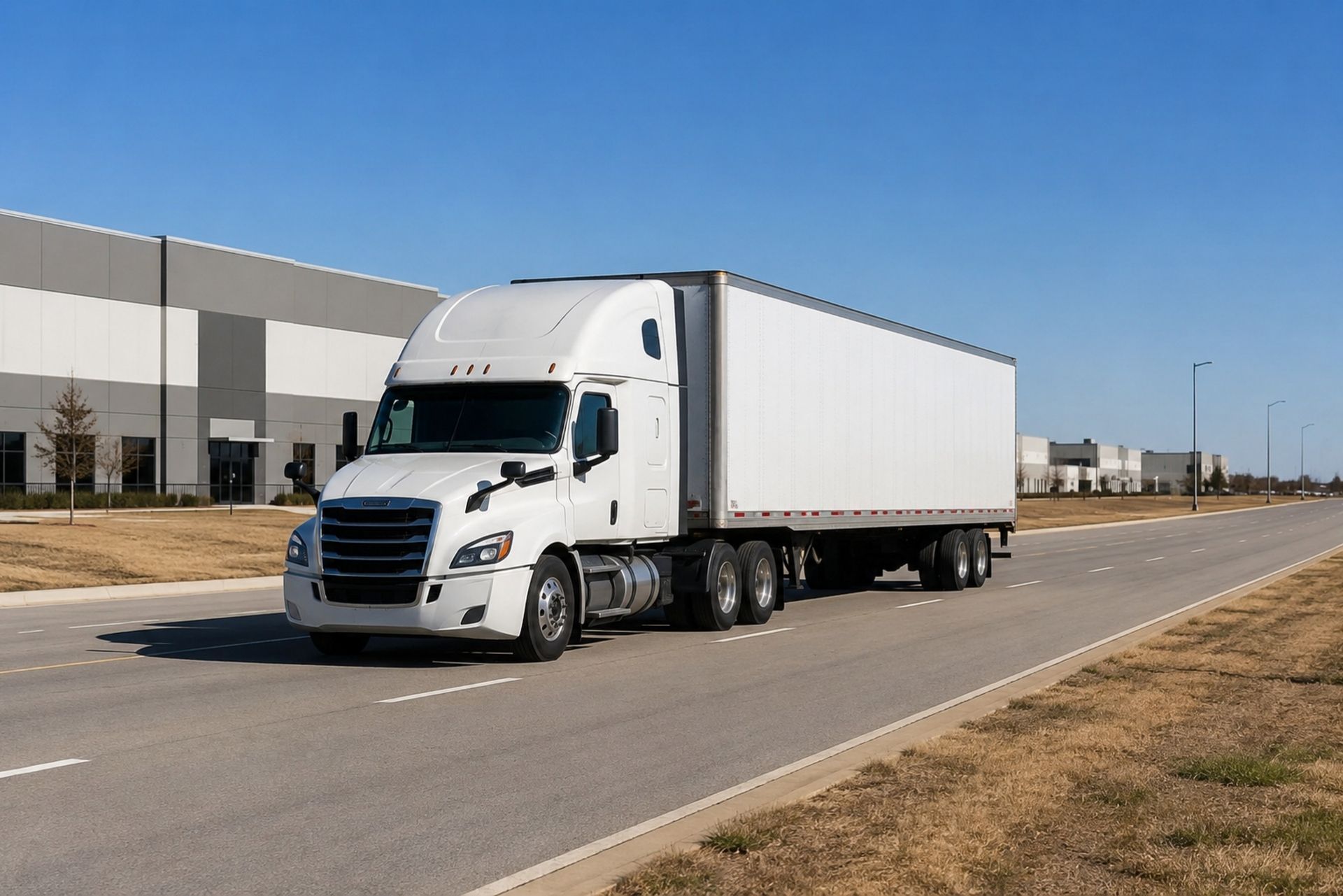
Arlington sits at the crossroads of two major interstate highways, handles a massive share of North Texas freight, and hosts everything from warehouse distribution centers to heavy equipment haulers. If you run a trucking operation here, you already know the risks are real: congested corridors, high theft rates, and a regulatory environment that punishes gaps in coverage. Getting commercial trucking insurance right in Arlington isn't just about meeting minimums. It's about protecting a business that operates in one of the most demanding freight markets in the country. The wrong policy can leave you exposed to six-figure claims, cargo losses, or an FMCSA shutdown order. The right one keeps your trucks moving and your balance sheet intact. This piece breaks down what Texas requires, what federal regulators expect, what coverage types actually matter for local fleets, and where Arlington-specific risks should shape your buying decisions. Whether you're running a two-truck hotshot operation or managing a 50-unit fleet out of the Great Southwest Industrial District, the stakes are high enough to get this right.
Navigating the Arlington Commercial Trucking Landscape
Arlington's position in the DFW Metroplex makes it a natural hub for freight movement, but that same geography creates a concentrated risk profile that insurers watch closely. The city processed over 14 million tons of freight through its corridors in recent years, and that volume keeps climbing. Local operators deal with a mix of short-haul distribution runs, cross-country interstate loads, and last-mile delivery for the massive retail and e-commerce presence in the area.
What makes this market particularly tricky is the combination of urban congestion, industrial density, and weather volatility. Hailstorms alone have generated billions in property damage across North Texas in recent years, and your trucks parked at a yard or terminal are just as vulnerable as any rooftop. Underwriters factor all of this into your premiums, which means an Arlington-based fleet often pays more than a comparable operation in a less congested Texas market.
Why Arlington Operators Face Unique Risks
Cargo theft is a serious concern for anyone moving goods through Texas. The state, along with California, accounts for roughly 58% of all U.S. cargo theft incidents, making it one of the highest-risk states for freight crime. Arlington's proximity to major distribution hubs and its dense network of truck stops and staging areas only amplify that exposure.
On top of theft, deceptive pickup schemes have become a growing headache. These involve fraudulent carriers impersonating legitimate trucking companies to steal loads. While overall cargo theft numbers dipped slightly in early 2026, deceptive pickup schemes surged by 31%, creating a new category of risk that many standard policies don't adequately address. If your cargo coverage doesn't account for these schemes, you could be left holding the bag on a six-figure loss.
The Arlington Police Department has also been increasing visibility efforts to reduce injury and fatality crashes, which signals just how serious local traffic safety concerns have become for commercial vehicles operating in the area.
The Impact of I-20 and I-30 Traffic on Your Premiums
I-20 and I-30 intersect right through Arlington, and that intersection is one of the busiest freight corridors in the southern United States. Insurers use telematics data and route analysis to assess how much time your trucks spend on high-accident corridors, and these two highways consistently rank among the most dangerous in Texas for commercial vehicle incidents.
If your primary routes run along I-20 between Fort Worth and Dallas, expect your liability premiums to reflect that exposure. Accident frequency on these stretches is significantly higher than on rural Texas highways, and the average claim severity is larger because of multi-vehicle pileups and high-speed collisions. One thing to keep in mind: even if you primarily do local runs, the ZIP code where your trucks are garaged matters. An Arlington address puts you squarely in a high-density rating territory.
INDEX
GrayStone Insurance Group is fully licensed and permitted to provide specialty commercial insurance solutions for high-risk and hard-to-place businesses across 17 states.
We proudly serve high-risk and hard-to-place businesses from coast to coast. As an independent specialty brokerage, our team works with leading Excess & Surplus and specialty carriers to make sure restaurants, bars, contractors, trucking companies, manufacturers, and other hard-to-place operations receive coverage that fits their real risks in California, Colorado, Florida, Georgia, Illinois, Iowa, Maryland, Michigan, Missouri, Nevada, New York, North Carolina, South Carolina, Tennessee, Texas, Utah, and Washington.
Every policy has boundaries. Knowing them up front is how you avoid an uncovered claim. Common exclusions include:
Every policy has boundaries. Knowing them up front is how you avoid an uncovered claim. Common exclusions include:
Every policy has boundaries. Knowing them up front is how you avoid an uncovered claim. Common exclusions include:
General Liability responds to the core exposures most operations in this category face. A typical policy answers third-party claims and the defense costs that come with them, so a single incident doesn't put the business at risk.
If your firm provides any design, engineering, or consulting services alongside construction, you need both. A GL policy won't cover a claim alleging your design specifications caused a building envelope failure. That's a professional liability exposure, and it's one of the fastest-growing claim categories in construction.
Texas State Requirements vs. Federal Regulations
Texas and the federal government each have their own insurance mandates, and they don't always align. Understanding both layers is critical because falling short on either one can result in fines, operating authority suspension, or denied claims.
TXDMV Minimum Liability Limits
The Texas Department of Motor Vehicles requires all registered commercial motor vehicles to carry minimum liability coverage. For most trucking operations, the state mandates at least $500,000 in combined single-limit liability for vehicles weighing over 26,001 pounds. Smaller commercial vehicles may qualify for lower thresholds, but the $500,000 floor applies to the majority of Class 7 and Class 8 trucks you'll see on Arlington roads.
Texas also requires that your insurance filing stays current with the TXDMV. A lapse in coverage triggers automatic notification to the state, and you can lose your registration and plates faster than you'd expect. The state's trucking insurance requirements are strict about continuous coverage, and reinstatement after a lapse often comes with higher premiums and additional scrutiny from underwriters.
FMCSA Filings for Interstate Hauling
If any of your loads cross state lines, federal requirements kick in through the FMCSA. The minimum liability for general freight carriers is $750,000, but if you haul hazardous materials, that number jumps to $1 million or even $5 million depending on the commodity class. You'll also need to maintain a BMC-91 (proof of financial responsibility) or BMC-34 filing with the FMCSA.
Here's where many Arlington operators get tripped up: they assume their Texas state policy automatically satisfies federal requirements. It doesn't always. Your policy needs to be endorsed for interstate operation, and the MCS-90 endorsement must be attached. Without it, your operating authority can be revoked even if you're technically carrying enough coverage. GrayStone Insurance Group's brokers, who average over 20 years in the commercial insurance market, regularly catch these filing gaps during policy reviews for local trucking clients.
Essential Coverage Types for Arlington Fleets
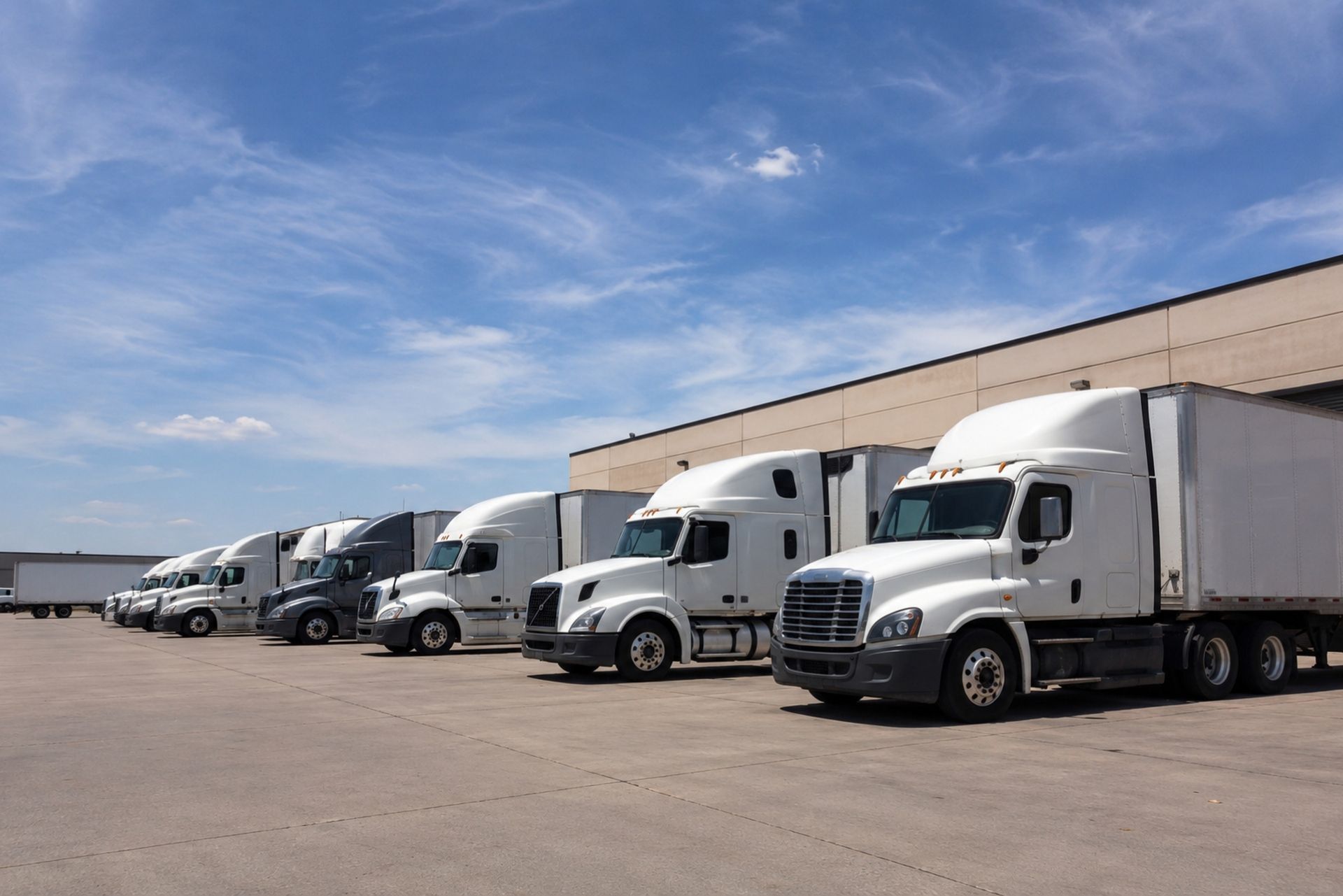
Meeting minimums keeps you legal. Building a proper coverage stack keeps you in business. There's a meaningful difference between the two, and most fleet owners learn it the hard way after a claim.
Primary Liability and Physical Damage
Primary liability covers bodily injury and property damage you cause to others. This is the big one: a single serious accident on I-30 can generate claims well into seven figures when you factor in medical costs, lost wages, and legal fees. Most experienced operators carry $1 million in liability even when the legal minimum is lower, because jury verdicts in Texas trucking cases have been climbing steadily.
Physical damage coverage protects your own equipment. It splits into two parts: collision (damage from an accident) and comprehensive (theft, fire, hail, vandalism). Given North Texas weather patterns, skipping comprehensive coverage on a $150,000 truck is a gamble that rarely pays off.
Motor Truck Cargo and Non-Trucking Liability
Cargo coverage pays for freight you're hauling if it's damaged, destroyed, or stolen. Standard cargo policies typically cover $100,000 to $250,000 per occurrence, but high-value loads may require higher limits or scheduled endorsements. With deceptive pickup schemes increasing by 31% in early 2026, make sure your cargo policy addresses fraud-related losses, not just traditional theft or transit damage.
Non-trucking liability, sometimes called bobtail coverage, protects owner-operators when they're driving their truck without a trailer or outside of dispatch. If you're an owner-operator leased to a carrier, your carrier's policy typically only covers you while you're under dispatch. The moment you drop a trailer and head home, you need non-trucking liability to fill that gap.
Every policy has boundaries. Knowing them up front is how you avoid an uncovered claim. Common exclusions include:
Every policy has boundaries. Knowing them up front is how you avoid an uncovered claim. Common exclusions include:
Every policy has boundaries. Knowing them up front is how you avoid an uncovered claim. Common exclusions include:
General Liability responds to the core exposures most operations in this category face. A typical policy answers third-party claims and the defense costs that come with them, so a single incident doesn't put the business at risk.
Comparison: Basic vs. Comprehensive Trucking Coverage
This table breaks down what a bare-minimum policy looks like versus a comprehensive package built for real-world Arlington operations:
| Coverage Element | Basic (State Minimum) | Comprehensive Package |
|---|---|---|
| Primary Liability | $500K-$750K (state/federal min) | $1M+ with umbrella option |
| Physical Damage | Often skipped or liability-only | Full collision + comprehensive |
| Cargo Coverage | $100K standard | $250K+ with fraud endorsement |
| Non-Trucking Liability | Not covered | Included for owner-operators |
| Uninsured Motorist | State minimum only | Higher limits, stacked coverage |
| Trailer Interchange | Not included | Covers non-owned trailers |
| Downtime/Rental | Not included | Covers lost income during repairs |
The cost difference between basic and comprehensive can be 30-50% more in annual premium, but a single uncovered claim can dwarf that difference in a matter of days. GrayStone Insurance Group uses data-driven risk modeling to help fleet operators find the right balance between coverage depth and premium cost, which is especially valuable for hard-to-place risks that standard carriers decline.
What happens if a show gets canceled last minute?
Standard policies don't cover event cancellation. If a headliner cancels, severe weather shuts you down, or a power outage kills the show, you're absorbing the full financial loss unless you have a dedicated event cancellation policy. These policies typically cover lost ticket revenue, non-refundable deposits, and marketing expenses. For venues that rely on ticket sales as a primary revenue stream, this coverage pays for itself the first time you need it.
Common Questions for Arlington Truckers
How much does commercial trucking insurance cost in Arlington? Expect $8,000 to $15,000 per truck annually for a basic liability policy. Comprehensive packages with cargo and physical damage can run $14,000 to $25,000+ depending on your equipment value, driving records, and cargo type.
Can I get coverage with a new MC number? Yes, but options are limited and premiums are higher. Most standard carriers want at least two years of operating history. Specialty agencies that handle hard-to-place risks are usually your best bet for new authority coverage.
Does my policy cover hired or leased drivers? It depends on your policy structure. If you hire drivers, they need to be listed or covered under a blanket driver endorsement. Independent contractors leased onto your authority should carry their own non-trucking liability.
What happens if my insurance lapses for even one day? Texas notifies the TXDMV, and the FMCSA can revoke your operating authority. Reinstatement involves penalties, and your next policy will almost certainly cost more. Don't let this happen.
Do I need separate coverage for each trailer? If you own your trailers, they should be scheduled on your physical damage policy. If you're pulling trailers owned by others, trailer interchange coverage fills that gap.
Is cargo theft coverage standard on all policies? Not always. Basic cargo policies cover common perils like collision damage and fire, but theft and especially deceptive pickup fraud may require specific endorsements. Ask your broker to confirm.
What is bobtail insurance and do I need it?
Bobtail coverage protects you when driving your truck without a trailer attached, typically after dropping a load. It's often required by motor carriers for independent contractors operating under their authority. If you're an owner-operator leased to a carrier, check your lease agreement: most require it.
The Bottom Line for Your Arlington Operations
Running trucks through Arlington means operating in a high-volume, high-risk environment where the wrong coverage gap can shut down your business overnight. Texas state requirements set the floor, federal regulations add another layer, and the real-world risks of I-20/I-30 corridors, cargo theft, and severe weather demand coverage that goes well beyond minimums.
Get your policy reviewed annually, not just at renewal. Routes change, equipment values shift, and new risks like deceptive pickup fraud emerge quickly. Work with a broker who understands trucking-specific exposures and has the market access to place difficult risks. GrayStone Insurance Group's team specializes in exactly this kind of complex commercial coverage, with a 94% client retention rate that reflects their commitment to getting it right. Reach out for a policy review before your next renewal, and make sure your coverage matches the reality of what you're hauling, where you're driving, and what's actually at stake.
ABOUT THE AUTHOR:
CHAD KRAMER
I started GrayStone Insurance Group in 2018 with a simple conviction: the businesses everyone else turns away deserve a broker who won't. What began as a one-person operation has grown into a specialty commercial brokerage with offices across the country — but the mission hasn't changed. We find solutions for high-risk and hard-to-place businesses when other agencies run the other way.
I built this agency on integrity, hard work, and the tenacity to do the hard things well. Through our access to Excess & Surplus and specialty markets, my team and I place coverage standard carriers can't — and I treat every client's business like my own.
If you've been declined, non-renewed, or told your business is too complicated to insure, let's talk.
Coverages & policies
Plain-language coverage, expertly placed.
We lead with commercial lines and round out personal coverage where you need it. Every policy comes with an explanation — not jargon.

Contractors
Third-party bodily injury & property damage — the foundation for any operation.

Liquor Liability
Critical for bars, restaurants and venues serving alcohol — including A&B.

Commercial Property
Buildings, contents and equipment — including distressed and vacant risk.

Workers' Compensation
Statutory coverage for your crew — including high-mod and high-hazard classes.

Commercial Umbrella
Extra liability limits over your primary policies — essential for high-exposure risk.
Products Liability
Manufacturers, CBD and consumer-product exposure — including imports.
What clients say
Brokers who actually place it.
FAQ
Answers for the risks others won't cover
Getting declined, non-renewed, or told your business is "too high-risk" is frustrating — but it doesn't mean you're out of options. Here are answers to the questions we hear most from business owners who need coverage the standard market won't provide.
What kind of insurance does GrayStone specialize in?
We're a specialty commercial brokerage built for high-risk and hard-to-place businesses — the risks standard carriers often turn away. Through our access to Excess & Surplus (E&S) and specialty markets, we place coverage that everyday agencies can't. Hospitality and construction are among our deepest areas of expertise.
My business was declined or non-renewed elsewhere. Can you still help?
That's exactly what we do. A decline, a non-renewal, or a tough claims history doesn't mean you're out of options — it means your risk needs a broker with the right market access. Tell us your situation and we'll get to work finding a fit.
What is Excess & Surplus (E&S) insurance?
E&S is specialty coverage for risks that standard "admitted" carriers won't write — often because a business is higher-risk, unusual, or has a complex history. As an independent broker, we tap into these specialty markets to place coverage where a typical agency hits a dead end.
What industries do you work with?
We cover a wide range of commercial industries — from restaurants, bars, and hospitality to contractors, trucking, manufacturing, cannabis, and more. If your industry is considered high-risk or hard-to-place, there's a good chance we've handled it.
Will you work with businesses that have prior claims or losses?
Yes. Prior claims and losses are part of many of the risks we place every day. Every business is evaluated on its own merits — and a rocky history is often exactly why a specialty broker can help where others won't.
Are you an independent broker?
Yes. We're not tied to a single carrier, so we shop your risk across multiple specialty and E&S markets to find coverage that actually fits — instead of forcing you into a one-size-fits-all policy.
Insights & resources
Know your risk before you buy.