
General Liability responds to the core exposures most operations in this category face. A typical policy answers third-party claims and the defense costs that come with them, so a single incident doesn't put the business at risk.
Georgia requires workers' compensation for any business with three or more employees. That threshold is lower than many states, and it catches a lot of small venue operators off guard. Your door staff, bartenders, sound engineers, and even regular part-time stagehands count toward that number.
The penalties for non-compliance are steep: fines up to $10,000 and potential criminal misdemeanor charges. Georgia's State Board of Workers' Compensation actively investigates complaints, and injured employees who discover you lack coverage can sue you directly - without the protections that workers' comp provides to employers. Don't gamble on this one.
Workers' Compensation Laws in Georgia
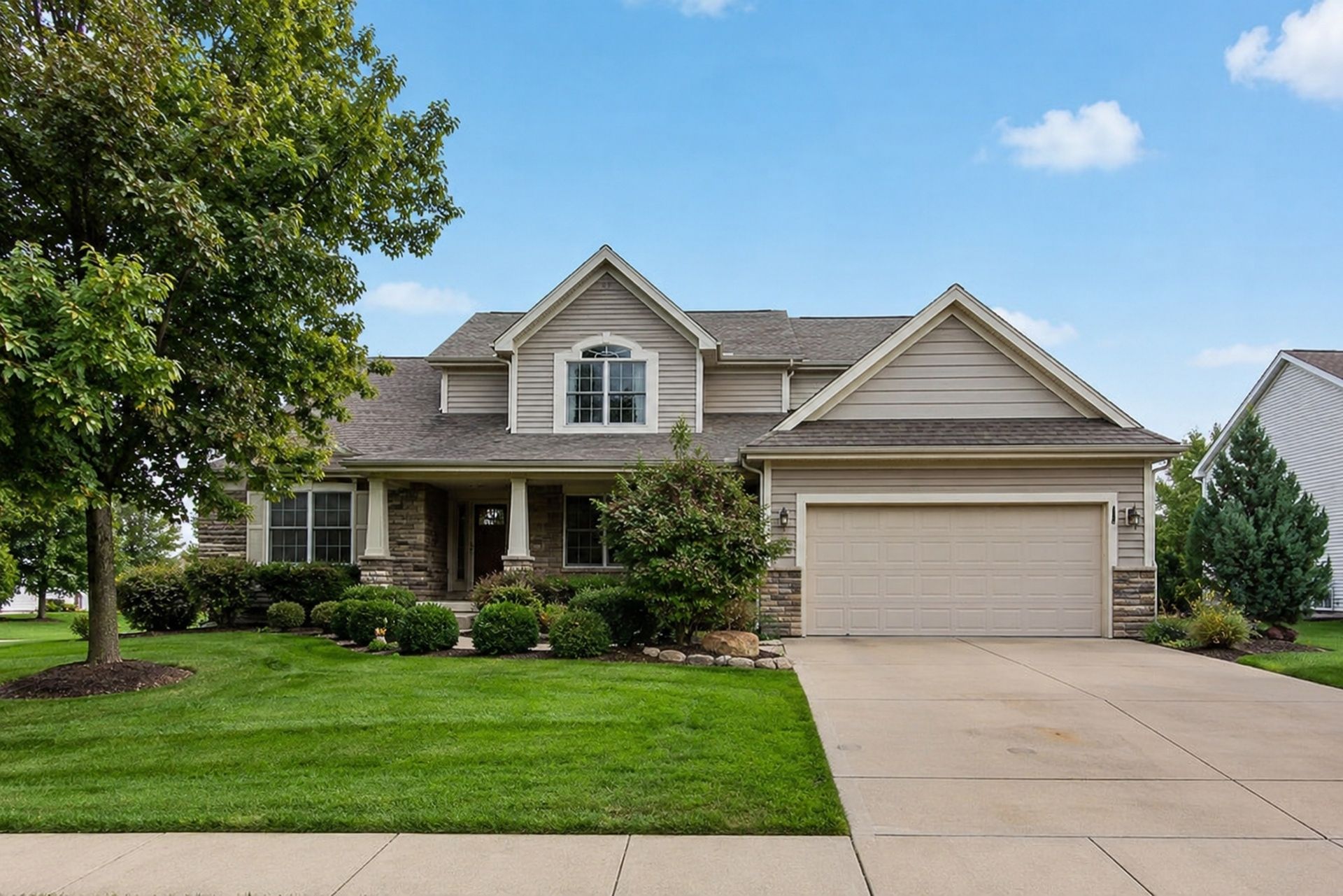
A property owner with a 200-unit apartment complex in coastal Florida just got a renewal notice with a 35% premium increase. Another operator running a 50-unit building in Chicago received a non-renewal letter after two water damage claims in 18 months. These aren't hypothetical scenarios: they're the kinds of calls that come in weekly from habitational property operators who feel stuck between rising costs and shrinking options. Habitational insurance protects owners of residential rental properties, from duplexes to large apartment complexes, against the unique risks that come with housing tenants. But the coverage itself, the claims that drive losses, and the market dynamics for hard-to-place operators are poorly understood by many property owners. Multifamily insurance premiums saw an average increase of 12% to 18% in early 2026, with properties in high-catastrophe zones seeing even steeper hikes. That pricing pressure makes understanding your policy structure, your risk profile, and your options more important than it's been in years. This piece breaks down what habitational coverage actually includes, the claims that sink operators, and how to find placement when standard carriers walk away.
Understanding Habitational Insurance for Property Owners
Habitational insurance is a category of commercial property and casualty coverage designed specifically for buildings where people live as tenants. It differs from homeowners insurance because the policyholder isn't living in the property: they're renting it out and generating income from it. That distinction matters because the risk profile changes entirely. Tenants behave differently than homeowners, maintenance responsibilities shift, and the liability exposure multiplies with every unit.
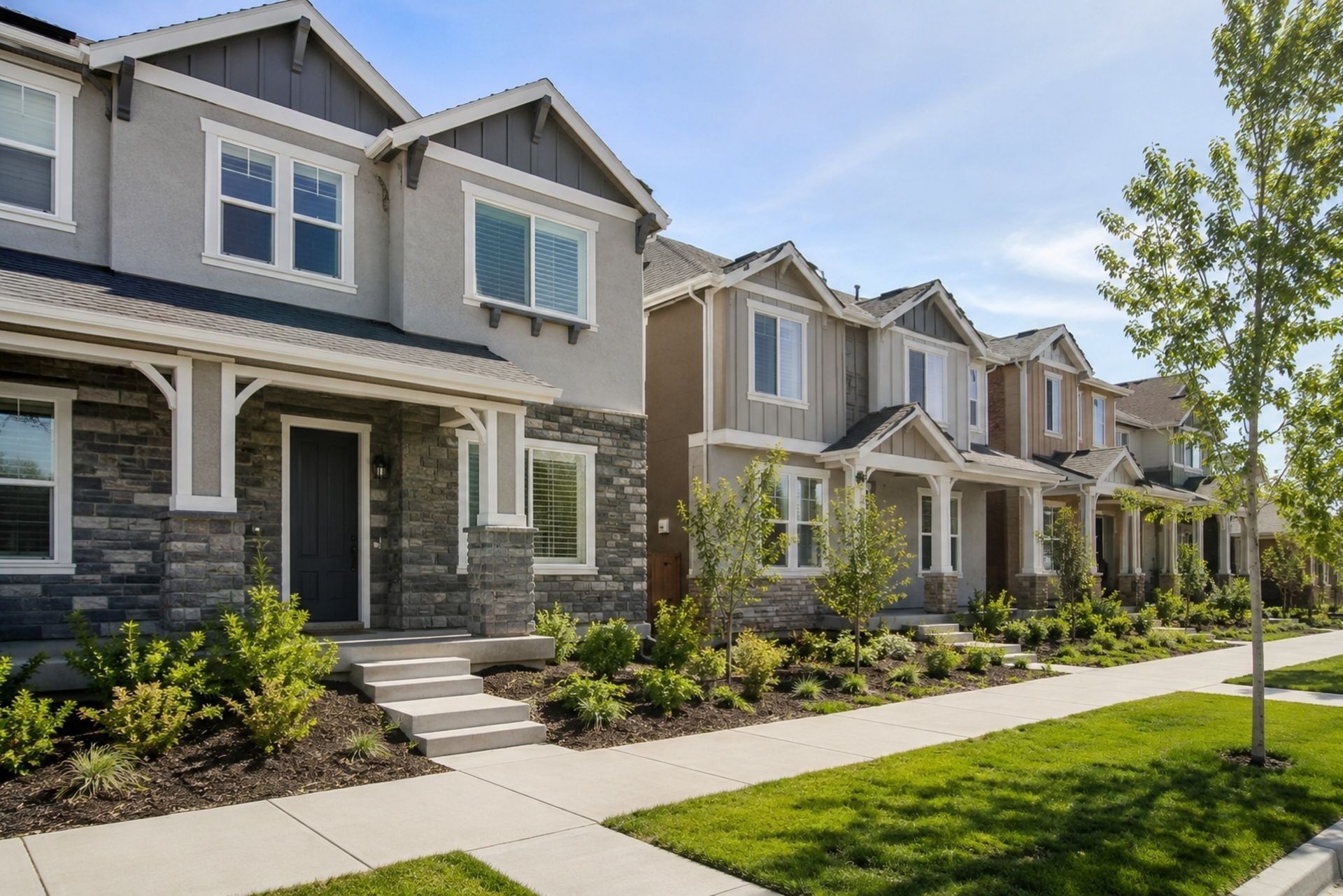
The term "habitational" covers a wide range of property types: garden-style apartments, mid-rise and high-rise complexes, condominiums (from the association's perspective), student housing, senior living facilities, and even converted single-family homes rented as multi-unit dwellings. Each property type carries its own underwriting considerations, but they all share the fundamental characteristic of housing people who don't own the building.
Who Needs Habitational Coverage?
Any individual or entity that owns residential rental property needs some form of this coverage. That includes solo investors with a four-plex, LLCs managing a portfolio of 500+ units, and real estate investment trusts with properties across multiple states. Property management companies that take on operational liability also need to think carefully about their coverage structure.
The operators who need this coverage most urgently are often the ones who have the hardest time getting it: owners of older buildings with deferred maintenance, properties in high-crime areas, complexes with swimming pools or playgrounds, and buildings in wind- or flood-prone regions. If you own a property where people sleep at night, you need habitational coverage. Period.
Commercial Property vs. General Liability
A habitational insurance program typically bundles two core policy types. Commercial property coverage protects the physical building and its systems against damage from covered perils like fire, wind, hail, and certain water events. General liability coverage protects the owner against claims from third parties, most commonly tenants or visitors who are injured on the premises.
These two coverages serve very different functions. Property coverage pays to repair or replace your building. Liability coverage pays for legal defense costs, medical bills, and settlements when someone sues you. Most operators need both, and many carriers package them together in a commercial package policy or a businessowners policy (BOP) for smaller properties.
INDEX
GrayStone Insurance Group is fully licensed and permitted to provide specialty commercial insurance solutions for high-risk and hard-to-place businesses across 17 states.
We proudly serve high-risk and hard-to-place businesses from coast to coast. As an independent specialty brokerage, our team works with leading Excess & Surplus and specialty carriers to make sure restaurants, bars, contractors, trucking companies, manufacturers, and other hard-to-place operations receive coverage that fits their real risks in California, Colorado, Florida, Georgia, Illinois, Iowa, Maryland, Michigan, Missouri, Nevada, New York, North Carolina, South Carolina, Tennessee, Texas, Utah, and Washington.
Every policy has boundaries. Knowing them up front is how you avoid an uncovered claim. Common exclusions include:
Every policy has boundaries. Knowing them up front is how you avoid an uncovered claim. Common exclusions include:
Every policy has boundaries. Knowing them up front is how you avoid an uncovered claim. Common exclusions include:
General Liability responds to the core exposures most operations in this category face. A typical policy answers third-party claims and the defense costs that come with them, so a single incident doesn't put the business at risk.
If your firm provides any design, engineering, or consulting services alongside construction, you need both. A GL policy won't cover a claim alleging your design specifications caused a building envelope failure. That's a professional liability exposure, and it's one of the fastest-growing claim categories in construction.
TEvery Austin retailer selling consumable hemp products must hold a valid license from the Texas DSHS. The annual registration fee is $258 per location, and most insurers require proof of active registration before they'll bind a policy. If you're operating multiple storefronts, each one needs its own registration.
The DSHS also requires that all consumable hemp products be manufactured in a facility that holds a DSHS license. This means if you're white-labeling products from an out-of-state manufacturer, you need to verify their compliance status too. Insurers will ask about your supply chain, and gaps here create gaps in your coverage.
CBobtail and Non-Trucking Liability Insurance
Bobtail insurance covers your truck when you're driving without a trailer attached, typically between loads or heading to a pickup. Non-trucking liability is similar but applies when you're using the truck for personal purposes outside of dispatch. These coverages fill gaps that your primary liability policy doesn't cover. Owner-operators leased to a carrier especially need to pay attention here, because the carrier's policy usually only covers you while you're under dispatch.
| Coverage Element | Basic Tier | Comprehensive Tier |
|---|---|---|
| General Liability | $1M per occurrence | $2M per occurrence |
| Product Liability | Often excluded or limited | Included with $1M-$2M limits |
| Crop/Inventory | Not included | Included with agreed-value endorsement |
| Product Recall | Not included | Included |
| Business Interruption | Limited | Full coverage with 12-month indemnity |
| Workers' Compensation | Add-on | Bundled |
| Approximate Annual Cost | $2,500-$5,000 | $8,000-$20,000+ |
Core Coverages and Policy Extensions
The base habitational policy covers the essentials, but the details vary significantly depending on the form, the carrier, and the endorsements attached. Understanding what's included, what's excluded, and what you can add makes the difference between a policy that actually protects you and one that leaves you exposed at the worst possible time.
Protecting Physical Assets and Structures
Your commercial property coverage should protect the building itself, including the roof, walls, foundation, plumbing, electrical systems, HVAC, and any permanently installed fixtures like cabinets and flooring. Most policies also cover detached structures on the premises: think laundry facilities, maintenance sheds, or carports.
What catches many operators off guard is the distinction between replacement cost and actual cash value. Replacement cost pays to rebuild at current prices. Actual cash value deducts depreciation, which on a 30-year-old building can mean getting a check for a fraction of what it costs to rebuild. Always push for replacement cost valuation if your carrier offers it. The premium difference is worth it.
Loss of Rental Income Protection
If a covered event makes units uninhabitable, loss of rental income coverage (sometimes called business income coverage) replaces the rent you would have collected during the repair period. For a 100-unit complex averaging $1,200 per unit, even a three-month disruption means $360,000 in lost revenue. Without this coverage, you're still paying the mortgage, property taxes, and insurance premiums on a building generating zero income.
Most policies cap this coverage at 12 months, though some extend to 18. Make sure your limit reflects your actual rental income, not an estimate from five years ago. Rents have climbed significantly in most markets, and an outdated limit leaves money on the table.
Comparison: Basic vs. Special Form Coverage
| Feature | Basic (Named Perils) | Special Form (Open Perils) |
|---|---|---|
| What's covered | Only perils specifically listed in the policy | Everything except what's specifically excluded |
| Typical perils included | Fire, lightning, windstorm, hail, explosion, smoke | All risks unless excluded (flood and earthquake almost always excluded) |
| Burden of proof | You must prove the loss was caused by a named peril | Carrier must prove an exclusion applies |
| Water damage | Limited: usually only sudden/accidental discharge | Broader, but still excludes flood and gradual seepage |
| Cost difference | Lower premium | Typically 10%-20% higher premium |
| Best for | Budget-conscious owners with newer, low-risk buildings | Owners who want maximum protection and fewer coverage disputes |
Special form is almost always the better choice for operators managing multiple units. The broader protection and favorable burden of proof justify the higher premium, especially given how often claims involve ambiguous causes.
| Coverage Type | Basic Package | Comprehensive Package |
|---|---|---|
| General Liability | $1M per occurrence | $2M+ per occurrence |
| Property Coverage | Building contents only | Contents + equipment floaters |
| Liquor Liability | $500K limit | $1M-$2M limit |
| Workers' Comp | State minimum | State minimum + employer's liability |
| Event Cancellation | Not included | Per-event or annual policy |
| Cyber Liability | Not included | Covers ticketing data breaches |
| Umbrella/Excess | Not included | $1M-$5M excess layer |
| Hired/Non-Owned Auto | $8,000-$15,000 | $25,000-$60,000+ |
| Feature | General Liability | Professional Liability |
|---|---|---|
| Covers | Bodily injury, property damage, advertising injury | Errors, omissions, negligent advice |
| Typical Limit | $1M per occurrence / $2M aggregate | $500K to $2M per claim |
| Claims Trigger | Physical harm or damage occurs | Financial loss from professional error |
| Required By | Most GCs, project owners, municipalities | Design-build contracts, engineering projects |
| Average Annual Cost (Solo) | $430 - $780 | $800 - $2,500 |
| Deductible Range | $500 - $2,500 | $2,500 - $10,000 |
| Coverage Feature | Basic Policy | Comprehensive Policy |
|---|---|---|
| General Liability | $1M per occurrence | $2M per occurrence |
| Product Liability | Often excluded or minimal | $1M-$2M with hemp-specific terms |
| Property/Inventory | Building only | Building + stock + equipment |
| Business Interruption | Not included | 6-12 months lost income |
| Product Recall | Not included | Included with sub-limits |
| Third-Party Lab Errors | Not covered | Errors & omissions extension |
| Typical Annual Premium | $2,000-$4,500 | $5,000-$12,000+ |
The price difference between basic and comprehensive coverage looks significant until you consider that a single product liability lawsuit can cost six figures. GrayStone Insurance Group uses data-driven risk modeling to match Austin operators with carriers that actually understand hemp, which often results in better coverage at more competitive pricing than what you'd find shopping blind.
Comparison: Basic vs. Comprehensive CBD Coverage
| Coverage Type | What It Covers | Common NYC Claims | Typical Cost Factors |
|---|---|---|---|
| General Liability | Third-party injury, property damage, advertising injury | Slip-and-fall in retail stores, signage disputes with neighboring businesses | Location foot traffic, square footage, annual revenue |
| Product Liability | Claims from products sold or distributed | Allergic reactions, mislabeled CBD concentrations, contamination | Product type, sales volume, testing/QA protocols |
| Property Insurance | Physical assets: inventory, equipment, fixtures | Water damage, fire, theft of inventory | Building age, neighborhood crime rates, inventory value |
Common Claims and Risk Mitigation
Understanding what claims actually look like helps you prevent them and ensures you're carrying the right coverage limits.
Water Damage and Fire Hazards
Water damage is the single most frequent claim in multifamily housing, and it isn't close. Burst pipes, failed water heaters, tenant-caused overflows, and roof leaks account for a disproportionate share of habitational losses. A single burst pipe on an upper floor can cascade through multiple units, damaging ceilings, walls, flooring, and personal property in every unit below.
Fire claims are less frequent but far more severe. Cooking fires are the leading cause, followed by electrical faults and heating equipment failures. A fire in one unit of a wood-frame apartment complex can spread rapidly, and total losses in the hundreds of thousands are common even for small buildings.
Prevention is your best insurance. Annual plumbing inspections, water leak detection systems, and enforced no-smoking policies can reduce claim frequency significantly. Some carriers offer premium credits for these measures.
Premises Liability and Slip-and-Fall Incidents
Slip-and-fall claims are the bread and butter of habitational liability losses. Icy walkways, wet lobby floors, broken stairway handrails, and poorly lit parking lots create the conditions for injuries and lawsuits. The average premises liability claim in multifamily housing runs between $20,000 and $50,000 when legal costs are included, and severe injuries can push settlements into six or seven figures.
Documenting maintenance activities, responding to tenant complaints quickly, and conducting regular property inspections create a paper trail that protects you in litigation. Juries are far less sympathetic to landlords who ignored known hazards.
Banking and Payment Processing Hurdles
Every policy has boundaries. Knowing them up front is how you avoid an uncovered claim. Common exclusions include:
Every policy has boundaries. Knowing them up front is how you avoid an uncovered claim. Common exclusions include:
Every policy has boundaries. Knowing them up front is how you avoid an uncovered claim. Common exclusions include:
General Liability responds to the core exposures most operations in this category face. A typical policy answers third-party claims and the defense costs that come with them, so a single incident doesn't put the business at risk.
Hired and Non-Owned Auto Insurance for Delivery Services
The explosion of delivery services has created an insurance blind spot for many restaurants. If your employee uses their personal vehicle to make a delivery and causes an accident, your business can be named in the lawsuit. Their personal auto policy likely excludes commercial use, and your commercial policy doesn't automatically cover vehicles you don't own.
Hired and non-owned auto coverage fills this gap. It's relatively inexpensive, usually $200 to $500 annually, and it protects you when employees use personal vehicles for business purposes or when you rent a vehicle for catering deliveries.
Even if you rely entirely on third-party delivery platforms, you're not completely insulated from liability. The contractual agreements with these platforms have limitations, and a determined plaintiff's attorney will name every possible defendant. Having your own coverage is the safest approach.
Challenges for Hard-to-Place Operators
Not every property fits neatly into a standard carrier's appetite. Some operators face repeated rejections, non-renewals, or quotes so expensive they feel punitive. Understanding why this happens and where to turn is critical.
Factors That Lead to Non-Renewal
Carriers evaluate habitational risks based on loss history, building age and condition, location, occupancy type, and claims frequency. Two or more claims in a three-year period will get you flagged. A building with a roof past its expected lifespan, outdated wiring, or galvanized plumbing is a red flag. Properties in ZIP codes with high crime rates, hurricane exposure, or wildfire risk face automatic scrutiny.
Certain occupancy types are inherently harder to place. Student housing near universities, Section 8 properties, and buildings with mixed commercial-residential use often fall outside standard carrier guidelines. The same goes for operators with prior policy cancellations or lapsed coverage periods.
Navigating the Surplus Lines Market
When standard admitted carriers decline your risk, the surplus lines (or excess and surplus, E&S) market becomes your primary option. Surplus lines carriers aren't bound by state rate filings, which gives them flexibility to price and structure policies for risks that don't fit standard molds.
Working with a broker who specializes in hard-to-place habitational risks makes a measurable difference here. GrayStone Insurance Group, for example, places coverage for properties that other agencies won't touch, using data-driven risk modeling to match operators with surplus lines carriers willing to write their specific risk profile. Their brokers average 20 years of experience in the market, which means they know which carriers have appetite for which property types and can present your risk in the most favorable light.
The E&S market isn't cheap, but it beats going uninsured or underinsured. Expect premiums 25% to 50% higher than standard market rates, and be prepared for higher deductibles and more restrictive terms.
A small club (under 300 capacity) in Georgia typically pays between $8,000 and $15,000 annually for a package including general liability, liquor liability, and property coverage. Workers' comp adds another $2,000-$6,000 depending on payroll size. Per-event coverage for one-off shows runs $188-$280 per day.
How much does insurance usually cost for a small club?
Most startups can expect to pay between $2,500 and $6,000 annually for a basic general liability policy. Adding product liability typically pushes the total to $5,000 to $10,000, depending on your product type and projected revenue.
FAQ: How much does a basic policy cost for a startup?
FAQ: Can I get coverage if my hemp tests over 0.3% THC?
A hot test creates serious problems. The crop must be destroyed under federal and state law, and your insurer may not cover the loss unless you have a specific endorsement for THC compliance failure. Some specialty carriers offer this coverage, but it's not standard.
FAQ: Will my homeowners insurance cover my small hemp farm?
Almost certainly not. Homeowners policies exclude commercial agricultural operations, and hemp's association with cannabis makes this even less likely. You need a standalone commercial policy, even for a small grow operation.
How Trade Specialty Affects Your Premium
Your NCCI classification code is the single biggest factor in workers' comp pricing. Roofing contractors (code 5551) pay rates several times higher than interior finish carpenters. Electricians fall somewhere in the middle. The rate differences between trade classifications can be dramatic: a roofer might pay $15 to $25 per $100 of payroll, while a plumber pays $4 to $8.
General liability premiums follow a similar pattern. Excavation and demolition contractors pay significantly more than painters or flooring installers because the potential for property damage and bodily injury is higher.
Austin is the Live Music Capital of the World, and if your venue hosts performers, you need entertainment liability coverage. This covers injuries to performers, damage to their equipment, and incidents related to stage setups, sound equipment, and crowd behavior during shows. A standard general liability policy won't cover a speaker stack falling on a patron or a musician tripping over unsecured cables. If you host ticketed events, you may also need event-specific permits and insurance depending on capacity and format.
Live Music and Entertainment Endorsements
Yes, most insurers require proof of your NY State OCM registration or license before issuing a policy. This ensures your business is operating legally under current state hemp regulations. Without this documentation, you'll be hard-pressed to find any carrier willing to quote you.
FAQ: Do I need a special license to get insurance in New York?
Common Questions About Habitational Insurance
Does my habitational policy cover tenant belongings? No. Your policy covers the building and your liability as the owner. Tenants need their own renters insurance to protect personal property. Many operators now require proof of renters insurance as a lease condition.
What's the difference between habitational insurance and a landlord policy? A landlord policy is typically designed for smaller properties (one to four units). Habitational insurance is the commercial equivalent, built for larger multifamily properties with more complex risk profiles.
Will my premium go up after a single claim? It depends on the claim size and your overall loss history, but yes, even one significant claim can trigger a rate increase at renewal. Two claims in a short window often lead to non-renewal.
Can I bundle multiple properties under one policy? Yes. A portfolio or blanket policy can cover multiple locations under a single policy, often at a lower combined premium than insuring each property separately. This approach works well for operators with five or more properties.
Do I need separate flood insurance? Almost always, yes. Standard habitational policies exclude flood damage. You'll need a separate flood policy through the NFIP or a private flood carrier, especially if any of your properties sit in FEMA-designated flood zones.
How do I reduce my premium without reducing coverage?
Increase your deductible, invest in loss prevention (water sensors, security cameras, updated electrical), maintain a clean claims history, and work with a specialized broker like GrayStone who can shop your risk across multiple carriers to find competitive pricing.
Every policy has boundaries. Knowing them up front is how you avoid an uncovered claim. Common exclusions include:
Every policy has boundaries. Knowing them up front is how you avoid an uncovered claim. Common exclusions include:
Every policy has boundaries. Knowing them up front is how you avoid an uncovered claim. Common exclusions include:
General Liability responds to the core exposures most operations in this category face. A typical policy answers third-party claims and the defense costs that come with them, so a single incident doesn't put the business at risk.
Making the Right Choice for Your Portfolio
Habitational insurance isn't a commodity you shop on price alone. The cheapest policy is often the one with the most exclusions, the lowest sublimits, and the carrier least likely to pay a complex claim without a fight. What matters is matching your coverage to your actual risk exposure: the age and condition of your buildings, your geographic hazards, your tenant profile, and your financial ability to absorb losses through deductibles.
If you're an operator who's been non-renewed, declined, or priced out of the standard market, you're not out of options. The surplus lines market exists specifically for risks like yours, and experienced brokers can find placement where others can't. GrayStone Insurance Group maintains a 94% client retention rate because they specialize in exactly these situations: complex, hard-to-place risks that require more than a quick online quote.
Start by getting a current property condition assessment, documenting your maintenance history, and compiling your five-year loss runs. Then talk to a broker who understands habitational risks inside and out. The right coverage at the right price exists: you just need someone who knows where to find it.
ABOUT THE AUTHOR:
CHAD KRAMER
I started GrayStone Insurance Group in 2018 with a simple conviction: the businesses everyone else turns away deserve a broker who won't. What began as a one-person operation has grown into a specialty commercial brokerage with offices across the country — but the mission hasn't changed. We find solutions for high-risk and hard-to-place businesses when other agencies run the other way.
I built this agency on integrity, hard work, and the tenacity to do the hard things well. Through our access to Excess & Surplus and specialty markets, my team and I place coverage standard carriers can't — and I treat every client's business like my own.
If you've been declined, non-renewed, or told your business is too complicated to insure, let's talk.
Coverages & policies
Plain-language coverage, expertly placed.
We lead with commercial lines and round out personal coverage where you need it. Every policy comes with an explanation — not jargon.

Contractors
Third-party bodily injury & property damage — the foundation for any operation.

Liquor Liability
Critical for bars, restaurants and venues serving alcohol — including A&B.

Commercial Property
Buildings, contents and equipment — including distressed and vacant risk.

Workers' Compensation
Statutory coverage for your crew — including high-mod and high-hazard classes.

Commercial Umbrella
Extra liability limits over your primary policies — essential for high-exposure risk.
Products Liability
Manufacturers, CBD and consumer-product exposure — including imports.
What clients say
Brokers who actually place it.
FAQ
Answers for the risks others won't cover
Getting declined, non-renewed, or told your business is "too high-risk" is frustrating — but it doesn't mean you're out of options. Here are answers to the questions we hear most from business owners who need coverage the standard market won't provide.
What kind of insurance does GrayStone specialize in?
We're a specialty commercial brokerage built for high-risk and hard-to-place businesses — the risks standard carriers often turn away. Through our access to Excess & Surplus (E&S) and specialty markets, we place coverage that everyday agencies can't. Hospitality and construction are among our deepest areas of expertise.
My business was declined or non-renewed elsewhere. Can you still help?
That's exactly what we do. A decline, a non-renewal, or a tough claims history doesn't mean you're out of options — it means your risk needs a broker with the right market access. Tell us your situation and we'll get to work finding a fit.
What is Excess & Surplus (E&S) insurance?
E&S is specialty coverage for risks that standard "admitted" carriers won't write — often because a business is higher-risk, unusual, or has a complex history. As an independent broker, we tap into these specialty markets to place coverage where a typical agency hits a dead end.
What industries do you work with?
We cover a wide range of commercial industries — from restaurants, bars, and hospitality to contractors, trucking, manufacturing, cannabis, and more. If your industry is considered high-risk or hard-to-place, there's a good chance we've handled it.
Will you work with businesses that have prior claims or losses?
Yes. Prior claims and losses are part of many of the risks we place every day. Every business is evaluated on its own merits — and a rocky history is often exactly why a specialty broker can help where others won't.
Are you an independent broker?
Yes. We're not tied to a single carrier, so we shop your risk across multiple specialty and E&S markets to find coverage that actually fits — instead of forcing you into a one-size-fits-all policy.
Insights & resources
Know your risk before you buy.