
Most contractors don't realize their general liability policy excludes coverage for their own tools, equipment, and materials in transit or stored at job sites. That's where inland marine insurance fills the gap. It covers items like generators, scaffolding, laser levels, and specialty tools whether they're on a truck, at a staging area, or locked in a job-site trailer.
Theft from construction sites remains a persistent problem. A single theft event involving a skid steer or a set of commercial-grade power tools can easily exceed $50,000. Inland marine policies are relatively affordable compared to the replacement cost of losing uninsured equipment mid-project. If you're hauling anything of value between locations, this coverage is non-negotiable.
General Liability responds to the core exposures most operations in this category face. A typical policy answers third-party claims and the defense costs that come with them, so a single incident doesn't put the business at risk.
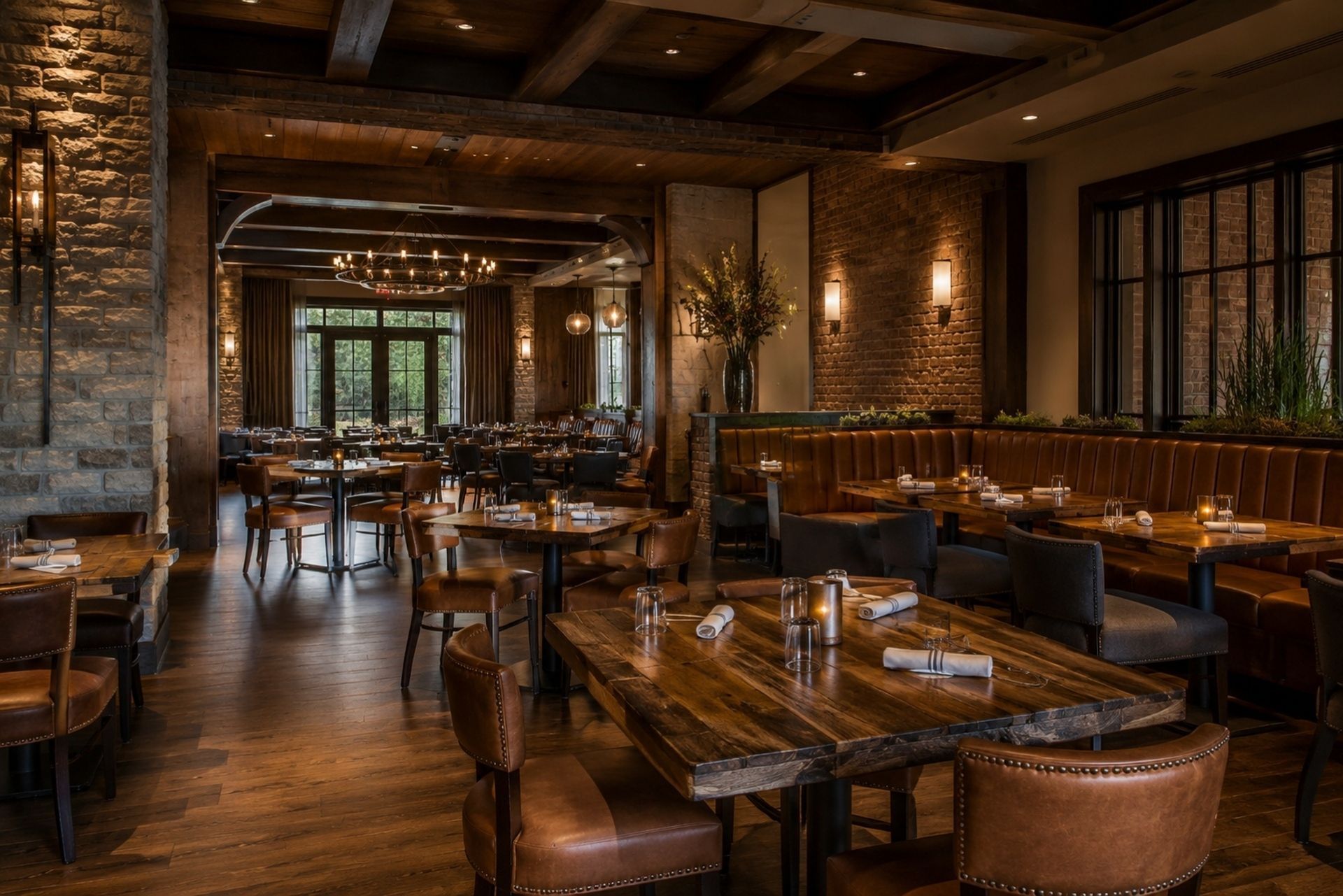
Running a restaurant in Tennessee means juggling fire suppression systems, health inspections, staffing headaches, and a dozen other moving parts before the doors even open. Insurance rarely makes the excitement list, but it's the one thing standing between you and a six-figure lawsuit from a customer who slipped on a wet floor or a kitchen fire that guts your dining room overnight. The average annual cost for a comprehensive restaurant insurance bundle in Tennessee sits around $4,300, with monthly premiums typically ranging between $250 and $500. That's less than most operators spend on linen service. Yet the wrong policy, or worse, no policy at all, can end a business faster than a bad Yelp review. Tennessee has specific rules about what coverage you must carry, and the state doesn't hand out grace periods when you're caught without it. Whether you're opening a barbecue joint in Memphis, a hot chicken spot in Nashville, or a farm-to-table place in Knoxville, the insurance requirements and cost drivers are worth understanding before you sign a lease. Here's what actually matters for TN restaurant operators trying to get covered properly without overpaying.
Mandatory Insurance Requirements for Tennessee Restaurants
Tennessee doesn't have a single "restaurant insurance" mandate, but several overlapping state and local requirements effectively force operators into carrying multiple policies. You'll need to piece together coverage that satisfies workers' compensation laws, liquor licensing rules, and potentially commercial auto requirements if you run delivery. Missing any one of these can trigger fines, license revocations, or personal liability exposure that pierces right through your LLC.
The state takes enforcement seriously. The Tennessee Department of Commerce and Insurance conducts audits, and municipalities like Nashville and Memphis often require proof of insurance before issuing business permits. Don't treat these as optional checkboxes.
Tennessee Workers' Compensation Laws
Any Tennessee restaurant with five or more employees must carry workers' compensation insurance. That threshold catches most restaurants quickly: even a small café with a couple of cooks, a dishwasher, and two servers hits the number. Tennessee's workers' comp rules apply to nearly all employers meeting the five-employee threshold, and penalties for non-compliance include fines up to $10,000 and potential criminal misdemeanor charges.
Kitchen environments are inherently dangerous. Burns, cuts, slips on greasy floors, and repetitive strain injuries are common claims. Your premium will reflect that risk. Expect to pay between $1.50 and $3.00 per $100 of payroll for kitchen staff, depending on your claims history and safety protocols. Front-of-house workers typically cost less to insure, but they're not immune to injury claims.
One mistake I've seen repeatedly: owners who count only full-time staff and forget that part-time employees count toward the five-person threshold. If you have three full-timers and three weekend servers, you need coverage.
Liquor Liability and ABC Licensing Requirements
If you serve alcohol, Tennessee's Alcoholic Beverage Commission requires you to hold a valid liquor license, and most municipalities require proof of liquor liability insurance before that license is issued. This isn't general liability: it's a separate policy or endorsement that covers claims arising from alcohol-related incidents, including over-service situations where an intoxicated patron causes harm to themselves or others.
Tennessee follows a modified dram shop liability standard, meaning your restaurant can be held legally responsible if you serve someone who's visibly intoxicated and they later cause an accident. Liquor liability claims have been climbing steadily across the hospitality sector, driven by higher jury awards and broader plaintiff strategies. Premiums for this coverage typically run $1,200 to $3,500 annually for a full-service restaurant, depending on your alcohol-to-food sales ratio.
Bars that also serve food pay more. A restaurant where alcohol represents 20% of revenue will pay far less than a sports bar where drinks account for 60%.
Commercial Auto Insurance for Delivery Services
The delivery boom hasn't slowed down, and if your restaurant operates its own delivery vehicles, Tennessee requires commercial auto insurance. Your personal auto policy won't cover accidents that happen during business use, period. Even if an employee uses their own car for deliveries, you could face vicarious liability claims.
A commercial auto policy for a small delivery operation typically costs $1,200 to $2,500 per year per vehicle. If you rely on third-party platforms like DoorDash or Uber Eats exclusively, you avoid this requirement, but you also lose control over the customer experience. Restaurants running their own delivery fleets should carry at least $1 million in combined single-limit coverage.
INDEX
GrayStone Insurance Group is fully licensed and permitted to provide specialty commercial insurance solutions for high-risk and hard-to-place businesses across 17 states.
We proudly serve high-risk and hard-to-place businesses from coast to coast. As an independent specialty brokerage, our team works with leading Excess & Surplus and specialty carriers to make sure restaurants, bars, contractors, trucking companies, manufacturers, and other hard-to-place operations receive coverage that fits their real risks in California, Colorado, Florida, Georgia, Illinois, Iowa, Maryland, Michigan, Missouri, Nevada, New York, North Carolina, South Carolina, Tennessee, Texas, Utah, and Washington.
Every policy has boundaries. Knowing them up front is how you avoid an uncovered claim. Common exclusions include:
Every policy has boundaries. Knowing them up front is how you avoid an uncovered claim. Common exclusions include:
Every policy has boundaries. Knowing them up front is how you avoid an uncovered claim. Common exclusions include:
General Liability responds to the core exposures most operations in this category face. A typical policy answers third-party claims and the defense costs that come with them, so a single incident doesn't put the business at risk.
Here's the uncomfortable truth: most commercial general liability (CGL) policies contain explicit assault and battery exclusions. Insurers added these exclusions because assault-related claims tend to be expensive and unpredictable. A single incident at a nightclub can generate $200,000 or more in legal defense and settlement costs.
CGL policies are built around the concept of "accidental" or "unintentional" harm. A fistfight is, by definition, intentional. Even if your business didn't cause the fight, the underlying act was deliberate, and that's enough for most standard carriers to deny the claim. This is exactly why a separate assault and battery policy or endorsement exists: to cover the gap your CGL policy was never designed to fill.
Why General Liability Often Excludes These Claims
Physical damage is only half the financial hit. If a windstorm forces your restaurant, hotel, or manufacturing facility to close for repairs, lost revenue can exceed the property damage itself. Business interruption coverage replaces lost income during the restoration period, while extra expense coverage pays for temporary relocation costs or expedited repairs.
Not every commercial property policy includes business interruption for wind events automatically. Some policies apply a waiting period (often 72 hours) before business interruption kicks in. Others sublimit wind-related interruption claims. If your business can't afford to close for even a few days, verify these terms explicitly with your broker.
Business Interruption and Extra Expense Coverage
Essential Coverage Types for Food Service Operators
Beyond the mandated policies, several coverage types are practically essential for any restaurant that wants to survive its first insurance claim without going under. These aren't legally required, but operating without them is a gamble most experienced operators wouldn't take.
General Liability vs. Professional Liability
General liability is the foundation of any restaurant insurance package. It covers third-party bodily injury (a customer trips over a loose floor tile), property damage (your sign falls on someone's car), and advertising injury claims. Most landlords require a minimum of $1 million per occurrence before they'll sign a lease.
Professional liability, sometimes called errors and omissions, is less common in traditional restaurants but increasingly relevant for catering operations, meal prep services, and restaurants that provide nutritional consulting. If a customer with a severe allergy has a reaction because your menu listed incorrect ingredients, professional liability could apply.
| Coverage Type | What It Covers | Typical Annual Cost | Who Needs It |
|---|---|---|---|
| General Liability | Slip-and-fall, property damage, advertising injury | $800 - $2,500 | Every restaurant |
| Professional Liability | Errors in service, nutritional claims, catering mistakes | $500 - $1,500 | Caterers, meal prep services |
| Liquor Liability | Alcohol-related incidents, dram shop claims | $1,200 - $3,500 | Any restaurant serving alcohol |
| Workers' Comp | Employee injuries on the job | Varies by payroll | Restaurants with 5+ employees |
Property Insurance and Equipment Breakdown
A commercial kitchen represents a massive capital investment. Walk-in coolers, commercial ovens, fryers, ventilation systems, POS hardware: replacing this equipment after a fire or flood can easily exceed $100,000. Standard property insurance covers damage from fire, storms, vandalism, and other named perils. Equipment breakdown coverage (sometimes called boiler and machinery insurance) fills a gap that standard property policies leave open: mechanical and electrical failure.
Your walk-in freezer compressor dies at 2 AM on a Friday before a busy weekend? Equipment breakdown coverage pays for the repair and the spoiled inventory. Without it, you're absorbing both costs out of pocket. This is one of those coverages that pays for itself the first time you need it.
Business Interruption and Food Spoilage
Business interruption insurance replaces lost income when a covered event forces you to close temporarily. If a kitchen fire shuts you down for three months, this policy covers your ongoing rent, loan payments, and payroll obligations while you rebuild. Most policies pay based on your historical revenue, so keep clean financial records.
Food spoilage coverage is a related but separate protection. A power outage lasting 48 hours can destroy thousands of dollars in perishable inventory. Tennessee's severe weather patterns, including tornadoes and ice storms, make this coverage especially relevant for operators outside major metro areas where power restoration takes longer. The hospitality insurance market has seen increased attention to business interruption terms following pandemic-era disputes, so read your policy language carefully.
| Feature | General Liability (GL) | Professional Liability (PL |
|---|---|---|
| What it covers | Bodily injury, property damage, advertising injury | Errors, omissions, negligent advice |
| Who needs it | Nearly every business | Service-based and consulting firms |
| Common claims | Slip-and-fall at your location, damage to client property | Missed deadline causing financial loss, design error |
| Typical annual cost (UT) | $400 - $1,500 for low-risk | $600 - $3,000+ depending on revenue |
| Required by law? | Not mandated, but often required by contracts/landlords | Not mandated, but required by some licensing boards |
| Coverage trigger | Occurrence-based (usually) | Claims-made (usually) |
| Feature | General Liability (GL) | Professional Liability (PL |
|---|---|---|
| What it covers | Bodily injury, property damage, advertising injury | Errors, omissions, negligent advice |
| Who needs it | Nearly every business | Service-based and consulting firms |
| Common claims | Slip-and-fall at your location, damage to client property | Missed deadline causing financial loss, design error |
| Typical annual cost (UT) | $400 - $1,500 for low-risk | $600 - $3,000+ depending on revenue |
| Required by law? | Not mandated, but often required by contracts/landlords | Not mandated, but required by some licensing boards |
| Coverage trigger | Occurrence-based (usually) | Claims-made (usually) |
One thing to keep in mind: a general liability policy will not cover you if a client sues because your work product was defective or your advice caused them financial harm. That's squarely in professional liability territory. Many businesses need both, and bundling them into a Business Owner's Policy (BOP) can save 15-20% compared to purchasing them separately.
Comparing Coverage: Basic vs. Comprehensive Protection
A bare-minimum insurance setup might include general liability and workers' comp only. That keeps you legal, but it leaves enormous gaps. Comprehensive protection bundles property, business interruption, liquor liability, cyber liability (yes, restaurants get hacked too: POS systems are prime targets), and umbrella coverage into a single business owner's policy or package.
The cost difference between basic and comprehensive coverage is often smaller than people expect: sometimes just $100 to $150 per month. Agencies like GrayStone Insurance Group, which specialize in hard-to-place hospitality risks, can often bundle coverages more efficiently than generalist carriers because they understand the specific exposure profile of food service operations. Their brokers average 20 years of industry experience, which matters when you're trying to avoid coverage gaps that only show up at claim time.
Every policy has boundaries. Knowing them up front is how you avoid an uncovered claim. Common exclusions include:
Every policy has boundaries. Knowing them up front is how you avoid an uncovered claim. Common exclusions include:
Every policy has boundaries. Knowing them up front is how you avoid an uncovered claim. Common exclusions include:
General Liability responds to the core exposures most operations in this category face. A typical policy answers third-party claims and the defense costs that come with them, so a single incident doesn't put the business at risk.
Factors Influencing Insurance Costs in Tennessee
Your premium isn't pulled from thin air. Underwriters evaluate specific risk factors that vary widely across the state and from one restaurant concept to another.
Location Impact: Nashville vs. Rural TN
A restaurant in downtown Nashville faces higher liability premiums than an identical concept in a small town like Cookeville. More foot traffic means more exposure to slip-and-fall claims. Higher property values mean higher replacement costs. Nashville's Davidson County also has a more litigious legal environment, which insurers factor into their pricing models.
Rural Tennessee operators often benefit from lower premiums, but they face other challenges: fewer carrier options, longer emergency response times, and greater exposure to weather-related losses. GrayStone's data-driven underwriting approach helps operators in both settings find competitive pricing by matching risk profiles to the right carriers, including specialty markets that generalist agents rarely access.
Annual Revenue and Payroll Estimates
Insurers use your projected annual revenue and payroll to calculate premiums for general liability and workers' comp, respectively. A restaurant generating $500,000 in annual revenue will pay roughly half the general liability premium of one doing $1 million. Payroll works similarly: a restaurant with $300,000 in annual payroll pays significantly more for workers' comp than one with $150,000.
Be honest with your estimates. Underreporting revenue or payroll to get a lower quote backfires during audits, which Tennessee carriers conduct regularly. You'll owe the difference plus penalties, and your policy could be voided retroactively. Restaurant labor laws in Tennessee
affect how you classify and compensate workers, which directly impacts your payroll-based premiums.
Can I add this to my existing policy as a rider?
Often, yes. Many carriers offer assault and battery as an endorsement to an existing general liability policy. This is usually cheaper than buying a standalone policy. That said, standalone policies sometimes offer higher limits and broader coverage terms. GrayStone's brokers can help determine which structure makes more sense based on your specific risk profile and claims history.
Common Questions About TN Restaurant Insurance
Do I need insurance before opening, or can I get it after? You need active policies before you open. Most landlords, lenders, and licensing agencies require certificates of insurance before they'll finalize agreements.
Can I bundle all my restaurant coverage into one policy? Yes. A Business Owner's Policy (BOP) combines general liability, property insurance, and business interruption into a single package, often at a lower total cost than buying each separately.
What happens if an employee gets hurt and I don't have workers' comp? You're personally liable for all medical costs and lost wages. Tennessee can also fine you up to $10,000 and charge you with a misdemeanor.
Does my home insurance cover a food truck or pop-up? No. Home policies exclude commercial activities. You need a separate commercial policy even for occasional pop-up events.
How often should I review my restaurant insurance? At least annually, or whenever you make significant changes like adding delivery service, expanding your menu to include alcohol, or renovating your space. Coverage gaps often develop between reviews because the business has changed but the policy hasn't.
Are food trucks insured differently than brick-and-mortar restaurants?
Yes. Food trucks need commercial auto coverage, and their property and liability policies are structured differently because the vehicle itself is both the kitchen and the transportation. Premiums tend to be lower overall, but the coverage is more specialized.
Every policy has boundaries. Knowing them up front is how you avoid an uncovered claim. Common exclusions include:
Every policy has boundaries. Knowing them up front is how you avoid an uncovered claim. Common exclusions include:
Every policy has boundaries. Knowing them up front is how you avoid an uncovered claim. Common exclusions include:
General Liability responds to the core exposures most operations in this category face. A typical policy answers third-party claims and the defense costs that come with them, so a single incident doesn't put the business at risk.
Security companies face a unique double exposure. Their employees are the ones most likely to be involved in physical confrontations, and they're often the ones accused of using excessive force. A security firm without assault and battery coverage is essentially operating without a net.
Contract security providers should pay close attention to policy language around "use of force" definitions. Some policies limit coverage to "reasonable force," which creates room for the insurer to deny claims if a court later determines the force used was excessive. Look for policies that cover the defense costs regardless of the outcome.
Security Firms and Bouncer Services
Behavioral health centers, psychiatric facilities, group homes, and emergency rooms all deal with patients or clients who may become physically aggressive. Staff injuries and patient-on-patient incidents are common in these settings.
The challenge here is that many healthcare liability policies treat assault-related injuries differently than standard patient care claims. A dedicated assault and battery endorsement fills this gap and protects the facility against lawsuits from both staff and patients. Social service agencies working with at-risk populations face similar exposure.
Healthcare Facilities and Social Services
The Bottom Line: Protecting Your Investment
Tennessee restaurant insurance isn't a single product: it's a collection of policies that need to work together to cover the specific risks your operation faces. The mandatory pieces, workers' comp and liquor liability among them, keep you legal. The optional pieces, equipment breakdown, business interruption, food spoilage, keep you solvent when something goes wrong.
The $4,300 average annual cost is a starting point, not a ceiling. Your actual premium depends on your location, concept, revenue, claims history, and how well your agent understands restaurant risks. Working with a specialty broker who knows the hospitality space, rather than a generalist who also insures dentists and accountants, often results in better coverage at comparable or lower cost.
Get quotes from at least two or three sources, read the exclusions (not just the declarations page), and revisit your coverage every year. Your restaurant will change, and your insurance should change with it.
ABOUT THE AUTHOR:
CHAD KRAMER
I started GrayStone Insurance Group in 2018 with a simple conviction: the businesses everyone else turns away deserve a broker who won't. What began as a one-person operation has grown into a specialty commercial brokerage with offices across the country — but the mission hasn't changed. We find solutions for high-risk and hard-to-place businesses when other agencies run the other way.
I built this agency on integrity, hard work, and the tenacity to do the hard things well. Through our access to Excess & Surplus and specialty markets, my team and I place coverage standard carriers can't — and I treat every client's business like my own.
If you've been declined, non-renewed, or told your business is too complicated to insure, let's talk.
Coverages & policies
Plain-language coverage, expertly placed.
We lead with commercial lines and round out personal coverage where you need it. Every policy comes with an explanation — not jargon.

Contractors
Third-party bodily injury & property damage — the foundation for any operation.

Liquor Liability
Critical for bars, restaurants and venues serving alcohol — including A&B.

Commercial Property
Buildings, contents and equipment — including distressed and vacant risk.

Workers' Compensation
Statutory coverage for your crew — including high-mod and high-hazard classes.

Commercial Umbrella
Extra liability limits over your primary policies — essential for high-exposure risk.
Products Liability
Manufacturers, CBD and consumer-product exposure — including imports.
What clients say
Brokers who actually place it.
FAQ
Answers for the risks others won't cover
Getting declined, non-renewed, or told your business is "too high-risk" is frustrating — but it doesn't mean you're out of options. Here are answers to the questions we hear most from business owners who need coverage the standard market won't provide.
What kind of insurance does GrayStone specialize in?
We're a specialty commercial brokerage built for high-risk and hard-to-place businesses — the risks standard carriers often turn away. Through our access to Excess & Surplus (E&S) and specialty markets, we place coverage that everyday agencies can't. Hospitality and construction are among our deepest areas of expertise.
My business was declined or non-renewed elsewhere. Can you still help?
That's exactly what we do. A decline, a non-renewal, or a tough claims history doesn't mean you're out of options — it means your risk needs a broker with the right market access. Tell us your situation and we'll get to work finding a fit.
What is Excess & Surplus (E&S) insurance?
E&S is specialty coverage for risks that standard "admitted" carriers won't write — often because a business is higher-risk, unusual, or has a complex history. As an independent broker, we tap into these specialty markets to place coverage where a typical agency hits a dead end.
What industries do you work with?
We cover a wide range of commercial industries — from restaurants, bars, and hospitality to contractors, trucking, manufacturing, cannabis, and more. If your industry is considered high-risk or hard-to-place, there's a good chance we've handled it.
Will you work with businesses that have prior claims or losses?
Yes. Prior claims and losses are part of many of the risks we place every day. Every business is evaluated on its own merits — and a rocky history is often exactly why a specialty broker can help where others won't.
Are you an independent broker?
Yes. We're not tied to a single carrier, so we shop your risk across multiple specialty and E&S markets to find coverage that actually fits — instead of forcing you into a one-size-fits-all policy.
Insights & resources
Know your risk before you buy.