
General Liability responds to the core exposures most operations in this category face. A typical policy answers third-party claims and the defense costs that come with them, so a single incident doesn't put the business at risk.
A mechanic backs a customer's BMW into a lift post. A hailstorm rolls through on a Friday night and dents 40 vehicles on your open lot. A test-drive prospect T-bones a minivan at an intersection. These aren't hypothetical scenarios: they're the kinds of calls that garage owners and auto dealers field every year, and each one can cost tens of thousands of dollars or more. If you don't have the right insurance structure in place, a single bad week can threaten your entire operation.
Garage and auto dealer insurance is a specialized category that bundles several coverage types into policies designed for businesses that store, service, or sell vehicles. But the standard market doesn't always want your business. Operators with claims history, thin credit, or niche inventory often find themselves declined or non-renewed, stuck searching for coverage with limited options. That's the reality for a surprising number of shops and lots across the country, especially as hard-to-place risks have become more mainstream in 2026. This guide breaks down the coverage types that matter, the claims you're most likely to face, and what to do when traditional carriers won't write your policy.
Understanding Core Coverage for Auto Dealers and Garages
Most garage and dealer policies aren't a single product: they're a package. The core components work together to cover your premises, your customers' vehicles, and your own inventory. Getting the mix right matters more than most operators realize, because gaps between these coverages are where the expensive surprises hide.
Garage Liability vs. General Liability
Standard general liability covers slip-and-fall injuries and property damage on your premises, but it wasn't built for automotive businesses. Garage liability is a broader form that combines general liability with auto liability into one policy. It covers bodily injury and property damage arising from both your premises and your garage operations, including vehicle movement on and off the lot.
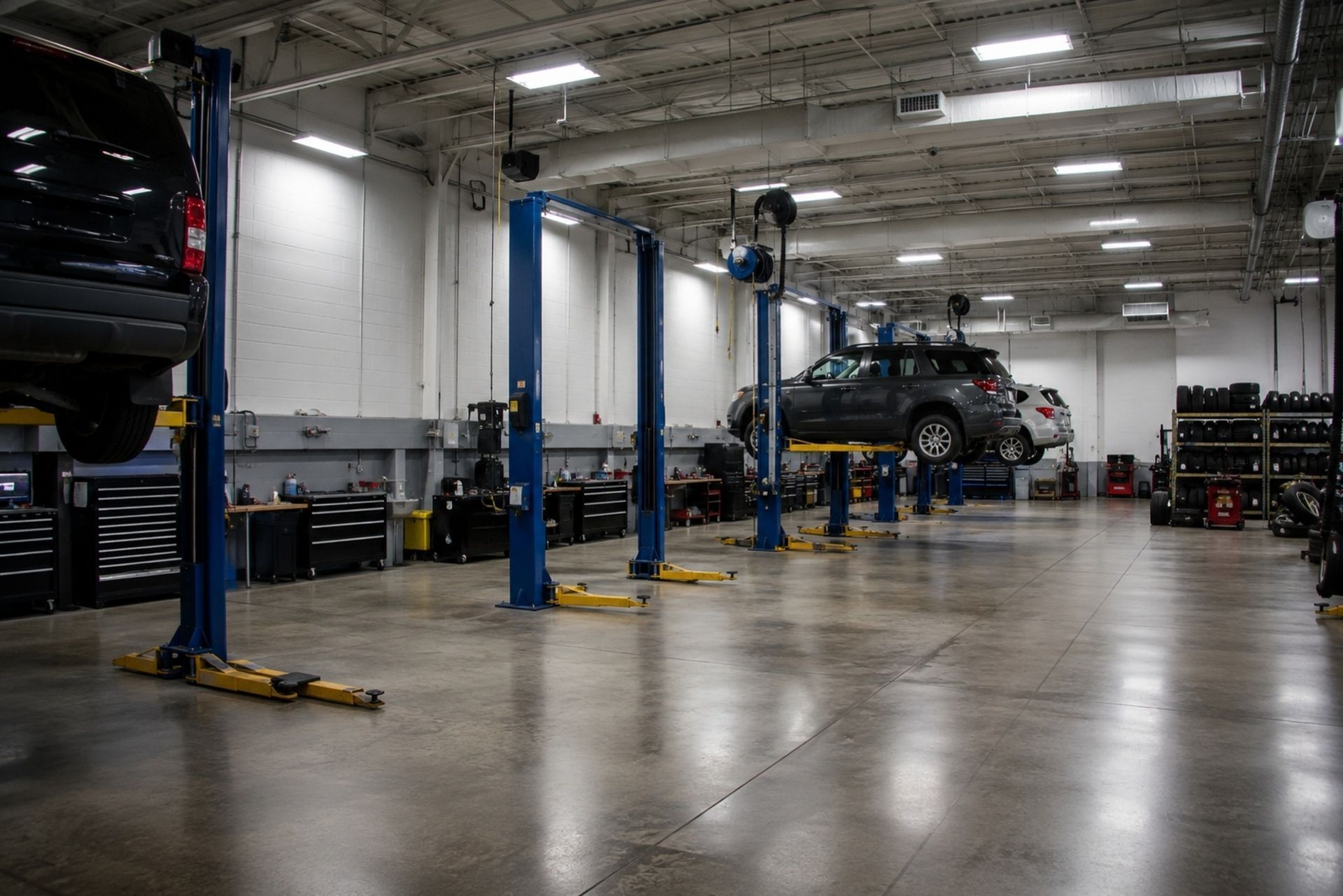
Here's where it gets specific: garage liability typically covers your employees driving customer vehicles, loaner cars, and test drives. A standard commercial auto policy wouldn't automatically include those exposures. If a technician takes a customer's car for a post-repair road test and causes an accident, garage liability responds. This distinction matters because auto claim severity continues to climb in 2026, and a single at-fault accident during a test drive can easily exceed $100,000 in damages.
Garagekeepers Insurance: Protecting Customer Vehicles
Garagekeepers coverage is separate from garage liability, and confusing the two is one of the most common mistakes shop owners make. Garage liability covers damage you cause to third parties. Garagekeepers covers damage to your customers' vehicles while they're in your care, custody, or control.
Think of it this way: a tree falls on three customer cars parked in your service lot overnight. That's a garagekeepers claim, not a garage liability claim. You can typically choose between direct primary coverage (which pays regardless of fault) or legal liability coverage (which only pays if you're found negligent). Direct primary costs more but keeps customers happy and avoids disputes. For most repair shops handling 15 or more vehicles at a time, direct primary is worth the premium difference.
Dealer Open Lot Coverage for Inventory
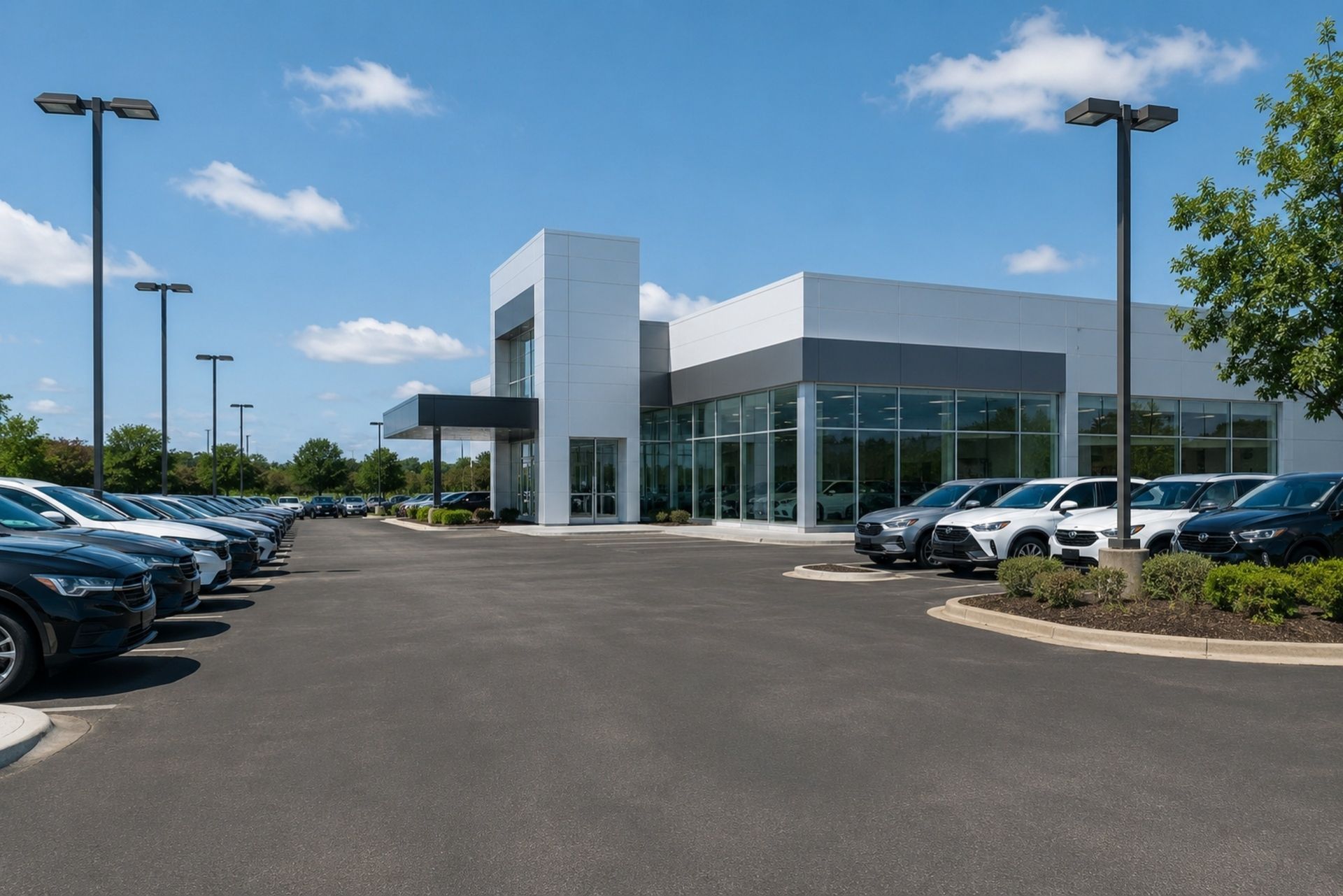
If you're a dealer, your inventory is likely your biggest asset. Open lot coverage, sometimes called dealer's physical damage, protects vehicles you own for sale against theft, vandalism, hail, fire, flood, and collision. This is not the same as garagekeepers: it covers your cars, not your customers' cars.
The tricky part is valuation. Inventory values fluctuate, and 2026 has brought continued volatility to used car pricing as market trends shift around vehicle appraisals. Underinsuring your lot is easy to do and expensive to discover after a loss. Most policies require you to report your average inventory value periodically, and getting that number wrong can trigger coinsurance penalties that reduce your payout.
INDEX
GrayStone Insurance Group is fully licensed and permitted to provide specialty commercial insurance solutions for high-risk and hard-to-place businesses across 17 states.
We proudly serve high-risk and hard-to-place businesses from coast to coast. As an independent specialty brokerage, our team works with leading Excess & Surplus and specialty carriers to make sure restaurants, bars, contractors, trucking companies, manufacturers, and other hard-to-place operations receive coverage that fits their real risks in California, Colorado, Florida, Georgia, Illinois, Iowa, Maryland, Michigan, Missouri, Nevada, New York, North Carolina, South Carolina, Tennessee, Texas, Utah, and Washington.
Every policy has boundaries. Knowing them up front is how you avoid an uncovered claim. Common exclusions include:
Every policy has boundaries. Knowing them up front is how you avoid an uncovered claim. Common exclusions include:
Every policy has boundaries. Knowing them up front is how you avoid an uncovered claim. Common exclusions include:
General Liability responds to the core exposures most operations in this category face. A typical policy answers third-party claims and the defense costs that come with them, so a single incident doesn't put the business at risk.
If your firm provides any design, engineering, or consulting services alongside construction, you need both. A GL policy won't cover a claim alleging your design specifications caused a building envelope failure. That's a professional liability exposure, and it's one of the fastest-growing claim categories in construction.
Comparison: Basic vs. Comprehensive Protection
Seeing these coverages side by side helps clarify what you're actually buying.
| Coverage Element | Basic Package | Comprehensive Package |
|---|---|---|
| Garage Liability | Included with standard limits | Higher limits, broader endorsements |
| Garagekeepers | Legal liability only | Direct primary coverage |
| Open Lot / Dealer Physical Damage | Named perils (fire, theft) | All-risk including hail and flood |
| Customer Property (tools, personal items) | Typically excluded | Optional endorsement available |
| Loaner/Rental Vehicle Coverage | Not included | Included |
| Cyber Liability | Not included | Often bundled (critical for FTC compliance) |
| Employment Practices | Not included | Optional add-on |
One thing worth flagging: the FTC Safeguards Rule now requires dealerships to maintain specific data security protocols for customer financial information. Cyber liability coverage has moved from "nice to have" to essential for any dealer handling financing or credit applications.
Common Claims in the Automotive Industry
Understanding your most likely claims helps you buy smarter coverage and implement better loss prevention.
On-Premises Accidents and Slips
The most frequent claims aren't dramatic: they're mundane. Oil on a shop floor, a customer tripping over an air hose, a technician dropping a vehicle off a jack. These premises liability claims are steady and predictable. Wet floors in customer waiting areas during rainy months generate a surprising number of injury claims, and settlements for broken wrists or knee injuries routinely hit $25,000 to $75,000.
Good housekeeping protocols and documented safety inspections reduce both frequency and severity. Carriers look favorably on shops that can demonstrate a written safety program during underwriting.
Faulty Workmanship and Completed Operations
This is the coverage gap that catches many shop owners off guard. A customer picks up their car after a brake job, and two weeks later the brakes fail, causing an accident. Your garage liability's completed operations coverage responds here, but only if your policy includes it with adequate limits.
Completed operations claims are often the most expensive because they involve bodily injury away from your premises. Defense costs alone can run $50,000 or more, even if you ultimately win. Shops that perform safety-critical work like brakes, steering, suspension, or tire mounting need to pay close attention to this coverage section and make sure it isn't sublimited.
Test Drive Incidents and Vandalism
Test drives create a unique exposure: you're handing a vehicle worth $30,000 or more to a stranger. Accidents during test drives are covered under garage liability, but theft during a test drive is a different story. "Test drive theft" schemes, where a prospect drives off and never returns, are an open lot or dealer physical damage claim.
Catalytic converter theft remains a persistent problem for both dealers and repair shops. Vehicles sitting on open lots are prime targets, and replacement costs for stolen converters can range from $1,000 to $3,000 per vehicle. Multiply that across a dozen vehicles and you're looking at a significant loss. Security cameras, well-lit lots, and catalytic converter locks are all measures that can reduce premiums.
Every policy has boundaries. Knowing them up front is how you avoid an uncovered claim. Common exclusions include:
Every policy has boundaries. Knowing them up front is how you avoid an uncovered claim. Common exclusions include:
Every policy has boundaries. Knowing them up front is how you avoid an uncovered claim. Common exclusions include:
General Liability responds to the core exposures most operations in this category face. A typical policy answers third-party claims and the defense costs that come with them, so a single incident doesn't put the business at risk.
Solutions for Hard-to-Place Operators
Not every garage or dealership fits neatly into a standard carrier's appetite. If you've been declined or non-renewed, you're not alone, and you're not out of options.
High-Risk Profiles: Poor Credit or Loss History
Carriers use loss history and financial stability as primary underwriting factors. A string of claims over three years, or a business owner with poor personal credit, can push you out of the standard market entirely. The key to avoiding underwriting red flags is presenting a clean, organized submission that tells a story: what happened, what you've changed, and why the risk is better today.
GrayStone Insurance Group works with operators in exactly this position, using data-driven risk modeling to match high-risk profiles with surplus lines carriers and specialty markets. Their brokers average 20 years of experience and know which markets are writing garage risks that others won't touch.
New Ventures and Specialty Dealerships
Starting a new dealership or opening a specialty shop for exotics, classics, or EVs presents its own challenges. Most standard carriers want three years of operating history before they'll quote. Specialty inventory, like a lot full of classic muscle cars or high-end imports, requires agreed-value coverage rather than actual cash value, and not every carrier offers it.
New ventures can improve their chances by providing a detailed business plan, proof of industry experience (even if at a previous employer), and evidence of security measures like gated lots, alarm systems, and GPS tracking on high-value inventory.
Navigating Non-Renewals and Cancellations
Getting a non-renewal notice 60 days before your policy expires is stressful, but it's not a death sentence. The most important thing is to start shopping immediately. Don't wait until the last week. Surplus lines and excess markets can often place coverage, but they need time to underwrite.
The commercial auto insurance market has been tightening, and the broader insurance market is growing at just 3% to 4% in 2026, which means carriers are being selective. Working with a broker like GrayStone who specializes in hard-to-place risks can mean the difference between finding coverage and going bare.
Yes. The E&S market exists specifically for situations like this. You'll likely pay more, and your policy may include higher deductibles or specific exclusions related to past claim types. Demonstrating corrective action since those claims occurred helps significantly at renewal.
FProtecting Your Business for the Long Term
FAQ: How long does it take to get a hard-to-place policy?
Anywhere from a few days to several weeks. Simple E&S placements for well-documented risks can move quickly. Complex accounts requiring multiple carrier submissions, manuscript endorsements, or layered programs take longer. Starting the process 60-90 days before your renewal date is a smart move.
Common Questions About Garage Insurance
Do I need both garage liability and garagekeepers insurance? Yes. Garage liability covers damage you cause to others. Garagekeepers covers damage to customer vehicles in your care. They protect against completely different exposures, and most states effectively require both for licensed operations.
What happens if a customer's car is stolen from my lot? Your garagekeepers policy should cover theft of customer vehicles. Your own inventory theft falls under dealer open lot coverage. Make sure both coverages include theft as a covered peril.
Can I get garage insurance with a prior claims history? You can, but you'll likely need a surplus lines or specialty carrier. A well-prepared submission that explains past losses and documents corrective actions makes a significant difference in both availability and pricing.
Does garage liability cover my employees driving customer cars? Yes, garage liability typically covers your employees operating customer vehicles as part of normal business operations, including test drives and post-repair road tests.
How much garagekeepers coverage do I need? Calculate the maximum total value of customer vehicles on your premises at any given time. If you regularly have 20 cars averaging $25,000 each, you need at least $500,000 in garagekeepers coverage.
Every policy has boundaries. Knowing them up front is how you avoid an uncovered claim. Common exclusions include:
Every policy has boundaries. Knowing them up front is how you avoid an uncovered claim. Common exclusions include:
Every policy has boundaries. Knowing them up front is how you avoid an uncovered claim. Common exclusions include:
General Liability responds to the core exposures most operations in this category face. A typical policy answers third-party claims and the defense costs that come with them, so a single incident doesn't put the business at risk.
Making the Right Choice for Your Shop
The right insurance package for a three-bay independent repair shop looks nothing like what a 200-vehicle used car lot needs. Your coverage should reflect your actual operations: the number of vehicles you handle, the type of work you perform, your lot security, and your claims history.
If you're operating in the standard market with clean history, you have options and should shop competitively. If you've been declined, non-renewed, or you're launching a new venture, don't settle for the first quote you find. Specialty brokers exist for exactly this reason. GrayStone Insurance Group maintains a 94% client retention rate because they build coverage around the operator's real risk profile rather than forcing a one-size-fits-all solution.
Start by auditing your current coverage against the categories outlined above. Identify gaps, especially around garagekeepers limits, completed operations, and open lot valuation. Then talk to a broker who understands automotive risks and can place coverage even when the standard market says no.
ABOUT THE AUTHOR:
CHAD KRAMER
I started GrayStone Insurance Group in 2018 with a simple conviction: the businesses everyone else turns away deserve a broker who won't. What began as a one-person operation has grown into a specialty commercial brokerage with offices across the country — but the mission hasn't changed. We find solutions for high-risk and hard-to-place businesses when other agencies run the other way.
I built this agency on integrity, hard work, and the tenacity to do the hard things well. Through our access to Excess & Surplus and specialty markets, my team and I place coverage standard carriers can't — and I treat every client's business like my own.
If you've been declined, non-renewed, or told your business is too complicated to insure, let's talk.
Coverages & policies
Plain-language coverage, expertly placed.
We lead with commercial lines and round out personal coverage where you need it. Every policy comes with an explanation — not jargon.

Contractors
Third-party bodily injury & property damage — the foundation for any operation.

Liquor Liability
Critical for bars, restaurants and venues serving alcohol — including A&B.

Commercial Property
Buildings, contents and equipment — including distressed and vacant risk.

Workers' Compensation
Statutory coverage for your crew — including high-mod and high-hazard classes.

Commercial Umbrella
Extra liability limits over your primary policies — essential for high-exposure risk.
Products Liability
Manufacturers, CBD and consumer-product exposure — including imports.
What clients say
Brokers who actually place it.
FAQ
Answers for the risks others won't cover
Getting declined, non-renewed, or told your business is "too high-risk" is frustrating — but it doesn't mean you're out of options. Here are answers to the questions we hear most from business owners who need coverage the standard market won't provide.
What kind of insurance does GrayStone specialize in?
We're a specialty commercial brokerage built for high-risk and hard-to-place businesses — the risks standard carriers often turn away. Through our access to Excess & Surplus (E&S) and specialty markets, we place coverage that everyday agencies can't. Hospitality and construction are among our deepest areas of expertise.
My business was declined or non-renewed elsewhere. Can you still help?
That's exactly what we do. A decline, a non-renewal, or a tough claims history doesn't mean you're out of options — it means your risk needs a broker with the right market access. Tell us your situation and we'll get to work finding a fit.
What is Excess & Surplus (E&S) insurance?
E&S is specialty coverage for risks that standard "admitted" carriers won't write — often because a business is higher-risk, unusual, or has a complex history. As an independent broker, we tap into these specialty markets to place coverage where a typical agency hits a dead end.
What industries do you work with?
We cover a wide range of commercial industries — from restaurants, bars, and hospitality to contractors, trucking, manufacturing, cannabis, and more. If your industry is considered high-risk or hard-to-place, there's a good chance we've handled it.
Will you work with businesses that have prior claims or losses?
Yes. Prior claims and losses are part of many of the risks we place every day. Every business is evaluated on its own merits — and a rocky history is often exactly why a specialty broker can help where others won't.
Are you an independent broker?
Yes. We're not tied to a single carrier, so we shop your risk across multiple specialty and E&S markets to find coverage that actually fits — instead of forcing you into a one-size-fits-all policy.
Insights & resources
Know your risk before you buy.