
General Liability responds to the core exposures most operations in this category face. A typical policy answers third-party claims and the defense costs that come with them, so a single incident doesn't put the business at risk.
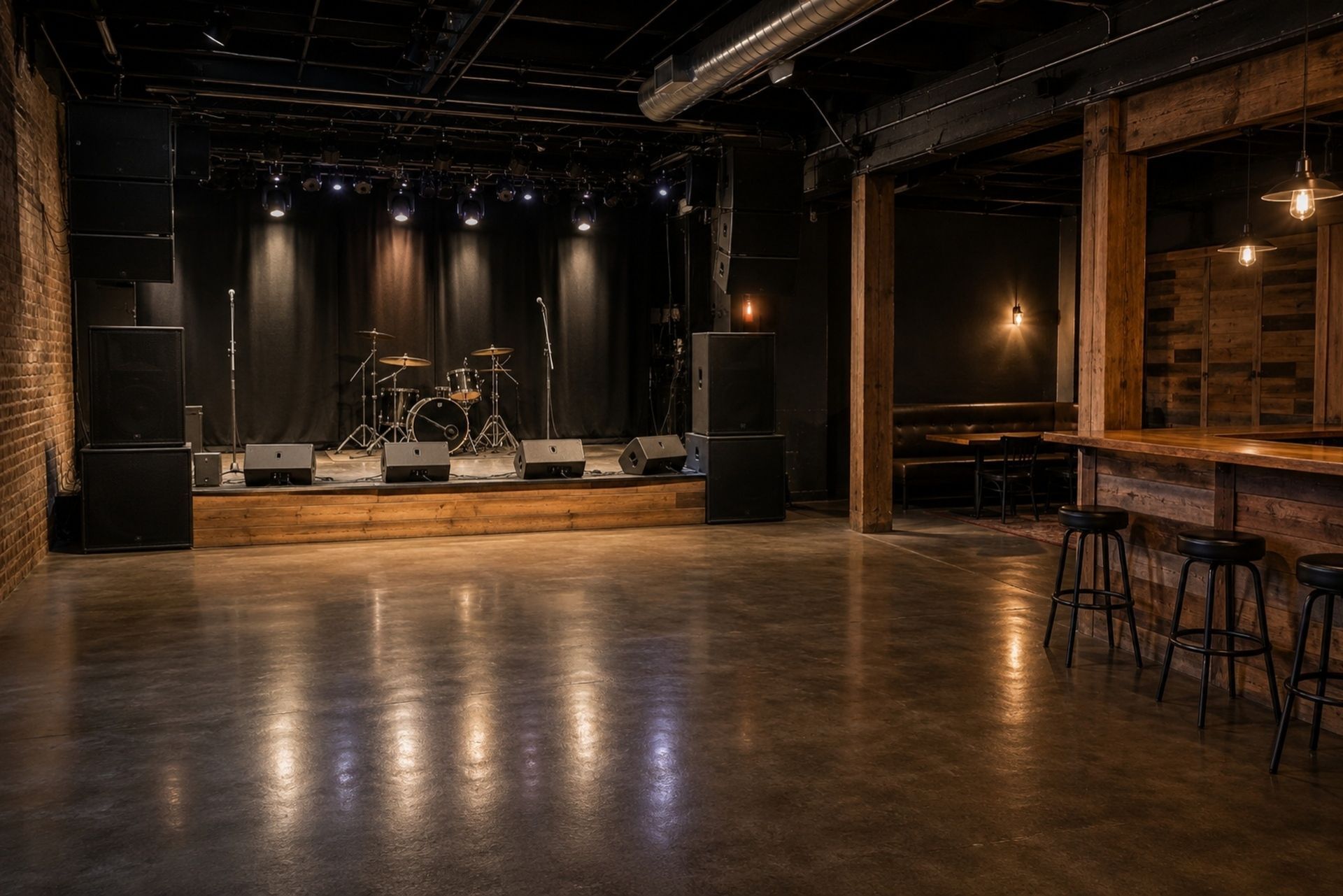
Running a live music venue in Iowa means juggling sound checks, booking acts, managing bar staff, and keeping crowds safe, all while staying profitable. What most operators underestimate is the insurance side of things. A single slip-and-fall, a drunk patron causing a car accident after leaving your bar, or a fire code violation can shut you down faster than a bad Yelp review. Iowa has specific laws around alcohol liability, workers' compensation, and venue safety that directly shape what coverage you need and what it costs. Whether you're operating a 200-cap club in Des Moines or a converted barn venue outside Iowa City, understanding insurance requirements and compliance obligations is the difference between building something lasting and losing everything in a single incident.
Core Insurance Requirements for Iowa Music Venues
Every Iowa venue that hosts live entertainment needs, at minimum, commercial general liability (CGL) insurance. This covers bodily injury and property damage claims from third parties, like a patron who trips over a cable run or gets hit by a falling speaker. Most landlords and booking agents won't even talk to you without proof of at least $1 million per occurrence and $2 million aggregate.
But general liability alone isn't enough. Iowa's regulatory environment adds layers that many first-time venue operators don't anticipate. If you serve alcohol, you're subject to dram shop liability. If you have employees, workers' compensation is mandatory. And if you're hosting events with pyrotechnics, large crowds, or outdoor stages, you'll likely need specialized endorsements or standalone policies that standard carriers won't touch.
General Liability and Iowa Dram Shop Laws
Iowa's dram shop statute is one of the most consequential laws for any venue selling drinks. Under Iowa Code Section 123.92, a venue can be held liable if it serves alcohol to a visibly intoxicated person who then causes injury or death. The state maintains a dram shop insurance requirement that every liquor licensee must carry.
This isn't theoretical risk. Dram shop claims in Iowa regularly result in six- and seven-figure settlements. Your standard CGL policy typically excludes liquor liability, so you need a separate liquor liability policy or endorsement. Coverage limits of $500,000 to $1 million are common, though venues with high alcohol revenue should consider higher limits. One bad night can generate a lawsuit that exceeds a bare-minimum policy.
State-Mandated Workers' Compensation
If you have employees in Iowa, even part-time bartenders, sound techs, or door staff, you must carry workers' compensation insurance. There's no small-employer exemption for most businesses. Iowa's workers' comp voluntary rates are projected to decrease by 2.5% effective January 1, 2026, continuing a long-term downward trend that benefits employers.
That said, live music venues often fall into higher-risk classification codes due to the nature of the work: heavy equipment, late hours, crowd management. Your actual premium depends on your classification code, payroll size, and claims history. Venues with clean safety records can see significant savings through experience modification ratings. You can review current rate information through the Iowa Division of Workers' Compensation.
INDEX
GrayStone Insurance Group is fully licensed and permitted to provide specialty commercial insurance solutions for high-risk and hard-to-place businesses across 17 states.
We proudly serve high-risk and hard-to-place businesses from coast to coast. As an independent specialty brokerage, our team works with leading Excess & Surplus and specialty carriers to make sure restaurants, bars, contractors, trucking companies, manufacturers, and other hard-to-place operations receive coverage that fits their real risks in California, Colorado, Florida, Georgia, Illinois, Iowa, Maryland, Michigan, Missouri, Nevada, New York, North Carolina, South Carolina, Tennessee, Texas, Utah, and Washington.
Every policy has boundaries. Knowing them up front is how you avoid an uncovered claim. Common exclusions include:
Every policy has boundaries. Knowing them up front is how you avoid an uncovered claim. Common exclusions include:
Every policy has boundaries. Knowing them up front is how you avoid an uncovered claim. Common exclusions include:
General Liability responds to the core exposures most operations in this category face. A typical policy answers third-party claims and the defense costs that come with them, so a single incident doesn't put the business at risk.
If your firm provides any design, engineering, or consulting services alongside construction, you need both. A GL policy won't cover a claim alleging your design specifications caused a building envelope failure. That's a professional liability exposure, and it's one of the fastest-growing claim categories in construction.
Essential Coverage Types: Basic vs. Comprehensive
Most Iowa venue operators start with the minimum and learn the hard way that gaps exist. A basic package typically includes CGL and workers' comp. A comprehensive package adds liquor liability, commercial property, equipment breakdown, business interruption, and event cancellation coverage. The difference in annual premium between basic and comprehensive might be $3,000 to $8,000, but the difference in protection is enormous.
Comparison of Standard vs. Extended Coverage
| Coverage Type | Basic Package | Comprehensive Package |
|---|---|---|
| General Liability | $1M/$2M limits | $1M/$2M with umbrella option |
| Liquor Liability | Not included | $500K-$1M per occurrence |
| Workers' Comp | State minimum | State minimum + employer's liability |
| Property Coverage | Building only | Building + equipment + signage |
| Business Interruption | Not included | Up to 12 months lost income |
| Event Cancellation | Not included | Per-event or annual policy |
| Hired/Non-Owned Auto | Not included | Included |
| Cyber Liability | Not included | Included (POS/ticketing systems) |
The comprehensive package matters most for venues that rely heavily on weekend revenue. If a fire or flood shuts you down for three months, business interruption coverage keeps you afloat while you rebuild. Event cancellation coverage has become increasingly important for live event operators in 2026, especially for venues booking national touring acts with guaranteed payouts.
Factors Influencing Insurance Premiums in Iowa
Your premium isn't a random number. Underwriters evaluate specific risk factors, and understanding them gives you real power to control costs.
Venue Capacity and Crowd Density
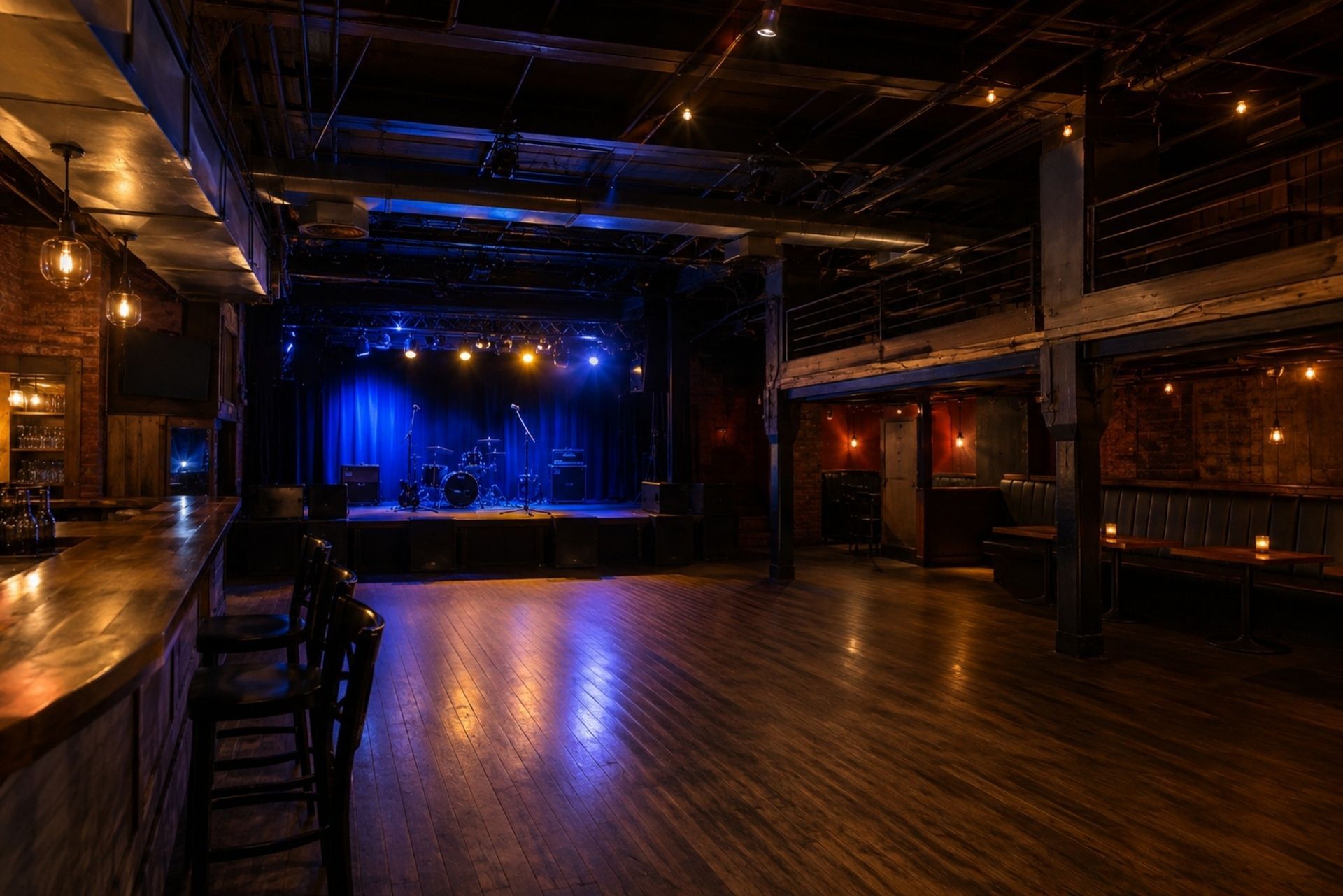
A 150-person listening room and a 2,000-cap concert hall are different animals from an underwriting perspective. Larger capacity means more potential claimants, higher crowd-crush risk, and greater liability exposure. Venues above 500 capacity often see premiums jump 30-50% compared to smaller rooms. Floor plan layout matters too: standing-room venues carry more risk than seated configurations because crowd movement is less predictable.
Alcohol Sales and Security Protocols
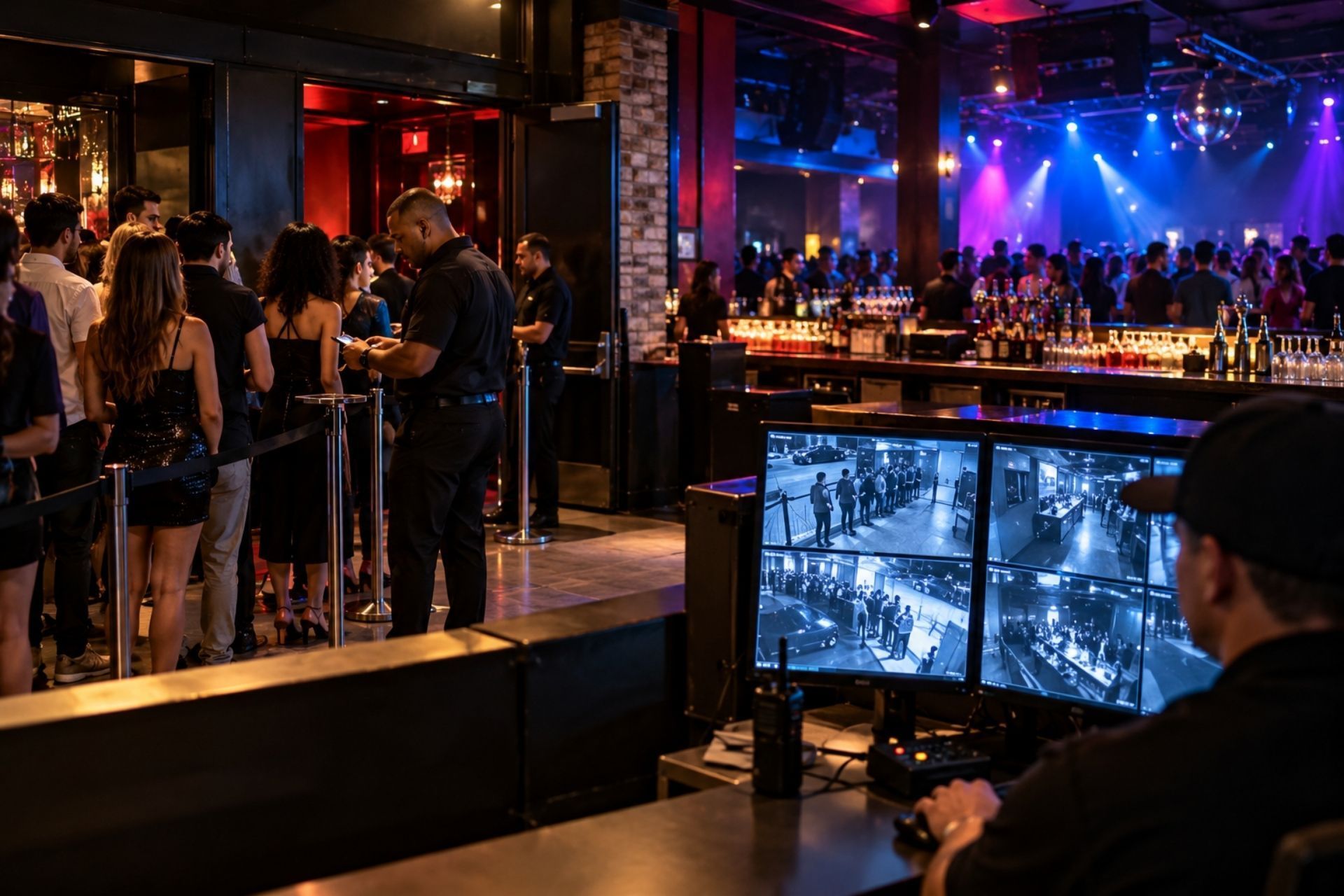
Alcohol revenue as a percentage of total revenue is a key metric underwriters watch. If 60% or more of your income comes from bar sales, expect higher liquor liability premiums. Venues that implement server training programs like TIPS or ServSafe, maintain documented cut-off policies, and employ trained security staff can negotiate lower rates.
GrayStone Insurance Group works with venues in exactly this situation, where alcohol-heavy revenue models make standard carriers nervous. Their brokers, averaging 20 years of industry experience, understand how to present your risk profile to specialty carriers who actually want this business.
Building Age and Fire Safety Compliance
Iowa has a lot of beautiful old buildings that make incredible music venues, but insurers see them differently. Pre-1970 construction, knob-and-tube wiring, outdated HVAC systems, and non-sprinklered spaces all drive premiums up. A venue in a 1920s brick building might pay 40-60% more than an identical operation in a modern build-out.
Fire marshal inspections, updated electrical panels, sprinkler systems, and documented emergency evacuation plans all help. If you're renovating a historic space, budget for fire suppression upgrades early because they'll pay for themselves in reduced premiums within a few years.
Every policy has boundaries. Knowing them up front is how you avoid an uncovered claim. Common exclusions include:
Every policy has boundaries. Knowing them up front is how you avoid an uncovered claim. Common exclusions include:
Every policy has boundaries. Knowing them up front is how you avoid an uncovered claim. Common exclusions include:
General Liability responds to the core exposures most operations in this category face. A typical policy answers third-party claims and the defense costs that come with them, so a single incident doesn't put the business at risk.
Navigating Local Compliance and Licensing
Insurance and licensing are intertwined in Iowa. You can't get one without the other in most cases, and lapses in either can trigger penalties or closure.
Iowa ABD Licensing Requirements
The Iowa Alcoholic Beverages Division (ABD) requires all venues selling alcohol to hold a valid liquor license and maintain proof of dram shop insurance. License classes vary: a Class "C" liquor license covers most bar/venue operations and costs around $750 annually for the state portion, though city fees vary. Recent legislative activity has proposed changes to Iowa's liquor licensing structure, so staying current on regulatory shifts matters.
Your ABD license application will require proof of insurance. If your policy lapses or is cancelled, the ABD can suspend your license. This is one area where working with a specialized agency pays off because they understand the timing and documentation requirements to keep everything synchronized.
Noise Ordinances and Sound Insurance
Iowa municipalities set their own noise ordinances, and violations can result in fines, injunctions, or forced closure. Des Moines, Cedar Rapids, and Iowa City each have different decibel limits and enforcement approaches. Some venues carry specific endorsements for noise-related claims, particularly if neighbors have filed complaints.
Sound-related property damage claims, like vibration damage to adjacent structures, fall under your general liability in most cases. But if you're operating near residential areas, consider an umbrella policy that provides additional protection above your primary limits. It's one of the cheapest ways to add significant coverage.
Common Questions for Iowa Venue Owners
Do I need special insurance for outdoor concerts?
Yes. Outdoor events introduce weather cancellation risk, temporary structure liability (stages, tents, barriers), and often require separate event policies. Your indoor venue policy typically won't extend to outdoor spaces without an endorsement. Many Iowa venues hosting summer series find that per-event policies ranging from $300 to $1,500 per show are the most cost-effective approach.
How much does liquor liability cost in Iowa?
For a mid-size Iowa venue, standalone liquor liability typically runs $2,500 to $7,000 annually, depending on alcohol revenue, claims history, and coverage limits. Venues with documented responsible service programs and low claims history land on the lower end. The insurance market for entertainment venues has tightened in recent years, making specialized brokers essential for competitive quotes.
Are touring bands covered by my venue policy?
Usually not. Most venue CGL policies exclude performers from coverage. Touring acts should carry their own liability insurance, and you should require certificates of insurance (COIs) from every act that plays your room. Your contract rider should specify minimum coverage limits, typically $1 million per occurrence. If a band doesn't have coverage, you can often add them as additional insureds on your policy for a small fee, but confirm this with your broker first.
Does my policy cover pyrotechnics or light shows?
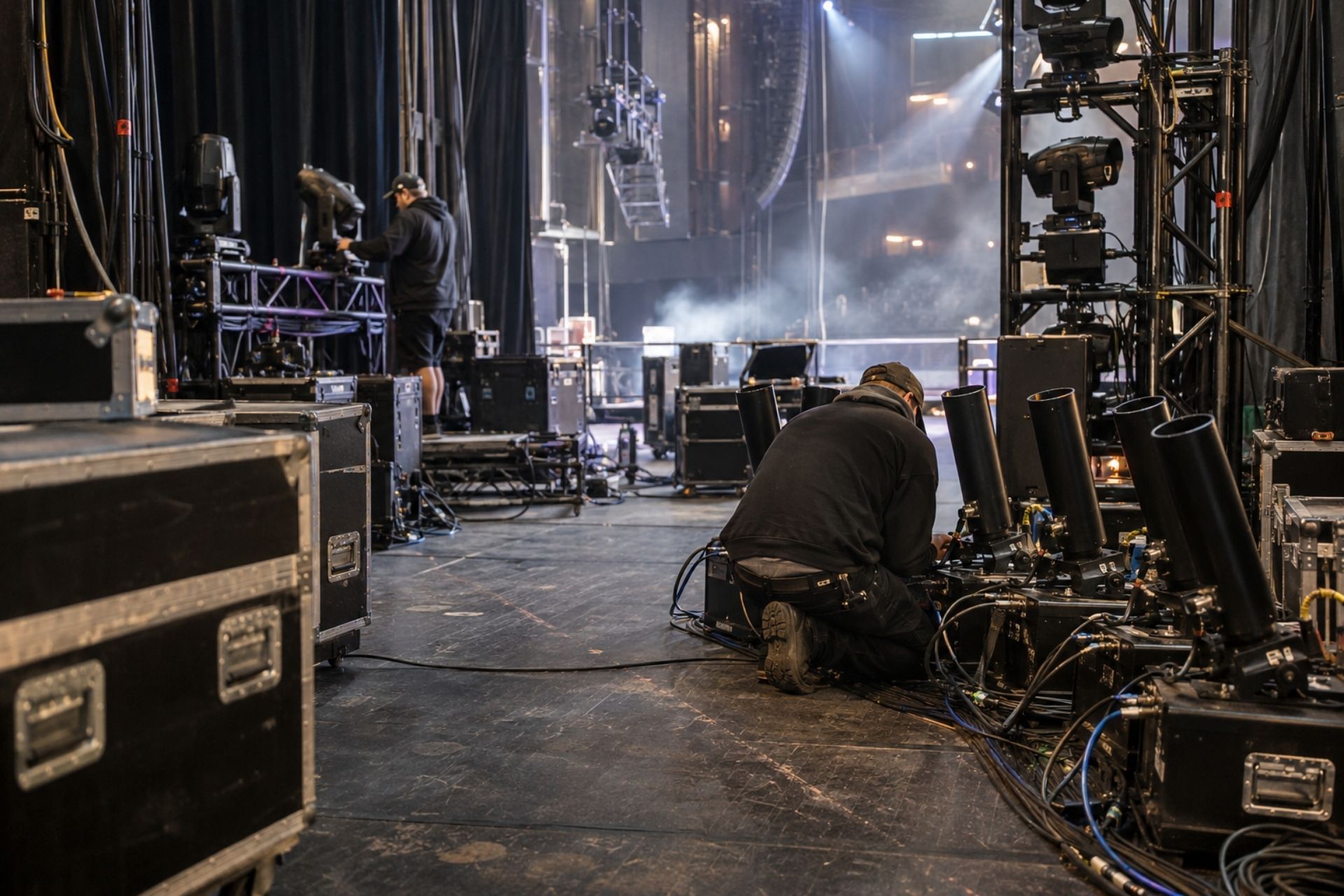
Standard policies almost always exclude pyrotechnics. If you're hosting shows with fire effects, CO2 cannons, or indoor fireworks, you need a specific endorsement or standalone policy. These are considered high-hazard exposures, and many standard carriers won't write them at all. GrayStone Insurance Group specializes in placing coverage for exactly these kinds of hard-to-insure risks, using data-driven underwriting to find carriers willing to write policies that other agencies can't place.
Every policy has boundaries. Knowing them up front is how you avoid an uncovered claim. Common exclusions include:
Every policy has boundaries. Knowing them up front is how you avoid an uncovered claim. Common exclusions include:
Every policy has boundaries. Knowing them up front is how you avoid an uncovered claim. Common exclusions include:
General Liability responds to the core exposures most operations in this category face. A typical policy answers third-party claims and the defense costs that come with them, so a single incident doesn't put the business at risk.
Protecting Your Investment: Next Steps
Running a live music venue in Iowa means accepting a level of risk that most businesses don't face. Crowds, alcohol, loud equipment, late nights, and aging buildings create a risk profile that standard insurance carriers often decline outright. That's not a reason to operate without proper coverage; it's a reason to work with specialists who understand this industry.
Start by auditing your current coverage against the table above. Identify gaps, especially around liquor liability, event cancellation, and business interruption. Get your fire safety documentation current and your server training programs documented, because both directly reduce premiums.
The operators who thrive long-term are the ones who treat insurance as infrastructure, not an afterthought. Your venue is your livelihood, your employees' workplace, and your community's gathering space. Protect it like it matters, because it does. Reach out to a specialized agency like GrayStone Insurance Group to get a policy review tailored to your specific operation, and make sure your coverage actually matches the risks you face every time the doors open.
ABOUT THE AUTHOR:
CHAD KRAMER
I started GrayStone Insurance Group in 2018 with a simple conviction: the businesses everyone else turns away deserve a broker who won't. What began as a one-person operation has grown into a specialty commercial brokerage with offices across the country — but the mission hasn't changed. We find solutions for high-risk and hard-to-place businesses when other agencies run the other way.
I built this agency on integrity, hard work, and the tenacity to do the hard things well. Through our access to Excess & Surplus and specialty markets, my team and I place coverage standard carriers can't — and I treat every client's business like my own.
If you've been declined, non-renewed, or told your business is too complicated to insure, let's talk.
Coverages & policies
Plain-language coverage, expertly placed.
We lead with commercial lines and round out personal coverage where you need it. Every policy comes with an explanation — not jargon.

Contractors
Third-party bodily injury & property damage — the foundation for any operation.

Liquor Liability
Critical for bars, restaurants and venues serving alcohol — including A&B.

Commercial Property
Buildings, contents and equipment — including distressed and vacant risk.

Workers' Compensation
Statutory coverage for your crew — including high-mod and high-hazard classes.

Commercial Umbrella
Extra liability limits over your primary policies — essential for high-exposure risk.
Products Liability
Manufacturers, CBD and consumer-product exposure — including imports.
What clients say
Brokers who actually place it.
FAQ
Answers for the risks others won't cover
Getting declined, non-renewed, or told your business is "too high-risk" is frustrating — but it doesn't mean you're out of options. Here are answers to the questions we hear most from business owners who need coverage the standard market won't provide.
What kind of insurance does GrayStone specialize in?
We're a specialty commercial brokerage built for high-risk and hard-to-place businesses — the risks standard carriers often turn away. Through our access to Excess & Surplus (E&S) and specialty markets, we place coverage that everyday agencies can't. Hospitality and construction are among our deepest areas of expertise.
My business was declined or non-renewed elsewhere. Can you still help?
That's exactly what we do. A decline, a non-renewal, or a tough claims history doesn't mean you're out of options — it means your risk needs a broker with the right market access. Tell us your situation and we'll get to work finding a fit.
What is Excess & Surplus (E&S) insurance?
E&S is specialty coverage for risks that standard "admitted" carriers won't write — often because a business is higher-risk, unusual, or has a complex history. As an independent broker, we tap into these specialty markets to place coverage where a typical agency hits a dead end.
What industries do you work with?
We cover a wide range of commercial industries — from restaurants, bars, and hospitality to contractors, trucking, manufacturing, cannabis, and more. If your industry is considered high-risk or hard-to-place, there's a good chance we've handled it.
Will you work with businesses that have prior claims or losses?
Yes. Prior claims and losses are part of many of the risks we place every day. Every business is evaluated on its own merits — and a rocky history is often exactly why a specialty broker can help where others won't.
Are you an independent broker?
Yes. We're not tied to a single carrier, so we shop your risk across multiple specialty and E&S markets to find coverage that actually fits — instead of forcing you into a one-size-fits-all policy.
Insights & resources
Know your risk before you buy.